Motion To Intervene Indiana
Description
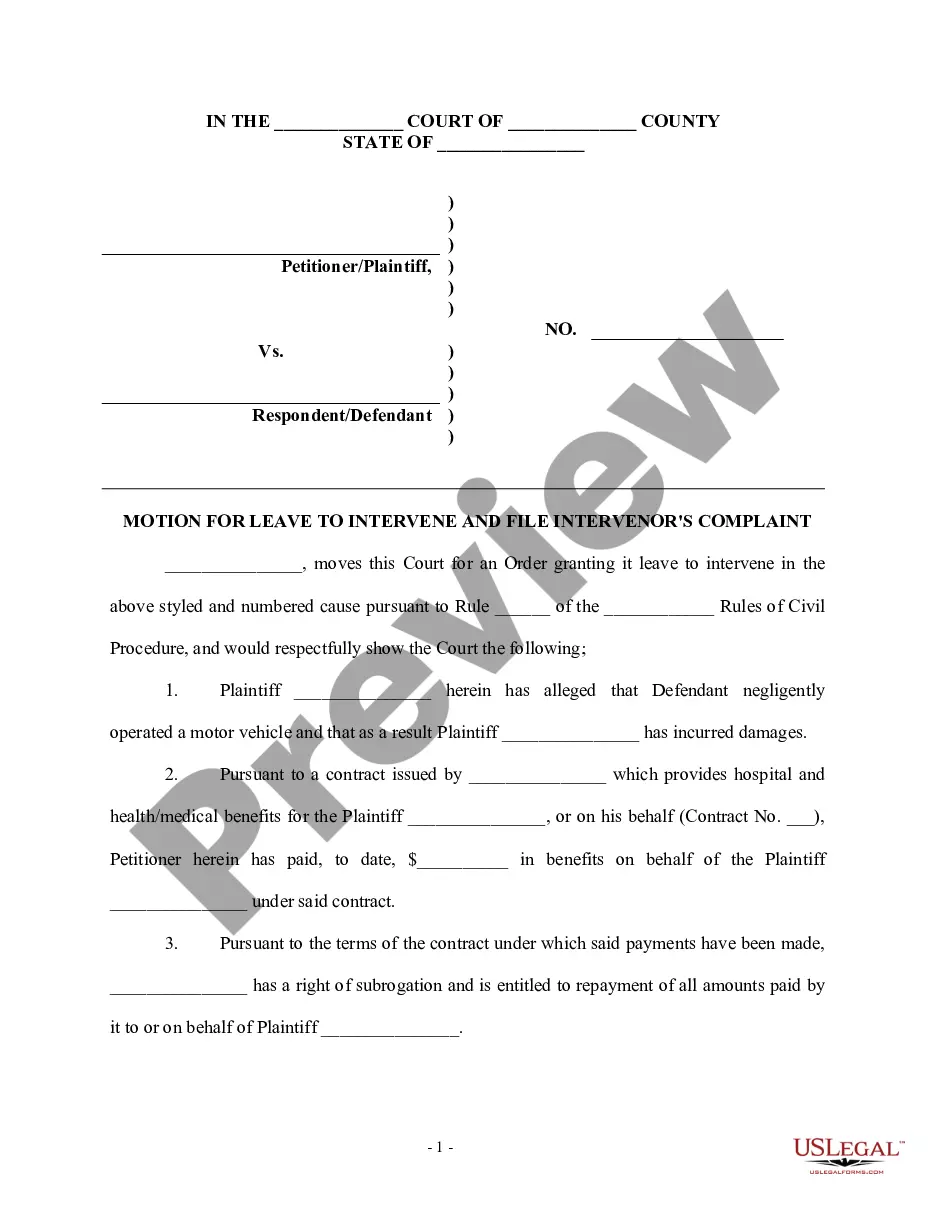
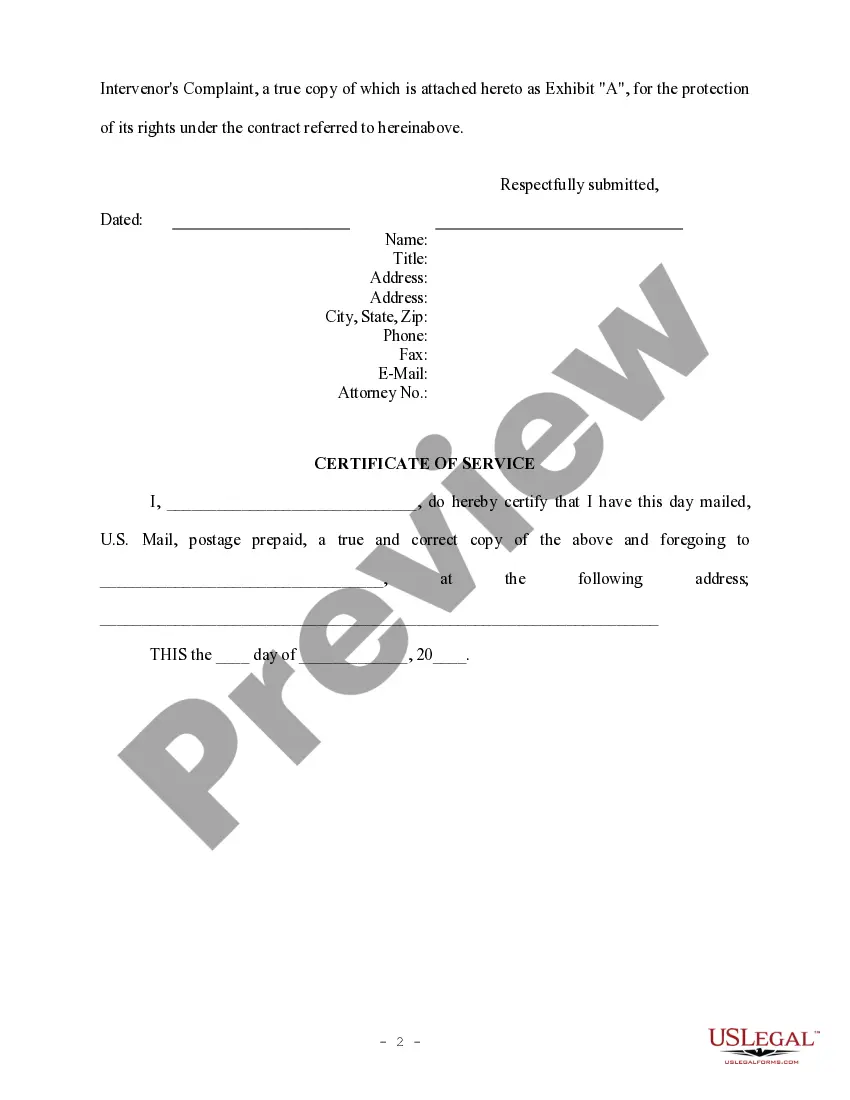
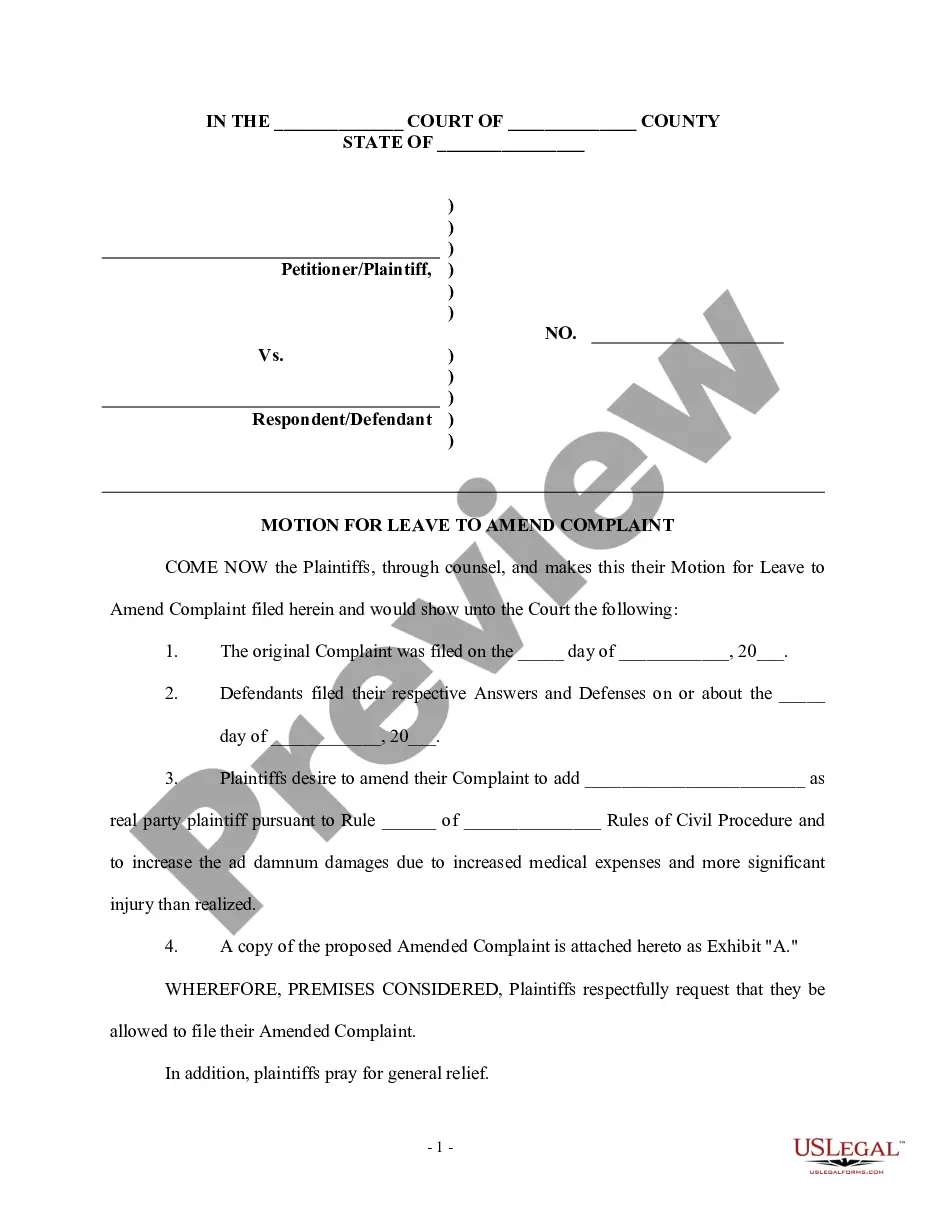
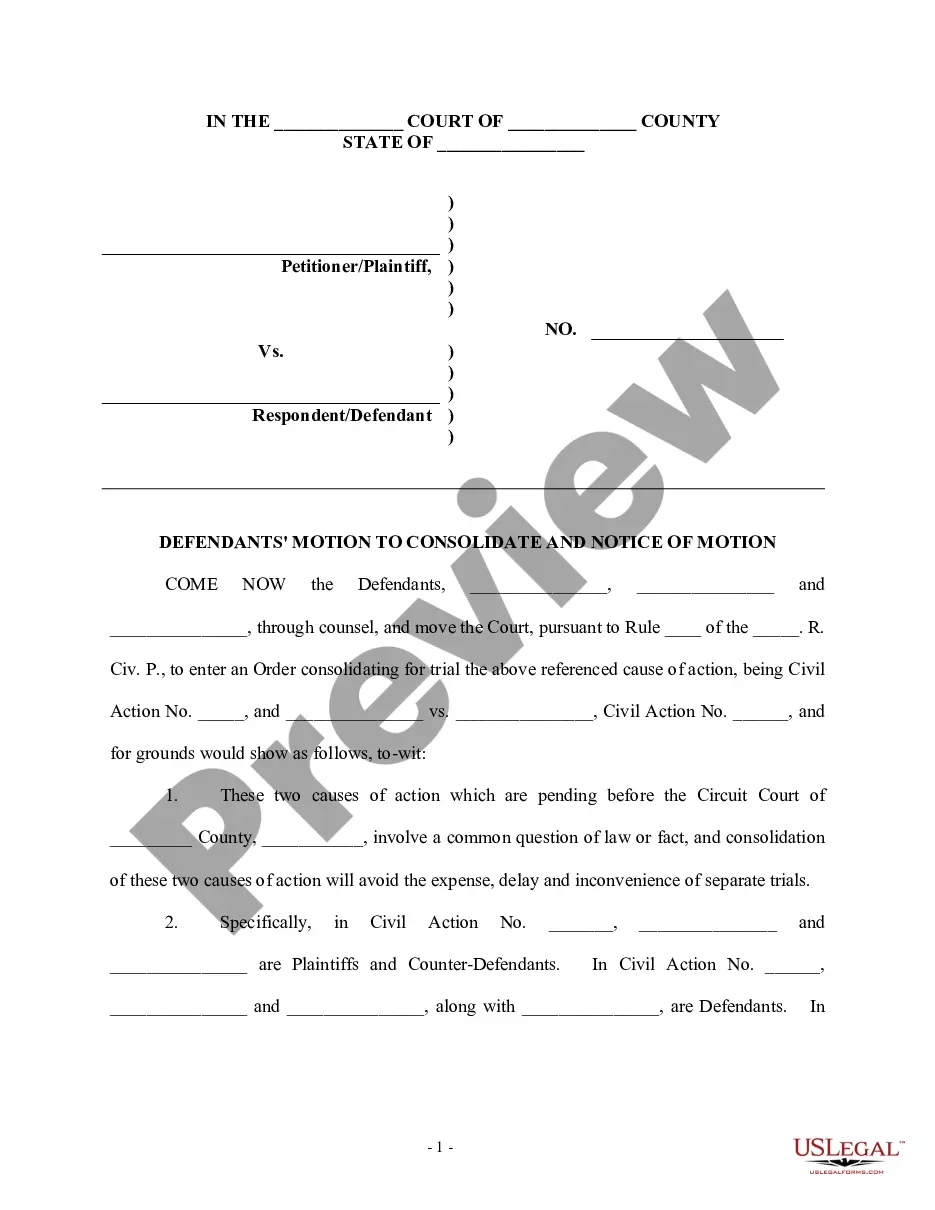
Get your form ready online
Our built-in tools help you complete, sign, share, and store your documents in one place.
Make edits, fill in missing information, and update formatting in US Legal Forms—just like you would in MS Word.
Download a copy, print it, send it by email, or mail it via USPS—whatever works best for your next step.
Sign and collect signatures with our SignNow integration. Send to multiple recipients, set reminders, and more. Go Premium to unlock E-Sign.
If this form requires notarization, complete it online through a secure video call—no need to meet a notary in person or wait for an appointment.
We protect your documents and personal data by following strict security and privacy standards.

Make edits, fill in missing information, and update formatting in US Legal Forms—just like you would in MS Word.

Download a copy, print it, send it by email, or mail it via USPS—whatever works best for your next step.

Sign and collect signatures with our SignNow integration. Send to multiple recipients, set reminders, and more. Go Premium to unlock E-Sign.

If this form requires notarization, complete it online through a secure video call—no need to meet a notary in person or wait for an appointment.

We protect your documents and personal data by following strict security and privacy standards.
Looking for another form?
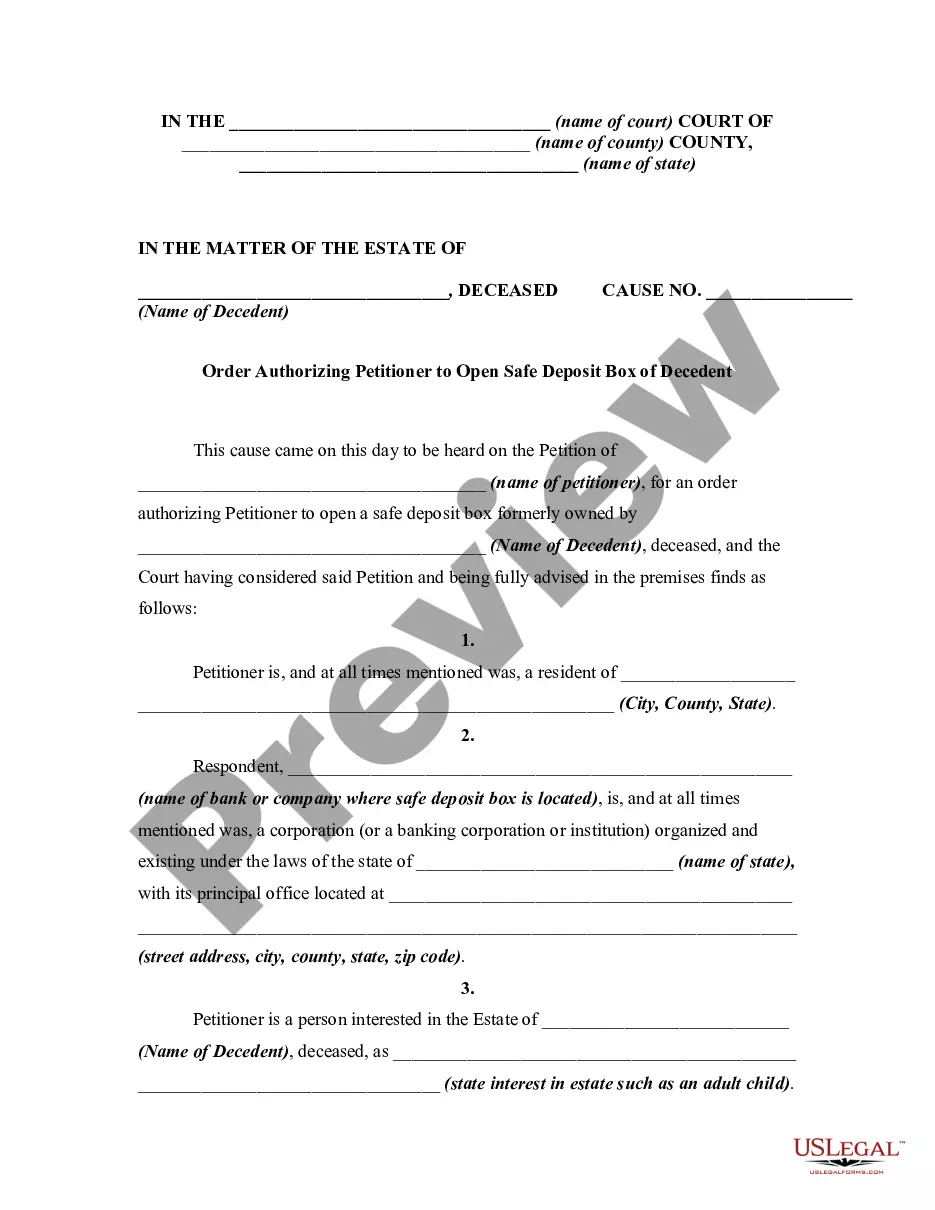
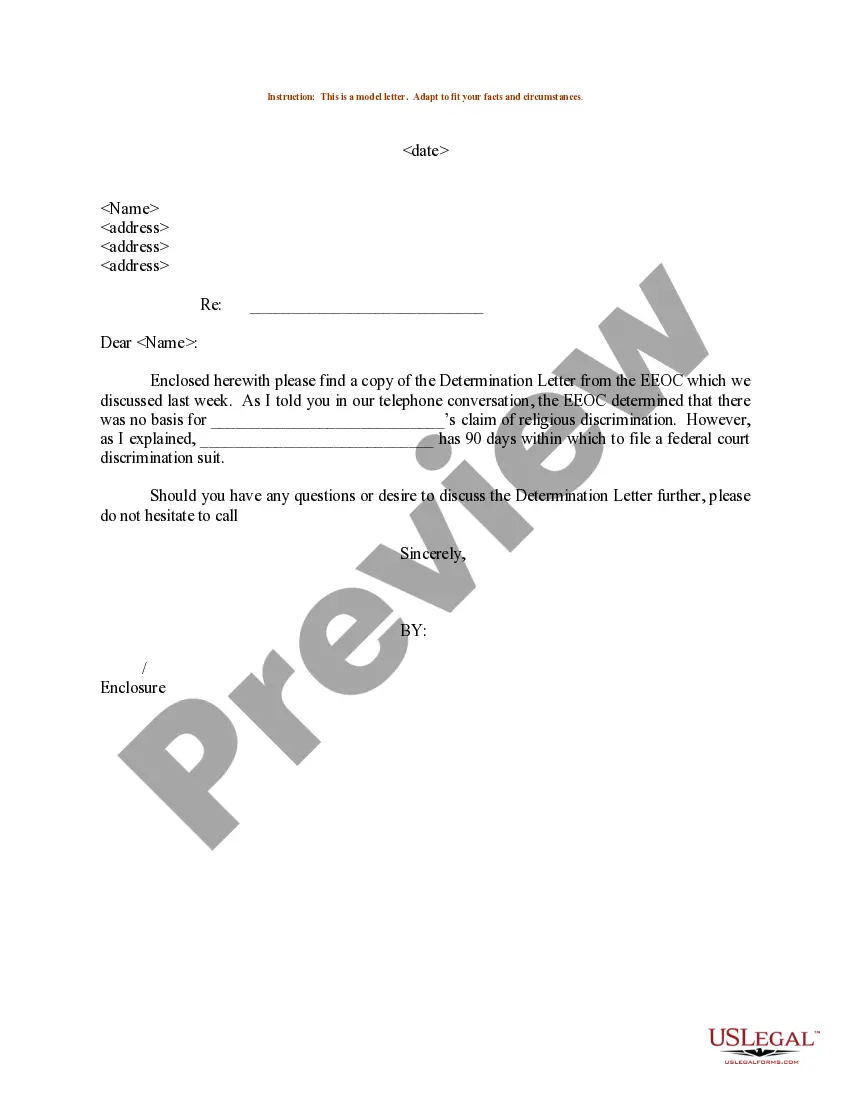
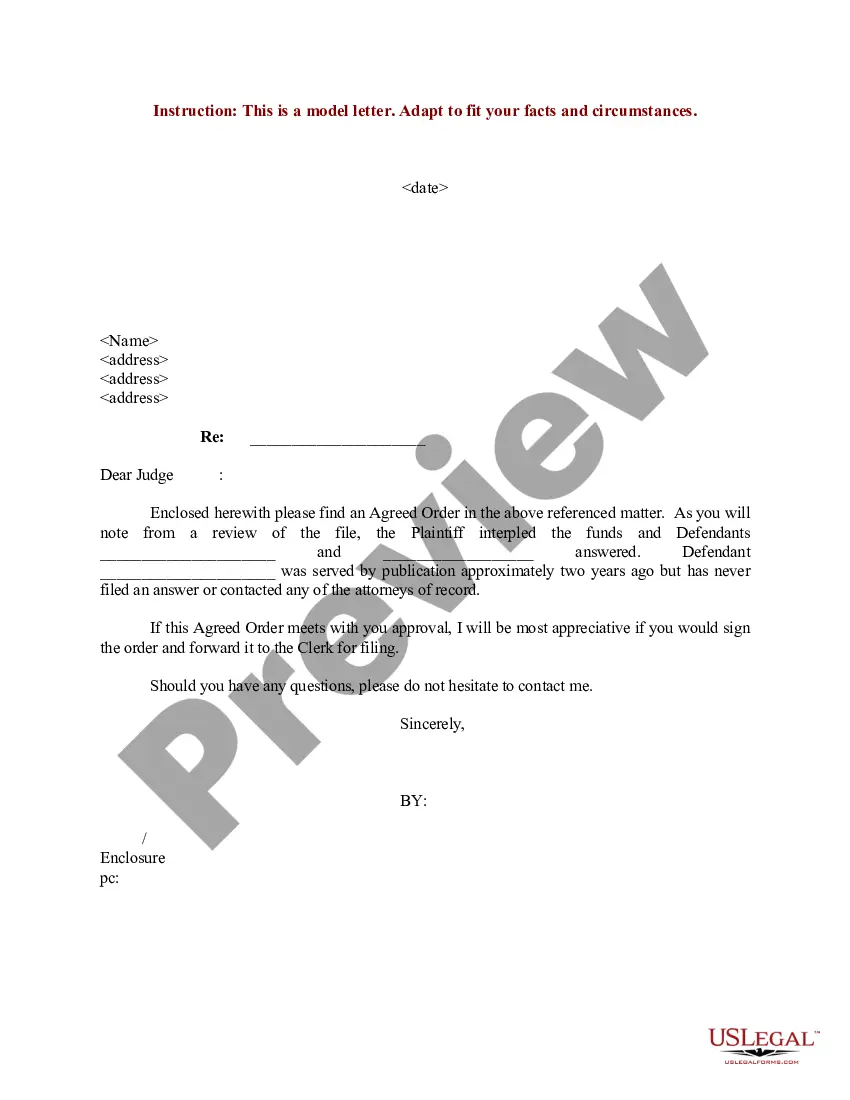
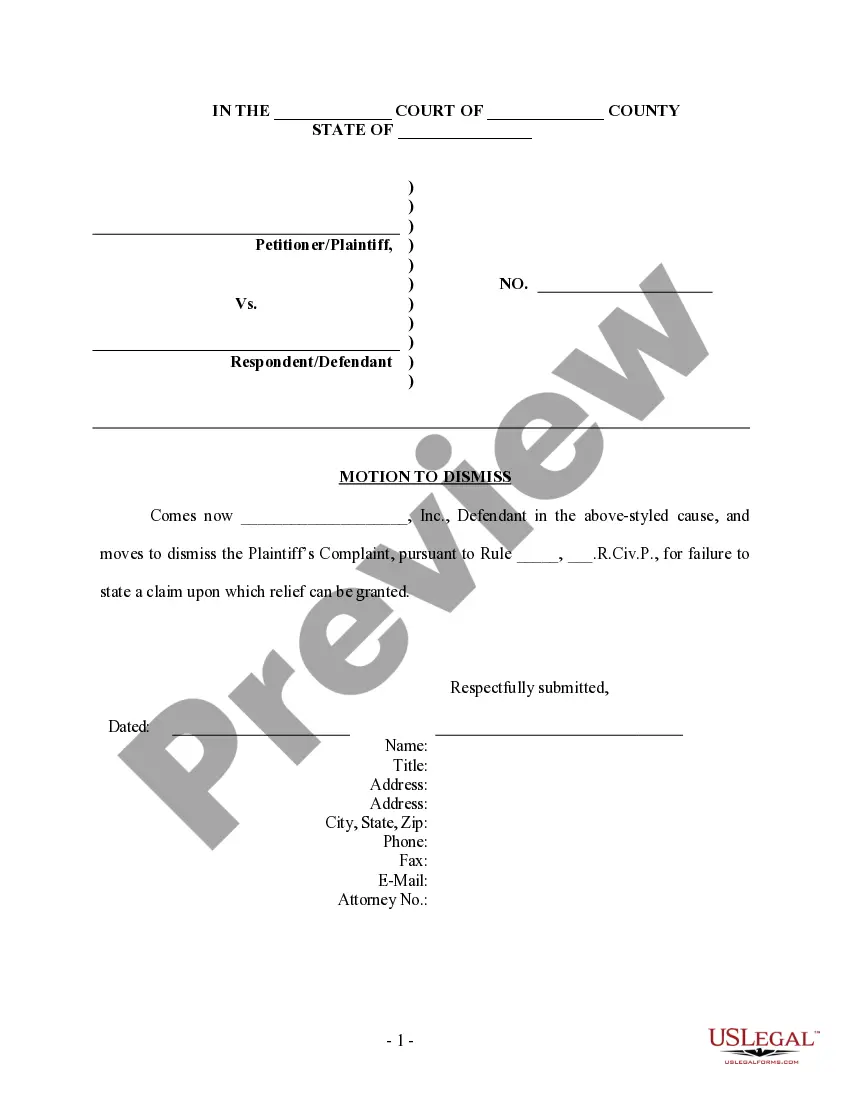
How to fill out Motion To Intervene - Personal Injury?
Locating a reliable source for acquiring the latest and suitable legal templates is part of the challenge when navigating bureaucracy.
Identifying the correct legal document demands precision and meticulousness, which is why it is crucial to obtain samples of Motion To Intervene Indiana exclusively from trustworthy providers, such as US Legal Forms. An incorrect template can squander your time and delay your situation.
Eliminate the hassle associated with your legal paperwork. Explore the comprehensive US Legal Forms collection to discover legal templates, verify their applicability to your situation, and download them immediately.
- Utilize the catalog navigation or search feature to locate your template.
- Examine the form’s description to ensure it meets the standards of your state and region.
- View the form preview, if offered, to confirm that the template is indeed the one you need.
- Return to the search to find the appropriate document if the Motion To Intervene Indiana does not fulfill your requirements.
- Once you are certain about the form’s applicability, download it.
- If you are a registered user, click Log in to verify and access your chosen templates in My documents.
- If you lack a profile, click Buy now to purchase the form.
- Select the pricing structure that aligns with your needs.
- Proceed with the registration to complete your transaction.
- Conclude your purchase by selecting a payment method (credit card or PayPal).
- Choose the file format for downloading Motion To Intervene Indiana.
- After obtaining the form on your device, you can edit it using the editor or print it to fill it out manually.
Form popularity
FAQ
The lazy judge rule in Indiana refers to a standard expected from judges in handling cases efficiently. This rule encourages judges to be proactive and refrain from unnecessary delays. In the context of a motion to intervene Indiana residents might file, it’s crucial that the judiciary observes this standard to ensure fair access to justice. Timely resolution can bolster your case, especially if you seek to intervene in ongoing proceedings.
A motion to intervene works by allowing a third party to join an existing lawsuit. In Indiana, this motion must demonstrate that the intervenor's interests are directly affected by the case. Successful intervention provides the individual or entity with a seat at the table, enabling them to present their viewpoint and contribute to the legal proceedings.
The intervention procedure in Indiana involves a formal process where a party submits a motion to intervene. This motion must be filed with the court, alongside specific documents outlining the reasons for intervention. Upon approval, the intervenor gains the opportunity to participate in the ongoing litigation, ensuring their interests are represented.
An intervenor has rights similar to those of the original parties in a legal case. This includes the ability to present evidence, make arguments, and file motions. In Indiana, understanding these rights through the motion to intervene process empowers individuals to ensure their perspectives are acknowledged in court.
When someone intervenes in a legal case, they are joining an existing lawsuit to protect their interests. This process often occurs when the outcome of the case could affect the intervenor’s rights or obligations. In Indiana, the concept of 'motion to intervene' allows individuals or entities to actively participate in a case that they believe may impact them.
To file a motion for continuance in Indiana, you must create a written request to the court explaining the reason for the delay. It's essential to include relevant case details, such as the case number and title, and to file this motion within the court's specified deadlines. Following Indiana's rules ensures your motion is considered valid and allows your case to proceed smoothly.
An order to motion to intervene means that the court has granted the request for a third party to join an existing case. This order allows the newly intervened party to participate fully in the legal proceedings and assert their rights. If you're navigating the complexities of a motion to intervene Indiana, knowing what this order entails can empower you to engage effectively in the legal process.
Rule 37 means that there are specified sanctions and remedies for parties that do not comply with discovery requests in Indiana. This rule aims to ensure fair play within the legal system and can impact cases significantly. Hence, understanding Rule 37 is crucial for those involved in litigation, particularly if considering a motion to intervene Indiana.
Indiana Rule 36 pertains to the legal process of requesting admissions during litigation. It allows one party to request that another party admit the truth of certain facts, thereby streamlining the trial process. Savvy litigants often rely on these rules, including a motion to intervene Indiana, to clarify issues and avoid unnecessary trials.
A Rule 37 meeting is a conference that occurs in Indiana courts to discuss discovery disputes. The primary aim is to resolve conflicts over document production, interrogatories, and other discovery-related matters before going to trial. For individuals considering a motion to intervene Indiana, being prepared for a Rule 37 meeting can facilitate smoother legal interactions and enhance your understanding of the case.