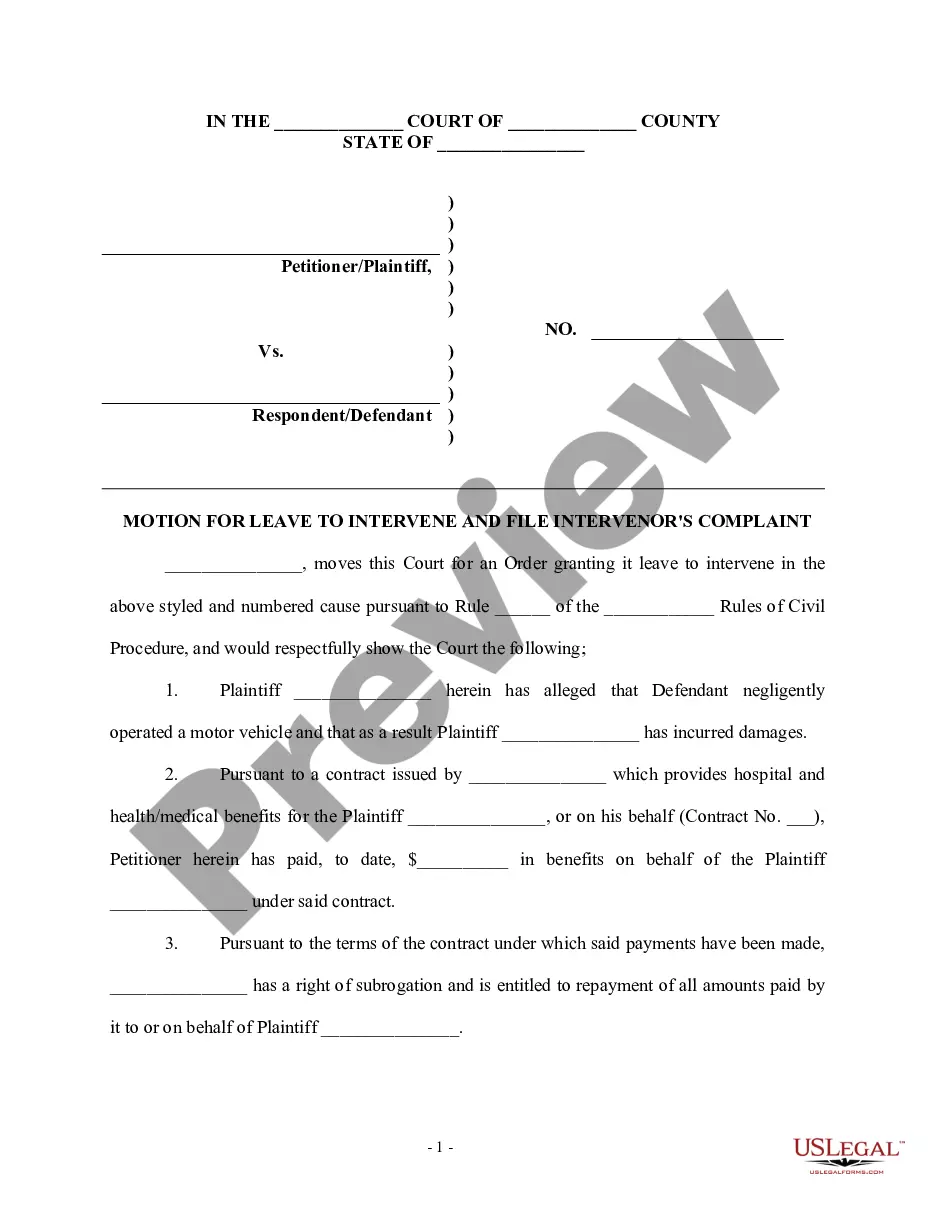
Motion For Consolidation Of Cases Sample Philippines
Description
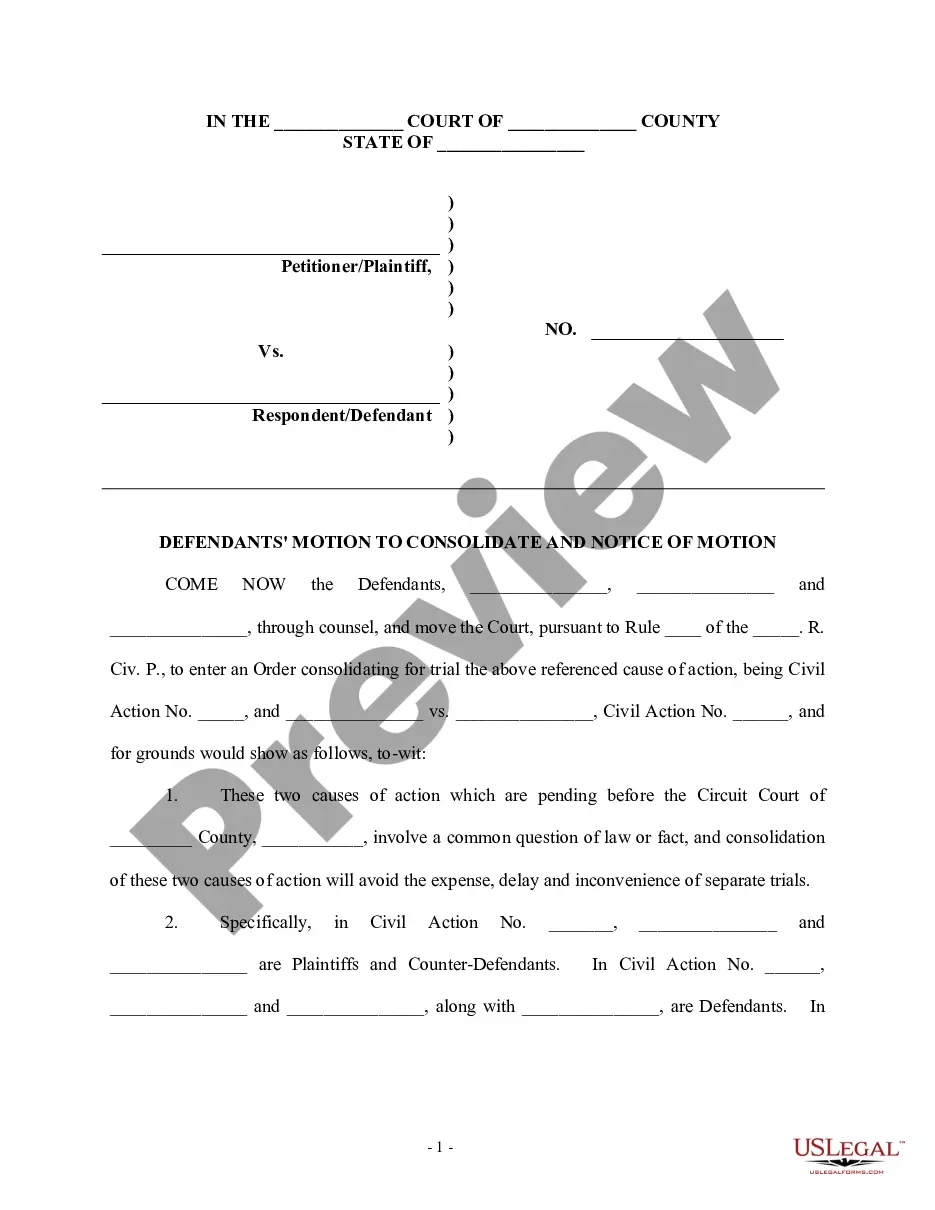
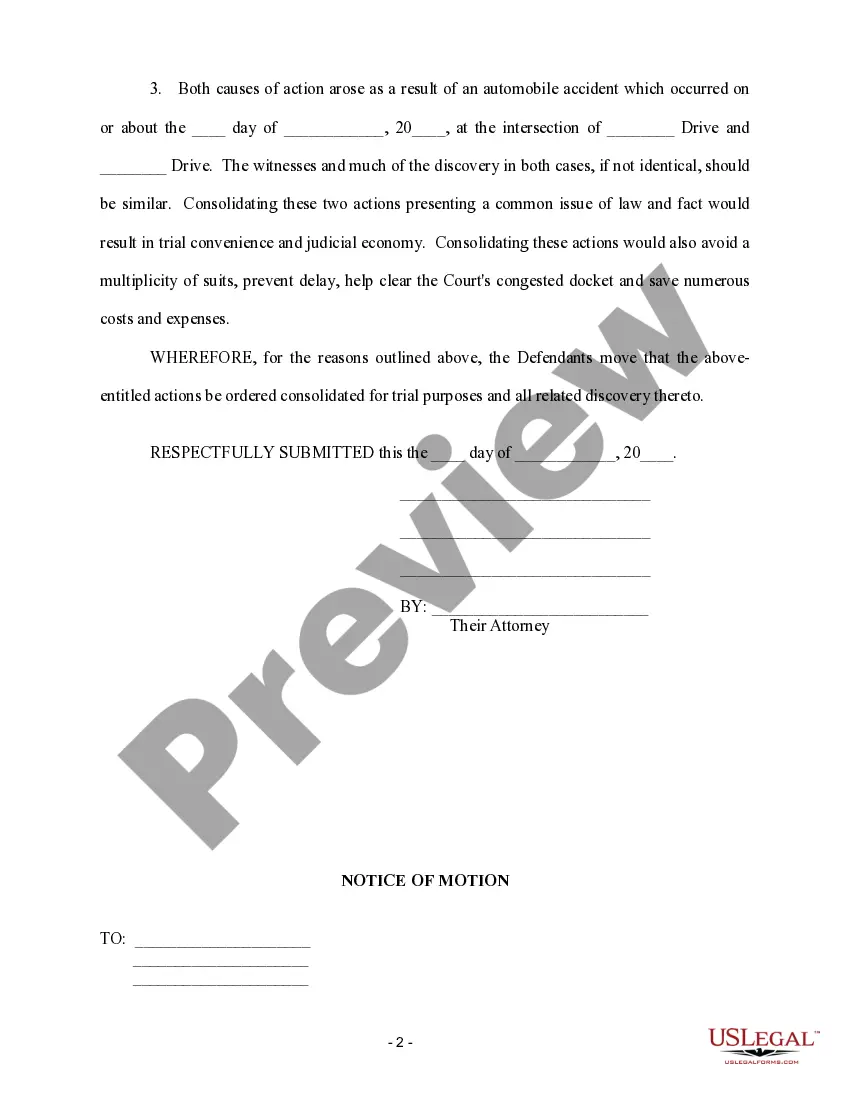
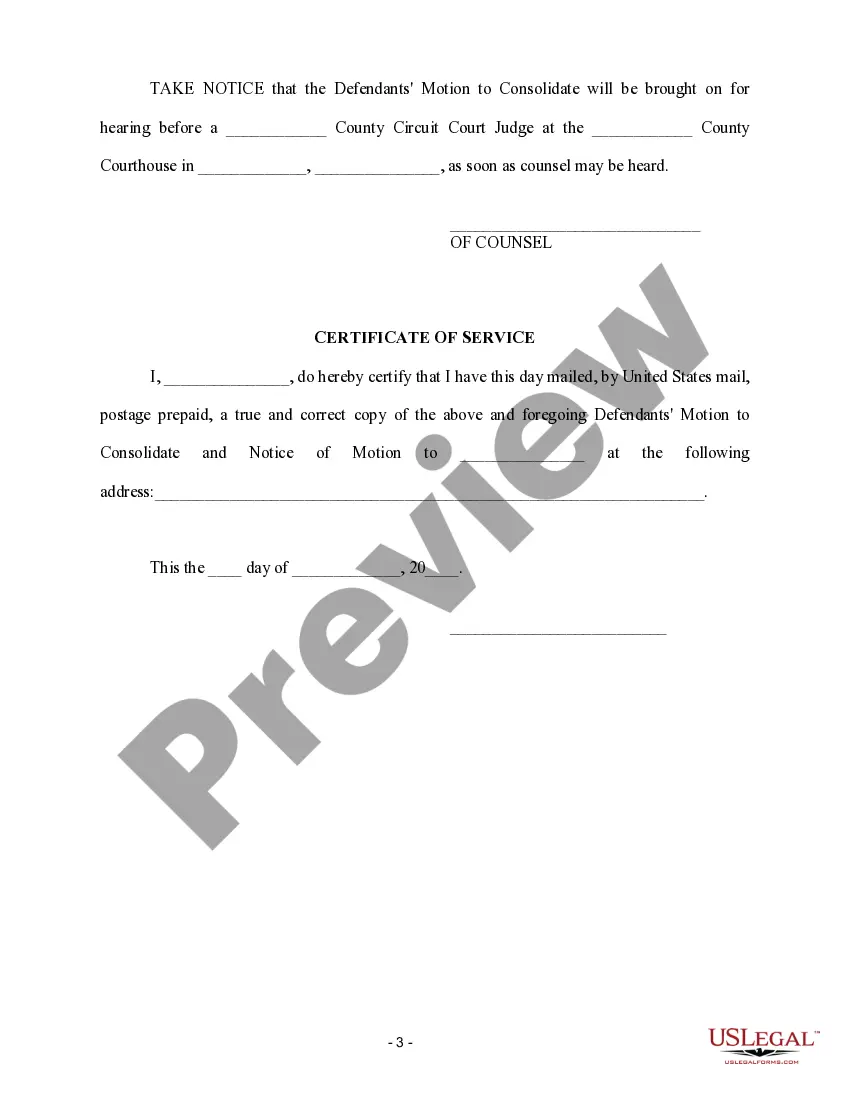
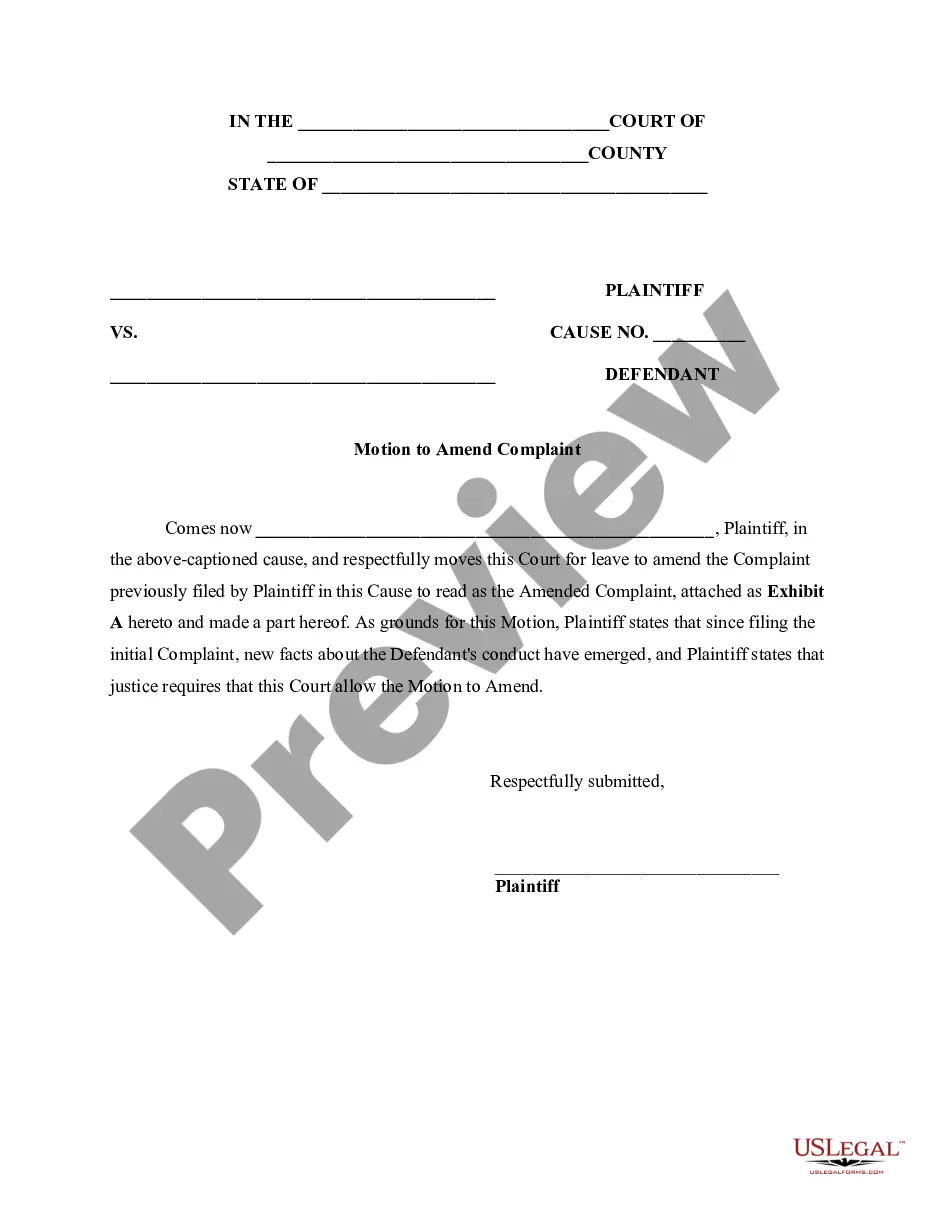

Get your form ready online
Our built-in tools help you complete, sign, share, and store your documents in one place.
Make edits, fill in missing information, and update formatting in US Legal Forms—just like you would in MS Word.
Download a copy, print it, send it by email, or mail it via USPS—whatever works best for your next step.
Sign and collect signatures with our SignNow integration. Send to multiple recipients, set reminders, and more. Go Premium to unlock E-Sign.
If this form requires notarization, complete it online through a secure video call—no need to meet a notary in person or wait for an appointment.
We protect your documents and personal data by following strict security and privacy standards.

Make edits, fill in missing information, and update formatting in US Legal Forms—just like you would in MS Word.

Download a copy, print it, send it by email, or mail it via USPS—whatever works best for your next step.

Sign and collect signatures with our SignNow integration. Send to multiple recipients, set reminders, and more. Go Premium to unlock E-Sign.

If this form requires notarization, complete it online through a secure video call—no need to meet a notary in person or wait for an appointment.

We protect your documents and personal data by following strict security and privacy standards.
Looking for another form?
How to fill out Motion To Consolidate - Personal Injury?
Locating a reliable source for obtaining the latest and pertinent legal templates is a significant part of navigating bureaucratic processes. Acquiring the appropriate legal documents demands precision and carefulness, making it essential to procure Motion For Consolidation Of Cases Sample Philippines solely from reputable sources, like US Legal Forms. Using an incorrect template will squander your time and prolong your ongoing situation. With US Legal Forms, you can rest easy. You can access and review all relevant information concerning the document's applicability and usefulness for your situation and within your jurisdiction.
Follow these steps to complete your Motion For Consolidation Of Cases Sample Philippines.
Eliminate the stress associated with your legal paperwork. Browse the vast US Legal Forms catalog where you can discover legal templates, assess their relevance to your situation, and download them instantly.
- Utilize the catalog navigation or search function to locate your sample.
- Examine the form’s description to verify its compliance with your state and county requirements.
- Preview the form, if available, to confirm that the template is indeed what you seek.
- Return to the search to find the appropriate document if the Motion For Consolidation Of Cases Sample Philippines does not fulfill your needs.
- If you are confident in the form's relevance, proceed to download it.
- As an authorized user, click Log in to validate and access your selected forms in My documents.
- If you do not have an account, click Buy now to acquire the form.
- Choose the pricing plan that best fits your requirements.
- Continue to the registration to complete your transaction.
- Finalize your purchase by selecting a payment method (credit card or PayPal).
- Choose the file format for downloading Motion For Consolidation Of Cases Sample Philippines.
- Once you have the document on your device, you can modify it using the editor or print it out and fill it in manually.
Form popularity
FAQ
In the Philippines, a motion for reconsideration should typically be filed within 15 days from the receipt of the resolution or decision by the prosecutor. This timeline is essential to ensure that your appeal is properly considered. Staying informed about these timelines can help in preparing and filing motions appropriately, including how to handle related motions like a motion for consolidation of cases sample Philippines.
Reasonable certainty of conviction refers to the level of evidence that must be present to justify a conviction in a criminal case. It means that the prosecution must present clear and convincing proof that the accused committed the offense beyond a reasonable doubt. This concept is critical in the legal process, influencing cases where individuals seek to understand the broader implications of motions, including a motion for consolidation of cases sample Philippines.
In federal court, a party generally has 28 days from the date of the entry of judgment to file a motion for reconsideration. However, it's essential to check the specific rules applicable to your jurisdiction, as there may be variations. Understanding these deadlines is vital for ensuring you can adequately prepare your argument, including any related motions such as a motion for consolidation of cases sample Philippines.
If the complainant fails to appear in court, the judge may dismiss the case or issue a warrant for their arrest. This absence can significantly impact the proceedings, as it prevents the court from hearing the complainant's side. It is crucial to understand the legal implications to avoid delays in the case process, especially when seeking a motion for consolidation of cases sample Philippines.
In the Philippines, the motion for reconsideration must be filed within 15 days from the notice of the judgment or order. This ensures that parties have a specified time to address any perceived errors in legal rulings or decisions. For example, using a motion for consolidation of cases sample Philippines can provide an outline for effectively filing such motions within the allowed timeframe.
Accounts should be consolidated typically when they reflect the same entities or individuals, aiming for a clearer and more straightforward financial reporting. This consolidation helps in summarizing the overall financial position and performance of related accounts. For those managing legal finances, reviewing a motion for consolidation of cases sample Philippines can help in understanding best practices.
Cases should be consolidated when they share common questions of law or fact, or when they involve the same parties or circumstances. This is often beneficial when multiple claims arise from a single event or issue, as consolidation can lead to a more cohesive resolution. To ensure you follow proper guidelines, referring to a motion for consolidation of cases sample Philippines is advisable.
The primary purpose of consolidating cases is to streamline the judicial process by combining similar cases to avoid conflicting judgments and reduce repetitive evidence or arguments. This leads to a more efficient trial process and saves valuable court resources. Utilizing a motion for consolidation of cases sample Philippines can provide guidance in presenting a compelling case for consolidation.
The federal rule for the consolidation of cases is outlined in Rule 42 of the Federal Rules of Civil Procedure. This rule allows a court to consolidate actions involving a common question of law or fact to promote efficiency and reduce the burden on the court and the parties involved. For those looking for a motion for consolidation of cases sample Philippines, understanding these regulations can help in preparing effective legal submissions.
In certain circumstances, a dismissed criminal case can be reopened in the Philippines, particularly if new evidence comes to light. The process typically involves filing a motion with the court that originally dismissed the case. If you are facing this scenario, reviewing a motion for consolidation of cases sample Philippines may provide relevant guidance.