Default Judgment For Plaintiff
Description
Get your form ready online
Our built-in tools help you complete, sign, share, and store your documents in one place.
Make edits, fill in missing information, and update formatting in US Legal Forms—just like you would in MS Word.
Download a copy, print it, send it by email, or mail it via USPS—whatever works best for your next step.
Sign and collect signatures with our SignNow integration. Send to multiple recipients, set reminders, and more. Go Premium to unlock E-Sign.
If this form requires notarization, complete it online through a secure video call—no need to meet a notary in person or wait for an appointment.
We protect your documents and personal data by following strict security and privacy standards.

Make edits, fill in missing information, and update formatting in US Legal Forms—just like you would in MS Word.

Download a copy, print it, send it by email, or mail it via USPS—whatever works best for your next step.

Sign and collect signatures with our SignNow integration. Send to multiple recipients, set reminders, and more. Go Premium to unlock E-Sign.

If this form requires notarization, complete it online through a secure video call—no need to meet a notary in person or wait for an appointment.

We protect your documents and personal data by following strict security and privacy standards.
Looking for another form?
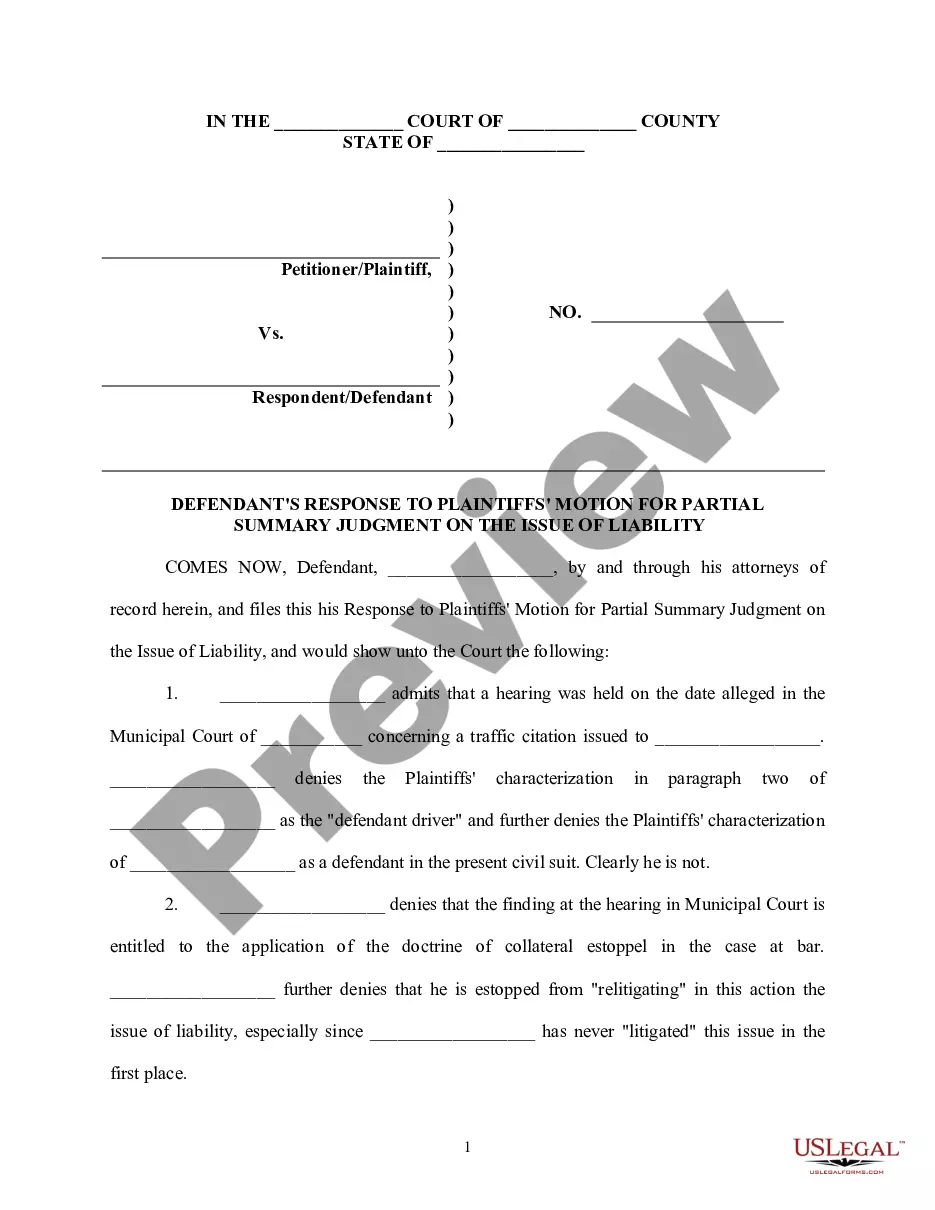
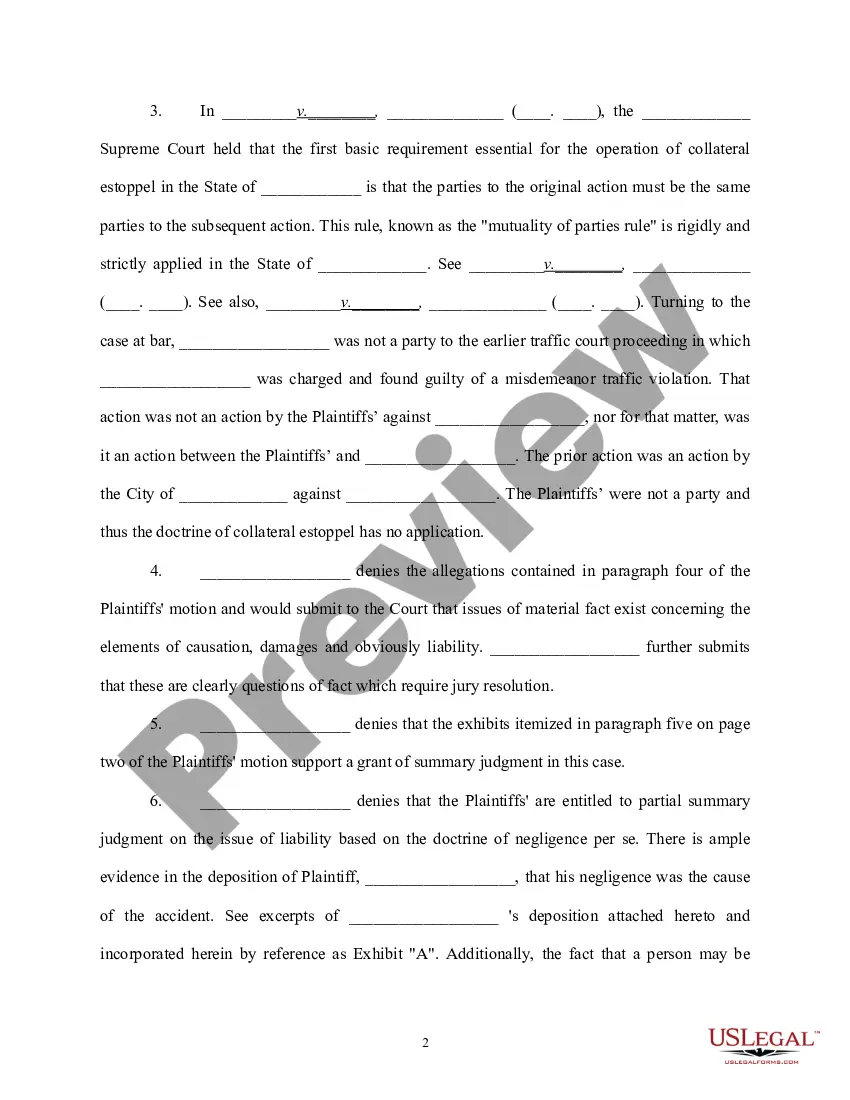
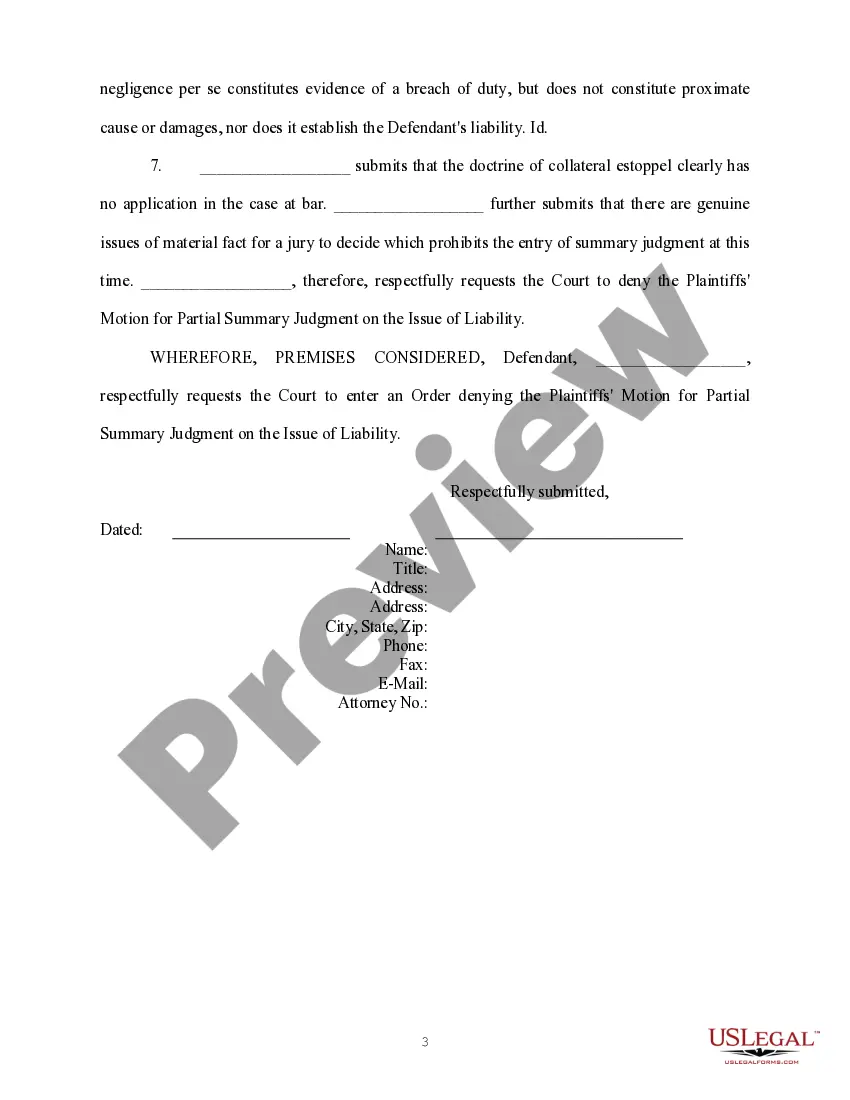
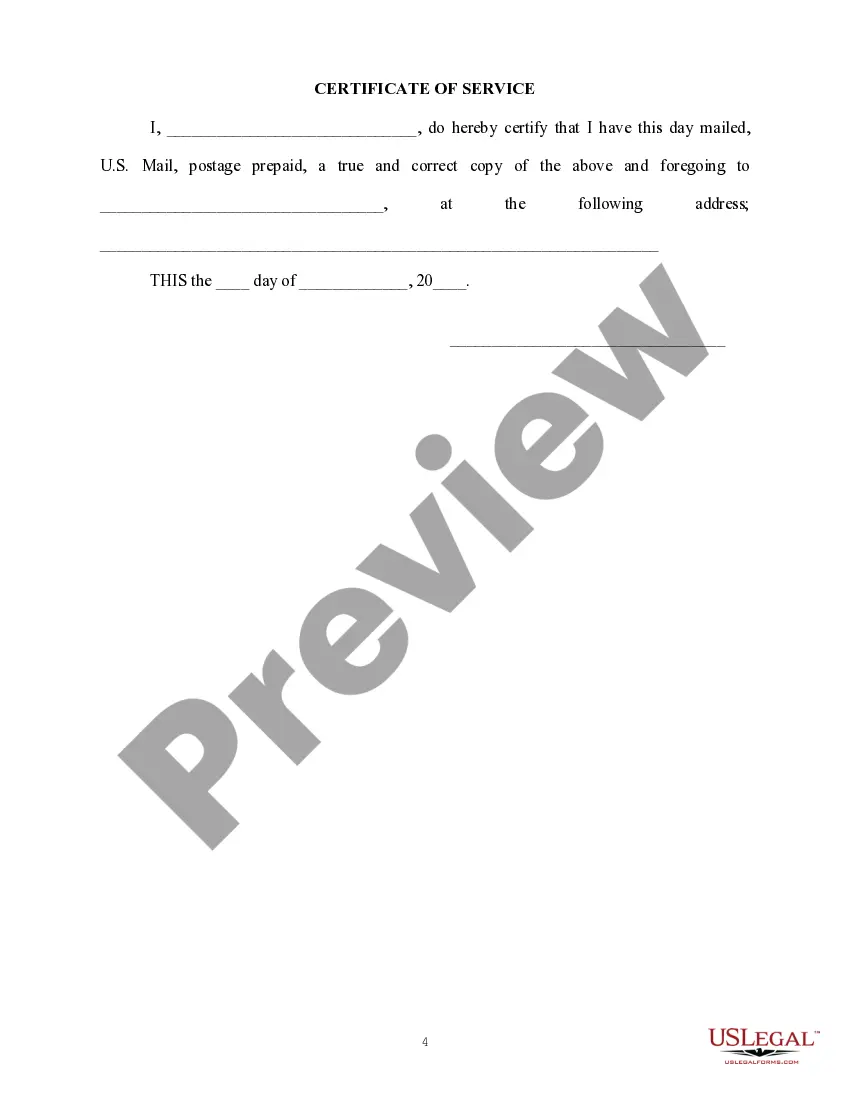
How to fill out Defendant's Response To Plaintiff's Motion For Summary Judgment On The Issue Of Liability?
Identifying a reliable source to obtain the latest and suitable legal templates is a significant part of navigating bureaucracy.
Selecting the correct legal documents requires accuracy and careful consideration, which is why it is crucial to source samples of Default Judgment For Plaintiff exclusively from reputable providers, like US Legal Forms. An incorrect template will squander your time and delay the matter at hand.
Once you have the document on your device, you can edit it with the editor or print it and fill it out manually. Eliminate the stress associated with your legal paperwork. Explore the extensive US Legal Forms collection where you can discover legal templates, assess their relevance to your circumstances, and download them instantly.
- Utilize the library navigation or search bar to find your template.
- Access the form’s details to verify if it meets the standards of your state and county.
- View the form preview, if available, to confirm that the template is indeed the one you seek.
- Return to the search and seek the right template if the Default Judgment For Plaintiff does not align with your needs.
- Once you are certain about the form’s applicability, download it.
- If you are a registered user, click Log in to verify and access your selected forms in My documents.
- If you do not yet possess an account, click Buy now to acquire the template.
- Select the pricing option that suits your needs.
- Proceed to register to complete your order.
- Finalize your transaction by choosing a payment method (credit card or PayPal).
- Select the file format for downloading the Default Judgment For Plaintiff.
Form popularity
FAQ
Negotiating after a default judgment is possible, but it can be tricky. Typically, the judgment is final, which means the plaintiff can enforce it. However, reaching out to the plaintiff or their attorney might lead to a settlement or modification. Understanding your rights and exploring options through platforms like USLegalForms can help you navigate this situation more effectively.
Securing a default judgment usually takes a few weeks to a few months, depending on your local court's procedures. Once you have successfully demonstrated the defendant's lack of response, you can move forward with your request. By following the necessary steps, you can expedite the process and achieve a default judgment for plaintiff efficiently. Staying organized and informed will help speed things along.
Achieving a 100% judgment can depend on the complexity of your case and how smooth the process goes. On average, it could take anywhere from weeks to several months after filing. Factors include whether the defendant contests the judgment and how quickly the court processes the documents. Ultimately, a default judgment for plaintiff comes into play when the other party fails to respond, streamlining the process.
The time frame to obtain a default can vary based on the court's schedule and the specifics of your case. Generally, it can take anywhere from a few weeks to several months. If all procedural steps are followed correctly, you might find it closer to the shorter end of that range. A default judgment for plaintiff typically requires waiting for the defendant to fail to respond within the mandated timeframe.
A default judgment occurs when a defendant does not respond or appear in court as required. This situation often arises in civil litigation, such as debt collection or eviction cases. Once the court confirms that the defendant did not comply with the rules, they may issue a default judgment for the plaintiff, granting the requested relief. To prevent this outcome, consider utilizing platforms like US Legal Forms for guidance on responding to legal notices.
Default is entered when a defendant fails to respond to a lawsuit within the designated timeline set by the court. Common reasons for this include lack of awareness of the lawsuit, inability to attend due to personal circumstances, or neglecting to seek legal advice. When a default judgment for plaintiff is granted, the defendant loses their opportunity to contest the claims made against them. Always respond promptly to any legal actions to avoid these situations.
An example of a default decision occurs when a plaintiff wins a case simply because the defendant did not show up in court or file a response. For instance, if a landlord sues a tenant for unpaid rent and the tenant fails to respond, the court may issue a default judgment for the plaintiff. This decision means the plaintiff automatically receives the outcome they sought, without the defendant's input. Understanding these scenarios can prepare you for potential court actions.
To determine if you have a default judgment against you, check the court records in your jurisdiction. You can contact the court clerk's office or access their online database. A default judgment for plaintiff typically occurs when you fail to respond to a lawsuit within the specified time. Keeping track of any legal notices you receive can also help you stay informed.
A default judgment is filed by the plaintiff when the defendant fails to respond to the lawsuit or appear in court. This legal step allows the plaintiff to seek a ruling in their favor without the defendant's participation. If granted, the default judgment will typically result in the plaintiff receiving the relief they sought in their original complaint.
To file an appeal for a default judgment, you must first prepare a notice of appeal, detailing your reasons for contesting the judgment. Next, you typically need to submit this notice to the appropriate court within a set time frame. It's essential to review the appeals process relevant to your jurisdiction, as the guidelines vary, and consider utilizing platforms like uslegalforms to navigate the legal paperwork.