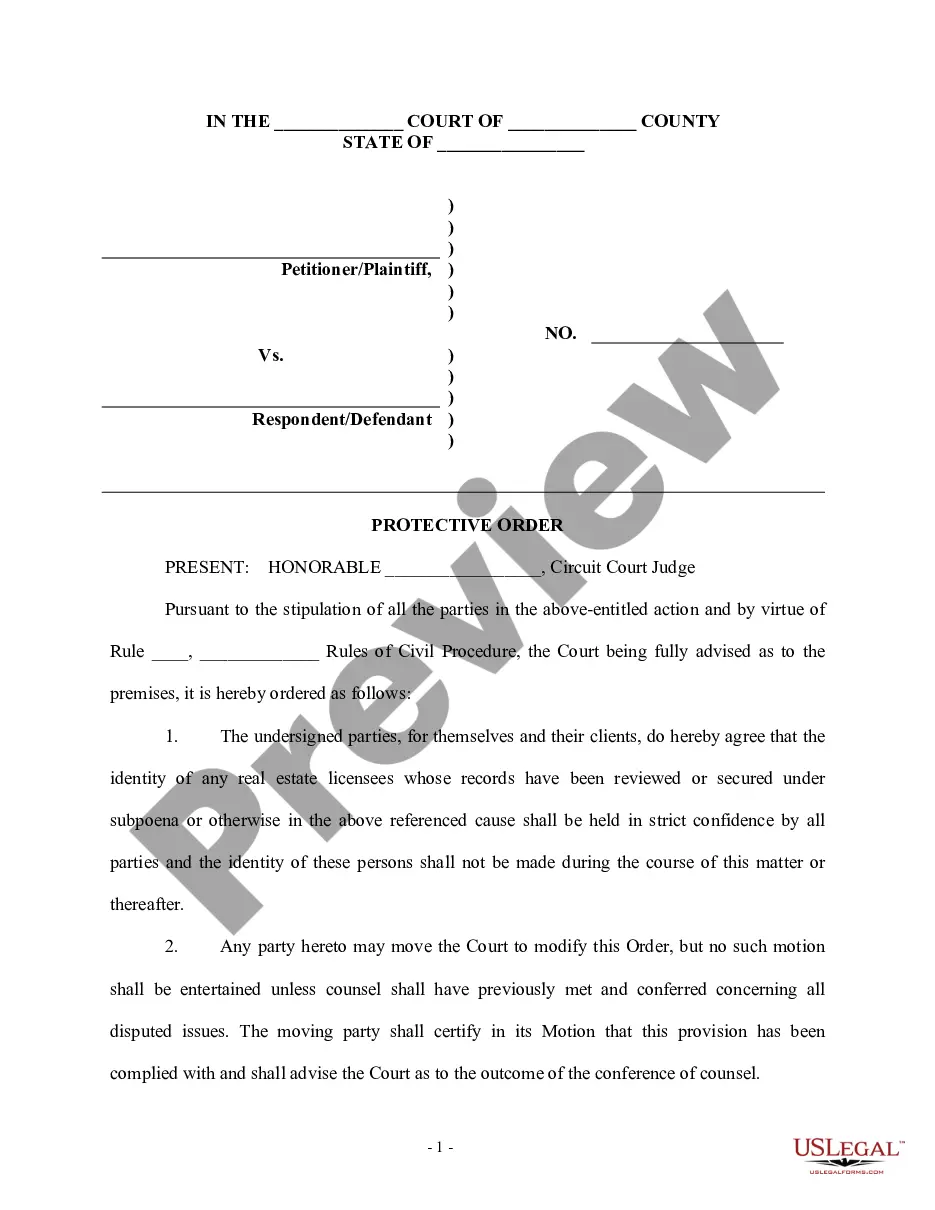
Protective Order For Documents
Description
Get your form ready online
Our built-in tools help you complete, sign, share, and store your documents in one place.
Make edits, fill in missing information, and update formatting in US Legal Forms—just like you would in MS Word.
Download a copy, print it, send it by email, or mail it via USPS—whatever works best for your next step.
Sign and collect signatures with our SignNow integration. Send to multiple recipients, set reminders, and more. Go Premium to unlock E-Sign.
If this form requires notarization, complete it online through a secure video call—no need to meet a notary in person or wait for an appointment.
We protect your documents and personal data by following strict security and privacy standards.

Make edits, fill in missing information, and update formatting in US Legal Forms—just like you would in MS Word.

Download a copy, print it, send it by email, or mail it via USPS—whatever works best for your next step.

Sign and collect signatures with our SignNow integration. Send to multiple recipients, set reminders, and more. Go Premium to unlock E-Sign.

If this form requires notarization, complete it online through a secure video call—no need to meet a notary in person or wait for an appointment.

We protect your documents and personal data by following strict security and privacy standards.
Looking for another form?
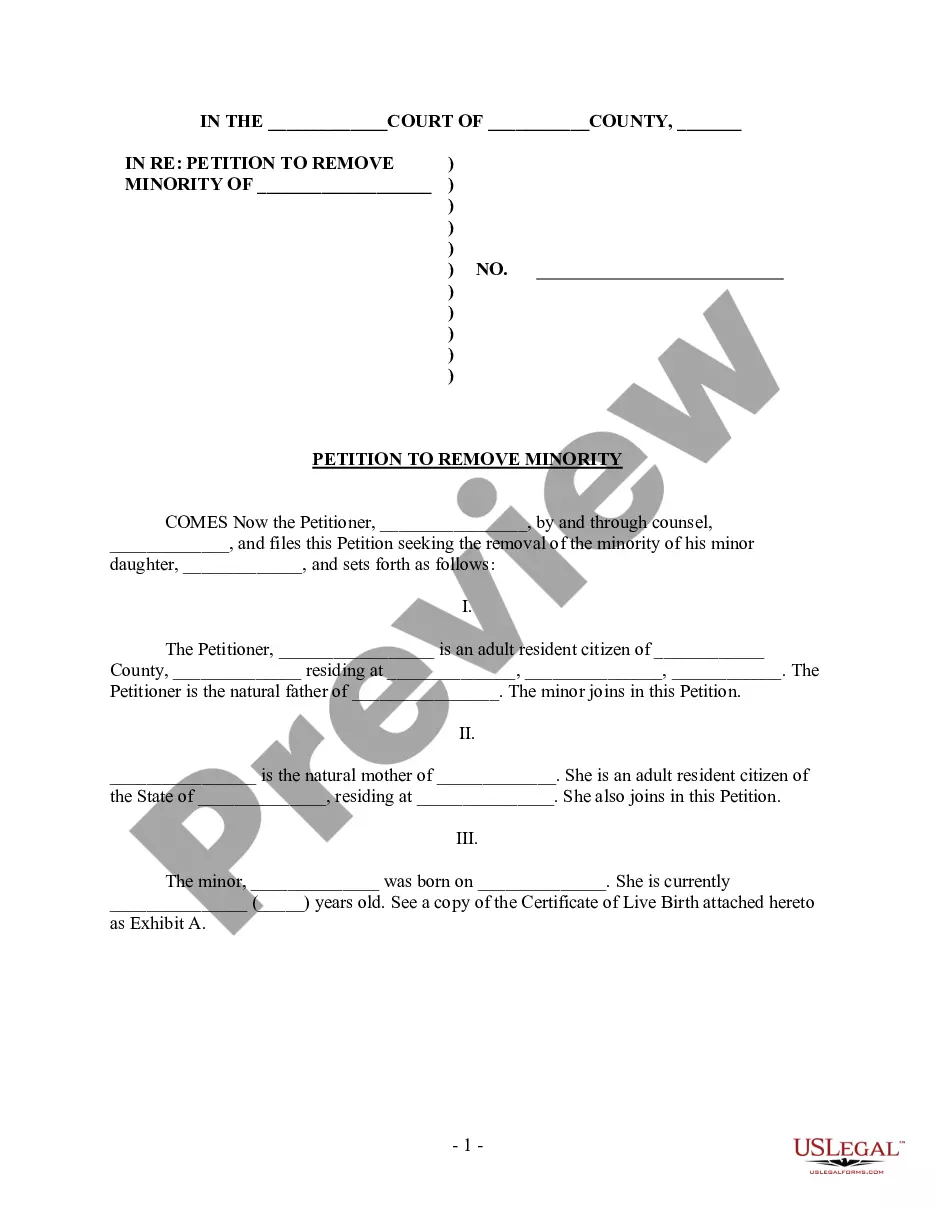
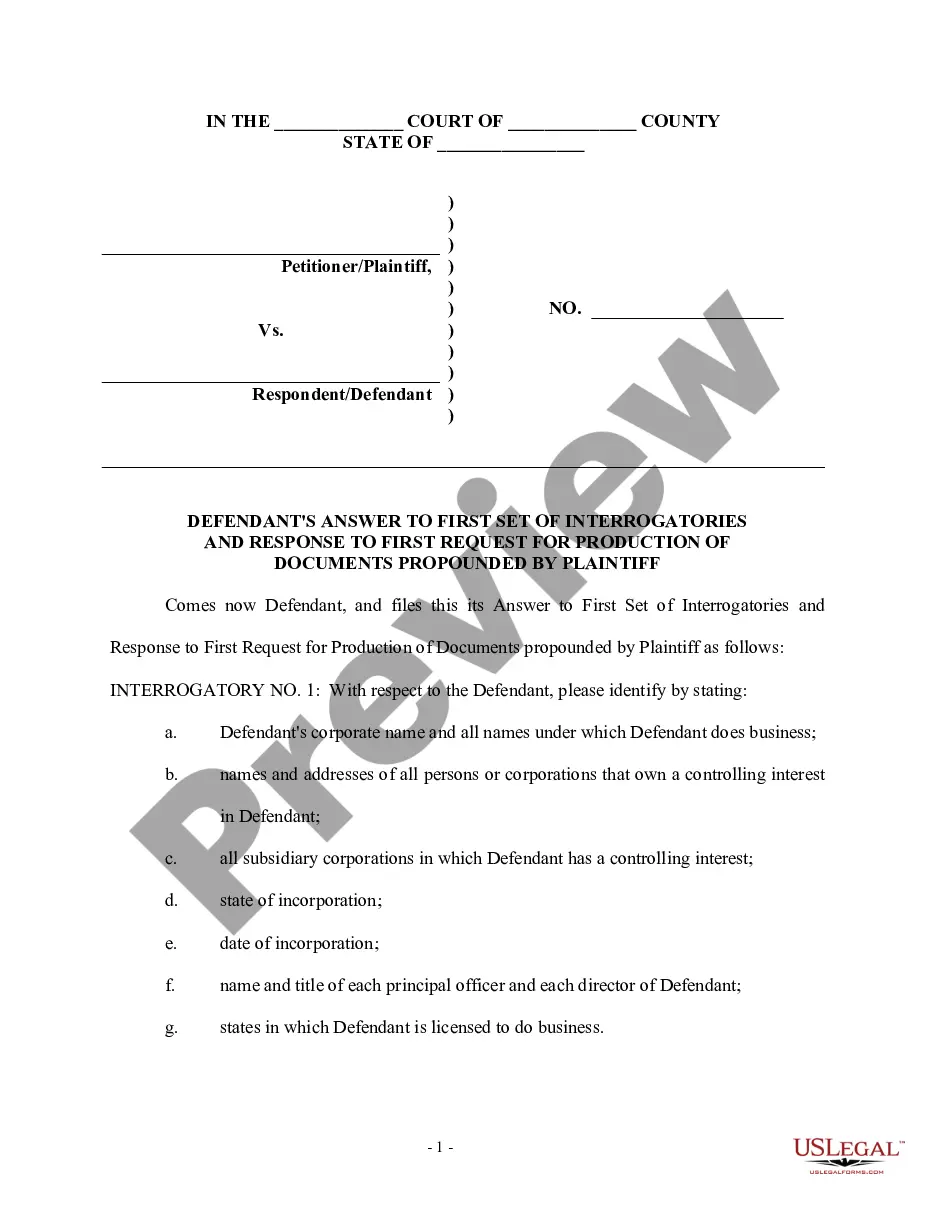
How to fill out Protective Order - Civil Trial?
Creating legal documents from the ground up can frequently be daunting.
Certain situations may require extensive research and significant financial investment.
If you're looking for a simpler and cost-effective method to generate Protective Order For Documents or any other paperwork without unnecessary complications, US Legal Forms is always at your service.
Our online repository of over 85,000 current legal documents covers nearly all aspects of your financial, legal, and personal issues.
However, before proceeding to download the Protective Order For Documents, please consider the following suggestions: Review the form preview and descriptions to confirm that you are on the correct form you need. Ensure the chosen form meets the standards of your state and county. Select the appropriate subscription plan to acquire the Protective Order For Documents. Download the document, then fill it out, certify it, and print it. US Legal Forms boasts an excellent reputation and over 25 years of experience. Join us today to make document processing straightforward and efficient!
- With just a few clicks, you can swiftly access templates that comply with state and county regulations, meticulously crafted for you by our legal experts.
- Utilize our platform whenever you seek reliable services that allow you to easily locate and obtain the Protective Order For Documents.
- If you are already familiar with our site and have set up an account, simply Log In, find the template, and download it immediately, or re-download it later from the My documents section.
- Not yet registered? No problem. It takes very little time to sign up and browse the selection.
Form popularity
FAQ
To prove harassment, you must show that the other person's actions were intentional, repeated, and targeted toward you. This evidence may include records of communication, witness statements, or any documents that depict a pattern of behavior. If you are seeking a protective order for documents, having a strong case backed by proof is essential. You can rely on platforms like uslegalforms to assist you in gathering the necessary documentation.
In Maryland, protective orders can last up to one year, but the duration may vary. Once the order is issued, you can ask the court to extend it if necessary. It's important to understand the timelines involved, especially with a protective order for documents, to ensure your information remains secure. Consulting with a legal expert can provide guidance on managing these timelines.
The standard of proof for obtaining a protective order in Maryland requires a showing of a preponderance of evidence. This means you must demonstrate that it is more likely than not that harassment or threats occurred. Presenting clear evidence is crucial in these cases, especially when dealing with a protective order for documents. Legal assistance can help ensure you meet this standard effectively.
In Maryland, a protective order is a legal tool designed to safeguard individuals from harassment or harm. When you file for a protective order for documents, you request the court to limit another person's access to certain information. This order can prevent them from sharing or using sensitive documents against you. It serves as a layer of protection, helping you manage your legal situation effectively.
In Texas, obtaining a protective order requires showing that there is a clear need to protect sensitive information or individuals involved in a legal case. Specifically, you need to demonstrate that the information in question is confidential and that the disclosure would cause harm or risk. Filing for a protective order for documents also necessitates supporting your request with relevant evidence or affidavits. For guidance on how to prepare your application, consider using US Legal Forms to streamline the process.
The federal rule for protective orders is outlined in Rule 26(c) of the Federal Rules of Civil Procedure. This rule allows a party to seek a protective order for documents to prevent the disclosure of sensitive information during legal proceedings. A protective order for documents can limit access to specific materials, ensuring that confidential or proprietary information remains protected. If you are navigating this process, US Legal Forms provides resources to help you understand and file for a protective order effectively.
In Idaho, a protection order restricts an individual from contacting you and can be obtained through court. After filing the required documentation, a judge determines whether to issue the protective order for documents. If granted, this order legally binds the individual to comply with the restrictions set forth. Violating the order may lead to serious legal consequences, providing you peace of mind.
The three types of protection typically include temporary restraining orders, permanent restraining orders, and emergency protective orders. Each serves distinct purposes and timeframes, tailored to address immediate safety concerns. Understanding these categories helps you seek the appropriate protective order for documents that suits your situation best. Always consult with a legal expert for guidance.
In a protection order, you should include specific details about the individual you seek to protect yourself from and the restrictions you want to impose. Mention any locations they must avoid, as well as any actions they cannot take towards you. Clearly stating your needs and concerns in the protective order for documents can help emphasize your situation. Check legal requirements to ensure all necessary information is included.
The best evidence for a restraining order includes documented threats, photographs of injuries, or witness statements. Additionally, any communication, such as threatening texts or emails, can serve as vital proof. Remember, a well-documented case greatly increases the chances of obtaining a protective order for documents. Ensure you gather all relevant materials before filing.