General Damages For Injury
Description
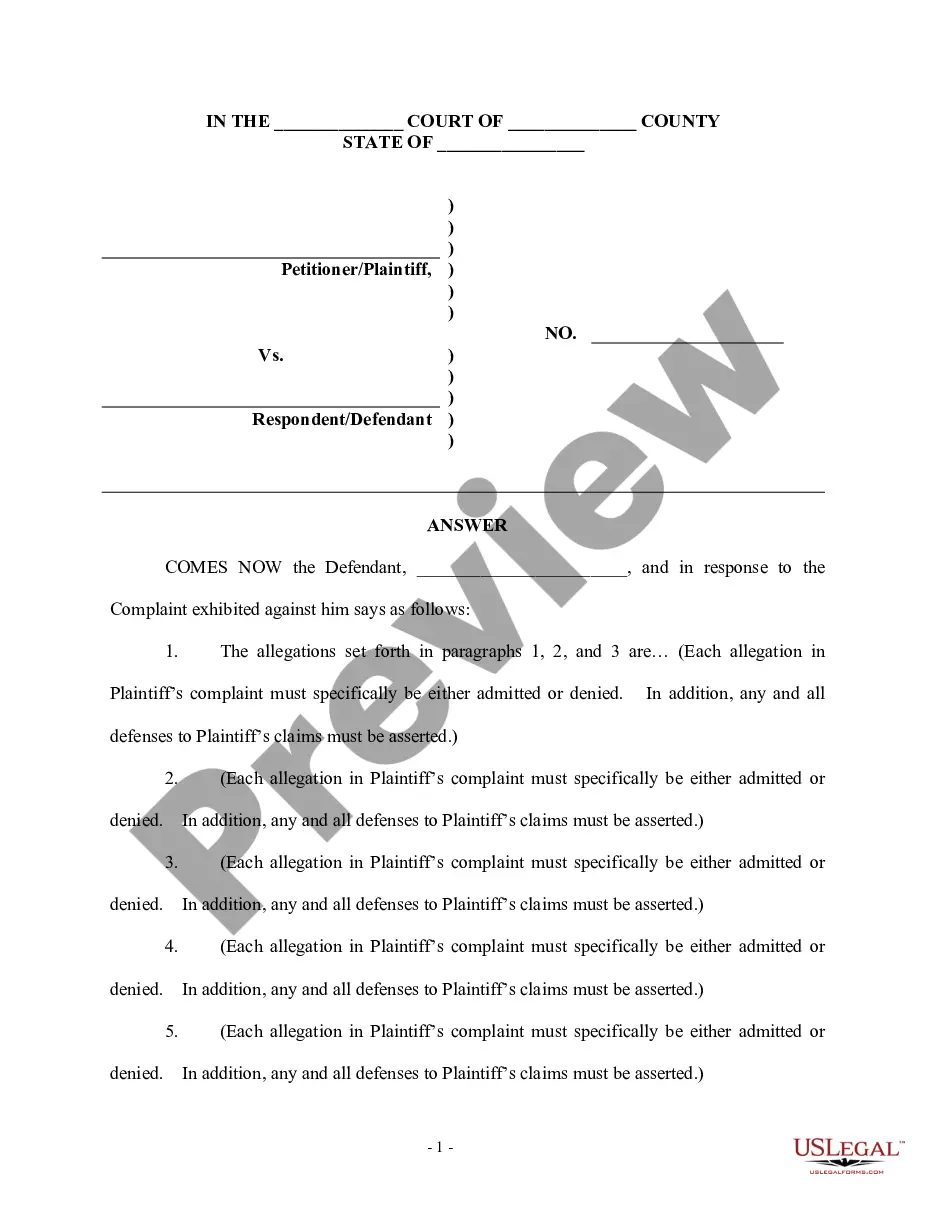
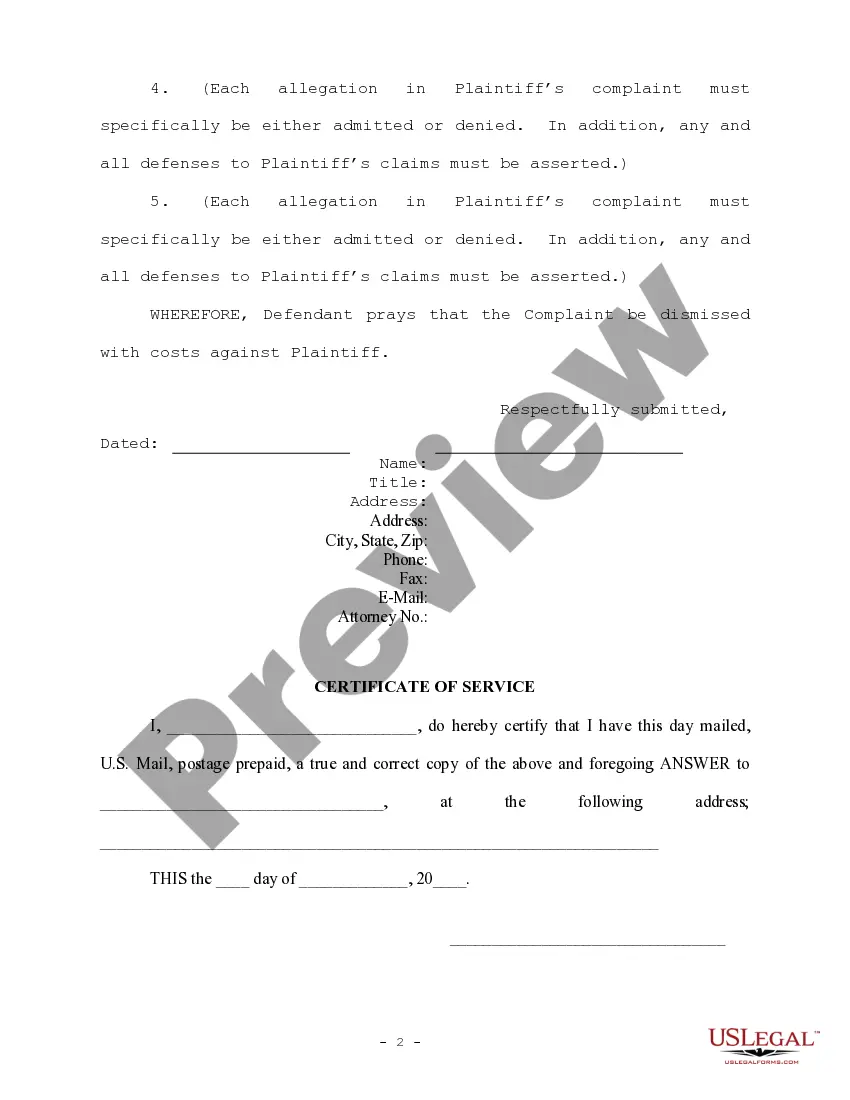
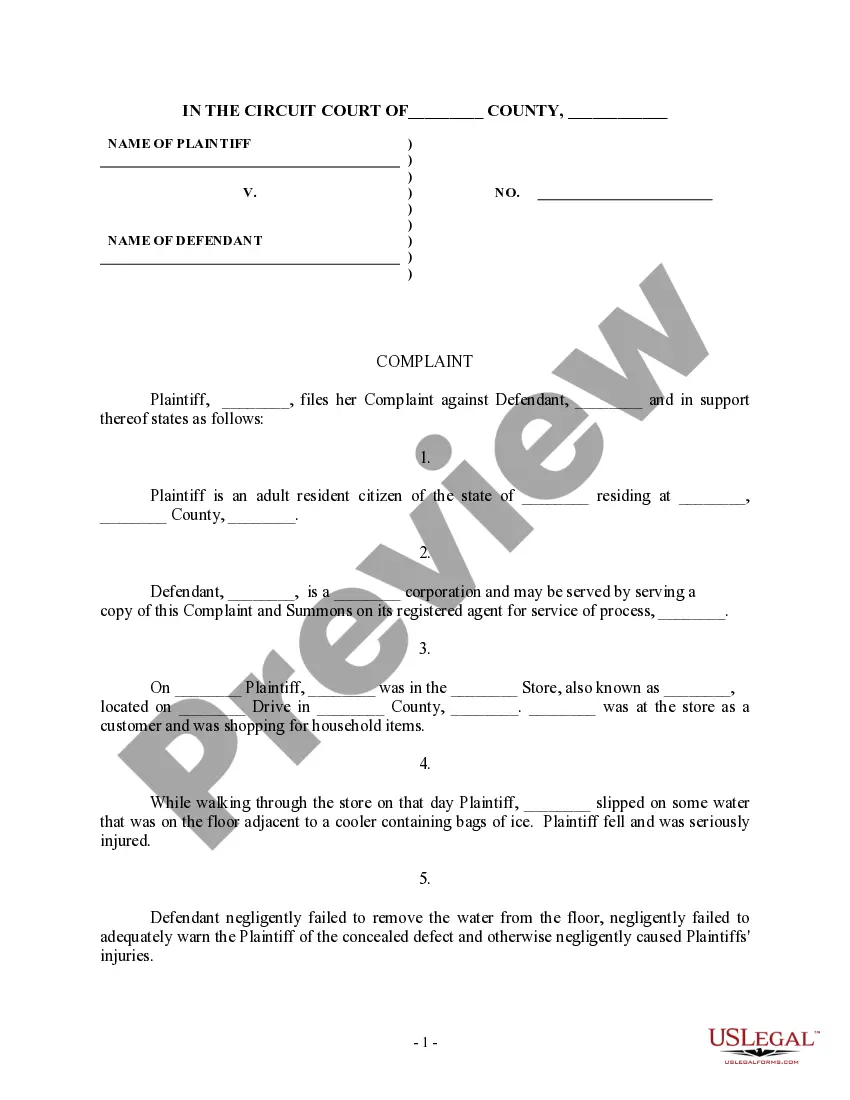
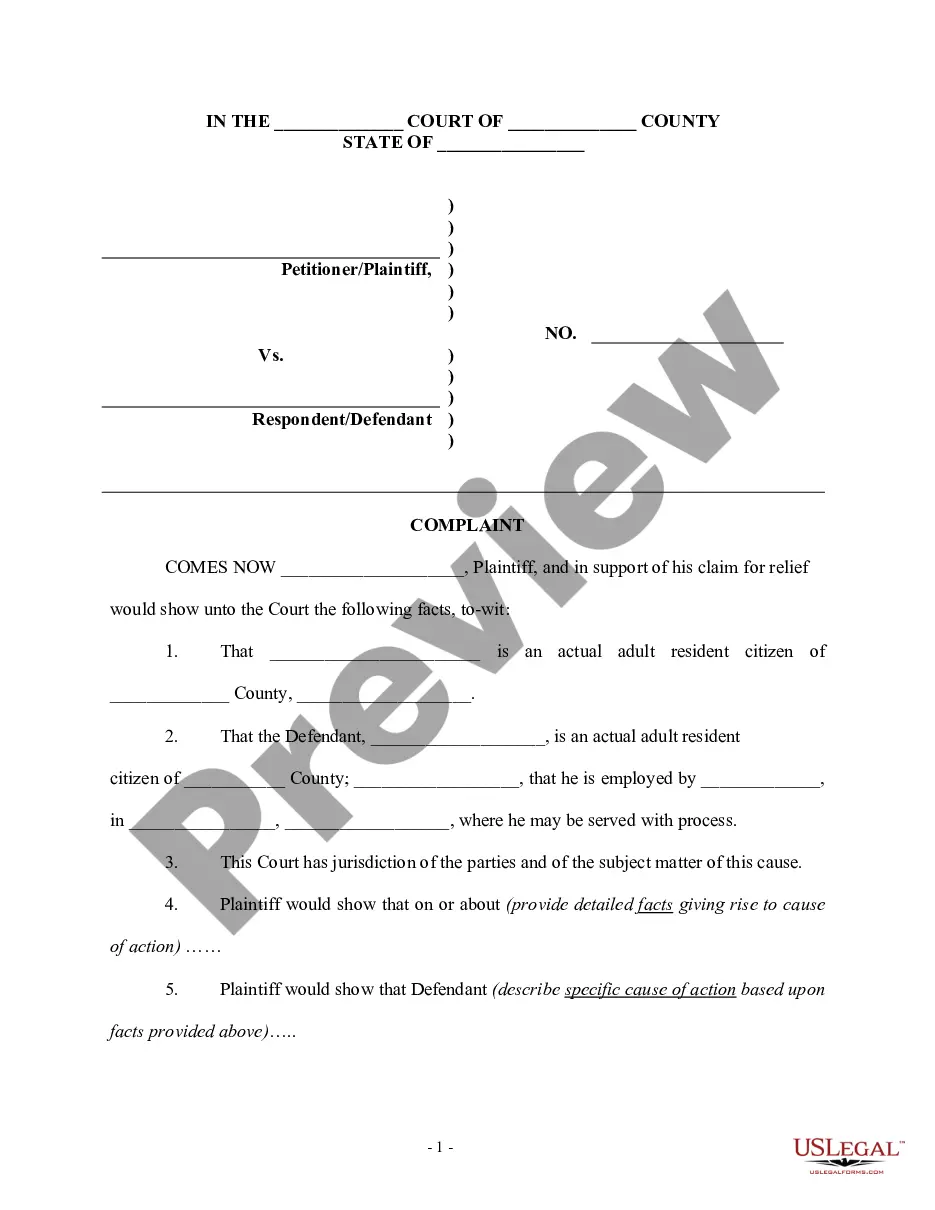
Get your form ready online
Our built-in tools help you complete, sign, share, and store your documents in one place.
Make edits, fill in missing information, and update formatting in US Legal Forms—just like you would in MS Word.
Download a copy, print it, send it by email, or mail it via USPS—whatever works best for your next step.
Sign and collect signatures with our SignNow integration. Send to multiple recipients, set reminders, and more. Go Premium to unlock E-Sign.
If this form requires notarization, complete it online through a secure video call—no need to meet a notary in person or wait for an appointment.
We protect your documents and personal data by following strict security and privacy standards.

Make edits, fill in missing information, and update formatting in US Legal Forms—just like you would in MS Word.

Download a copy, print it, send it by email, or mail it via USPS—whatever works best for your next step.

Sign and collect signatures with our SignNow integration. Send to multiple recipients, set reminders, and more. Go Premium to unlock E-Sign.

If this form requires notarization, complete it online through a secure video call—no need to meet a notary in person or wait for an appointment.

We protect your documents and personal data by following strict security and privacy standards.
Looking for another form?







How to fill out General Personal Injury Answer?
Whether for corporate purposes or for personal issues, everyone must deal with legal matters at some stage in their life.
Completing legal documents necessitates meticulous focus, starting with choosing the appropriate form template.
With an extensive US Legal Forms catalog available, you don’t have to waste time searching for the correct template across the web. Utilize the library’s straightforward navigation to locate the appropriate template for any situation.
- Obtain the template you require by using the search box or catalog navigation.
- Review the form’s description to confirm it suits your case, state, and county.
- Select the form’s preview to examine it.
- If it is the incorrect form, return to the search feature to find the General Damages For Injury sample you seek.
- Download the template when it meets your requirements.
- If you possess a US Legal Forms account, click Log in to access previously saved documents in My documents.
- If you do not have an account yet, you can acquire the form by clicking Buy now.
- Select the correct pricing option.
- Complete the account registration form.
- Choose your payment method: use a credit card or PayPal account.
- Select the document format you prefer and download the General Damages For Injury.
- Once it is downloaded, you can fill out the form using editing software or print it and complete it by hand.
Form popularity
FAQ
An example of general damages for injury could be the emotional distress experienced after a traumatic car accident. This might include anxiety, depression, or changes in your lifestyle due to the accident. Such damages are not tied to specific costs but reflect the overall impact on your well-being. Legal guidance can help you navigate these complexities and seek appropriate compensation.
General damages for injury are calculated based on the impact of the injury on your life. Factors include pain and suffering, emotional distress, and any loss of enjoyment of life. Legal professionals often use past cases and expert testimonies to estimate these damages. By understanding these factors, you can better assess the compensation you may deserve.
Calculating general damages for personal injury requires a thorough evaluation of the effects of the injury on your life. Factors such as pain and suffering, emotional distress, and loss of companionship are taken into account. While there is no fixed formula, legal precedents and expert assessments can guide the calculation. Consider using resources like USLegalForms to help navigate this complex process effectively.
To prove negligence in a claim for general damages for injury, you typically need to establish three key elements. First, there must be a duty of care owed by the defendant to the plaintiff. Second, a breach of that duty must be demonstrated. Finally, you must show that the breach directly caused your injuries. Understanding these elements can clarify your path toward a successful claim.
Determining general damages for injury involves assessing the impact of the injury on your daily life. Factors such as the severity of the injury, duration of pain, and emotional suffering are considered. Courts often look at similar cases for guidance on amounts awarded. Utilizing platforms like USLegalForms can help you understand the nuances and prepare necessary documentation to support your claim.
The hardest injury to prove in the context of general damages for injury often involves psychological or emotional trauma. Unlike physical injuries, these can lack clear, visible signs, making them more challenging to validate. Furthermore, the subjective nature of emotional suffering can complicate the claims process. It's essential to gather comprehensive evidence and consider seeking professional help to substantiate your claim.
Proving general damages for injury involves demonstrating the extent of your suffering and its impact on your life. You can do this by providing personal testimony, medical documentation, and possibly expert opinions. Journals detailing your emotional state and daily challenges can also be invaluable. A well-prepared presentation of this information can make a strong case for your claim.
In the context of general damages for injury, the rule is that these damages aim to compensate for non-economic losses. This includes pain, suffering, emotional distress, and loss of enjoyment of life. Unlike special damages, which cover specific financial losses, general damages are more subjective and require careful consideration. Understanding this distinction can aid in effectively presenting your claim.
To support a claim for general damages for injury, you will need various types of evidence. Medical records, photographs of injuries, and expert testimony can be crucial. Additionally, documentation of lost wages and personal statements about the impact on your life will strengthen your case. Collecting this evidence early can significantly enhance your chances of a favorable outcome.