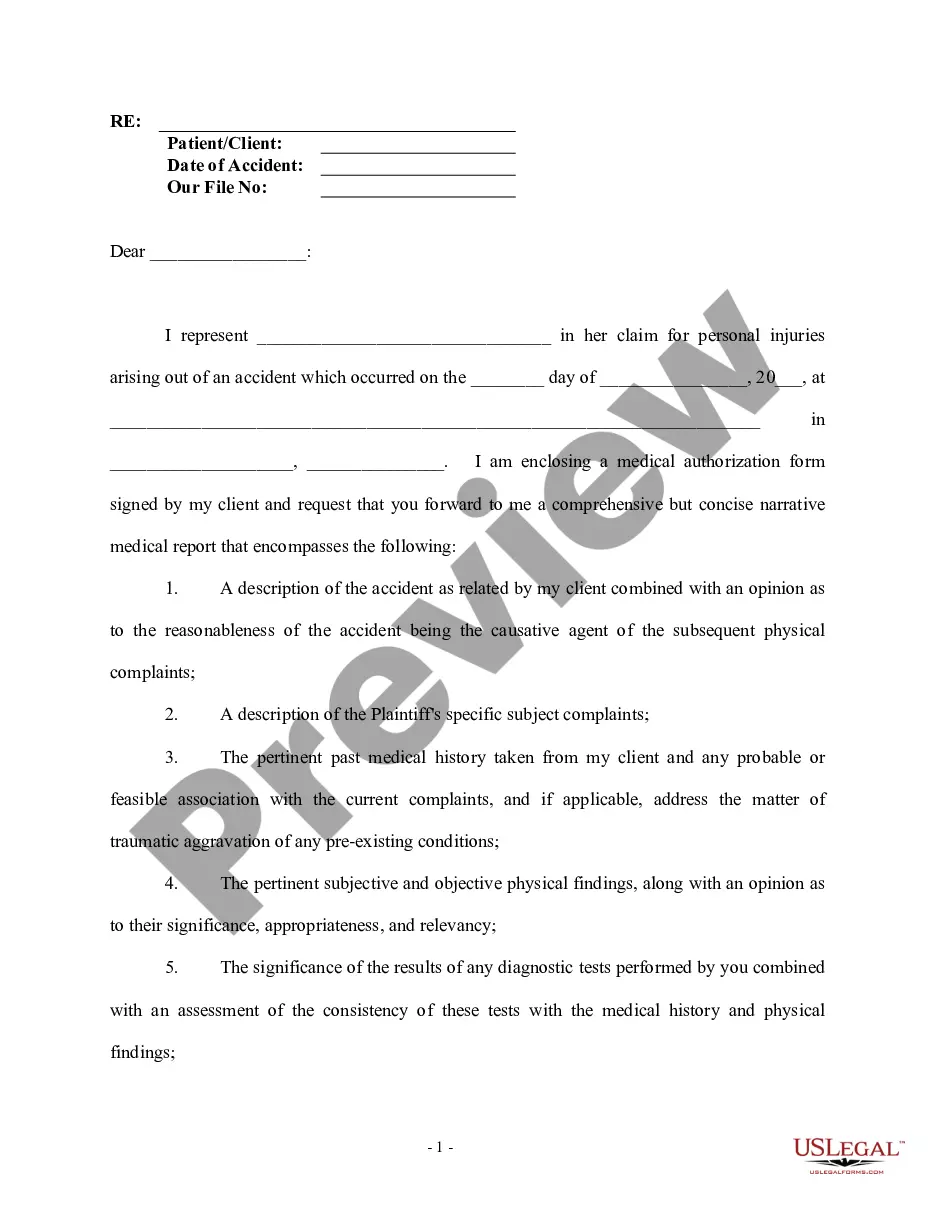
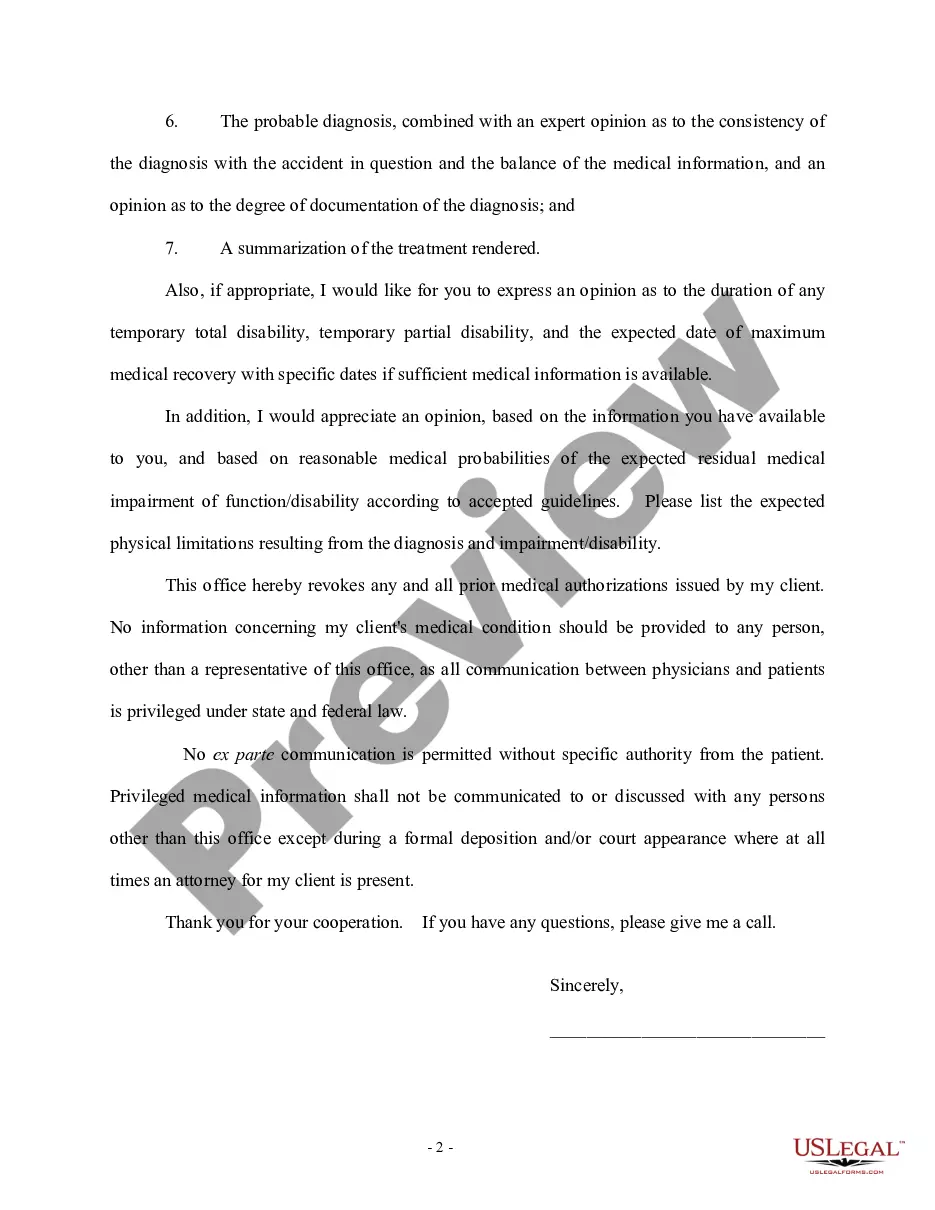
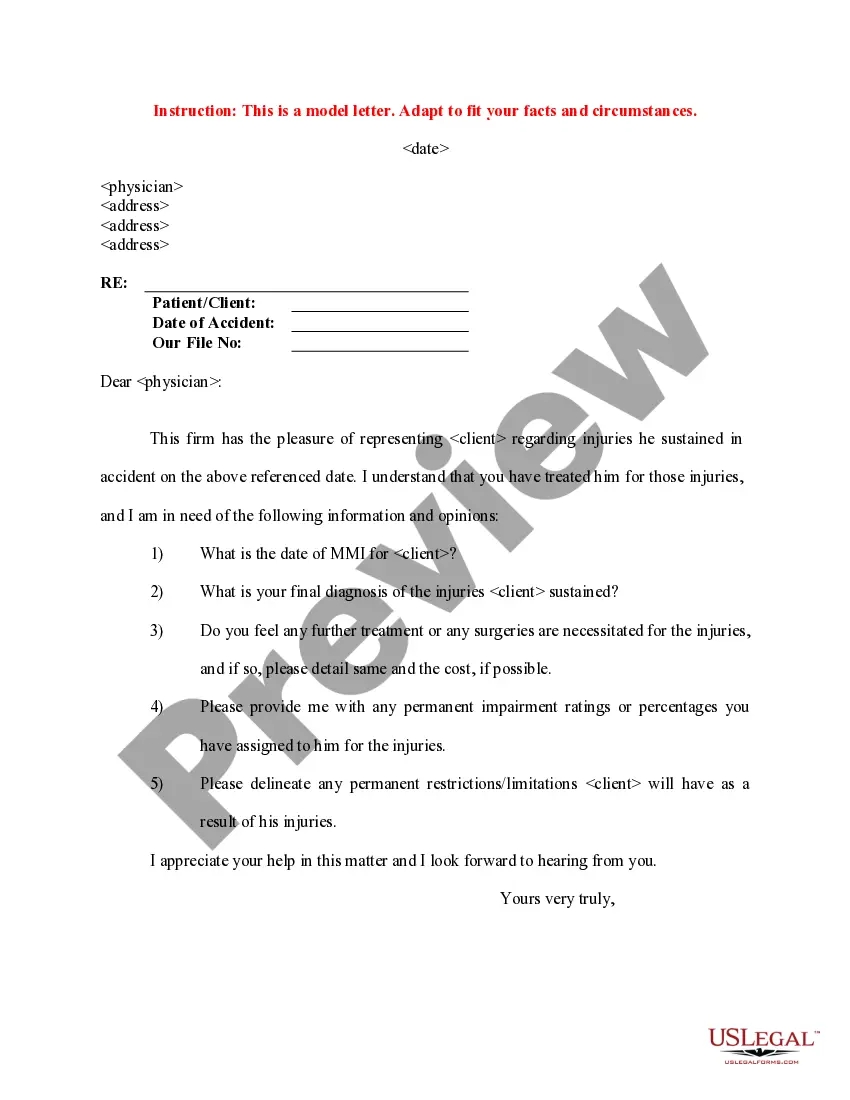
Letter To Client
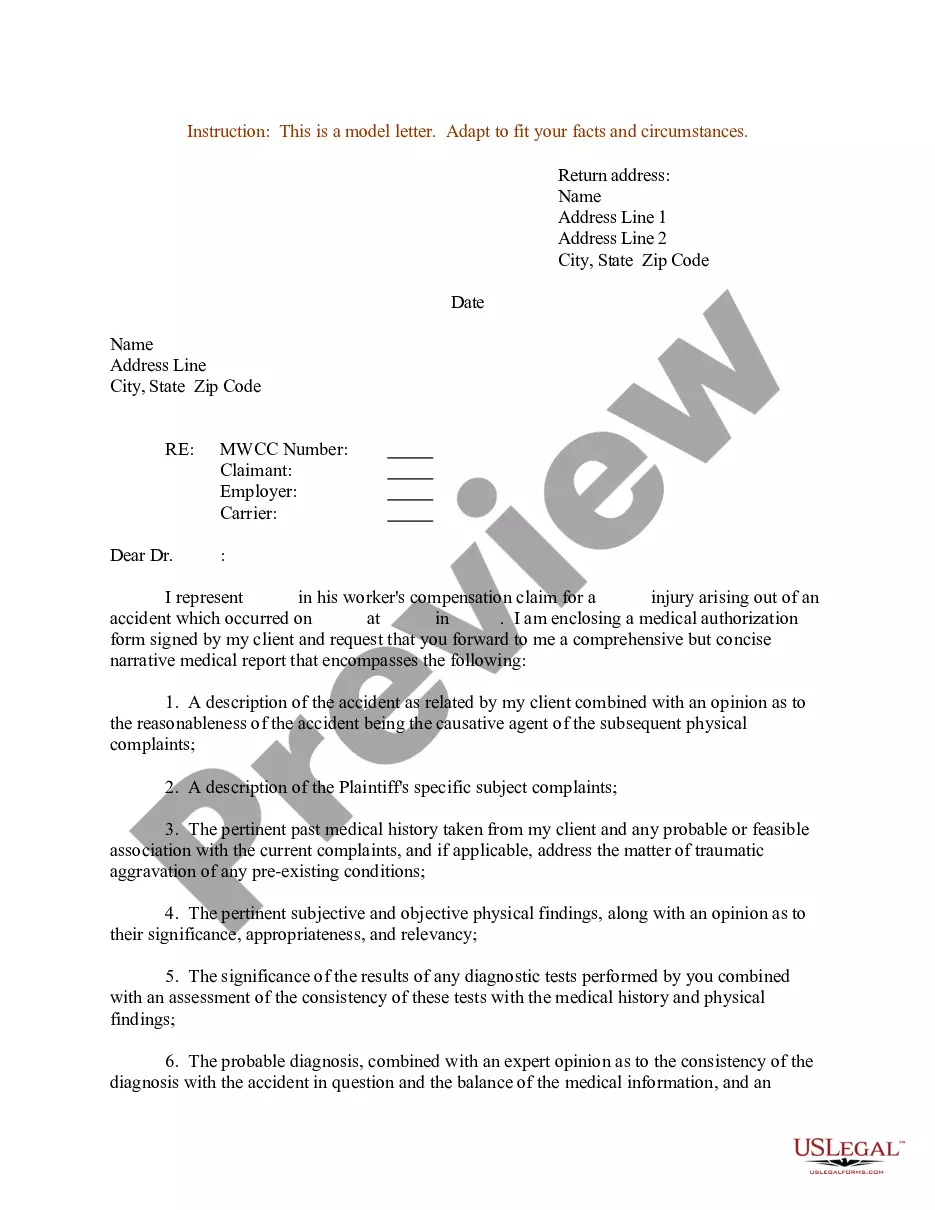
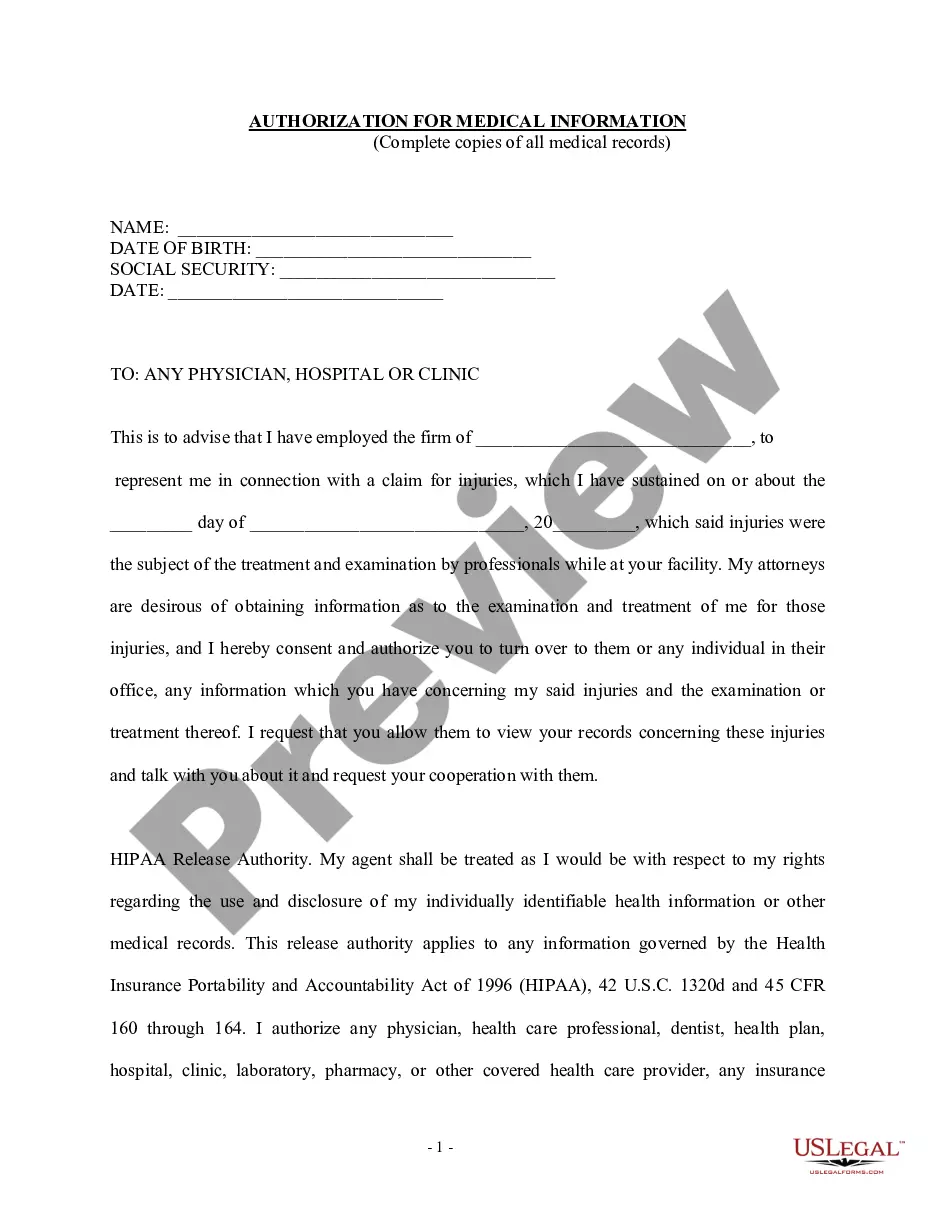
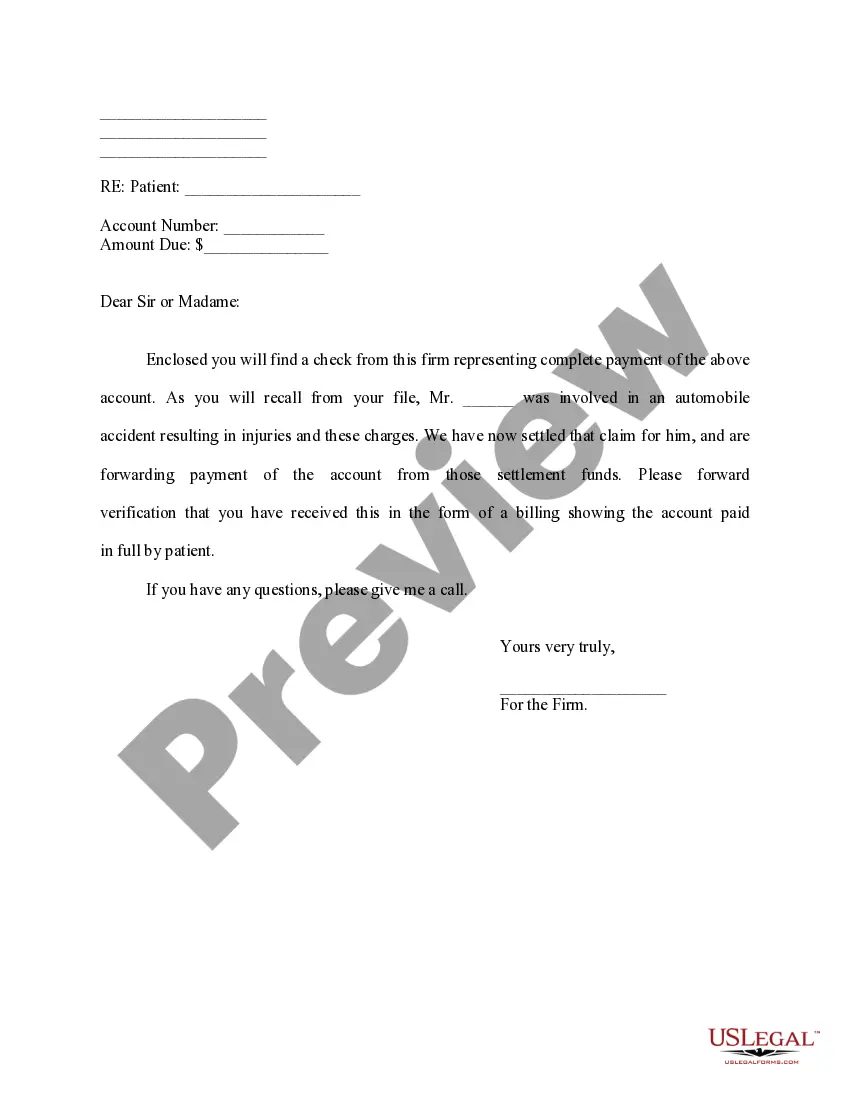
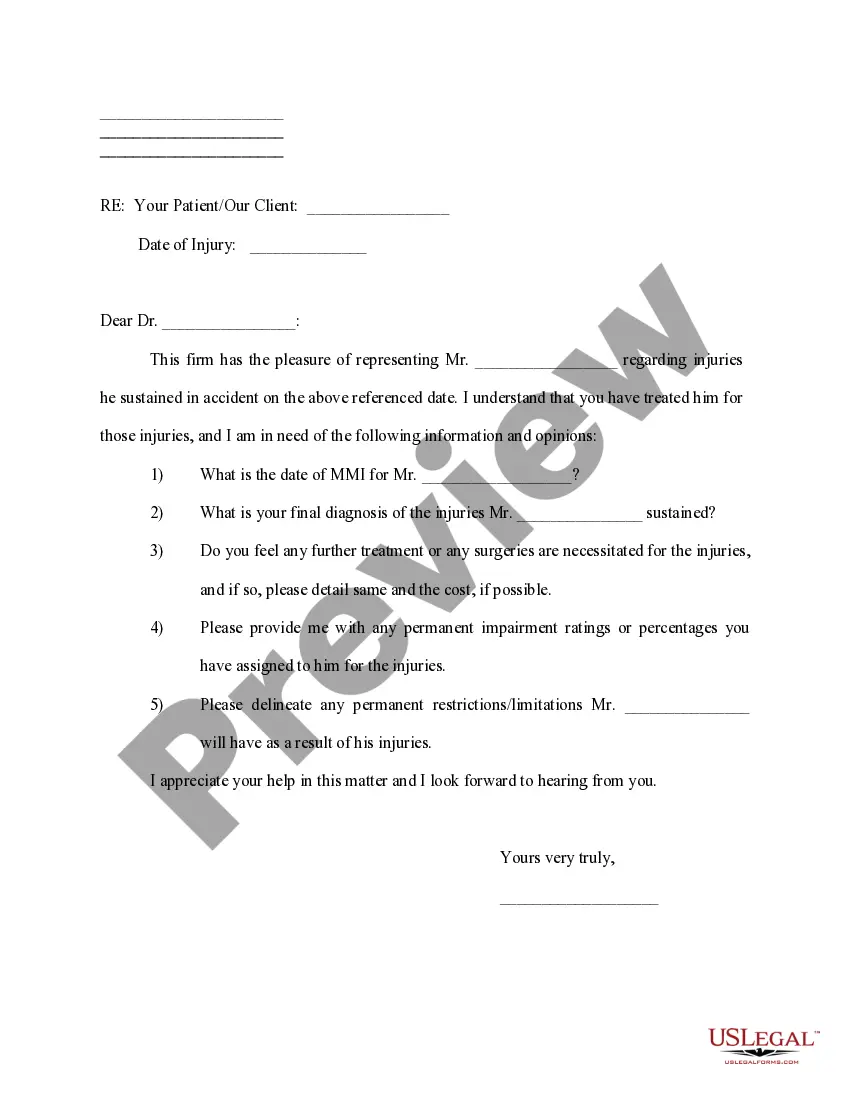
Description
Get your form ready online
Our built-in tools help you complete, sign, share, and store your documents in one place.
Make edits, fill in missing information, and update formatting in US Legal Forms—just like you would in MS Word.
Download a copy, print it, send it by email, or mail it via USPS—whatever works best for your next step.
Sign and collect signatures with our SignNow integration. Send to multiple recipients, set reminders, and more. Go Premium to unlock E-Sign.
If this form requires notarization, complete it online through a secure video call—no need to meet a notary in person or wait for an appointment.
We protect your documents and personal data by following strict security and privacy standards.

Make edits, fill in missing information, and update formatting in US Legal Forms—just like you would in MS Word.

Download a copy, print it, send it by email, or mail it via USPS—whatever works best for your next step.

Sign and collect signatures with our SignNow integration. Send to multiple recipients, set reminders, and more. Go Premium to unlock E-Sign.

If this form requires notarization, complete it online through a secure video call—no need to meet a notary in person or wait for an appointment.

We protect your documents and personal data by following strict security and privacy standards.
Looking for another form?







Form popularity
FAQ
When writing an introduction letter to a client, start with a clear greeting and briefly introduce yourself and your role. Follow this with a statement about your purpose, such as how you can assist them or provide value. Be sure to highlight any relevant services or solutions, like those provided by USLegalForms, to reinforce your ability to meet their needs. A strong introduction letter lays down the groundwork for a successful working relationship.
To begin a professional letter, ensure you use a formal salutation, such as 'Dear' followed by the recipient's title and name. Following the greeting, you might include a brief introduction of yourself if this is your first correspondence. This establishes credibility and aids in connecting with the client. Always remember to keep a respectful and professional tone throughout.
The best opening sentence for a letter to a client conveys appreciation or intent. For example, you could start with, 'I hope this message finds you well.' This approach engages the reader and expresses your care for their well-being. A thoughtful opening sentence invites the client into the correspondence and encourages a collaborative tone.
To start a letter to a client, you should begin with a professional greeting. Address them by their preferred title and last name to show respect. For example, 'Dear Mr. Smith' or 'Dear Ms. Johnson' works well. This sets a courteous tone for your communication and establishes a positive foundation for the conversation.
Writing a professional message to a client involves being clear, concise, and respectful. Start with a proper greeting, state your purpose succinctly, and provide any necessary context. By following these guidelines, you enhance your letter to client, which helps in building strong professional relationships.
To message someone formally, use clear language and avoid slang or casual phrases. Begin with a respectful salutation, articulate your points clearly, and conclude with a professional sign-off. This approach aligns with the standards in a letter to client and fosters effective communication.
When starting a professional text message, begin with a polite greeting using the recipient's name or title. For example, 'Good morning, Mr. Jones,' sets a respectful tone right from the start. This careful opening prepares the recipient for the key messages you plan to convey in your letter to client.
A client letter is a written communication addressed to a client, often related to business matters such as updates, contracts, or services. This form of communication aims to inform, reassure, or clarify aspects of the business relationship. Crafting a thoughtful letter to client can enhance trust and transparency between parties.
To send a professional message to a client, choose the right platform, be it email or text, and draft your message with clarity. Start with a respectful greeting, state your purpose clearly, and include any necessary details or questions. Using a well-composed message enhances your letter to client, projecting your professionalism.
A formal professional text message should maintain a respectful tone and clear intent. For instance, you could write: 'Hello Mr. Smith, I am following up on our previous discussion regarding the contract. Please let me know a convenient time for you to meet.' This approach keeps communication direct and professional as you navigate your letter to client.
