Bsa Aml Policy Template For Business
Description
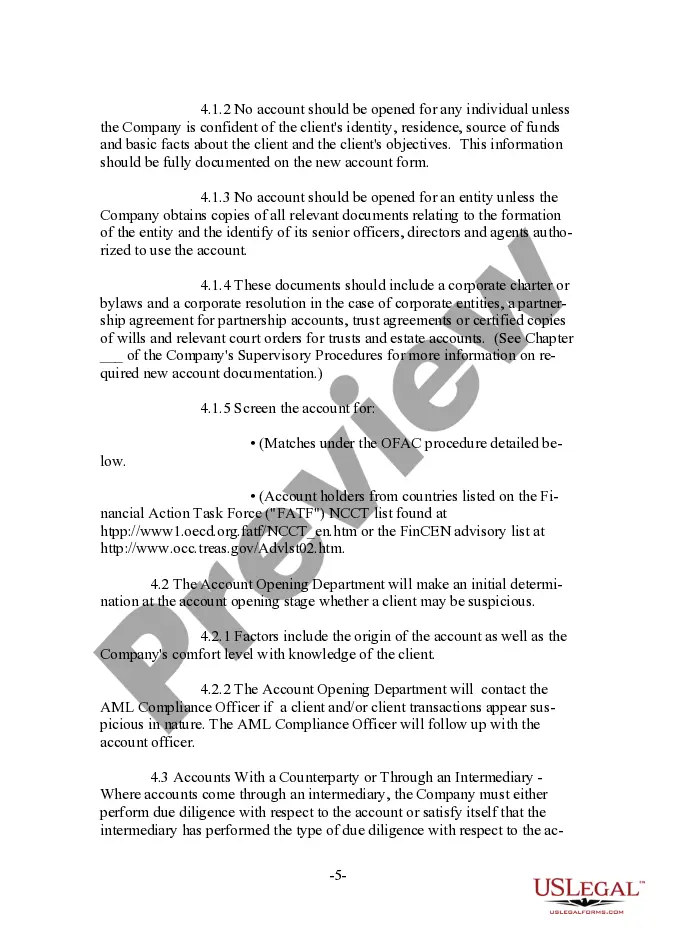
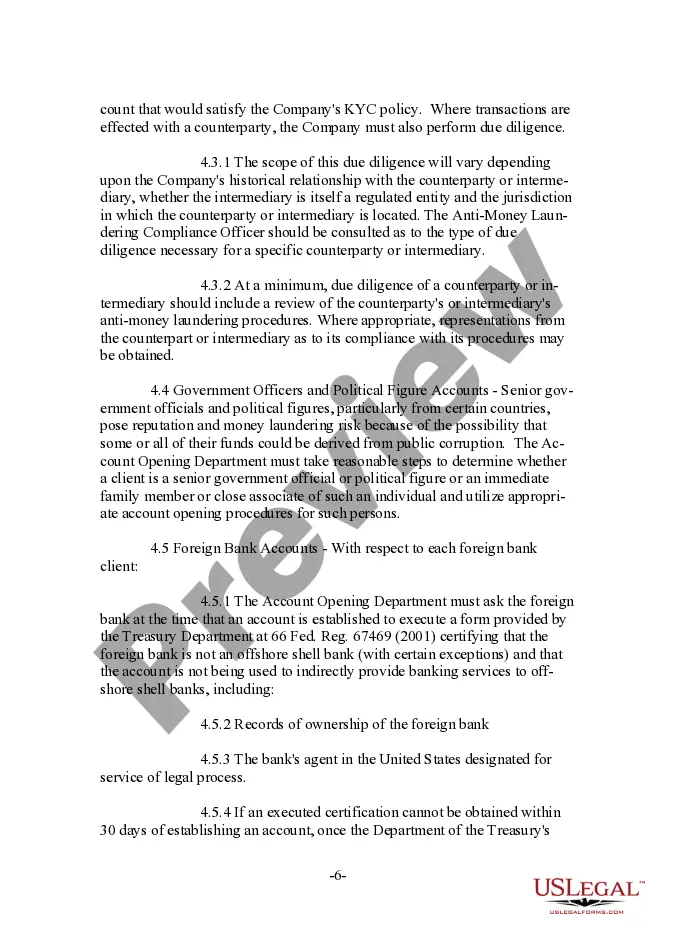
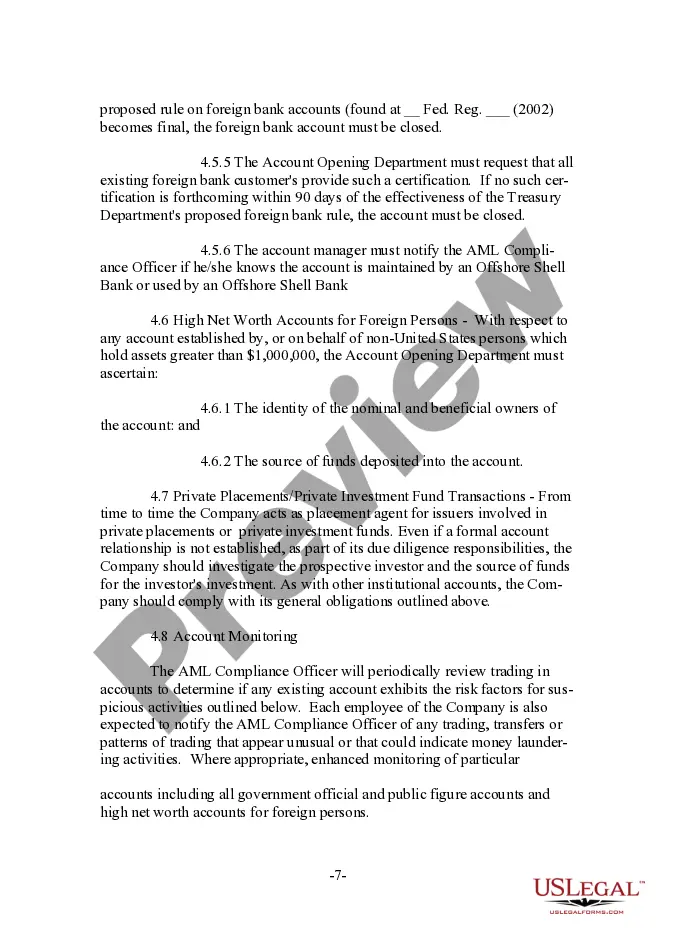
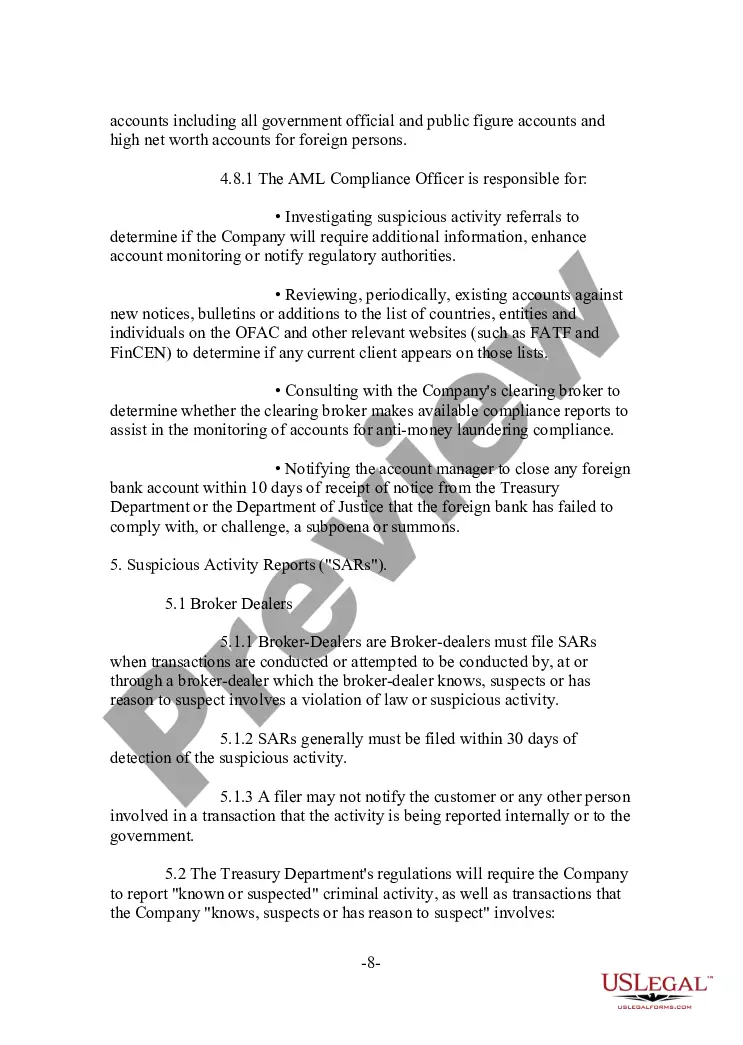
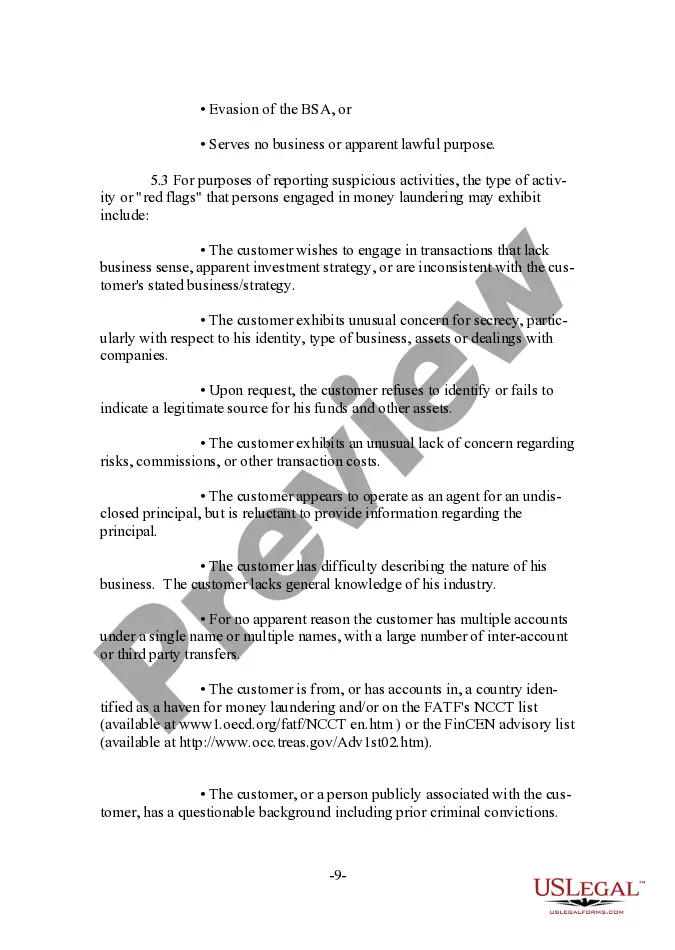
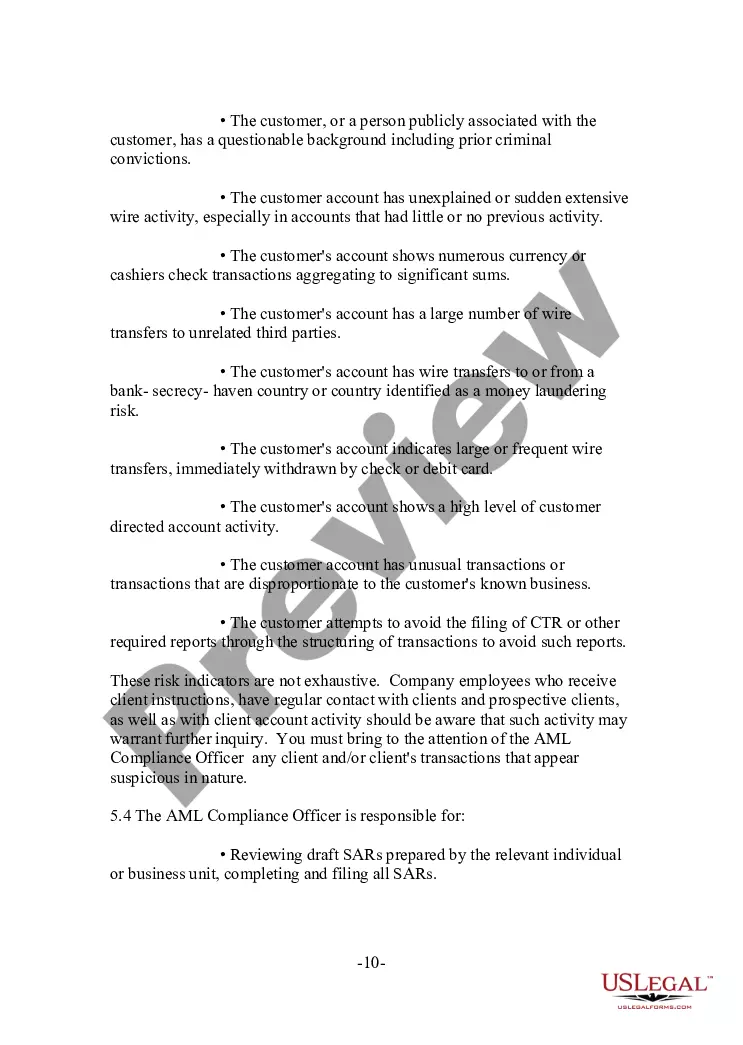

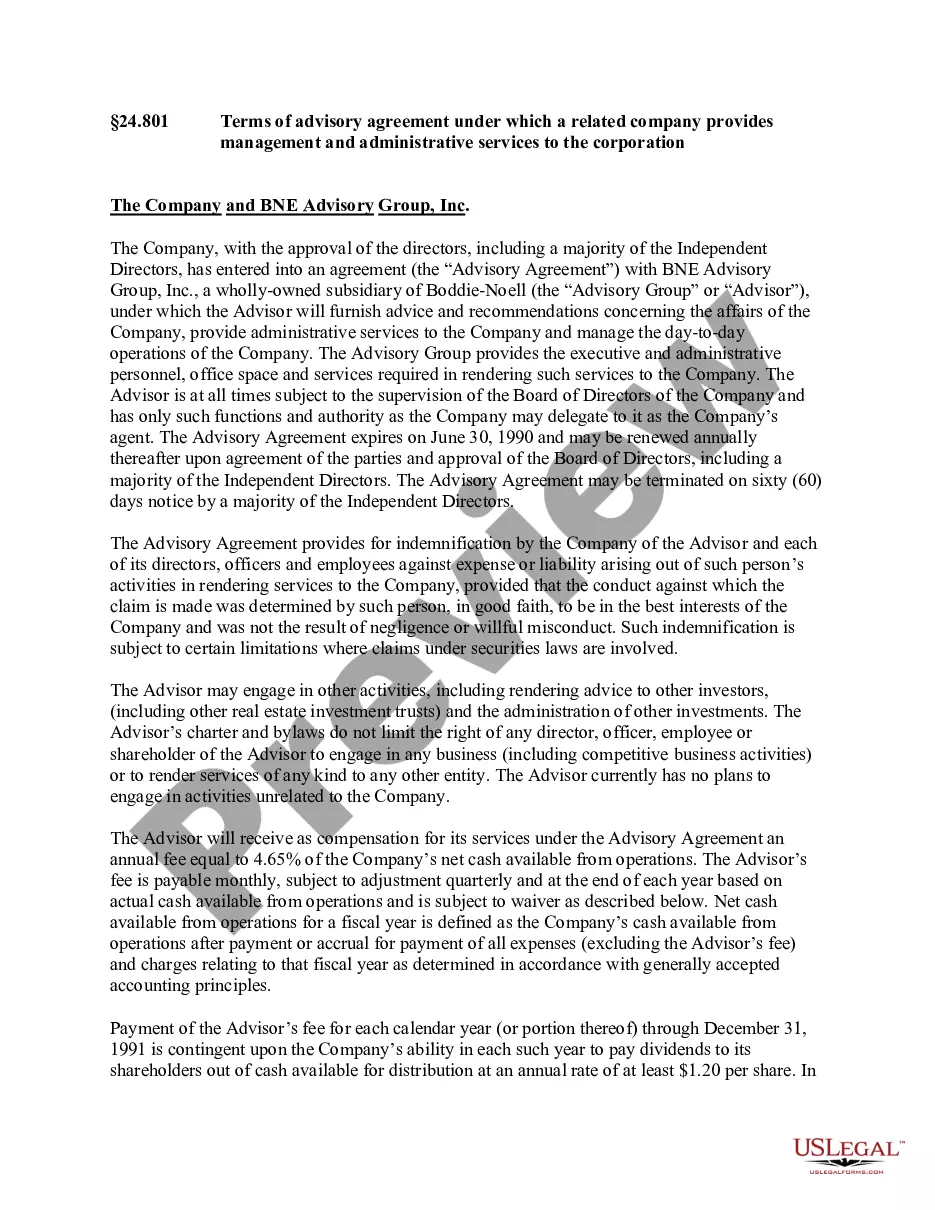
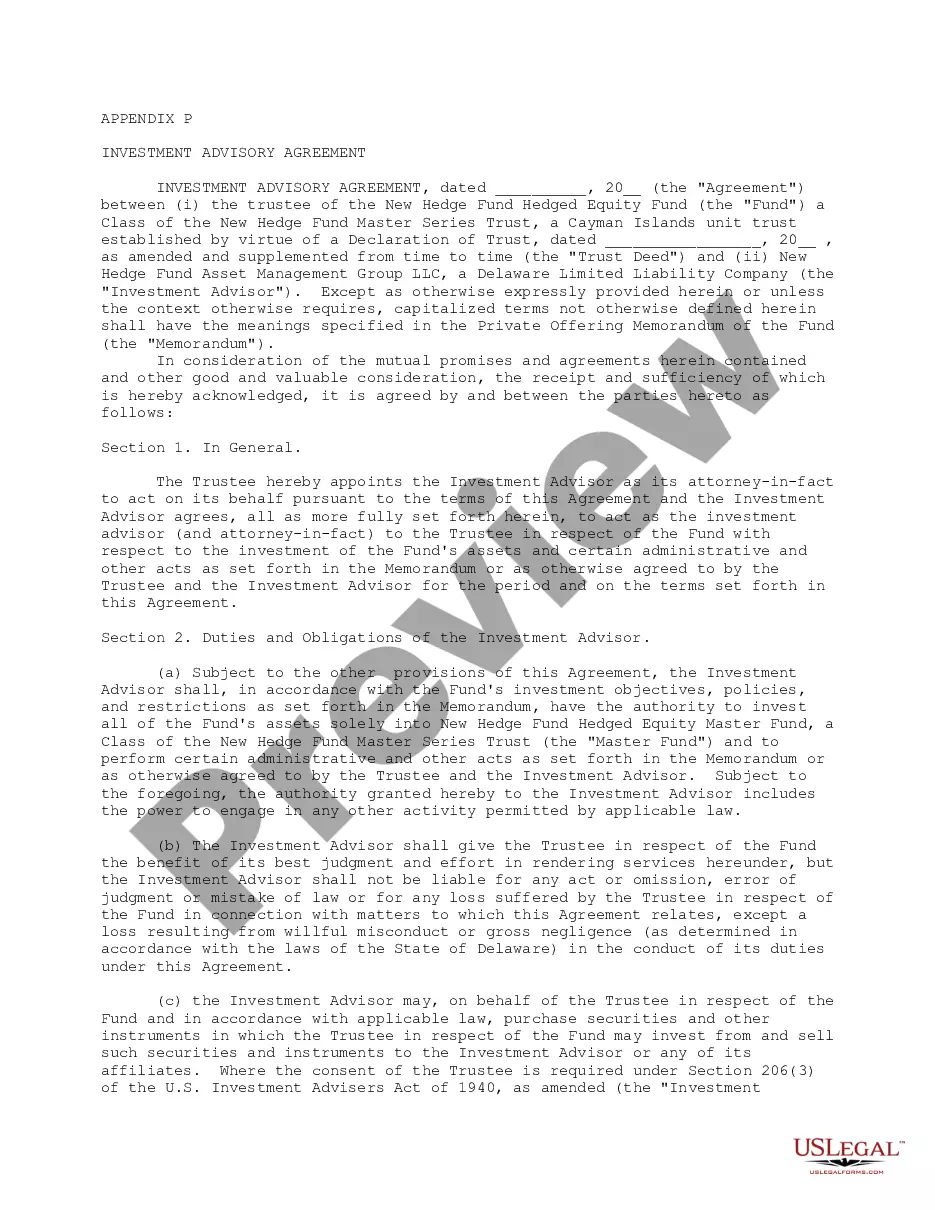
Get your form ready online
Our built-in tools help you complete, sign, share, and store your documents in one place.
Make edits, fill in missing information, and update formatting in US Legal Forms—just like you would in MS Word.
Download a copy, print it, send it by email, or mail it via USPS—whatever works best for your next step.
Sign and collect signatures with our SignNow integration. Send to multiple recipients, set reminders, and more. Go Premium to unlock E-Sign.
If this form requires notarization, complete it online through a secure video call—no need to meet a notary in person or wait for an appointment.
We protect your documents and personal data by following strict security and privacy standards.

Make edits, fill in missing information, and update formatting in US Legal Forms—just like you would in MS Word.

Download a copy, print it, send it by email, or mail it via USPS—whatever works best for your next step.

Sign and collect signatures with our SignNow integration. Send to multiple recipients, set reminders, and more. Go Premium to unlock E-Sign.

If this form requires notarization, complete it online through a secure video call—no need to meet a notary in person or wait for an appointment.

We protect your documents and personal data by following strict security and privacy standards.
Looking for another form?








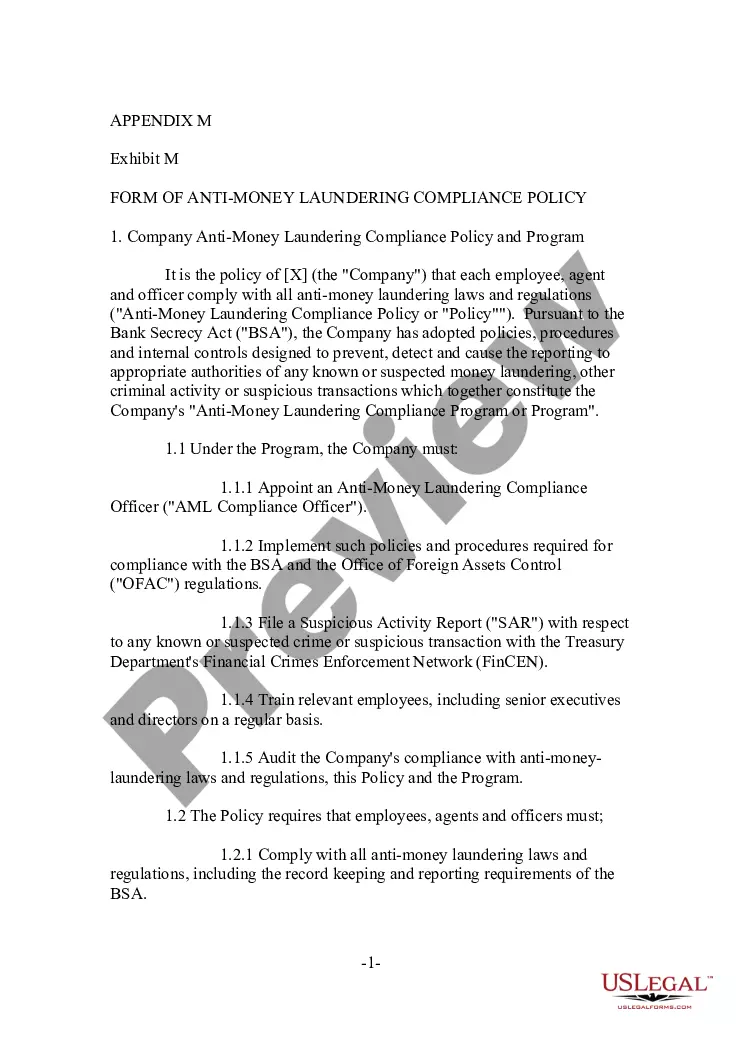
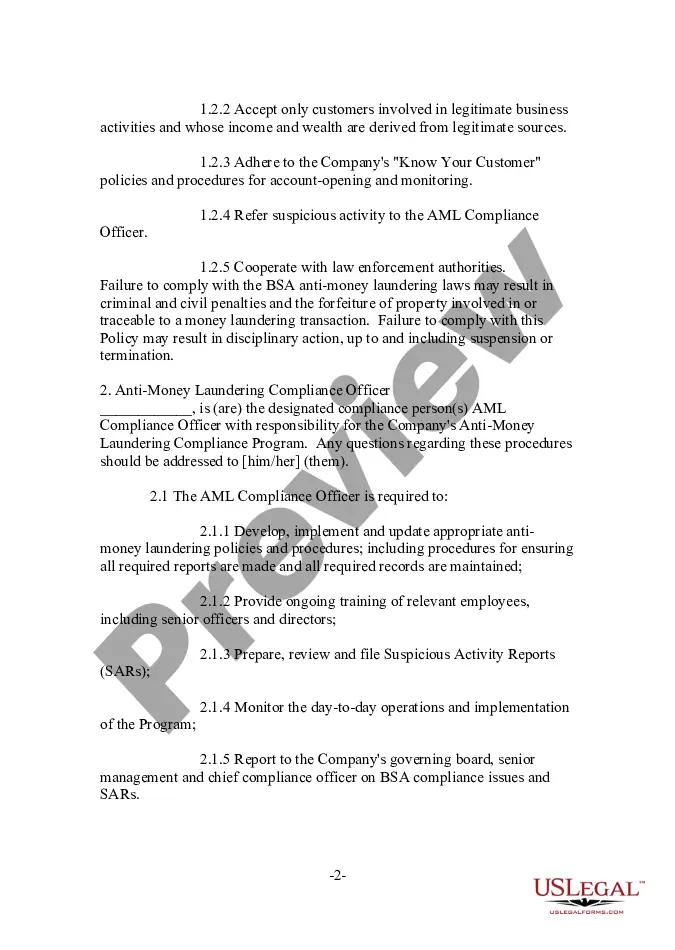
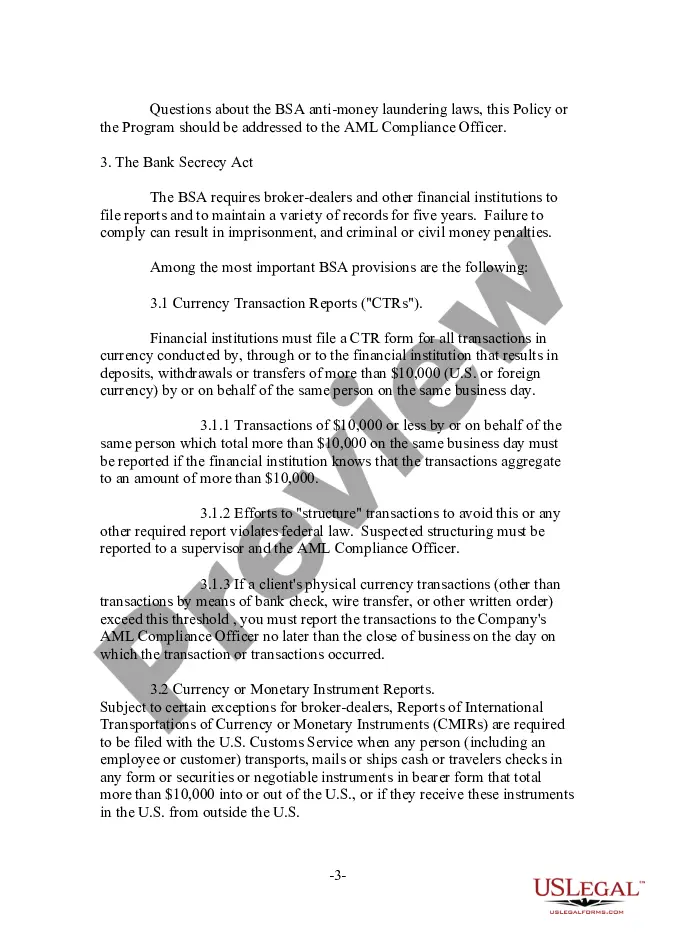
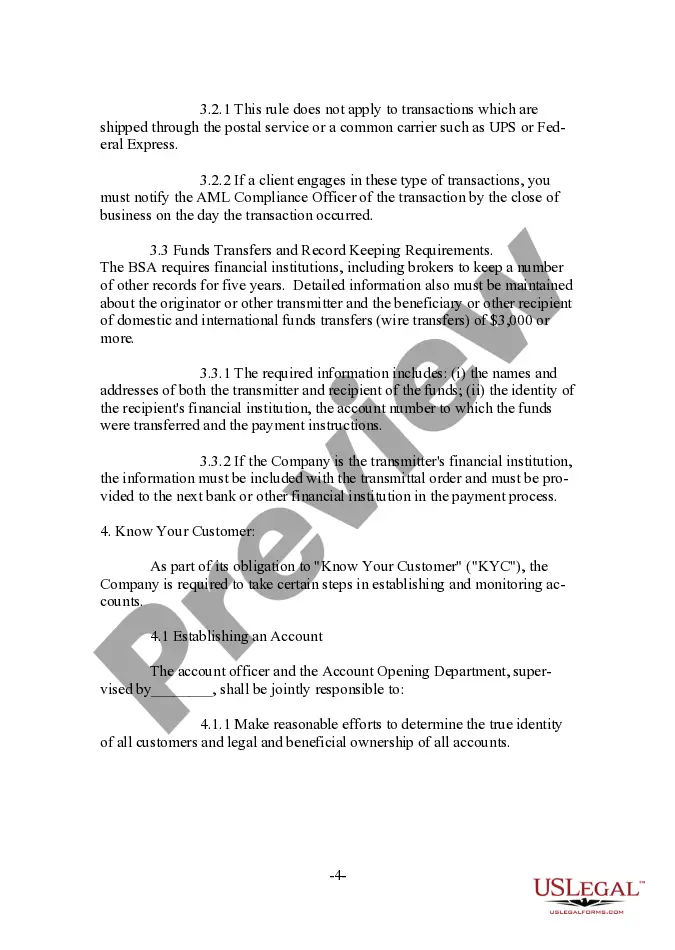
How to fill out Form Of Anti-Money Laundering Compliance Policy?
Finding a go-to place to take the most recent and appropriate legal samples is half the struggle of working with bureaucracy. Finding the right legal documents demands accuracy and attention to detail, which is the reason it is important to take samples of Bsa Aml Policy Template For Business only from reputable sources, like US Legal Forms. An improper template will waste your time and hold off the situation you are in. With US Legal Forms, you have very little to worry about. You can access and view all the details about the document’s use and relevance for the circumstances and in your state or region.
Consider the following steps to finish your Bsa Aml Policy Template For Business:
- Use the library navigation or search field to locate your sample.
- Open the form’s description to see if it fits the requirements of your state and region.
- Open the form preview, if available, to ensure the template is definitely the one you are interested in.
- Resume the search and find the right template if the Bsa Aml Policy Template For Business does not fit your requirements.
- When you are positive about the form’s relevance, download it.
- If you are an authorized customer, click Log in to authenticate and gain access to your picked templates in My Forms.
- If you do not have an account yet, click Buy now to get the template.
- Choose the pricing plan that suits your needs.
- Proceed to the registration to finalize your purchase.
- Complete your purchase by picking a transaction method (credit card or PayPal).
- Choose the document format for downloading Bsa Aml Policy Template For Business.
- When you have the form on your device, you may change it with the editor or print it and finish it manually.
Remove the headache that comes with your legal paperwork. Discover the extensive US Legal Forms collection where you can find legal samples, check their relevance to your circumstances, and download them on the spot.
Form popularity
FAQ
FINRA provides a template for small firms to assist them in fulfilling their responsibilities to establish the Anti-Money Laundering (AML) compliance program required by the Bank Secrecy Act (BSA) and its implementing regulations and FINRA Rule 3310.
Firms must comply with the Bank Secrecy Act and its implementing regulations ("AML rules"). The purpose of the AML rules is to help detect and report suspicious activity including the predicate offenses to money laundering and terrorist financing, such as securities fraud and market manipulation.
Who regulates the process? Steps to creating an AML policy. Step 1: draft an AML policy statement. Step 2: appoint a Money Laundering Reporting Officer (MLRO) Step 3: perform Customer Due Diligence (CDD) Step 4: verifying client identity. Step 5: report to Financial Intelligence Units (FIU)
Definitions. AML - Anti Money Laundering. KYC - Know Your Client. AML/KYC regulations require that all clients clearly identify themselves and provide proof of residential address.
TEXT EXAMPLE: We will share information with other financial institutions regarding individuals, entities, organizations and countries for purposes of identifying and, where appropriate, reporting activities that we suspect may involve possible terrorist activity or money laundering.