Sole Proprietorship For Business
Description
Get your form ready online
Our built-in tools help you complete, sign, share, and store your documents in one place.
Make edits, fill in missing information, and update formatting in US Legal Forms—just like you would in MS Word.
Download a copy, print it, send it by email, or mail it via USPS—whatever works best for your next step.
Sign and collect signatures with our SignNow integration. Send to multiple recipients, set reminders, and more. Go Premium to unlock E-Sign.
If this form requires notarization, complete it online through a secure video call—no need to meet a notary in person or wait for an appointment.
We protect your documents and personal data by following strict security and privacy standards.

Make edits, fill in missing information, and update formatting in US Legal Forms—just like you would in MS Word.

Download a copy, print it, send it by email, or mail it via USPS—whatever works best for your next step.

Sign and collect signatures with our SignNow integration. Send to multiple recipients, set reminders, and more. Go Premium to unlock E-Sign.

If this form requires notarization, complete it online through a secure video call—no need to meet a notary in person or wait for an appointment.

We protect your documents and personal data by following strict security and privacy standards.
Looking for another form?









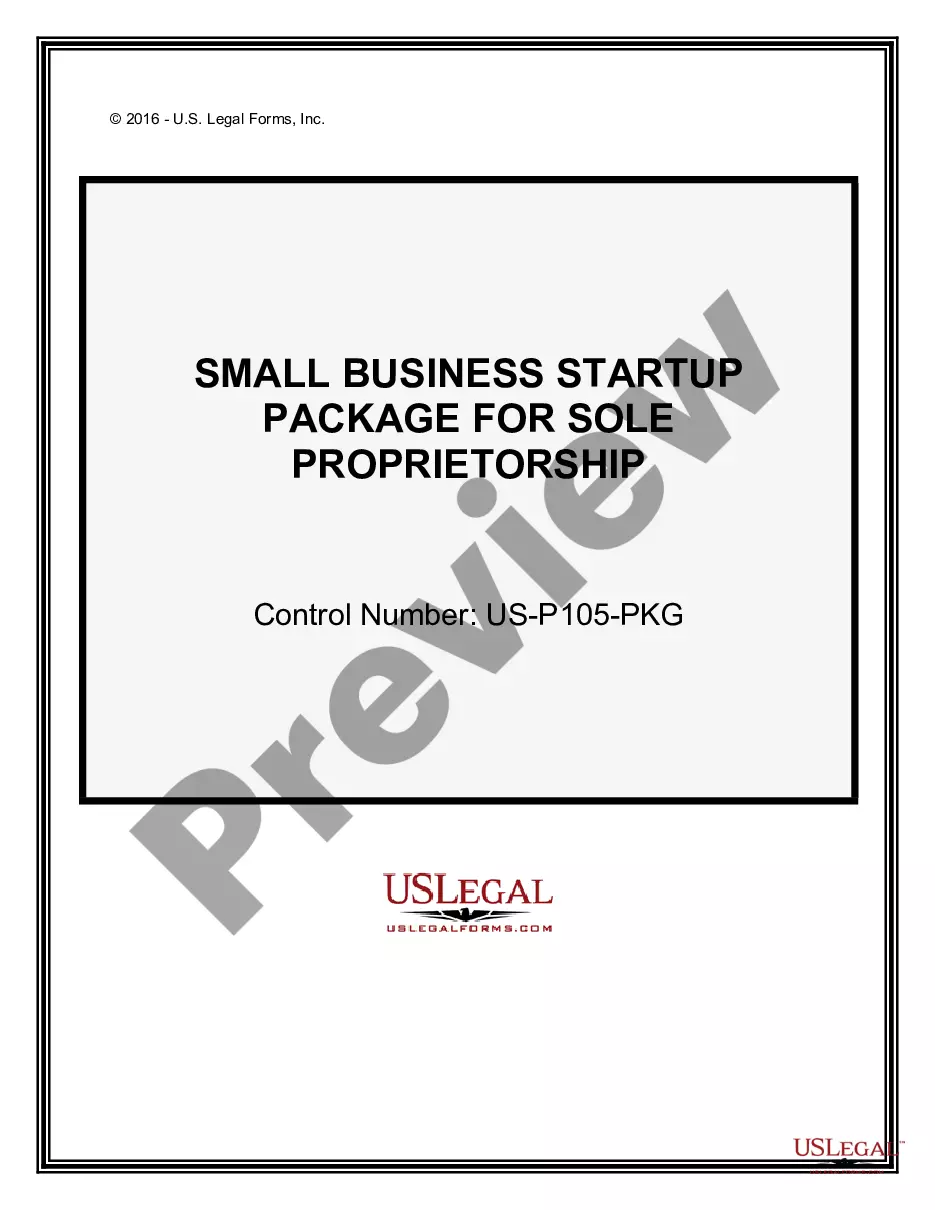
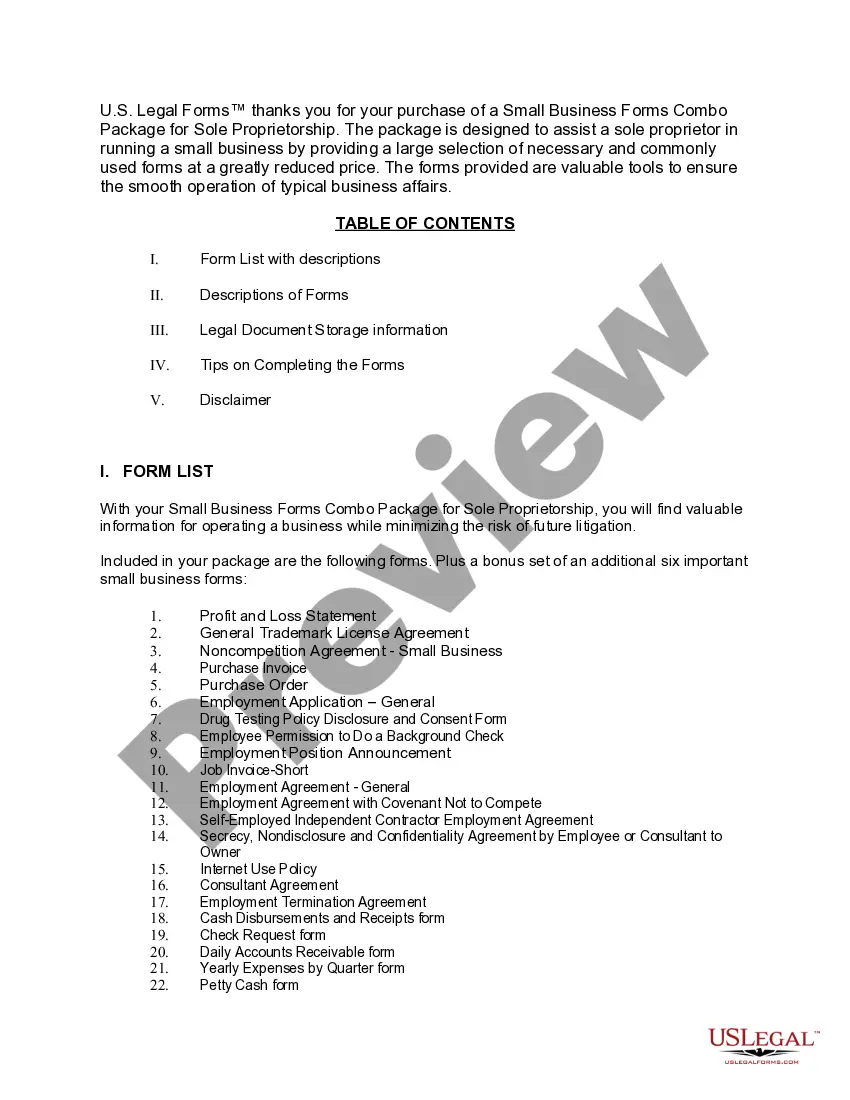
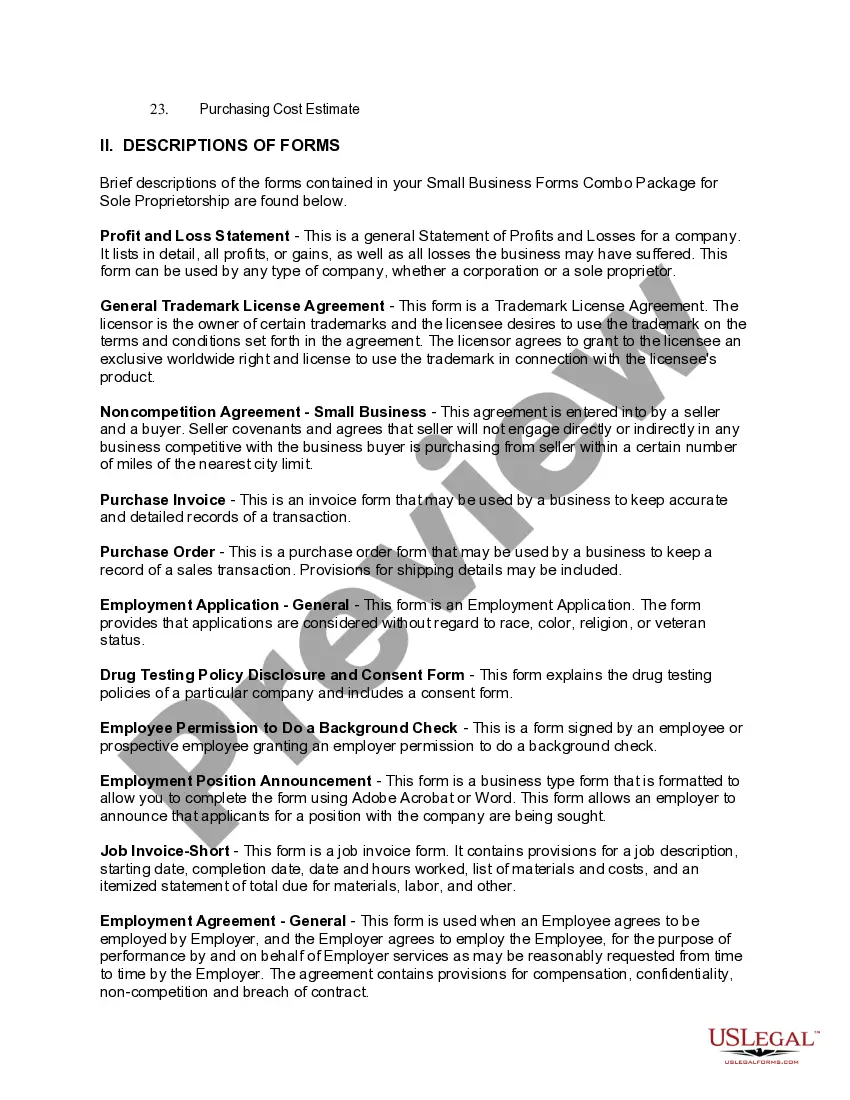
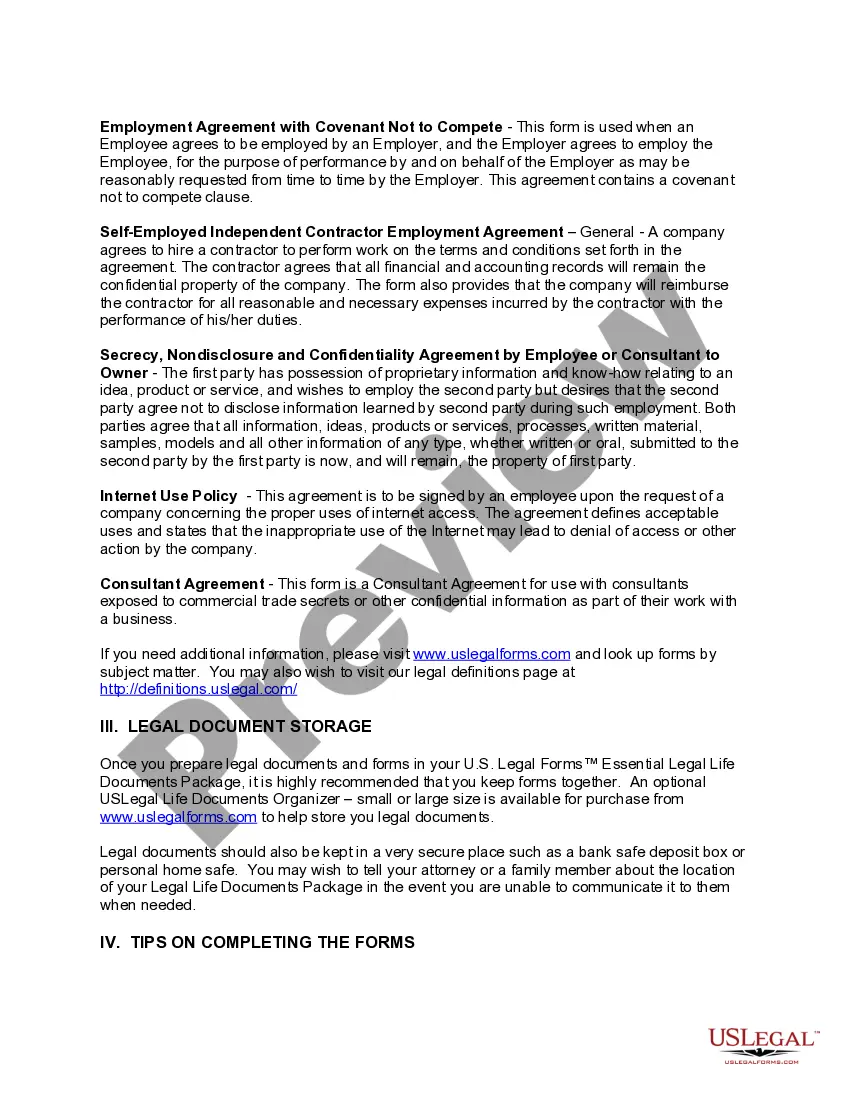
How to fill out Small Business Startup Package For Sole Proprietorship?
- If you are already a member, log in to your account. Verify your subscription is active before proceeding to download the necessary form template.
- For first-time users, browse the extensive library. Start by checking the Preview mode and descriptions to select the form tailored to your local jurisdiction requirements.
- If you need a different template, utilize the Search tab to find the most suitable option. Confirm that the document meets your needs before moving forward.
- Purchase your selected form by clicking on the Buy Now button and choose your preferred subscription plan. Creating an account will provide access to the complete library.
- Complete your transaction by entering your payment information via credit card or PayPal to finalize your subscription.
- Download the chosen form to your device. You can revisit and manage your downloaded documents in the My Forms section whenever necessary.
US Legal Forms empowers individuals and attorneys with a vast collection of over 85,000 legal forms, designed to make document creation quick and hassle-free. The platform also offers access to premium experts for additional support.
Start your business off right by utilizing US Legal Forms for your sole proprietorship documents. Explore the library today and streamline your legal preparations!
Form popularity
FAQ
Yes, you can receive a tax refund as a sole proprietor if you have overpaid taxes throughout the year. This often occurs through estimated tax payments or withholding from other income sources. Be sure to optimize your deductions for your sole proprietorship for business to improve your chances of receiving a refund.
To establish yourself as a sole proprietorship, you generally need to choose a business name and register it with your local government, if applicable. You may also need to obtain any necessary licenses or permits depending on your industry. This process is essential for your sole proprietorship for business, as it helps build credibility with customers and complies with local regulations.
As a sole proprietor, you can write off a variety of business expenses, including office supplies, travel costs, and home office expenses. This means that many costs directly related to running your business can reduce your taxable income. Understanding what qualifies as a deduction can greatly benefit your sole proprietorship for business, so consider keeping detailed records to maximize your benefits.
To file taxes as a sole proprietor, you must complete a Schedule C form, which reports your business income and expenses directly on your personal tax return. This process is relatively straightforward, and it allows you to combine your personal and business financial reporting. Remember, your sole proprietorship for business means you are personally liable for any business debts, so accurate reporting is essential.
Transitioning from a sole proprietorship for business to an LLC can be a smart move as your business grows. Consider making the switch when you start facing significant business risks, seeking investment, or hiring employees. Additionally, if your personal assets are at risk or if you want to enhance your professional image, an LLC might be the right choice. The uslegalforms platform can assist you in making this transition smoothly and effectively.
Deciding if an LLC or sole proprietorship is better for you requires examining your business needs. A sole proprietorship for business is straightforward and easy to manage, but it leaves you personally liable for business debts. On the other hand, an LLC offers liability protection and can attract partners or investors more easily. Take your time to evaluate which structure aligns best with your business plan.
While an LLC has many advantages, such as liability protection, it can be more complex and costly to set up than a sole proprietorship for business. You may face annual fees, additional paperwork, and ongoing compliance requirements. Furthermore, in some cases, the tax structure of an LLC may not provide the same tax benefits as a sole proprietorship, which could influence your choice.
Choosing between an LLC and a sole proprietorship for business depends on your unique situation. A sole proprietorship offers simplicity and complete control over your business operations. However, an LLC provides personal liability protection and may enhance your credibility with clients. Consider your business goals and risk tolerance before making a decision.
To set yourself up as a sole proprietor for business, begin by choosing a unique business name and ensuring it complies with local regulations. Obtain any necessary licenses or permits relevant to your business activities. Additionally, open a separate bank account to keep your personal and business finances distinct. You can find resources and templates on US Legal Forms to help streamline your setup process and ensure compliance.
Writing a business plan for a sole proprietorship involves outlining your business goals, strategies, and financial projections in detail. Start with an executive summary, then include a description of your products or services, market analysis, and sales strategy. Budgeting is essential, so clearly define your startup costs. Tools from US Legal Forms can assist you in structuring your business plan effectively and professionally.