Memorandum Agreement On Ancestral Domain
Description
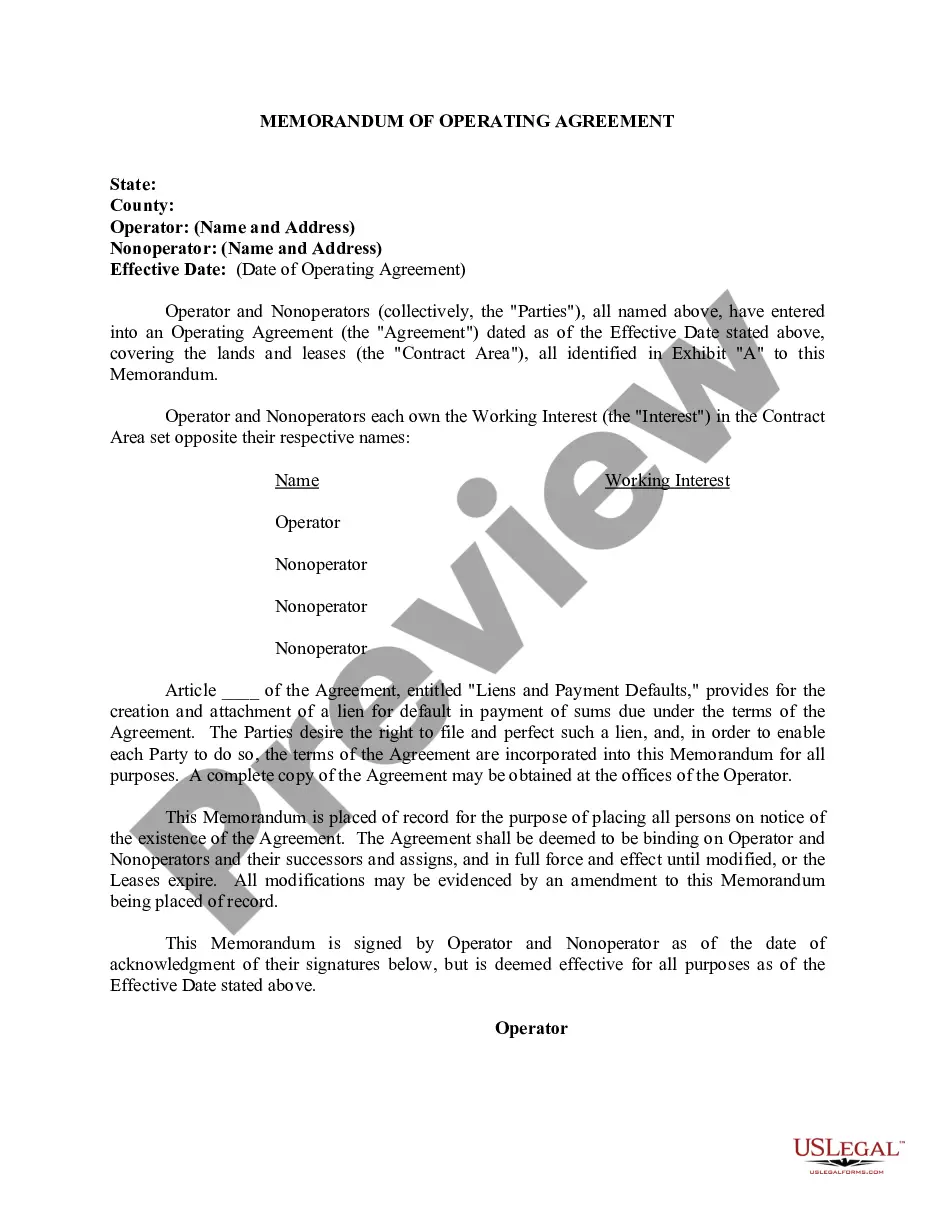
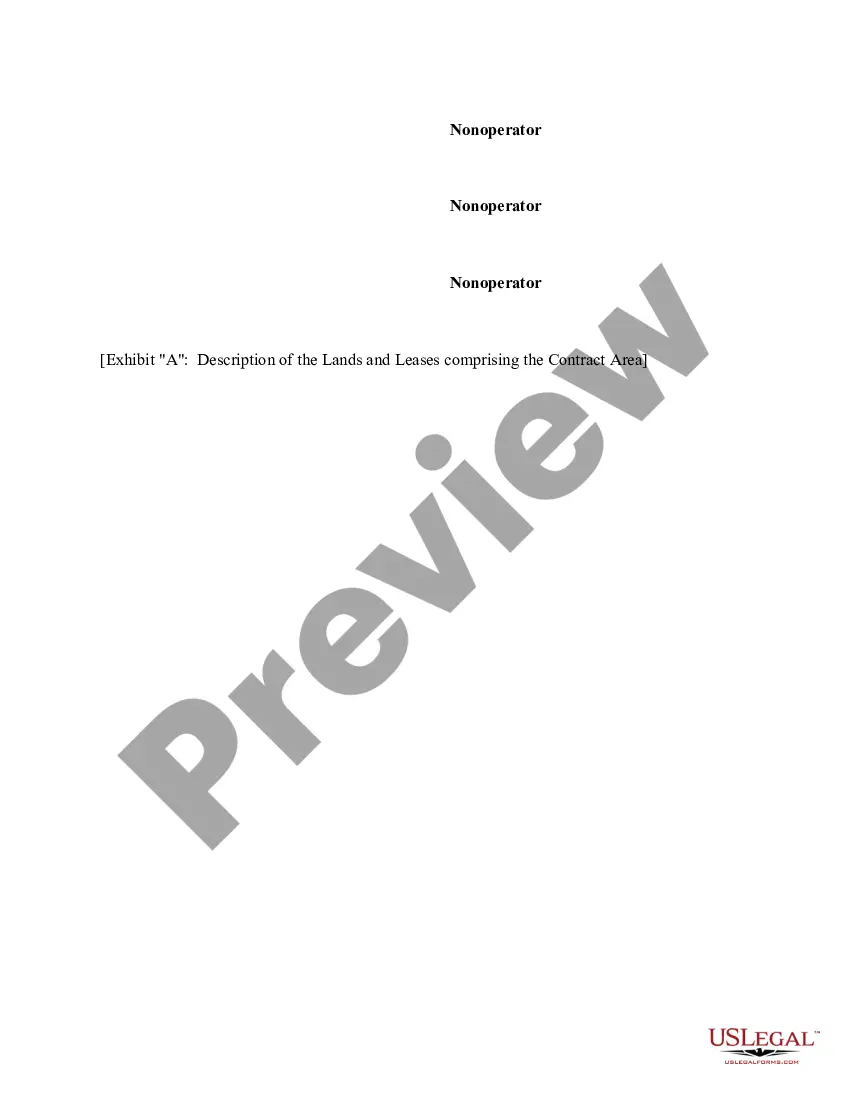
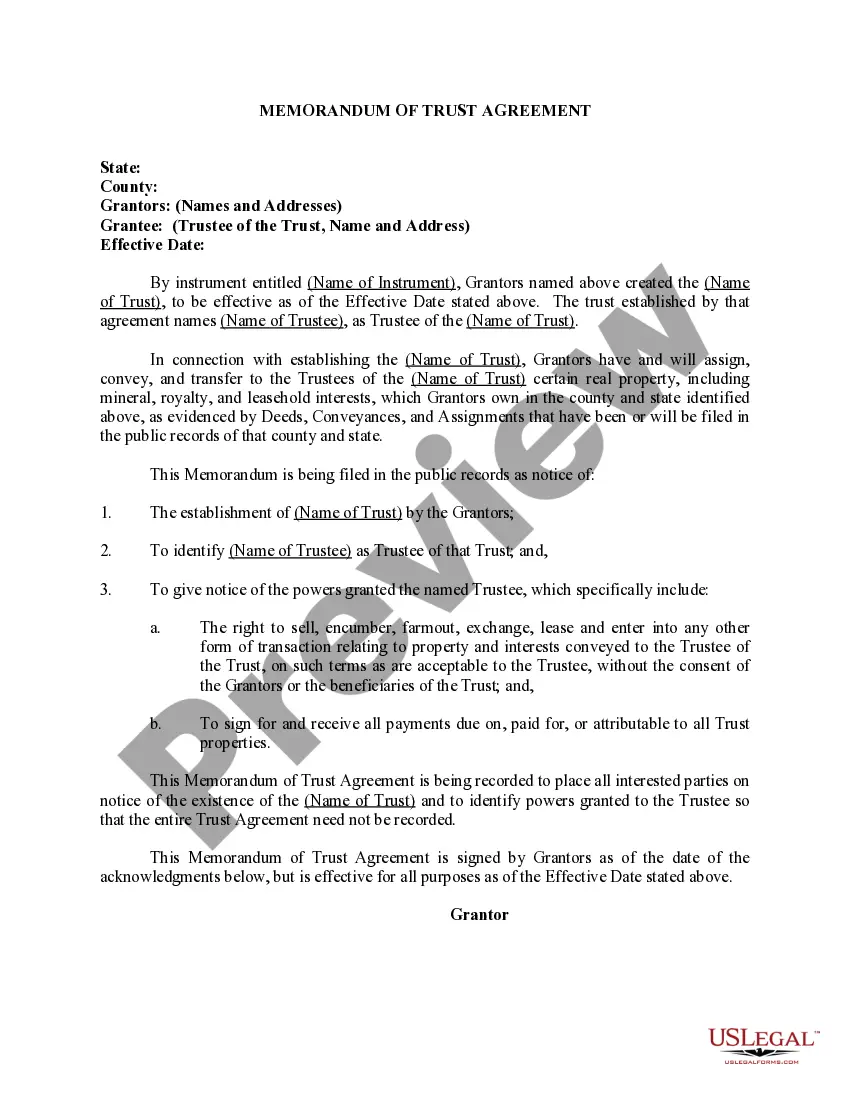
Get your form ready online
Our built-in tools help you complete, sign, share, and store your documents in one place.
Make edits, fill in missing information, and update formatting in US Legal Forms—just like you would in MS Word.
Download a copy, print it, send it by email, or mail it via USPS—whatever works best for your next step.
Sign and collect signatures with our SignNow integration. Send to multiple recipients, set reminders, and more. Go Premium to unlock E-Sign.
If this form requires notarization, complete it online through a secure video call—no need to meet a notary in person or wait for an appointment.
We protect your documents and personal data by following strict security and privacy standards.

Make edits, fill in missing information, and update formatting in US Legal Forms—just like you would in MS Word.

Download a copy, print it, send it by email, or mail it via USPS—whatever works best for your next step.

Sign and collect signatures with our SignNow integration. Send to multiple recipients, set reminders, and more. Go Premium to unlock E-Sign.

If this form requires notarization, complete it online through a secure video call—no need to meet a notary in person or wait for an appointment.

We protect your documents and personal data by following strict security and privacy standards.
Looking for another form?


How to fill out Memorandum Of Operating Agreement?
What is the most trustworthy platform to acquire the Memorandum Agreement on Ancestral Domain and other recent iterations of legal documents.
US Legal Forms is the solution!
Once saved, the document is accessible for future reference in the My documents section of your account. If you haven't registered with our library yet, here are the steps to follow to establish an account.
- It boasts the largest assortment of legal papers for any purpose.
- Each sample is expertly crafted and verified for adherence to federal and local laws.
- They are categorized by area and state of application, simplifying the search for what you need.
- Experienced platform users can simply sign in, verify their subscription status, and click the Download button adjacent to the Memorandum Agreement On Ancestral Domain to retrieve it.
Form popularity
FAQ
1 series of 2020, ancestral domains are the private but community property of Indigenous Cultural Communities or Indigenous Peoples which belong to all generations and therefore cannot be sold, disposed, or destroyed.
Ancestral domain refers to the Moros' demand for territory that will constitute a Bangsamoro homeland, sufficient control over economic resources in that territory, and a structure of governance that will allow Moros to govern themselves in ways that are consonant with their culture and with minimal interference from
The indigenous concept of ownership generally holds that ancestral domains are the ICC's/IP's private but community property which belongs to all generations and therefore cannot be sold, disposed or destroyed.
The rights of ownership and possession of ICCs/IPs to their ancestral domains shall include: (a) the right of ownership; (b) the right to develop, control and use lands and natural resources; (c) the right to stay in the territories and not to be removed therefrom; (d) the right of resettlement in suitable sites in
The law defines ancestral domain to include lands, inland waters, coastal areas, and natural resources owned or occupied by Indigenous peoples, by themselves or through their ancestors.
