Subsurface Easement Agreement With Mexico
Description
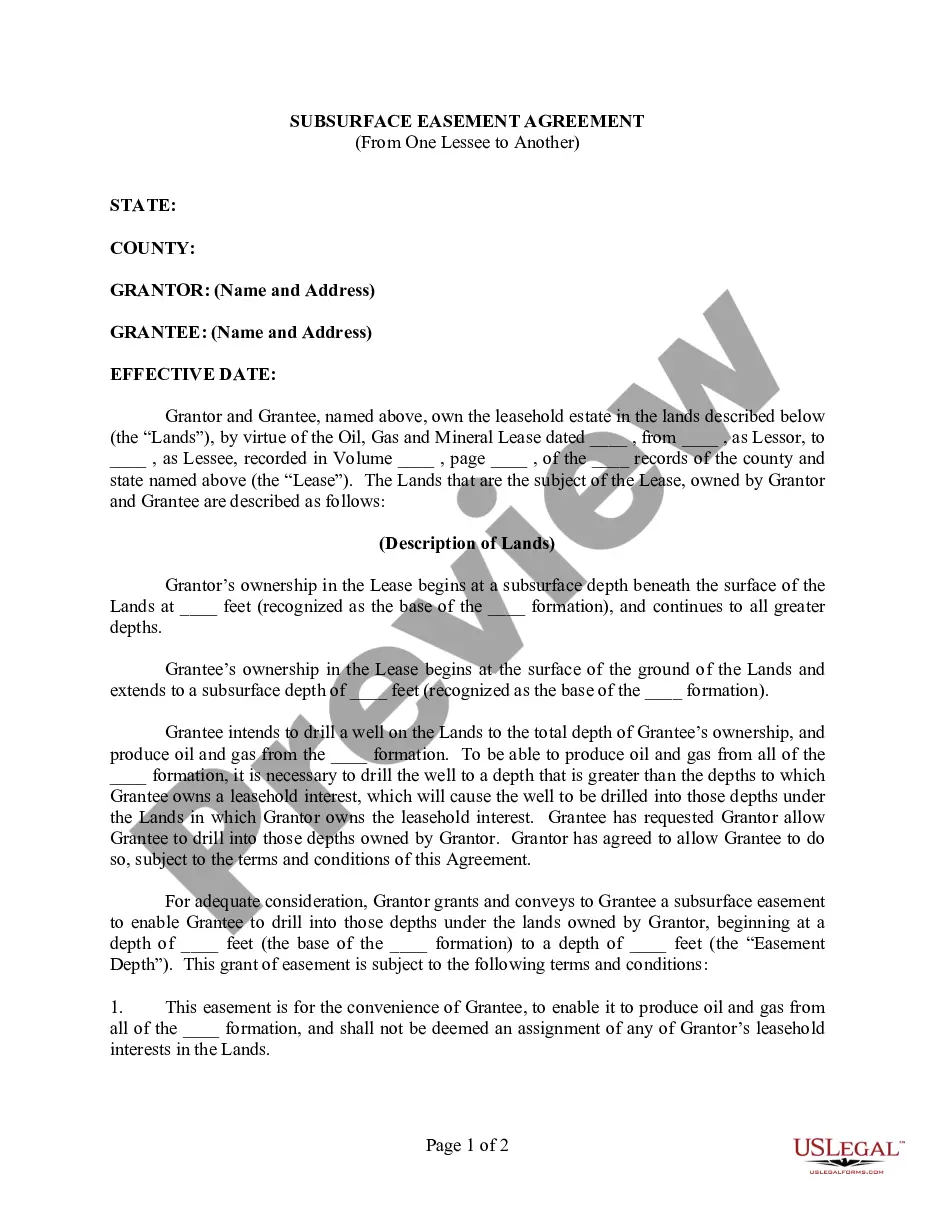
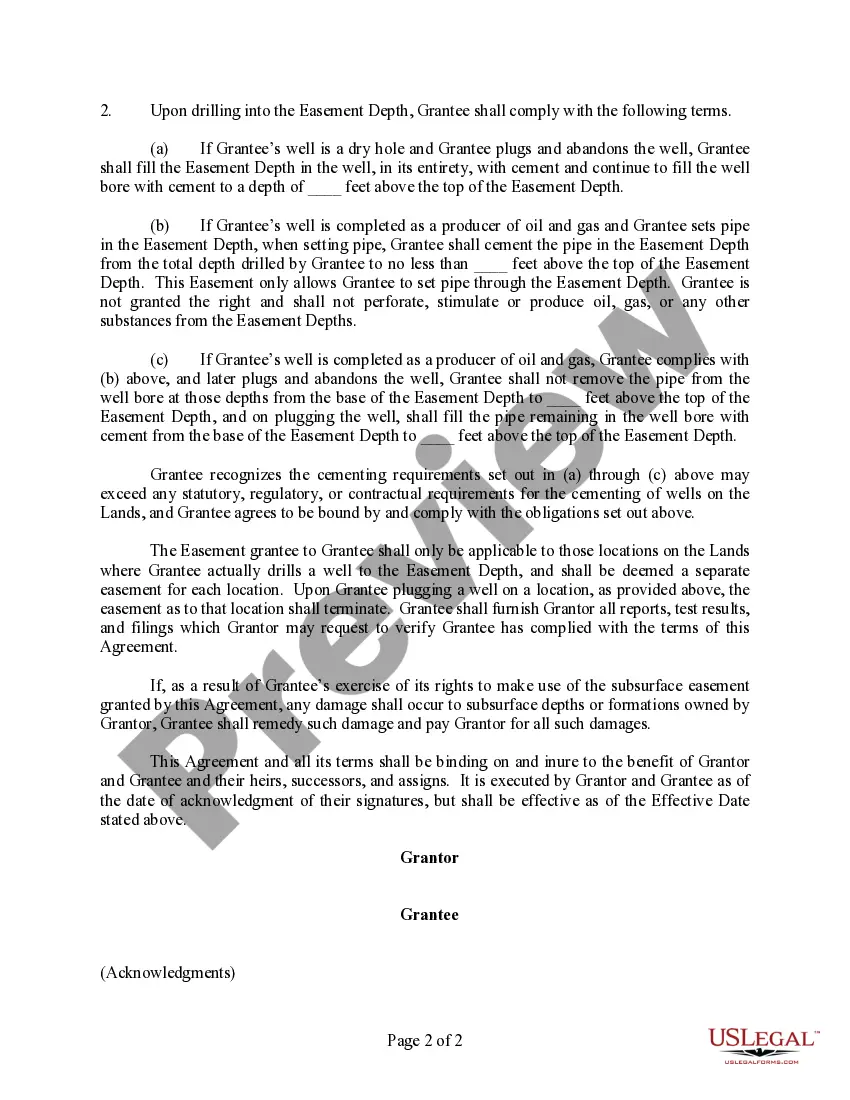
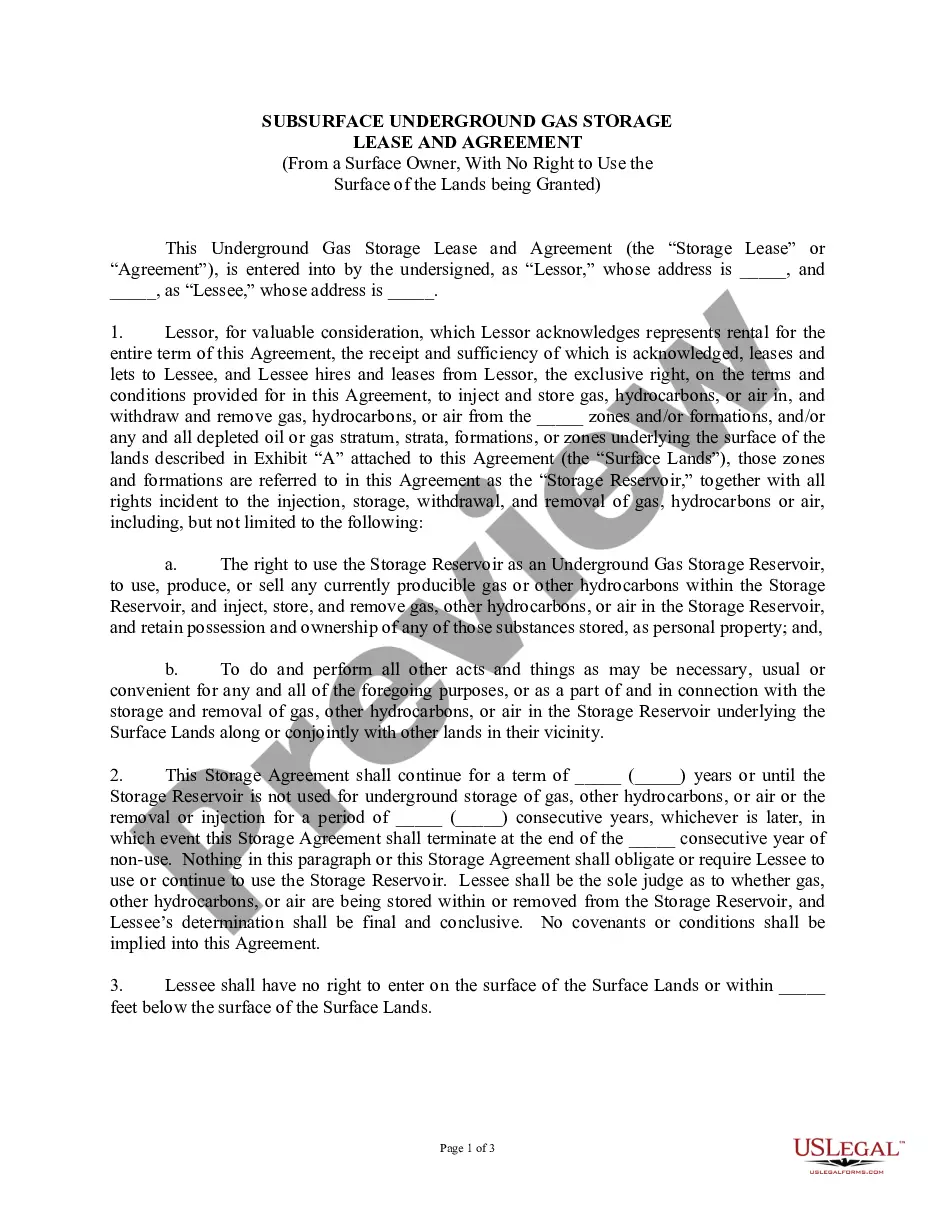
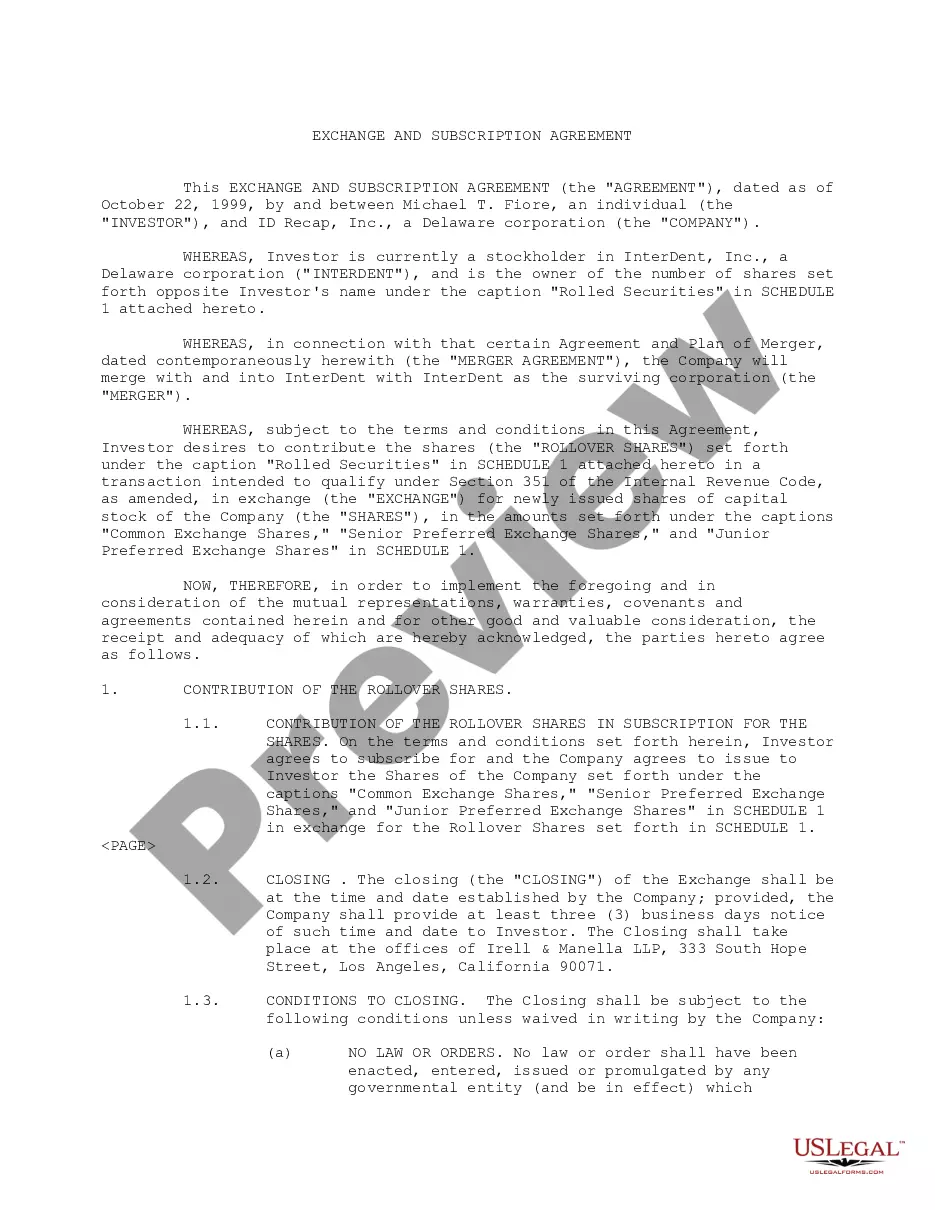

How to fill out Subsurface Easement Agreement From One Lessee To Another?
Handling legal paperwork and procedures could be a tedious addition to your schedule.
Subsurface Easement Agreement With Mexico and similar documents typically necessitate that you search for them and comprehend how to fill them out efficiently.
Thus, whether you are managing financial, legal, or personal affairs, possessing a comprehensive and convenient online collection of forms readily available will greatly assist.
US Legal Forms is the premier online platform for legal templates, providing over 85,000 state-specific forms and various tools to help you fill out your documents with ease.
Simply Log In to your account, locate Subsurface Easement Agreement With Mexico, and download it instantly within the My documents section. You can also access previously downloaded forms.
- Browse the array of pertinent documents accessible with a single click.
- US Legal Forms offers you state- and county-specific forms available for download at any time.
- Secure your document management processes with a reliable service that allows you to fill out any form in minutes without extra or hidden fees.
Form popularity
FAQ
The acquisition of real estate must be conducted before a public notary, judge or property registrar officer and two witnesses when its value does not exceed the equivalent of 365 times the daily minimum wage. For higher values the transaction must be conducted by a Public Notary and registered in a deed.
Real estate closing costs in Mexico consist of various fees and expenses. They generally total between 4% to 6% of the purchase price. These costs are always the responsibility of the buyer. The seller, on the other hand, will have to pay other real estate fees and their capital gains taxes.
Land itself in Mexico is classified into two categories: ?private? property and ?public? property. Private property can be ?private? or ?social? property. Under the category of social property, there is ?Ejido? property and ?communal? property.
Foreigners can own property in Mexico. It's perfectly legal. Outside the restricted zones?50 kilometers (about 31 miles) from shorelines and 100 kilometers (about 62 miles) from international borders?foreigners can hold direct deed to property with the same rights and responsibilities as Mexican nationals.
The easement by necessity rests heavily upon the intent of the grantor, and unless there is a clear indication to the contrary, the grantor is presumed to have intended to have conveyed to his grantees a means of access to the property in question, so that the land may be beneficially utilized.