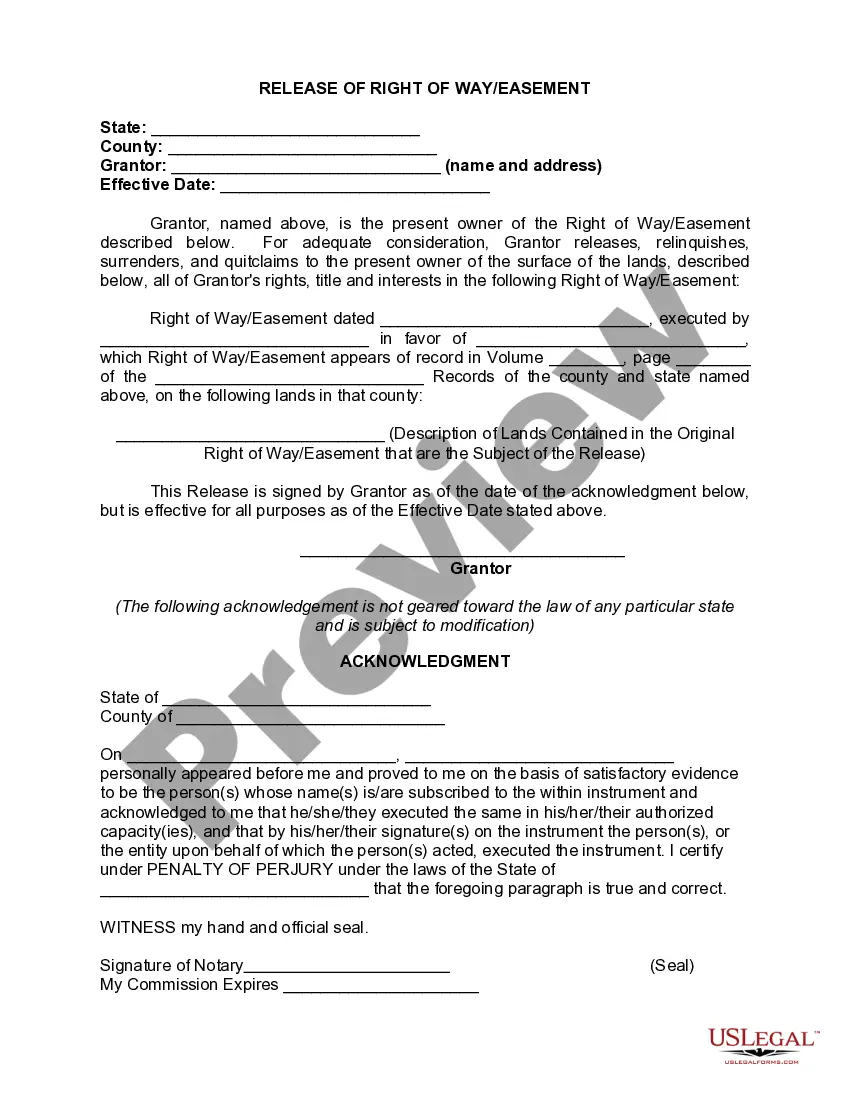
County Easements On Private Property Without Permission
Description
Get your form ready online
Our built-in tools help you complete, sign, share, and store your documents in one place.
Make edits, fill in missing information, and update formatting in US Legal Forms—just like you would in MS Word.
Download a copy, print it, send it by email, or mail it via USPS—whatever works best for your next step.
Sign and collect signatures with our SignNow integration. Send to multiple recipients, set reminders, and more. Go Premium to unlock E-Sign.
If this form requires notarization, complete it online through a secure video call—no need to meet a notary in person or wait for an appointment.
We protect your documents and personal data by following strict security and privacy standards.

Make edits, fill in missing information, and update formatting in US Legal Forms—just like you would in MS Word.

Download a copy, print it, send it by email, or mail it via USPS—whatever works best for your next step.

Sign and collect signatures with our SignNow integration. Send to multiple recipients, set reminders, and more. Go Premium to unlock E-Sign.

If this form requires notarization, complete it online through a secure video call—no need to meet a notary in person or wait for an appointment.

We protect your documents and personal data by following strict security and privacy standards.
Looking for another form?
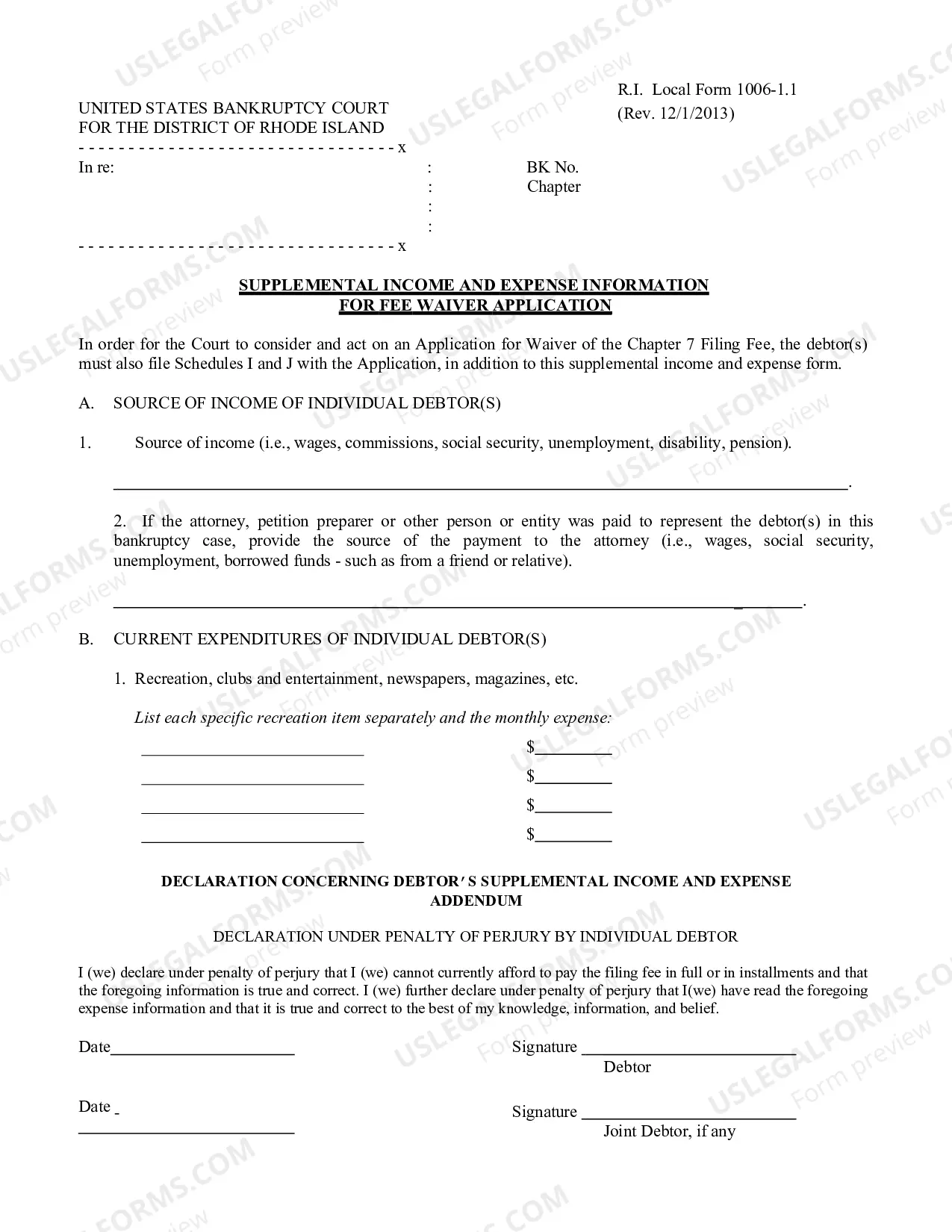

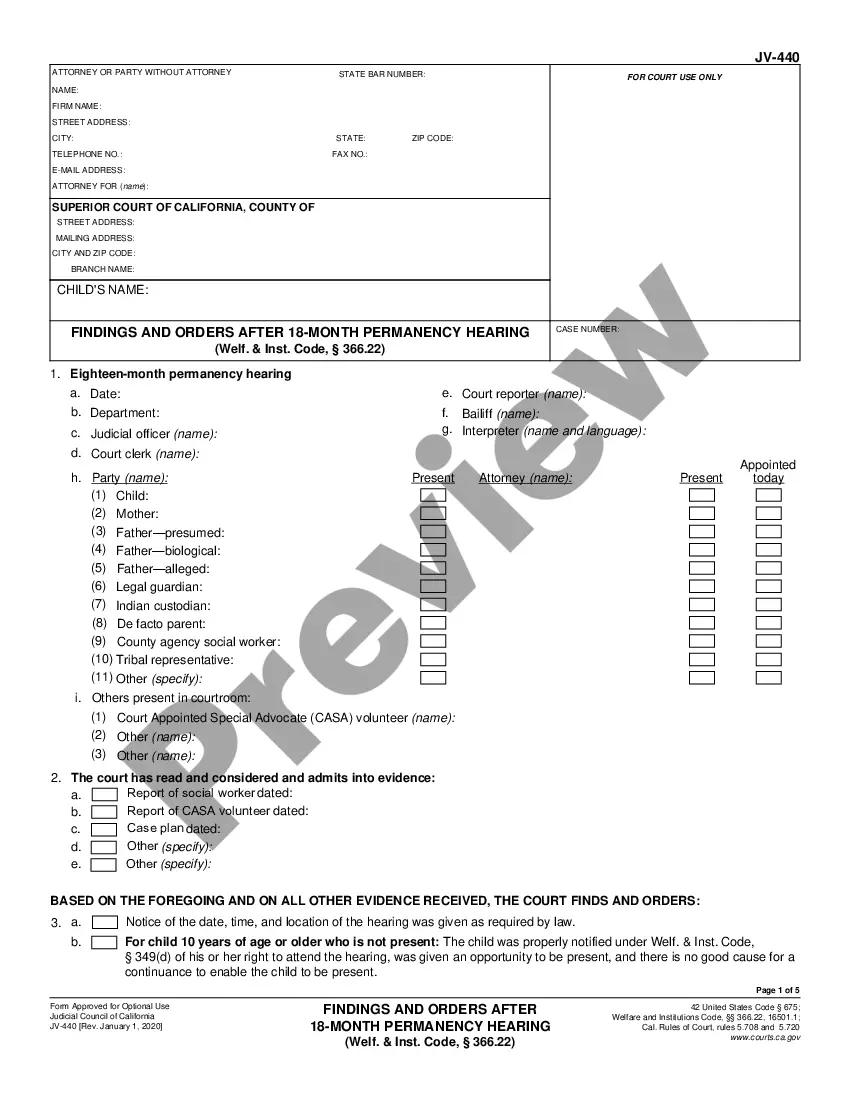

How to fill out Release Of Right Of Way / Easement?
Creating legal documents from the ground up can frequently be daunting. Certain situations may require extensive investigation and a significant financial investment.
If you seek a simpler and more economical method for generating County Easements On Private Property Without Permission or other documents without needing to navigate obstacles, US Legal Forms is always accessible.
Our online collection of over 85,000 current legal forms encompasses nearly every aspect of your financial, legal, and personal situations. With just a few clicks, you can swiftly acquire state- and county-specific forms meticulously assembled for you by our legal experts.
Utilize our website whenever you require a dependable and trustworthy service through which you can effortlessly locate and download the County Easements On Private Property Without Permission. If you’re already familiar with our site and have previously created an account with us, simply Log In to your account, choose the template, and download it or re-download it anytime from the My documents section.
Download the form, then fill it out, validate, and print it. US Legal Forms enjoys a strong reputation and over 25 years of experience. Join us today and make form completion an easy and efficient task!
- If you haven’t signed up yet, no worries. It takes just a few minutes to register and browse the catalog.
- Before you rush to download County Easements On Private Property Without Permission, keep these suggestions in mind.
- Review the form preview and descriptions to confirm you are viewing the correct form.
- Ensure the form you choose adheres to the statutes and regulations of your state and county.
- Select the most appropriate subscription plan to purchase the County Easements On Private Property Without Permission.
Form popularity
FAQ
Easements are nonpossessory interests in land. The holder of an easement has the right to use a tract of land for a special use only, and does not own or have full use and enjoyment of the land. Often, easements are created in Texas to give a person or corporation a right of access across a piece of land.
What Is An Easement In Real Estate? An easement is defined as the grant of a nonpossessory property interest that grants the easement holder permission to use another person's land.
Appurtenant easements require two different estates (or tenements) for their existence?a dominant estate and a servient estate. The owner of the dominant tenement has the right or privilege to use an easement across the land of the servient tenement. The servient tenement is burdened by the easement.
Affirmative easements provide the dominant estate the right to utilize the land for the purpose of the easement, preventing what would otherwise be trespass. Negative easements provide the dominant estate the right to prohibit use of the servient estate, such as a light and air easement.
Easements are a right to use someone else's land for a specific purpose. Tennessee easements can be created in a few different ways, but the most common is through an express grant, reservation, prescription, estoppel, eminent domain, or implication. Easements also come in two types: appurtenant and in gross.