Right For Survivorship
Description
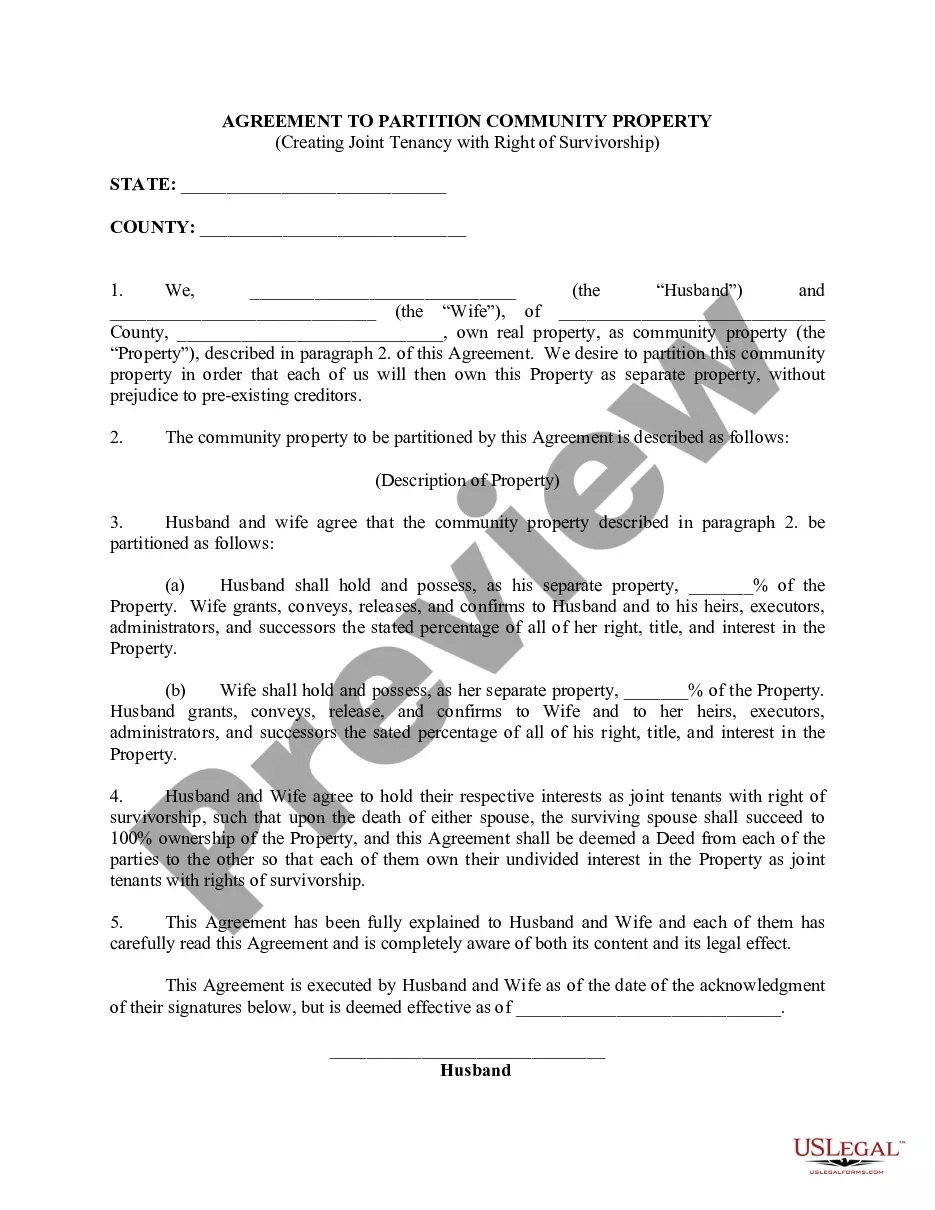
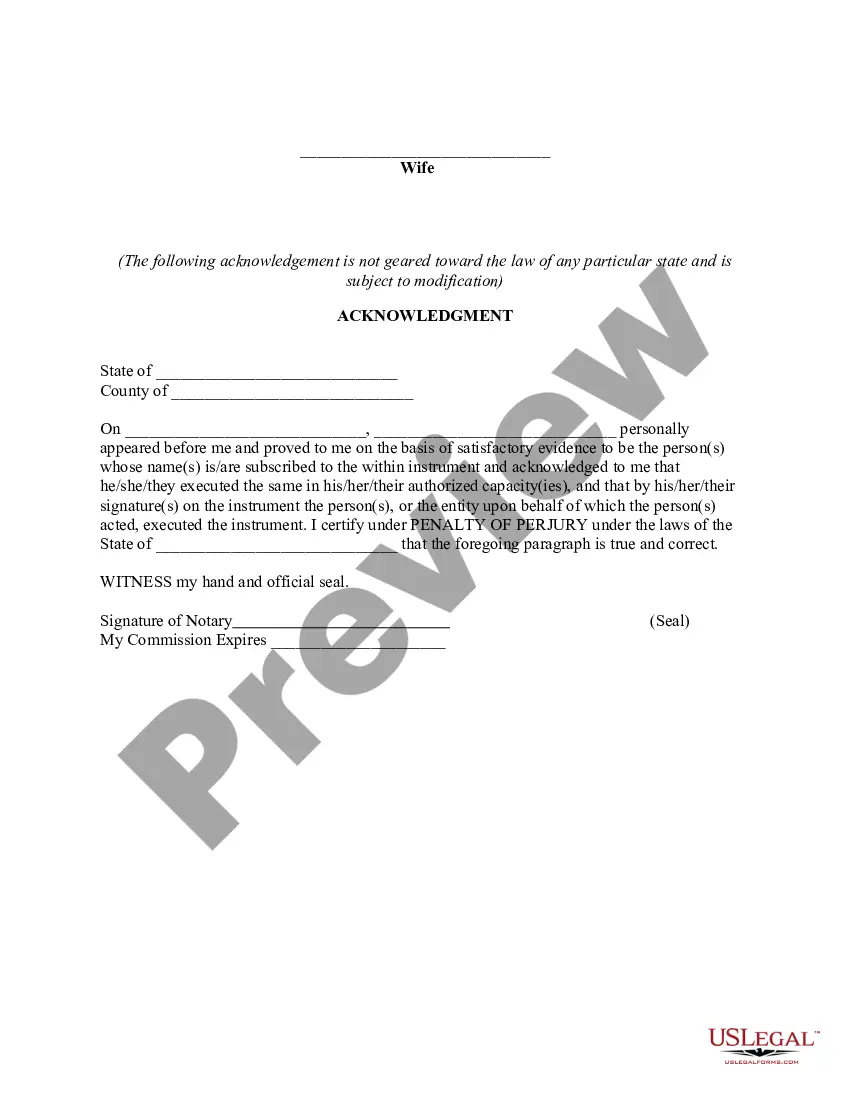
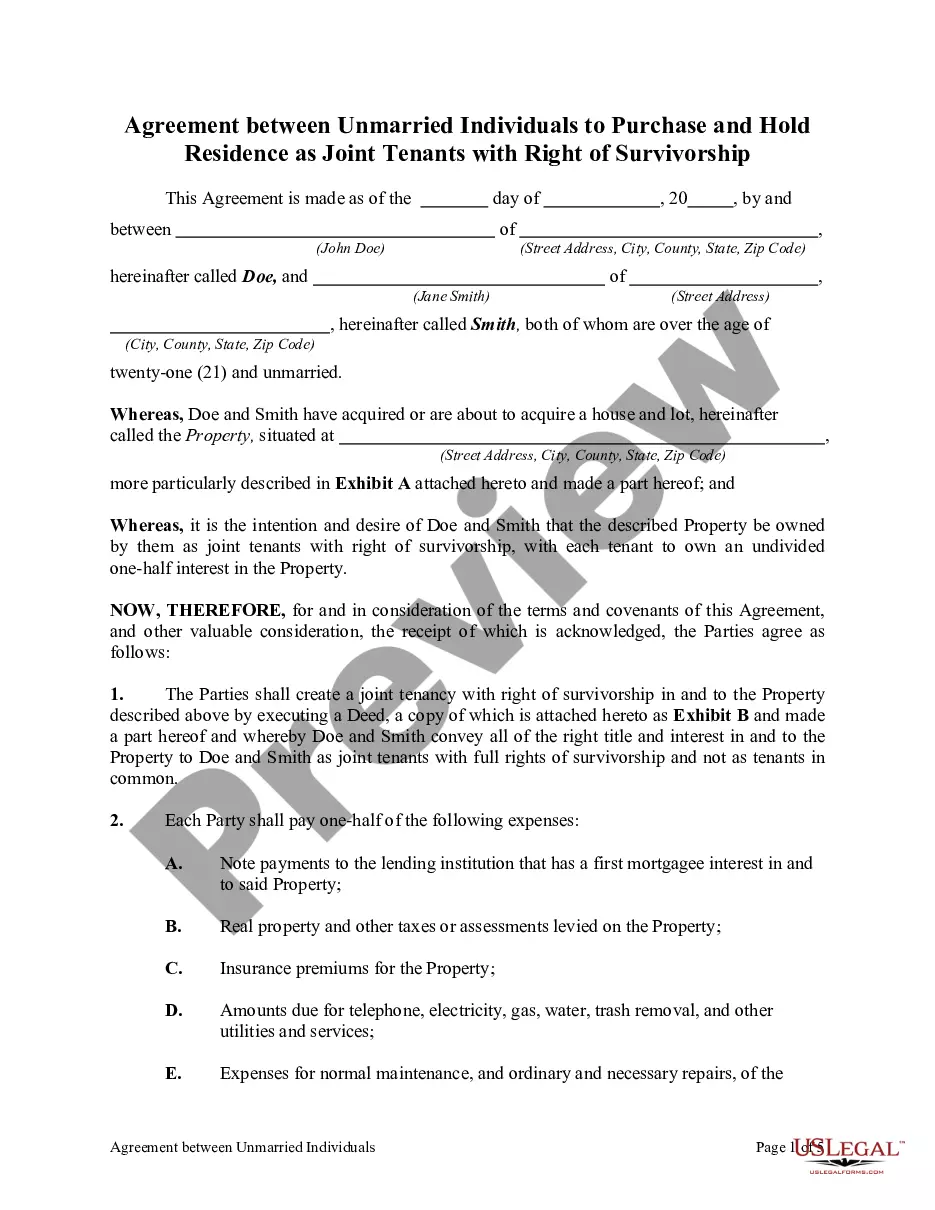
Get your form ready online
Our built-in tools help you complete, sign, share, and store your documents in one place.
Make edits, fill in missing information, and update formatting in US Legal Forms—just like you would in MS Word.
Download a copy, print it, send it by email, or mail it via USPS—whatever works best for your next step.
Sign and collect signatures with our SignNow integration. Send to multiple recipients, set reminders, and more. Go Premium to unlock E-Sign.
If this form requires notarization, complete it online through a secure video call—no need to meet a notary in person or wait for an appointment.
We protect your documents and personal data by following strict security and privacy standards.

Make edits, fill in missing information, and update formatting in US Legal Forms—just like you would in MS Word.

Download a copy, print it, send it by email, or mail it via USPS—whatever works best for your next step.

Sign and collect signatures with our SignNow integration. Send to multiple recipients, set reminders, and more. Go Premium to unlock E-Sign.

If this form requires notarization, complete it online through a secure video call—no need to meet a notary in person or wait for an appointment.

We protect your documents and personal data by following strict security and privacy standards.
Looking for another form?






How to fill out Agreement To Partition Community Property Creating Joint Tenancy With Right Of Survivorship?
It’s clear that you cannot transform into a legal expert right away, nor can you master the process of swiftly preparing Right For Survivorship without possessing a specialized skill set.
Compiling legal documents is a lengthy endeavor that demands a particular education and expertise.
So why not entrust the preparation of the Right For Survivorship to the professionals.
You can access your documents again from the My documents section at any time.
If you’re an existing user, you can simply Log In, and locate and download the template from the same area. No matter the reason for your paperwork—whether financial, legal, or personal—our platform has you encompassed. Experience US Legal Forms today!
- Locate the document you need using the search function at the top of the webpage.
- View it (if this option is available) and review the accompanying description to ascertain whether Right For Survivorship is what you are looking for.
- Initiate your search again if you require any other template.
- Create a complimentary account and choose a subscription option to acquire the template.
- Click Buy now. Once the payment is confirmed, you can obtain the Right For Survivorship, complete it, print it, and send or mail it to the designated recipients or organizations.
Form popularity
FAQ
Writing a survivorship deed requires clarity and precision. Begin by stating the names of the co-owners and describing the property in detail. Then, include a clause that explicitly establishes the right of survivorship. US Legal Forms can assist you in drafting a legally sound deed that meets your specific needs, making the process straightforward and efficient.
To fill out an affidavit of survivorship, start by providing the details of the deceased co-owner and any relevant property information. Include a statement affirming the right of survivorship and the intention to transfer ownership. Platforms like US Legal Forms offer templates that simplify this process, ensuring all necessary legal language is included.
Filling out a survivorship deed involves clearly identifying the property and listing the names of all owners with the right of survivorship. Make sure to include a declaration that states the intent to create this right. Using a reliable resource like US Legal Forms can help ensure that you accurately complete the deed according to your state’s laws.
To fill out a survivorship application, start by gathering all necessary information, including the names and details of the co-owners. Next, clearly state the intention to establish the right of survivorship on the application form. You can find user-friendly templates on platforms like US Legal Forms, which guide you through each step of the process.
The right of survivorship allows co-owners of a property to inherit each other’s share upon death. For instance, if two people own a house together and one passes away, the surviving owner automatically receives full ownership of the property. This feature simplifies the transfer of assets and avoids complications in probate proceedings.
To complete a survivorship application, you first need to gather the required documentation, including the death certificate and proof of joint tenancy. Then, you must fill out the appropriate forms, which may vary by state. Once your application is complete, submit it to the local court or relevant authority for approval. For a smoother process, consider using US Legal Forms, which offers tailored forms that simplify your survivorship application.
The rules of survivorship generally dictate that when one co-owner passes away, their share of the property automatically transfers to the surviving co-owner. This process bypasses probate, which can save time and reduce costs. It is essential to clearly outline these rights in the property deed to ensure that the right of survivorship is legally recognized. If you need help understanding these rules, US Legal Forms can provide valuable resources and templates to guide you.
To prove the right of survivorship, you typically need to show that the property is held in joint tenancy. This means you must provide documentation, such as a title deed, that clearly states the ownership structure. Both owners should have equal rights to the property, and the right of survivorship must be explicitly stated in the agreement. If you need assistance, US Legal Forms offers easy access to the necessary legal documents to help establish your right of survivorship.
Yes, the right for survivorship typically overrides a will. When property is held with the right of survivorship, it automatically passes to the surviving owner upon death, regardless of any instructions in a will. This aspect can lead to unintended consequences if a deceased owner intended for their share of the property to go to someone else. It's essential to consider how the right for survivorship fits into your overall estate plan.
The right for survivorship functions by allowing joint owners to automatically inherit each other's share of the property upon death. This means that if one owner dies, the surviving owner gains full ownership without the need for probate. To establish this right, owners must explicitly state it in the property deed. It is a straightforward way to ensure that property remains within the intended hands after an owner passes away.