Property Partition Suit With Shorts
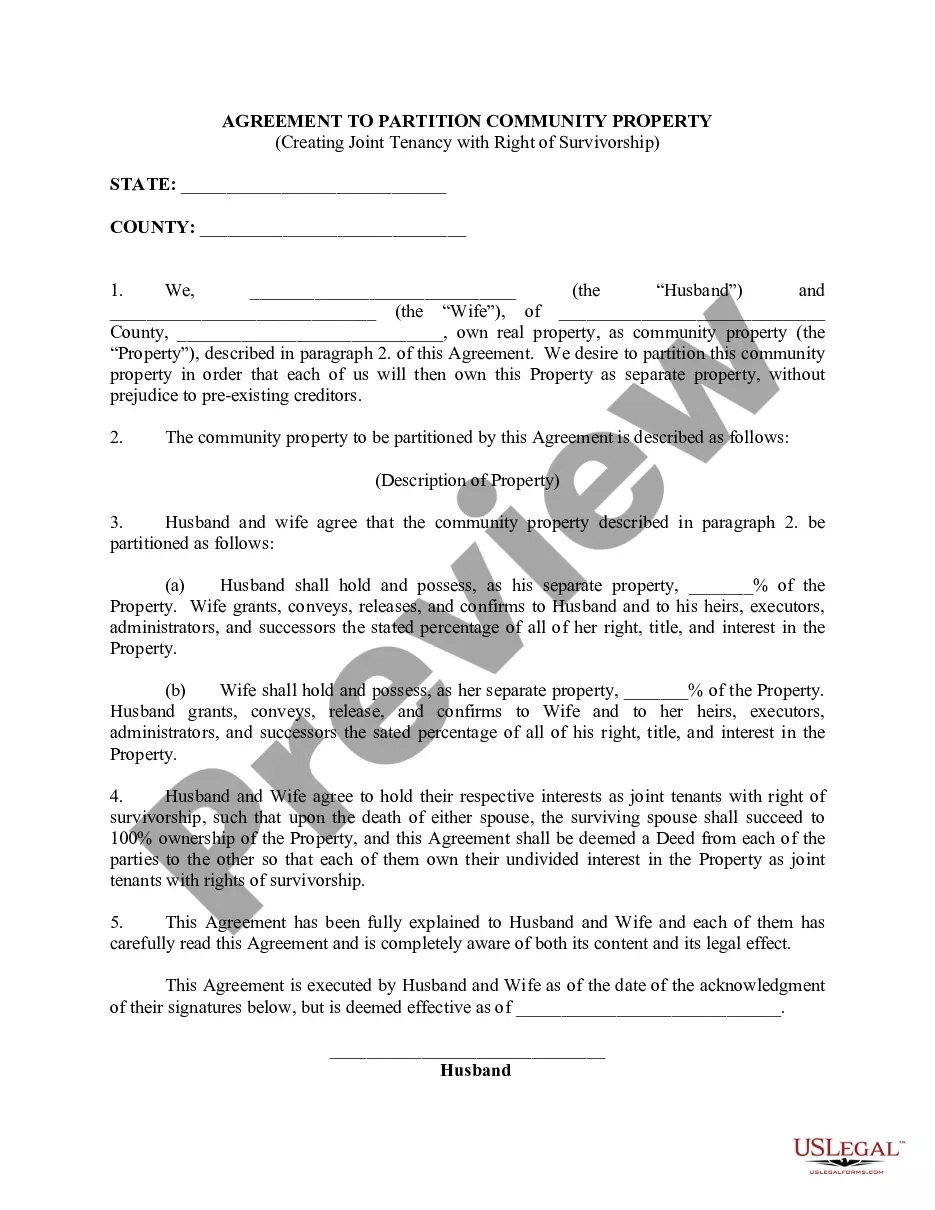
Description
Get your form ready online
Our built-in tools help you complete, sign, share, and store your documents in one place.
Make edits, fill in missing information, and update formatting in US Legal Forms—just like you would in MS Word.
Download a copy, print it, send it by email, or mail it via USPS—whatever works best for your next step.
Sign and collect signatures with our SignNow integration. Send to multiple recipients, set reminders, and more. Go Premium to unlock E-Sign.
If this form requires notarization, complete it online through a secure video call—no need to meet a notary in person or wait for an appointment.
We protect your documents and personal data by following strict security and privacy standards.

Make edits, fill in missing information, and update formatting in US Legal Forms—just like you would in MS Word.

Download a copy, print it, send it by email, or mail it via USPS—whatever works best for your next step.

Sign and collect signatures with our SignNow integration. Send to multiple recipients, set reminders, and more. Go Premium to unlock E-Sign.

If this form requires notarization, complete it online through a secure video call—no need to meet a notary in person or wait for an appointment.

We protect your documents and personal data by following strict security and privacy standards.
Looking for another form?







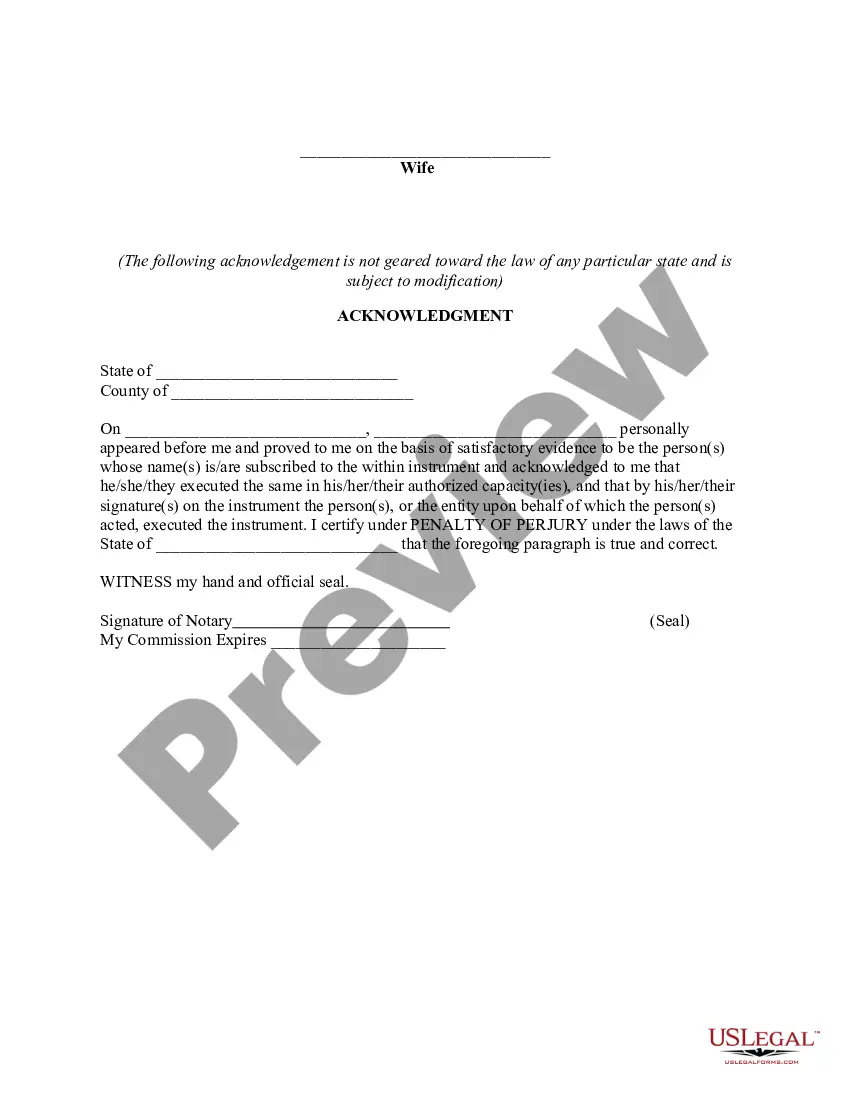
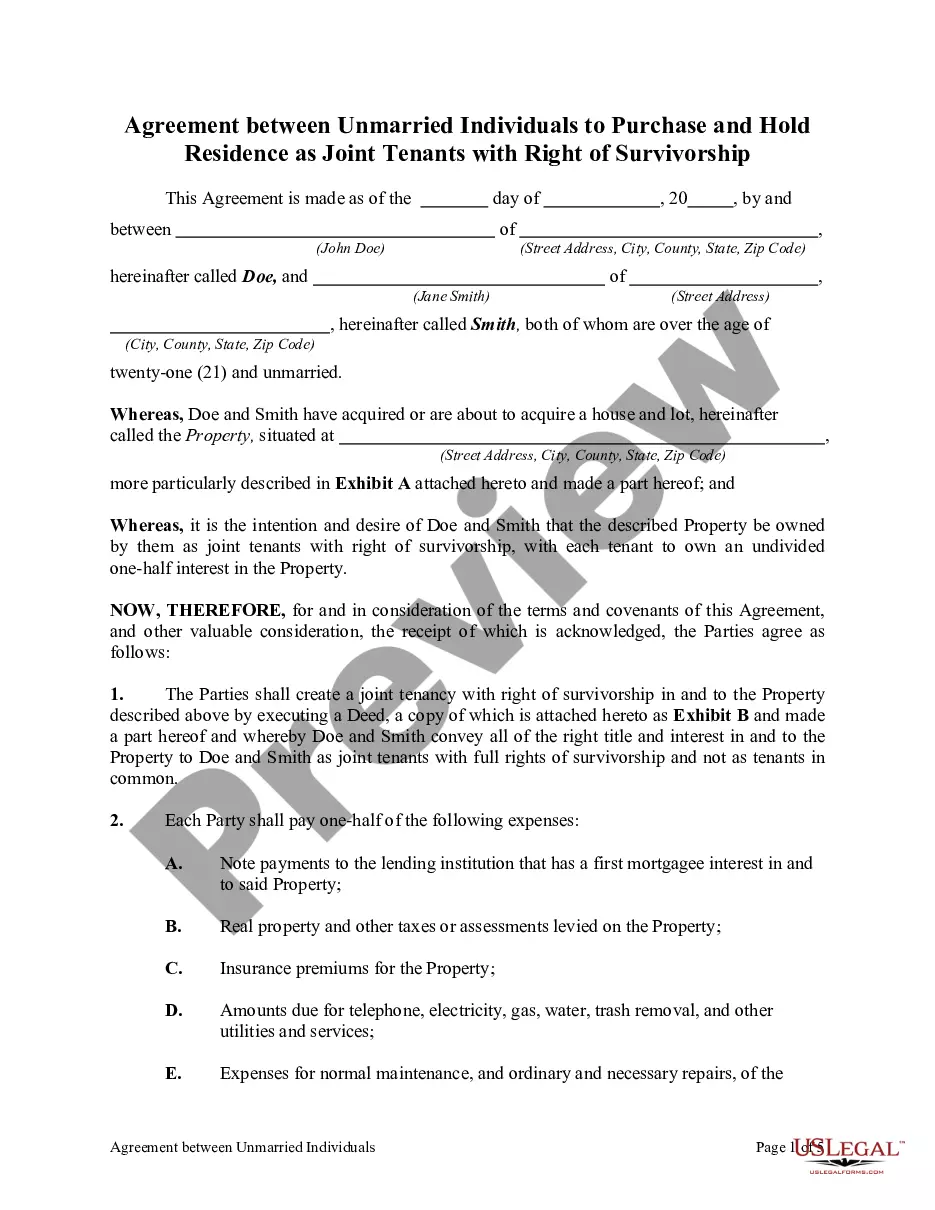
How to fill out Agreement To Partition Community Property Creating Joint Tenancy With Right Of Survivorship?
Creating legal documents from the ground up can frequently feel somewhat daunting.
Certain situations may require extensive research and significant expenses.
If you’re looking for a simpler and more cost-effective method of drafting Property Partition Suit With Shorts or any other paperwork without the hassle of navigating obstacles, US Legal Forms is always available to assist you.
Our online library of over 85,000 current legal forms encompasses nearly every facet of your financial, legal, and personal affairs.
Review the document preview and descriptions to confirm that you have located the form you need. Ensure the template you select adheres to the rules and regulations of your state and county. Pick the appropriate subscription plan to obtain the Property Partition Suit With Shorts. Download the document, then complete, sign, and print it. US Legal Forms has a stellar reputation and over 25 years of expertise. Join us today and turn document preparation into a straightforward and efficient process!
- With just a few clicks, you can quickly access state- and county-compliant templates meticulously assembled for you by our legal professionals.
- Utilize our platform whenever you require dependable and trustworthy services that enable you to swiftly find and download the Property Partition Suit With Shorts.
- If you’re already familiar with our services and have previously set up an account with us, simply Log In to your account, find the template and download it immediately or access it again later in the My documents section.
- Not registered yet? No worries. It takes minimal time to sign up and browse the catalog.
- However, before proceeding to download Property Partition Suit With Shorts, adhere to these suggestions.
Form popularity
FAQ
Winning a property partition suit with shorts involves demonstrating your legal rights and interests in the property. Gather necessary documentation, such as ownership records and any agreements made with co-owners. Presenting a clear case that outlines your position can strengthen your argument in court. Additionally, utilizing resources from US Legal Forms can help you navigate the legal process effectively and increase your chances of a favorable outcome.
Yes, a property partition suit with shorts can often be avoided through open communication and negotiation among co-owners. By discussing your interests and concerns, you may reach a mutual agreement on how to manage or divide the property. Mediation can also be a helpful method to facilitate these discussions and find a solution that works for all parties. If an agreement is not possible, consider seeking assistance from platforms like US Legal Forms to explore your options.
To successfully beat a property partition suit with shorts, you should gather evidence that supports your claims. This may include financial records, property assessments, or documentation of agreements made with co-owners. Engaging a skilled attorney will help you formulate a solid defense and explore potential settlement options. Proactively addressing the suit with the right resources can significantly improve your chances of a favorable outcome.
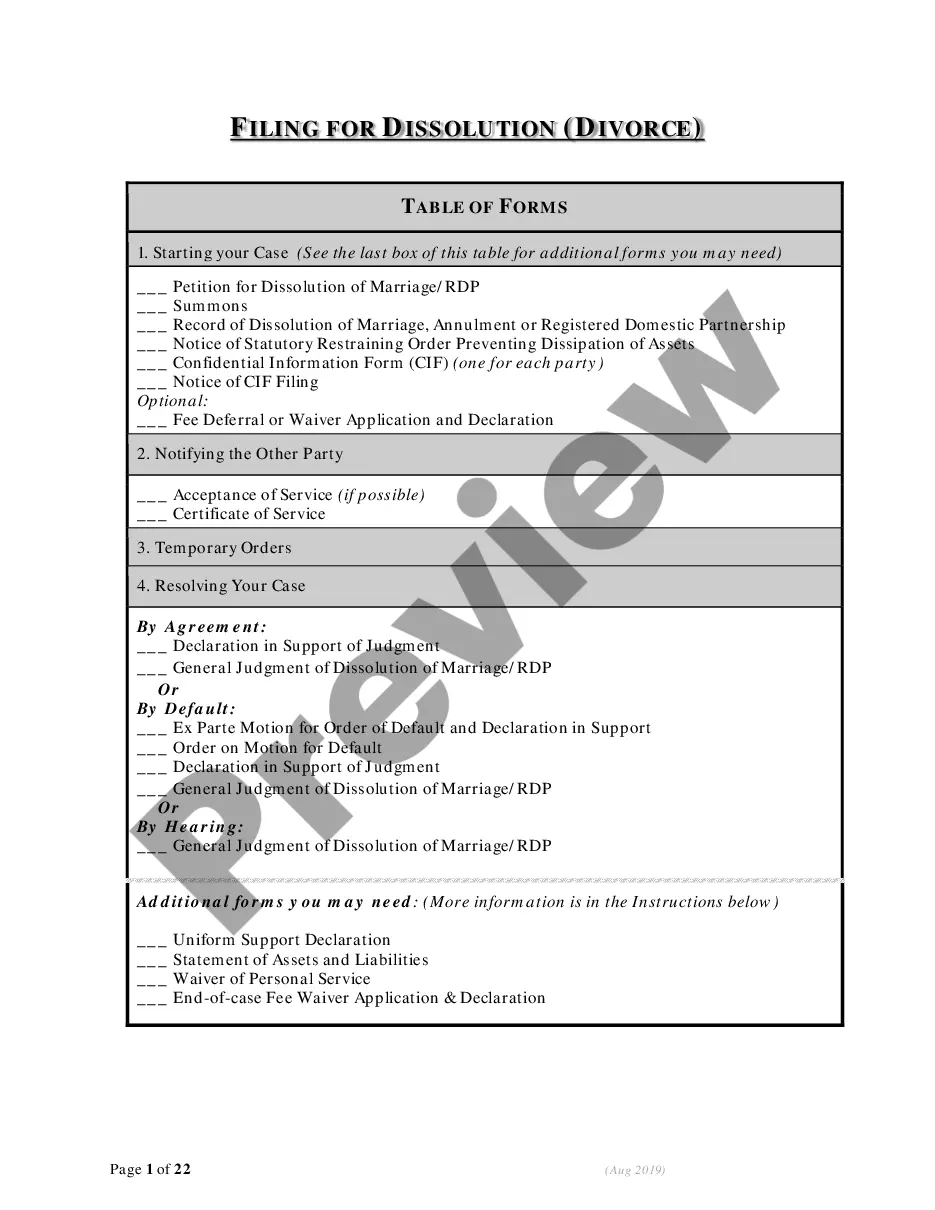
To partition property effectively, you can file a property partition suit with shorts in court. The court will evaluate the property and decide how it should be divided among co-owners. You may also consider informal methods, such as negotiating directly with co-owners to agree on how to divide the property. Utilizing resources like USLegalForms can provide templates and guidance to help you navigate this process smoothly.
In a property partition suit with shorts, all co-owners of the property are considered necessary parties. Each owner must be included in the lawsuit to ensure that their interests are represented and protected. If any co-owner is absent, the court may not proceed with the partition, which can delay the resolution. It is essential to identify all parties involved before initiating the suit to avoid complications.
Calculating your share in a property partition suit with shorts typically involves determining the property's total value and your ownership percentage. Begin by obtaining a professional appraisal of the property, which provides a clear market value. Then, multiply the property's value by your ownership stake to find your share. Clear records and documentation can streamline this process, so keep all relevant information organized.
Fighting a property partition suit with shorts involves presenting a strong case that supports your position. You can gather evidence that demonstrates the property’s value or shows that a partition would negatively impact your interests. Engaging in negotiation and mediation may also provide an alternative route to resolve the issue without going to court. Consulting with a legal expert can enhance your strategy in this process.
Yes, a partition suit can be dismissed under certain circumstances. If the plaintiff fails to establish a valid legal basis for the suit, the court may dismiss the case. Additionally, if you can negotiate a settlement or reach an agreement with co-owners before the trial, the partition action may no longer be necessary. Using resources like USLegalForms can guide you through the process to ensure proper procedures are followed.
In California, you can present several defenses against a property partition suit with shorts. One common defense is showing that the property was originally acquired through a different agreement. You may also argue that partition would cause undue hardship or that the property is not suitable for partition due to its unique nature. Each case is different, so consulting with an attorney can help you understand your options.