Partition Suit For Self Acquired Property
Description
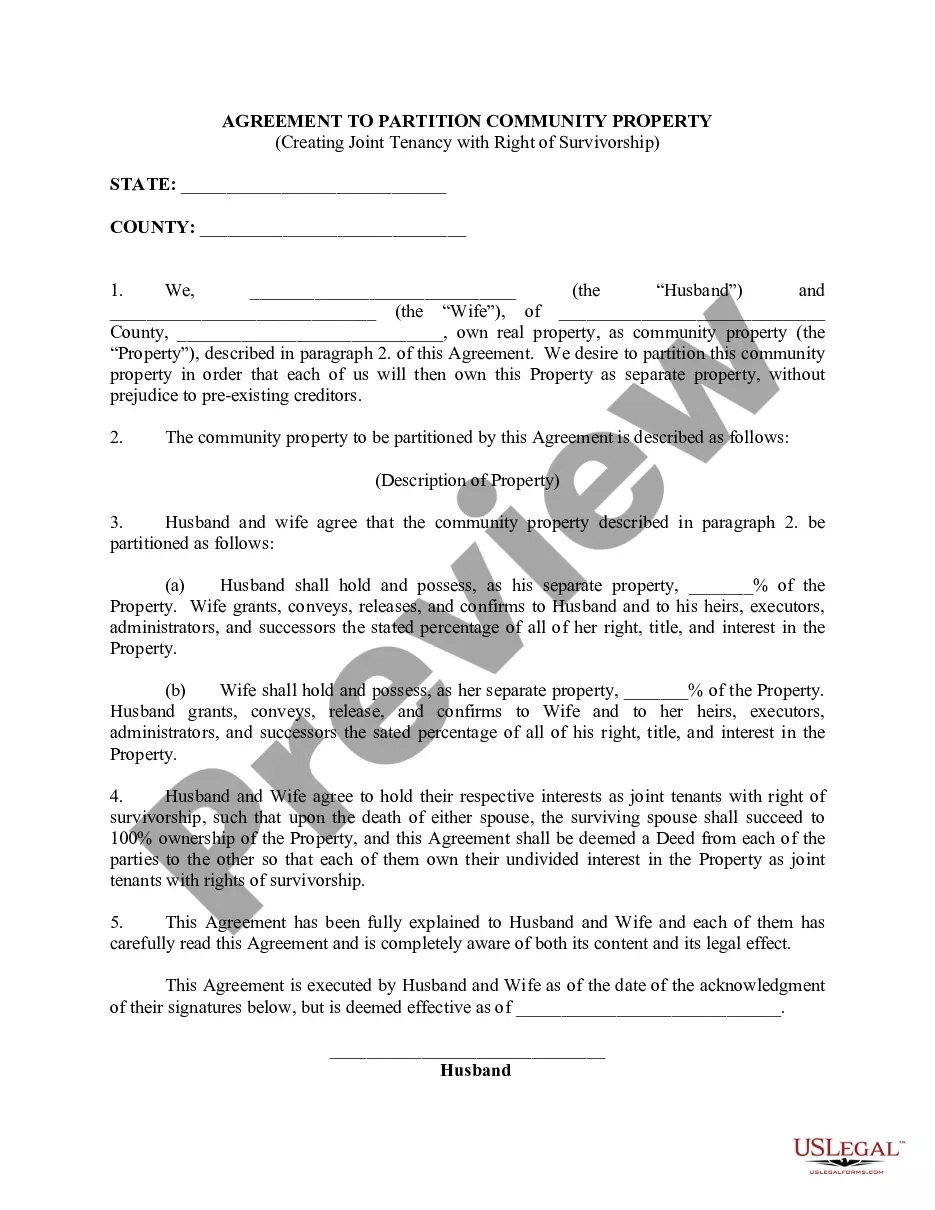
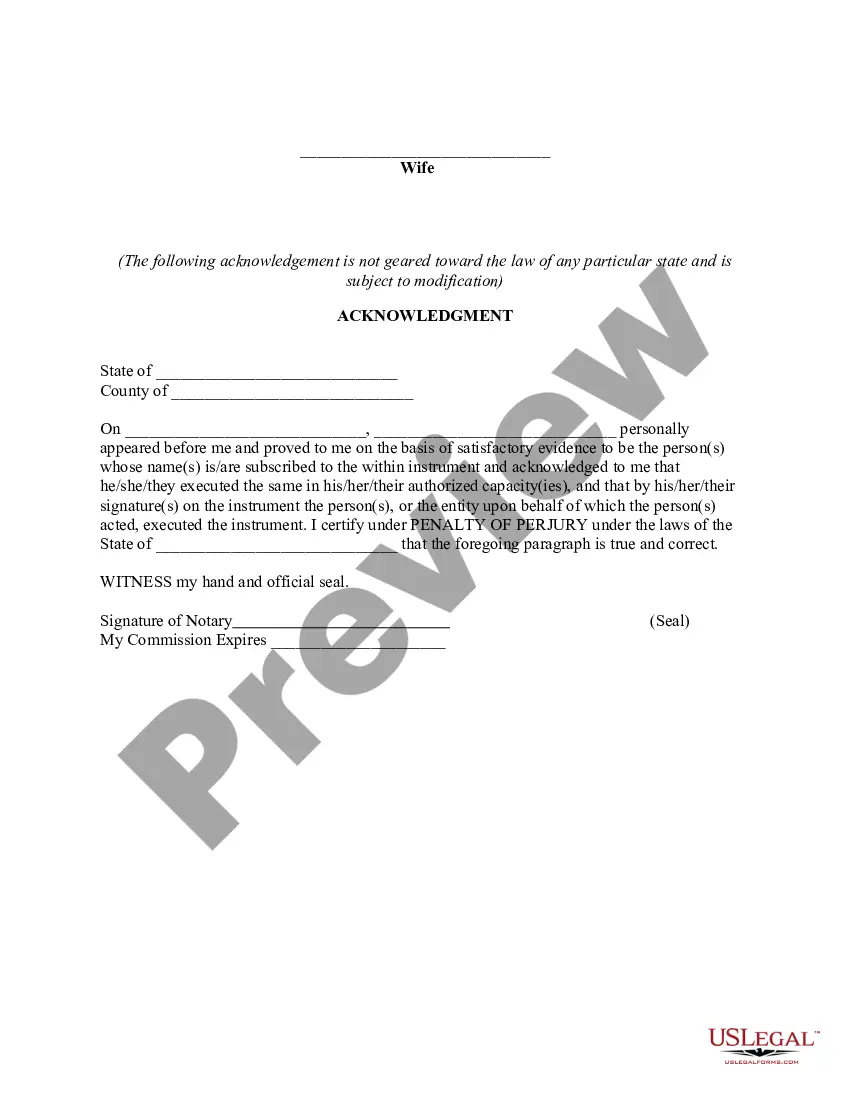
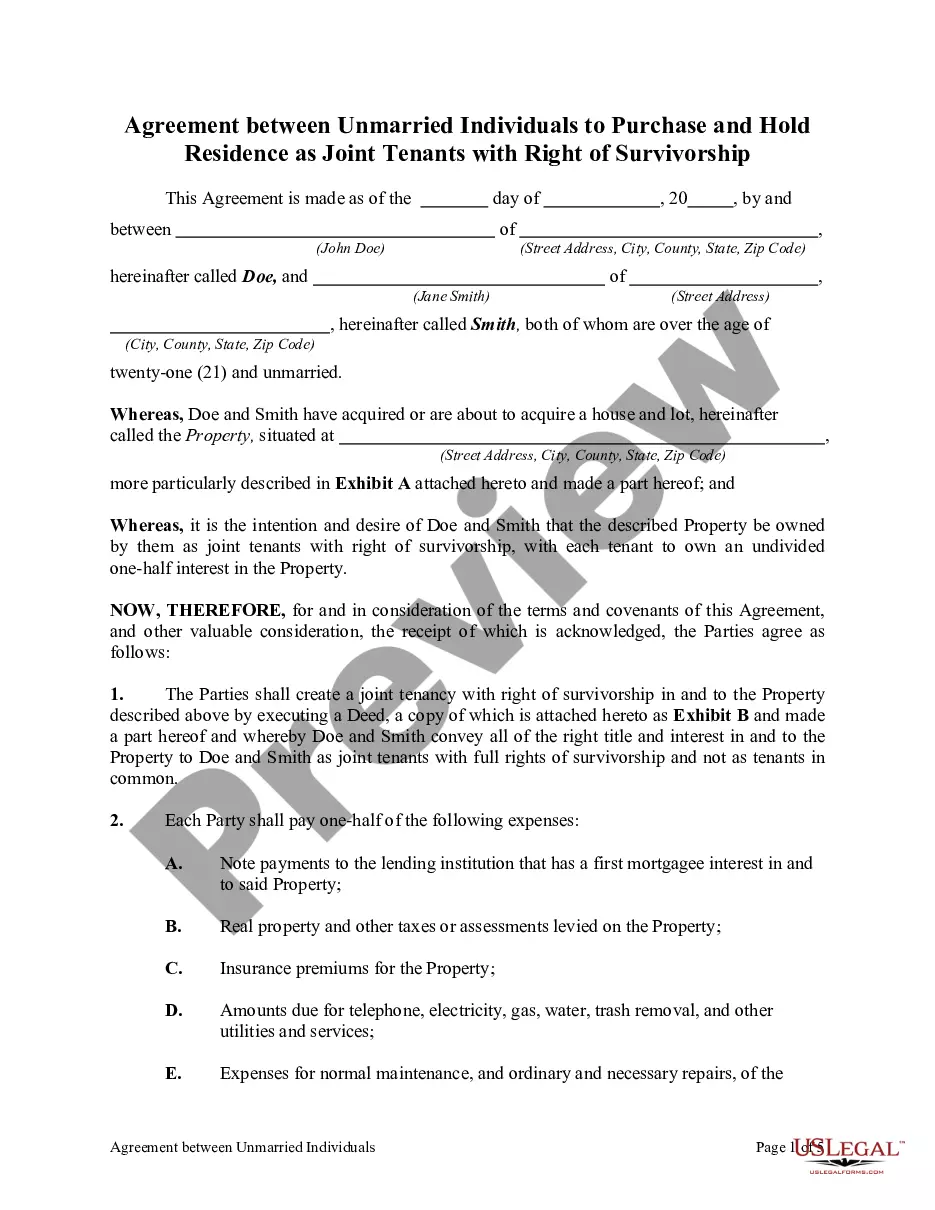
Get your form ready online
Our built-in tools help you complete, sign, share, and store your documents in one place.
Make edits, fill in missing information, and update formatting in US Legal Forms—just like you would in MS Word.
Download a copy, print it, send it by email, or mail it via USPS—whatever works best for your next step.
Sign and collect signatures with our SignNow integration. Send to multiple recipients, set reminders, and more. Go Premium to unlock E-Sign.
If this form requires notarization, complete it online through a secure video call—no need to meet a notary in person or wait for an appointment.
We protect your documents and personal data by following strict security and privacy standards.

Make edits, fill in missing information, and update formatting in US Legal Forms—just like you would in MS Word.

Download a copy, print it, send it by email, or mail it via USPS—whatever works best for your next step.

Sign and collect signatures with our SignNow integration. Send to multiple recipients, set reminders, and more. Go Premium to unlock E-Sign.

If this form requires notarization, complete it online through a secure video call—no need to meet a notary in person or wait for an appointment.

We protect your documents and personal data by following strict security and privacy standards.
Looking for another form?





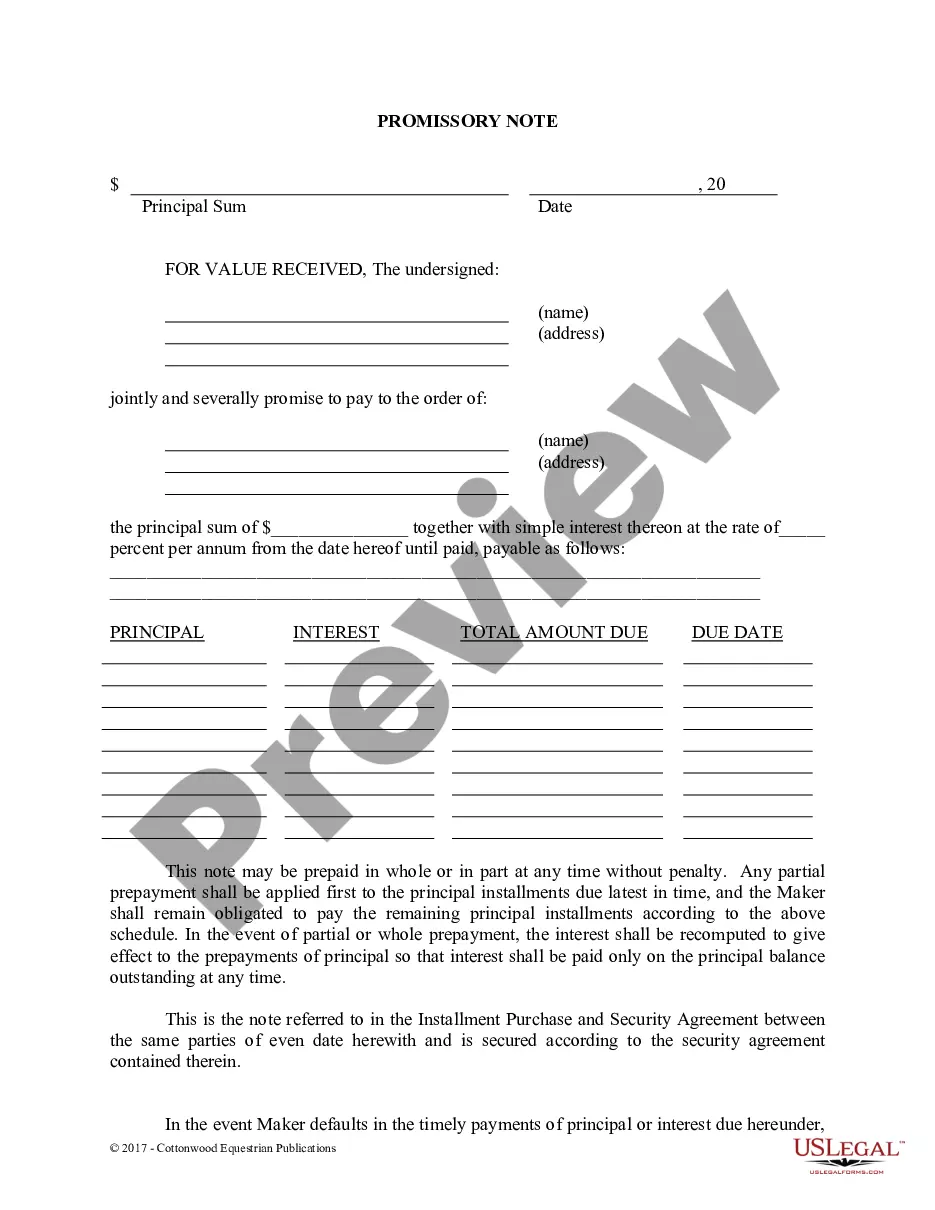



How to fill out Agreement To Partition Community Property Creating Joint Tenancy With Right Of Survivorship?
Acquiring legal documents that comply with federal and state laws is crucial, and the web provides many alternatives to select from.
However, what's the advantage of spending time searching for the correct Partition Suit For Self Acquired Property example online if the US Legal Forms digital library already compiles such documents in one location.
US Legal Forms stands as the foremost online legal database with over 85,000 editable templates created by lawyers for any business and personal situation.
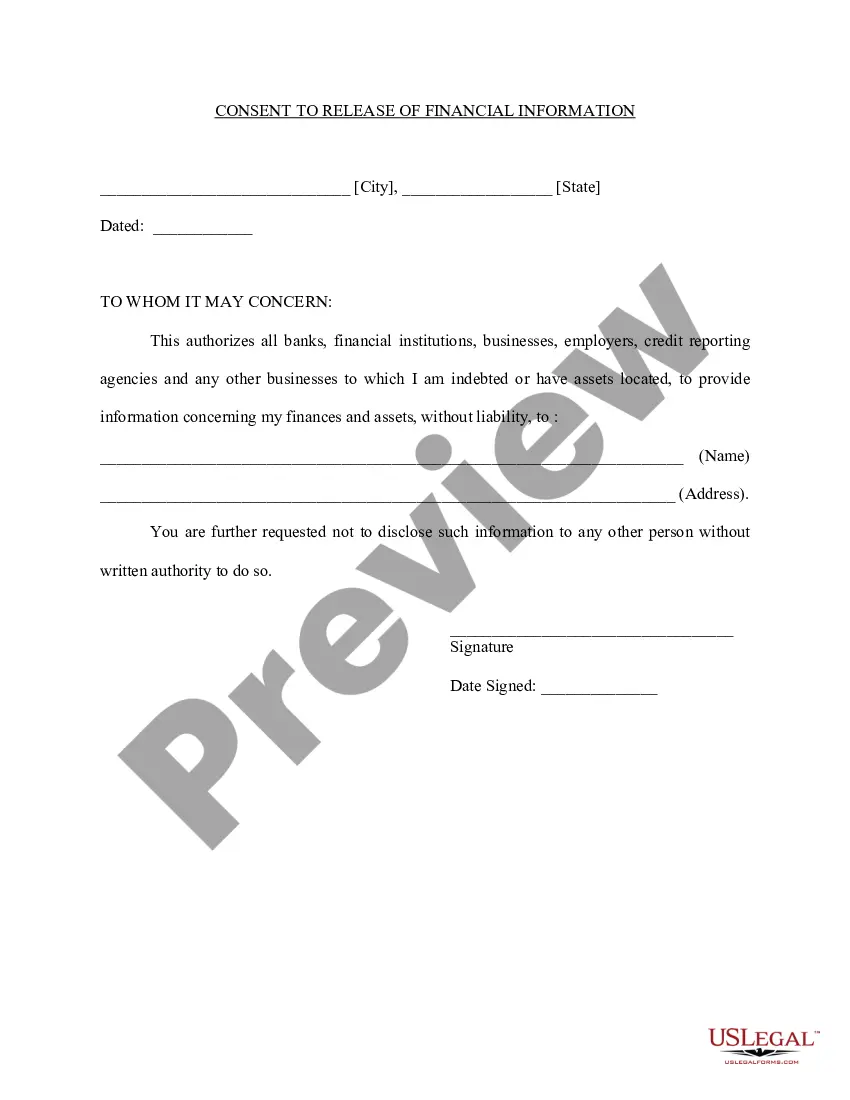
Review the template using the Preview option or through the text description to confirm it suits your requirements.
- They are easy to navigate with all documents organized by state and intended use.
- Our experts stay informed on legislative changes, ensuring your documentation is always current and compliant when obtaining a Partition Suit For Self Acquired Property from our site.
- Acquiring a Partition Suit For Self Acquired Property is straightforward and swift for both existing and new users.
- If you already possess an account with an active subscription, Log In and save the document sample you require in your chosen format.
- If you are a newcomer to our site, follow the steps below.
Form popularity
FAQ
Winning a partition action requires presenting clear evidence of ownership and an understanding of property laws. In a partition suit for self acquired property, it is essential to demonstrate how the property was acquired and the respective shares of the co-owners. Working with experienced legal advisors can significantly enhance your chances of success. Platforms like US Legal Forms provide resources and guidance to navigate this complex process effectively.
Any co-owner of a property can file a partition suit. This includes individuals who have inherited property or those who have joint ownership rights. In the context of a partition suit for self acquired property, the claimants must establish their rights clearly. If you find yourself in a situation where you need clarity on your ownership rights, consulting with legal professionals can help.
The Supreme Court has established that a father’s self-acquired property can be treated differently than ancestral property. When it comes to a partition suit for self acquired property, the father has the right to decide how to distribute his assets. This judgement emphasizes that the father can choose to gift, sell, or bequeath his property according to his wishes. Therefore, understanding the nuances of this ruling is crucial for anyone considering a partition suit.
Legally dividing property starts with understanding ownership rights and the laws governing partition suits. You can negotiate terms with co-owners or, if necessary, file a partition suit for self acquired property in court. Utilizing legal resources and expert guidance will ensure that the division is conducted fairly and according to the law.
Calculating your share in a partition suit involves determining the total value of the property and dividing it based on ownership percentages. You should consider factors such as contributions made by each party and any existing agreements. This process can be complex, so using resources like USLegalForms can provide helpful templates and guidance.
Dividing inherited property between siblings typically involves assessing the total value of the property and determining each sibling's share. Open communication is crucial, as it can help prevent misunderstandings. If disputes arise, a partition suit for self acquired property may be necessary to resolve differences fairly and legally.
Yes, self acquired property can be partitioned. If you own property independently, you have the right to initiate a partition suit to divide your share, even if other co-owners are involved. Understanding the implications of a partition suit for self acquired property is essential, and consulting with a legal expert can guide you through the process.
The new partition law in California introduces streamlined processes for partition suits, particularly for self acquired property. It aims to simplify the legal framework, making it easier for individuals to divide their property without lengthy disputes. This law emphasizes fairness and efficiency, encouraging amicable resolutions among co-owners.
Winning a partition suit for self acquired property requires a clear presentation of your ownership and the intention to divide the property fairly. You should gather all necessary documents proving your ownership and any agreements related to the property. Engaging a legal professional can help you navigate the complexities of the court process, ensuring that your case is well-prepared and effectively argued.
You can file a partition suit for self acquired property when co-owners cannot agree on how to divide the property. This legal action allows you to seek a court's intervention to divide the property equitably. If one or more co-owners refuse to sell or share the property, a partition suit can provide a fair resolution. Utilizing US Legal Forms can simplify this process by providing the necessary legal documents and guidance to help you navigate your partition suit effectively.