Joint Tenancy For Unmarried Couples
Description
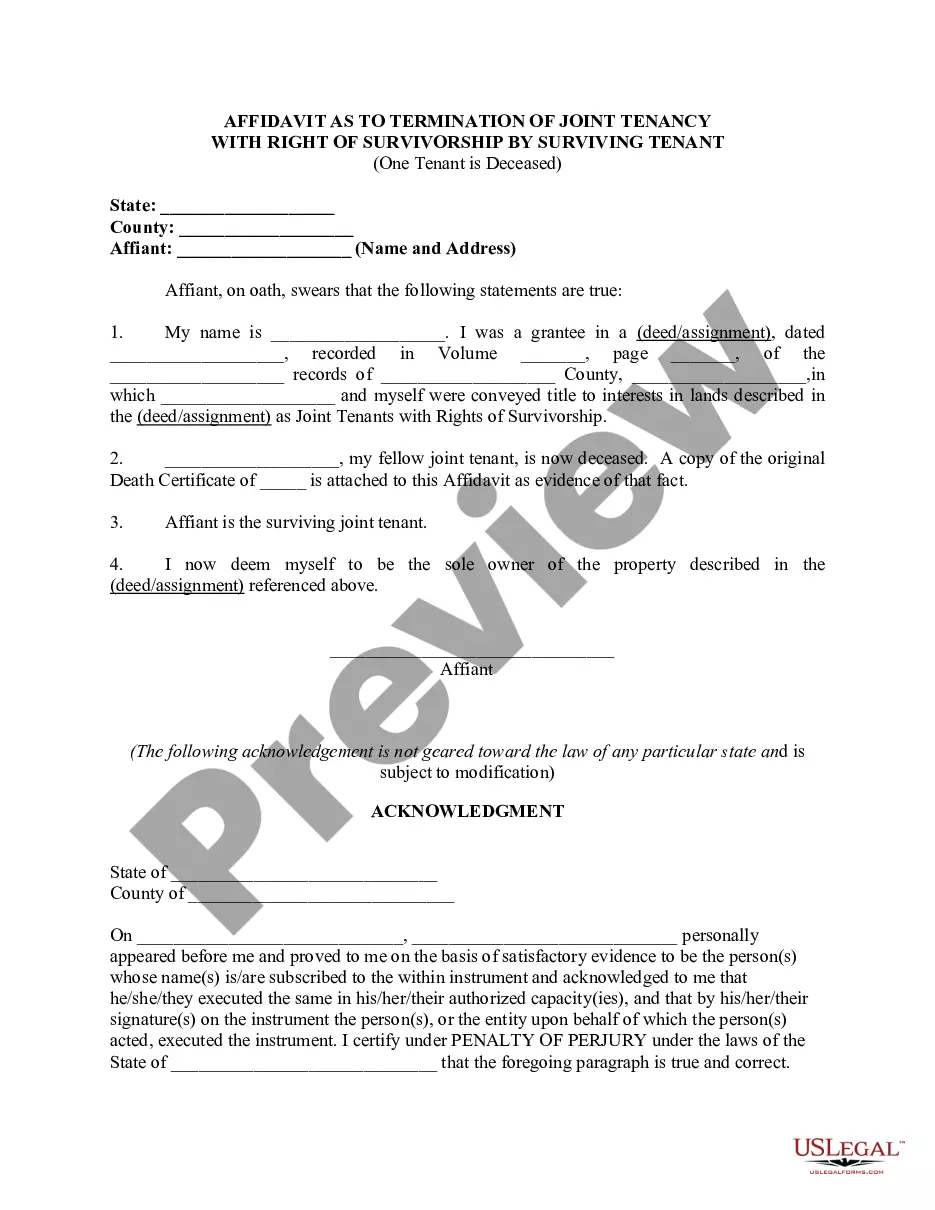

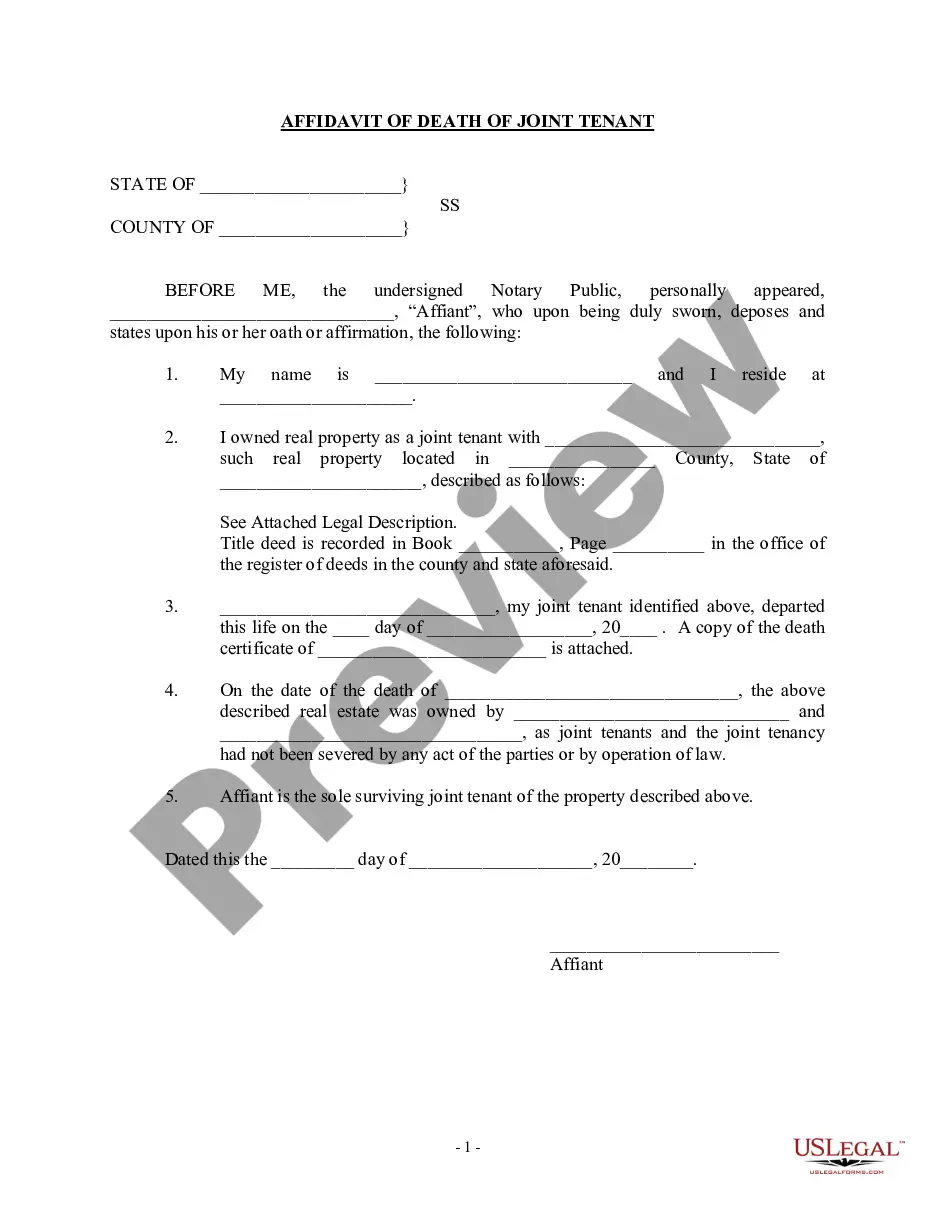
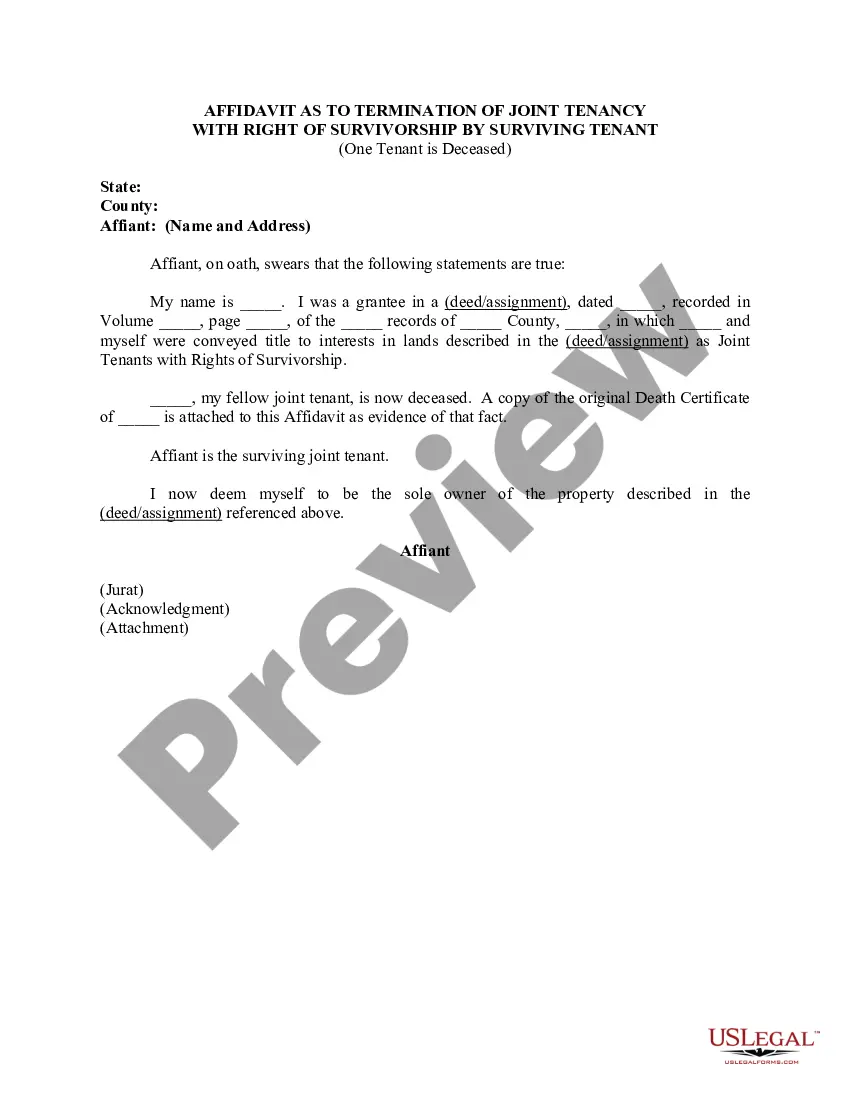
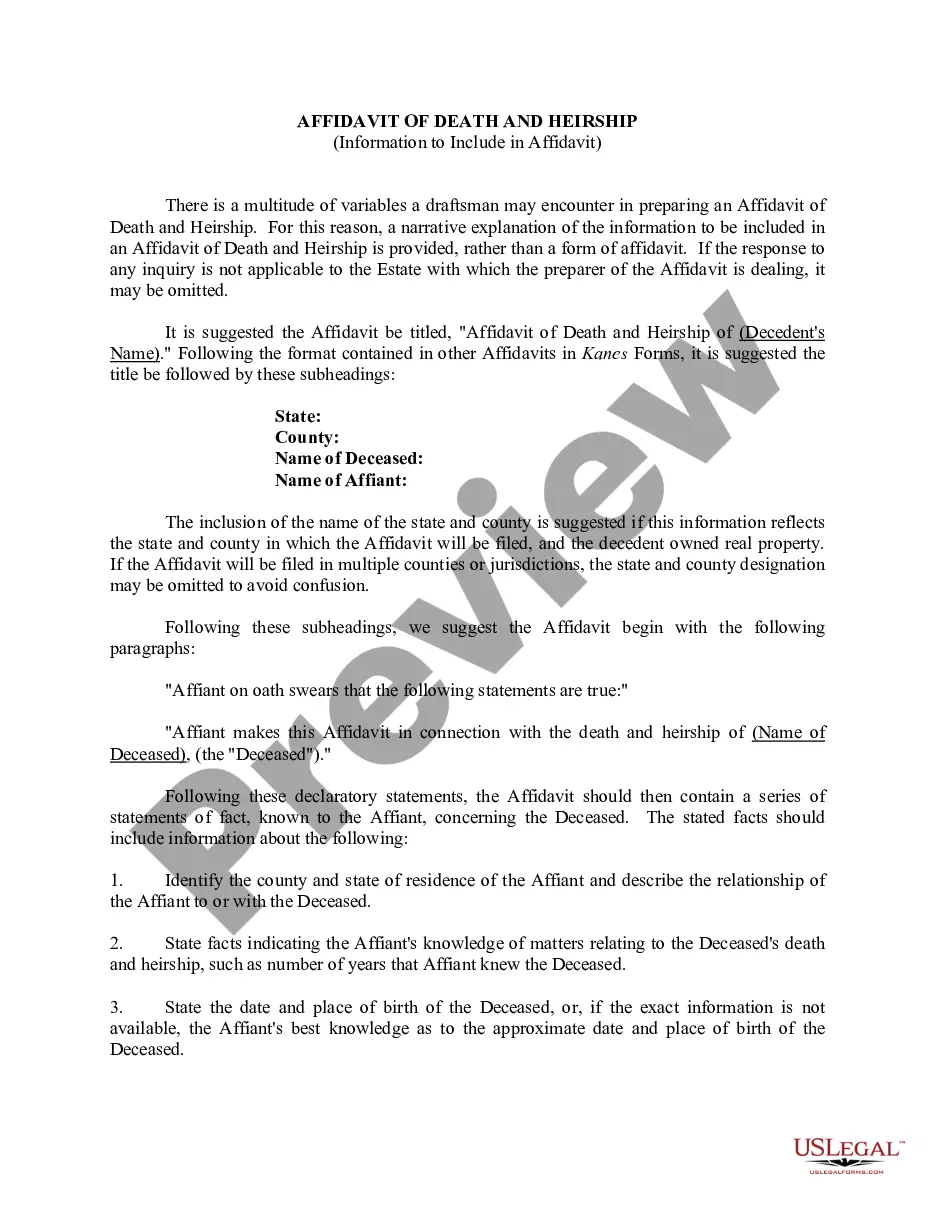
Get your form ready online
Our built-in tools help you complete, sign, share, and store your documents in one place.
Make edits, fill in missing information, and update formatting in US Legal Forms—just like you would in MS Word.
Download a copy, print it, send it by email, or mail it via USPS—whatever works best for your next step.
Sign and collect signatures with our SignNow integration. Send to multiple recipients, set reminders, and more. Go Premium to unlock E-Sign.
If this form requires notarization, complete it online through a secure video call—no need to meet a notary in person or wait for an appointment.
We protect your documents and personal data by following strict security and privacy standards.

Make edits, fill in missing information, and update formatting in US Legal Forms—just like you would in MS Word.

Download a copy, print it, send it by email, or mail it via USPS—whatever works best for your next step.

Sign and collect signatures with our SignNow integration. Send to multiple recipients, set reminders, and more. Go Premium to unlock E-Sign.

If this form requires notarization, complete it online through a secure video call—no need to meet a notary in person or wait for an appointment.

We protect your documents and personal data by following strict security and privacy standards.
Looking for another form?
How to fill out Affidavit For Transferring Property After Death In Joint Tenancy With Right Of Survivorship By Surviving Tenant When One Tenant Is Deceased?
Whether for corporate objectives or personal issues, everyone must handle legal matters at some stage in their existence.
Filling out legal paperwork requires meticulous care, starting with selecting the correct form template.
Once it is downloaded, you can fill out the form using editing software or print it and complete it manually. With an extensive US Legal Forms catalog available, you don't have to waste time searching for the suitable template online. Take advantage of the library’s straightforward navigation to find the correct document for any circumstance.
- Obtain the template you require using the search bar or catalog navigation.
- Review the document’s description to confirm it aligns with your circumstance, region, and county.
- Click on the document’s preview to examine it.
- If it is the incorrect form, return to the search function to find the Joint Tenancy For Unmarried Couples template you need.
- Acquire the template when it suits your needs.
- If you possess a US Legal Forms account, click Log in to access previously saved documents in My documents.
- If you do not have an account yet, you can acquire the document by clicking Buy now.
- Choose the proper pricing option.
- Complete the account registration form.
- Select your preferred payment method: you may utilize a credit card or PayPal account.
- Choose the file format you desire and download the Joint Tenancy For Unmarried Couples.
Form popularity
FAQ
Having your name on the deed typically means you hold legal ownership of the home. However, in the context of joint tenancy for unmarried couples, you should confirm if additional rights are established to protect both partners. It’s important to understand how ownership is structured, including any potential implications for inheritance. If you have concerns, consider using uslegalforms to create documents that clearly outline ownership responsibilities.
When a spouse's name is not on the deed, it can create complications for ownership rights. Specifically, joint tenancy for unmarried couples can protect both partners, but without appropriate documentation, the partner may not possess legal rights to the property. It’s advisable to discuss the situation with a legal professional who can guide you on how to secure your interests in the home. Understanding property laws can prevent potential disputes in the future.
If your husband died and your name is not on the deed, the property may not automatically pass to you. In cases of joint tenancy for unmarried couples, the surviving partner typically has rights, but this depends on how the property was titled. If your husband intended for you to inherit the property, it's essential to review his estate plan or will. You may also need to consult with a legal expert to explore your options.
Splitting up without being married can lead to complex issues regarding property ownership. If you and your partner have joint tenancy for unmarried couples, the property must be divided equitably. This can involve selling the home or negotiating a buyout. Having legal documentation can make this process smoother, and resources like uslegalforms can provide valuable assistance.
If your name is not on the deed, your rights may be limited, even if you have contributed financially. In joint tenancy for unmarried couples, both partners’ names should ideally be on the deed to ensure ownership rights. If you find yourself in this situation, seeking legal advice is crucial to understand any potential claims you may have. Platforms like uslegalforms can guide you in this process.
Holding title as joint tenants is usually the best way for unmarried couples to protect their interests. This method, known as joint tenancy for unmarried couples, allows both owners to have an equal share and provides survivor rights. This way, the surviving partner continues to own the property without having to go through probate. It's advisable to consult with legal experts or platforms like uslegalforms to ensure proper structuring.
Joint tenancy for unmarried couples is often regarded as the best tenancy choice. It provides equal ownership and ensures that if one partner dies, the other automatically inherits the property. This form of ownership can create a sense of partnership and assurance for both parties. However, it is essential to understand the responsibilities that come with it, including shared liability for the mortgage.
When unmarried couples decide to split a house, joint tenancy for unmarried couples can complicate matters. Each person's investment must be calculated to determine their share of the property. Often, a buyout agreement is reached, where one partner buys the other's share. If an agreement cannot be reached, the couple may need to sell the property and divide the proceeds.
Joint tenancy for unmarried couples is a popular option for taking title. It allows both partners to own the property equally, ensuring that each person has a right to the whole property. In the event of one partner's death, the other automatically inherits their share, simplifying the transfer of ownership. This arrangement can help protect both partners' interests, fostering a sense of security.
Two unmarried people can buy a house together by first deciding on a property and then securing financing. It’s essential to establish a legal agreement that outlines each person's share in the property. When purchasing, they should consider using joint tenancy for unmarried couples to protect their interests and simplify property management. Platforms like US Legal Forms can help you draft the necessary documents to ensure a smooth process.