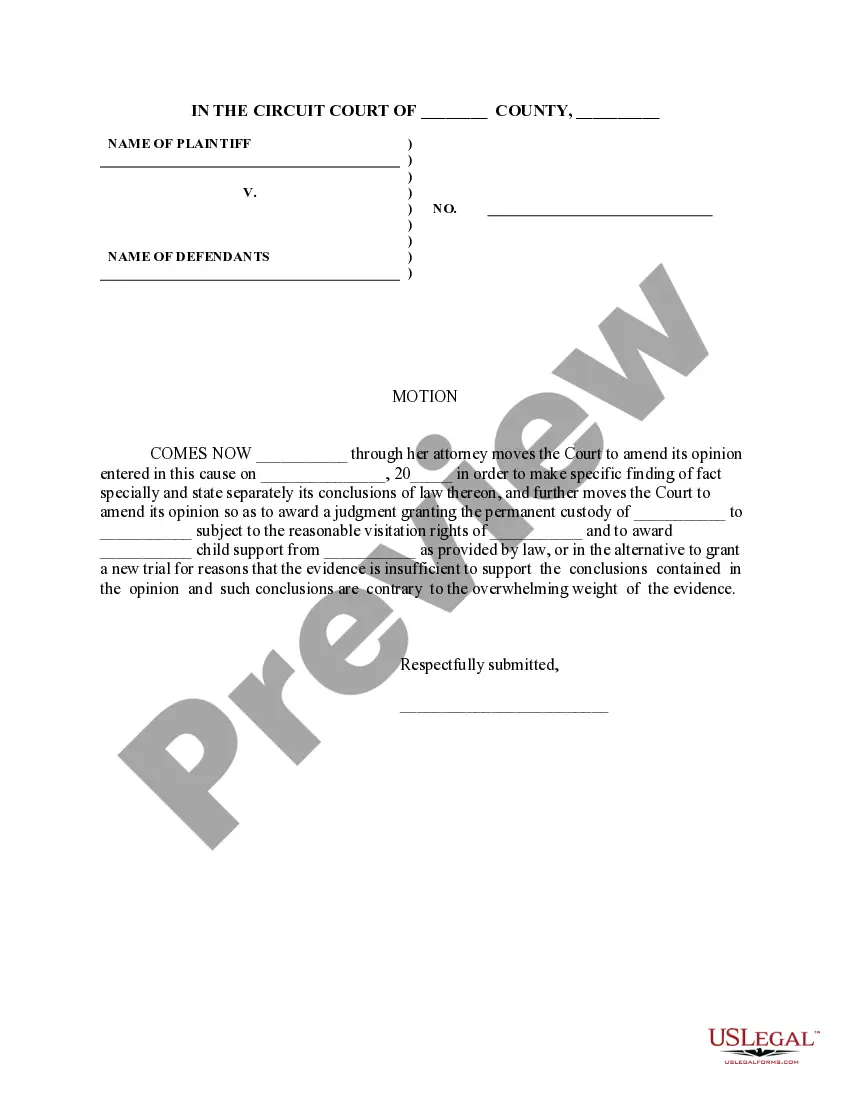
Findings Conclusions Law With Order
Description
Get your form ready online
Our built-in tools help you complete, sign, share, and store your documents in one place.
Make edits, fill in missing information, and update formatting in US Legal Forms—just like you would in MS Word.
Download a copy, print it, send it by email, or mail it via USPS—whatever works best for your next step.
Sign and collect signatures with our SignNow integration. Send to multiple recipients, set reminders, and more. Go Premium to unlock E-Sign.
If this form requires notarization, complete it online through a secure video call—no need to meet a notary in person or wait for an appointment.
We protect your documents and personal data by following strict security and privacy standards.

Make edits, fill in missing information, and update formatting in US Legal Forms—just like you would in MS Word.

Download a copy, print it, send it by email, or mail it via USPS—whatever works best for your next step.

Sign and collect signatures with our SignNow integration. Send to multiple recipients, set reminders, and more. Go Premium to unlock E-Sign.

If this form requires notarization, complete it online through a secure video call—no need to meet a notary in person or wait for an appointment.

We protect your documents and personal data by following strict security and privacy standards.
Looking for another form?


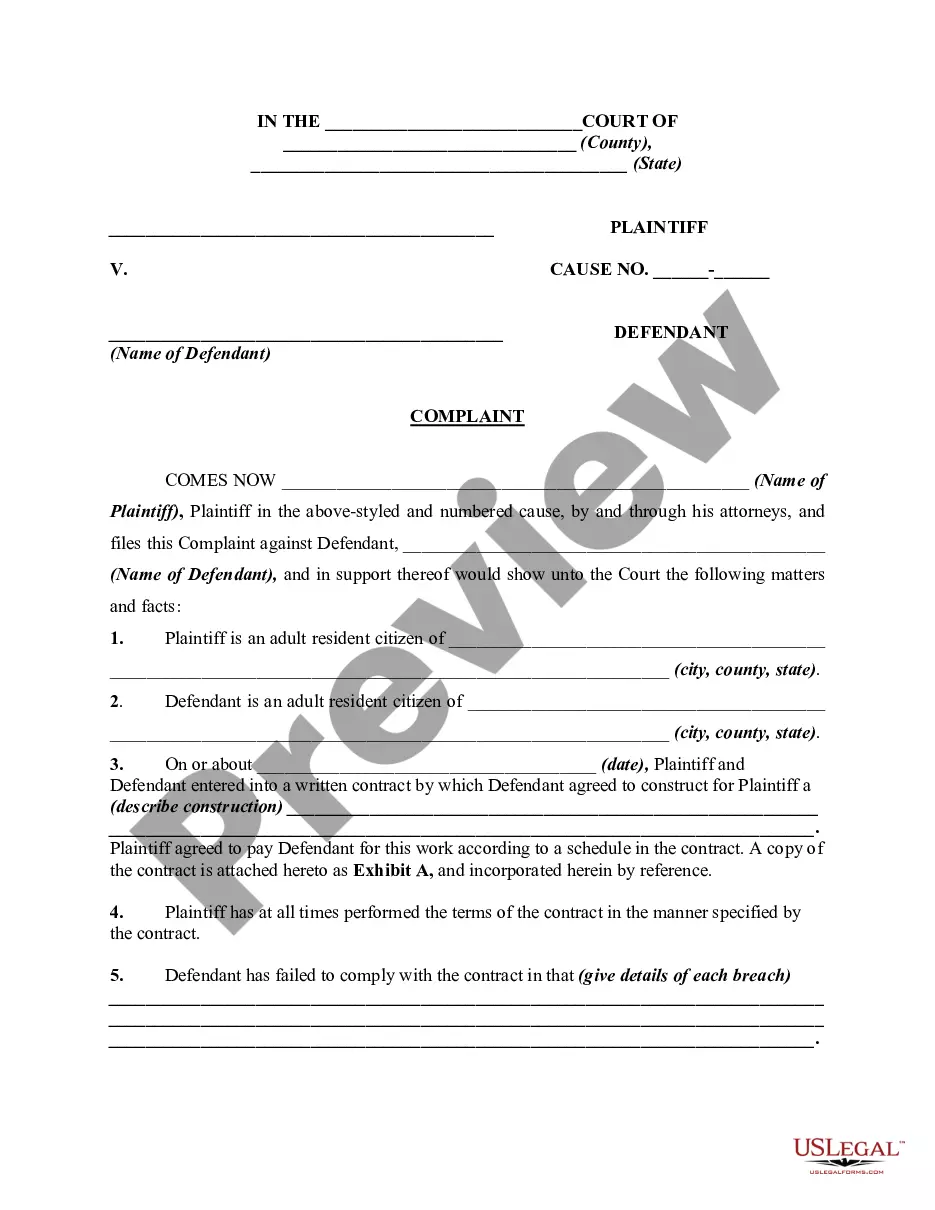

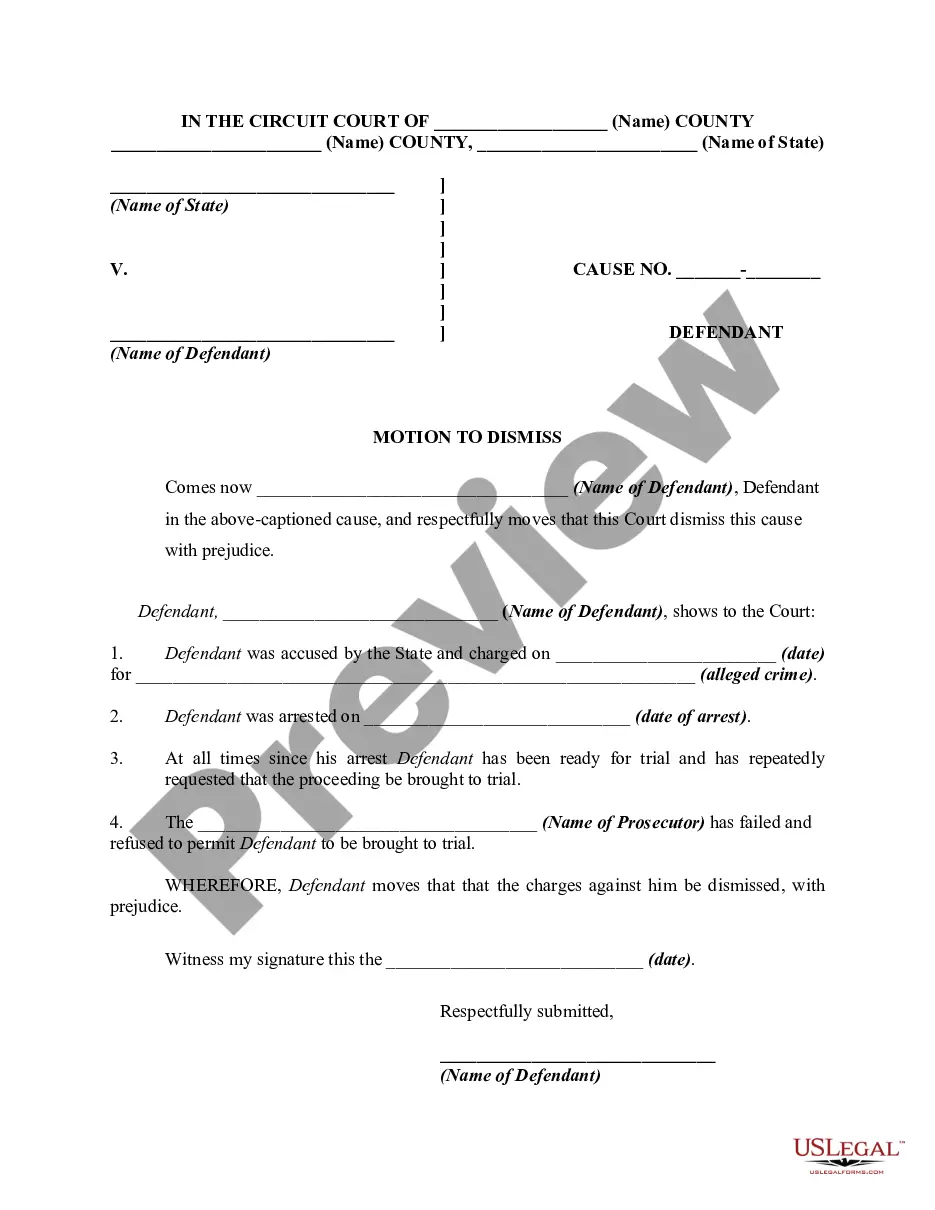


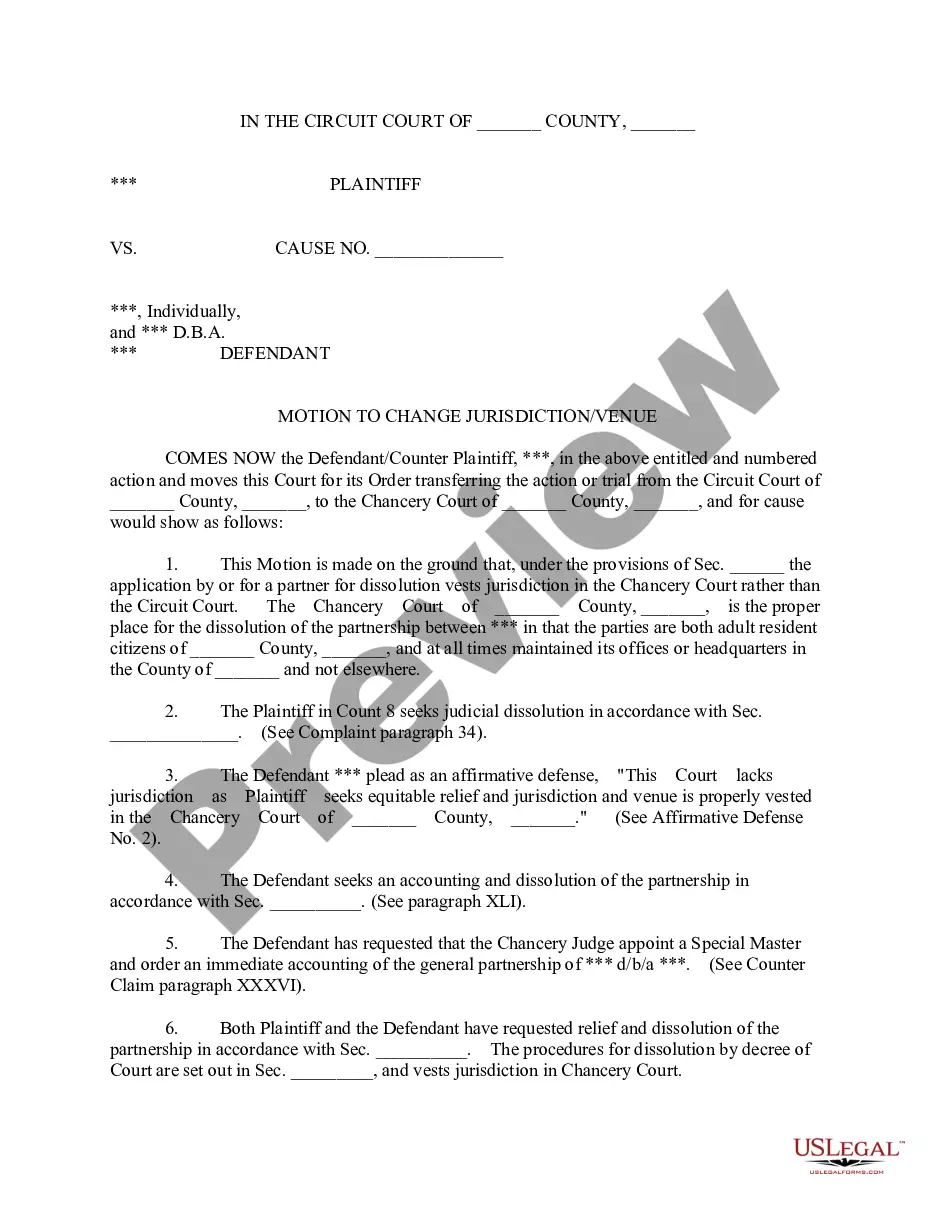
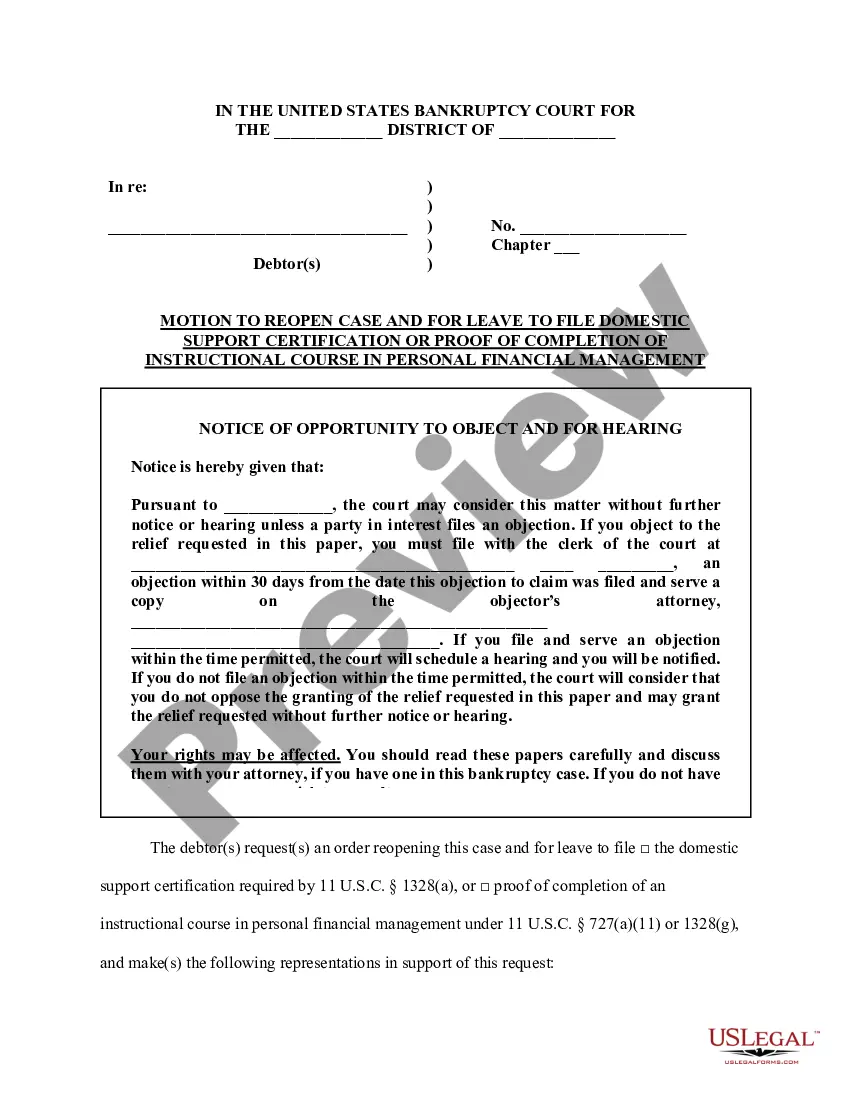
How to fill out Motion To Make Specific Findings Of Fact And State Conclusions Of Law - Domestic Relations?
Handling legal documents and activities can be a lengthy addition to your entire schedule.
Findings Conclusions Law With Order and similar forms generally require you to look for them and comprehend how to finalize them accurately.
Therefore, if you are managing financial, legal, or personal matters, utilizing a thorough and convenient online repository of forms readily available will be very beneficial.
US Legal Forms is the leading online platform for legal templates, providing over 85,000 state-specific documents and a variety of resources to help you complete your paperwork effortlessly.
Is this your first time using US Legal Forms? Register and create a free account in a few minutes to gain access to the form library and Findings Conclusions Law With Order. Then, follow the steps outlined below to complete your document: Ensure you have the correct form using the Review feature and reviewing the form description. Select Buy Now when ready, and choose the monthly subscription plan that fits you. Click Download, then complete, sign, and print the document. US Legal Forms has 25 years of experience aiding users in managing their legal paperwork. Get the form you need today and streamline any process without hassle.
- Explore the collection of relevant documents accessible with just one click.
- US Legal Forms offers state- and county-specific forms that can be downloaded at any time.
- Secure your document management processes with exceptional support that enables you to prepare any form in minutes without any extra or concealed fees.
- Simply Log In to your account, find Findings Conclusions Law With Order, and obtain it immediately from the My documents tab.
- You can also access forms you have downloaded previously.
Form popularity
FAQ
After the trial concludes, both sides write up extensive "Proposed Findings of Fact and Conclusions of Law" that detail exactly how they think the Court should rule on each point in dispute. The Proposed Findings are written in the voice of the Court so that the judge can include them in his opinion if he agrees.
"The defendant is guilty of murder" is a legal conclusion because it expresses a legal result without including the facts that support the guilt. "The plaintiff has a right to compensation" is another example of a legal conclusion because it expresses a legal duty without including the facts that create the duty.
A conclusion of law determines what laws and how the laws apply to a particular case. These decisions often determine the outcome of a case, and they are usually the basis for review on appeal. A conclusion of law is to be contrasted with a conclusion of fact which can be made by a judge or jury.
If you wrote the findings of fact clearly and concisely, these will be a snap to write. Although you can use more complex sentences in the conclusions than in the findings of fact, keep them brief. Avoid simply quoting statutes, regulations or case law for the conclusions; instead, paraphrase the relevant law.
Examples of Conclusion Of Law In a civil case, the conclusion of law might be that one party is liable for damages or must perform a specific action. In an administrative hearing, the conclusion of law might be that a permit was improperly denied or that a regulation is unconstitutional.