Motion For Judgement Nov
Description
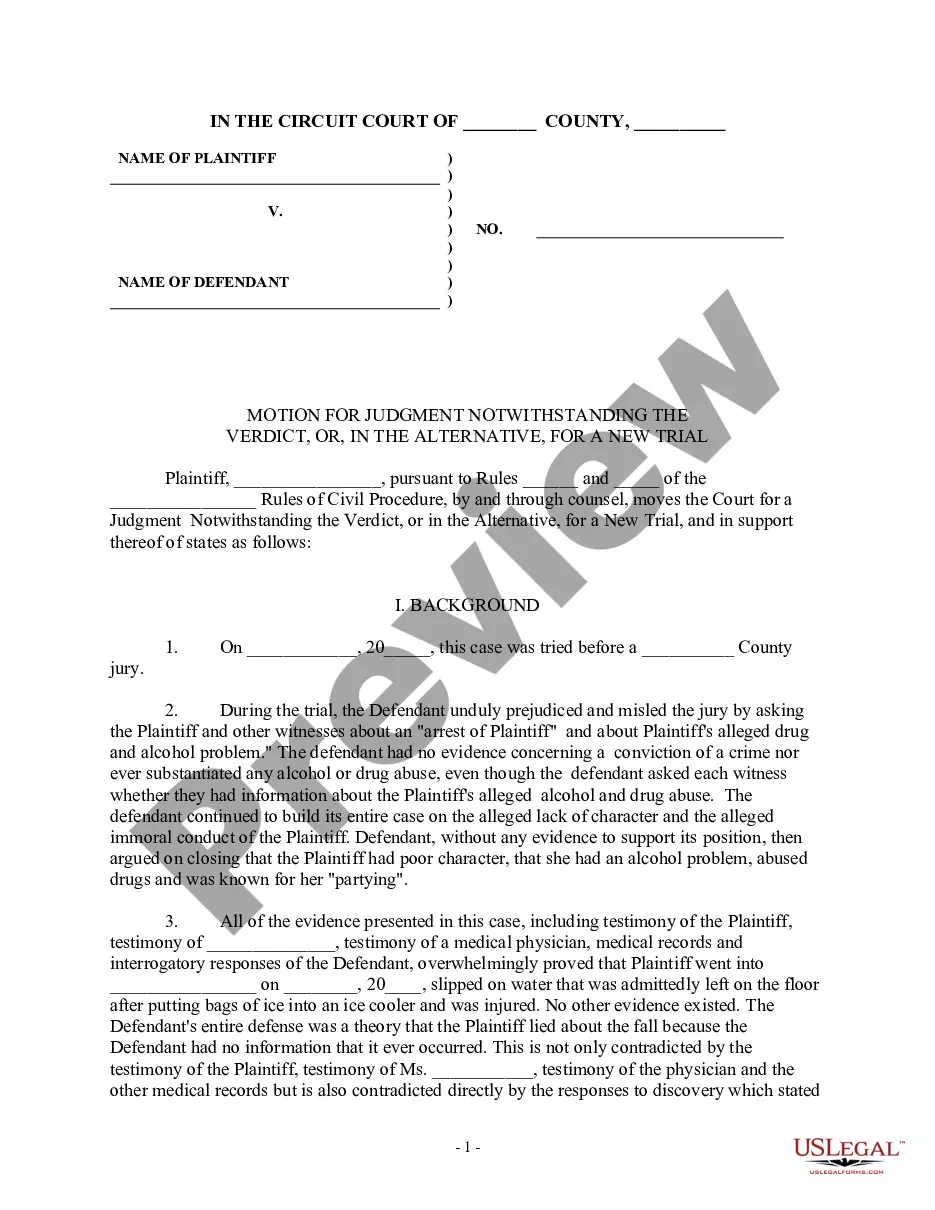
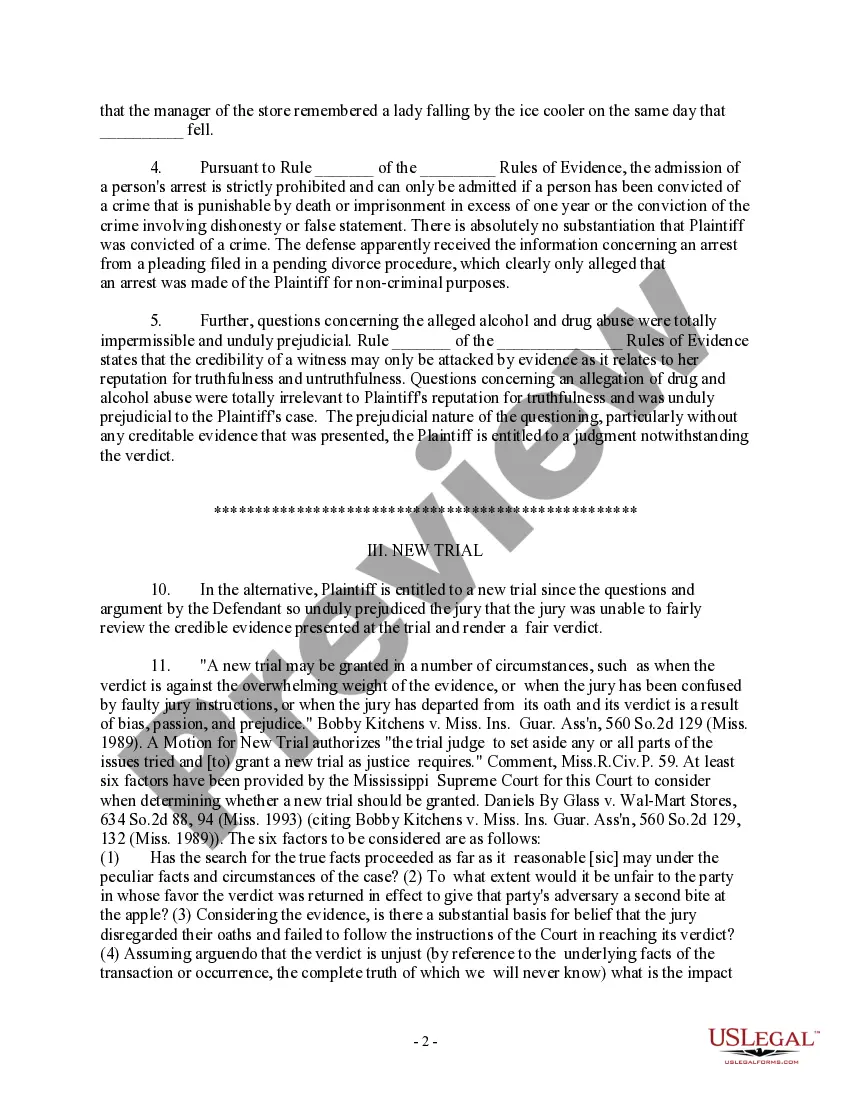
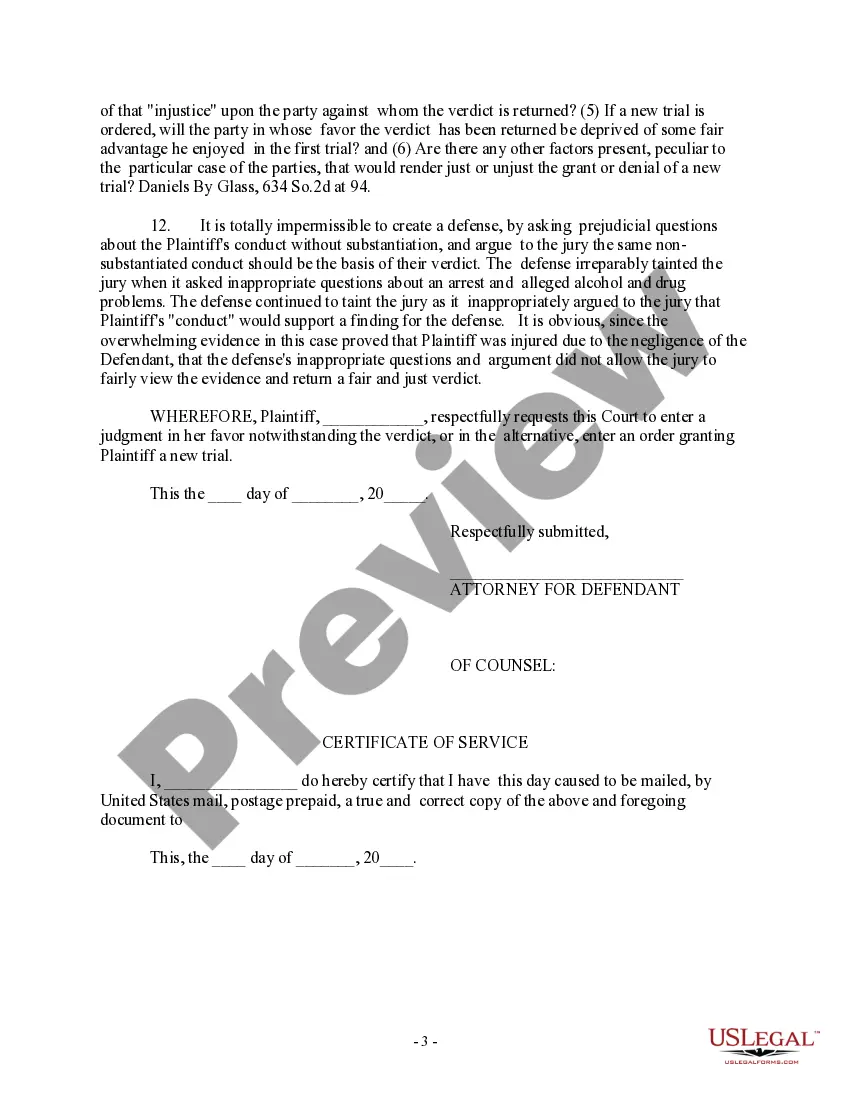
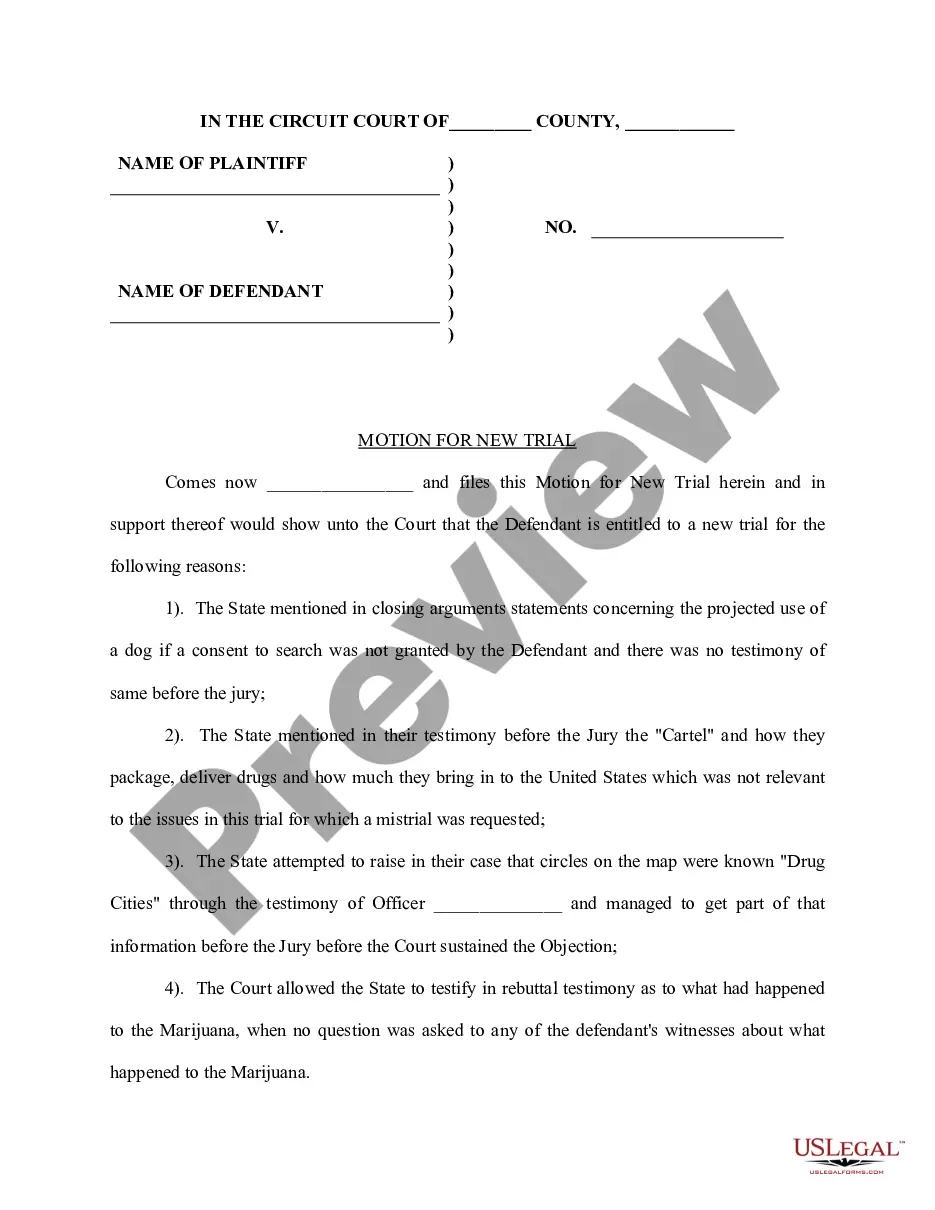
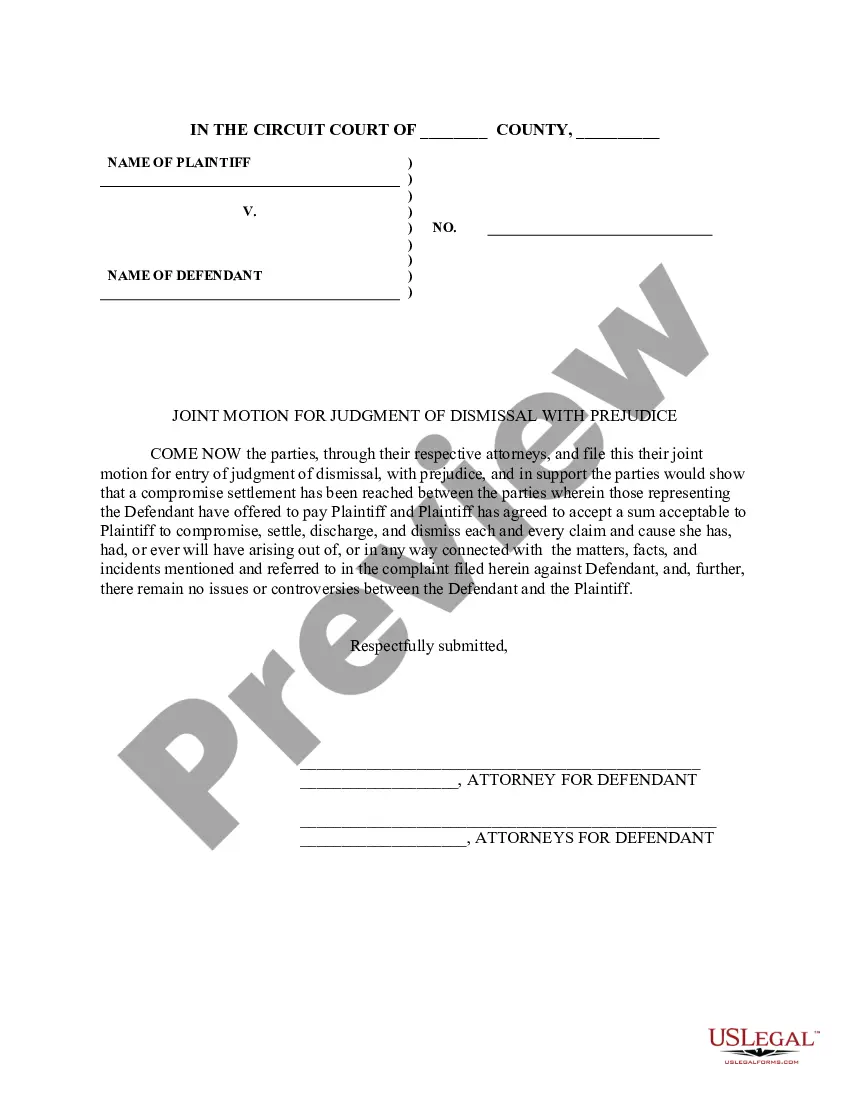

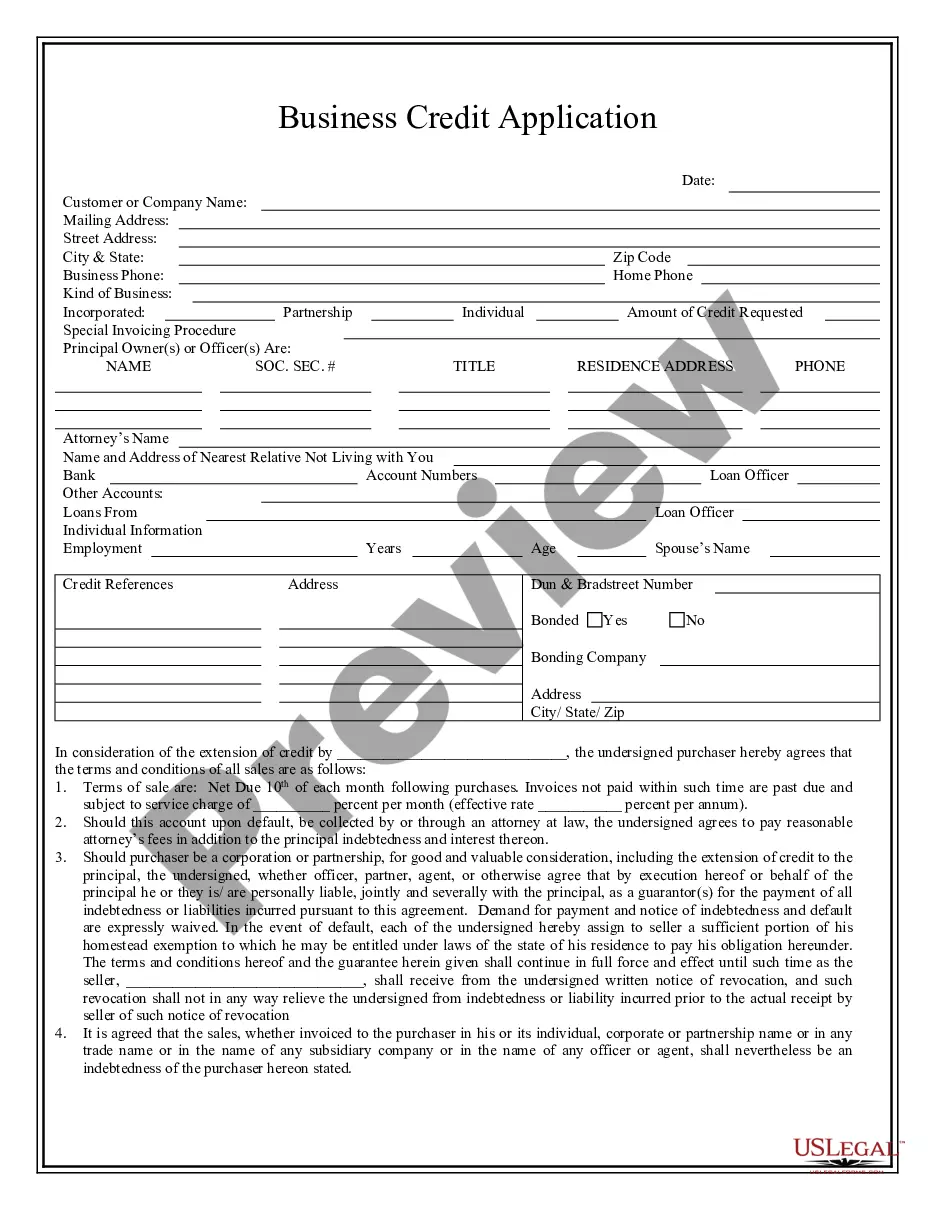
Get your form ready online
Our built-in tools help you complete, sign, share, and store your documents in one place.
Make edits, fill in missing information, and update formatting in US Legal Forms—just like you would in MS Word.
Download a copy, print it, send it by email, or mail it via USPS—whatever works best for your next step.
Sign and collect signatures with our SignNow integration. Send to multiple recipients, set reminders, and more. Go Premium to unlock E-Sign.
If this form requires notarization, complete it online through a secure video call—no need to meet a notary in person or wait for an appointment.
We protect your documents and personal data by following strict security and privacy standards.

Make edits, fill in missing information, and update formatting in US Legal Forms—just like you would in MS Word.

Download a copy, print it, send it by email, or mail it via USPS—whatever works best for your next step.

Sign and collect signatures with our SignNow integration. Send to multiple recipients, set reminders, and more. Go Premium to unlock E-Sign.

If this form requires notarization, complete it online through a secure video call—no need to meet a notary in person or wait for an appointment.

We protect your documents and personal data by following strict security and privacy standards.
Looking for another form?



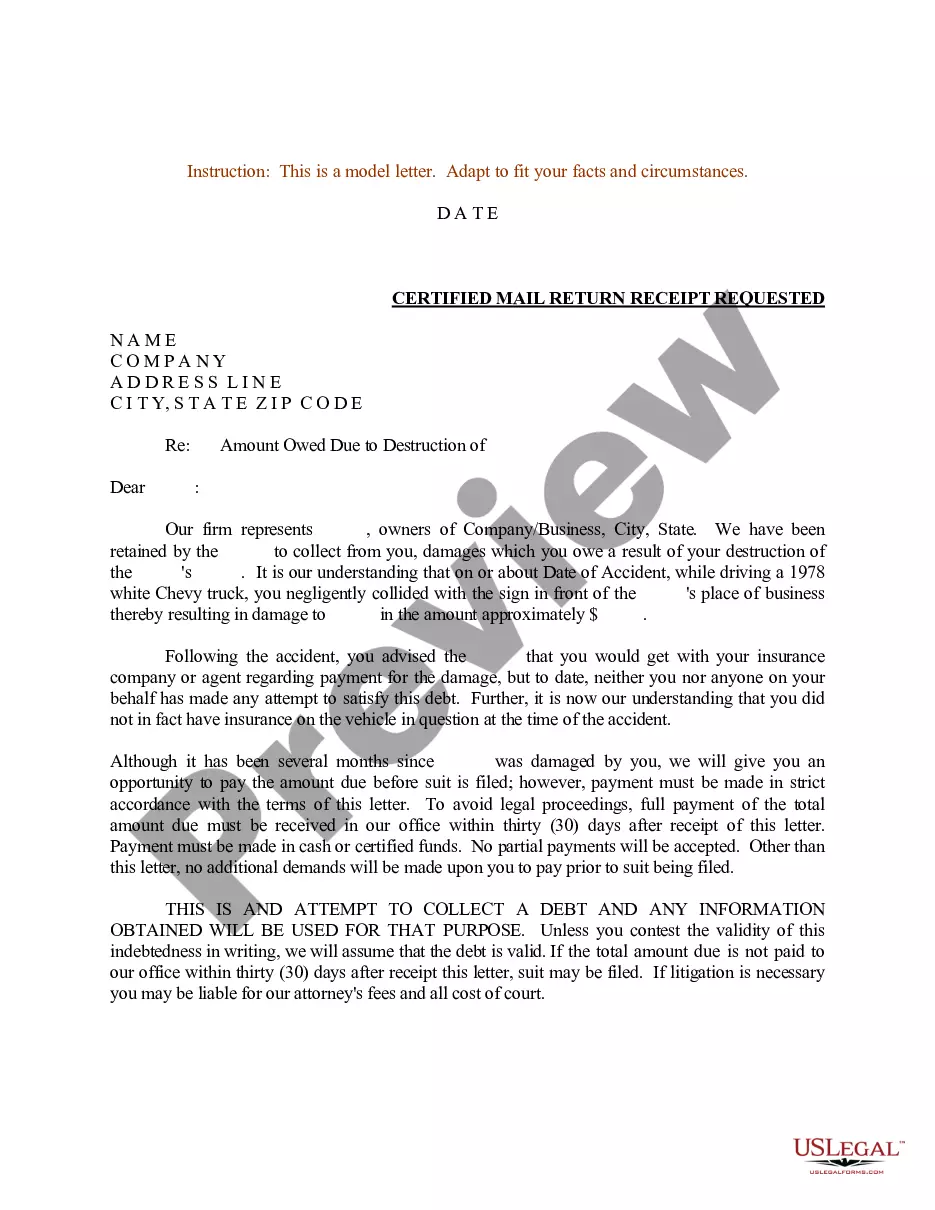

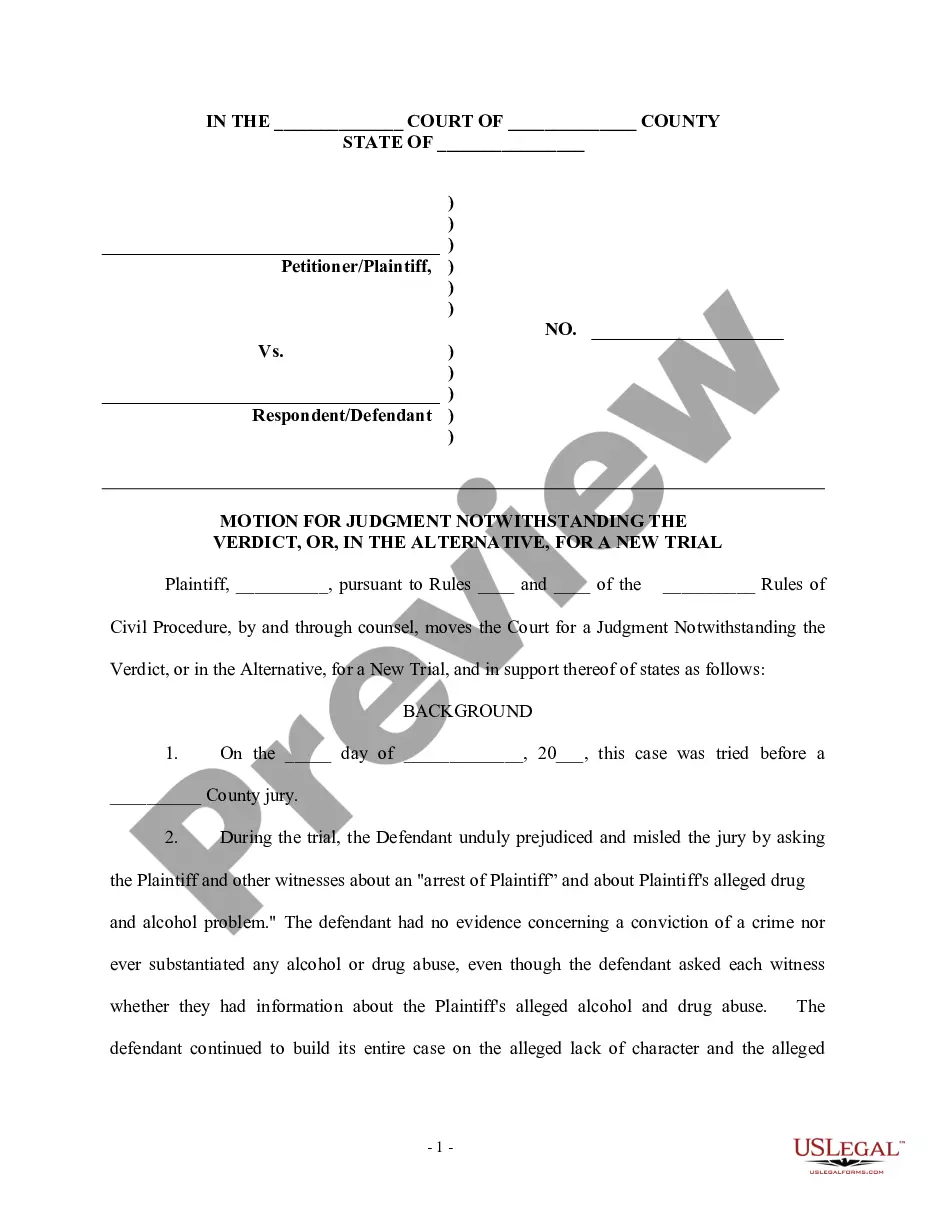
How to fill out Motion For Judgment Notwithstanding The Verdict, Or In The Alternative, For A New Trial - For Prejudicial Statements At Trial?
It’s obvious that you can’t become a law expert overnight, nor can you grasp how to quickly draft Motion For Judgement Nov without having a specialized background. Putting together legal documents is a time-consuming process requiring a particular training and skills. So why not leave the creation of the Motion For Judgement Nov to the professionals?
With US Legal Forms, one of the most comprehensive legal document libraries, you can access anything from court documents to templates for internal corporate communication. We know how important compliance and adherence to federal and local laws and regulations are. That’s why, on our website, all templates are location specific and up to date.
Here’s start off with our platform and obtain the document you require in mere minutes:
- Discover the document you need by using the search bar at the top of the page.
- Preview it (if this option provided) and read the supporting description to figure out whether Motion For Judgement Nov is what you’re looking for.
- Start your search again if you need a different template.
- Set up a free account and select a subscription plan to purchase the form.
- Choose Buy now. As soon as the transaction is through, you can download the Motion For Judgement Nov, complete it, print it, and send or send it by post to the designated individuals or organizations.
You can re-access your forms from the My Forms tab at any time. If you’re an existing client, you can simply log in, and locate and download the template from the same tab.
Regardless of the purpose of your forms-be it financial and legal, or personal-our platform has you covered. Try US Legal Forms now!
Form popularity
FAQ
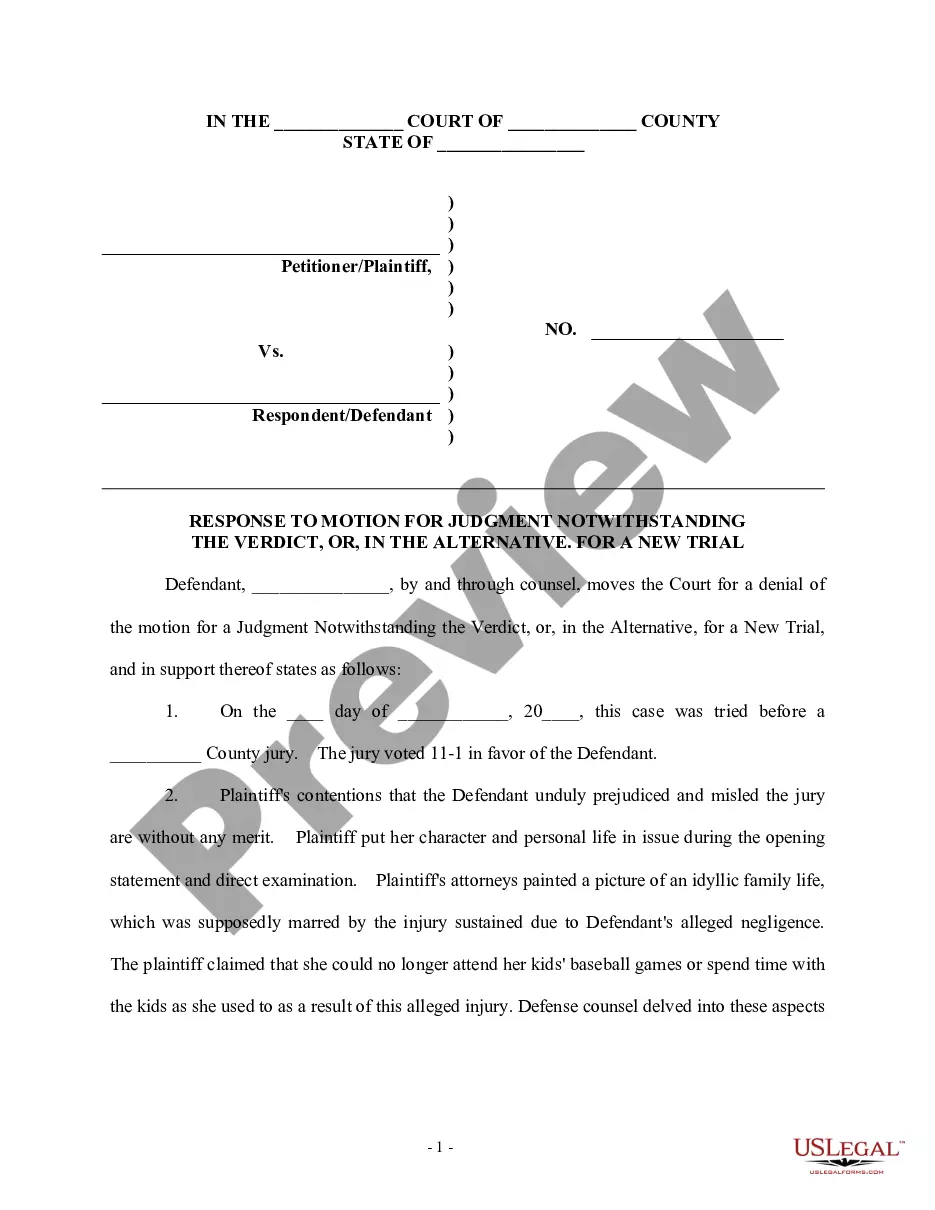
A judge will issue a JNOV if he or she determines that no reasonable jury could have reached the jury's verdict based on the evidence presented at trial, or if the jury incorrectly applied the law in reaching its verdict.
A motion for judgment notwithstanding the verdict (JNOV) is a motion asking the court to enter a judgment disregarding the verdict rendered by the jury. The motion argues that no reasonable jury could reach the verdict that the jury reached in the particular case.
JMOL motions may also be made after the verdict is returned and are then called "renewed" motions for judgment as a matter of law (RJMOL), but the motion is still commonly known by its former name, judgment notwithstanding the verdict, or JNOV (from the English judgment and the Latin non obstante veredicto).
A motion for judgment notwithstanding the verdict is the equivalent in civil cases to the motion in arrest of judgment. It may be made after the jury's decision is announced but before a judgment is entered. This motion asks the judge to enter a judgment for the losing party despite the decision of the jury.
For example, a person sues her neighbor, claiming the neighbor was rude to her. If the jury were totally free to decide issues of law and fact, the plaintiff would be entitled to a jury trial on the issue of whether being rude to one's neighbor is actionable.