Motion For Judgement Notwithstanding The Verdict
Description
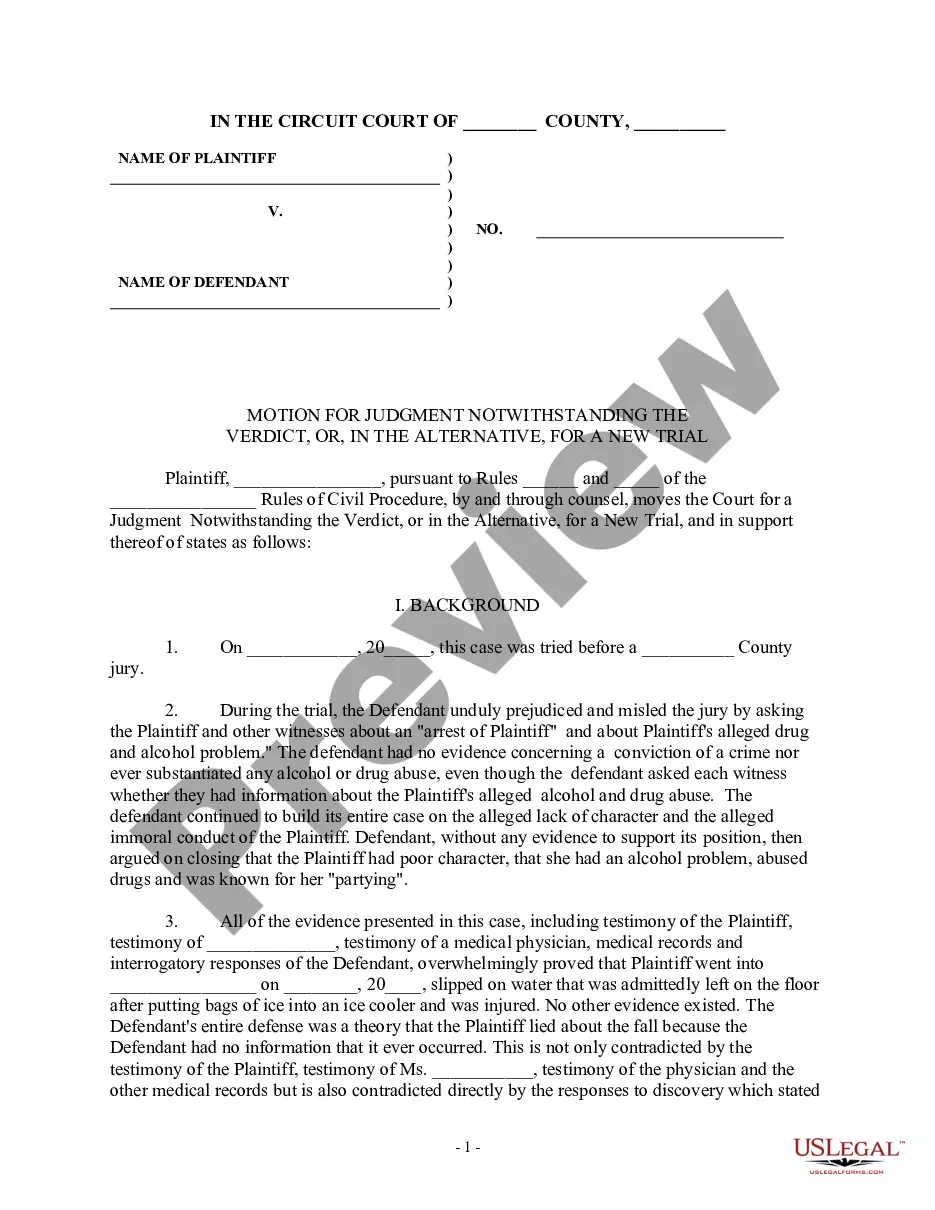
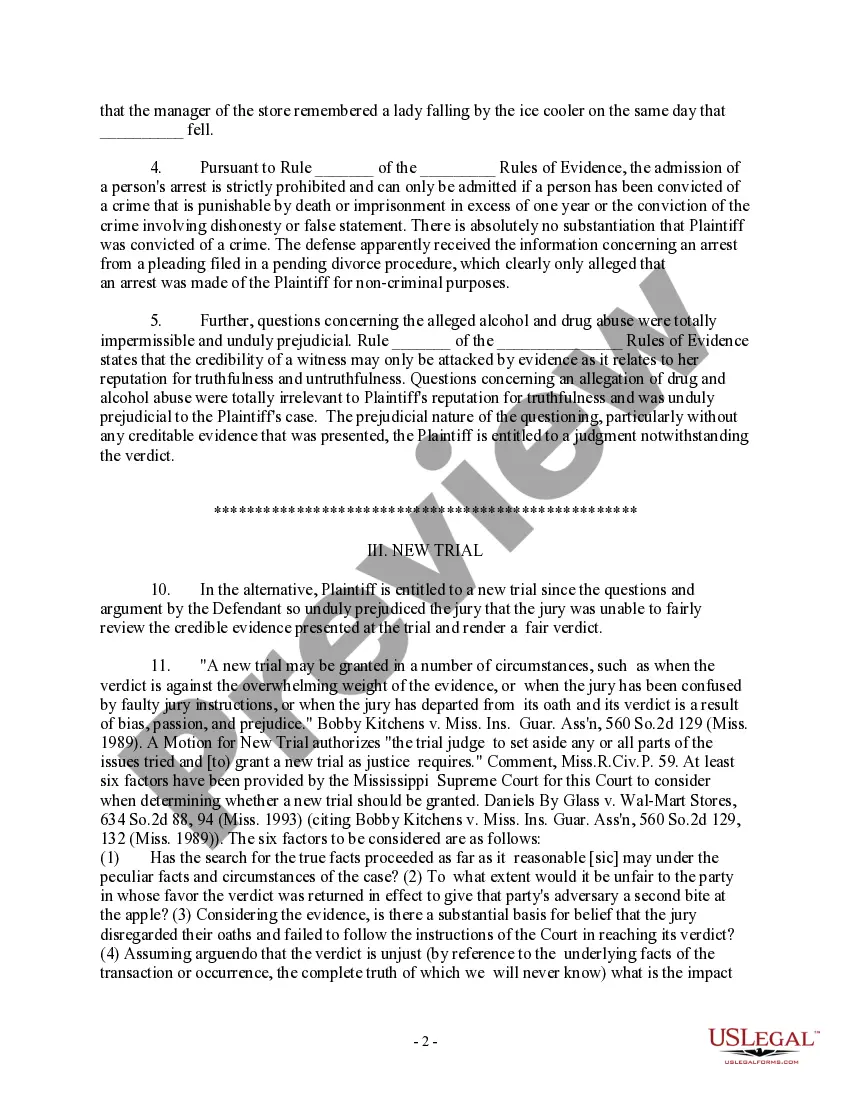
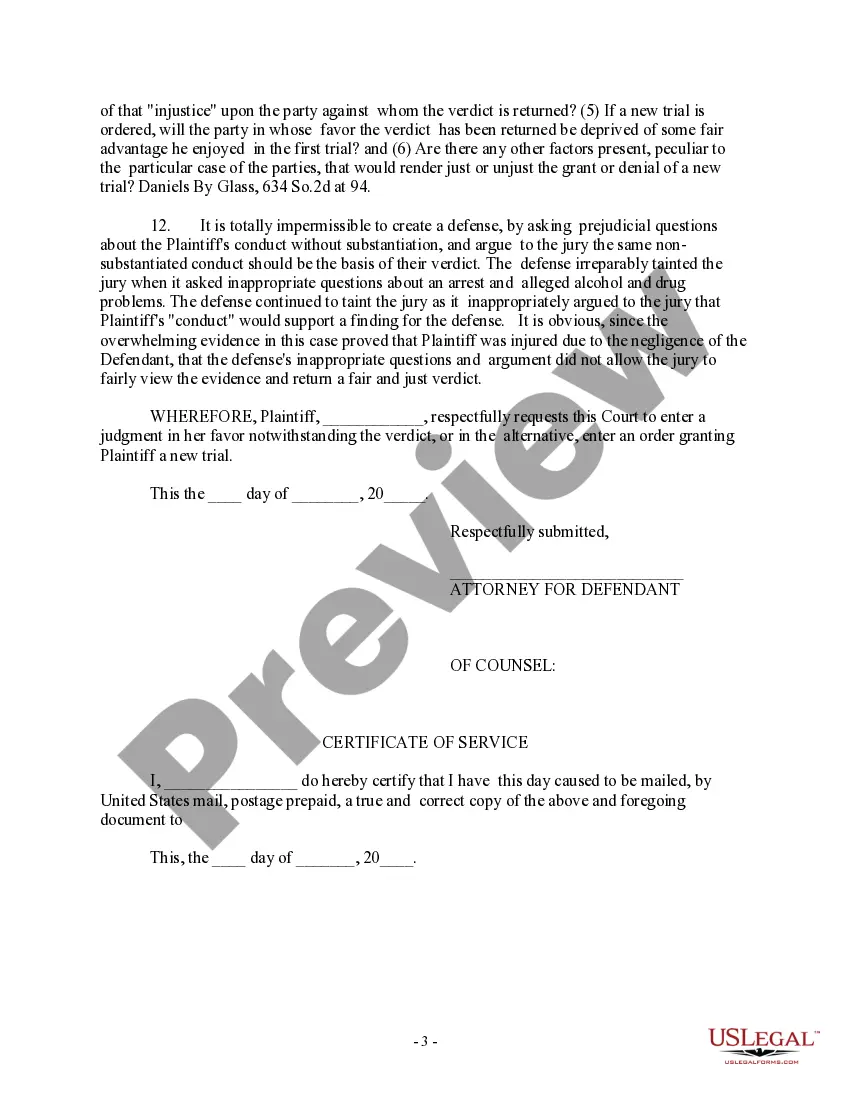
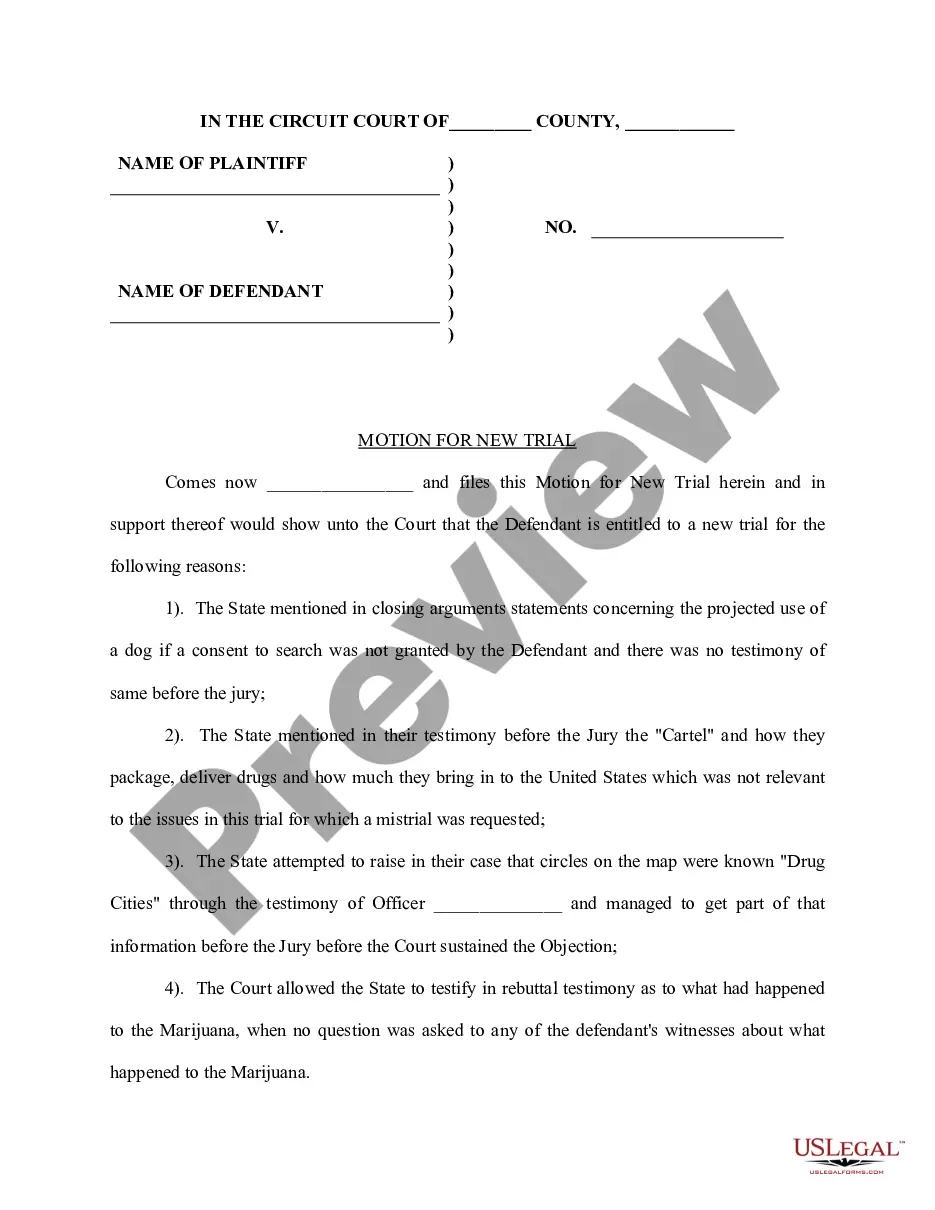
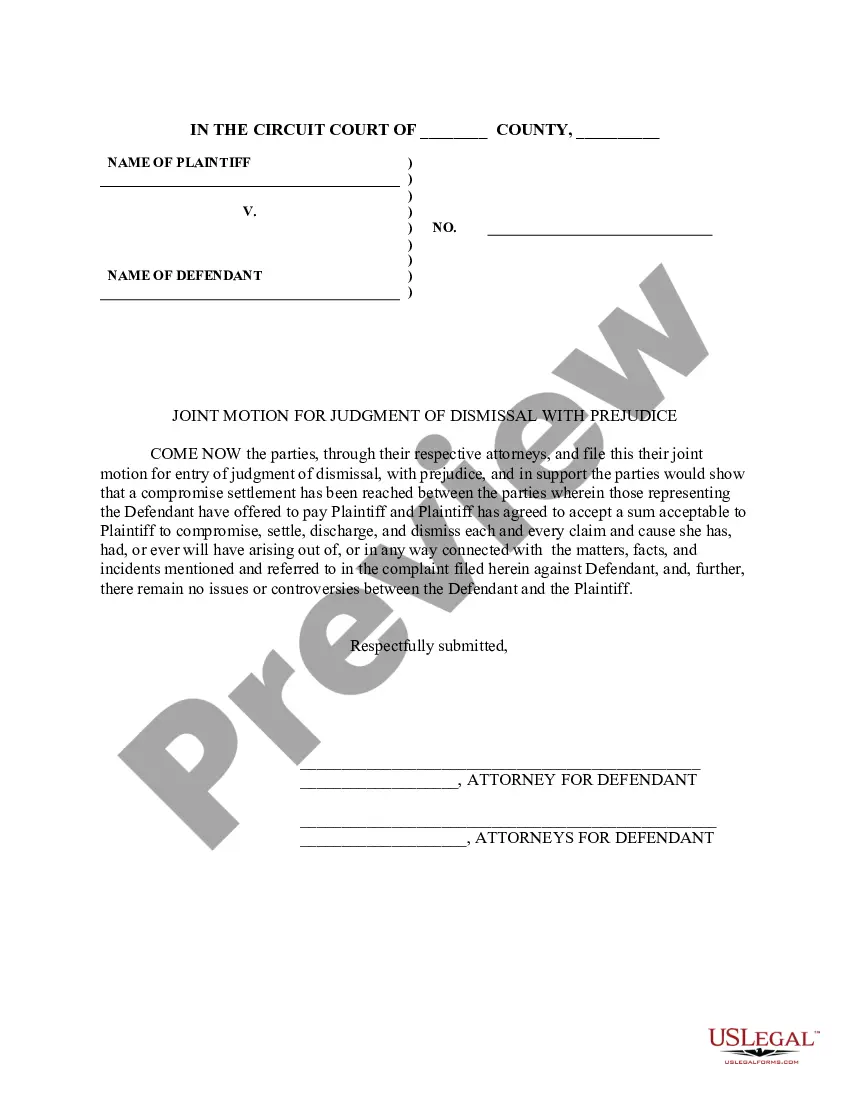
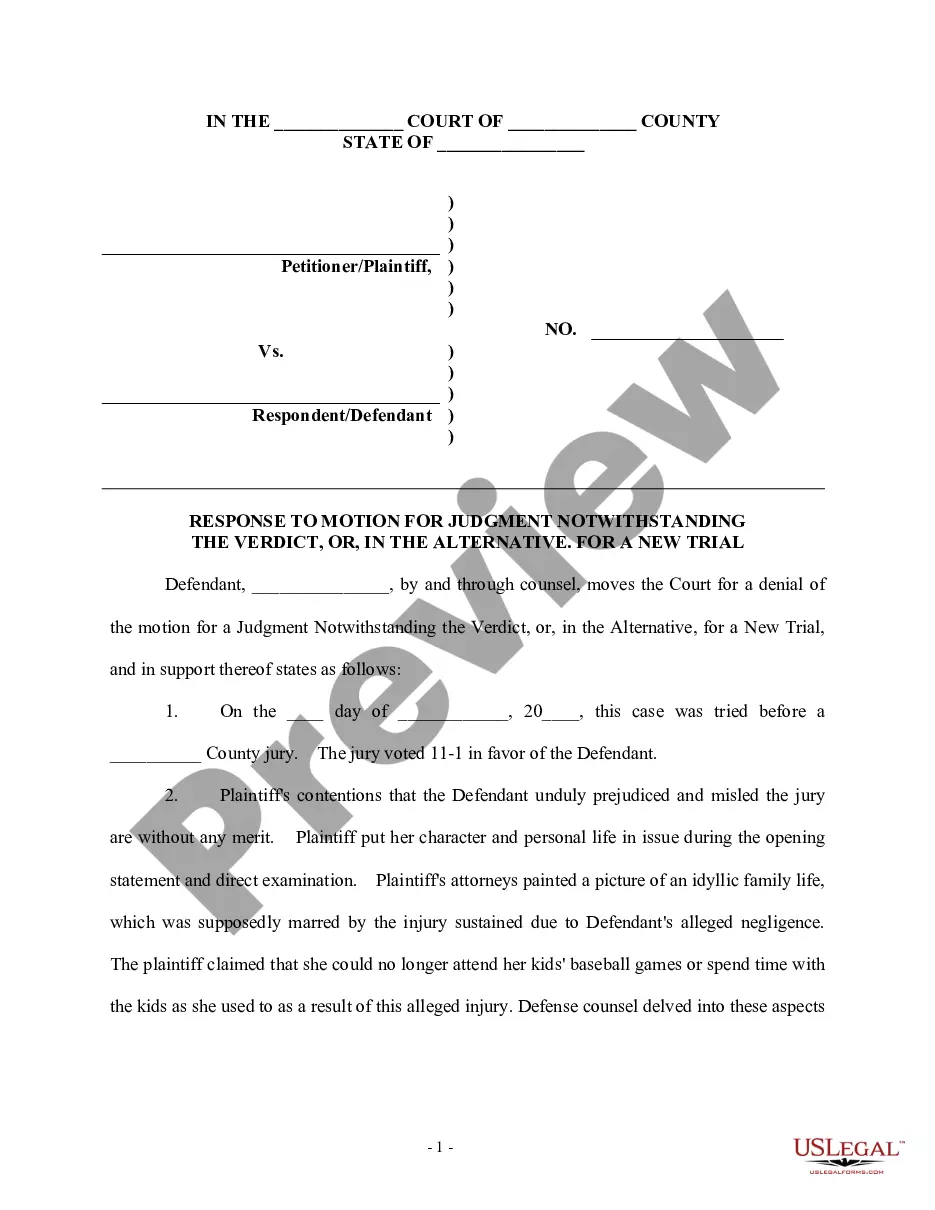

Get your form ready online
Our built-in tools help you complete, sign, share, and store your documents in one place.
Make edits, fill in missing information, and update formatting in US Legal Forms—just like you would in MS Word.
Download a copy, print it, send it by email, or mail it via USPS—whatever works best for your next step.
Sign and collect signatures with our SignNow integration. Send to multiple recipients, set reminders, and more. Go Premium to unlock E-Sign.
If this form requires notarization, complete it online through a secure video call—no need to meet a notary in person or wait for an appointment.
We protect your documents and personal data by following strict security and privacy standards.

Make edits, fill in missing information, and update formatting in US Legal Forms—just like you would in MS Word.

Download a copy, print it, send it by email, or mail it via USPS—whatever works best for your next step.

Sign and collect signatures with our SignNow integration. Send to multiple recipients, set reminders, and more. Go Premium to unlock E-Sign.

If this form requires notarization, complete it online through a secure video call—no need to meet a notary in person or wait for an appointment.

We protect your documents and personal data by following strict security and privacy standards.
Looking for another form?







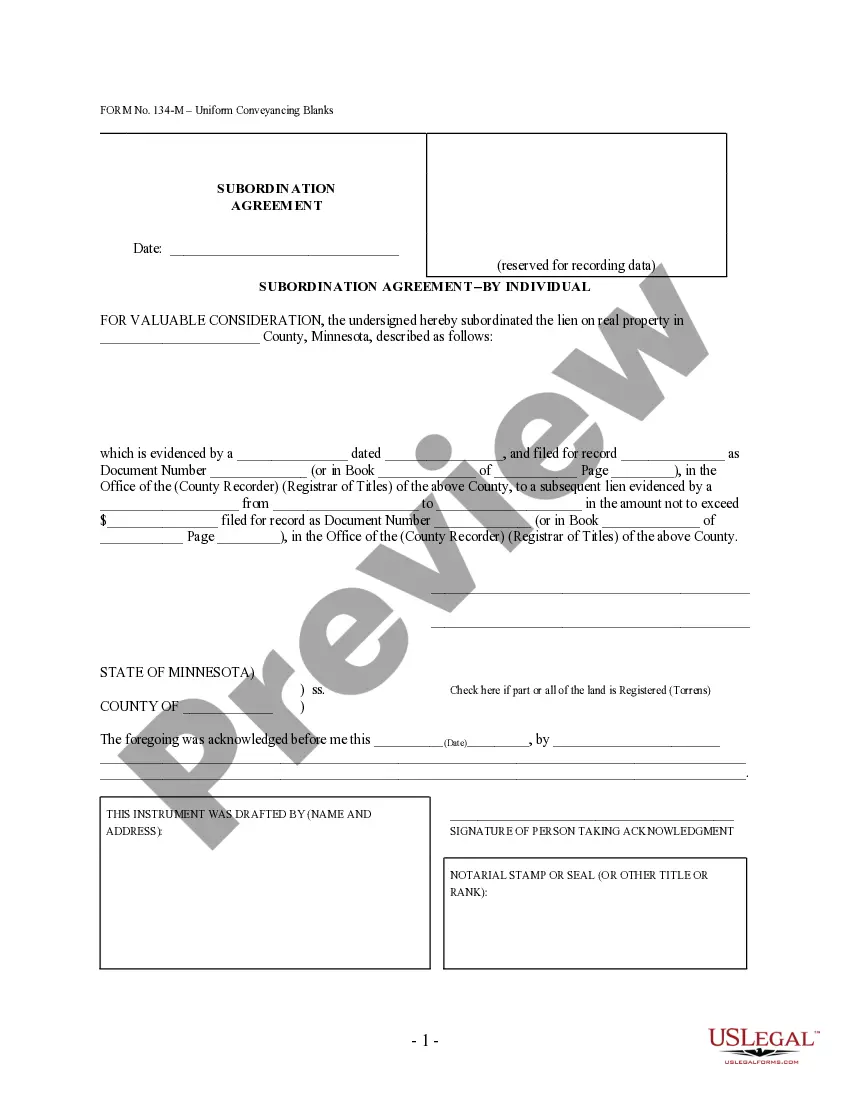

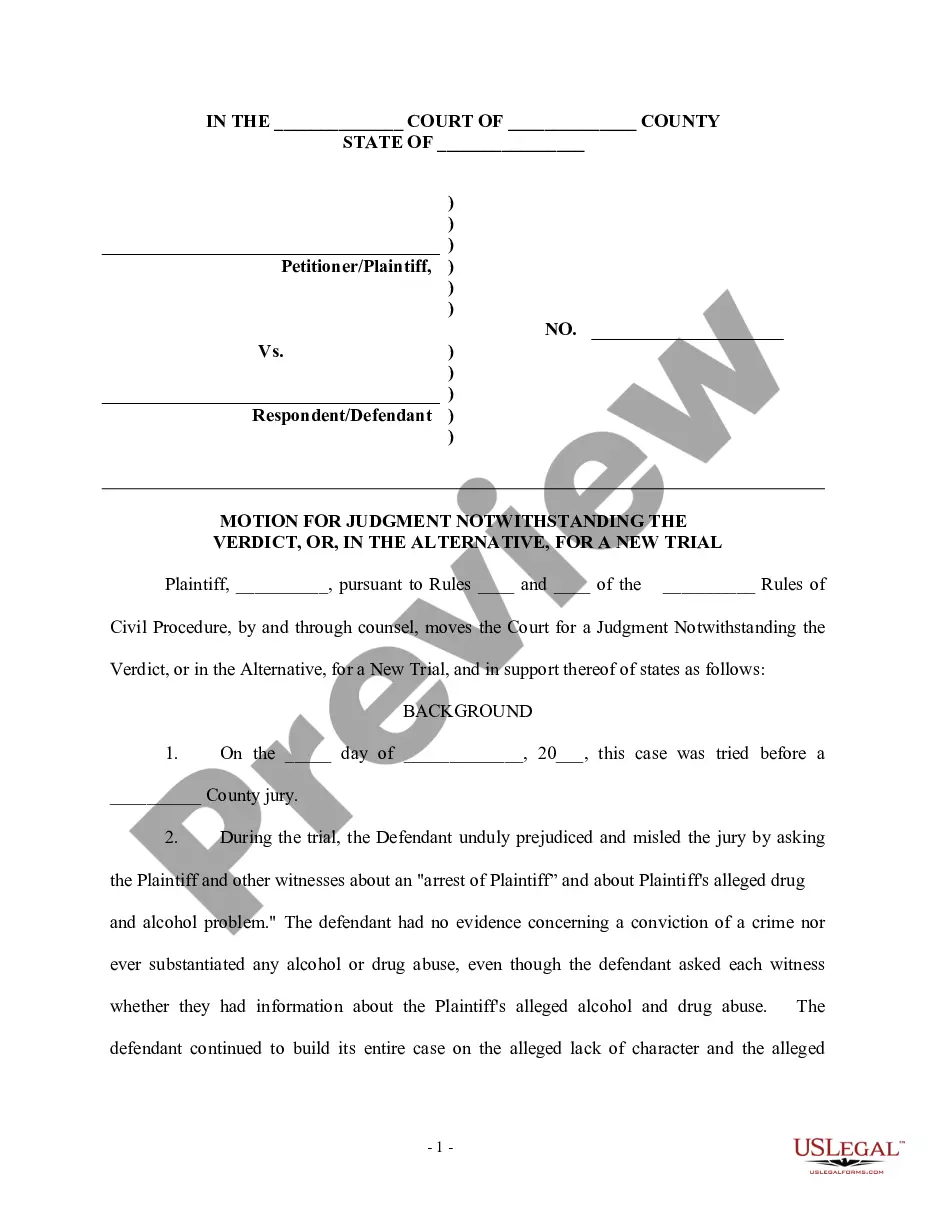
How to fill out Motion For Judgment Notwithstanding The Verdict, Or In The Alternative, For A New Trial - For Prejudicial Statements At Trial?
Securing a reliable source for accessing the latest and pertinent legal templates is a significant part of navigating bureaucracy.
Locating the appropriate legal documents demands accuracy and meticulousness, which is why it's crucial to obtain samples of Motion For Judgment Notwithstanding The Verdict solely from trustworthy providers like US Legal Forms.
Remove the complications related to your legal documentation. Browse the comprehensive US Legal Forms library where you can discover legal templates, assess their applicability to your situation, and download them instantly.
- Leverage the library navigation or search option to locate your template.
- Review the form’s description to verify if it meets the criteria of your state and region.
- Access the form preview, if available, to confirm the form matches your search.
- Continue searching for the suitable document if the Motion For Judgment Notwithstanding The Verdict does not fulfill your requirements.
- Once you're confident about the document's relevance, download it.
- If you're a registered user, click Log in to verify and retrieve your selected templates in My documents.
- If you haven't created an account yet, click Buy now to acquire the template.
- Choose the pricing plan that aligns with your preferences.
- Proceed with the registration to complete your purchase.
- Finalize your transaction by selecting a payment method (credit card or PayPal).
- Select the file format for downloading Motion For Judgment Notwithstanding The Verdict.
- Once you have the document on your device, you can edit it with the editor or print it to fill it out manually.
Form popularity
FAQ
Filing a motion for judgment notwithstanding the verdict can significantly impact the outcome of a legal case. It gives the losing party a chance to overturn a jury's decision that may seem unjust given the presented evidence. By doing so, the court can deliver a ruling that better represents legal principles and factual realities. It highlights the necessity for detailed legal support, which is where platforms like USLegalForms can aid you in navigating this complex process effectively.
In Florida, a motion for judgment notwithstanding the verdict allows a party to challenge a jury's decision based on the argument that no reasonable jury could have reached that verdict. This motion must be filed within a specific timeframe after the verdict is delivered. If successful, the motion can lead to a judgment that reflects the evidence and legal standards, rather than the jury's interpretation. It is a critical tool for parties seeking to ensure justice in the outcomes of their cases.
An example of a motion for judgment notwithstanding the verdict occurs when a jury finds in favor of the defendant despite evidence that could support a ruling for the plaintiff. In such a case, the plaintiff can file this motion asking the judge to overrule the jury's decision. If granted, the court may enter a judgment that aligns with the evidence rather than the jury’s conclusion, emphasizing the importance of legal standards in this process.
A judge may effectively reject a not guilty verdict by granting a motion for judgement notwithstanding the verdict in exceptional circumstances. This action allows the judge to assess the evidence critically and decide if the verdict aligns with the legal standards. However, overturning a not guilty verdict is not a frequent occurrence, as the legal system heavily favors the protection against wrongful conviction. If you encounter such a situation, consult with qualified legal professionals who can guide you through the complexities.
Yes, while rare, a not guilty verdict can be overturned under certain conditions. This typically happens when a motion for judgement notwithstanding the verdict is filed, arguing there was a fundamental error in the trial process. Such instances are unusual due to the principle of double jeopardy, which protects individuals from being tried twice for the same offense. Understanding the nuances of this legal area can be complex; therefore, reaching out to a legal specialist is advisable.
Yes, a judge can direct a not guilty verdict during a trial. If the judge believes there is not enough evidence for a jury to reasonably convict, they may grant a motion for judgement notwithstanding the verdict. This process ensures that the legal standards are met, protecting defendants from wrongful convictions. Always seek professional guidance if you find yourself in a similar situation.
Yes, a judge can overturn an innocent verdict through a legal process called a motion for judgement notwithstanding the verdict. This motion requests the judge to disregard the jury's decision due to insufficient evidence supporting that verdict. It is crucial to understand that this action is not common and typically occurs only under specific circumstances. Therefore, if you believe an innocent verdict merits reconsideration, consulting with legal experts can provide clarity.
Judgment notwithstanding the verdict is governed by Rule 50 of the Federal Rules of Civil Procedure. This rule allows a judge to review a jury's verdict and grant a judgment if the evidence does not support the jury's decision. Understanding this rule is essential for anyone considering a motion for judgment notwithstanding the verdict, as it sets out the framework and conditions under which such a motion can be successfully filed.
A motion for judgment as a matter of law can be filed during the trial, typically at the close of the opposing party’s case-in-chief, or after all evidence has been presented. This motion asserts that no reasonable jury could reach a different conclusion based on the presented evidence. It's important to file the motion promptly, as missed deadlines can forfeit your right to request this judgment.
A judge can set aside a verdict if they find that the jury's decision does not adhere to the evidence presented or the applicable law. This action often occurs when the judge believes that reasonable jurors could not have reached the verdict based on the facts. A motion for judgment notwithstanding the verdict is a critical tool in these situations, allowing for a review of the jury's decision.