Venue Civil Procedure With Orders
Description

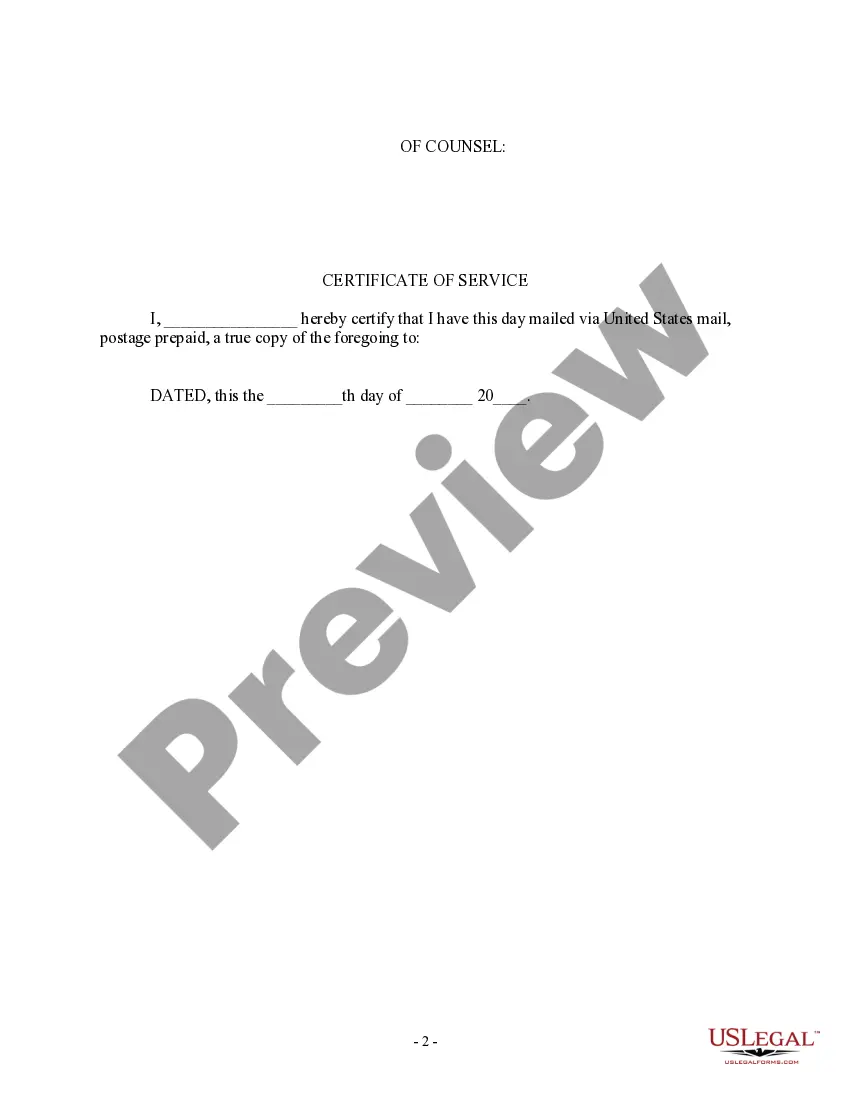

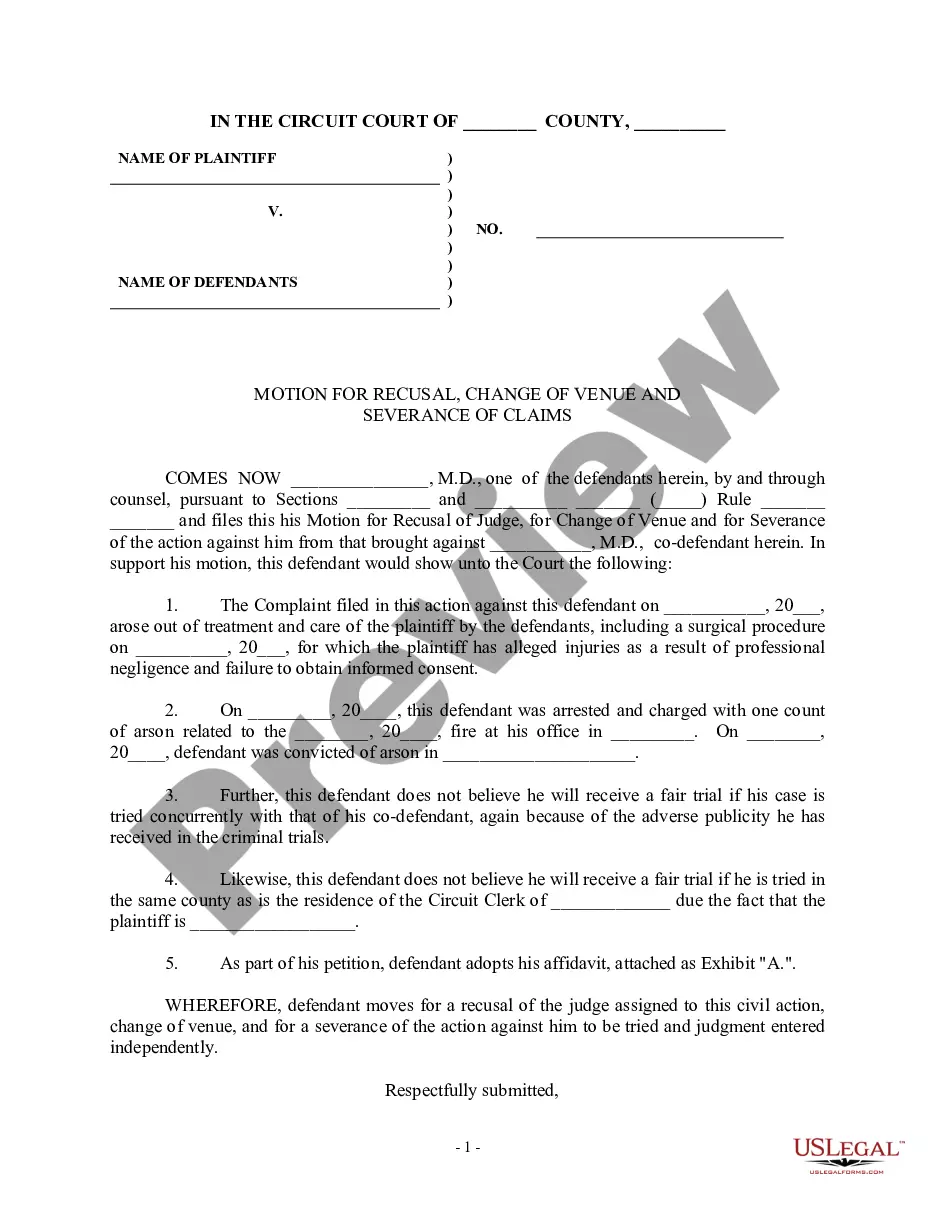
Get your form ready online
Our built-in tools help you complete, sign, share, and store your documents in one place.
Make edits, fill in missing information, and update formatting in US Legal Forms—just like you would in MS Word.
Download a copy, print it, send it by email, or mail it via USPS—whatever works best for your next step.
Sign and collect signatures with our SignNow integration. Send to multiple recipients, set reminders, and more. Go Premium to unlock E-Sign.
If this form requires notarization, complete it online through a secure video call—no need to meet a notary in person or wait for an appointment.
We protect your documents and personal data by following strict security and privacy standards.

Make edits, fill in missing information, and update formatting in US Legal Forms—just like you would in MS Word.

Download a copy, print it, send it by email, or mail it via USPS—whatever works best for your next step.

Sign and collect signatures with our SignNow integration. Send to multiple recipients, set reminders, and more. Go Premium to unlock E-Sign.

If this form requires notarization, complete it online through a secure video call—no need to meet a notary in person or wait for an appointment.

We protect your documents and personal data by following strict security and privacy standards.
Looking for another form?
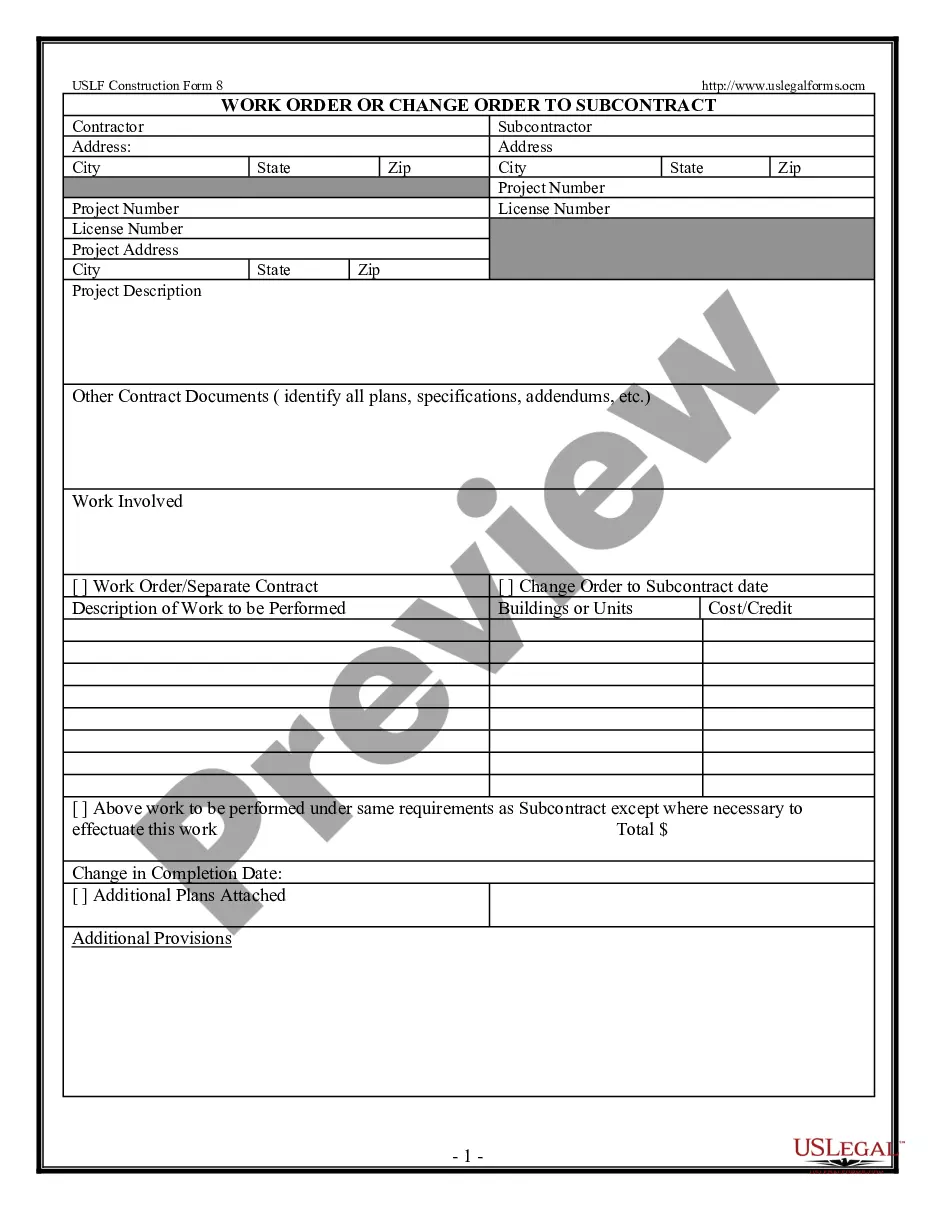
How to fill out Motion For Change Of Venue - Incorrect Court District?
Whether for professional reasons or for personal concerns, everyone must confront legal matters eventually in their life.
Completing legal paperwork requires meticulous attention, beginning with selecting the appropriate form example.
Once it is saved, you can fill out the form using editing software or print it and complete it by hand. With an extensive US Legal Forms catalog available, you don’t have to waste time searching for the right template online. Utilize the library’s straightforward navigation to find the proper template for any occasion.
- For instance, when you select an incorrect version of the Venue Civil Procedure With Orders, it will be declined upon submission.
- Thus, it is vital to possess a trustworthy source of legal documents like US Legal Forms.
- If you need to acquire a Venue Civil Procedure With Orders example, follow these straightforward steps.
- Locate the template you need by utilizing the search bar or catalog navigation.
- Review the form’s details to ensure it aligns with your circumstances, state, and county.
- Click on the form’s preview to examine it.
- If it is the incorrect document, return to the search feature to find the Venue Civil Procedure With Orders template you need.
- Obtain the template if it satisfies your requirements.
- If you have a US Legal Forms account, simply click Log in to access previously saved documents in My documents.
- In case you do not have an account yet, you can acquire the form by clicking Buy now.
- Select the appropriate pricing option.
- Complete the profile registration form.
- Choose your payment method: you can utilize a credit card or PayPal account.
- Select the document format you desire and download the Venue Civil Procedure With Orders.
Form popularity
FAQ
The purpose of rule 49 is to encourage parties to end litigation sooner than later while being cost-effective. How does it do that? Rule 49 incentivizes the parties to make reasonable offers to settle and imposes cost consequences on those who do not accept reasonable offers to settle.
01 provides (omitting references to forms and regulations): 1) The court may, on its own initiative, stay or dismiss a proceeding if the proceeding appears on its face to be frivolous or vexatious or otherwise an abuse of the process of the court.
An offer to settle usually includes a statement by the plaintiff or defendant about how they are willing to resolve the lawsuit without going to trial. An offer to settle can be made by anyone involved in a lawsuit at any time. An offer to settle can be withdrawn as long as it has not been accepted by the other side.
The Rule permits a motion only on a question of law at the very preliminary stage of a proceeding and covers a very narrow scope. The Rule asks whether (i) based entirely on the content of the pleading; (ii) there is a question of law that will dispose of the action or an issue therein.
When calculating timelines in the Rules of Civil Procedure, count the days by excluding the first day and including the last day of the period. Where a period of less than seven days is mentioned in the rules, holidays (including Saturdays and Sundays) must not be counted.