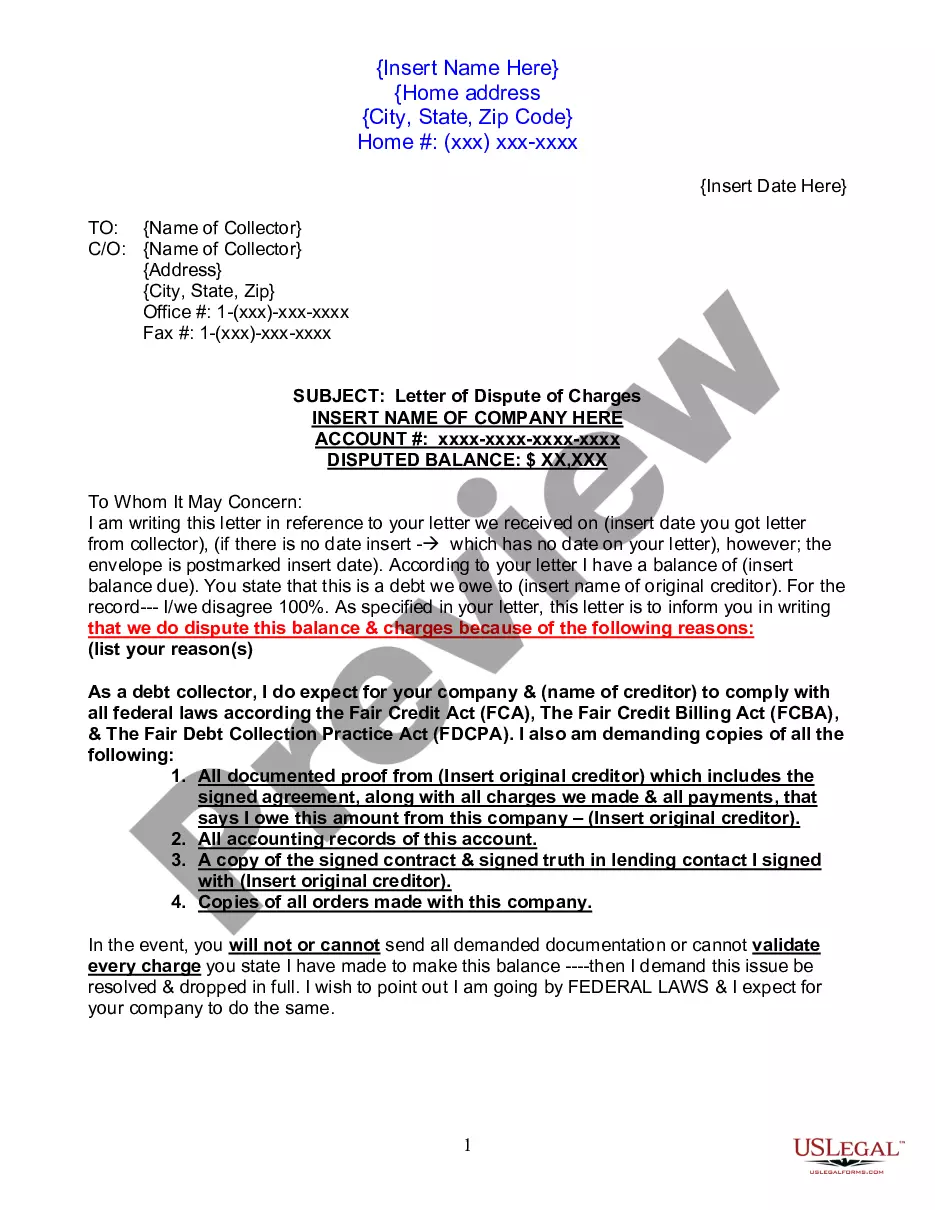
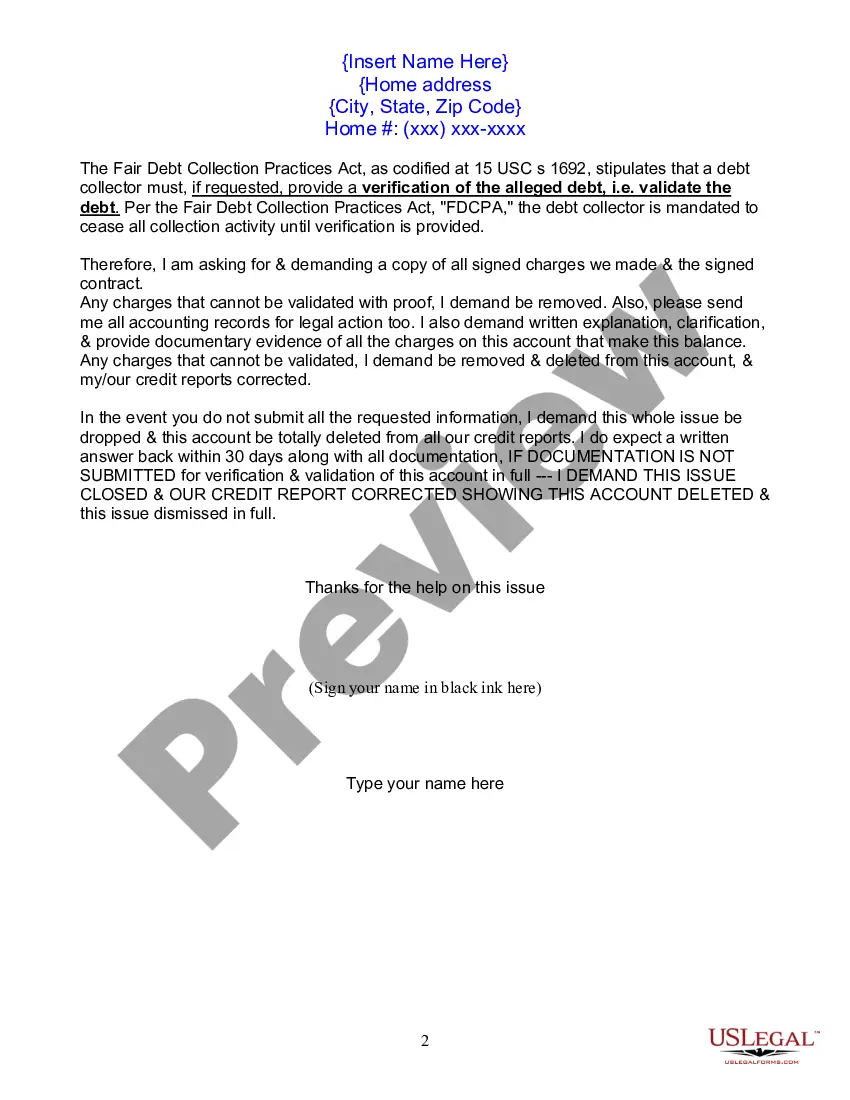
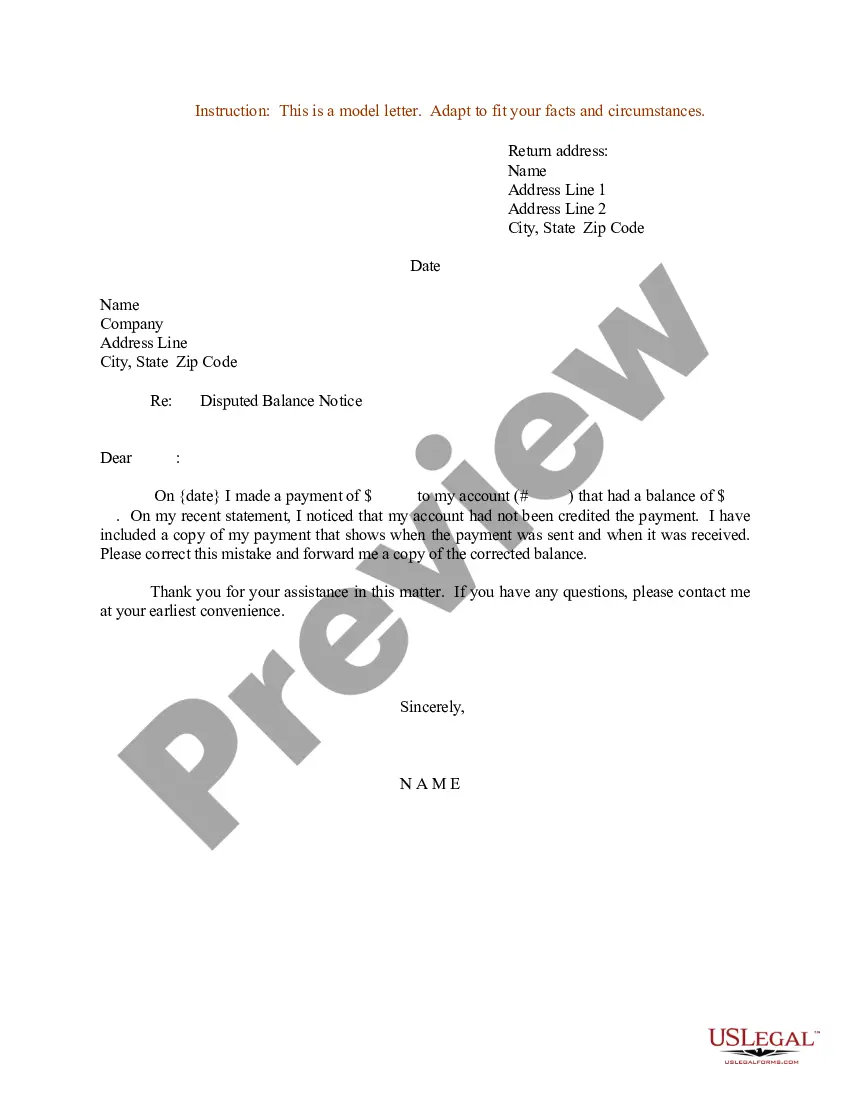
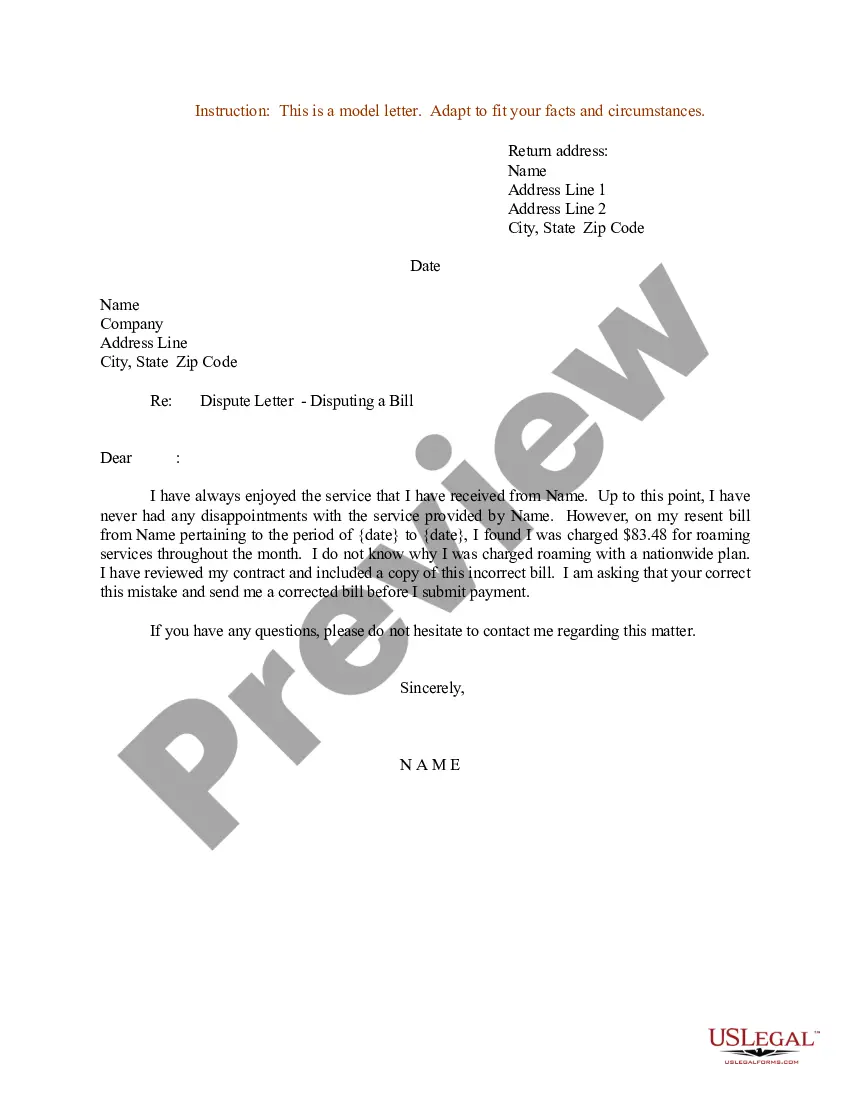
Letter Dispute Form Template For Bank
Description
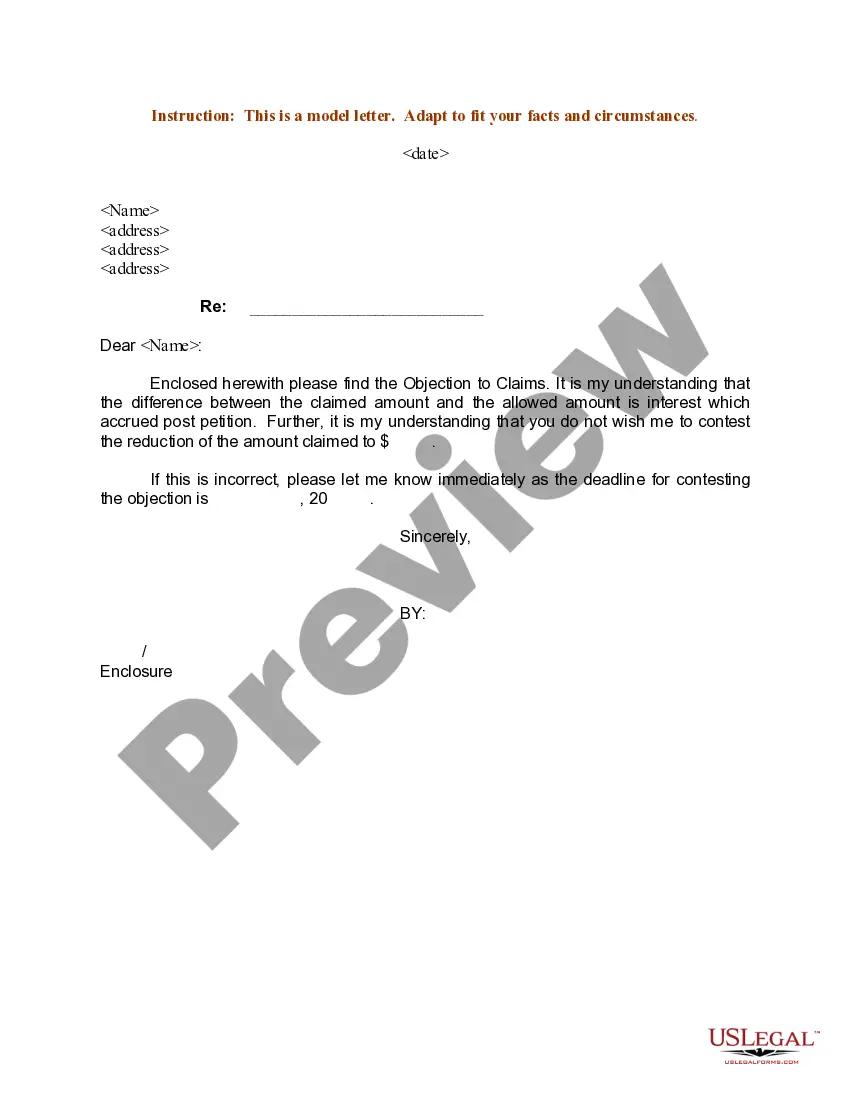
Get your form ready online
Our built-in tools help you complete, sign, share, and store your documents in one place.
Make edits, fill in missing information, and update formatting in US Legal Forms—just like you would in MS Word.
Download a copy, print it, send it by email, or mail it via USPS—whatever works best for your next step.
Sign and collect signatures with our SignNow integration. Send to multiple recipients, set reminders, and more. Go Premium to unlock E-Sign.
If this form requires notarization, complete it online through a secure video call—no need to meet a notary in person or wait for an appointment.
We protect your documents and personal data by following strict security and privacy standards.

Make edits, fill in missing information, and update formatting in US Legal Forms—just like you would in MS Word.

Download a copy, print it, send it by email, or mail it via USPS—whatever works best for your next step.

Sign and collect signatures with our SignNow integration. Send to multiple recipients, set reminders, and more. Go Premium to unlock E-Sign.

If this form requires notarization, complete it online through a secure video call—no need to meet a notary in person or wait for an appointment.

We protect your documents and personal data by following strict security and privacy standards.
Looking for another form?
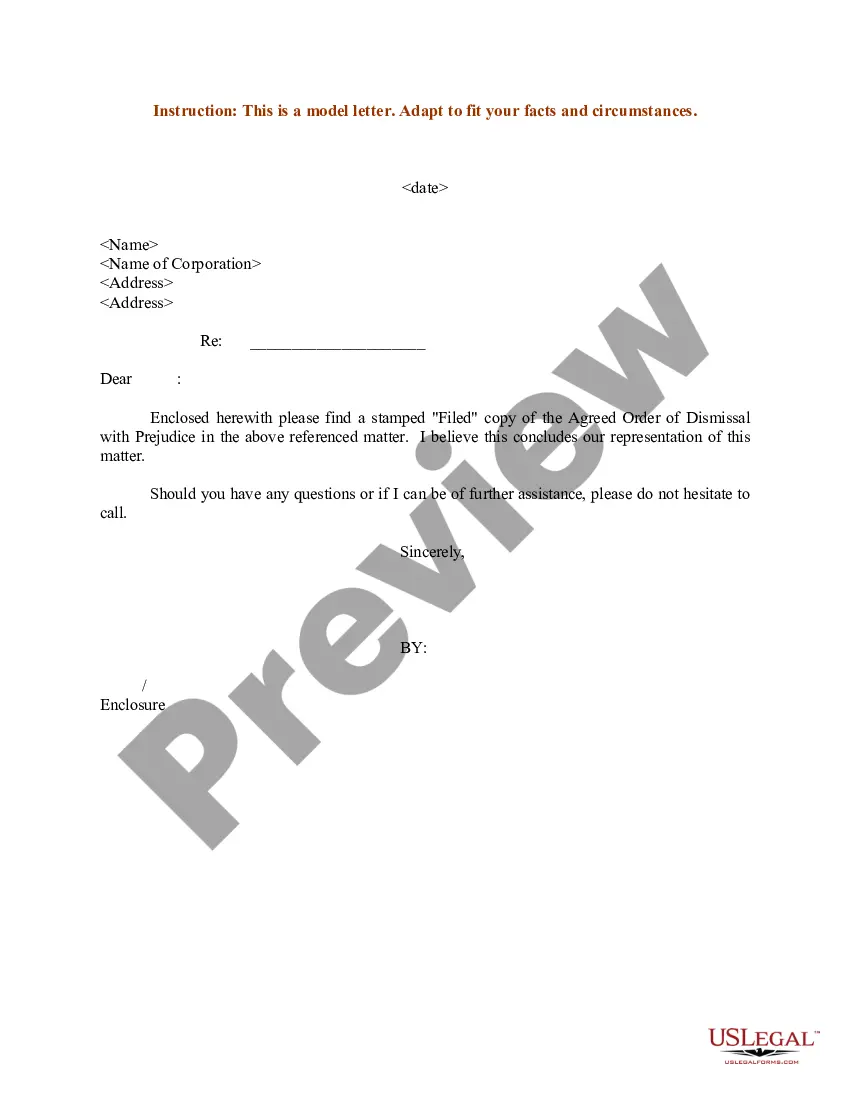
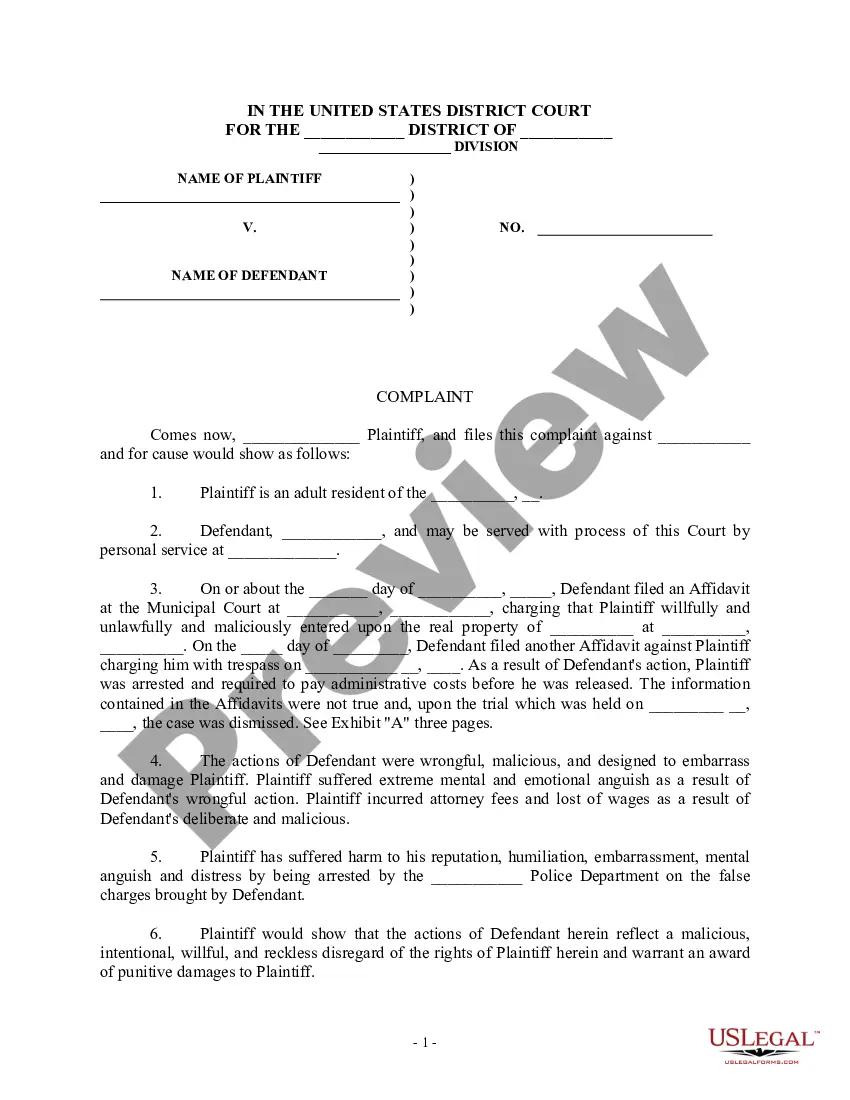
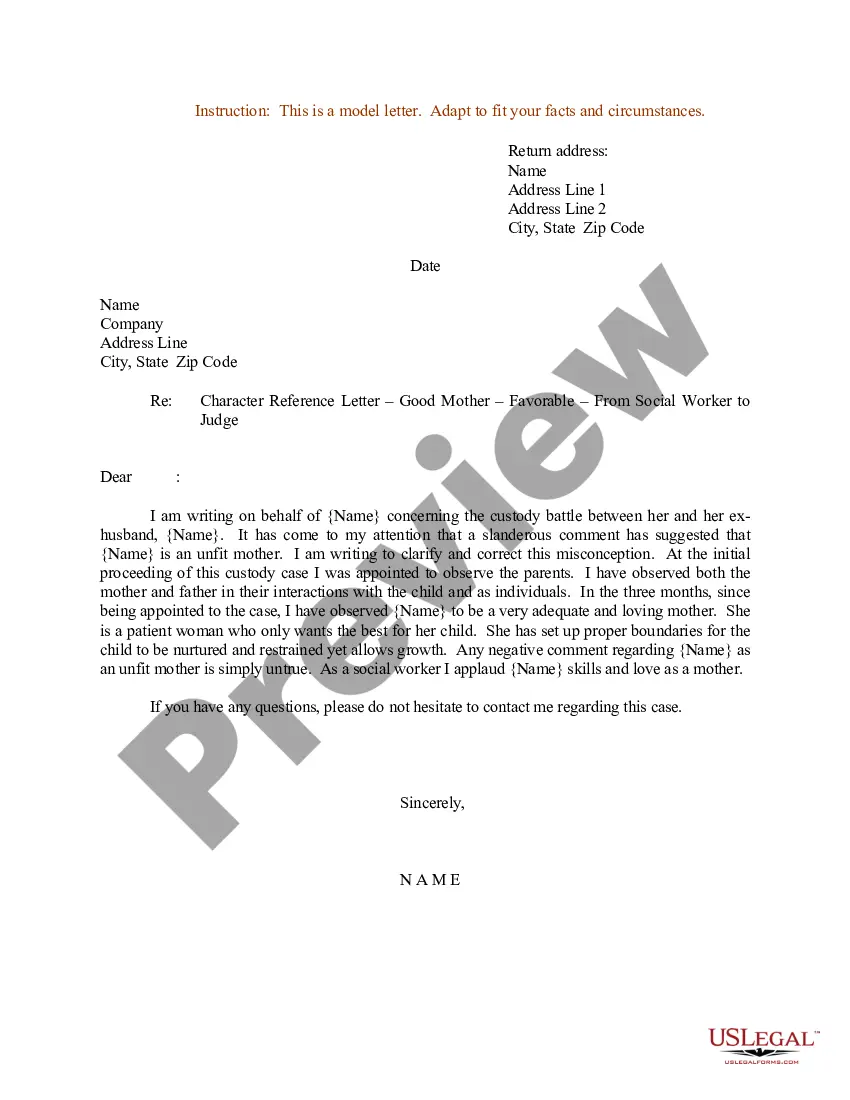
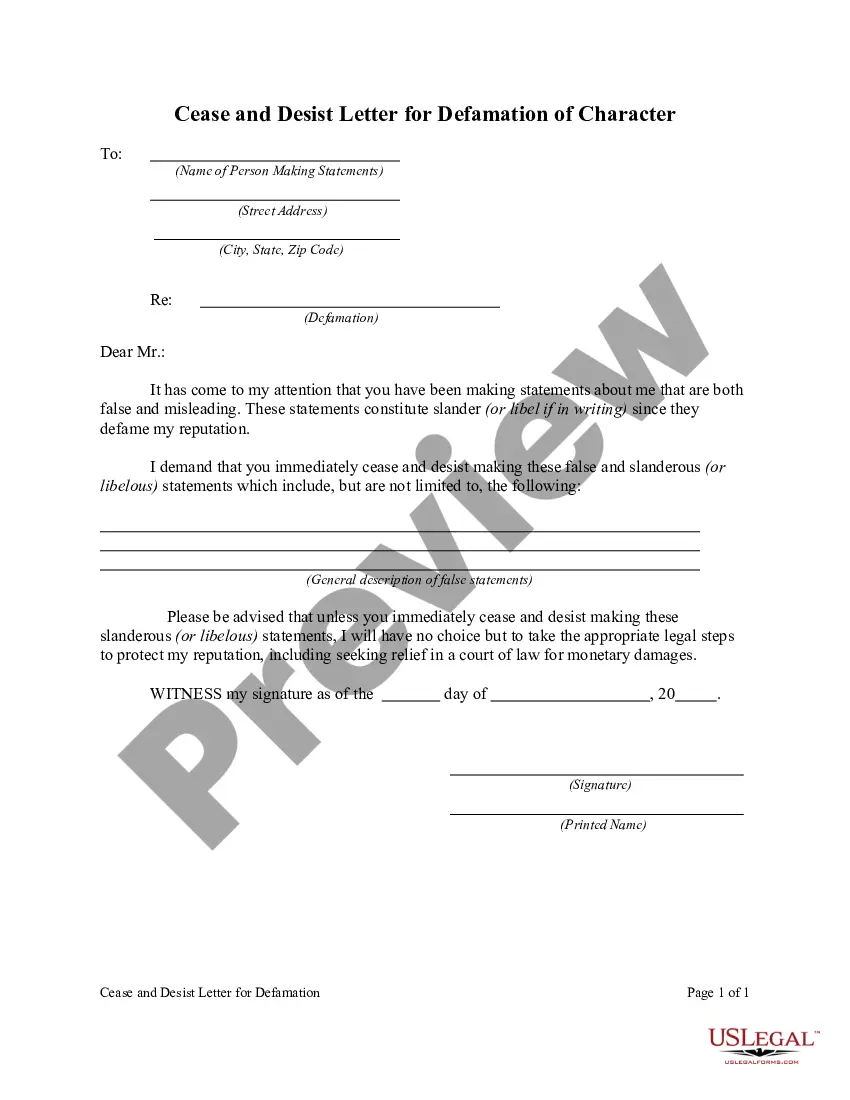
How to fill out Letter Of Dispute - Complete Balance?
It’s well-known that you cannot instantly transform into a legal expert, nor can you swiftly compose a Letter Dispute Form Template For Bank without possessing a distinct set of abilities.
Creating legal documents is a lengthy endeavor that demands particular education and expertise. Therefore, why not entrust the development of the Letter Dispute Form Template For Bank to the experts.
With US Legal Forms, which boasts one of the most comprehensive collections of legal documents, you can locate everything from court filings to templates for internal company communications.
If you need another form, restart your search.
Establish a free account and select a subscription plan to buy the form. Click Buy now. Upon completion of payment, you can access the Letter Dispute Form Template For Bank, complete it, print it, and send or mail it to the relevant individuals or organizations.
- We recognize how essential it is to comply with federal and local regulations.
- Consequently, all forms on our platform are specific to your location and current.
- Begin at our website and acquire the document you need in just minutes.
- Utilize the search bar located at the top of the page to find the document you require.
- Preview it (if available) and review the accompanying description to determine if the Letter Dispute Form Template For Bank meets your needs.
Form popularity
FAQ
Can I prepare my own deed? The Clerk's Office Land Records Department will accept a deed prepared by a property owner or an attorney, who is a member of the Virginia Bar. The document must meet all recording standards.
How can I obtain a copy of my deed, certificate of satisfaction or other recorded document? You can obtain a copy of your Deed, Certificate of Satisfaction, or any other recorded document at the Circuit Court Clerk's Office, for a fee of 50 cents per page and $2 for certification, if needed.
Typically, deeds contain the name of the current owner (the ?Grantor?), the name of the new owner (the ?Grantee?), the legal description of the real property, and the signature (notarized) of the Grantor. The deed will also describe how title is being held by the Grantee.
If you know the instrument number or deed book and page number, you may request a copy of your deed either by mail or over the telephone by calling 703-691-7320, option 3 and then option 3 again. Send your written request to: Fairfax Circuit Court 4110 Chain Bridge Road, Suite 317 Fairfax, VA 22030.
A deed is the physical legal document whereas title is the name that describes a person's legal position regarding something. Deeds are official written documents, and in most states are required to be recorded in a courthouse or assessor's office.
The deed must be signed, notarized, and recorded with the clerk's office in the county where the property is located to be legally valid. The deed recording will show up in any future title searches, allowing for traceable ownership.
Typically, deeds contain the name of the current owner (the ?Grantor?), the name of the new owner (the ?Grantee?), the legal description of the real property, and the signature (notarized) of the Grantor. The deed will also describe how title is being held by the Grantee.
A deed is a type of document used to transfer Virginia real estate. It allows one or more current owners (grantors) to transfer property to one or more new owners (grantees).