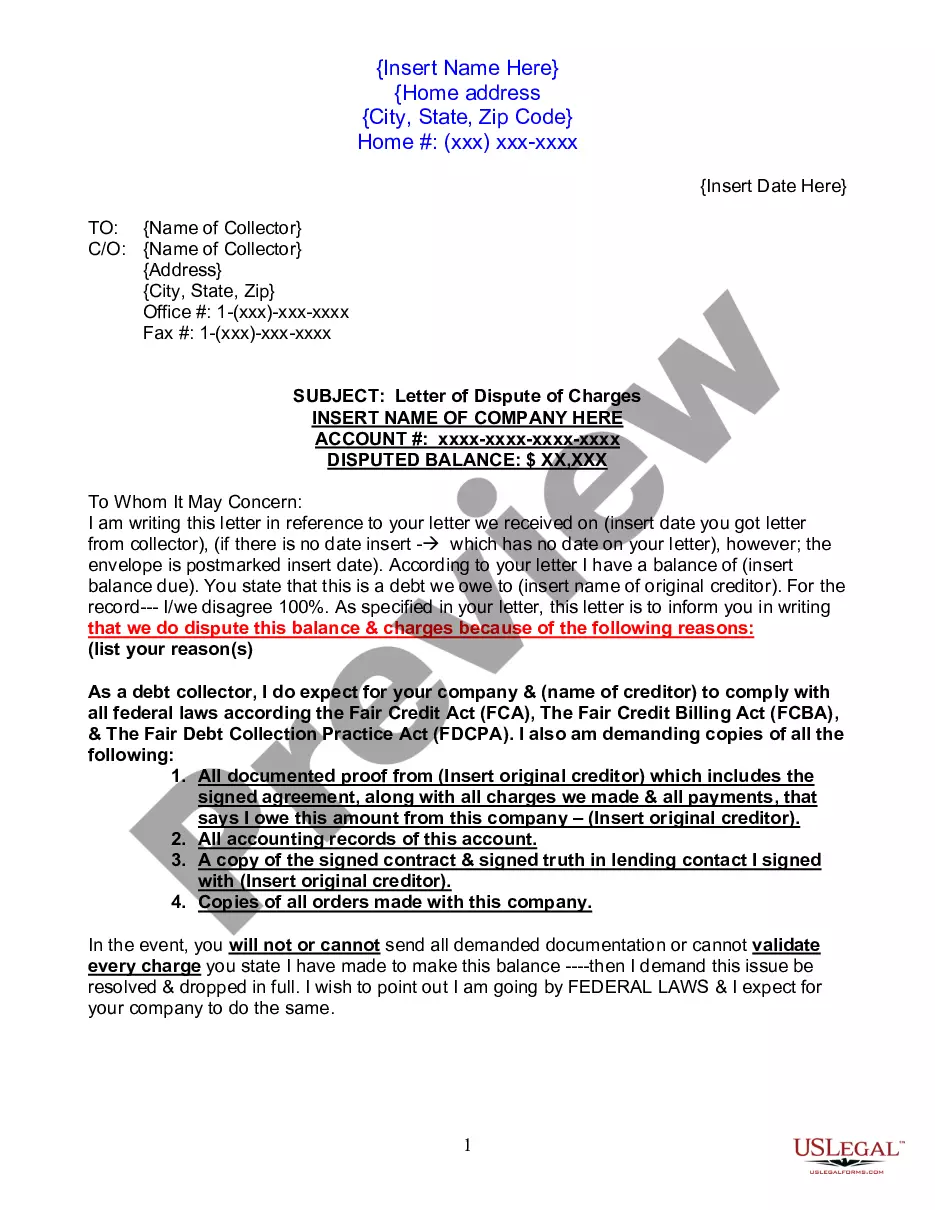
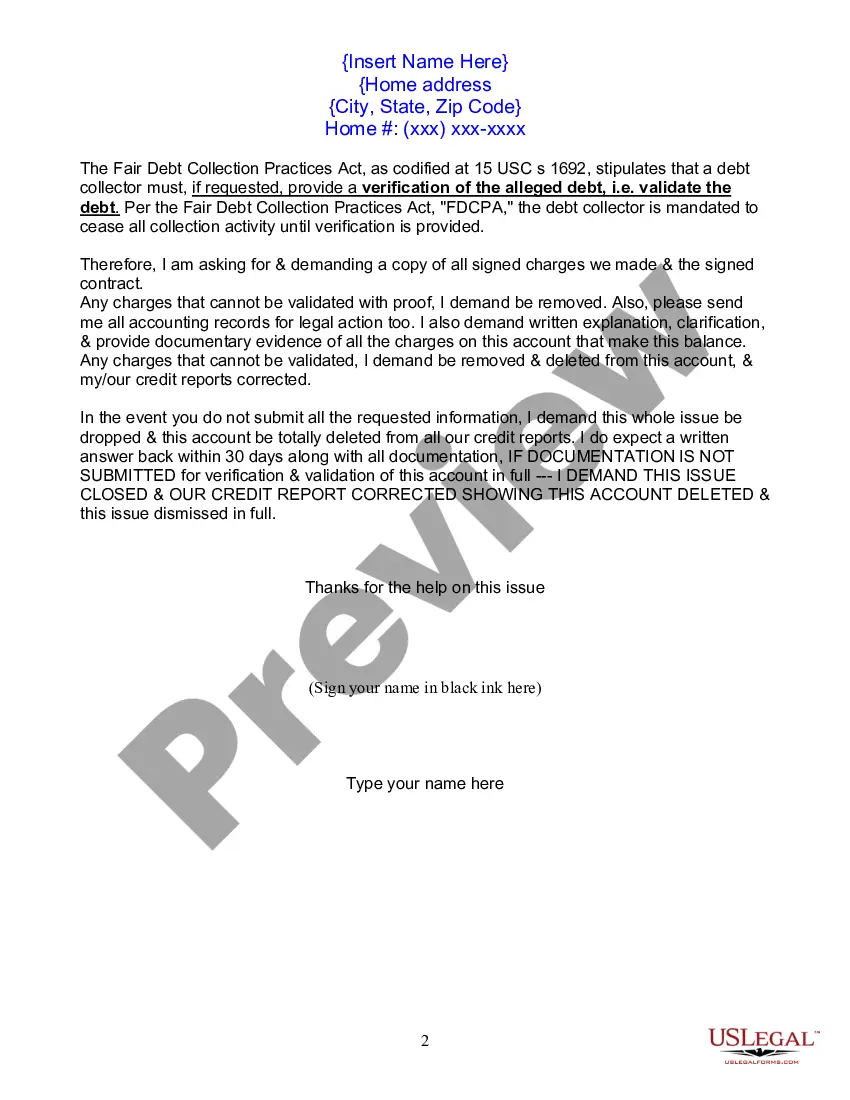
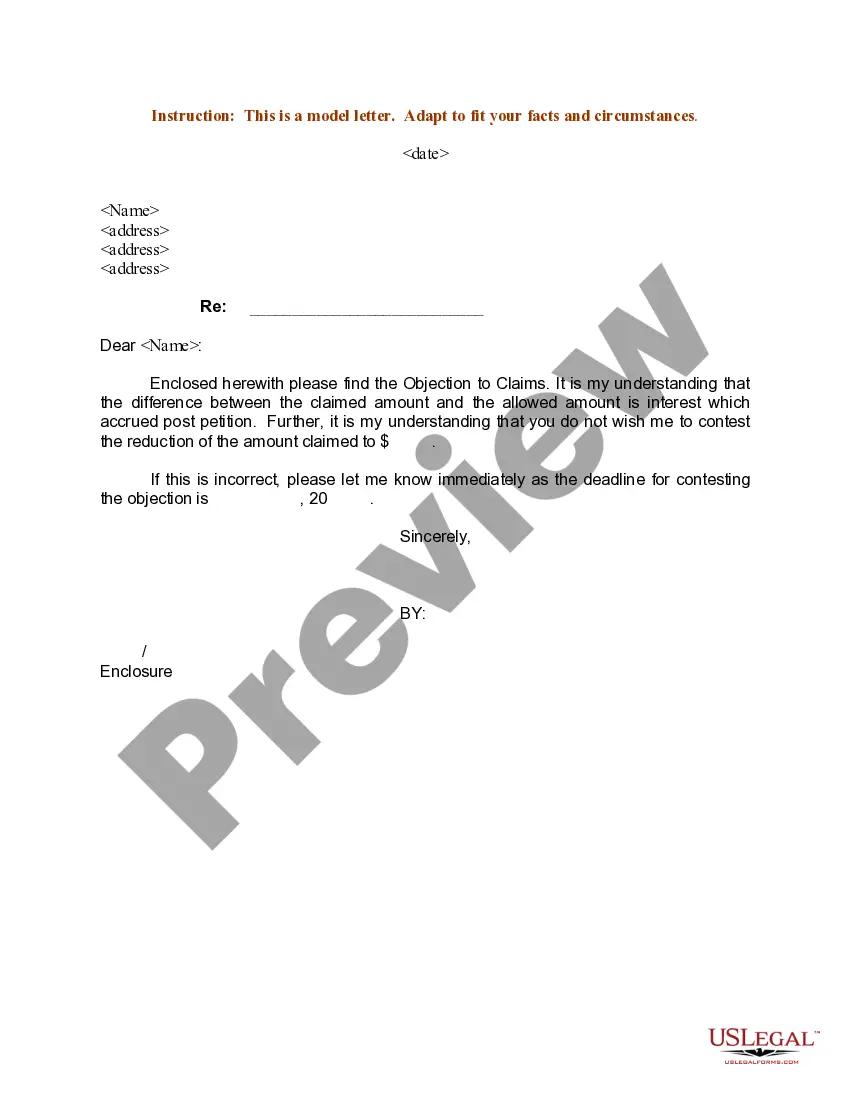
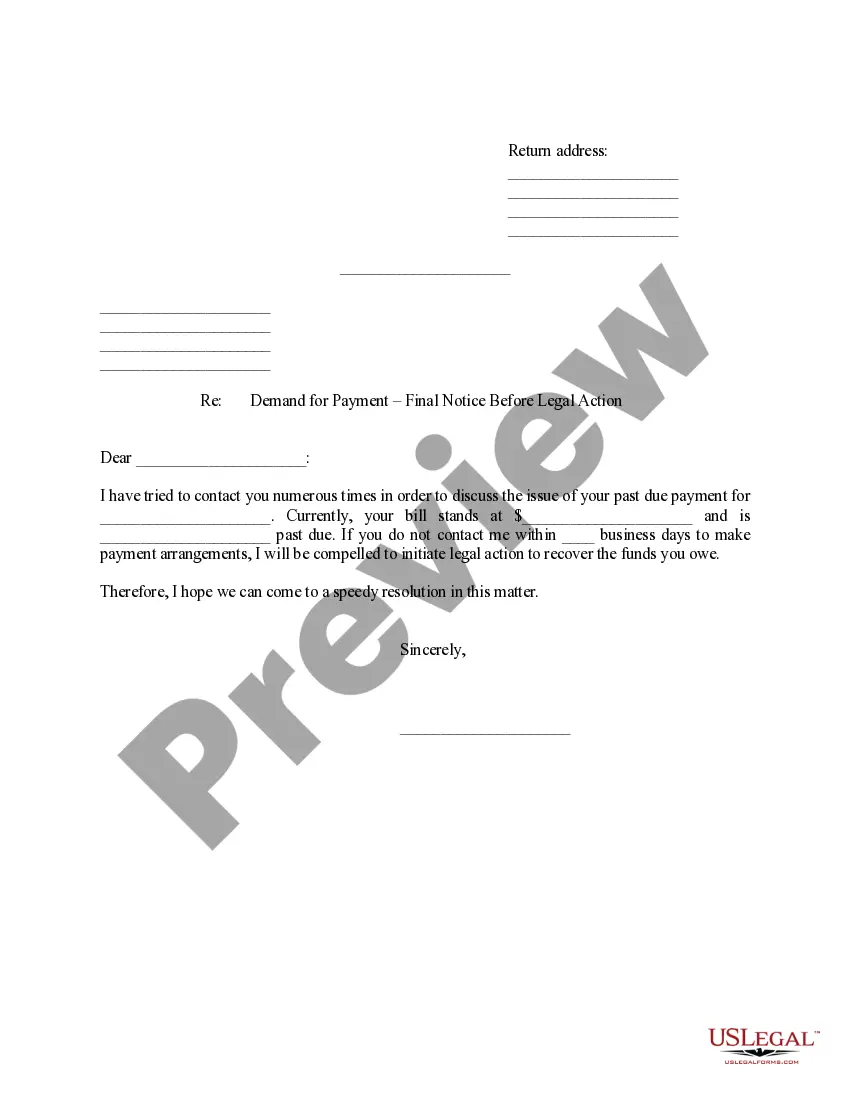
Letter Dispute Form Document For Collection Agency
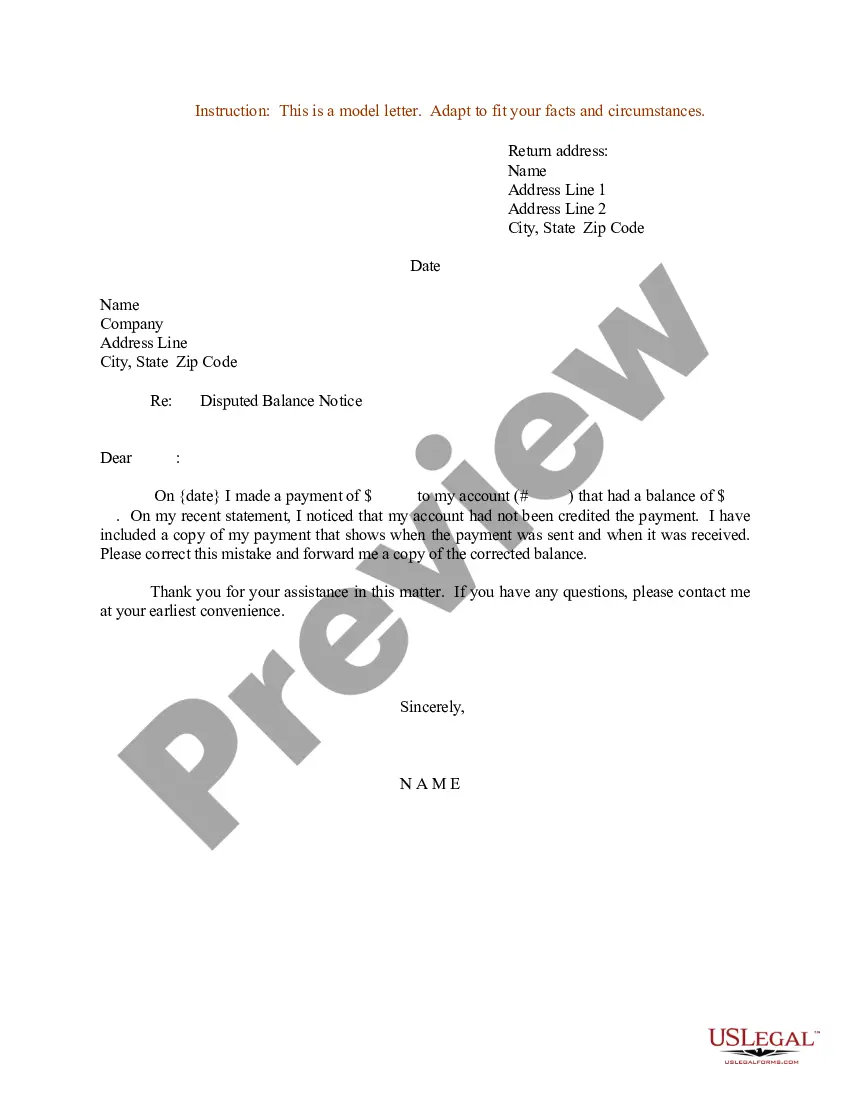
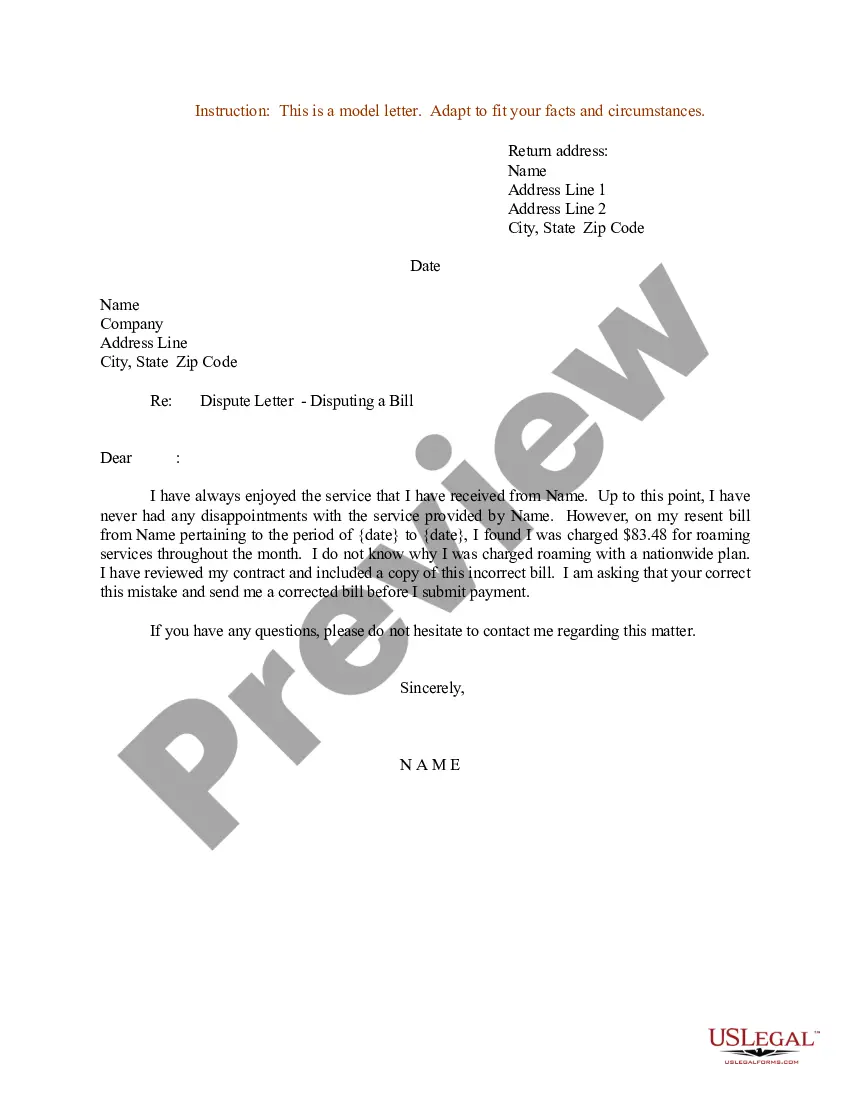
Description
Get your form ready online
Our built-in tools help you complete, sign, share, and store your documents in one place.
Make edits, fill in missing information, and update formatting in US Legal Forms—just like you would in MS Word.
Download a copy, print it, send it by email, or mail it via USPS—whatever works best for your next step.
Sign and collect signatures with our SignNow integration. Send to multiple recipients, set reminders, and more. Go Premium to unlock E-Sign.
If this form requires notarization, complete it online through a secure video call—no need to meet a notary in person or wait for an appointment.
We protect your documents and personal data by following strict security and privacy standards.

Make edits, fill in missing information, and update formatting in US Legal Forms—just like you would in MS Word.

Download a copy, print it, send it by email, or mail it via USPS—whatever works best for your next step.

Sign and collect signatures with our SignNow integration. Send to multiple recipients, set reminders, and more. Go Premium to unlock E-Sign.

If this form requires notarization, complete it online through a secure video call—no need to meet a notary in person or wait for an appointment.

We protect your documents and personal data by following strict security and privacy standards.
Looking for another form?
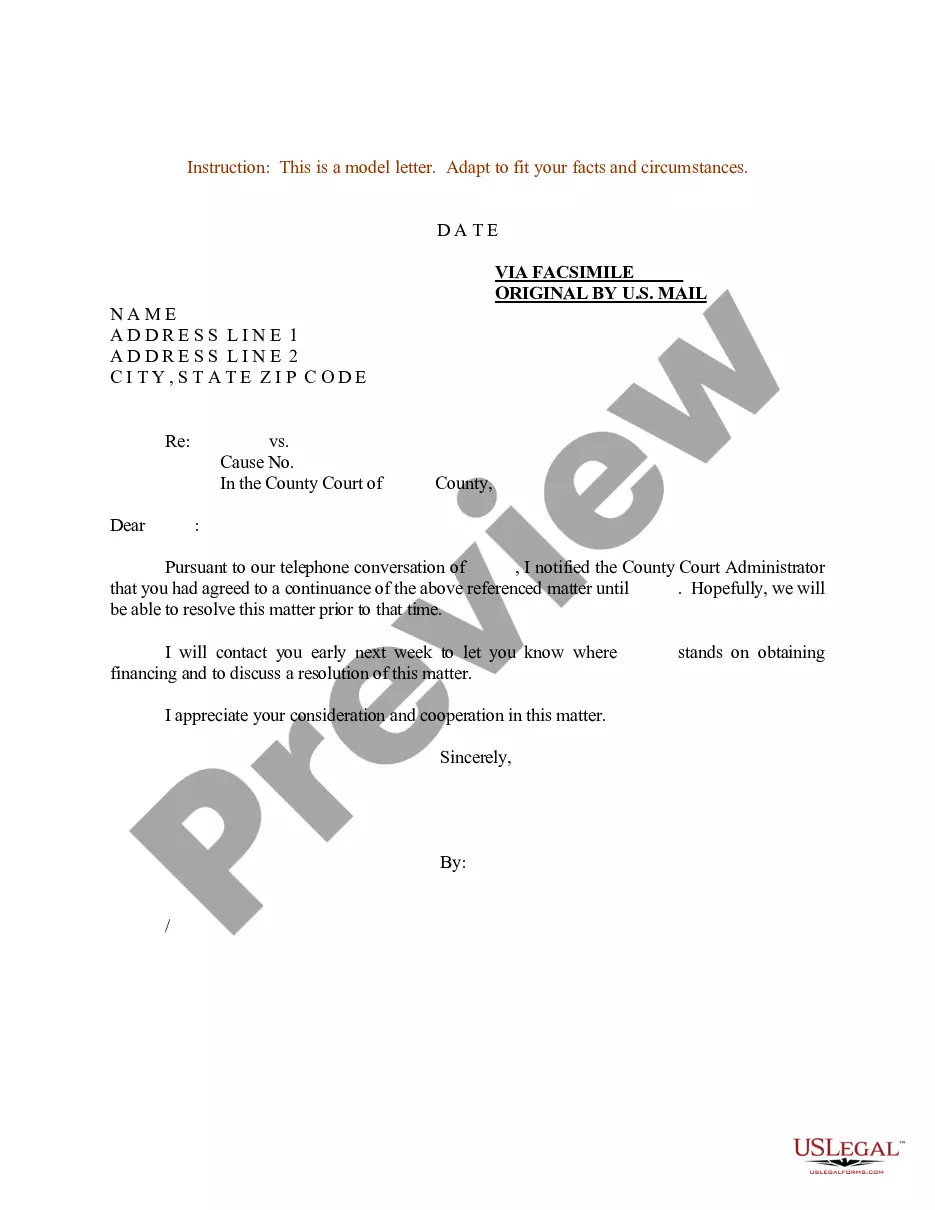
How to fill out Letter Of Dispute - Complete Balance?
Finding a reliable source for the most up-to-date and suitable legal samples is a significant part of navigating bureaucracy.
Selecting the correct legal documents requires precision and careful consideration, which is why it is crucial to obtain samples of the Letter Dispute Form Document For Collection Agency exclusively from reputable sources, such as US Legal Forms. An incorrect template can cost you time and hinder the progress of your situation. With US Legal Forms, your worries are minimized. You can access and verify all the information related to the document's application and its relevance to your case and location.
Eliminate the frustrations associated with your legal documentation. Explore the extensive US Legal Forms collection to locate legal samples, assess their suitability for your situation, and download them instantly.
- Utilize the catalog navigation or search function to find your template.
- Examine the form's description to ensure it aligns with the requirements of your state and region.
- Look at the form preview, if available, to confirm that the template is what you are looking for.
- Return to the search results and look for the appropriate document if the Letter Dispute Form Document For Collection Agency does not meet your criteria.
- Once you are confident about the form’s relevance, proceed to download it.
- If you are a registered user, click Log in to verify your identity and access your selected templates in My documents.
- If you haven't created an account yet, click Buy now to acquire the template.
- Select the pricing plan that suits your needs.
- Complete the registration process to finalize your purchase.
- Finish your purchase by selecting a payment option (credit card or PayPal).
- Choose the document format for downloading the Letter Dispute Form Document For Collection Agency.
- Once the form is on your device, you can edit it using the editor or print it to complete it manually.
Form popularity
FAQ
Idaho Due Diligence Requirements Idaho requires holders to send due diligence notifications for any property with a value of $50 or more. Holders must send due diligence letters each reporting cycle to the apparent owner at the last known address, not more than 120 days prior to the filing due date.
If property is not claimed within the ninety (90) day period, the property shall be deemed abandoned and the agency shall have the right to dispose of the property. A reasonable storage fee as determined by the agency may be assessed at the time an owner claims the property.
DUE DILIGENCE In general, states require a notice to be sent to the last known address of the owner of the funds as indicated in the holder's records. The purpose of the requirement is to give the owner one last opportunity to claim their funds or reactivate their account before it is turned over to the state.
It's Time to Report Unclaimed Property This is easy to do online at yourmoney.idaho.gov. Idaho Law (Title 14, chapter 5) requires this remittance annually. If you have questions please contact our Business Specialist, Britiany Anderson, at (208) 334-3200 or email her at Britiany.Anderson@sto.idaho.gov.
Idaho Statutes. 14-517. Report of abandoned property. (1) A person holding property tangible or intangible, presumed abandoned and subject to custody as unclaimed property under this chapter, shall report to the administrator concerning the property as provided in this section.
Answer. Escheatment is the process of identifying customer's deposit (checking, savings, etc.) and time deposit (CD) accounts that are considered abandoned and remitting the funds to the appropriate state if the customer cannot be contacted to re-activate the account.
Idaho Statutes. 14-517. Report of abandoned property. (1) A person holding property tangible or intangible, presumed abandoned and subject to custody as unclaimed property under this chapter, shall report to the administrator concerning the property as provided in this section.