Wrongful Single Actions Order With A Warrant
Description
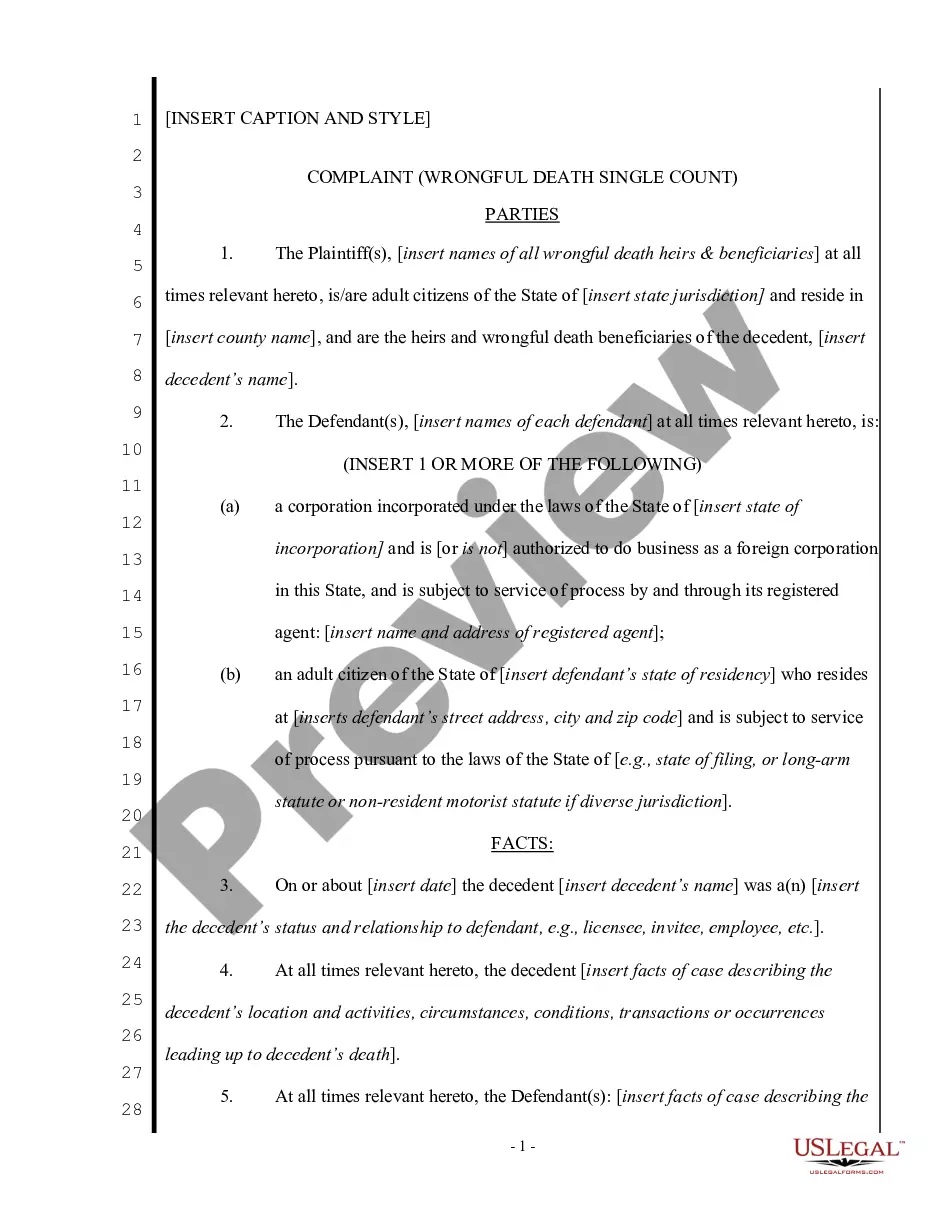
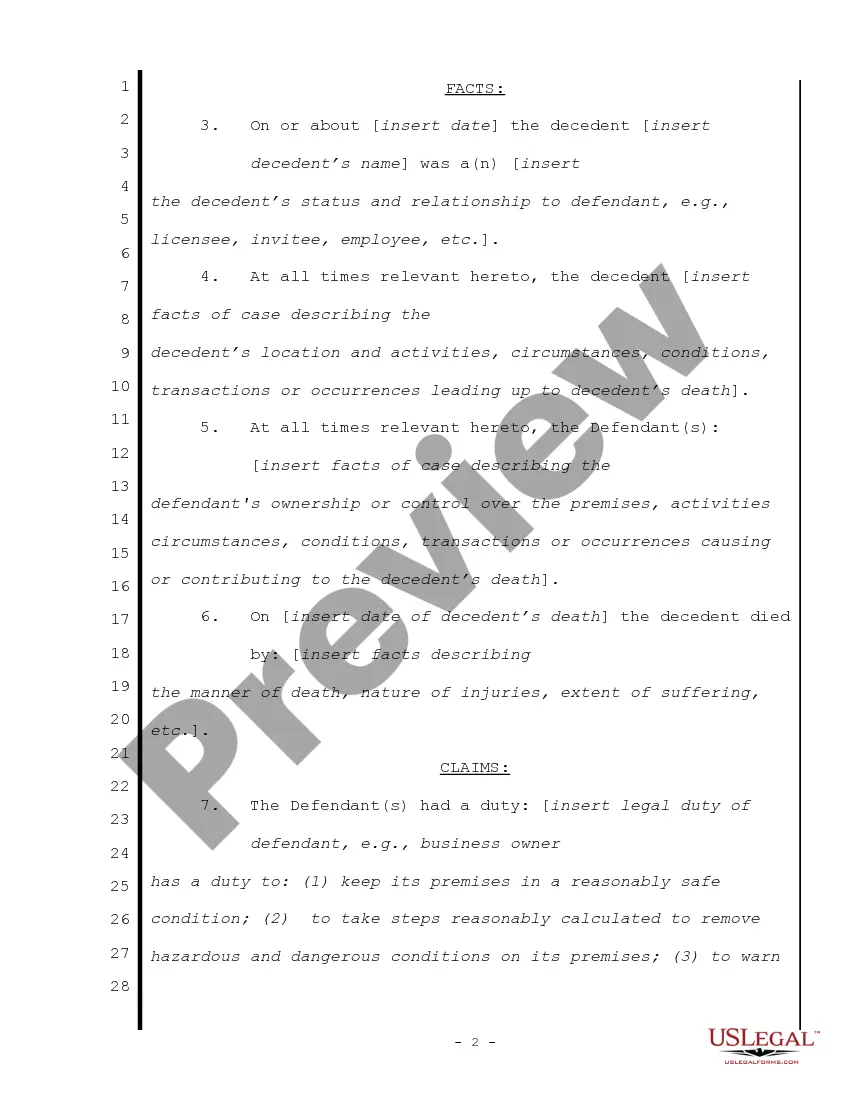
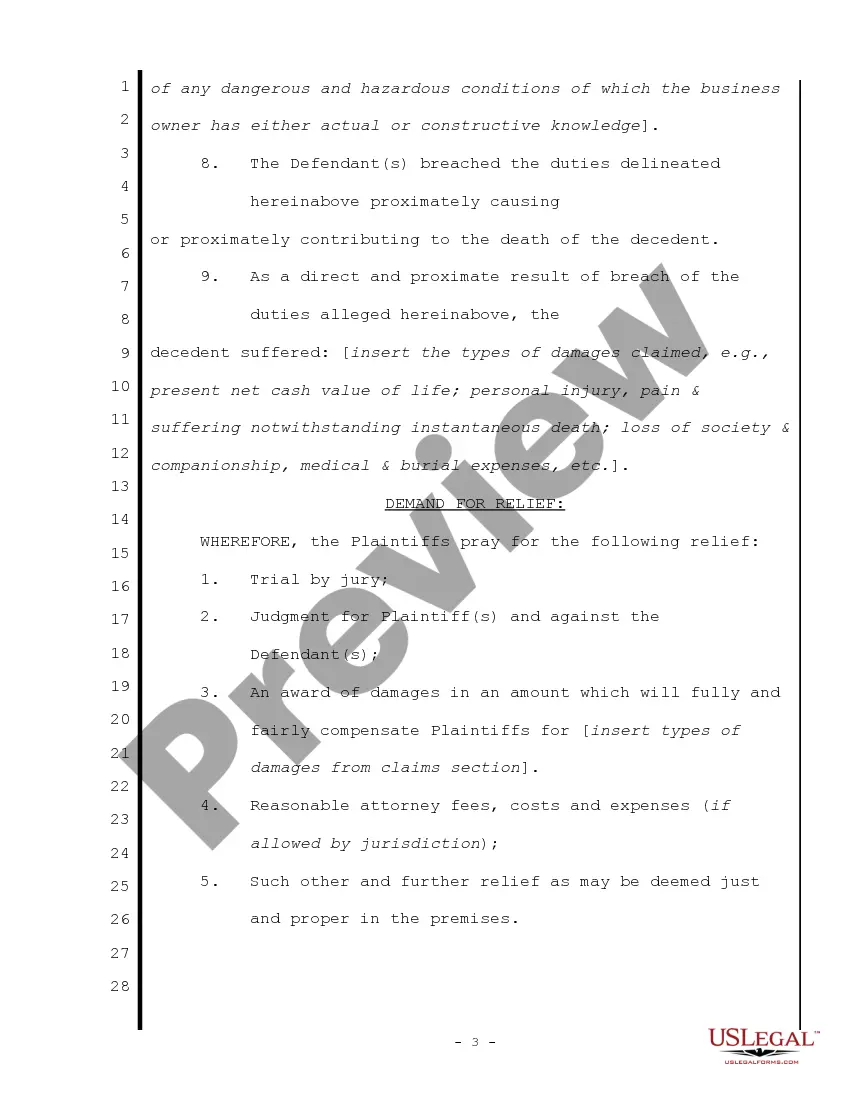
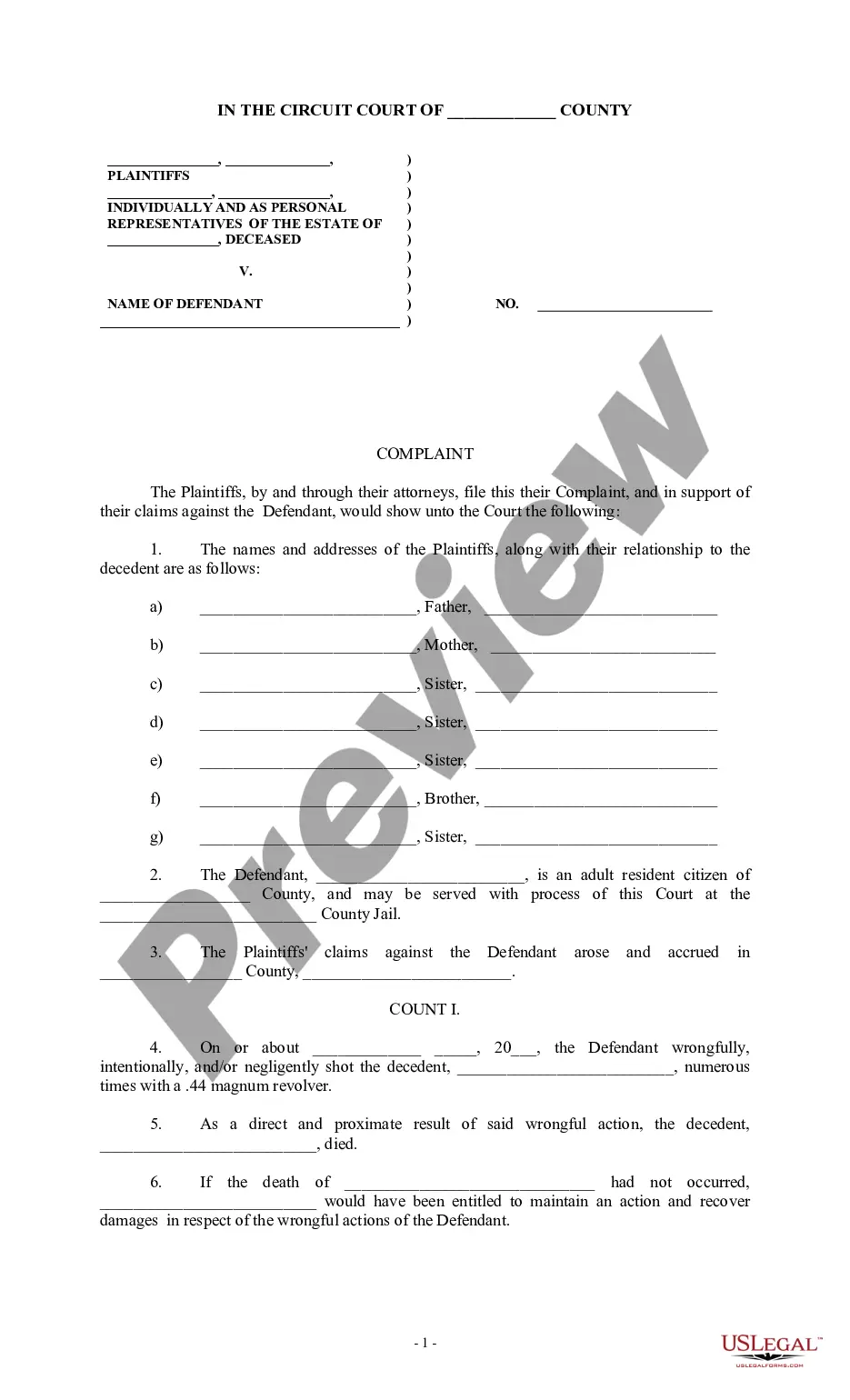
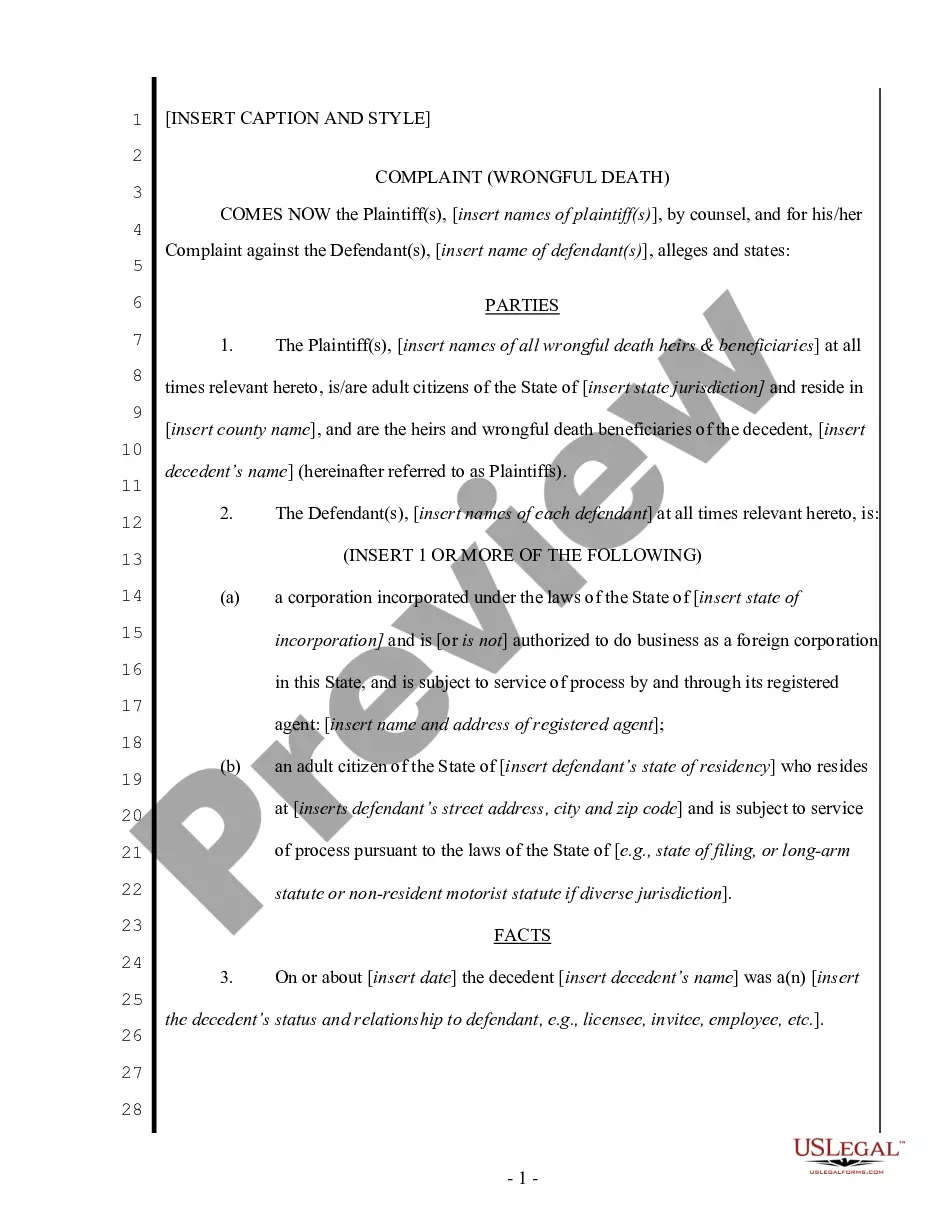

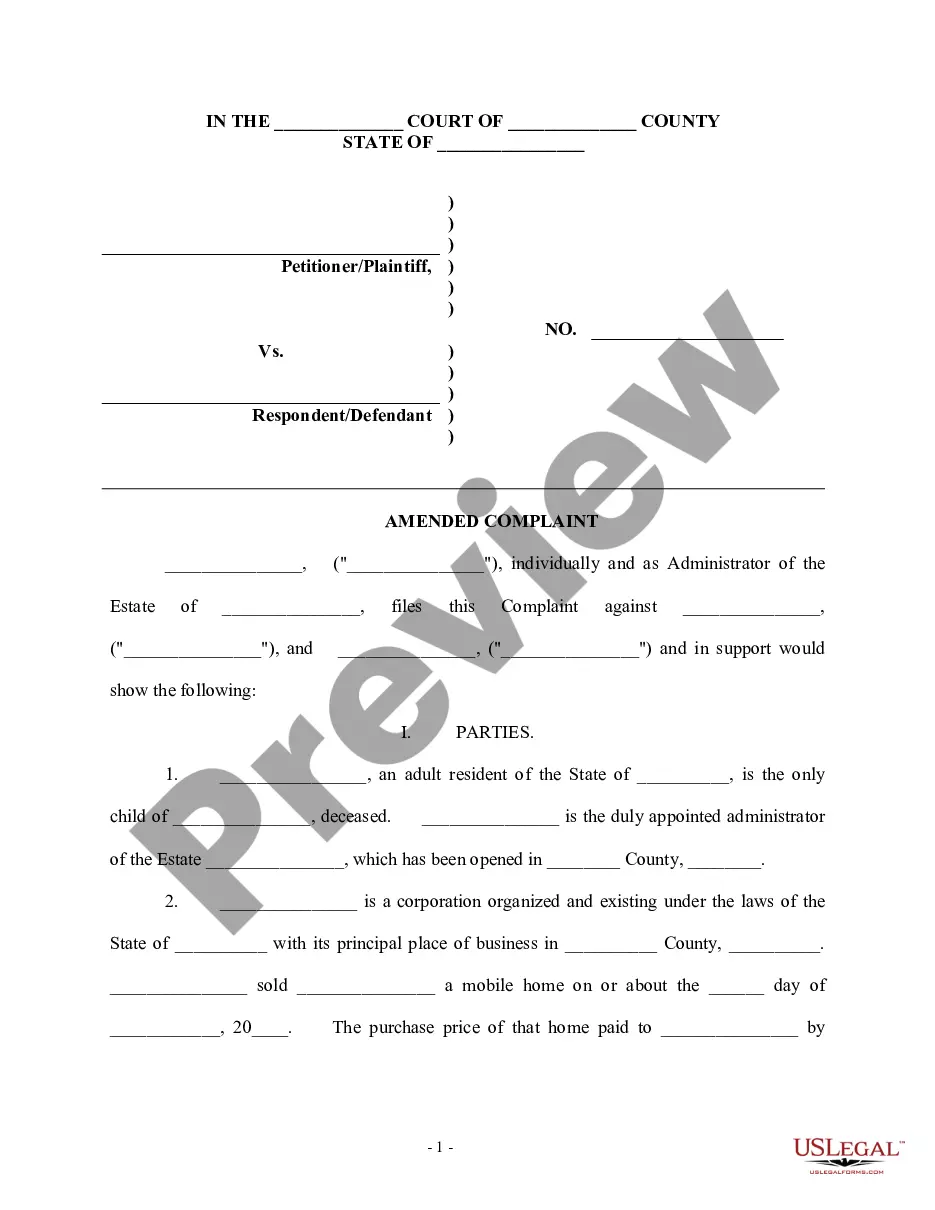
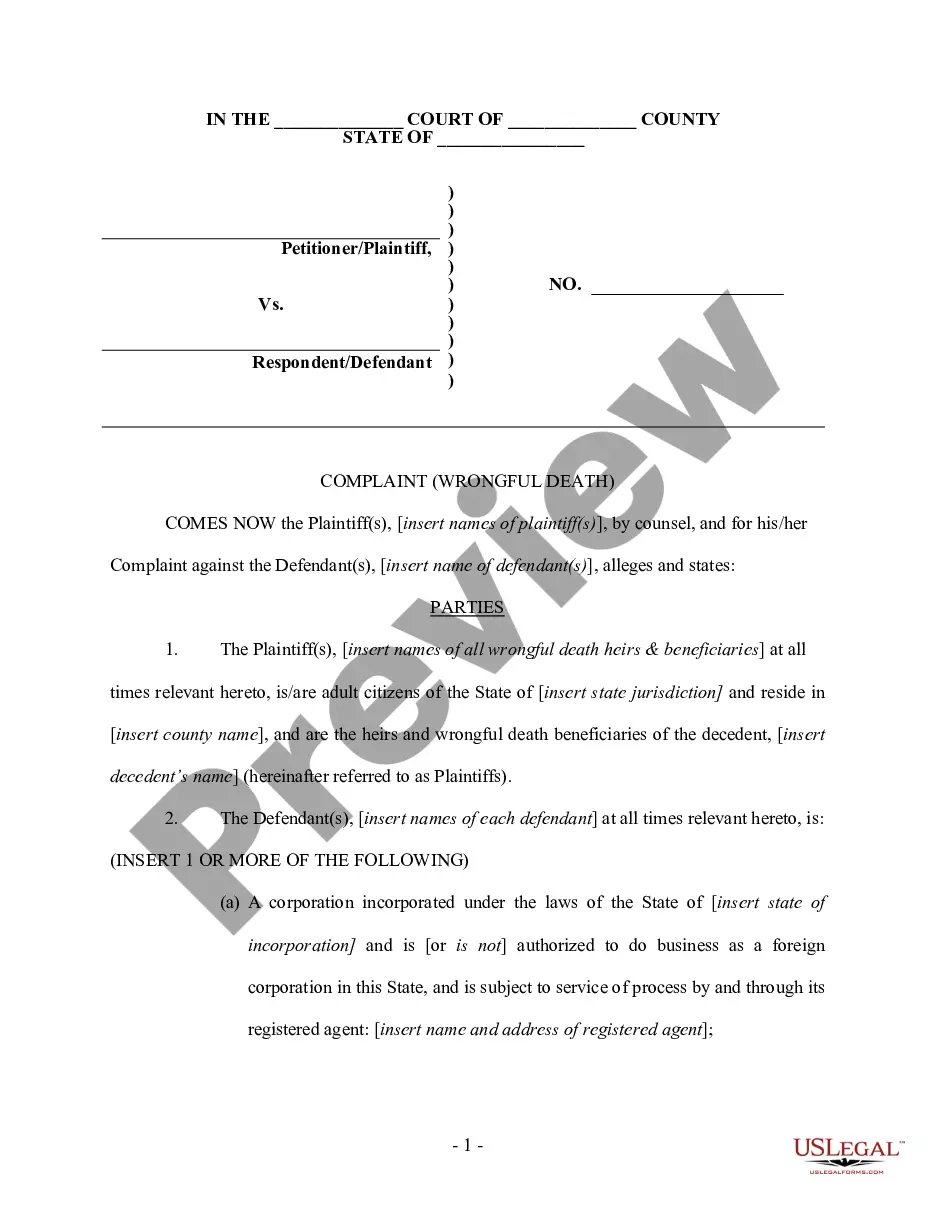
Get your form ready online
Our built-in tools help you complete, sign, share, and store your documents in one place.
Make edits, fill in missing information, and update formatting in US Legal Forms—just like you would in MS Word.
Download a copy, print it, send it by email, or mail it via USPS—whatever works best for your next step.
Sign and collect signatures with our SignNow integration. Send to multiple recipients, set reminders, and more. Go Premium to unlock E-Sign.
If this form requires notarization, complete it online through a secure video call—no need to meet a notary in person or wait for an appointment.
We protect your documents and personal data by following strict security and privacy standards.

Make edits, fill in missing information, and update formatting in US Legal Forms—just like you would in MS Word.

Download a copy, print it, send it by email, or mail it via USPS—whatever works best for your next step.

Sign and collect signatures with our SignNow integration. Send to multiple recipients, set reminders, and more. Go Premium to unlock E-Sign.

If this form requires notarization, complete it online through a secure video call—no need to meet a notary in person or wait for an appointment.

We protect your documents and personal data by following strict security and privacy standards.
Looking for another form?


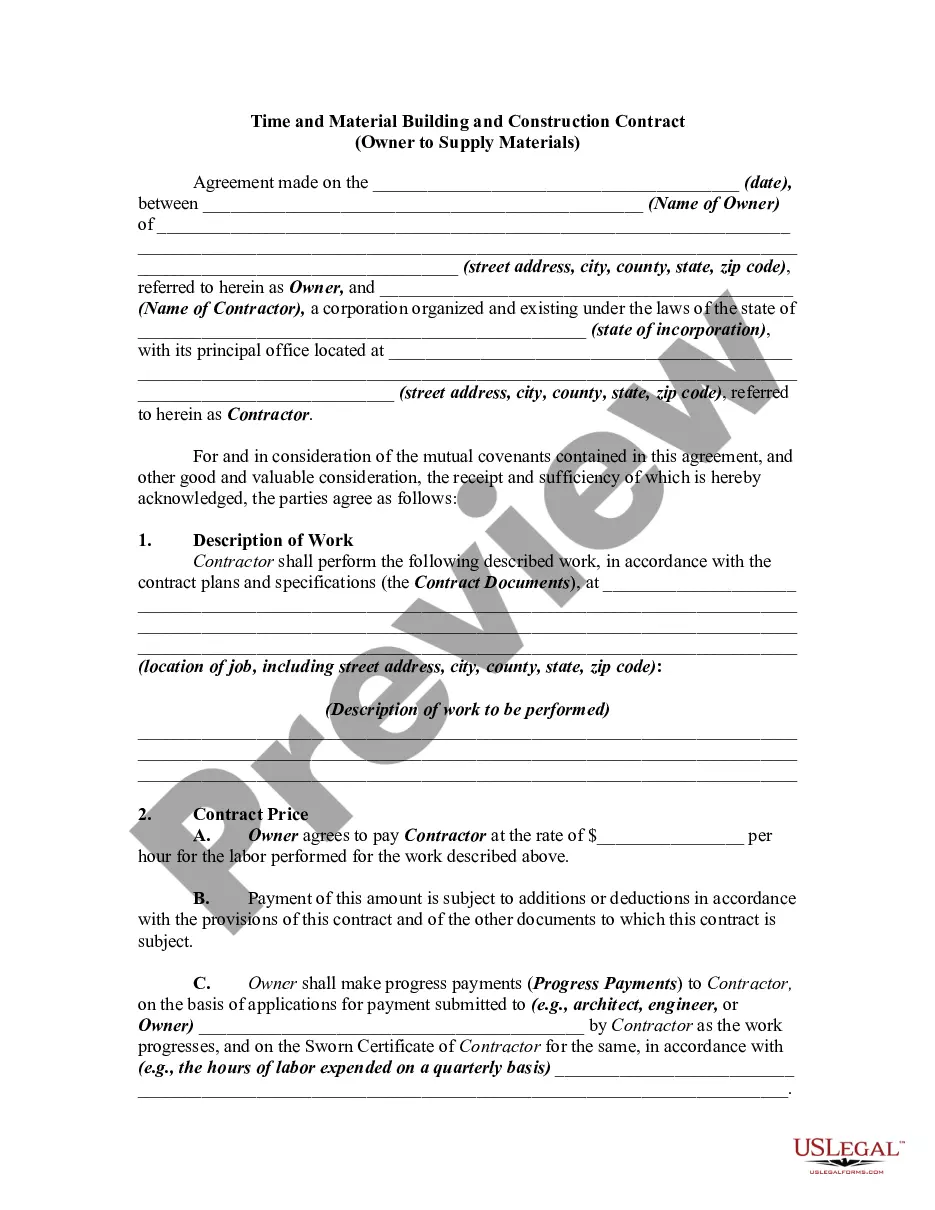
How to fill out Complaint For Wrongful Death - Single Count?
- If you're an existing user, log into your account and check for your required form template. Ensure your subscription is active, and renew it if needed.
- For first-time users, start by reviewing the Preview mode and description of the form. Make sure it aligns with your needs and complies with local regulations.
- If necessary, utilize the Search tab to find alternate templates that better suit your requirements.
- Proceed to purchase the document by selecting the Buy Now button. Opt for a subscription plan that meets your needs, creating an account if you haven't already.
- Finalize your purchase by inputting your payment information—credit card or PayPal will work.
- Download your completed form onto your device, where it can be easily accessed at any time through the My Forms section.
Using US Legal Forms streamlines the legal documentation process, ensuring you have the right resources at your fingertips.
Don't hesitate—simplify your legal journey today by accessing US Legal Forms and ensure your documents are completed accurately.
Form popularity
FAQ
The time it takes to quash a warrant can vary depending on several factors, including the court's schedule and the specifics of your case. Generally, the process may take a few weeks to several months. Engaging with an experienced attorney can expedite the process of addressing a wrongful single actions order with a warrant. They will assist in preparing necessary paperwork and advocating on your behalf in court.
If you have a warrant, the best course of action is to consult a lawyer immediately. They can help guide you through the options available to address the wrongful single actions order with a warrant. Taking proactive steps, like discussing the situation with law enforcement, may lead to a more favorable outcome. Your lawyer can also help you navigate any legal consequences and develop an appropriate response.
A Rule 9 warrant refers to a specific type of arrest warrant that may be issued under certain legal guidelines. This type of warrant can often relate to violations or failures to comply with court orders. Understanding how a wrongful single actions order with a warrant applies to your situation is essential, as it may influence how you address the warrant. Consulting with an attorney can clarify how this rule impacts your case.
To get a warrant lifted, you can begin by seeking legal advice. A qualified attorney can review your case to determine the best strategy. Often, this involves filing a motion to quash the warrant based on the grounds of a wrongful single actions order with a warrant. Additionally, you may need to appear in court to resolve the issue and demonstrate your compliance with the law.
Having a warrant issued against you does not automatically indicate that you have a criminal record. A warrant is a legal document that authorizes law enforcement to act, often pending further legal procedures. However, navigating these situations can be complex, particularly when wrongful single actions orders with a warrant are involved. Seeking guidance from platforms like USLegalForms can help clarify your rights and options.
A Rule 41 warrant is a legal order that permits law enforcement to search and seize property during criminal investigations. It outlines the procedures for obtaining a warrant, ensuring the rights of individuals are protected. If you face issues related to wrongful single actions orders with a warrant, it is vital to understand how Rule 41 may apply to your circumstances.
Federal Rule of Evidence 9 pertains to the admissibility of evidence and the requirements for presenting certain types of claims. It indicates that claims involving fraud must be stated with particularity. Understanding this rule is essential, especially when navigating situations involving wrongful single actions orders with a warrant, as it can influence the outcome of a case.
Rule 9 pleading is a procedural rule that demands heightened specificity in certain claims, especially when fraud or mistake is involved. It requires the party asserting these claims to state facts with particular clarity. By ensuring detailed pleadings, courts can better assess cases related to wrongful single actions orders with a warrant efficiently.
Rule 9 in criminal procedure refers to how charges are set forth against a defendant. It provides that certain offenses must be charged by an indictment, specifically those punishable by death or imprisonment for more than one year. This rule aims to ensure transparency in legal proceedings, which is crucial when dealing with matters such as wrongful single actions orders with a warrant.
A good sentence for a warrant often starts with a clear assertion, such as, 'I request a warrant for the search of location, based on the evidence presented in my affidavit.' This sentence should convey the need for judicial approval and specify the facts supporting the request. US Legal Forms can provide you with examples to enhance your understanding of effective language for warrants.