Wrongful Count Civil For The Years
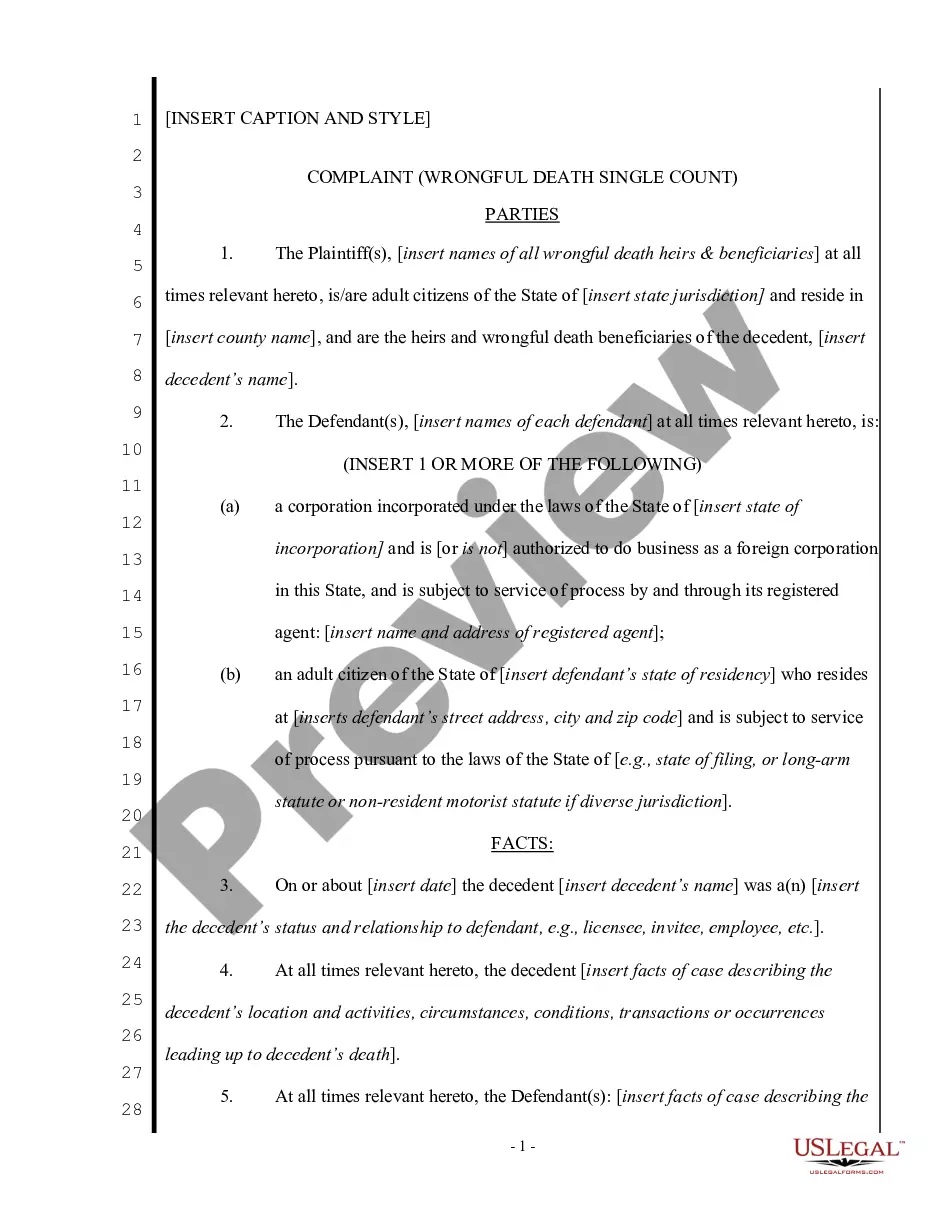
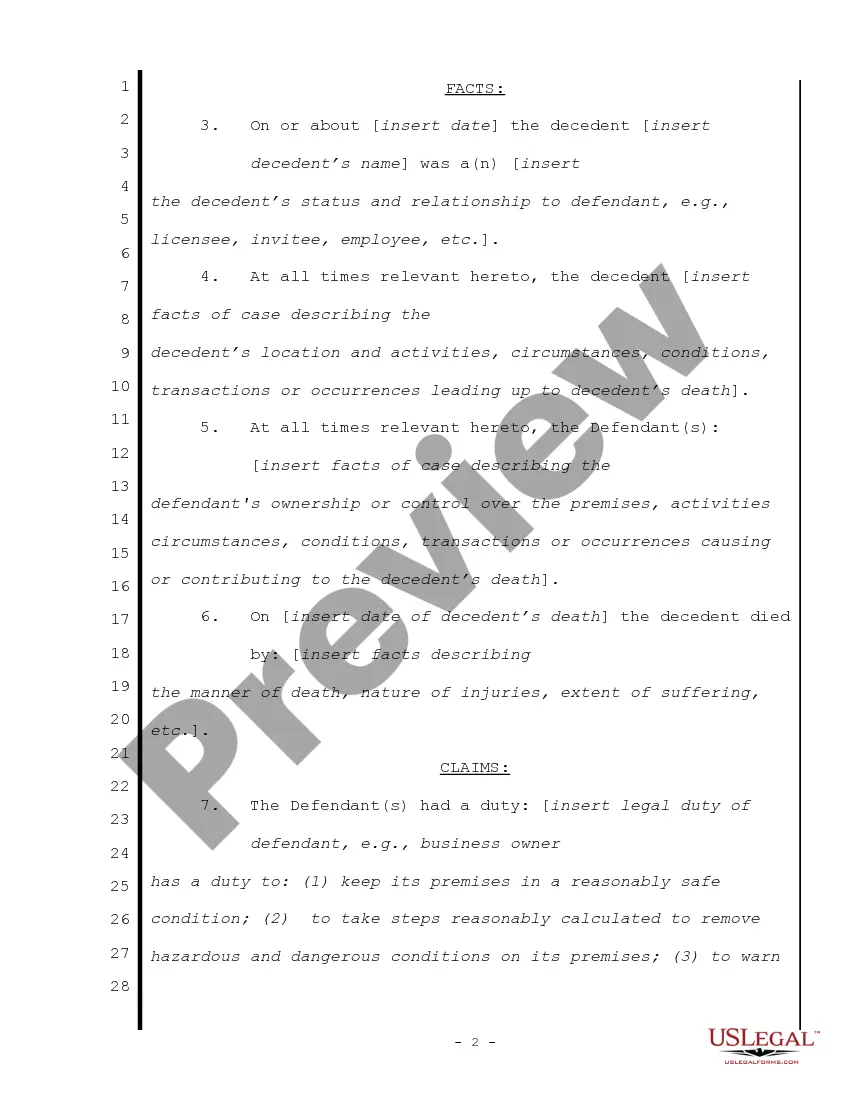
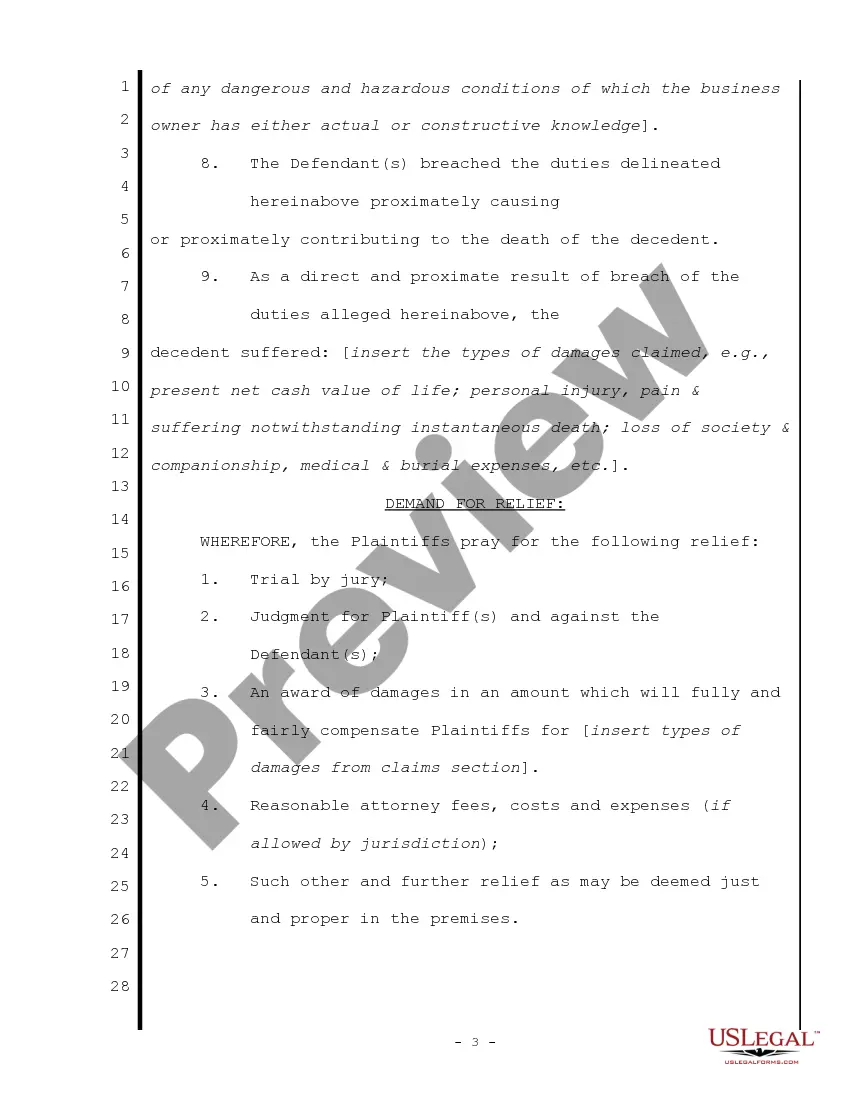
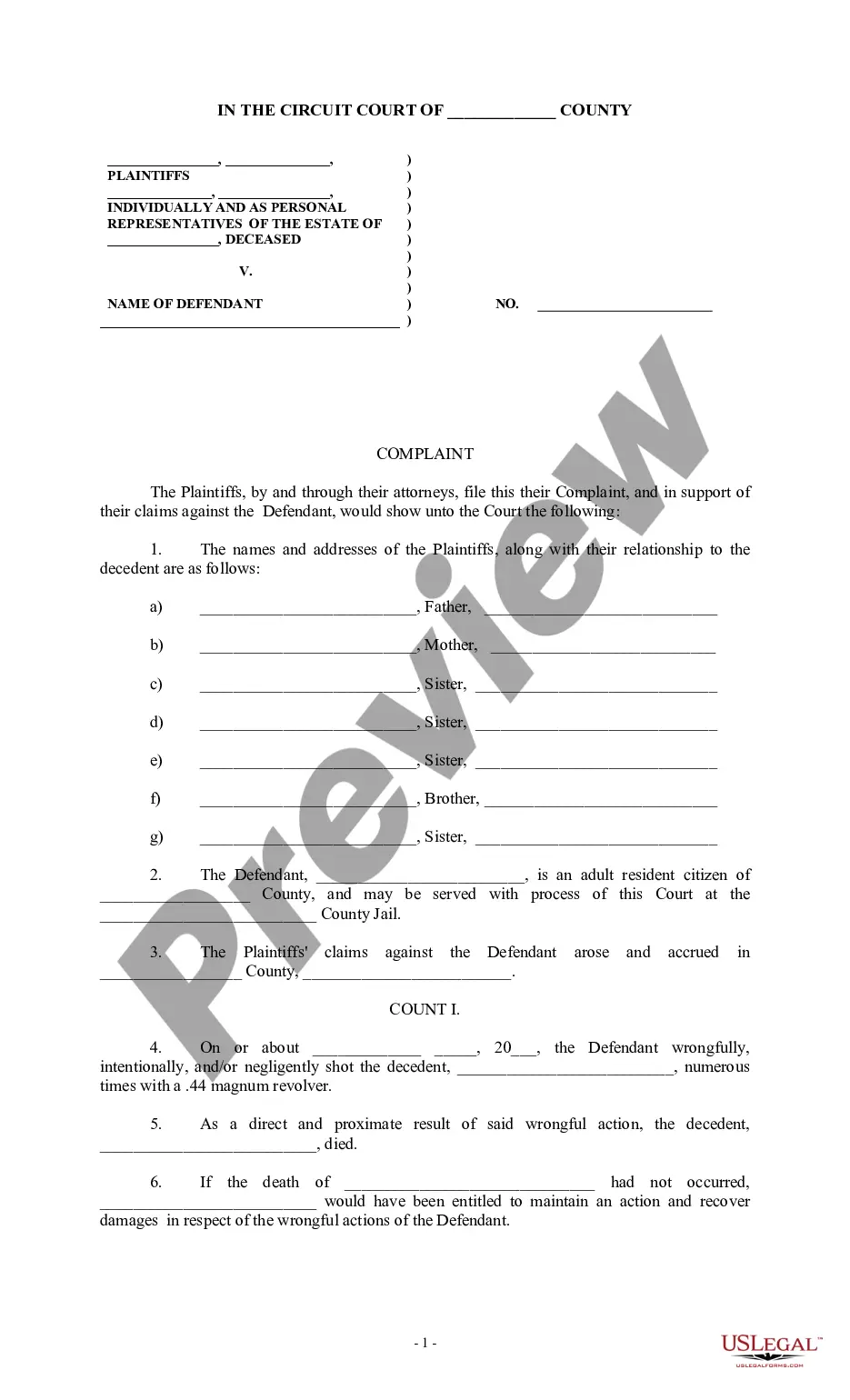
Description
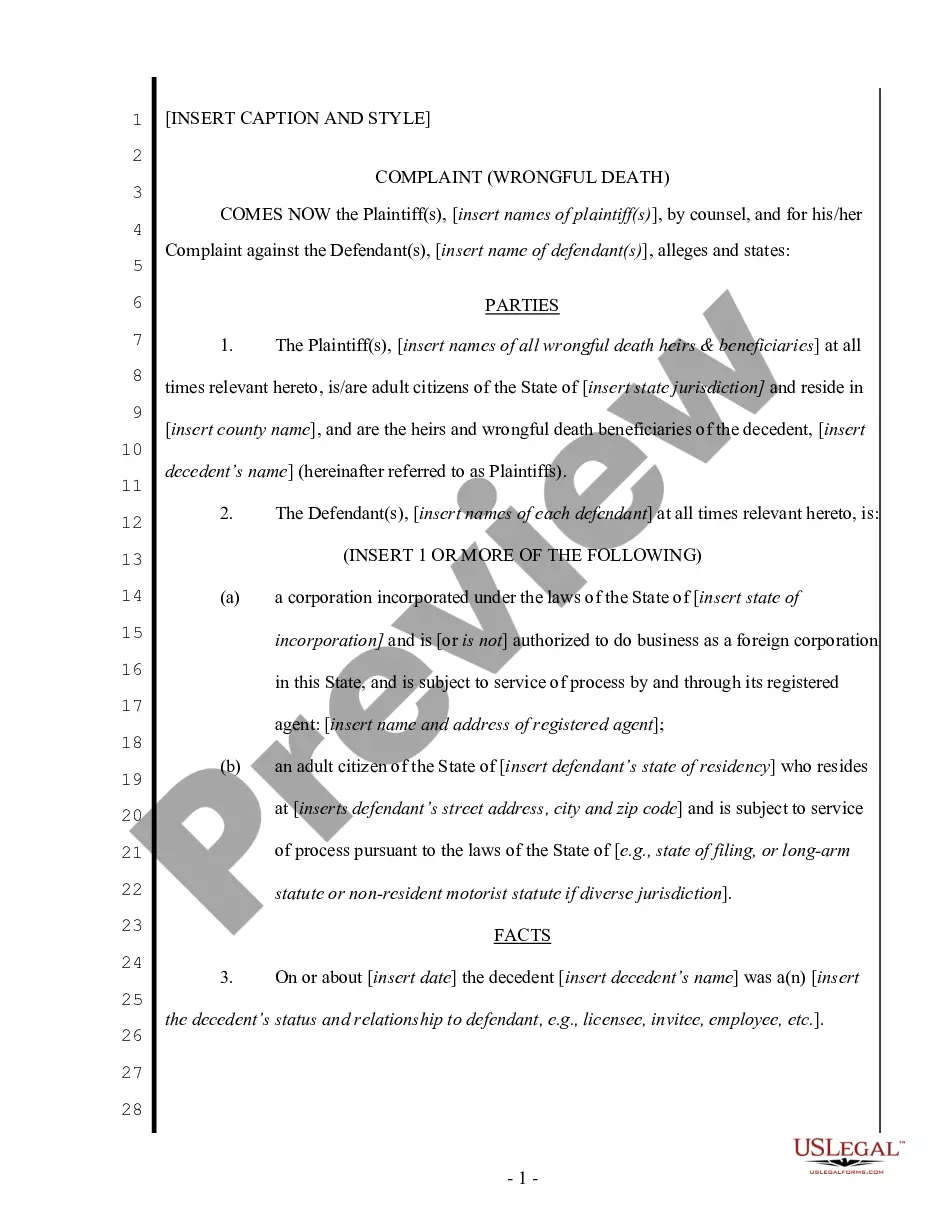

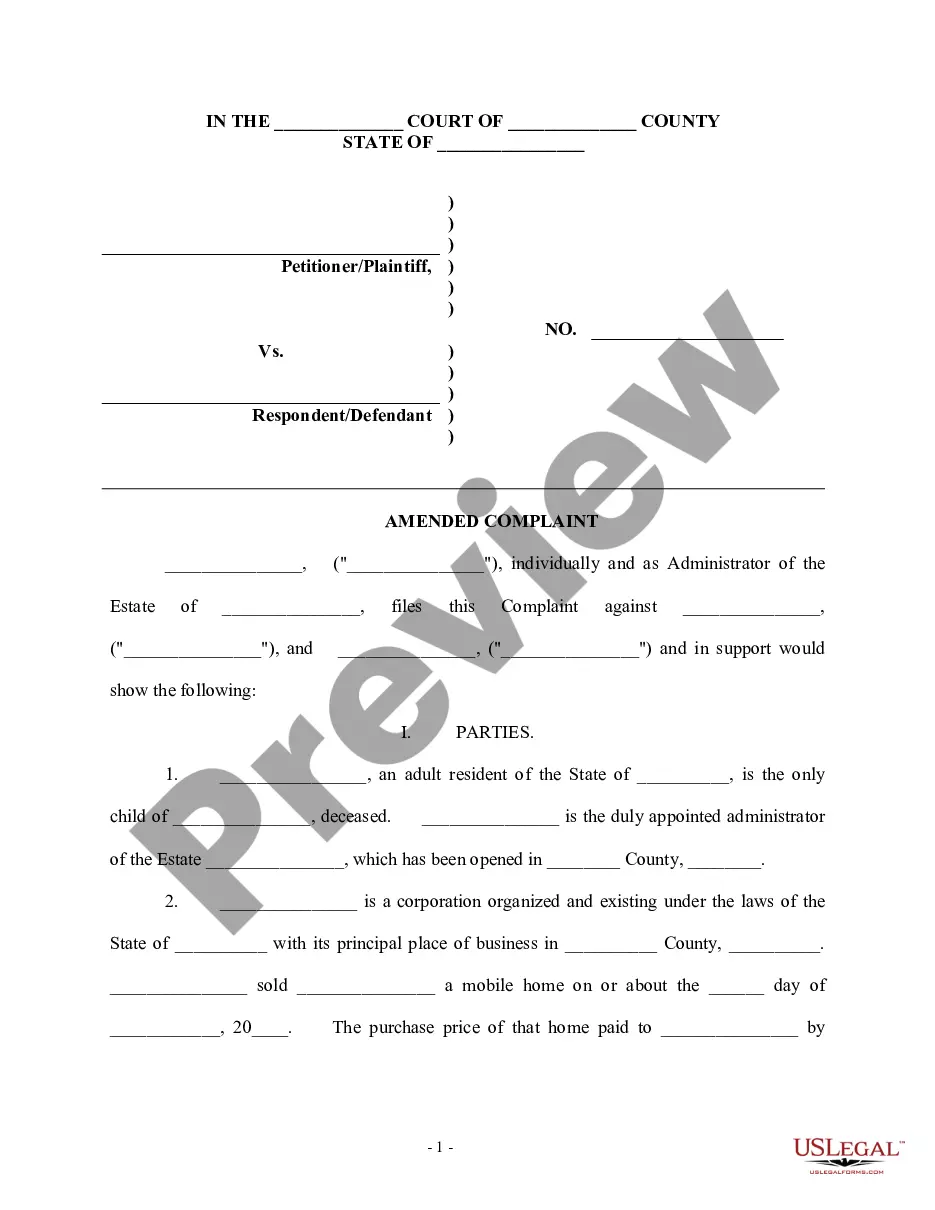
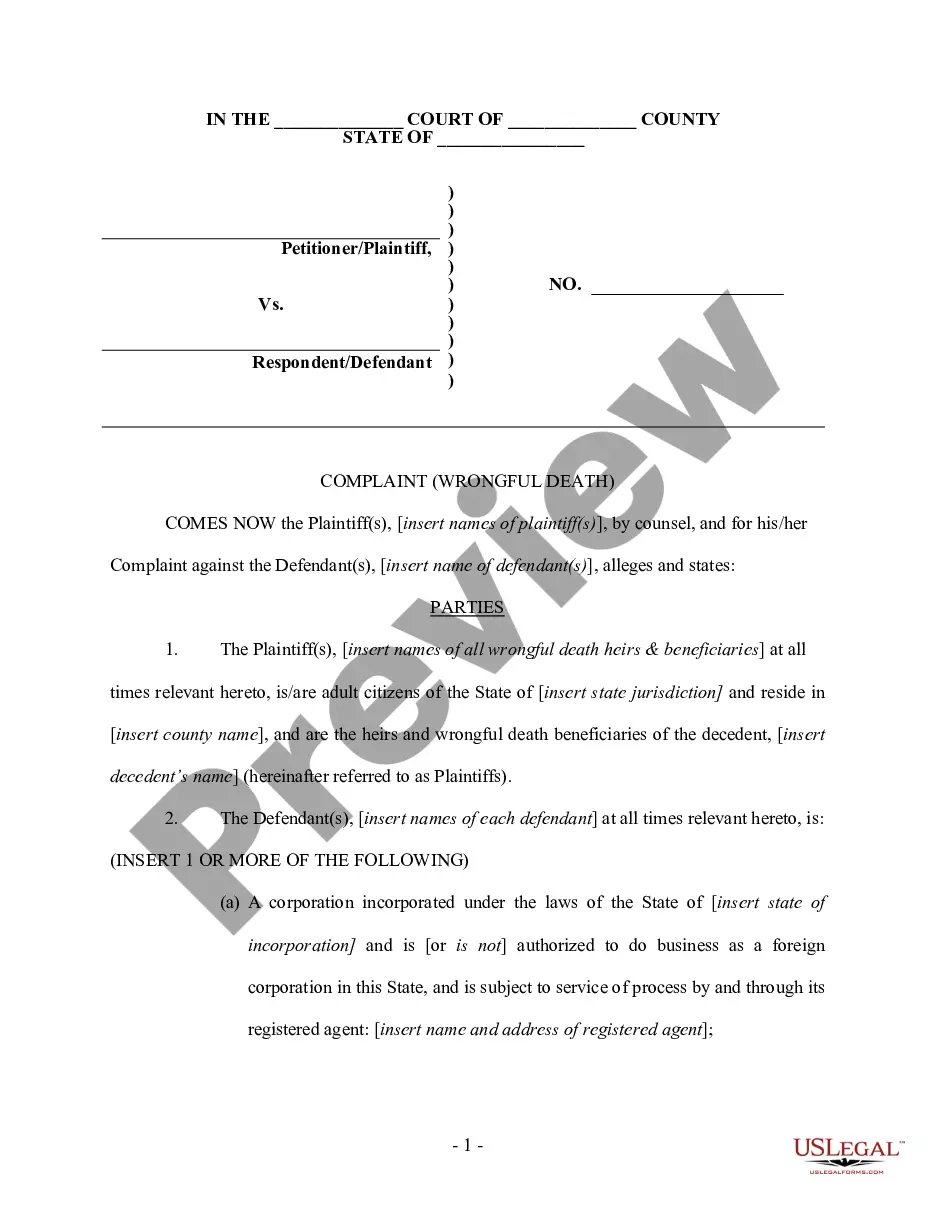
Get your form ready online
Our built-in tools help you complete, sign, share, and store your documents in one place.
Make edits, fill in missing information, and update formatting in US Legal Forms—just like you would in MS Word.
Download a copy, print it, send it by email, or mail it via USPS—whatever works best for your next step.
Sign and collect signatures with our SignNow integration. Send to multiple recipients, set reminders, and more. Go Premium to unlock E-Sign.
If this form requires notarization, complete it online through a secure video call—no need to meet a notary in person or wait for an appointment.
We protect your documents and personal data by following strict security and privacy standards.

Make edits, fill in missing information, and update formatting in US Legal Forms—just like you would in MS Word.

Download a copy, print it, send it by email, or mail it via USPS—whatever works best for your next step.

Sign and collect signatures with our SignNow integration. Send to multiple recipients, set reminders, and more. Go Premium to unlock E-Sign.

If this form requires notarization, complete it online through a secure video call—no need to meet a notary in person or wait for an appointment.

We protect your documents and personal data by following strict security and privacy standards.
Looking for another form?





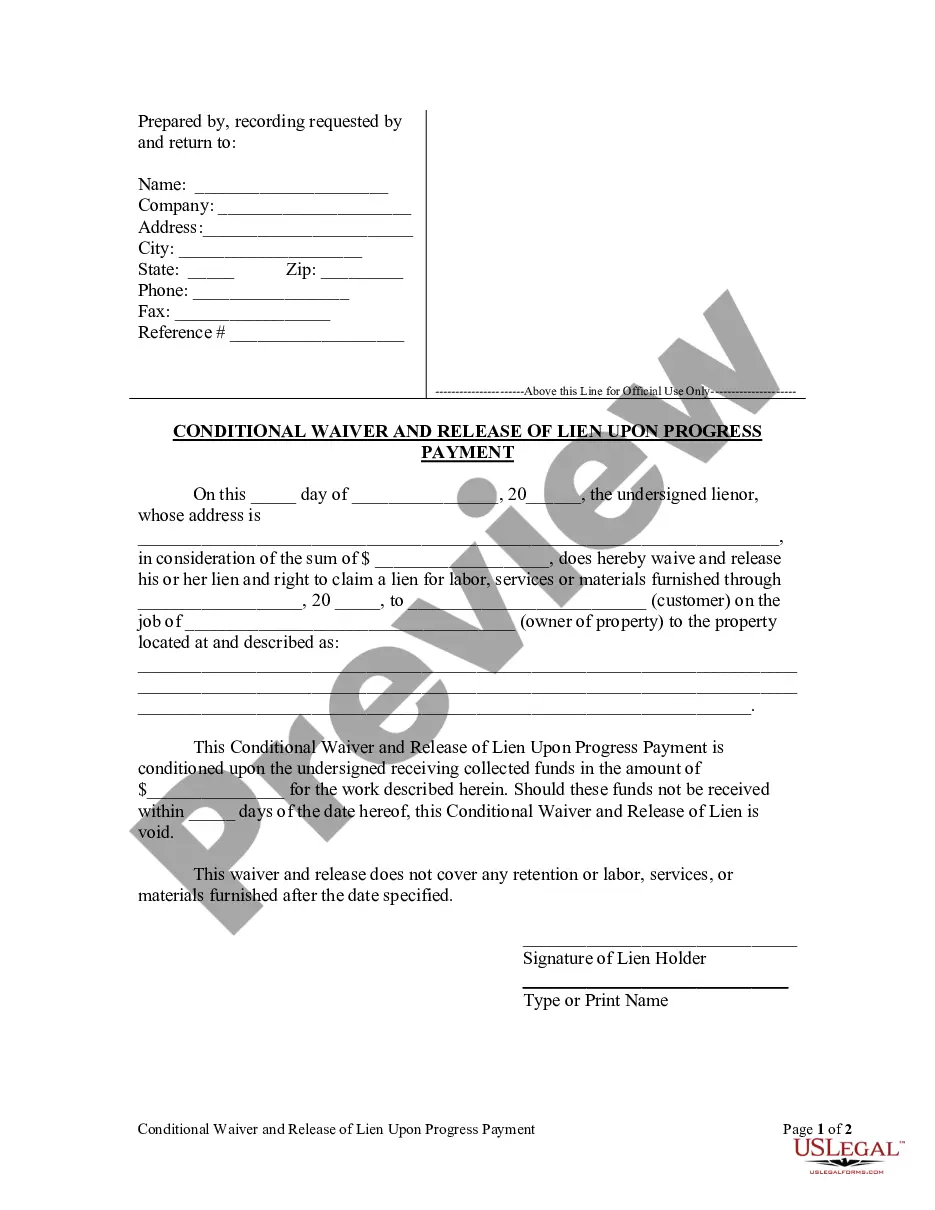




How to fill out Complaint For Wrongful Death - Single Count?
- Log in to your US Legal Forms account if you're a returning user. Ensure your subscription is active; otherwise, renew as needed.
- Preview the forms available, focusing on the description to confirm it meets your jurisdictional criteria.
- If the form doesn't meet your needs, utilize the Search tab to find a more suitable template.
- Once you find the correct document, click on the 'Buy Now' button and select your preferred subscription plan.
- Complete the purchase by entering your credit card information or using your PayPal account.
- Download your form, saving it to your device for easy access. You can find it anytime in the 'My Forms' section of your profile.
Following these steps will ensure you have access to the right legal form quickly and efficiently. US Legal Forms sets itself apart with its extensive library and premium expert assistance, making your document preparation worry-free.
Ready to get started? Explore US Legal Forms today and simplify your legal document needs!
Form popularity
FAQ
In harassment cases, the amount you can sue for depends on the nature and impact of the harassment experiences. Factors include lost income, emotional distress, and any costs incurred due to the harassment. Consulting a legal professional can provide you with a clearer understanding of potential damages. Explore solutions on the USLegalForms platform to address issues surrounding wrongful count civil for the years.
The amount you can sue for in a civil rights violation can vary significantly based on the specific circumstances of your case. Potential damages may include lost earnings, medical expenses, and emotional suffering. Evaluating the damages thoroughly can result in just compensation. The USLegalForms platform provides resources to help you assess claims regarding wrongful count civil for the years.
You can sue for various civil rights violations, including discrimination based on race, gender, age, or disability. Additionally, you can seek justice for wrongful termination or harassment. Each case is unique, and understanding your specific rights is vital. The USLegalForms platform helps you navigate these complex claims related to wrongful count civil for the years.
The statute of limitations for civil rights claims varies by state, typically ranging from one to three years. This timeline establishes how long you have to file a claim after a violation occurs. It's crucial to act promptly to preserve your rights and seek any remedies available. The USLegalForms platform can provide clarity and assistance concerning wrongful count civil for the years and specific timelines.
In a discrimination lawsuit, the amount you can claim depends on various factors, including the severity of the discrimination and related damages. You can seek compensation for lost wages, emotional distress, and other related expenses. Engaging an experienced attorney can help you in determining a fair amount. Utilizing the USLegalForms platform can streamline this process, providing you with resources for your wrongful count civil for the years.
When writing a response to a summons, it's essential to state your identity, acknowledge the lawsuit, and address each allegation made against you. Be concise and factual, especially if your response involves a wrongful count civil for the years, where clarity is vital. Consider using resources from uslegalforms to ensure your response is correctly formatted and comprehensive.
In New York, the statute of limitations for a civil lawsuit typically ranges from one to six years, depending on the nature of the claim. For wrongful count civil matters, understanding these timelines is crucial, as missing the filing deadline can jeopardize your case. If you're unsure about the specific limitations for your situation, consulting with legal professionals can help clarify.
Filling out an Order to Show Cause in New York involves providing precise details about the case, including the names of the parties and the specific legal grounds for your request. Be sure to address issues of wrongful count civil for the years effectively in your description. Seek guidance from platforms like uslegalforms, which can provide valuable templates to streamline the process.
An example of an Order to Show Cause in New York might involve a landlord seeking to evict a tenant due to a wrongful count civil claim. The landlord would ask the court to issue the order, compelling the tenant to explain why they should not be removed from the property. This legal tool helps expedite resolution of urgent matters.
To obtain an Order to Show Cause for eviction in NYC, start by drafting the order and including detailed information about the situation. This should highlight the wrongful count civil for the years you are addressing. After filing the order with the court, you will need to have it served to the respondent, ensuring that they have notice of the court hearing.