Wrongful Count Actions Contract With The High Court
Description
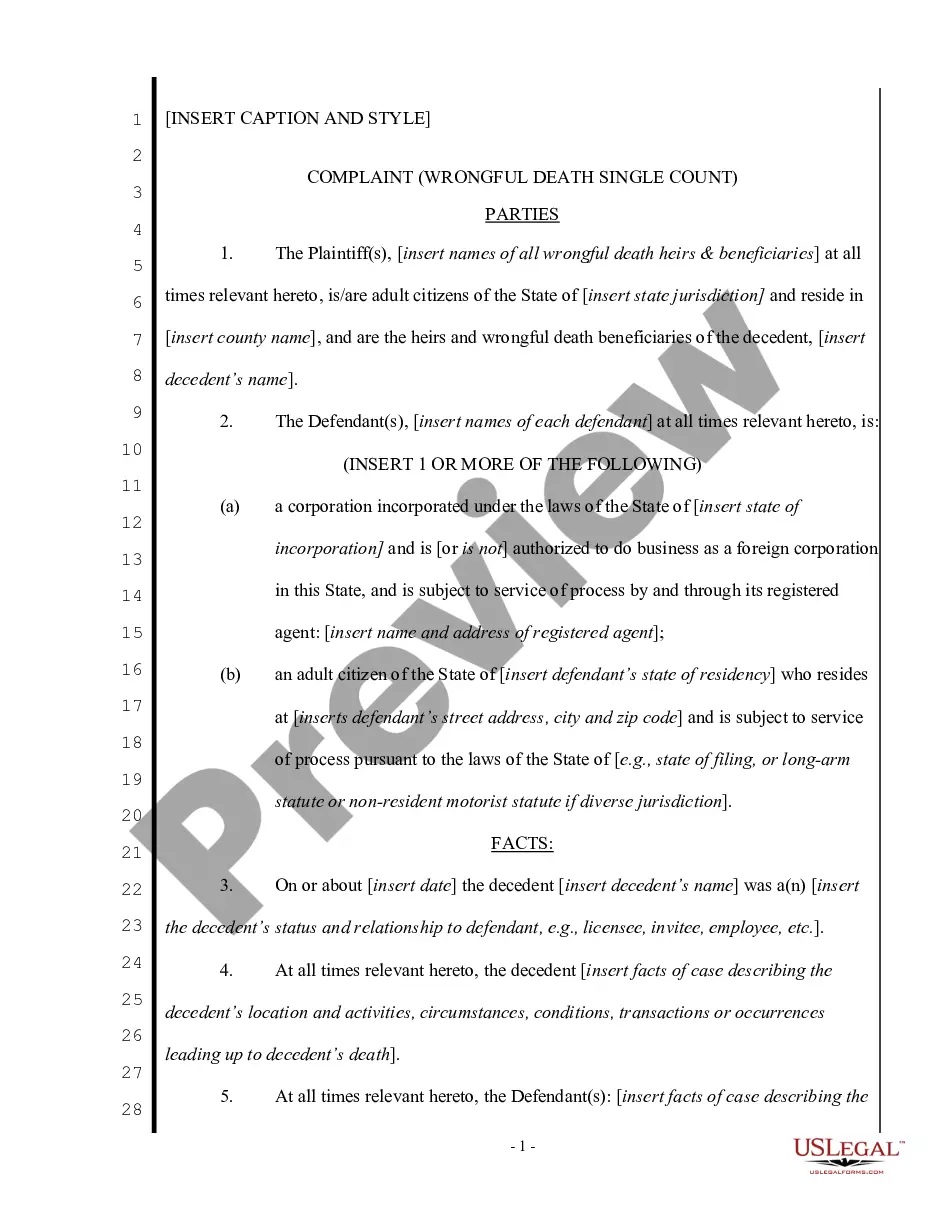
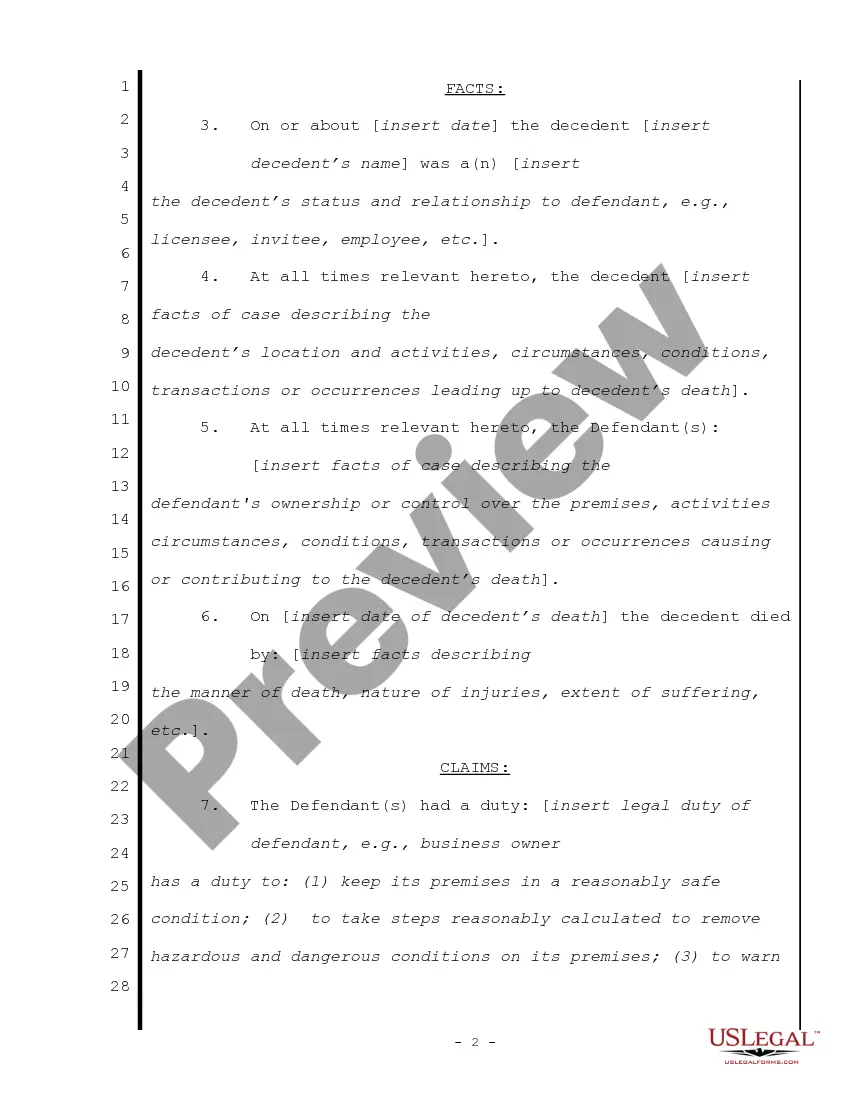
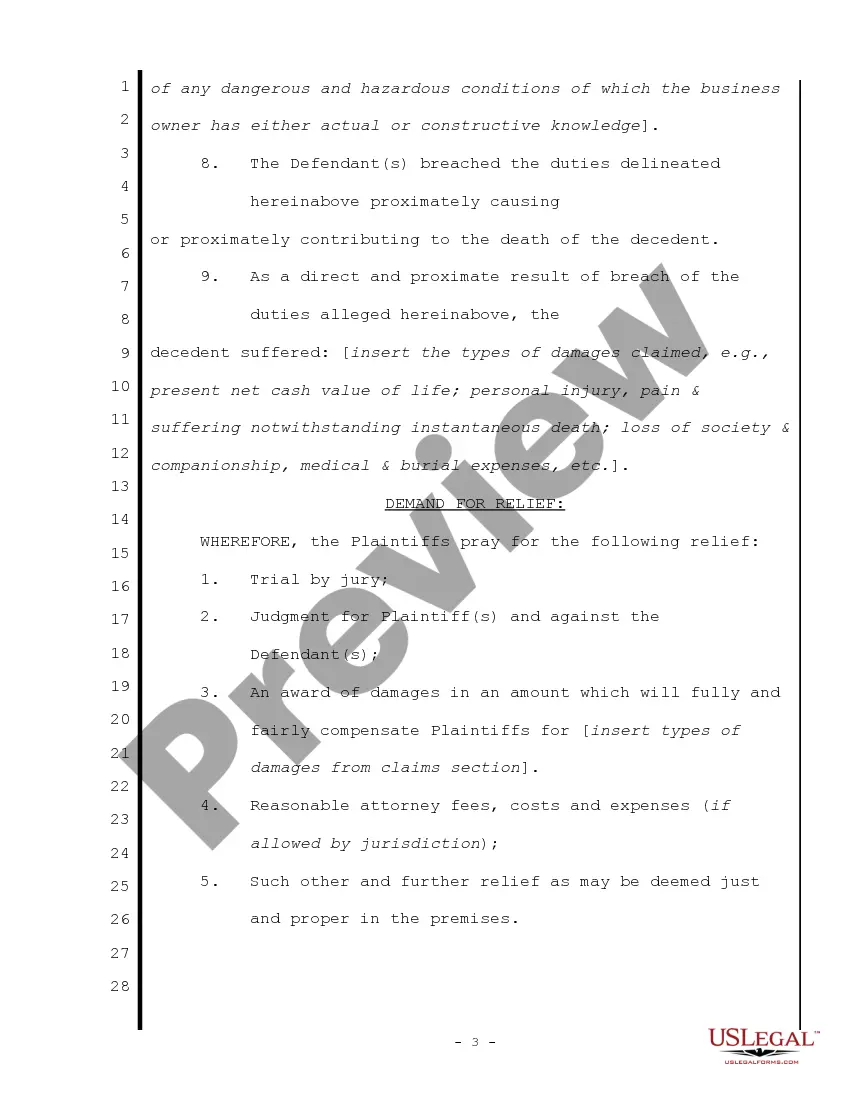
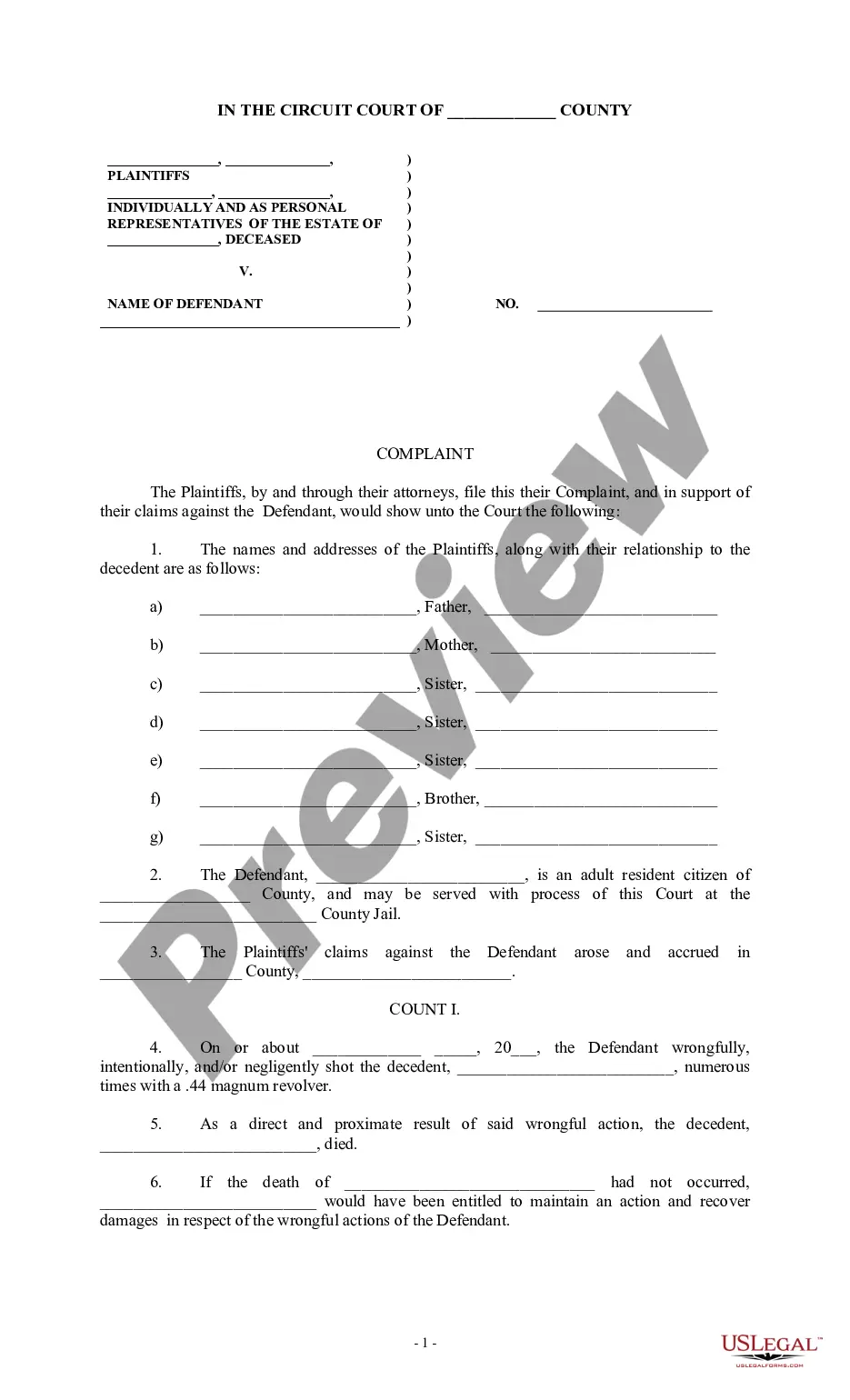

Get your form ready online
Our built-in tools help you complete, sign, share, and store your documents in one place.
Make edits, fill in missing information, and update formatting in US Legal Forms—just like you would in MS Word.
Download a copy, print it, send it by email, or mail it via USPS—whatever works best for your next step.
Sign and collect signatures with our SignNow integration. Send to multiple recipients, set reminders, and more. Go Premium to unlock E-Sign.
If this form requires notarization, complete it online through a secure video call—no need to meet a notary in person or wait for an appointment.
We protect your documents and personal data by following strict security and privacy standards.

Make edits, fill in missing information, and update formatting in US Legal Forms—just like you would in MS Word.

Download a copy, print it, send it by email, or mail it via USPS—whatever works best for your next step.

Sign and collect signatures with our SignNow integration. Send to multiple recipients, set reminders, and more. Go Premium to unlock E-Sign.

If this form requires notarization, complete it online through a secure video call—no need to meet a notary in person or wait for an appointment.

We protect your documents and personal data by following strict security and privacy standards.
Looking for another form?





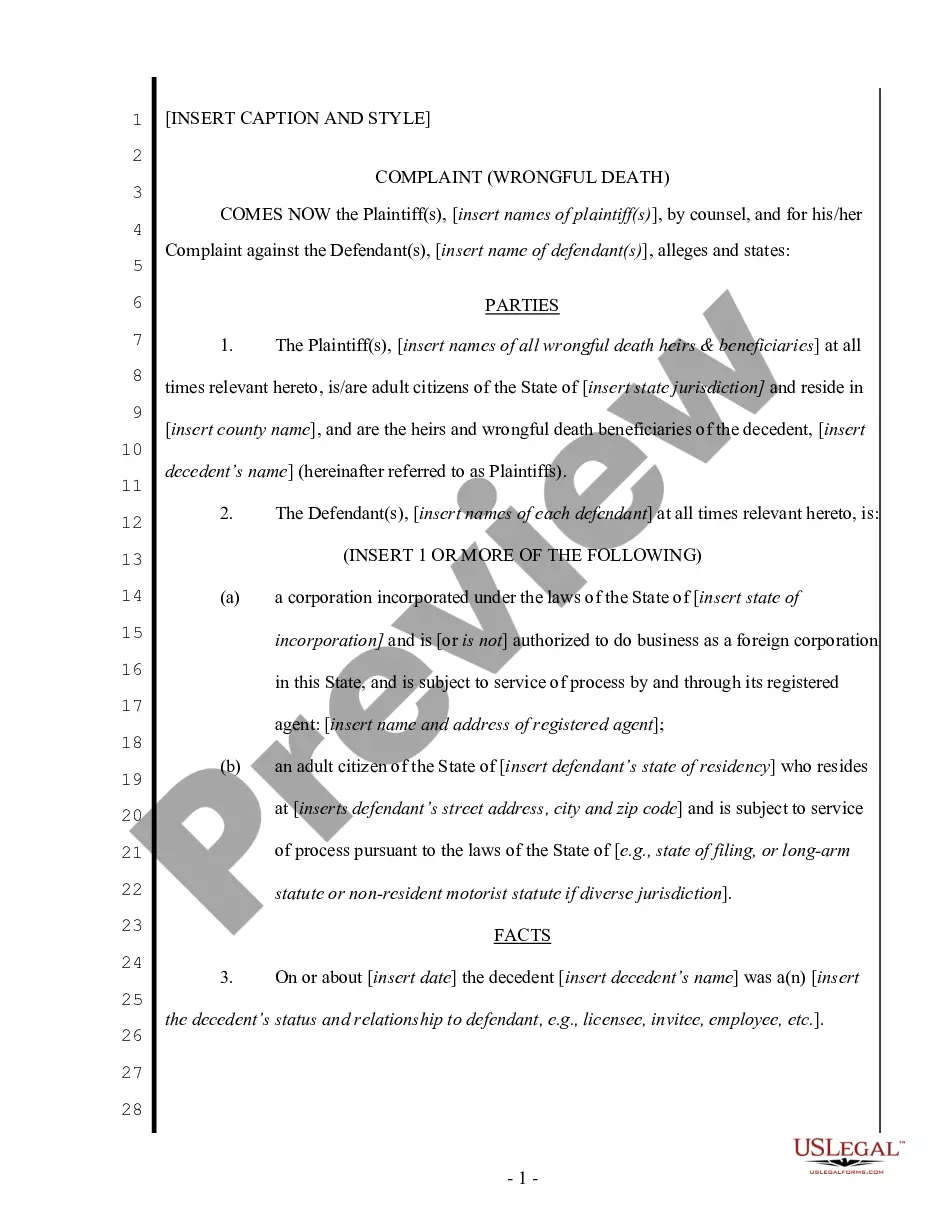
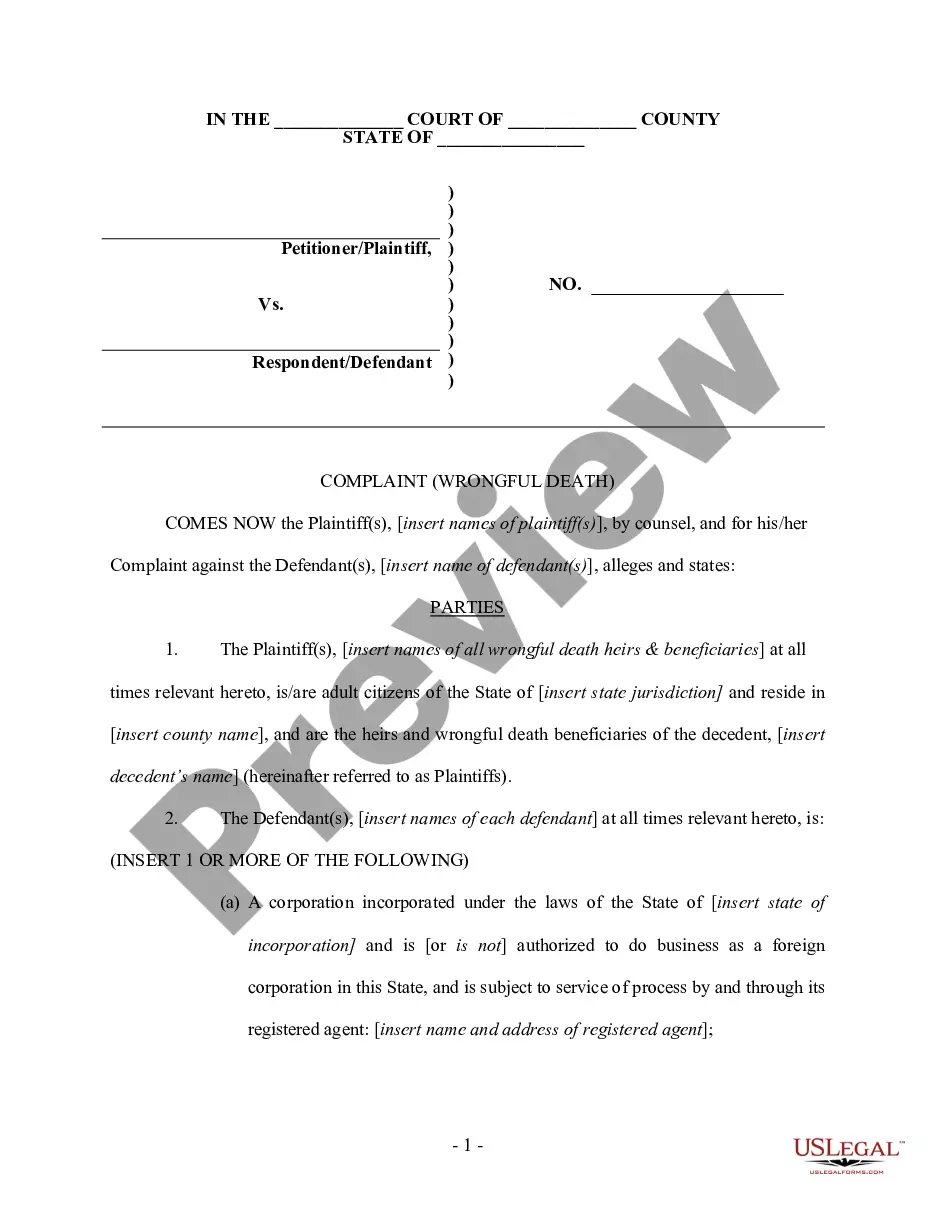
How to fill out Complaint For Wrongful Death - Single Count?
- If you're a returning user, simply log in to your account. Ensure your subscription is active and download the necessary form template by clicking the Download button.
- For first-time users, start by checking the Preview mode and form description to find a document that meets your requirements and aligns with your local jurisdiction.
- If you require a different template, utilize the Search tab above to find the correct form. Move forward only when you are completely satisfied.
- Purchase the necessary document by selecting the Buy Now button and choosing your desired subscription plan. Registration for an account is mandatory to access the full library.
- Complete your purchase using your credit card or PayPal account to finalize the subscription.
- Download your form once purchased, and locate it in the My Forms section for future access.
US Legal Forms empowers both individuals and attorneys with a comprehensive library of over 85,000 easily fillable and editable legal forms. This position ensures that you can swiftly create legally sound documents, backed by access to premium experts who are ready to assist.
Taking action today not only simplifies your legal process but also ensures you're equipped with the right tools. Start your journey with US Legal Forms now!
Form popularity
FAQ
The doctrine of continuing action refers to the legal principle that permits a litigant to pursue a claim even if some statutory requirements are not completely fulfilled. In cases concerning wrongful count actions contract with the high court, this doctrine can provide additional avenues for relief. Understanding how this doctrine works can be critical to effectively navigating the legal landscape.
The law of the case doctrine in New York State dictates that a court should adhere to its prior rulings in the same case. This includes situations involving wrongful count actions contract with the high court. This doctrine helps maintain consistency in legal proceedings and can influence the outcome of ongoing cases.
Section 10 of the New York Court of Claims Act outlines the guidelines for filing claims against the State of New York. For those facing wrongful count actions contract with the high court, this section establishes the processes and requirements to bring forth a claim. It is crucial to familiarize yourself with these provisions to ensure proper legal representation.
The continuing violation doctrine is a legal principle that permits the extension of the statute of limitations for claims involving ongoing misconduct. In cases of wrongful count actions contract with the high court, this doctrine allows a party to file a claim as long as the wrongful actions are not isolated incidents but part of a continuous pattern. Understanding this concept can significantly impact your legal strategy.
The continuing violation doctrine in New York allows a claimant to extend the statute of limitations for ongoing violations. If you experience wrongful count actions related to a contract with the high court, this doctrine may apply if the actions are ongoing and part of a continuous pattern. It is essential to recognize how this can affect your ability to seek legal recourse.
In New York, the statute of limitations for contract claims is typically six years. This means that if you face wrongful count actions related to a contract with the high court, you have six years from the date of the breach to file a lawsuit. It is crucial to understand this timeline, as missing the deadline could prevent you from enforcing your contractual rights.
When drafting a complaint for court, clearly state your claims, support them with relevant facts, and cite applicable laws. In the context of wrongful count actions contract with the high court, a well-structured complaint is your first step toward legal redress. Consider using uslegalforms to help you format and present your complaint accurately.
To 'make a motion' means to formally request the court to take a specific action. In wrongful count actions contract with the high court, this could involve requesting a ruling on a legal matter or seeking other forms of relief. Understanding how to effectively make a motion can greatly influence the outcome of your case.
Filing a motion with the court involves drafting your request, including the legal basis for your motion, and submitting it alongside the necessary documents. If you are addressing issues related to wrongful count actions contract with the high court, precise motion drafting is essential. It's essential to follow court rules closely to avoid unnecessary delays.
To file an answer in New Jersey courts, prepare your response to the complaint and submit it to the appropriate court along with any required filing fees. For those dealing with wrongful count actions contract with the high court, correctly filing your answer is a key step in asserting your rights. You can use platforms like uslegalforms to streamline this process.