Wrongful Counts With Anterior Placenta
Description
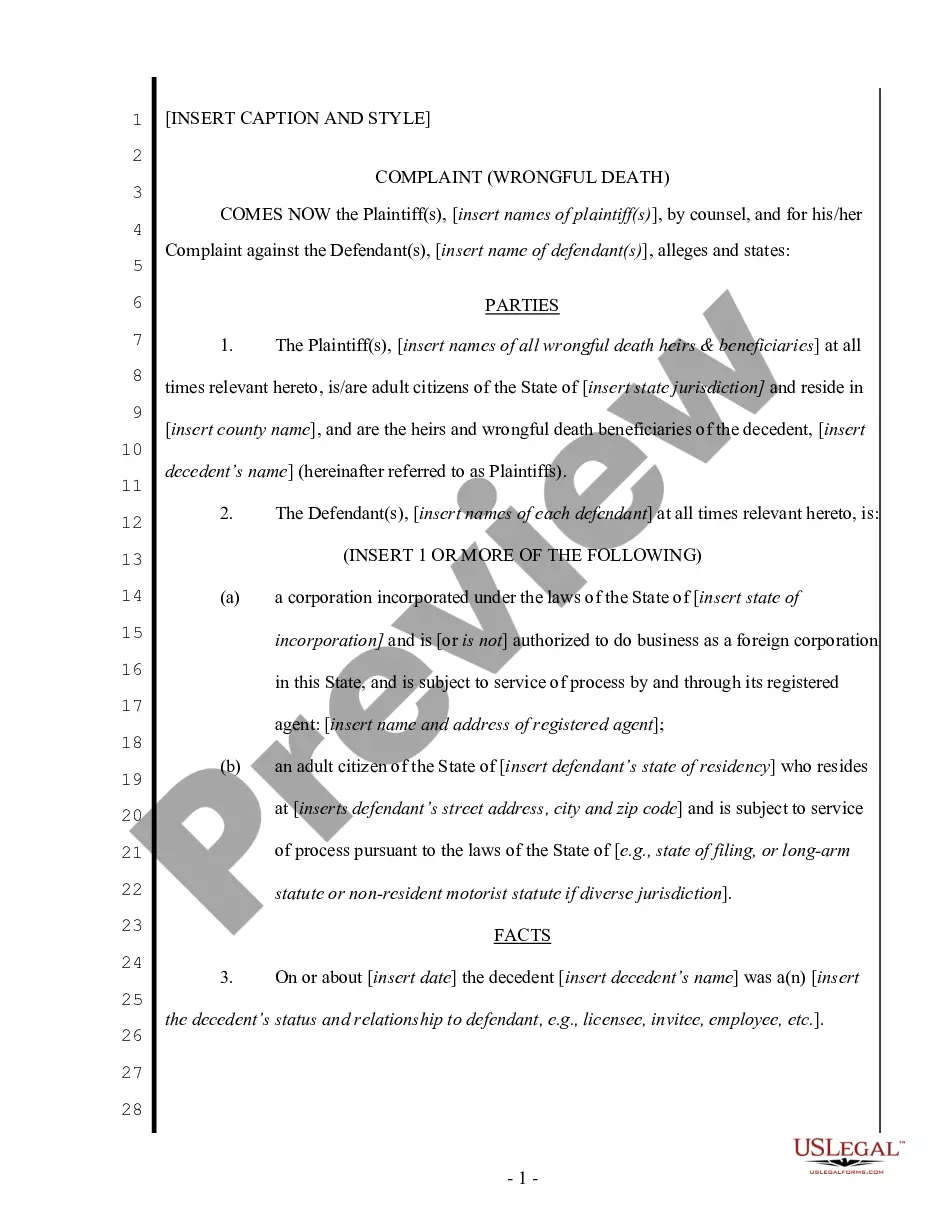
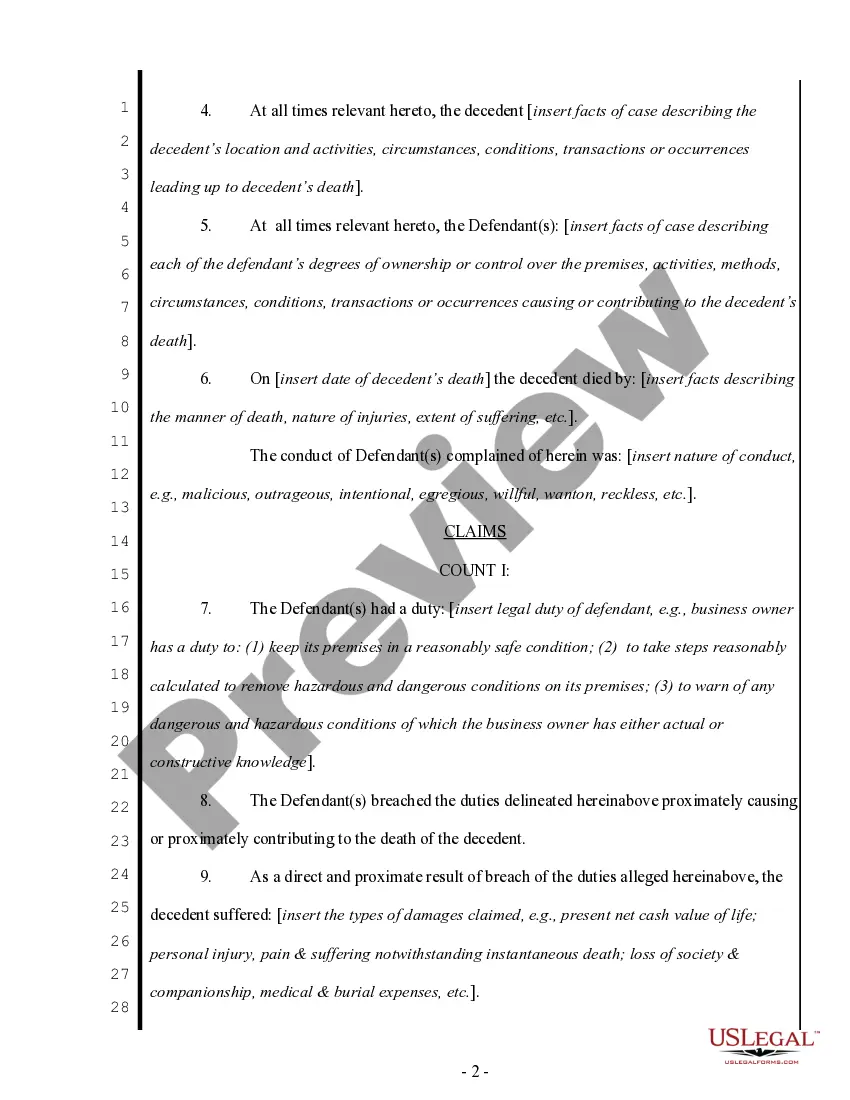
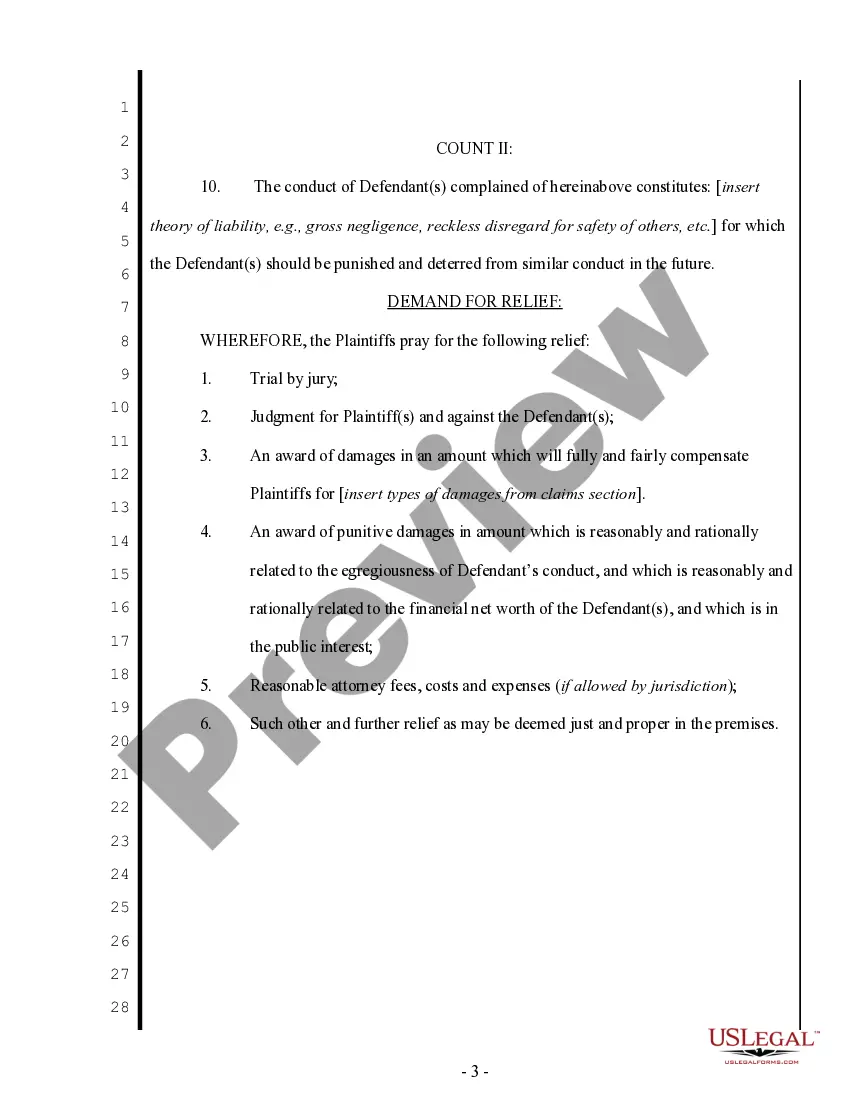
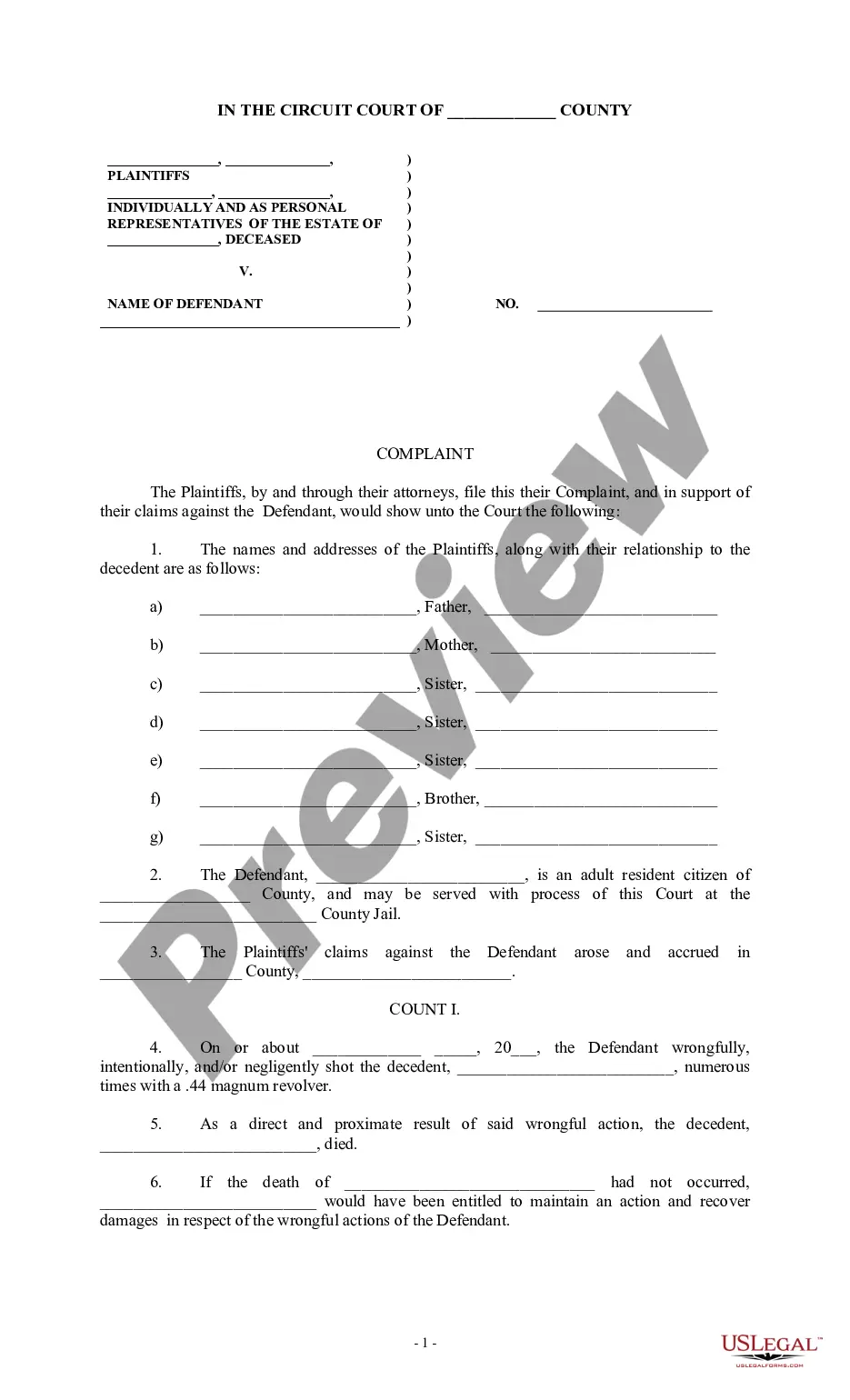
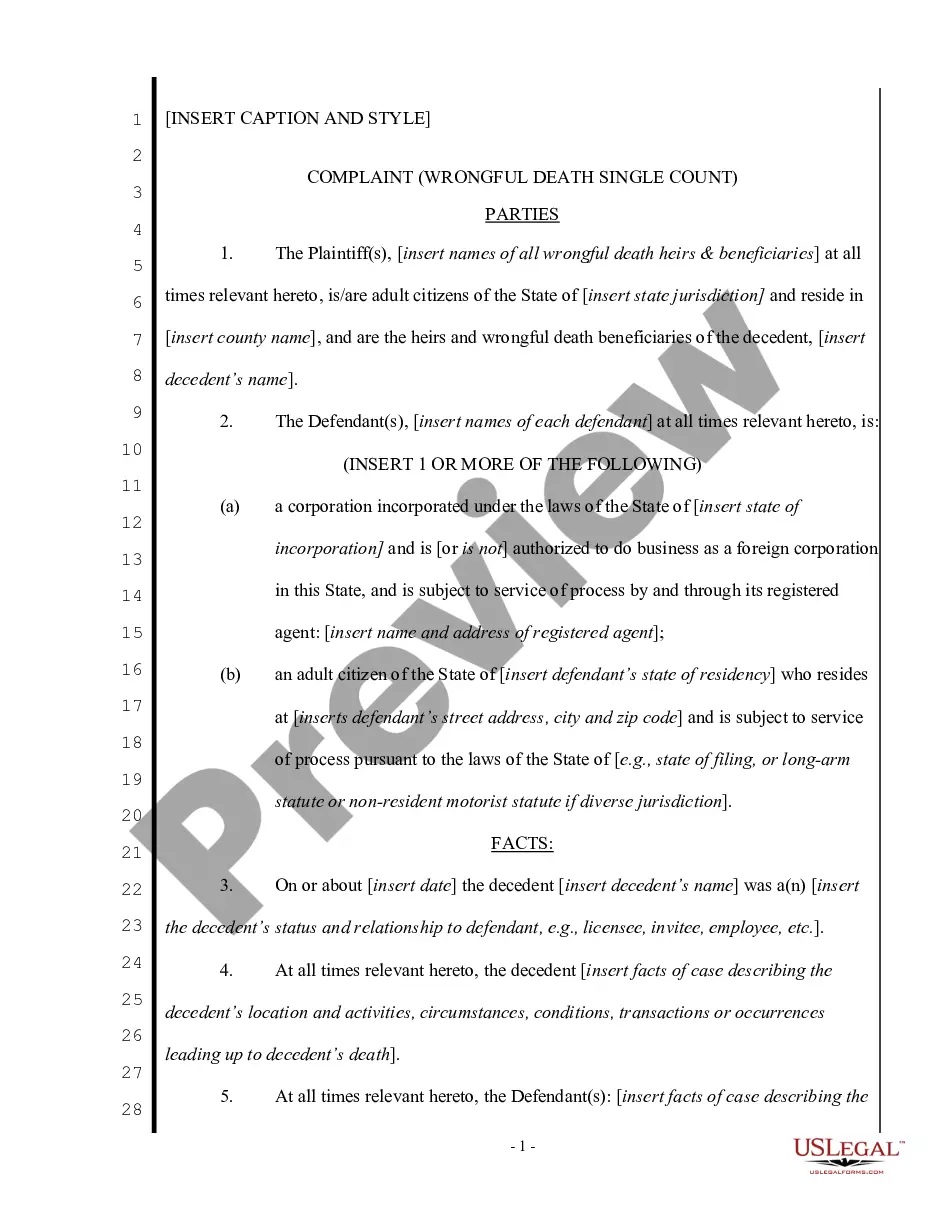

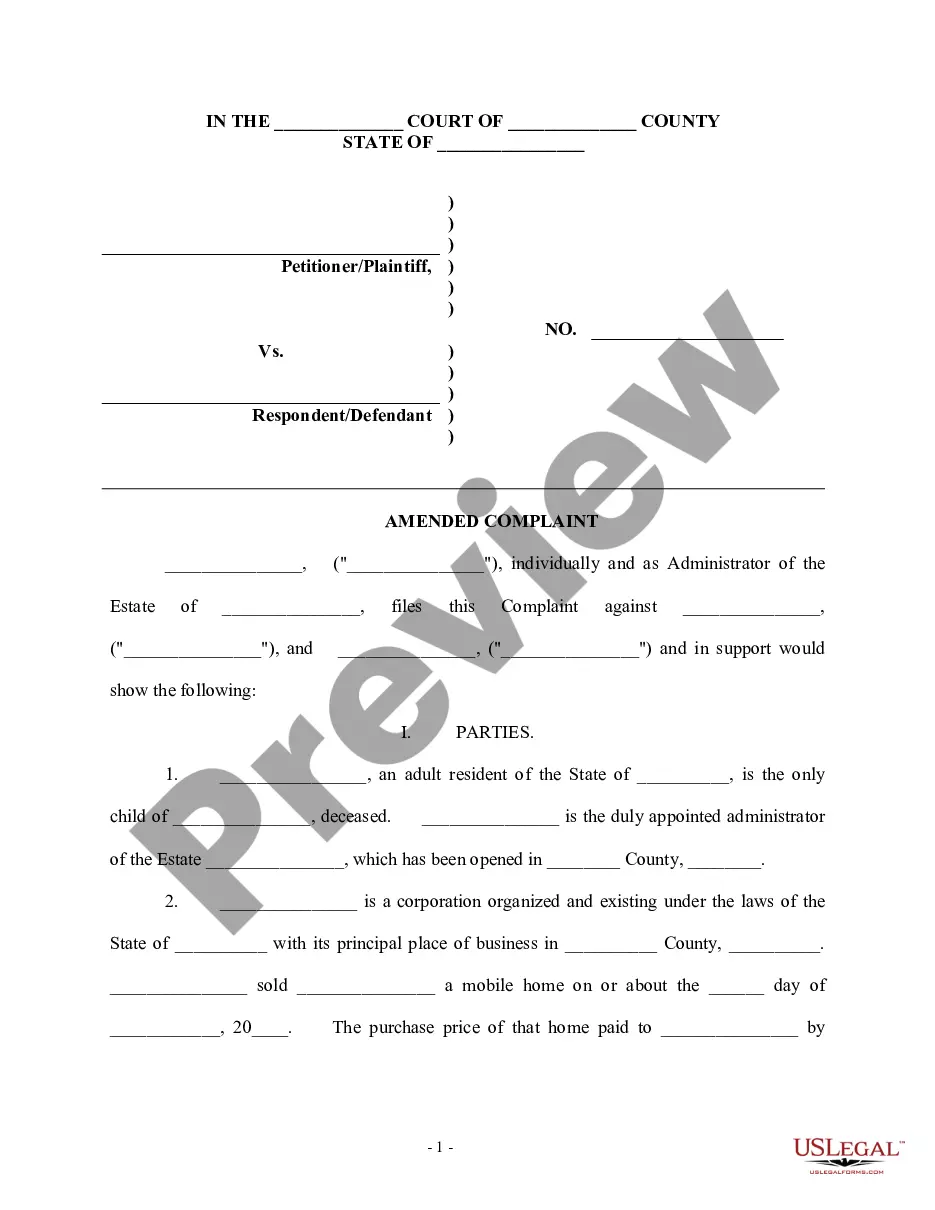
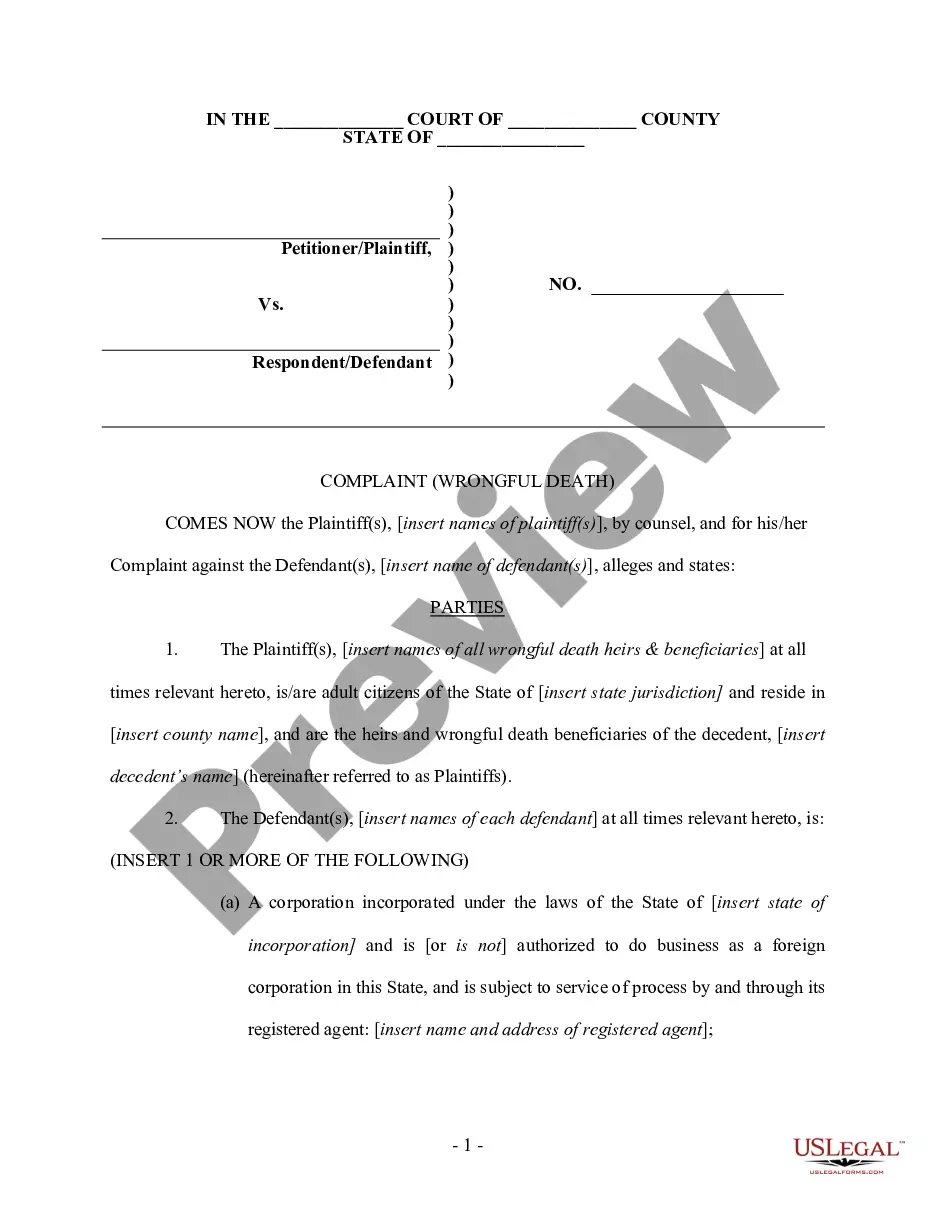
Get your form ready online
Our built-in tools help you complete, sign, share, and store your documents in one place.
Make edits, fill in missing information, and update formatting in US Legal Forms—just like you would in MS Word.
Download a copy, print it, send it by email, or mail it via USPS—whatever works best for your next step.
Sign and collect signatures with our SignNow integration. Send to multiple recipients, set reminders, and more. Go Premium to unlock E-Sign.
If this form requires notarization, complete it online through a secure video call—no need to meet a notary in person or wait for an appointment.
We protect your documents and personal data by following strict security and privacy standards.

Make edits, fill in missing information, and update formatting in US Legal Forms—just like you would in MS Word.

Download a copy, print it, send it by email, or mail it via USPS—whatever works best for your next step.

Sign and collect signatures with our SignNow integration. Send to multiple recipients, set reminders, and more. Go Premium to unlock E-Sign.

If this form requires notarization, complete it online through a secure video call—no need to meet a notary in person or wait for an appointment.

We protect your documents and personal data by following strict security and privacy standards.
Looking for another form?
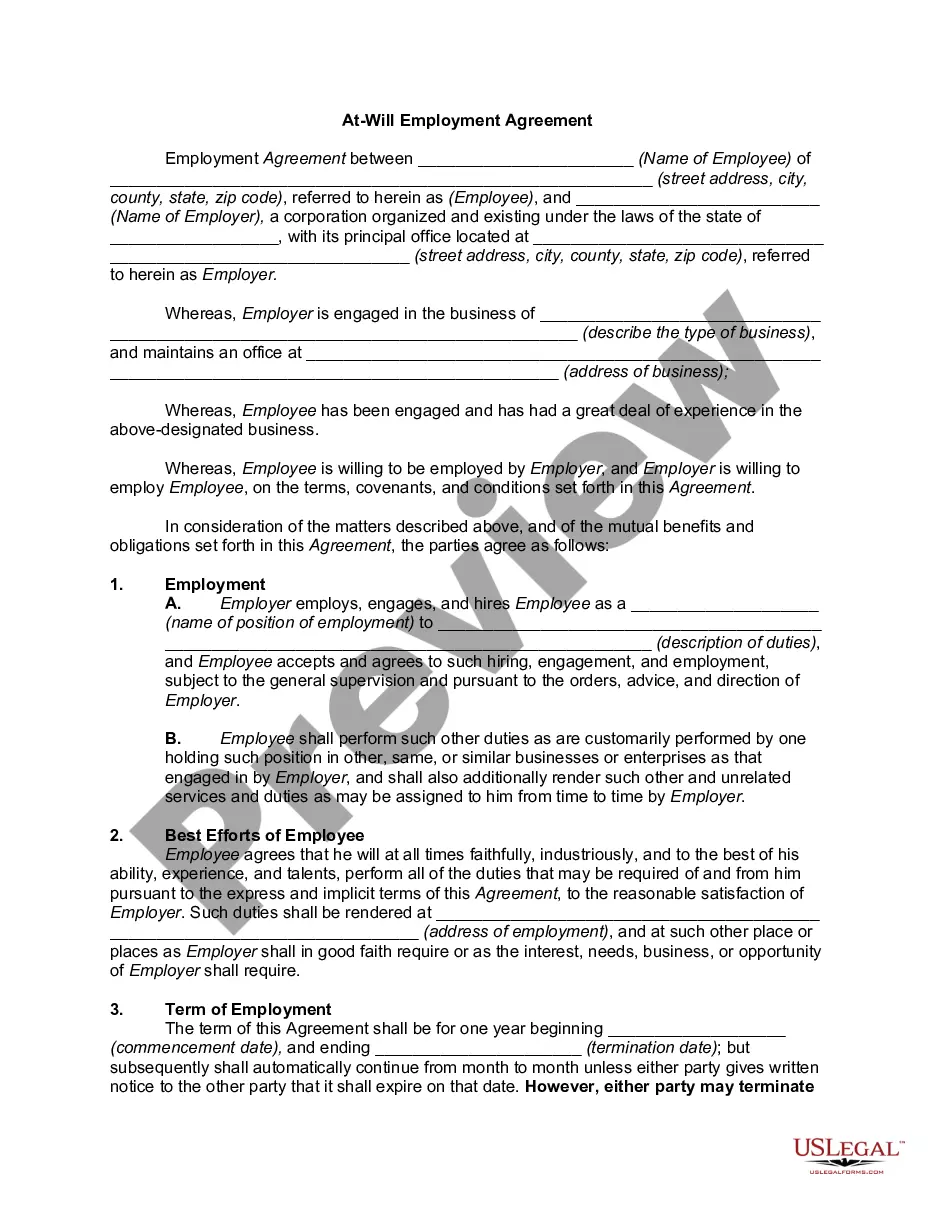







How to fill out Complaint For Wrongful Death - Multiple Counts?
Locating a reliable source for obtaining the latest and suitable legal templates constitutes a significant part of navigating governmental procedures.
Selecting the correct legal documents requires accuracy and meticulousness, which is why it is essential to take samples of Wrongful Counts With Anterior Placenta exclusively from trustworthy sources, such as US Legal Forms. An incorrect template will squander your time and delay the matters at hand.
Once you have the form on your device, you can edit it using the editor or print it out to fill it in manually. Eliminate the hassle that comes with your legal documentation. Explore the extensive US Legal Forms collection where you can locate legal templates, verify their relevance to your circumstances, and instantly download them.
- Utilize the catalog navigation or search bar to locate your template.
- Examine the form’s details to verify that it fulfills the requirements of your jurisdiction.
- Check the form preview, if available, to confirm the template is indeed the one you seek.
- Continue the search and find the appropriate template if the Wrongful Counts With Anterior Placenta does not suit your needs.
- If you are confident in the form’s appropriateness, proceed to download it.
- If you are a registered user, click Log in to verify and access your chosen templates in My documents.
- If you do not yet have an account, click Buy now to obtain the form.
- Select the pricing plan that best fits your needs.
- Proceed to register to complete your acquisition.
- Finalize your purchase by opting for a payment method (credit card or PayPal).
- Choose the document format for downloading Wrongful Counts With Anterior Placenta.
Form popularity
FAQ
An anterior placenta is generally not considered a problem. It simply means that the placenta is located at the front of the uterus. This positioning may influence how you feel your baby's movements, but it does not typically pose any risks to your pregnancy. If you ever have doubts about wrongful counts with anterior placenta, using platforms like USLegalForms can provide insightful resources that help you understand your condition better.
Kick counts can be more challenging with an anterior placenta. The positioning of the placenta may dull the sensations you experience, leading some mothers to feel uncertain about the counts. However, it remains crucial to track your baby's movements. If you're having difficulties with wrongful counts with anterior placenta, consider using a method where you choose a time of day when your baby is usually active and focus on counting during that period.
Many parents wonder if an anterior placenta affects the ability to feel fetal kicks. While some mothers may notice fewer noticeable movements due to the placental position, it's essential to remember that each pregnancy is unique. The anterior placenta does not indicate that your baby is less active; rather, it might cushion the sensations. It's always best to monitor movements and consult your healthcare provider if you have concerns about wrongful counts with anterior placenta.
Yes, you can absolutely do kick counts with an anterior placenta. Despite potential obstacles, it's important to stay engaged in monitoring your baby's movements. You should aim to notice at least ten movements within a two-hour period, adjusting your counting strategy according to your comfort. Using platforms like US Legal Forms can provide essential resources and guidelines to assist you in tracking wrongful counts with anterior placenta effectively.
Feeling movements with an anterior placenta may require a bit more patience, as the placenta can act as a cushion. Typically, movements become more noticeable during the second and third trimesters. Make sure to choose quiet moments of the day, sitting back and relaxing can help you connect with your baby's movements. Be sure to document any changes, particularly if you're concerned about wrongful counts with anterior placenta.
To encourage your baby to kick when you have an anterior placenta, try consuming something sweet or cold, as this can stimulate movement. Additionally, lying on your left side may increase blood flow to the baby, leading to more noticeable activity. Lightly poking your belly or talking to your baby may also prompt a response. Monitoring your baby's activity will help ensure you keep track of any wrongful counts with anterior placenta.
Kick counting with an anterior placenta involves tracking your baby's movements over a designated timeframe, preferably when they are typically active. You can count movements for two hours or set a goal to feel ten movements within a two-hour window. Make sure to relax and focus on your belly; gentle movements may be more challenging to feel, but they count too. Maintain a log to help identify any changes, which is crucial for understanding wrongful counts with anterior placenta.
With an anterior placenta, you may experience changes in how frequently you feel your baby kick. Generally, you should feel at least 10 movements in a two-hour period by the third trimester. However, this varies for each pregnancy, so it's essential to stay aware of your baby's unique patterns. Regularly monitoring kicks aids in early detection of potential issues, especially concerning wrongful counts with anterior placenta.
To measure kicks with an anterior placenta, you can start by sitting or lying comfortably. Focus on counting the movements your baby makes over a specific time, preferably during times when your baby is usually active. Record the number of kicks or movements you feel, and consider using a kick counting app or a notepad for accuracy. Establishing a routine helps you understand your baby's movement patterns better.