Noise Ordinance Order For Baltimore County
Description
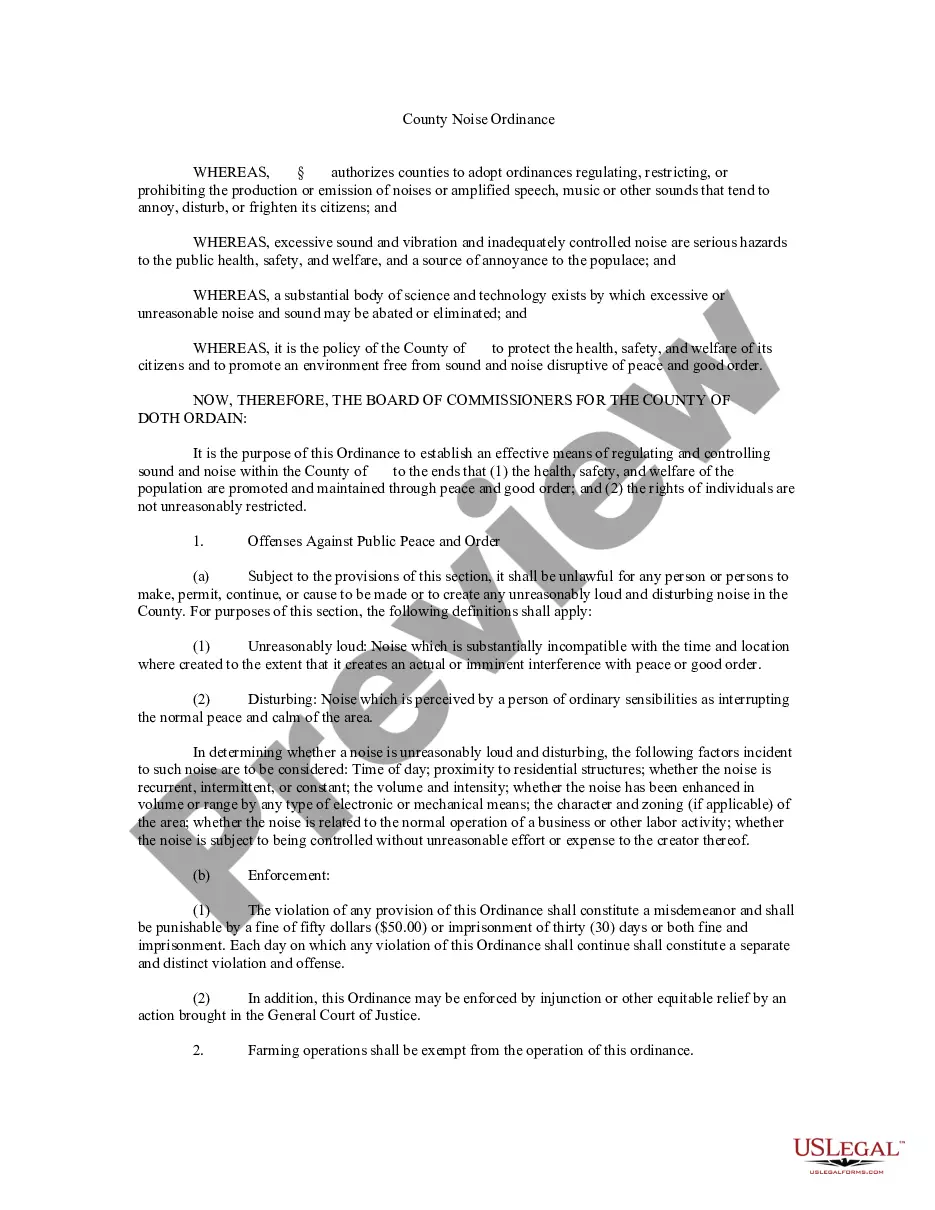
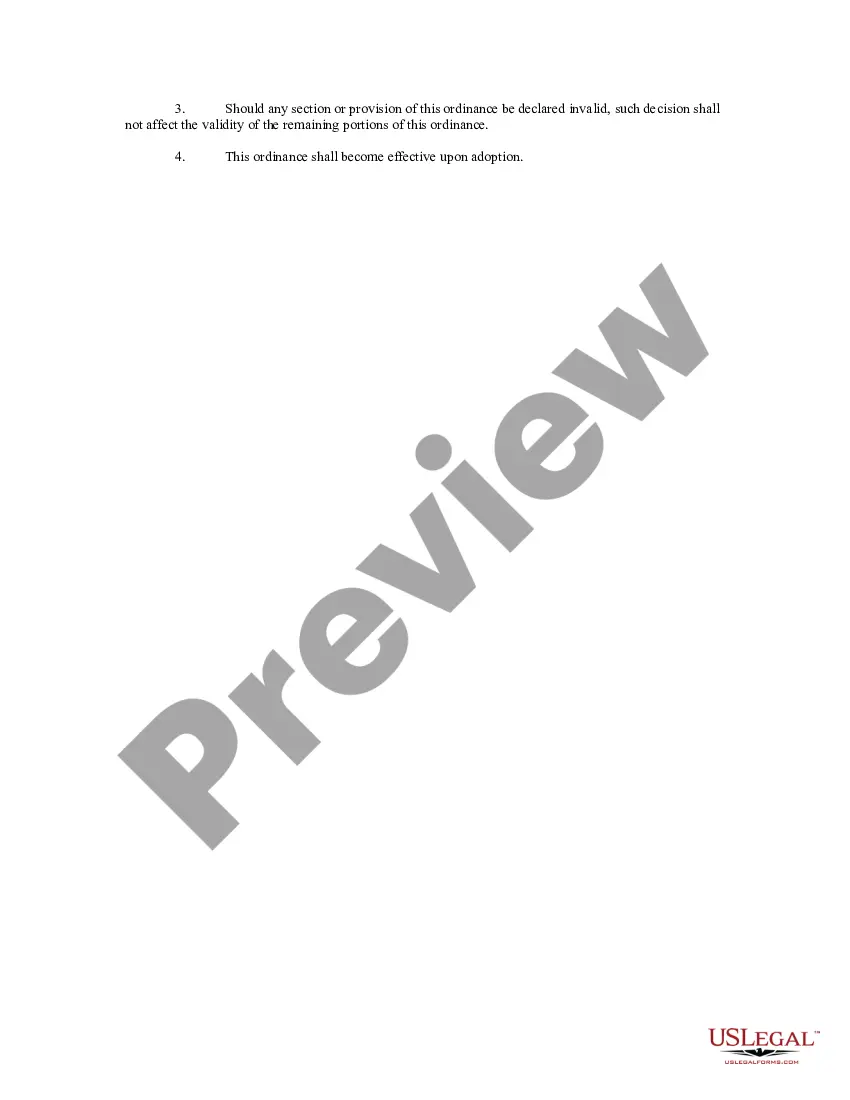
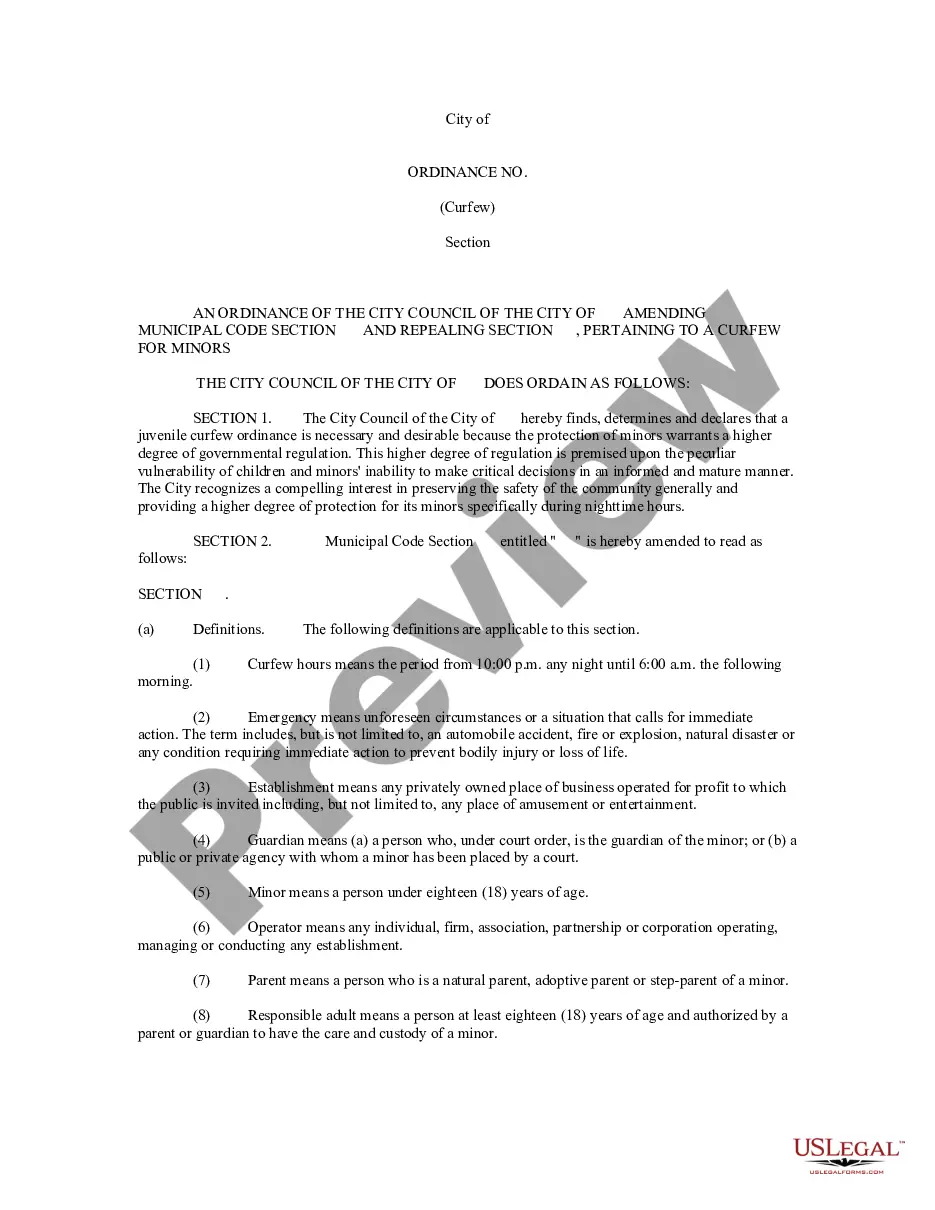
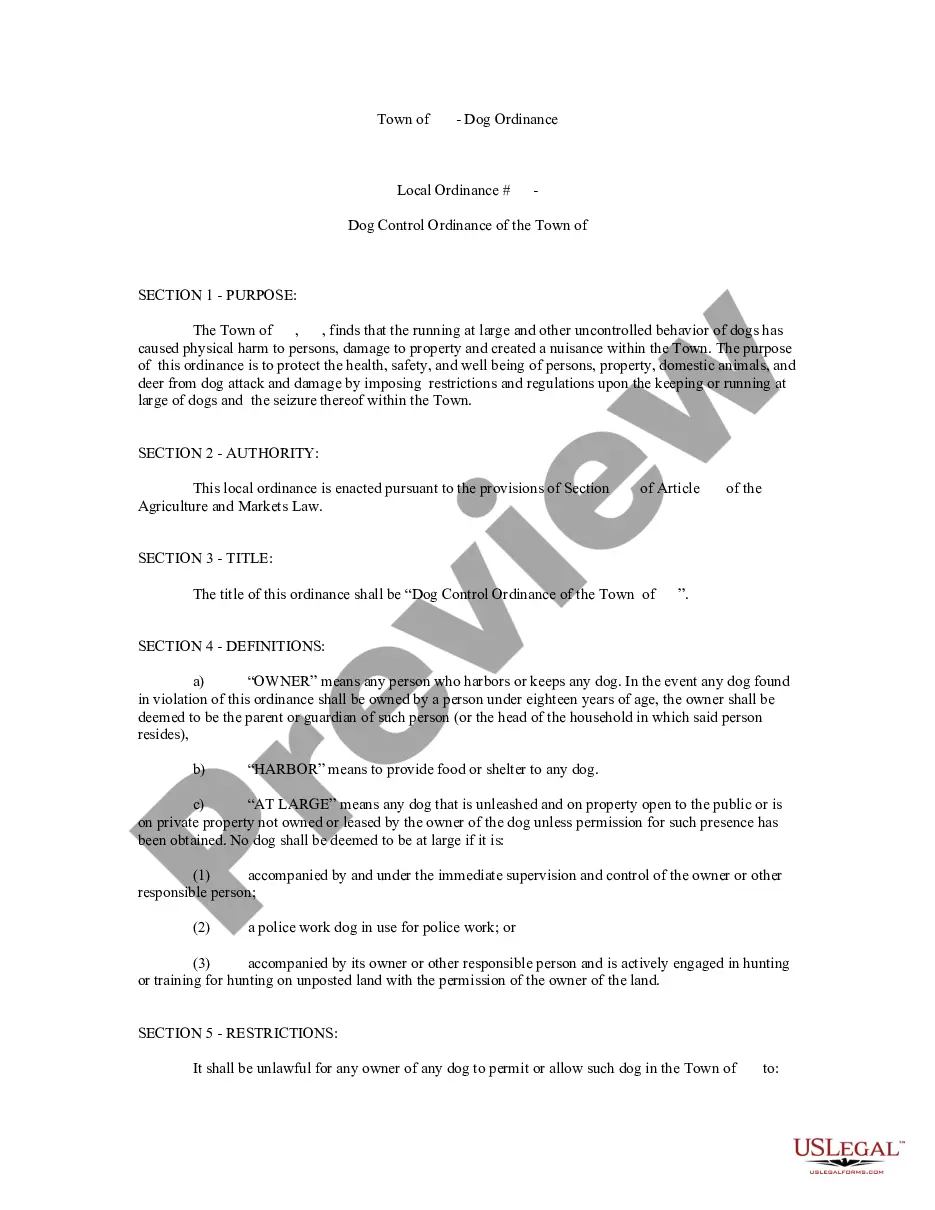
Get your form ready online
Our built-in tools help you complete, sign, share, and store your documents in one place.
Make edits, fill in missing information, and update formatting in US Legal Forms—just like you would in MS Word.
Download a copy, print it, send it by email, or mail it via USPS—whatever works best for your next step.
Sign and collect signatures with our SignNow integration. Send to multiple recipients, set reminders, and more. Go Premium to unlock E-Sign.
If this form requires notarization, complete it online through a secure video call—no need to meet a notary in person or wait for an appointment.
We protect your documents and personal data by following strict security and privacy standards.

Make edits, fill in missing information, and update formatting in US Legal Forms—just like you would in MS Word.

Download a copy, print it, send it by email, or mail it via USPS—whatever works best for your next step.

Sign and collect signatures with our SignNow integration. Send to multiple recipients, set reminders, and more. Go Premium to unlock E-Sign.

If this form requires notarization, complete it online through a secure video call—no need to meet a notary in person or wait for an appointment.

We protect your documents and personal data by following strict security and privacy standards.
Looking for another form?

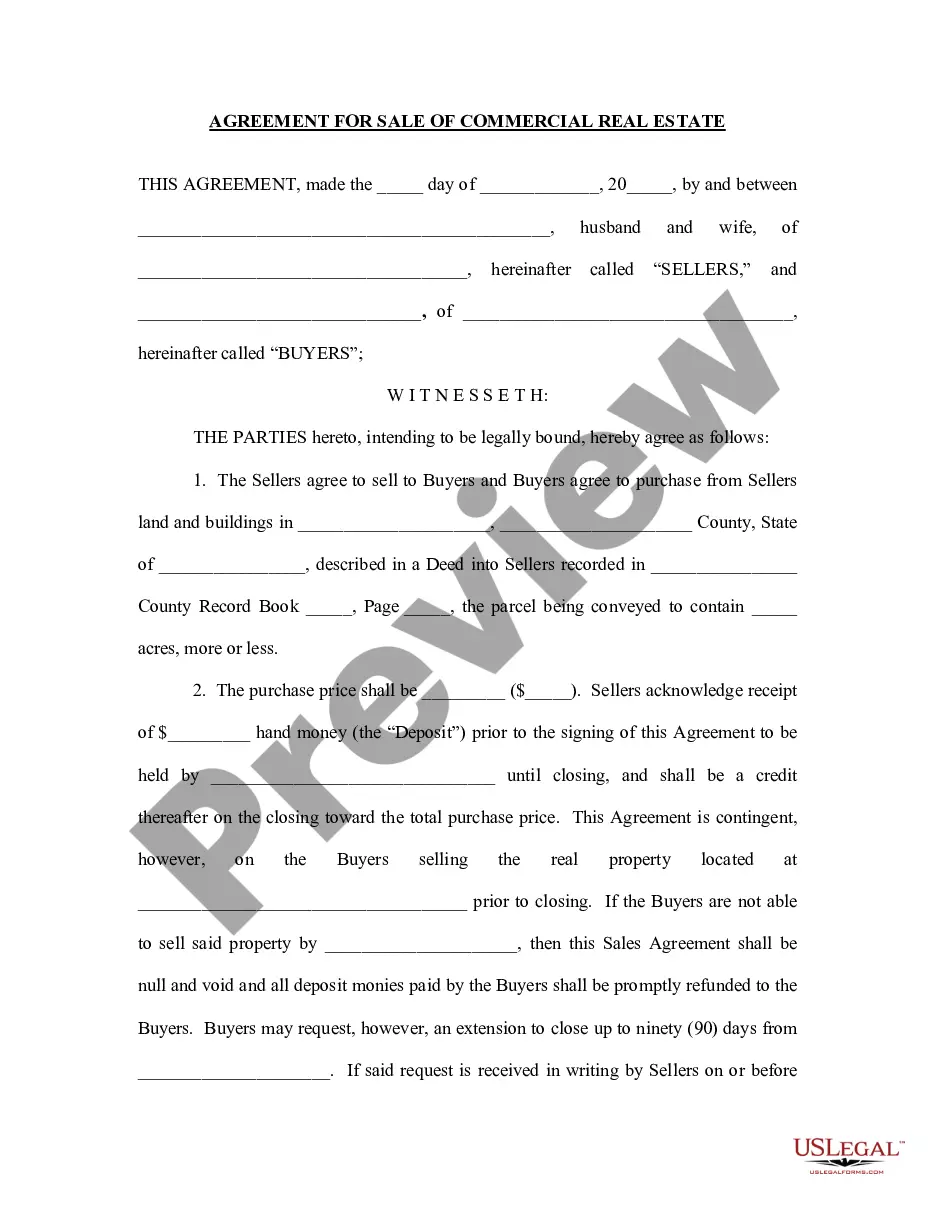
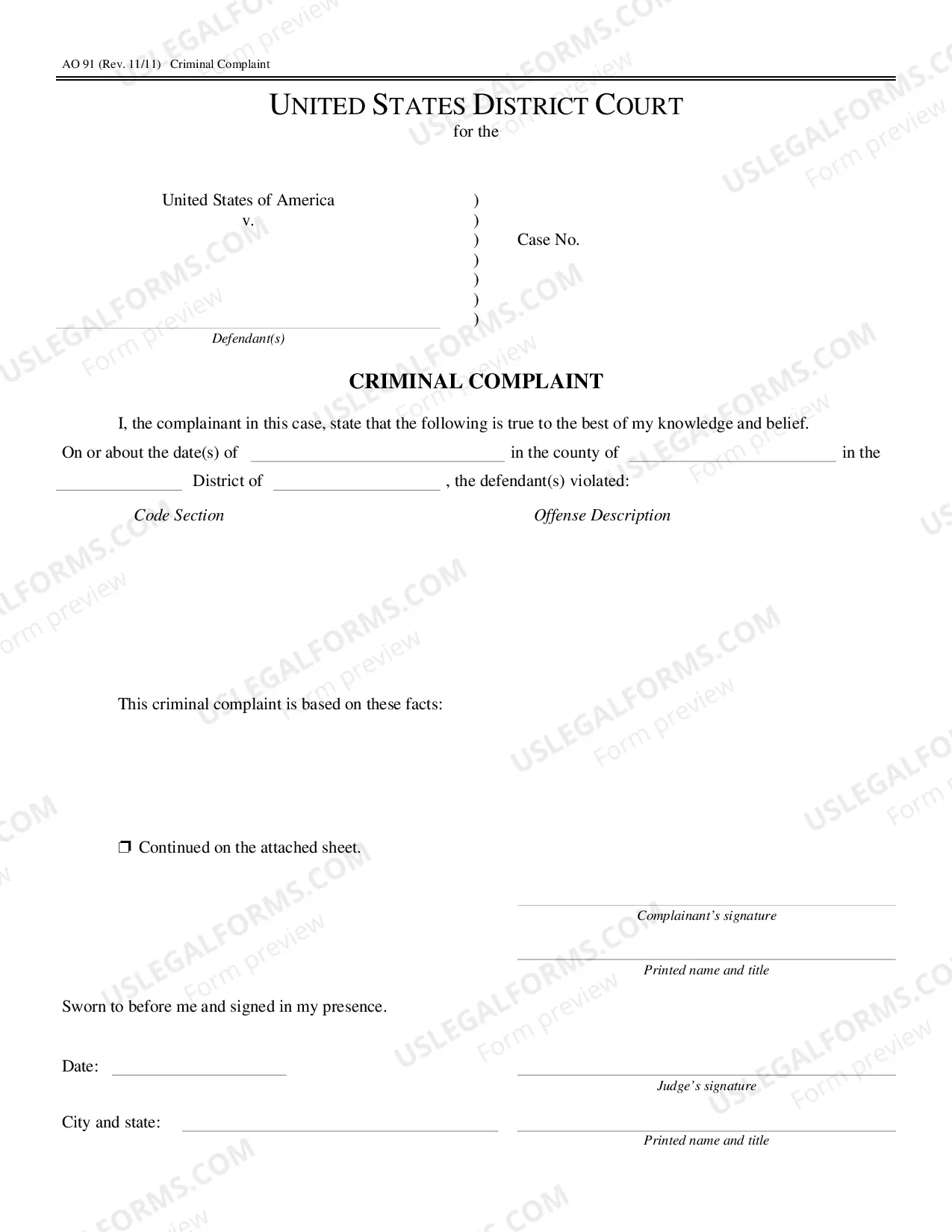
How to fill out Noise Ordinance?
Creating legal documents from the ground up can frequently be somewhat daunting.
Certain cases may entail extensive hours of investigation and substantial financial investment.
If you're searching for a simpler and more budget-friendly method of drafting the Noise Ordinance Order For Baltimore County or any other paperwork without unnecessary complications, US Legal Forms is always readily available.
Our online repository of over 85,000 current legal documents encompasses nearly every element of your financial, legal, and personal matters.
Examine the form preview and descriptions to confirm that you have located the form you need.
- With just a few clicks, you can instantly access state- and county-compliant templates meticulously crafted by our legal professionals.
- Utilize our website whenever you require reliable services that enable you to swiftly find and download the Noise Ordinance Order For Baltimore County.
- If you're a returning user and have previously created an account with us, simply Log In to your account, locate the template, and download it or re-download it anytime in the My documents section.
- Not registered yet? No worries. It only takes a few minutes to set it up and browse the catalog.
- However, before proceeding to download the Noise Ordinance Order For Baltimore County, consider these tips.
Form popularity
FAQ
A deed of release literally releases the parties to a deal from previous obligations, such as payments under the term of a mortgage because the loan has been paid off. The lender holds the title to real property until the mortgage's terms have been satisfied when a deed of release is commonly entered into.
A partial release is a mortgage provision that allows some of the collateral to be released from a mortgage after the borrower pays a certain amount of the loan. Lenders require proof of payment, a survey map, appraisal, and a letter outlining the reason for the partial release.
A mortgage release, also referred to as ?deed in lieu of foreclosure? (DIL), is when a homeowner relinquishes the ownership of their property voluntarily to the owner of the mortgage, often a bank or lender, in exchange for a release from the mortgage and all future mortgage payments.
When the loan is paid off, the Lender is supposed to record a statement that the loan was paid on the property. This is a ?release? (called a Reconveyance form in California). So when the Reconveyance is recorded with the correct information on it it releases the Deed of Trust obligation that was recorded earlier.
_____ dated _______________ registered in the office of the Sub- Registrar_________________ (hereinafter called the property). AND WHEREAS the Mortgagor hereby mortgages the above said land to for a loan amount of Rs. ??? (Rupees???????????????????????????. ???????????... only).
A Mortgage Satisfaction will only be issued on the condition that all other requirements under the mortgage have been met. All documentation should be sent electronically to mtgsatisfact@hpd.nyc.gov. ... MORTGAGE INFORMATION. ... PROPERTY INFORMATION. ... BORROWER / LEGAL OWNER INFORMATION. ... CONTACT INFORMATION (If Different from Above)
A deed of reconveyance is a document that transfers the title of a property to the borrower from the bank or mortgage holder once a mortgage has been satisfied. It clears the lender from the title to the property.
A mortgage shall be discharged upon the record of the mortgage by the county recorder when there is presented to the county recorder a certificate executed by the mortgagee or the mortgagee's assigns, acknowledged as provided in section 5301.01 of the Revised Code, or when there is presented to the recorder a deed of ...