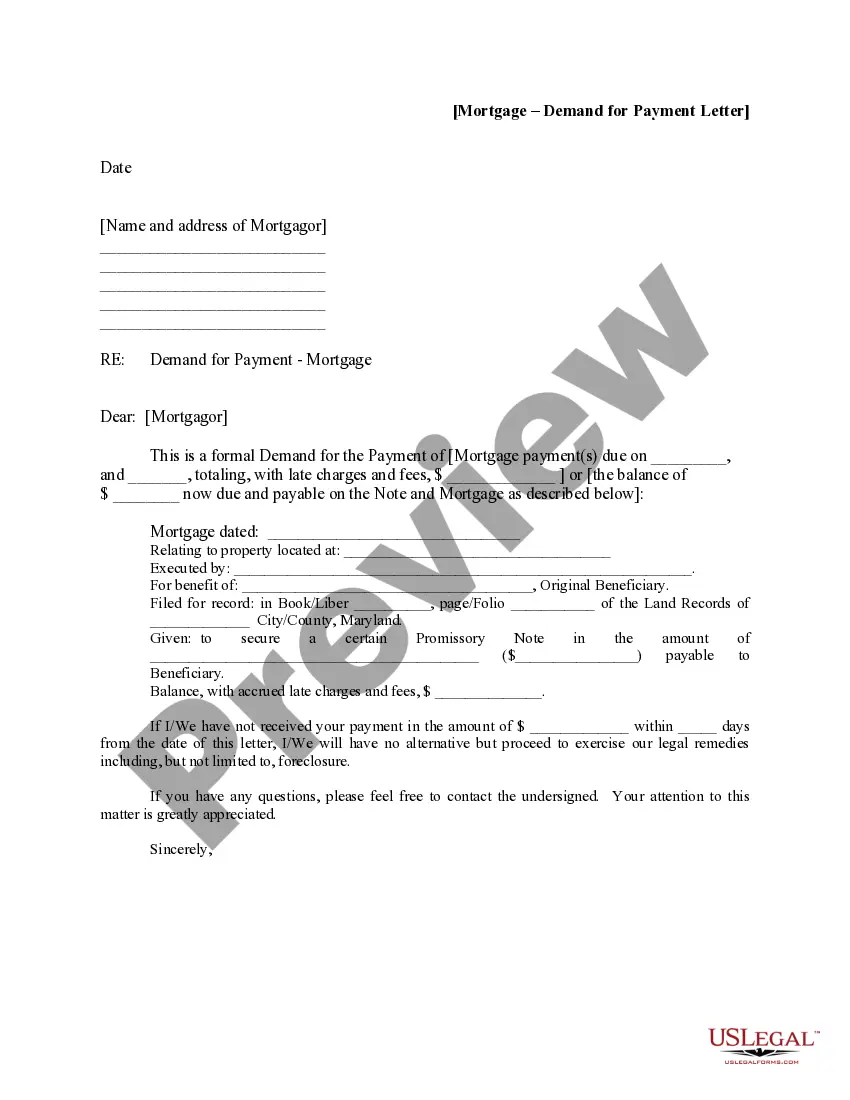
Letter To Hoa Sample With Approval
Description
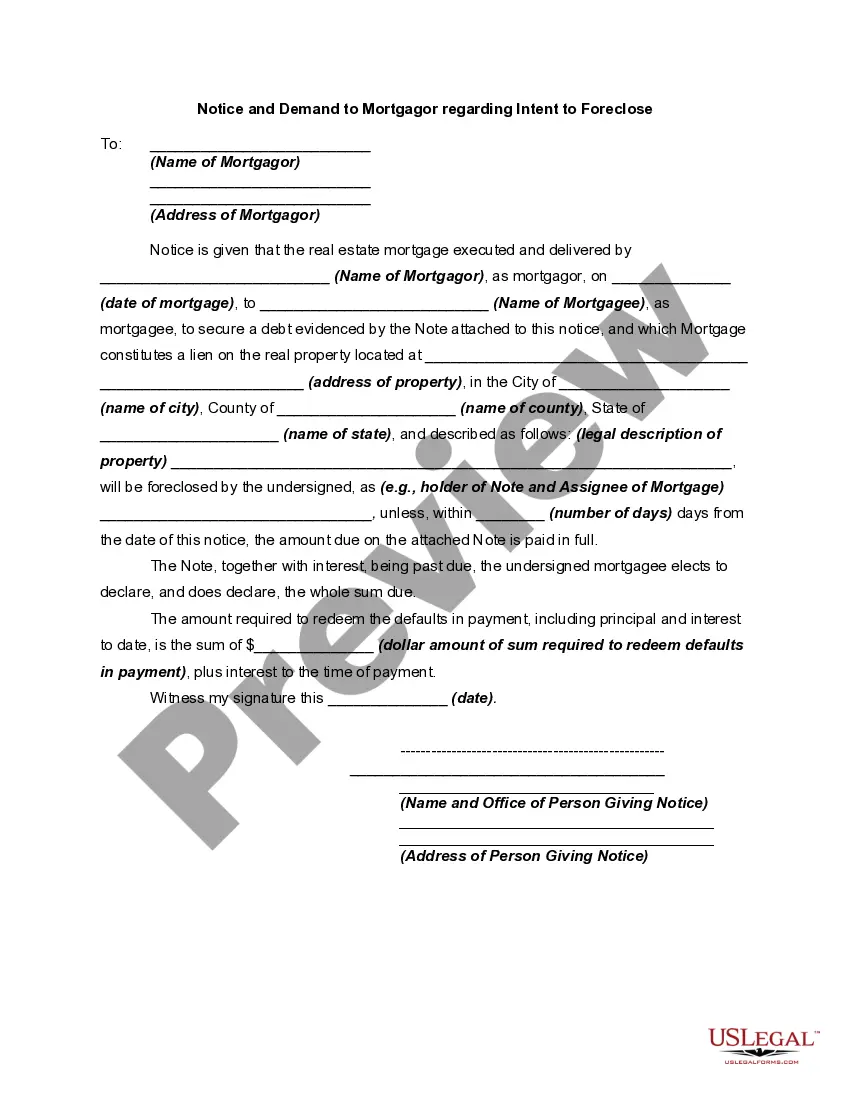
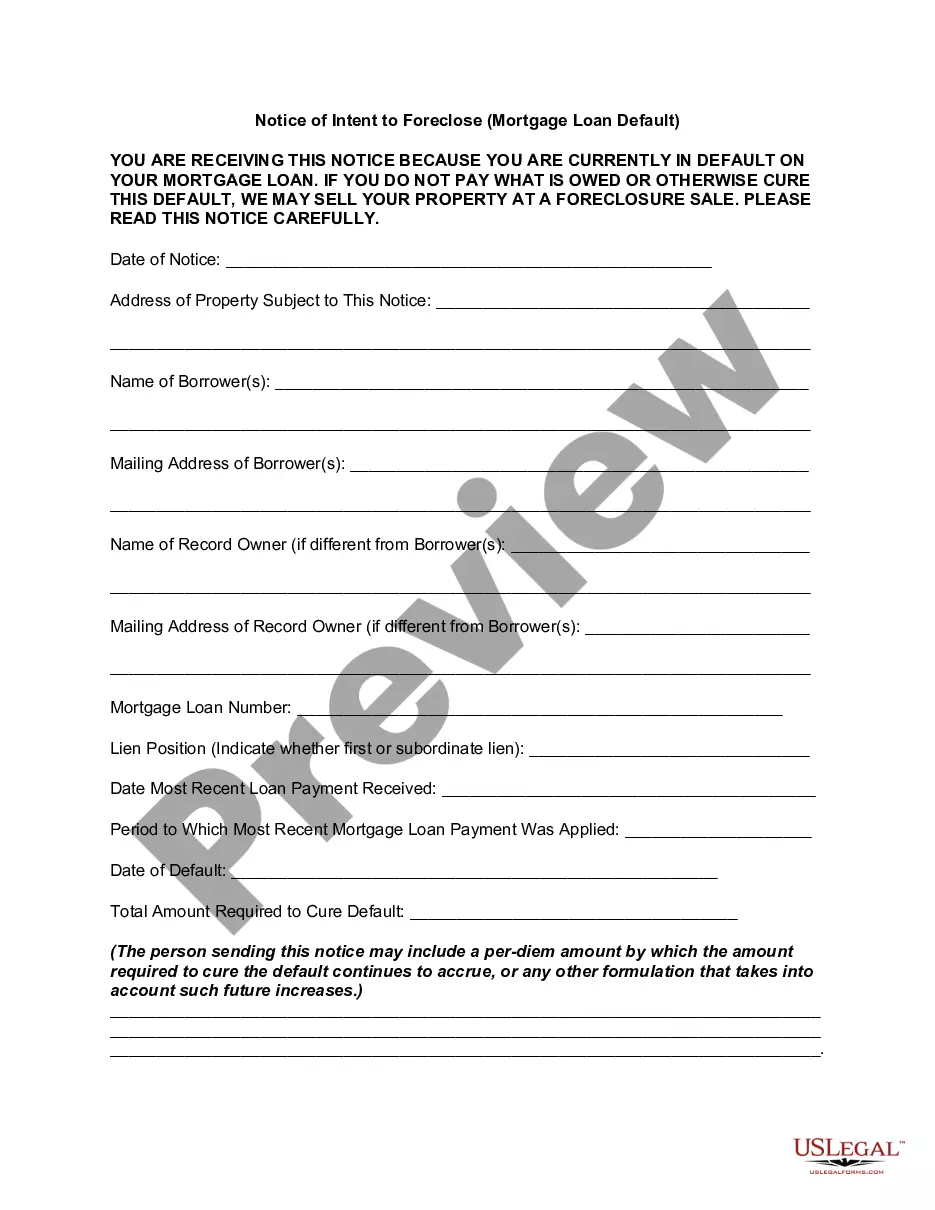
Get your form ready online
Our built-in tools help you complete, sign, share, and store your documents in one place.
Make edits, fill in missing information, and update formatting in US Legal Forms—just like you would in MS Word.
Download a copy, print it, send it by email, or mail it via USPS—whatever works best for your next step.
Sign and collect signatures with our SignNow integration. Send to multiple recipients, set reminders, and more. Go Premium to unlock E-Sign.
If this form requires notarization, complete it online through a secure video call—no need to meet a notary in person or wait for an appointment.
We protect your documents and personal data by following strict security and privacy standards.
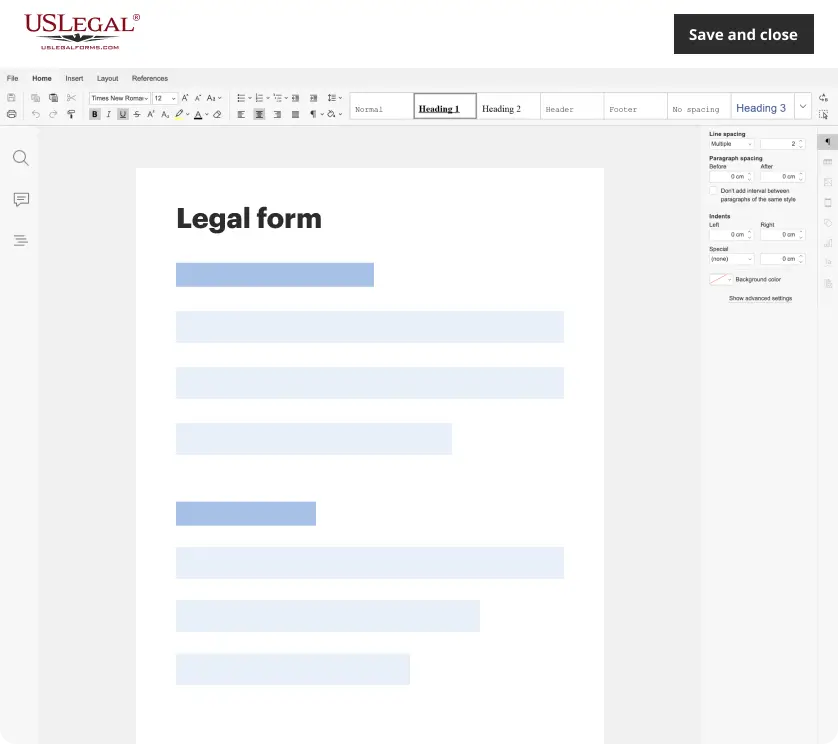
Make edits, fill in missing information, and update formatting in US Legal Forms—just like you would in MS Word.
Download a copy, print it, send it by email, or mail it via USPS—whatever works best for your next step.
Sign and collect signatures with our SignNow integration. Send to multiple recipients, set reminders, and more. Go Premium to unlock E-Sign.

If this form requires notarization, complete it online through a secure video call—no need to meet a notary in person or wait for an appointment.
We protect your documents and personal data by following strict security and privacy standards.
Looking for another form?
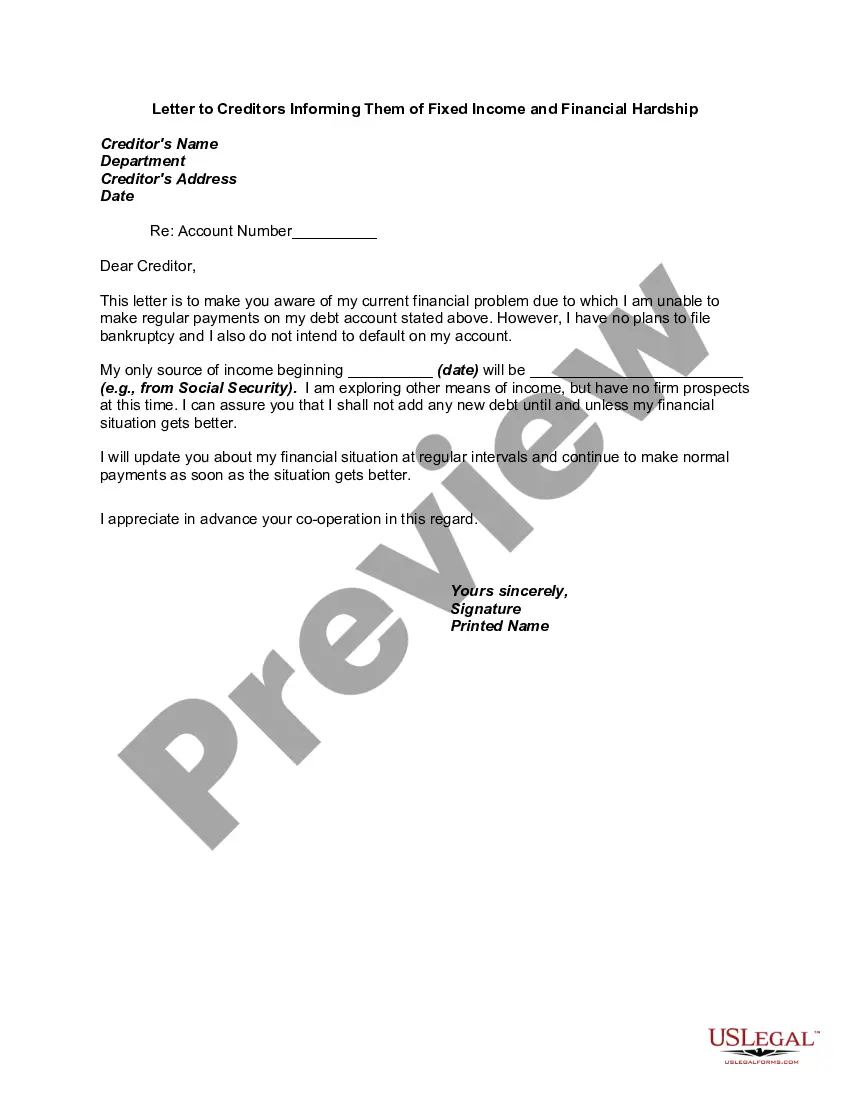
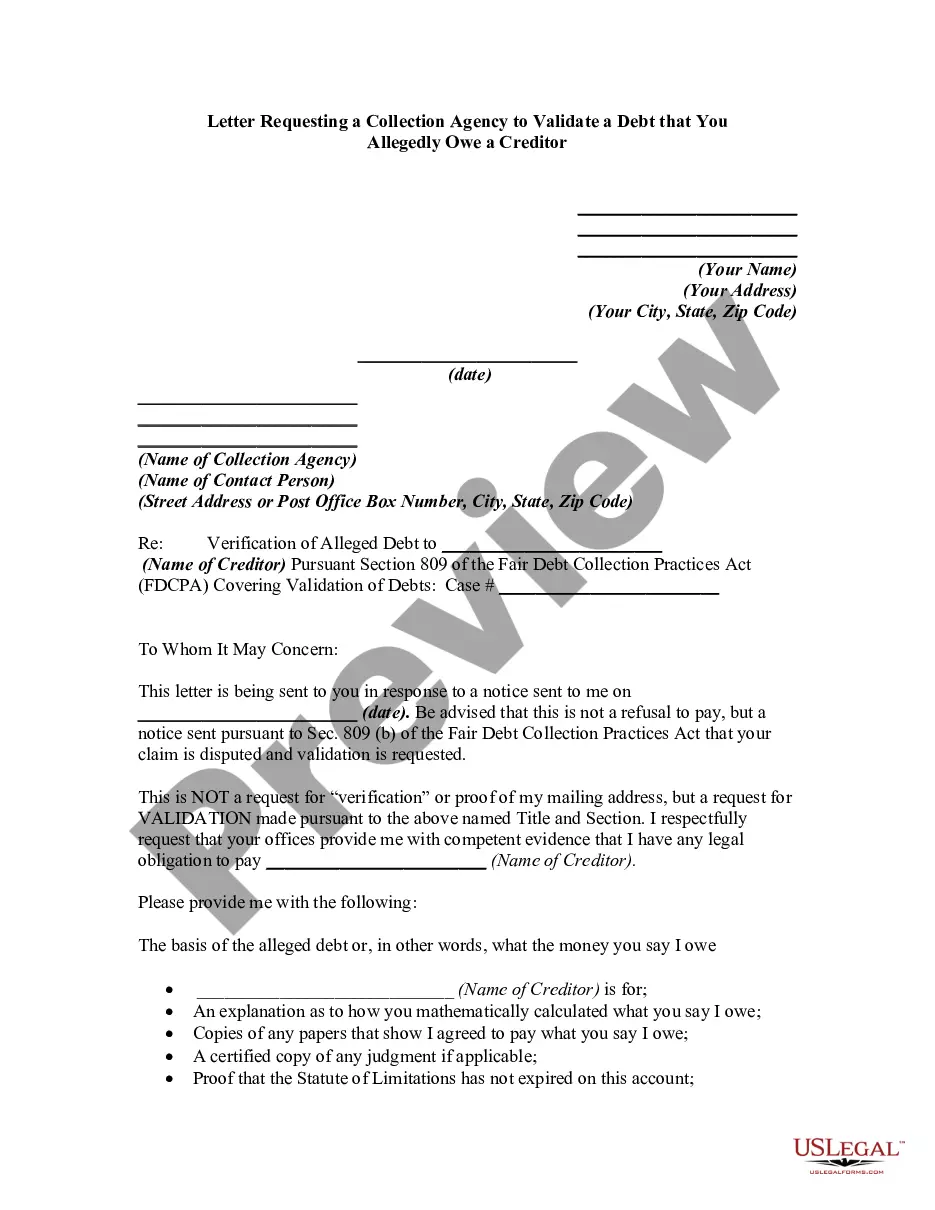
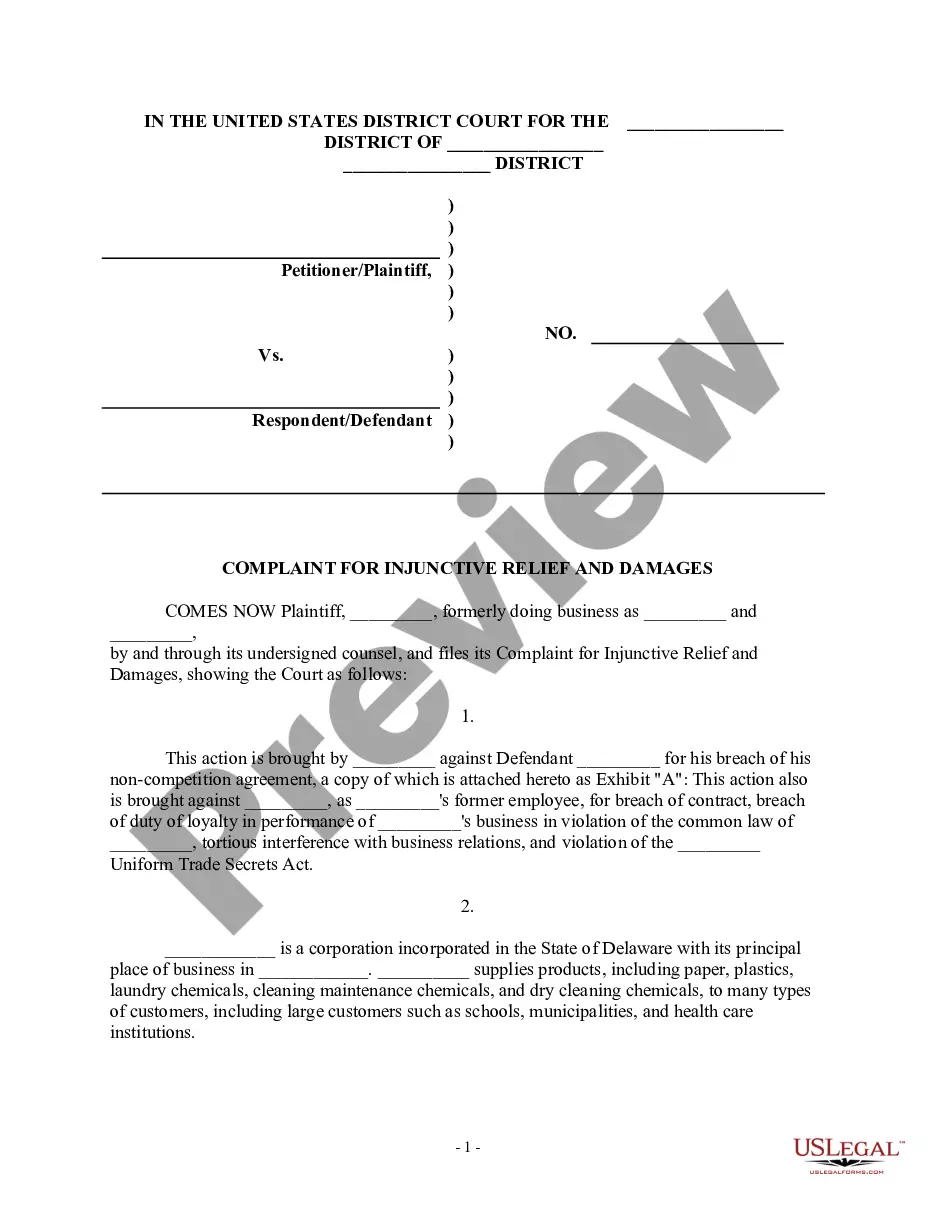
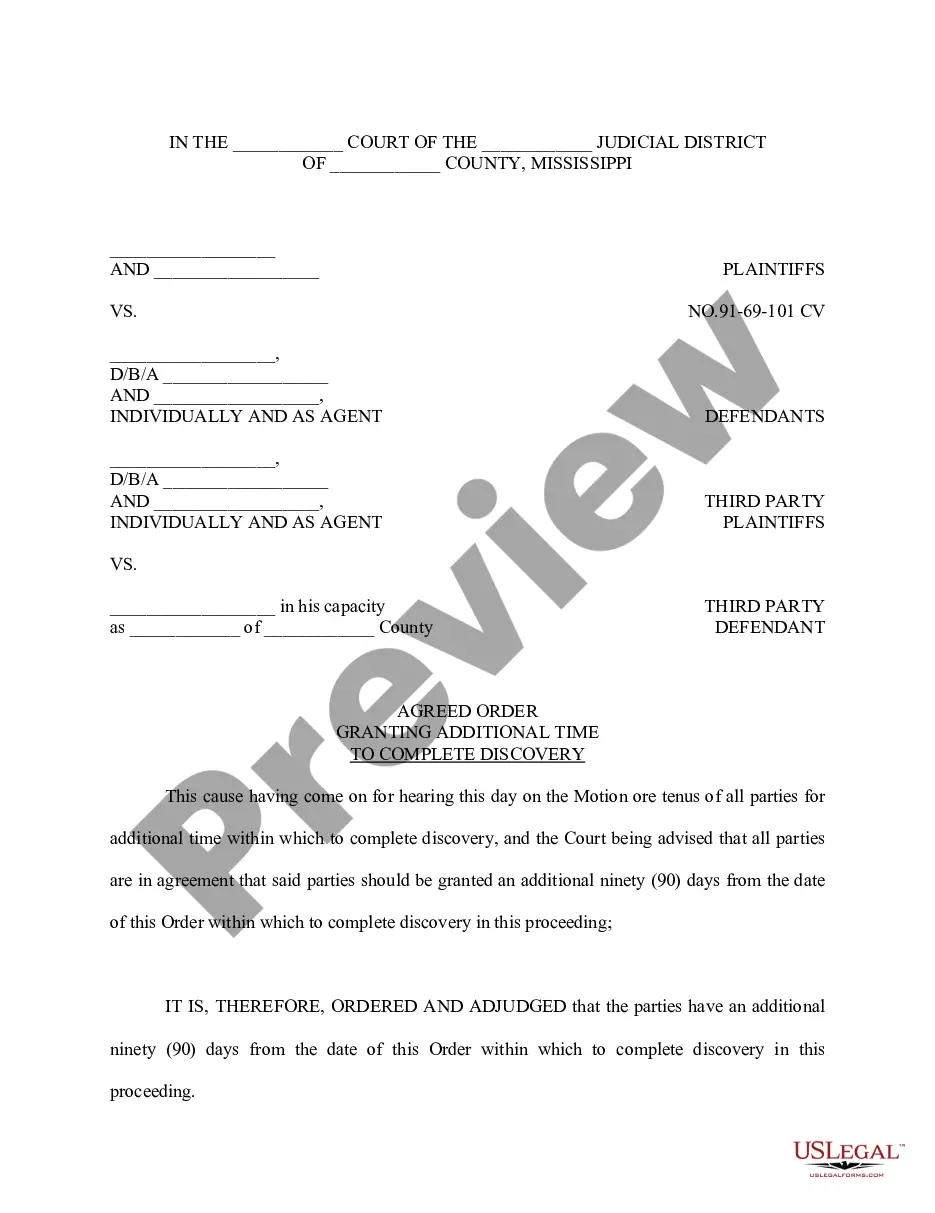
How to fill out Mortgage Demand Letter?
Regardless of whether it’s for corporate reasons or personal matters, everyone must deal with legal issues at some point in their lives.
Completing legal documents requires meticulous focus, starting with choosing the appropriate form template.
Once downloaded, you can fill out the form using editing software or print it and complete it by hand. With an extensive US Legal Forms catalog available, you won’t need to waste time searching for the right template online. Utilize the library's user-friendly navigation to find the appropriate template for any occasion.
- For instance, if you select an incorrect version of the Letter To Hoa Sample With Approval, it will be rejected upon submission.
- Thus, it is crucial to have a reliable source for legal documents like US Legal Forms.
- If you are looking for a Letter To Hoa Sample With Approval template, follow these straightforward steps.
- Obtain the template you need via the search function or catalog navigation.
- Review the form's details to confirm it aligns with your circumstances, state, and locality.
- Click on the form's preview to examine it.
- If it is the wrong form, return to the search function to locate the Letter To Hoa Sample With Approval template you require.
- Download the template if it meets your specifications.
- If you possess a US Legal Forms account, click Log in to access previously saved documents in My documents.
- If you do not have an account yet, you can download the form by clicking Buy now.
- Choose the correct pricing option.
- Complete the account registration form.
- Select your payment method: use a credit card or PayPal account.
- Choose the file format you prefer and download the Letter To Hoa Sample With Approval.
Form popularity
FAQ
You can grant your agent the ability to make gifts of your property if you choose to do so or even change beneficiary designations if you choose to include such language. The pros and cons of these powers should be discussed in detail with your estate planning attorney.
New Requirements for Executing a POA: The principal must execute the POA before a notary public and 2 independent witnesses; New Formalities Required: The first page of the POA must include a statutory ?notice? in capital letters signed by the principal.
In Pennsylvania, the duration of a Power of Attorney is generally determined by the terms outlined in the POA document itself. This means the POA could be set to expire on a specific date, upon the occurrence of a certain event, or when the principal becomes incapacitated or passes away.
Limited powers of attorney are valid for no more than 90 days, except those used by lessors, which are good for periods up to one year.
Although it is not required, filing a power of attorney in Pennsylvania may be done with the clerk of the Orphan's Court Division of the Court of Common Pleas in the county where the principal resides.
A nondurable Power of Attorney will end if you become incapacitated. However, in Pennsylvania all Powers of Attorney signed on or after December 16, 1992 are durable unless the document specifically states otherwise.
(1) A power of attorney shall be dated, and it shall be signed by the principal by signature or mark, or by another individual on behalf of and at the direction of the principal if the principal is unable to sign but specifically directs another individual to sign the power of attorney.