Landlord Laws In Tennessee
Description

Get your form ready online
Our built-in tools help you complete, sign, share, and store your documents in one place.
Make edits, fill in missing information, and update formatting in US Legal Forms—just like you would in MS Word.
Download a copy, print it, send it by email, or mail it via USPS—whatever works best for your next step.
Sign and collect signatures with our SignNow integration. Send to multiple recipients, set reminders, and more. Go Premium to unlock E-Sign.
If this form requires notarization, complete it online through a secure video call—no need to meet a notary in person or wait for an appointment.
We protect your documents and personal data by following strict security and privacy standards.

Make edits, fill in missing information, and update formatting in US Legal Forms—just like you would in MS Word.

Download a copy, print it, send it by email, or mail it via USPS—whatever works best for your next step.

Sign and collect signatures with our SignNow integration. Send to multiple recipients, set reminders, and more. Go Premium to unlock E-Sign.

If this form requires notarization, complete it online through a secure video call—no need to meet a notary in person or wait for an appointment.

We protect your documents and personal data by following strict security and privacy standards.
Looking for another form?
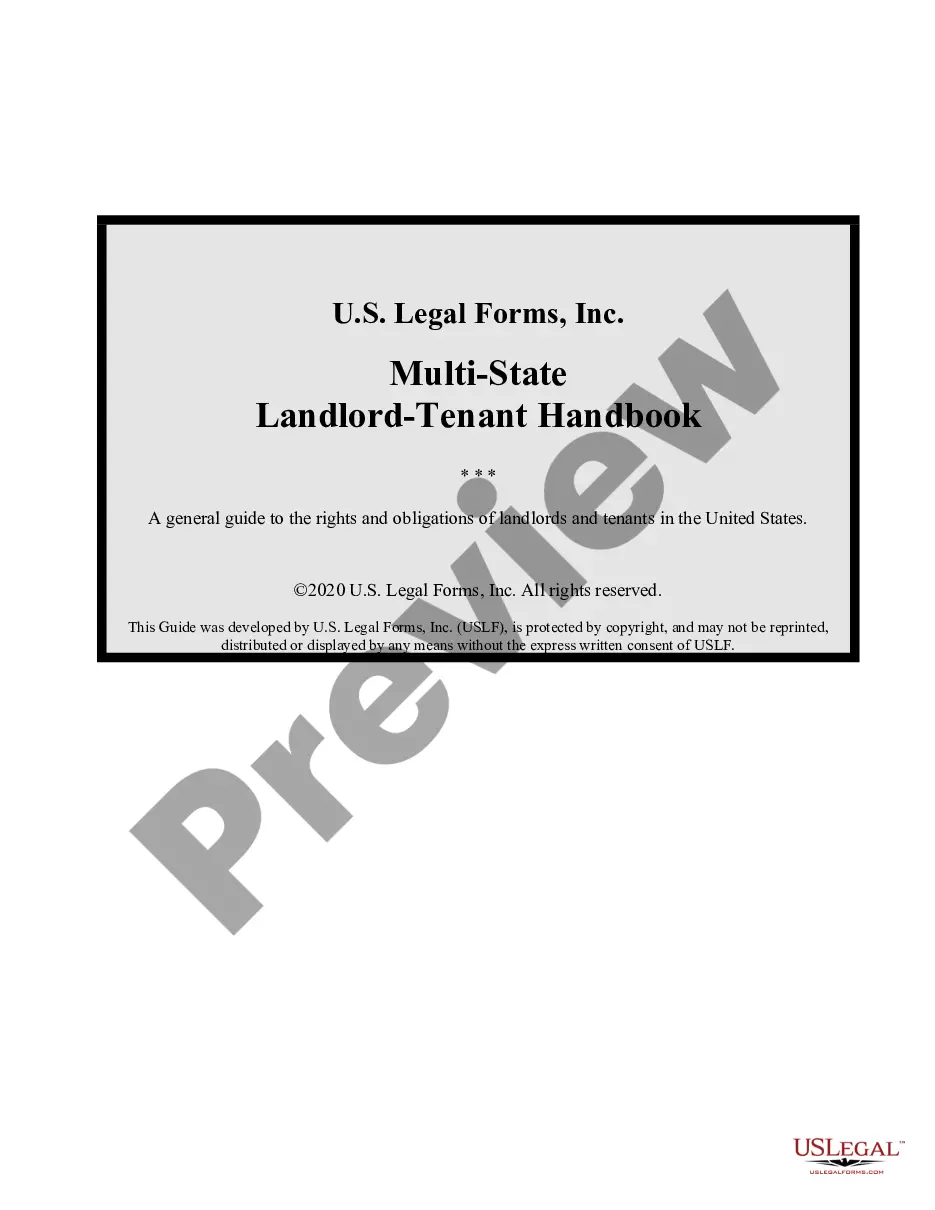
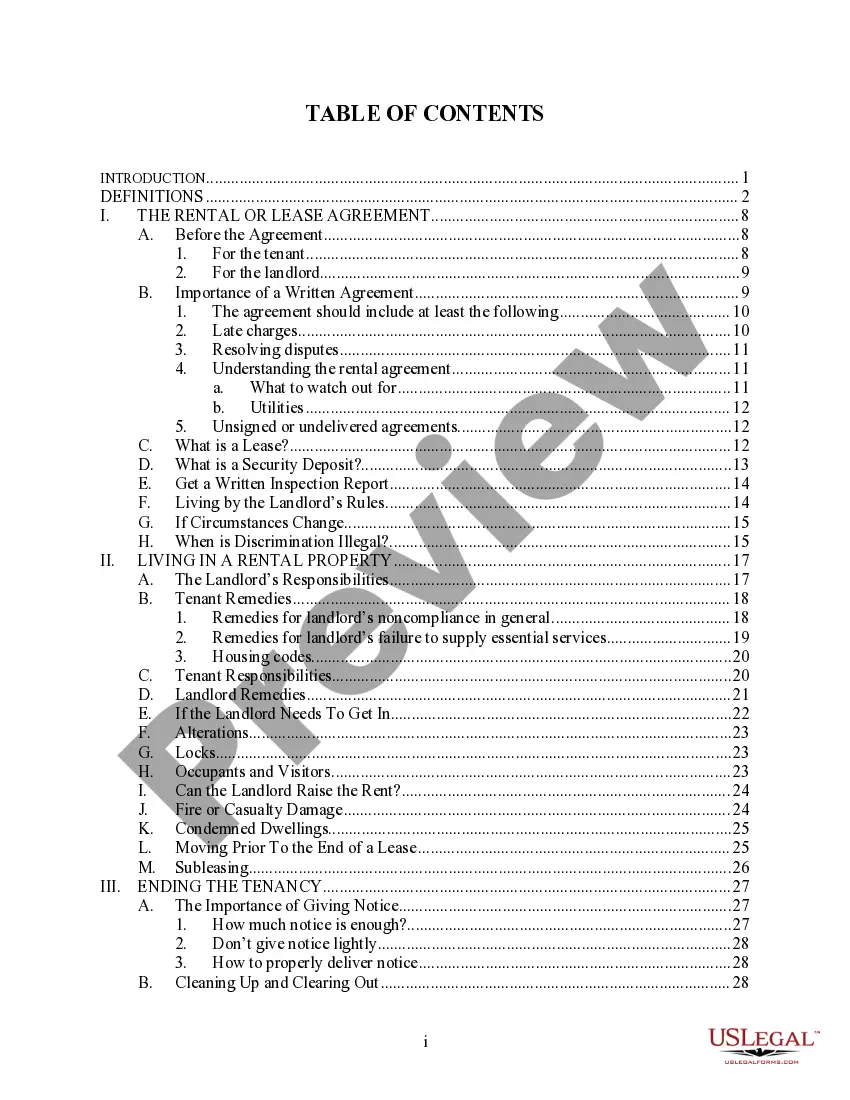
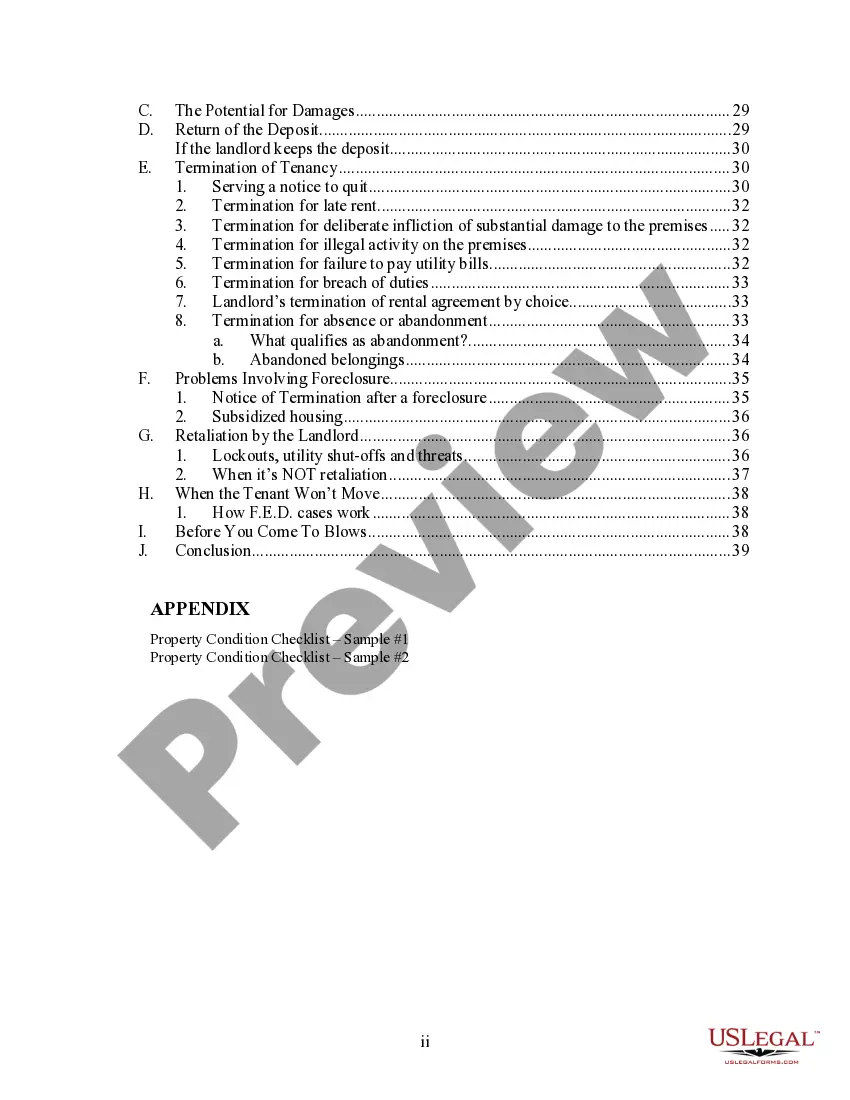
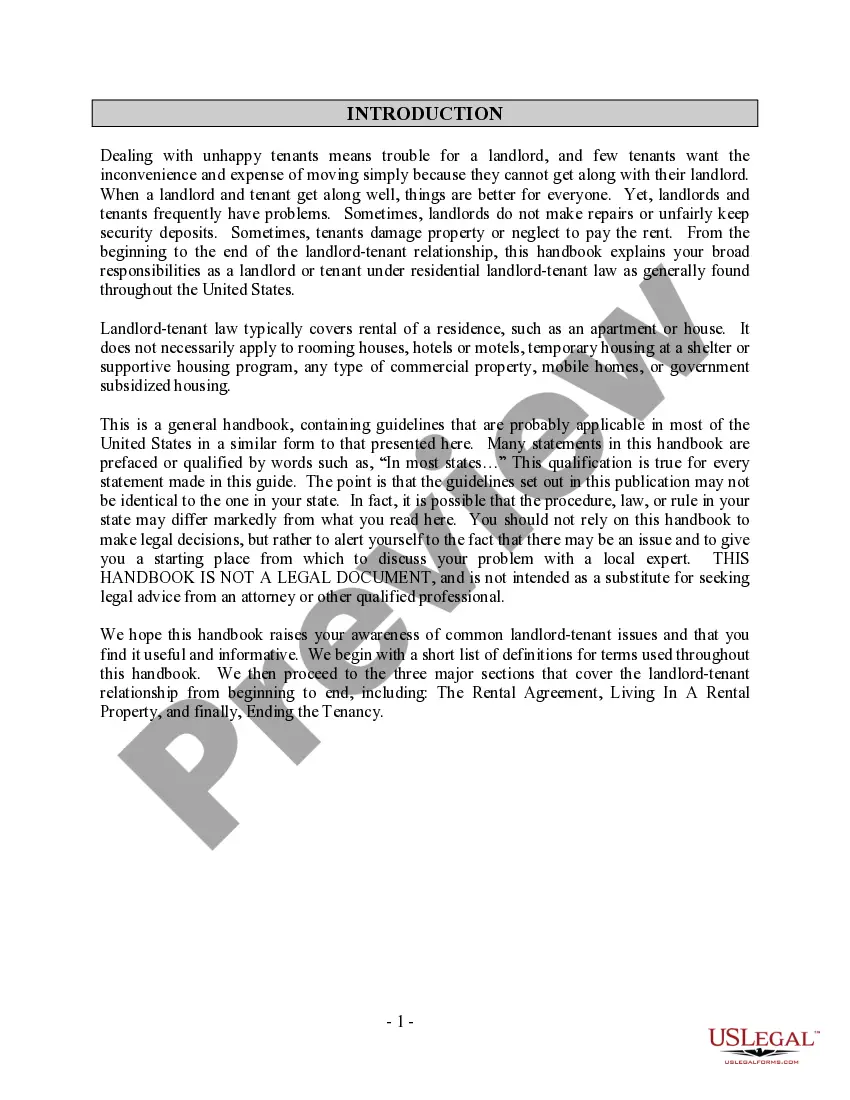
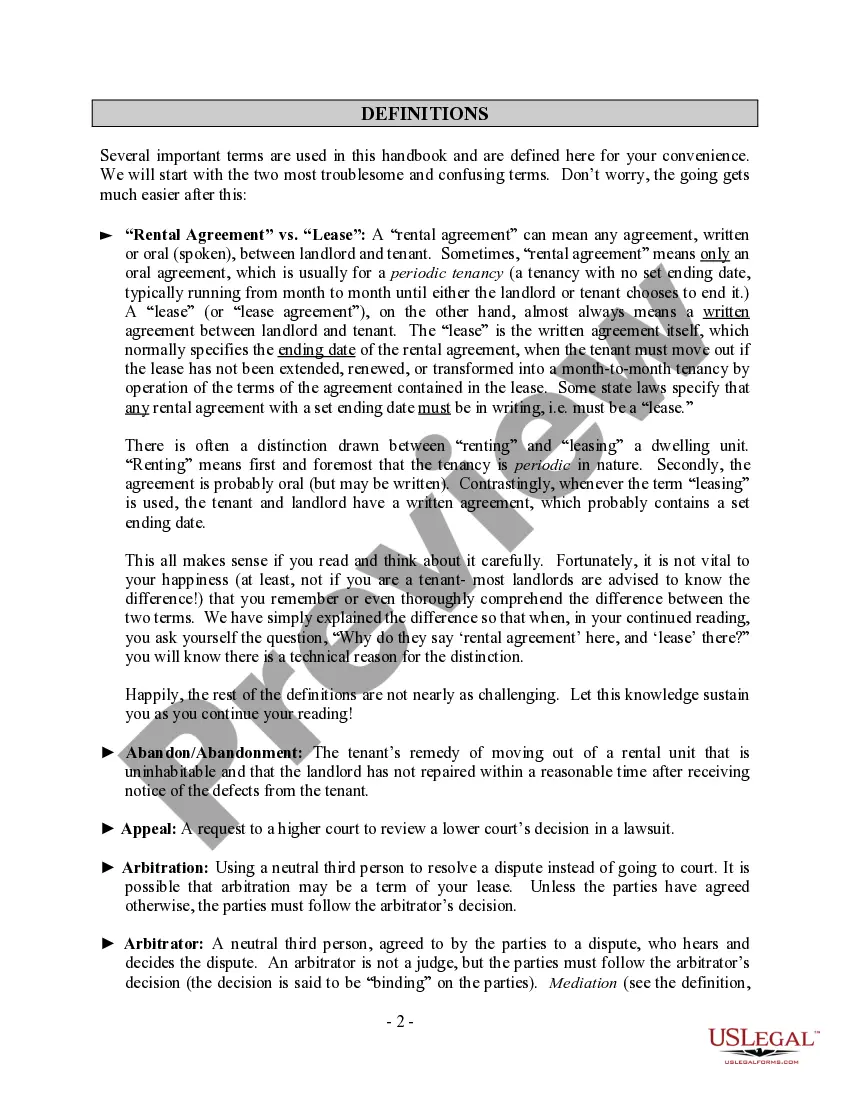
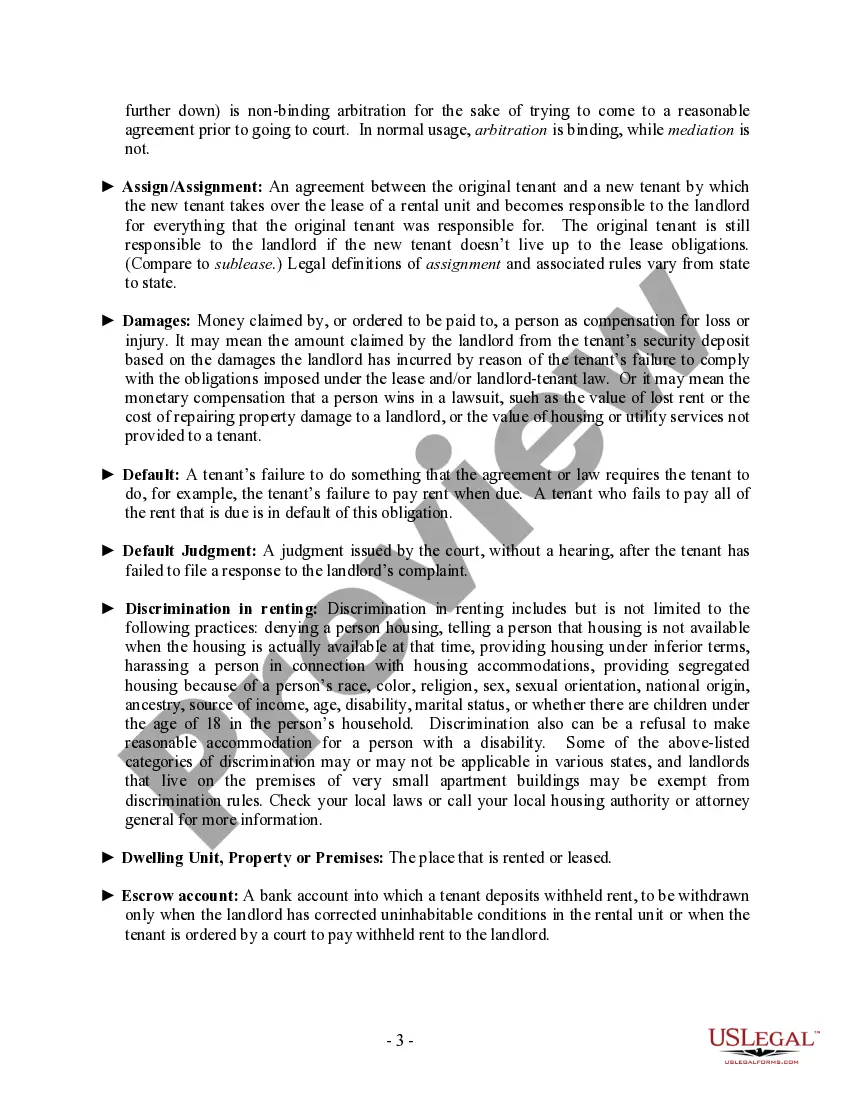
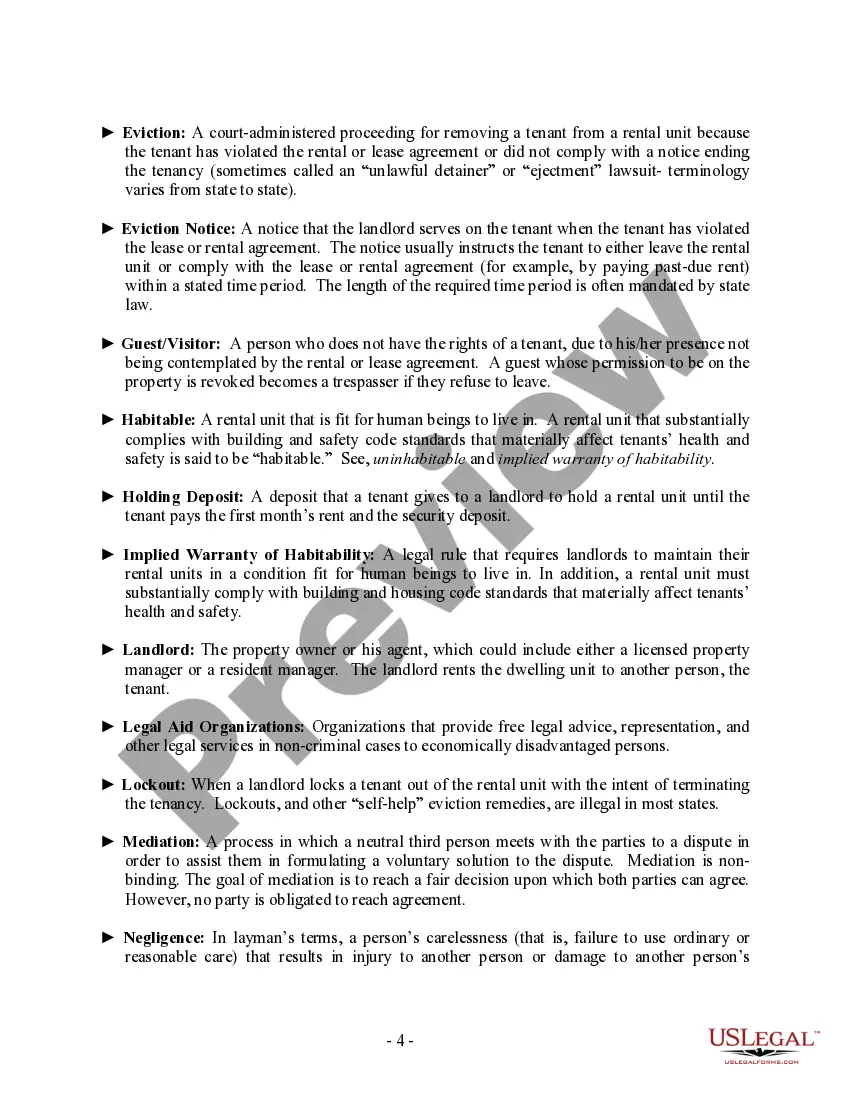
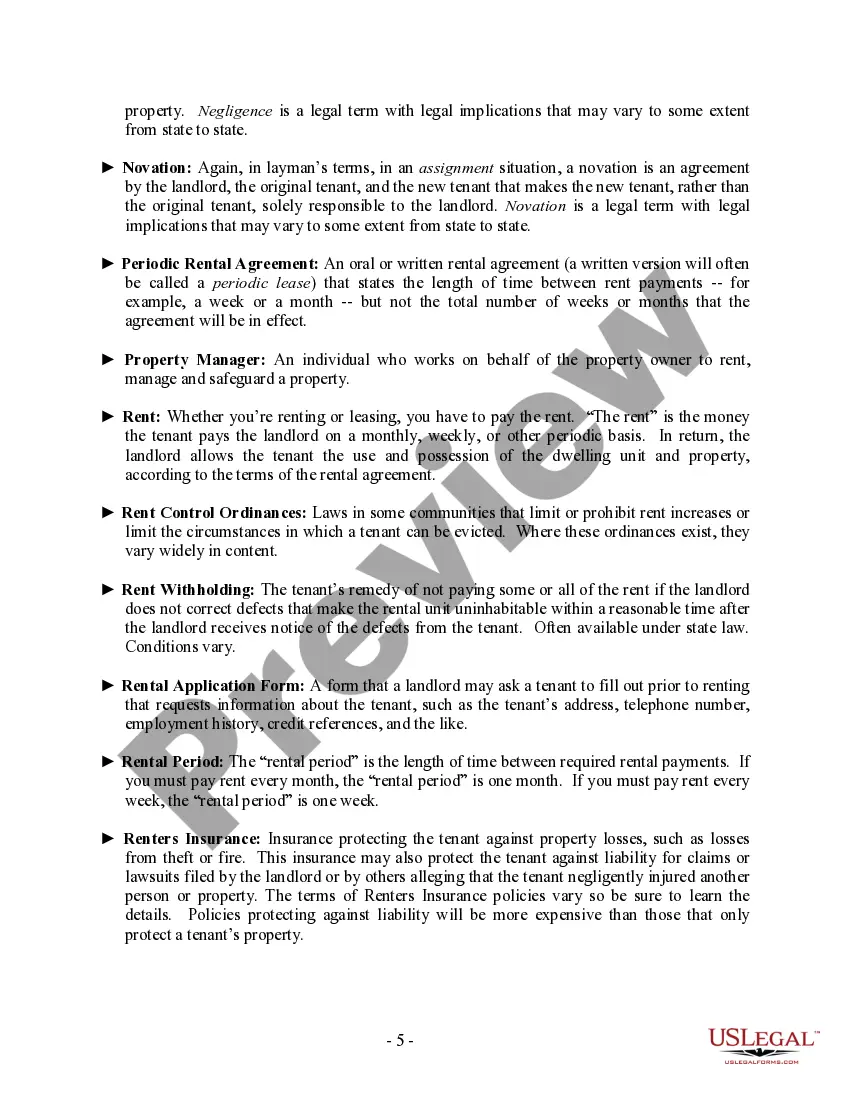
How to fill out Multistate Landlord Tenant Handbook - Guide - Laws?
Whether for corporate purposes or for personal issues, everyone must confront legal circumstances at some stage in their life.
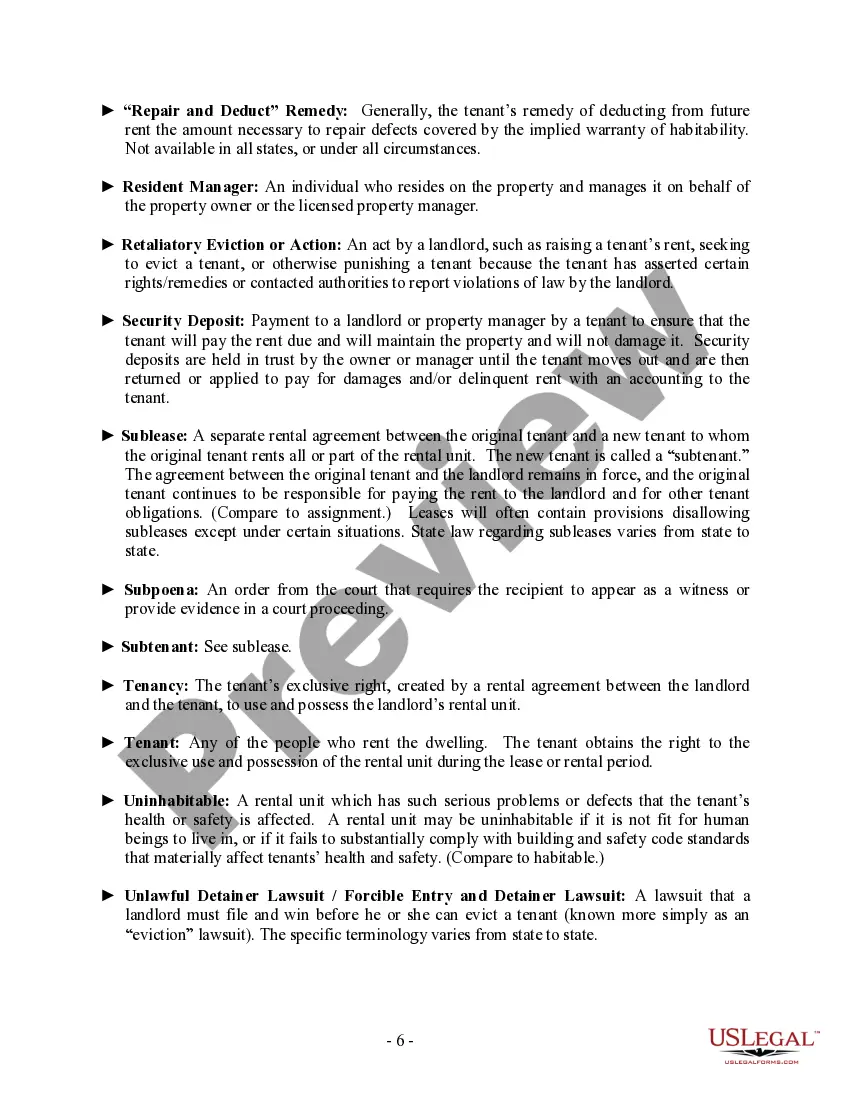
Completing legal paperwork necessitates meticulous consideration, beginning with selecting the appropriate form template. For instance, if you choose an incorrect version of the Landlord Laws In Tennessee, it will be denied once submitted.
With a vast catalog from US Legal Forms available, you won’t need to waste time searching for the right template online. Utilize the library’s simple navigation to find the appropriate form for any occasion.
- Obtain the template you require using the search function or catalog browsing.
- Review the document’s details to ensure it corresponds with your circumstances, state, and county.
- Click on the form’s preview to inspect it.
- If it is the wrong document, return to the search feature to find the Landlord Laws In Tennessee sample you need.
- Download the template if it satisfies your requirements.
- If you possess a US Legal Forms account, simply click Log in to access previously saved templates in My documents.
- If you do not yet have an account, you can acquire the form by clicking Buy now.
- Select the correct pricing option.
- Complete the account registration form.
- Choose your payment method: utilize a credit card or PayPal account.
- Select the document format you desire and download the Landlord Laws In Tennessee.
- Once it is saved, you can fill out the form using editing software or print it and complete it manually.
Form popularity
FAQ
Renters' rights in Tennessee include the right to a habitable living environment, protection against unlawful eviction, and the right to privacy. Tenants must also be notified before landlords enter their homes, except in emergencies. Understanding and asserting these rights is crucial, as it helps tenants maintain a safe and secure living situation. Educating yourself on these rights is easier with resources like USLegalForms, which provide comprehensive guides on landlord laws in Tennessee.
To fill out a tenant checklist, start by listing all parts of the rental unit, such as rooms and appliances. Document the condition of each item and space as you go, making note of any damages or necessary repairs. This process helps protect both parties and aligns with landlord laws in Tennessee that emphasize clarity and accountability in rental agreements. You can find user-friendly templates on platforms like USLegalForms to streamline this task.
Filling out a landlord statement requires clear communication of your intentions and details about the rental property. Begin by providing your contact information and the address of the property. Next, include relevant dates such as the lease term and the rent amount. By using templates available through platforms like USLegalForms, you can ensure your landlord statement complies with landlord laws in Tennessee and includes all necessary information.
If you decide to take legal action against your landlord in Tennessee, you should first document all communications and issues related to your tenancy. Consult with an attorney who specializes in landlord-tenant law to understand your options and the necessary steps. Familiarity with landlord laws in Tennessee is vital for effectively navigating this process and asserting your rights.
To report a landlord in Tennessee, you can contact local housing authorities or file a complaint with the Tennessee Department of Consumer Affairs. Documentation of any issues, such as lease violations or unsafe conditions, will strengthen your case. Staying informed about landlord laws in Tennessee will help you know your options when dealing with problematic landlords.
While there is no formal registration process for landlords in Tennessee, it is advisable to register your property with local authorities for tax and rental purposes. You should also review any local licensing requirements and comply with rental regulations. Understanding landlord laws in Tennessee will help ensure your registration and compliance are seamless.
As a tenant in Tennessee, you have various legal rights to ensure your living conditions are safe and fair. These rights include the right to a habitable home, protection against unlawful eviction, and privacy in your rental unit. Being aware of these landlord laws in Tennessee empowers you to take action if your rights are violated.
No, a specific landlord license is not required in Tennessee unless you manage a large number of rental units or operate a rental business. However, you must comply with local zoning laws and housing regulations. Familiarizing yourself with landlord laws in Tennessee will ensure that you are a responsible landlord and help you create a positive rental experience.
In Tennessee, you do not technically need a license to be a landlord as long as you rent out properties that you own. However, other regulations apply depending on your location and the number of units you own. Staying informed about the landlord laws in Tennessee can help you avoid legal issues and maintain a good relationship with your tenants.
The new landlord law in Tennessee focuses on enhancing tenant protections and specifies conditions under which landlords must operate. Key changes include stricter rules on eviction processes and increased responsibilities for maintaining rental properties. Understanding these landlord laws in Tennessee is essential for both landlords and tenants to ensure compliance and protect rights.