Arkansas Amendment No. To The Declaration of Covenants Conditions
Understanding this form
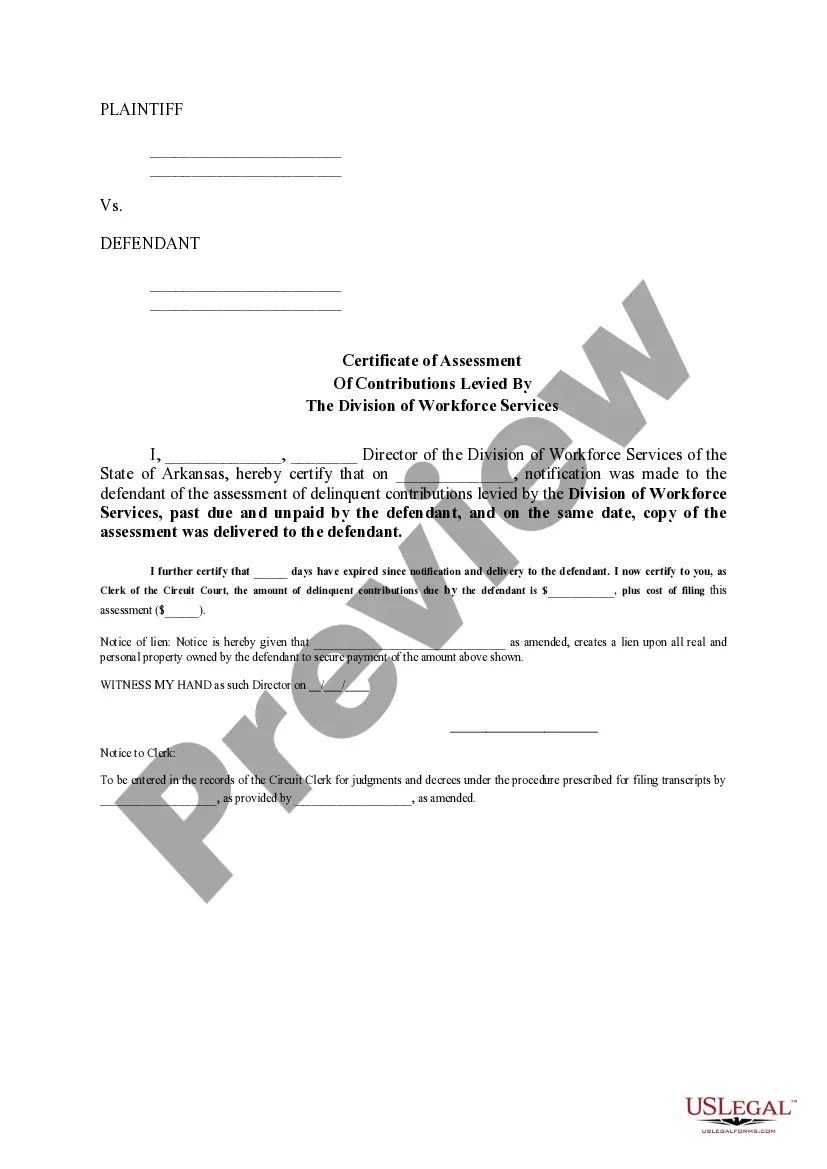
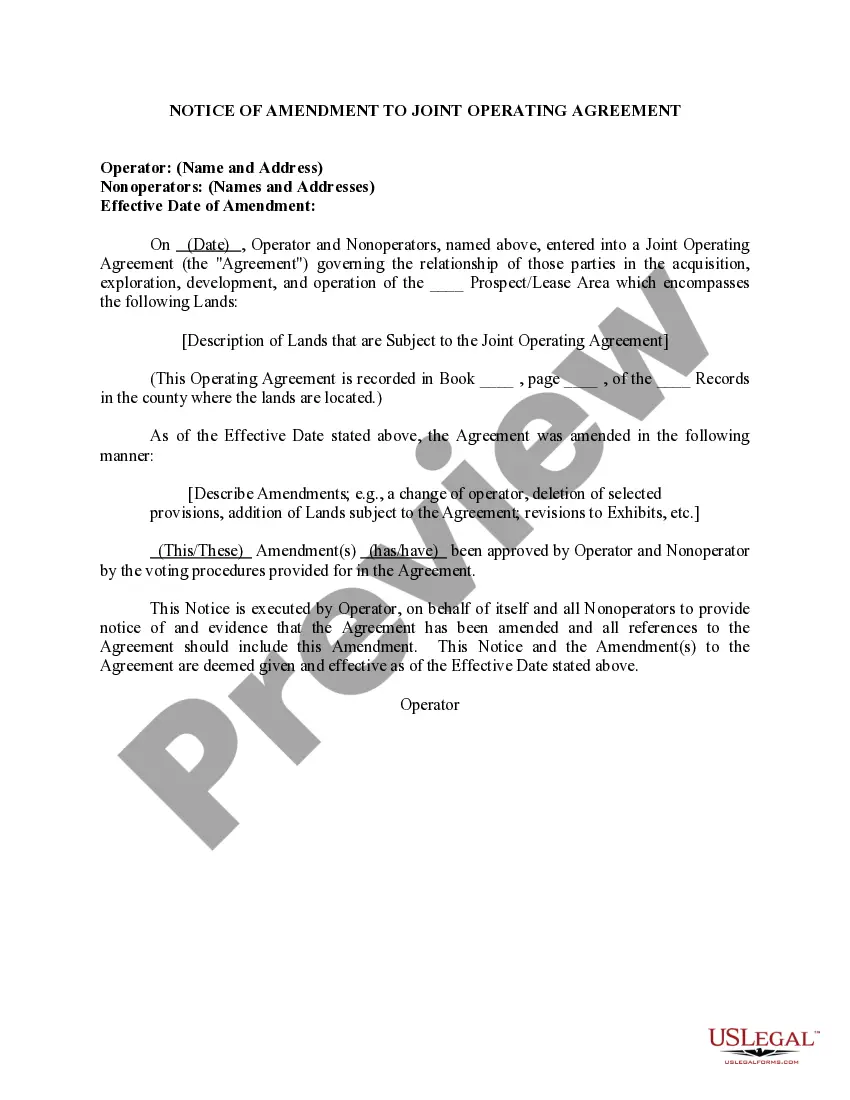
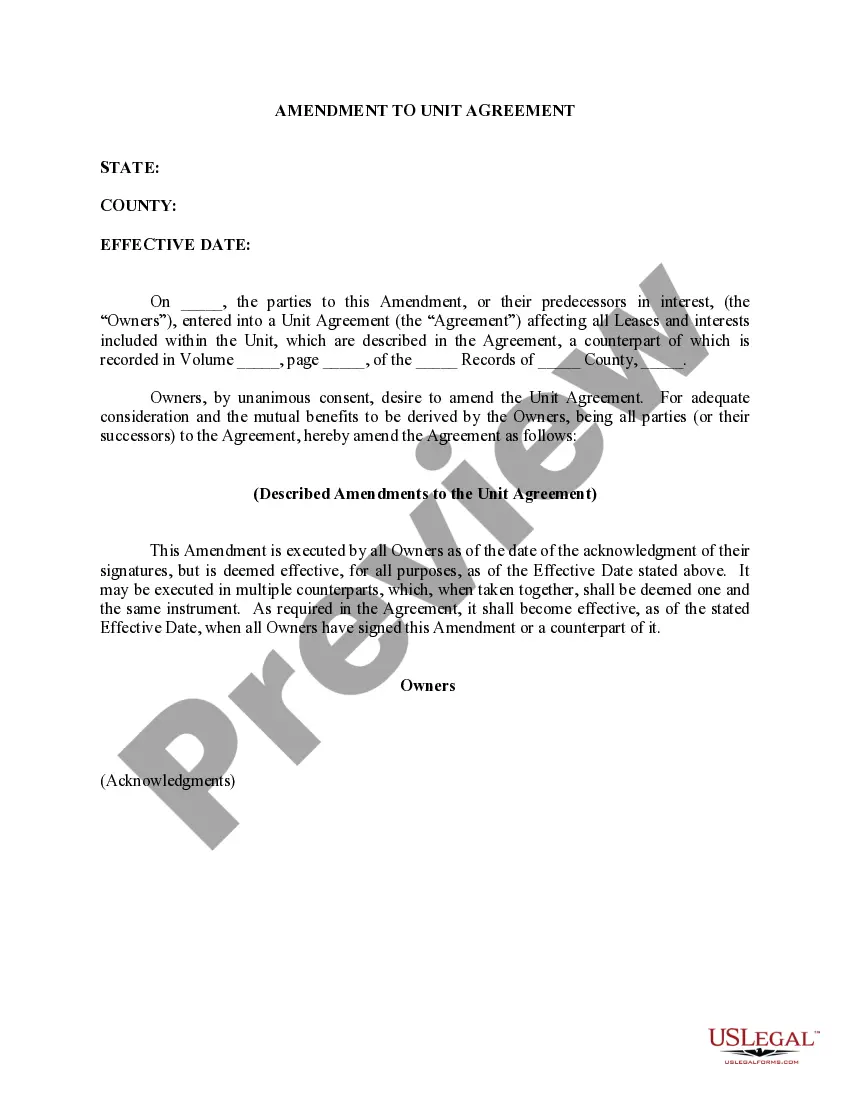
The Amendment No. To The Declaration of Covenants Conditions is a legal document that addresses delinquent contributions owed by a defendant. This form certifies the creation of a lien on the defendant's real and personal property to secure payment of outstanding amounts. It is specifically used to ensure compliance with contributions levied by the Division of Workforce Services in a clear and enforceable manner. Unlike other forms that simply assess debts, this form actively secures the payment through a lien process, reinforcing its importance in debt recovery contexts.
Key parts of this document
- Plaintiff and Defendant Identification: Space for names of the parties involved.
- Certification of Assessment: Formal declaration of past due and unpaid contributions.
- Notification Details: Information on the notification date and delivery of the assessment to the defendant.
- Amount Owed: Section where the total delinquent contributions and filing costs are reported.
- Notice of Lien: Clause stating the creation of a lien on the defendant's property to secure payment.
- Clerk Notice: Instructions for the circuit clerk regarding record filing procedures.

Common use cases
This form should be used when a party has not paid their contributions as required by law, and the creditor seeks formal acknowledgement and enforcement of the debt. Situations that might warrant using this form include unsuccessful attempts to collect payment, the need to secure assets in order to ensure repayment, or compliance with legal procedures associated with the enforcement of financial obligations.
Who should use this form
- Individuals or organizations seeking to recover unpaid contributions from another party.
- Estate administrators or representatives managing debts owed on behalf of a deceased person.
- Legal professionals assisting clients with debt recovery related to workforce services contributions.
- Any entity that has received assessments from the Division of Workforce Services due to unpaid contributions.
Steps to complete this form
- Identify the plaintiff and defendant by filling in their names at the beginning of the document.
- Enter the date of notification to the defendant regarding the assessment of delinquent contributions.
- Specify the amount owed in delinquent contributions and any applicable filing fees.
- Complete the notice of lien section to assert the claim against the defendant's property.
- Sign and date the form as the Director of the Division of Workforce Services.
Does this document require notarization?
This form does not typically require notarization unless specified by local law. However, it is advisable to consult with a legal professional to ensure all procedural requirements are met for enforceability.
Get your form ready online
Our built-in tools help you complete, sign, share, and store your documents in one place.
Make edits, fill in missing information, and update formatting in US Legal Forms—just like you would in MS Word.
Download a copy, print it, send it by email, or mail it via USPS—whatever works best for your next step.
Sign and collect signatures with our SignNow integration. Send to multiple recipients, set reminders, and more. Go Premium to unlock E-Sign.
If this form requires notarization, complete it online through a secure video call—no need to meet a notary in person or wait for an appointment.
We protect your documents and personal data by following strict security and privacy standards.

Make edits, fill in missing information, and update formatting in US Legal Forms—just like you would in MS Word.

Download a copy, print it, send it by email, or mail it via USPS—whatever works best for your next step.

Sign and collect signatures with our SignNow integration. Send to multiple recipients, set reminders, and more. Go Premium to unlock E-Sign.

If this form requires notarization, complete it online through a secure video call—no need to meet a notary in person or wait for an appointment.

We protect your documents and personal data by following strict security and privacy standards.
Common mistakes to avoid
- Failing to properly notify the defendant before filing the lien.
- Missing or incorrectly stating the amount of delinquent contributions.
- Not signing the form, which invalidates the document.
- Omitting the correct identification details of the parties involved.
Advantages of online completion
- Instant access to downloadable and printable templates that save time.
- Editability allows for easy customization to fit specific cases.
- Security of an organized digital filing system for all legal documents.
- Reliability ensured by attorney-drafted templates that meet legal standards.
Looking for another form?
Form popularity
FAQ
Getting around restrictive covenants often requires a careful approach. Start by understanding the terms outlined in your community’s declaration. You might seek an Arkansas Amendment No. To The Declaration of Covenants Conditions as a formal approach to request changes. Consultation with professionals, such as real estate attorneys, can provide you with strategies to address these restrictions legally and effectively.
To navigate around a restrictive covenant, consider advocating for an amendment through community meetings or homeowners' associations. Propose an Arkansas Amendment No. To The Declaration of Covenants Conditions that addresses your concerns while respecting community needs. Engaging with your neighbors can foster support for proposed changes. Always ensure that your plans comply with local laws to avoid potential disputes.
Common restrictive covenants include limits on property use, building aesthetics, pet ownership rules, and maintenance standards. These guidelines are intended to uphold community standards and property values. Understanding the Arkansas Amendment No. To The Declaration of Covenants Conditions can clarify these restrictions in your neighborhood. Always review the local covenants when purchasing property to avoid surprises.
To exit a restrictive covenant, start by reviewing the original declaration, which might include specific exit procedures. You may also seek an Arkansas Amendment No. To The Declaration of Covenants Conditions to modify or remove the restrictions. It's often beneficial to consult with a real estate attorney who can guide you through the process. Additionally, you may explore negotiating with other homeowners affected by the covenant.