Payment Contract Schedule With Interest Excel
Description
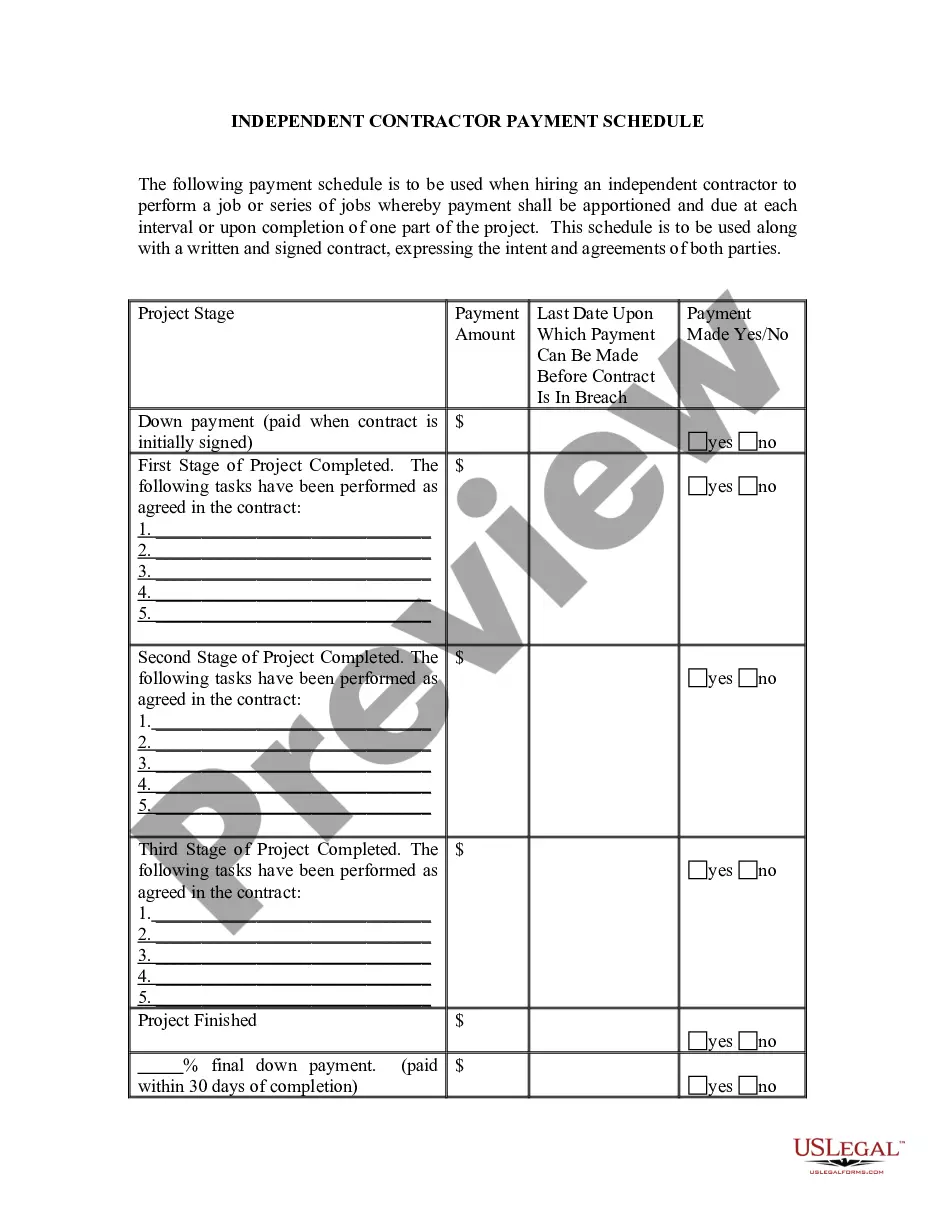

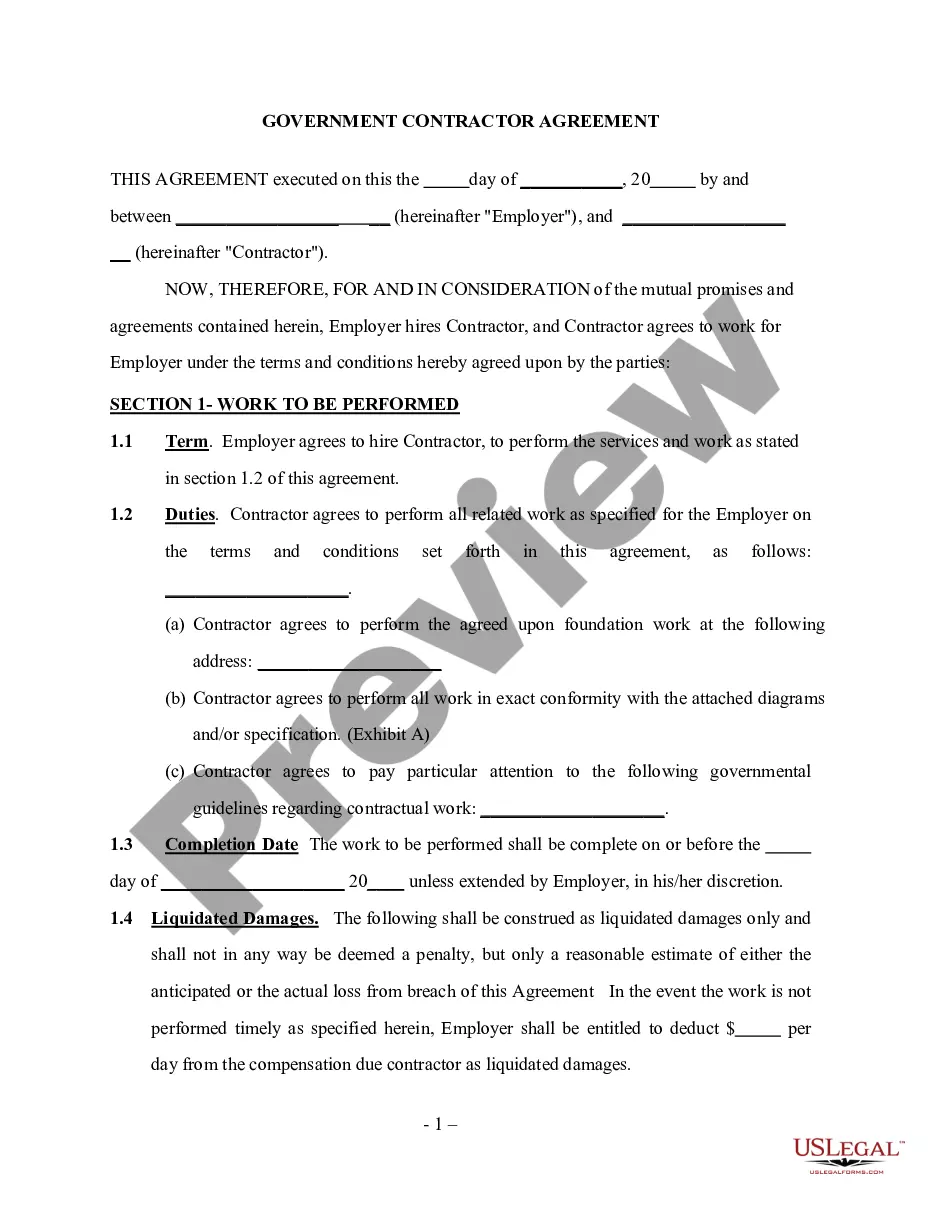
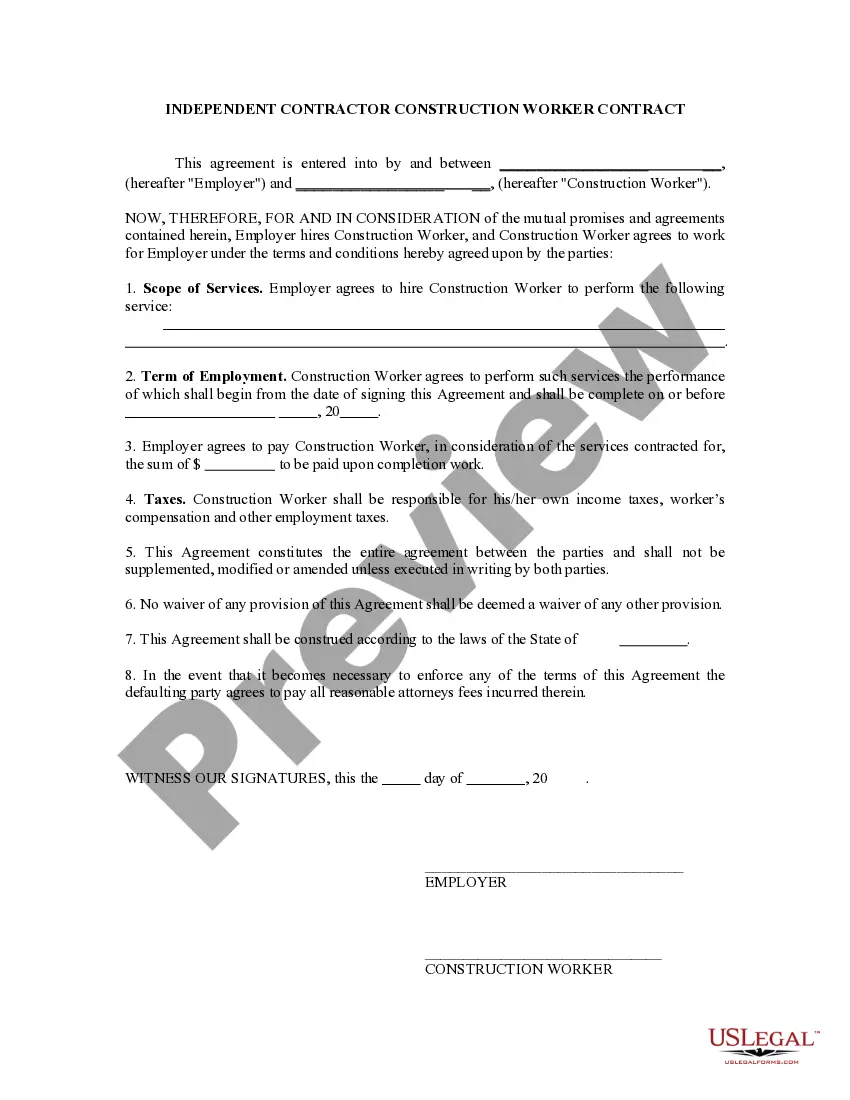
Get your form ready online
Our built-in tools help you complete, sign, share, and store your documents in one place.
Make edits, fill in missing information, and update formatting in US Legal Forms—just like you would in MS Word.
Download a copy, print it, send it by email, or mail it via USPS—whatever works best for your next step.
Sign and collect signatures with our SignNow integration. Send to multiple recipients, set reminders, and more. Go Premium to unlock E-Sign.
If this form requires notarization, complete it online through a secure video call—no need to meet a notary in person or wait for an appointment.
We protect your documents and personal data by following strict security and privacy standards.

Make edits, fill in missing information, and update formatting in US Legal Forms—just like you would in MS Word.

Download a copy, print it, send it by email, or mail it via USPS—whatever works best for your next step.

Sign and collect signatures with our SignNow integration. Send to multiple recipients, set reminders, and more. Go Premium to unlock E-Sign.

If this form requires notarization, complete it online through a secure video call—no need to meet a notary in person or wait for an appointment.

We protect your documents and personal data by following strict security and privacy standards.
Looking for another form?


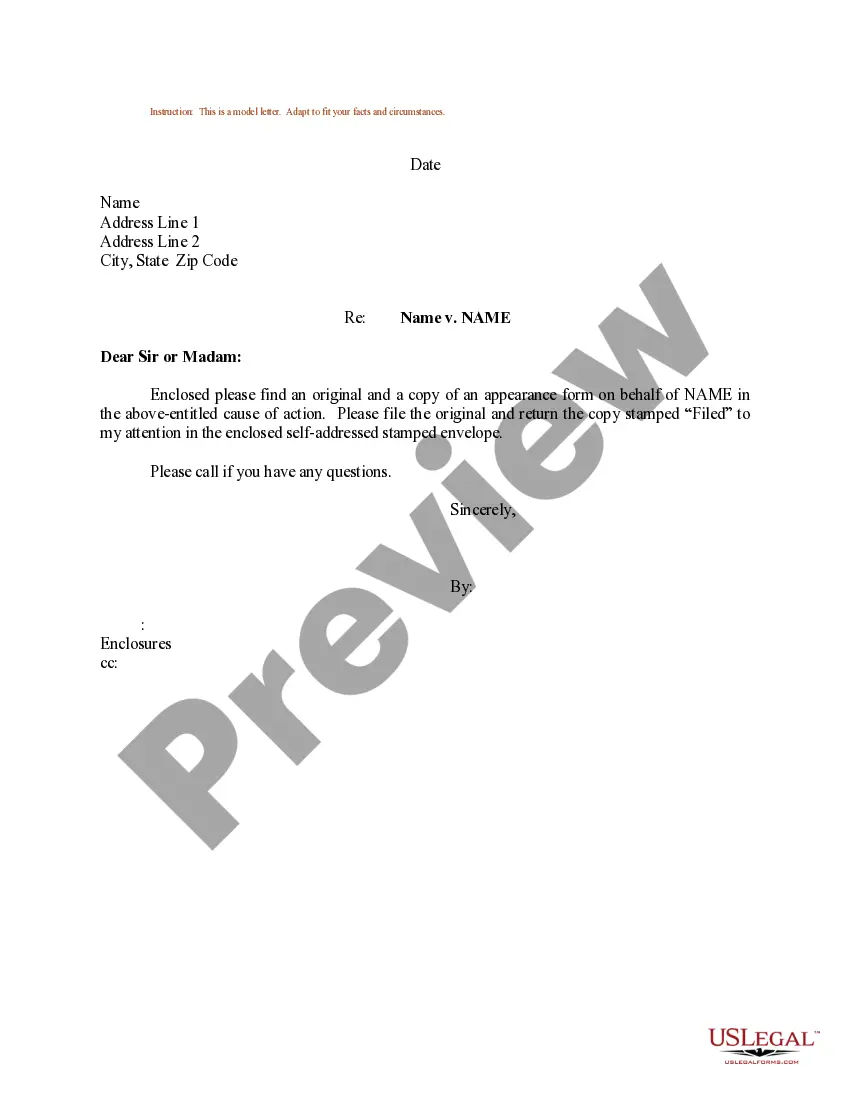






How to fill out Self-Employed Independent Contractor Payment Schedule?
It’s clear that you cannot transform into a legal specialist right away, nor can you swiftly comprehend how to efficiently construct a Payment Contract Schedule With Interest Excel without a specialized education.
Assembling legal documents is a lengthy process that demands specific training and expertise. So why not entrust the development of the Payment Contract Schedule With Interest Excel to the experts.
With US Legal Forms, one of the most extensive libraries of legal templates, you can find anything from court documents to templates for internal corporate correspondence. We recognize how vital compliance and adherence to federal and local regulations are. That’s why, on our platform, all documents are location-specific and current.
You can regain access to your forms from the My documents tab at any time. If you're an existing client, you can simply Log In and find and download the template from the same tab.
Regardless of the intent of your document—whether it’s financial and legal, or personal—our website has you covered. Try US Legal Forms today!
- Locate the document you need using the search bar at the top of the page.
- Preview it (if this option is available) and review the supporting description to ascertain if Payment Contract Schedule With Interest Excel is what you're seeking.
- Initiate your search again if you require another template.
- Sign up for a free account and select a subscription plan to purchase the form.
- Click Buy now. Once the transaction is complete, you can obtain the Payment Contract Schedule With Interest Excel, complete it, print it, and send or mail it to the intended individuals or entities.
Form popularity
FAQ
To calculate payments with interest in Excel, you can utilize various financial functions such as PMT or IPMT, depending on what aspect of payment you are focusing on. These functions allow you to determine how much interest is applied each period, as well as the overall payment amount. By setting up your payment contract schedule with interest excel in this manner, you ensure accurate documentation and tracking of your payments.
Interest calculation can be based on either 360 or 365 days, depending on your preference or the specifics of your agreement. Many financial institutions use the 360-day method for simplicity, though the 365-day method might offer a more accurate representation of annual interest accrual. When creating a payment contract schedule with interest excel, it is essential to choose the method that aligns with your financial calculations.
To generate a repayment schedule in Excel, you can use a simple table that includes columns for payment dates, total payments, interest, principal, and remaining balance. You can format your payment contract schedule with interest excel to ease tracking and management. Templates available online can further simplify this process.
Yes, Excel can create an amortization schedule that outlines payment information for loans. This includes each payment's principal and interest components, integrated smoothly into a payment contract schedule with interest excel. Using built-in functions, you can automate this process, saving time and ensuring accuracy.
Create row headers for Principal, Interest, Periods, and Payment. Fill out the principal amount, interest rate, and the number of payment periods. In the Payment row, use the formula =IPMT(B2, 1, B3, B1) to calculate the interest payment.
How to calculate total interest paid on a loan in Excel - YouTube YouTube Start of suggested clip End of suggested clip So to get the monthly payments. I will use the PMT function this gives me the monthly payment amountMoreSo to get the monthly payments. I will use the PMT function this gives me the monthly payment amount. So this again is the rate. And then I need the number of payments. And the principal. Value.
Starting in month one, take the total amount of the loan and multiply it by the interest rate on the loan. Then for a loan with monthly repayments, divide the result by 12 to get your monthly interest. Subtract the interest from the total monthly payment, and the remaining amount is what goes toward principal.
Starting in month one, take the total amount of the loan and multiply it by the interest rate on the loan. Then for a loan with monthly repayments, divide the result by 12 to get your monthly interest. Subtract the interest from the total monthly payment, and the remaining amount is what goes toward principal.
Now, let's go through the process step-by-step. Set up the amortization table. ... Calculate total payment amount (PMT formula) ... Calculate interest (IPMT formula) ... Find principal (PPMT formula) ... Get the remaining balance. ... Tip: Return payments as positive numbers.