Contractor Payment Schedule For Social Security
Description
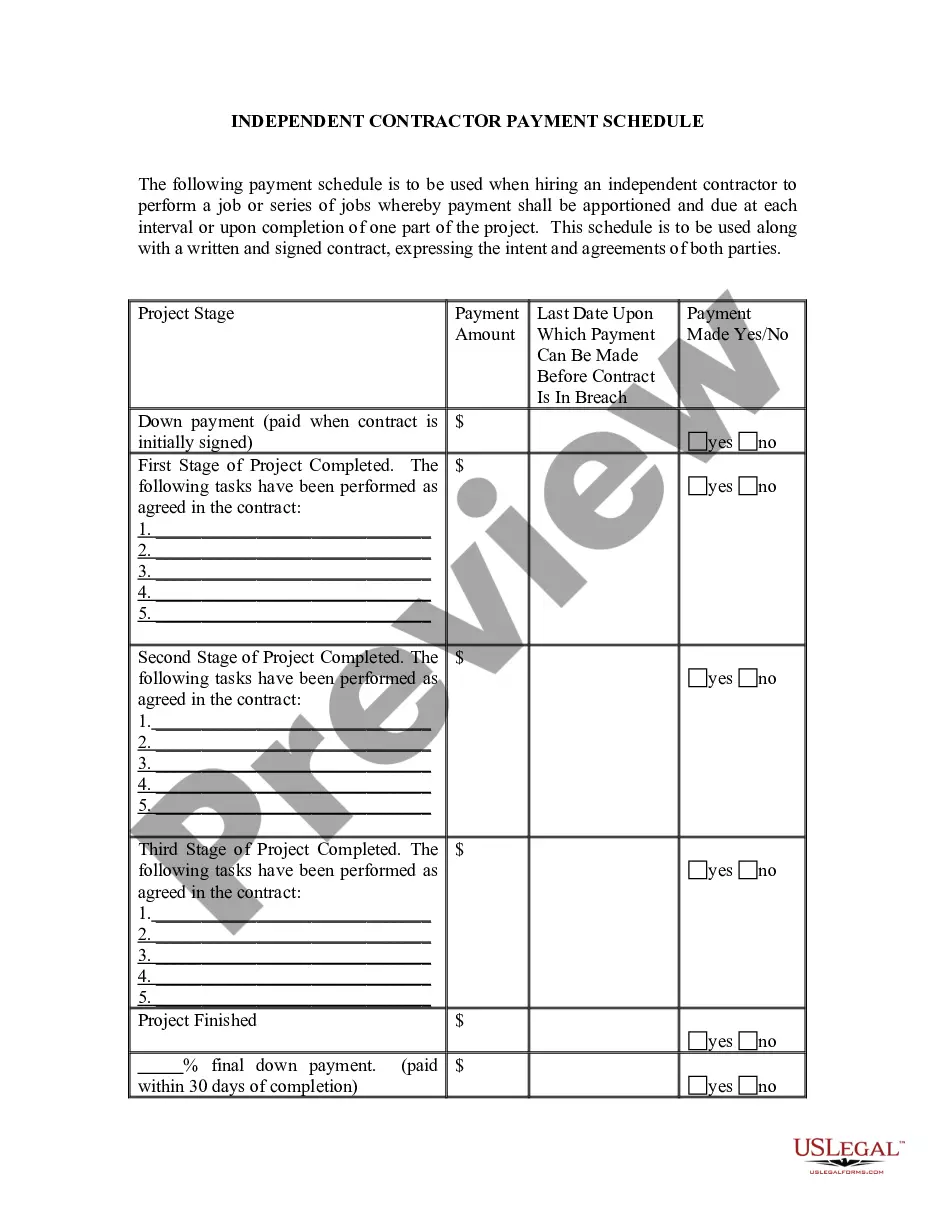

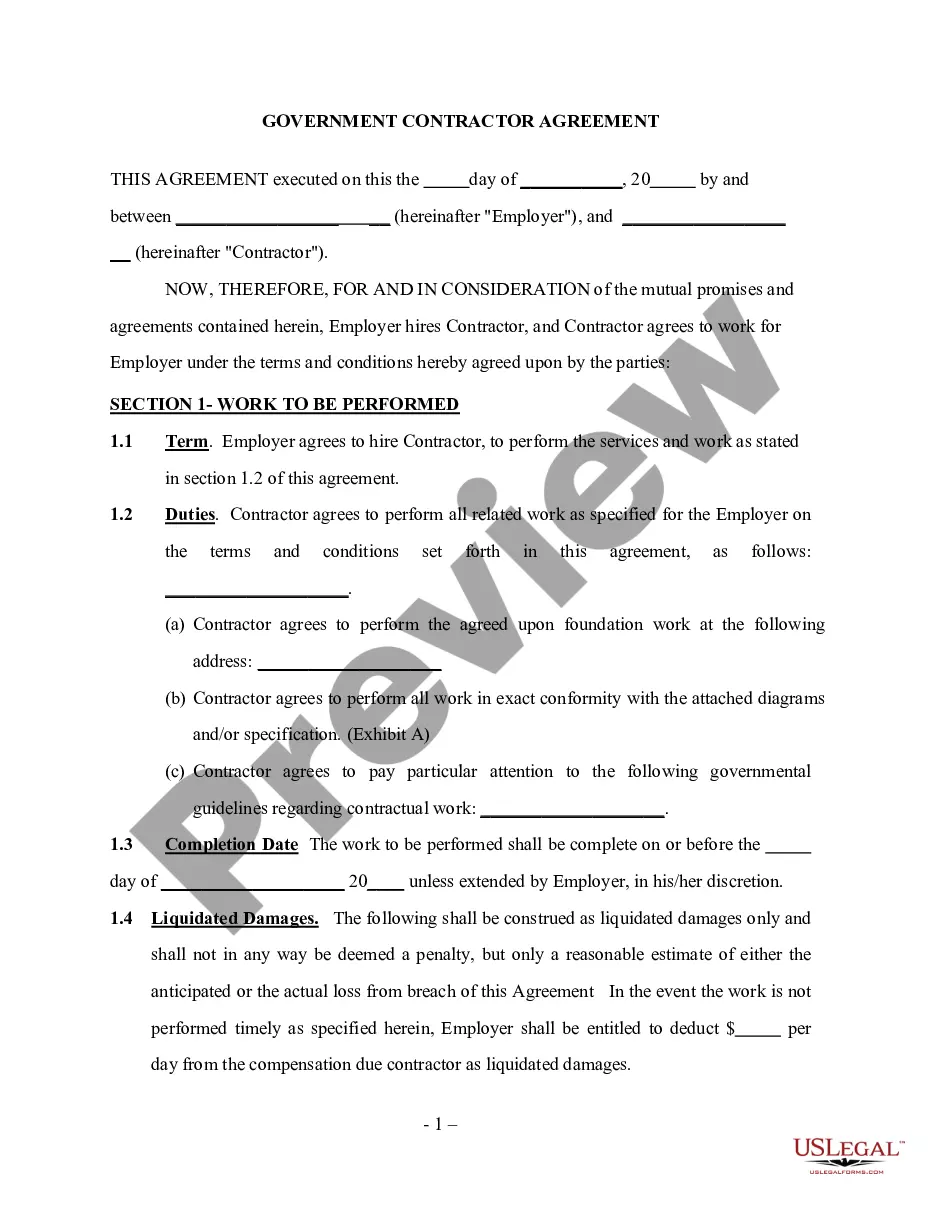
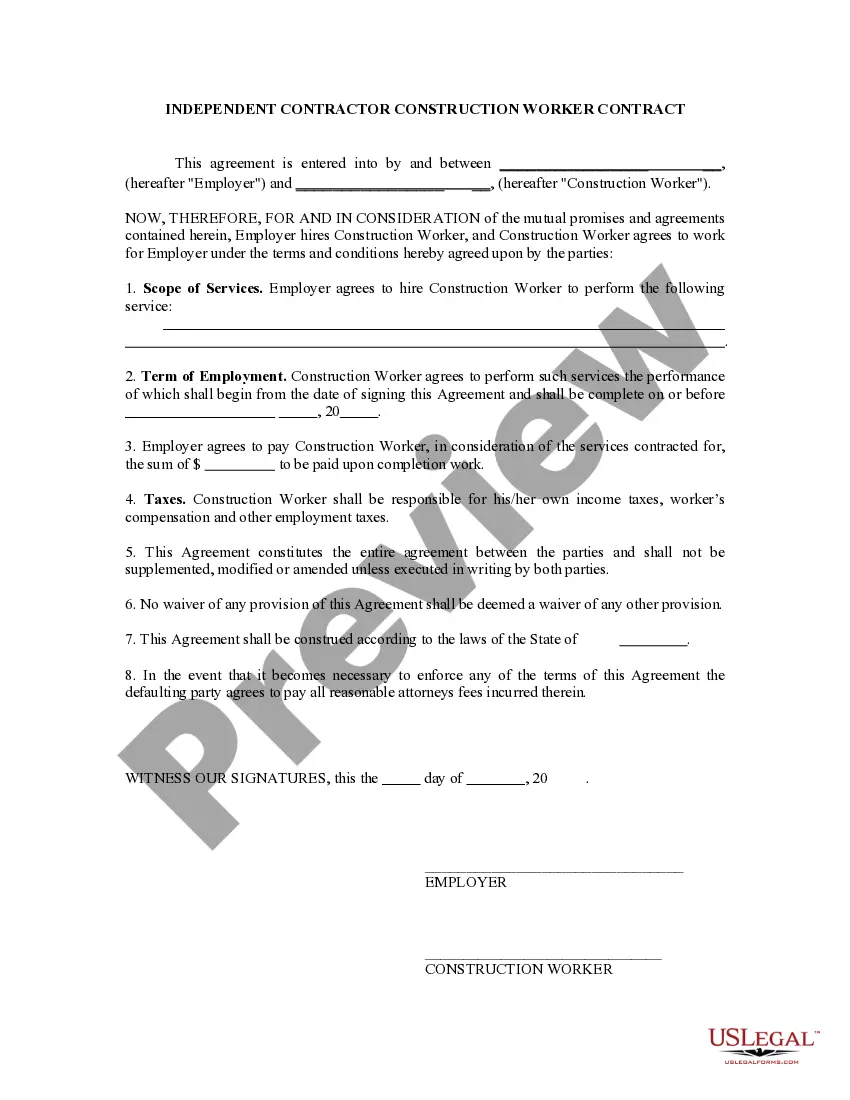
Get your form ready online
Our built-in tools help you complete, sign, share, and store your documents in one place.
Make edits, fill in missing information, and update formatting in US Legal Forms—just like you would in MS Word.
Download a copy, print it, send it by email, or mail it via USPS—whatever works best for your next step.
Sign and collect signatures with our SignNow integration. Send to multiple recipients, set reminders, and more. Go Premium to unlock E-Sign.
If this form requires notarization, complete it online through a secure video call—no need to meet a notary in person or wait for an appointment.
We protect your documents and personal data by following strict security and privacy standards.

Make edits, fill in missing information, and update formatting in US Legal Forms—just like you would in MS Word.

Download a copy, print it, send it by email, or mail it via USPS—whatever works best for your next step.

Sign and collect signatures with our SignNow integration. Send to multiple recipients, set reminders, and more. Go Premium to unlock E-Sign.

If this form requires notarization, complete it online through a secure video call—no need to meet a notary in person or wait for an appointment.

We protect your documents and personal data by following strict security and privacy standards.
Looking for another form?

How to fill out Self-Employed Independent Contractor Payment Schedule?
Legal documents management can be perplexing, even for the most seasoned professionals.
When you are looking for a Contractor Payment Schedule For Social Security and don’t have the time to search for the correct and updated version, the processes can be overwhelming.
US Legal Forms caters to any needs you may have, from individual to business documents, all in one location.
Utilize advanced tools to complete and manage your Contractor Payment Schedule For Social Security.
Here are the steps to follow after obtaining the form you desire: Validate that this is the correct form by previewing it and reviewing its description. Ensure that the template is recognized in your state or county. Select Buy Now when you are prepared. Choose a monthly subscription plan. Find the file format you prefer, and Download, complete, eSign, print, and send your documents. Enjoy the US Legal Forms web library, supported by 25 years of experience and reliability. Transform your daily document management into a simple and user-friendly process today.
- Access a knowledge base of articles, guides, and materials related to your situation and needs.
- Save time and effort searching for the documents you require, and use US Legal Forms’ advanced search and Review feature to find Contractor Payment Schedule For Social Security and obtain it.
- If you have a subscription, Log In to your US Legal Forms account, search for the form, and obtain it.
- Check your My documents tab to see the documents you have previously downloaded and to manage your folders as desired.
- If this is your first time using US Legal Forms, create a complimentary account and enjoy unlimited access to all platform benefits.
- A comprehensive web form library could be a pivotal factor for anyone wishing to handle these scenarios effectively.
- US Legal Forms is a market leader in online legal documents, with more than 85,000 state-specific legal forms accessible whenever needed.
- With US Legal Forms, you can access state- or county-specific legal and business documents.
Form popularity
FAQ
How much your Social Security benefits will be if you make $30,000 ... YouTube Start of suggested clip End of suggested clip The number of months and 35. Years that gives you 2500. Still with me that number gives you yourMoreThe number of months and 35. Years that gives you 2500. Still with me that number gives you your average index monthly earnings or aim. Simply put it's your monthly pay for the last 35.
If you're self-employed, you pay the combined employee and employer amount. This amount is a 12.4% Social Security tax on up to $160,200 of your net earnings and a 2.9% Medicare tax on your entire net earnings.
Nevertheless, independent contractors are usually responsible for paying the Self-Employment Tax and income tax. With that in mind, it's best practice to save about 25?30% of your self-employed income to pay for taxes. And, remember, the more deductions you find, the less you'll have to pay.
Independent contractors contribute to Social Security and Medicare through the self-employment tax (SET). Since ICs have no employer, they pay both the employer and the employee shares of the Social Security and Medicare contributions.
Independent contractors contribute to Social Security and Medicare through the self-employment tax (SET). Since ICs have no employer, they pay both the employer and the employee shares of the Social Security and Medicare contributions.