Self Employed Bookkeeper For Mortgage
Description
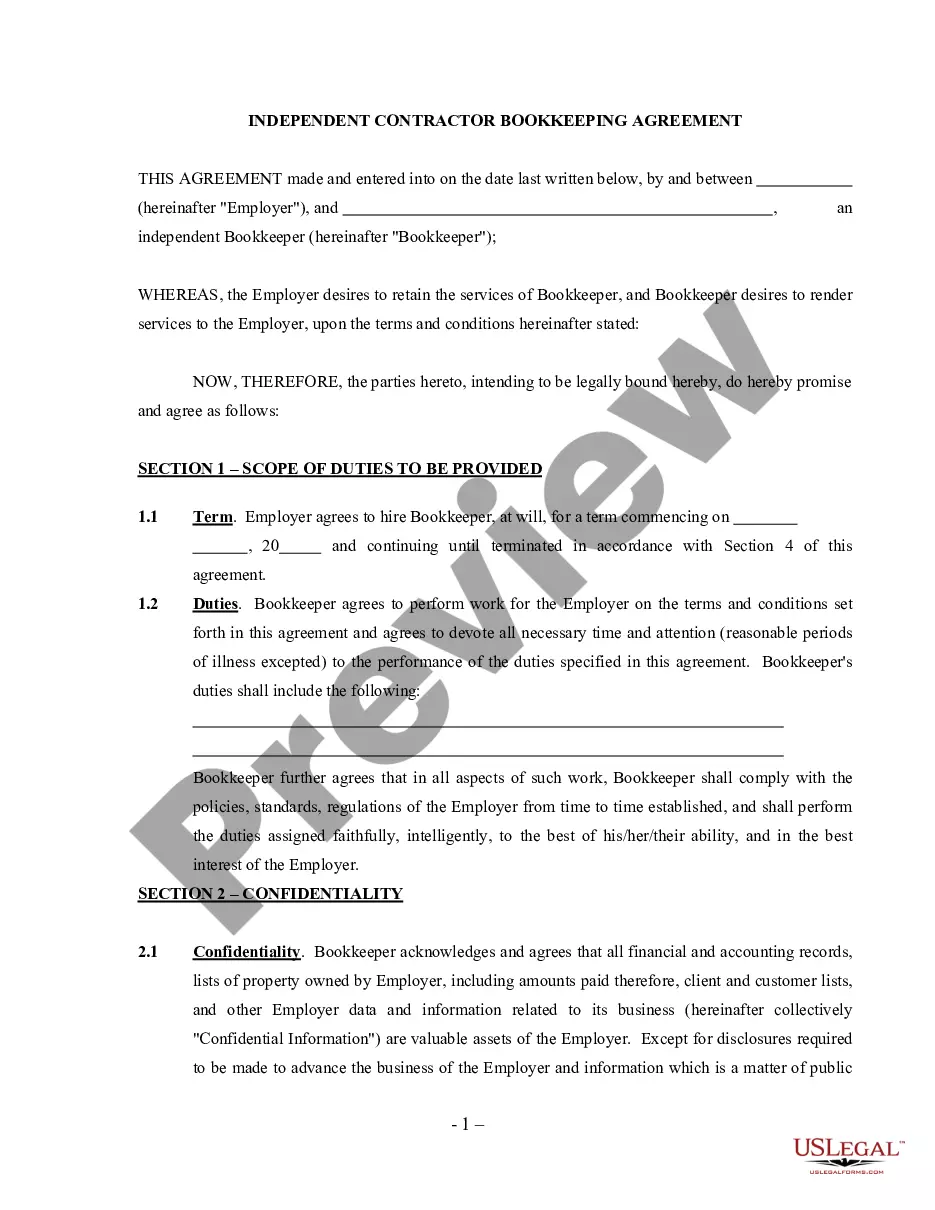
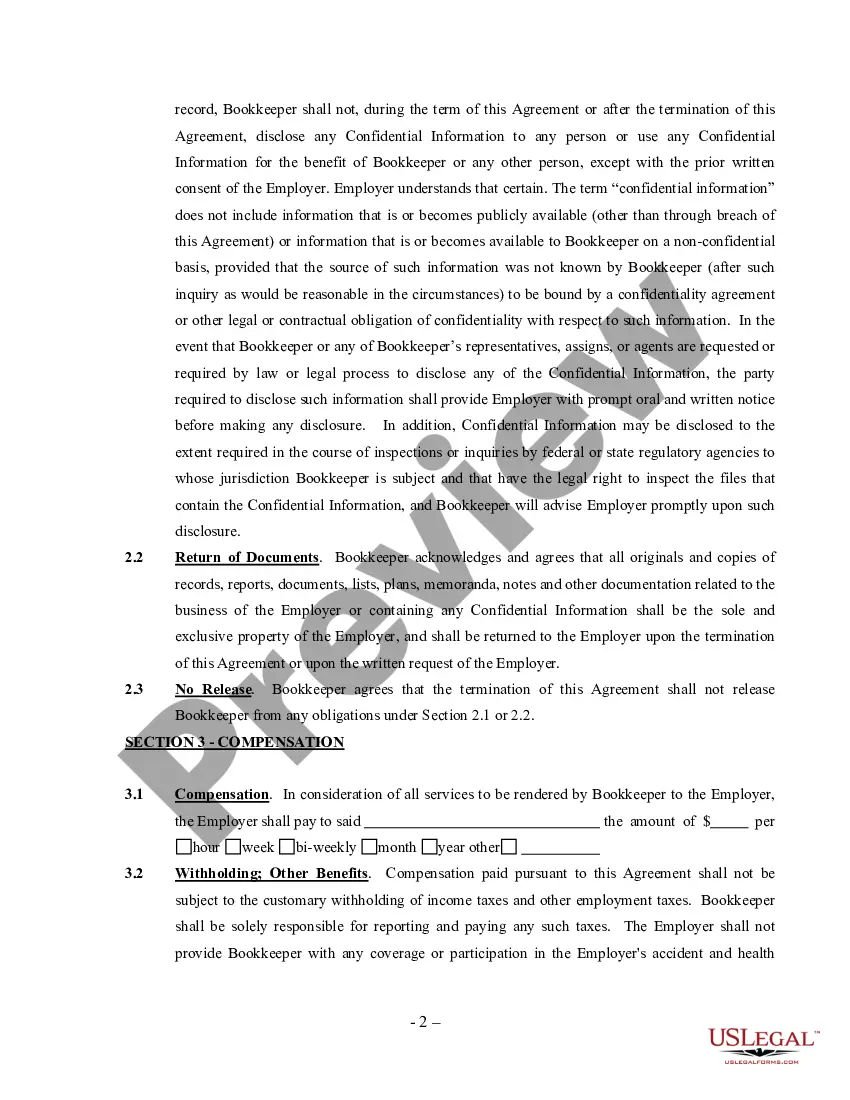
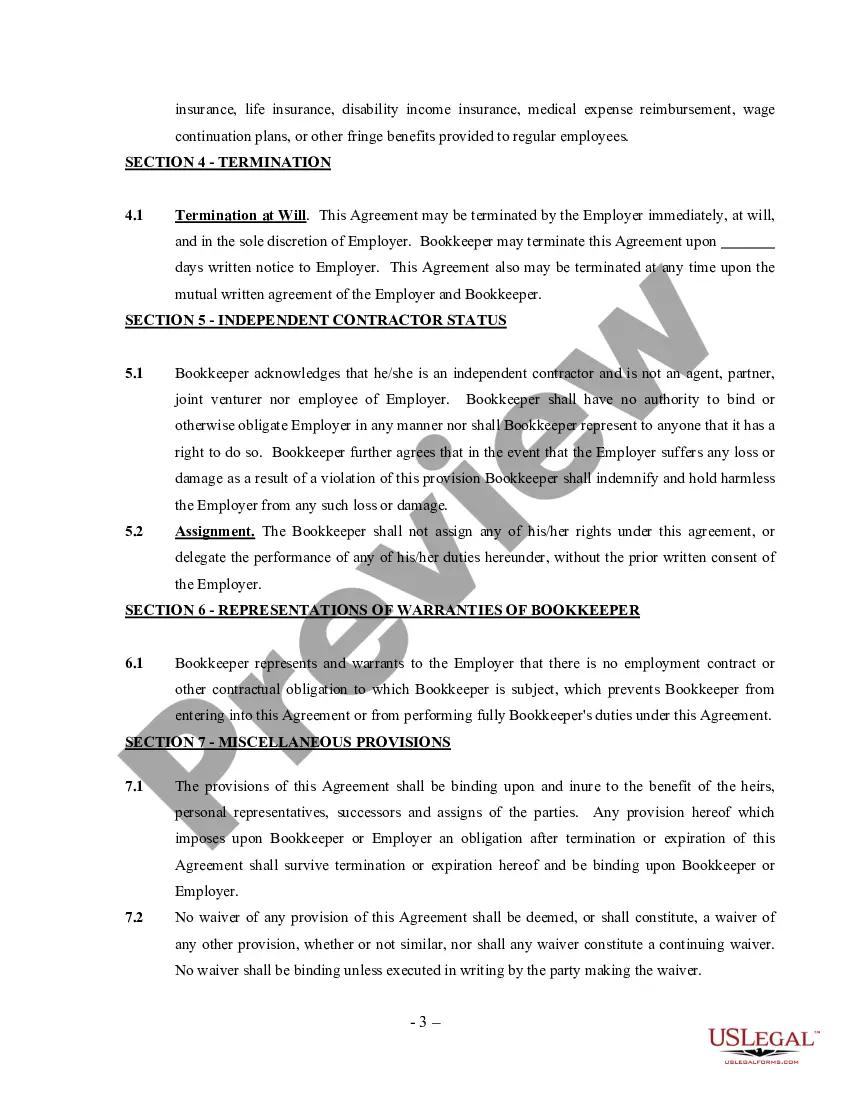
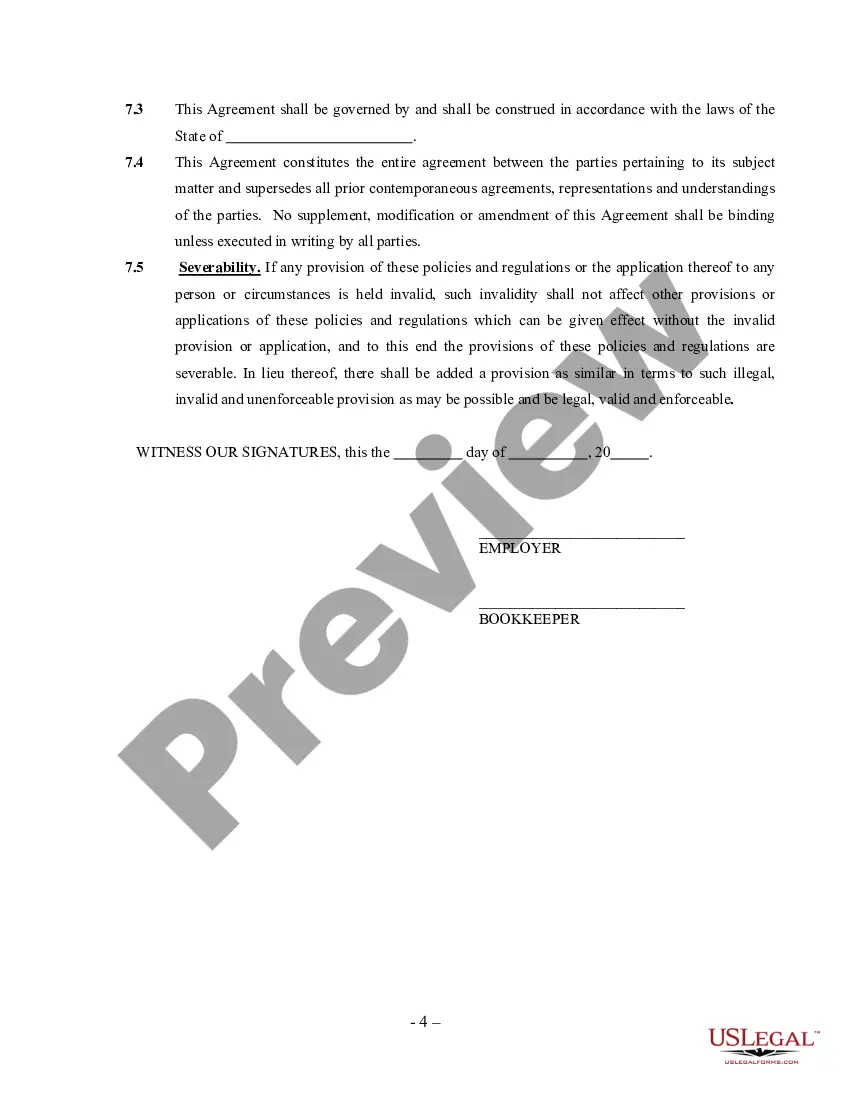
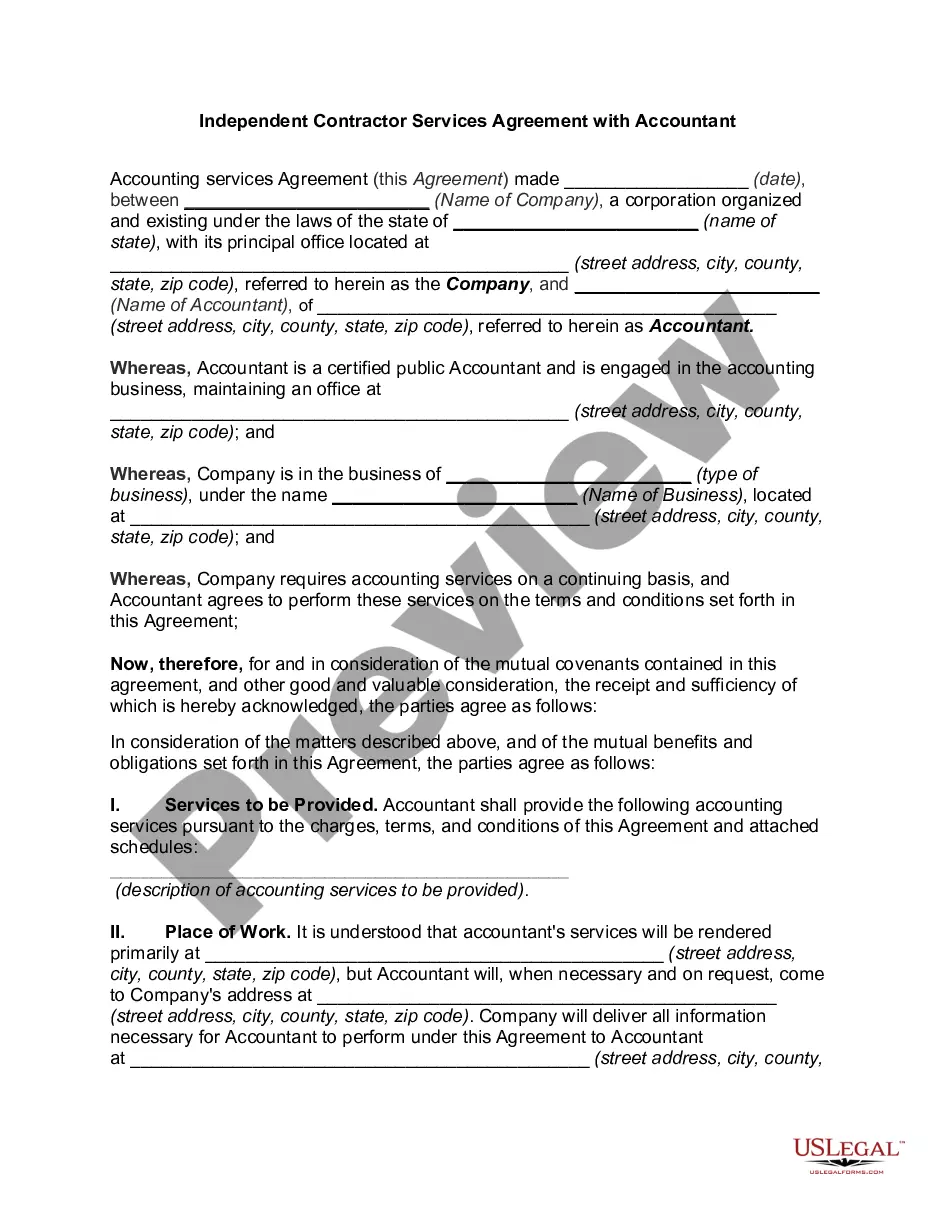
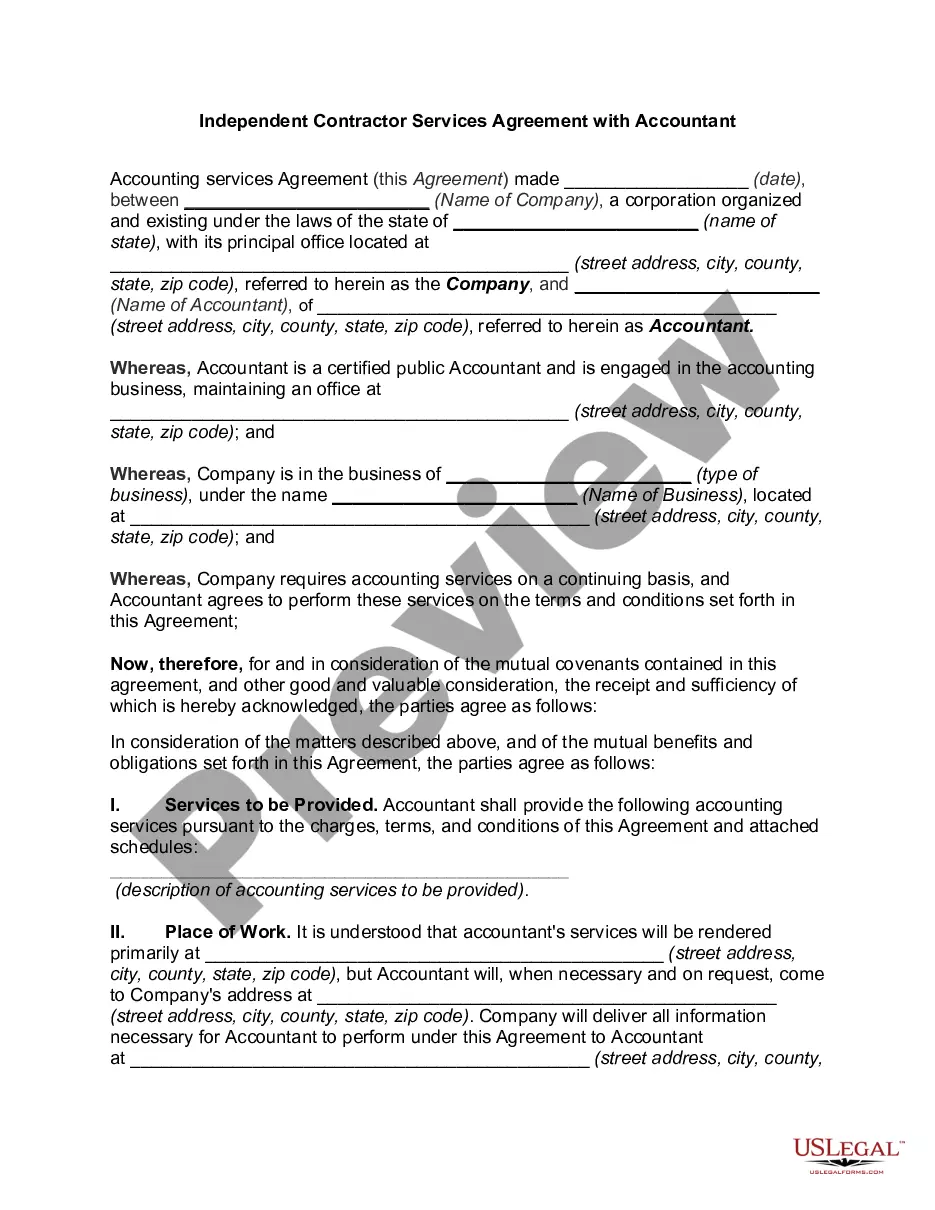
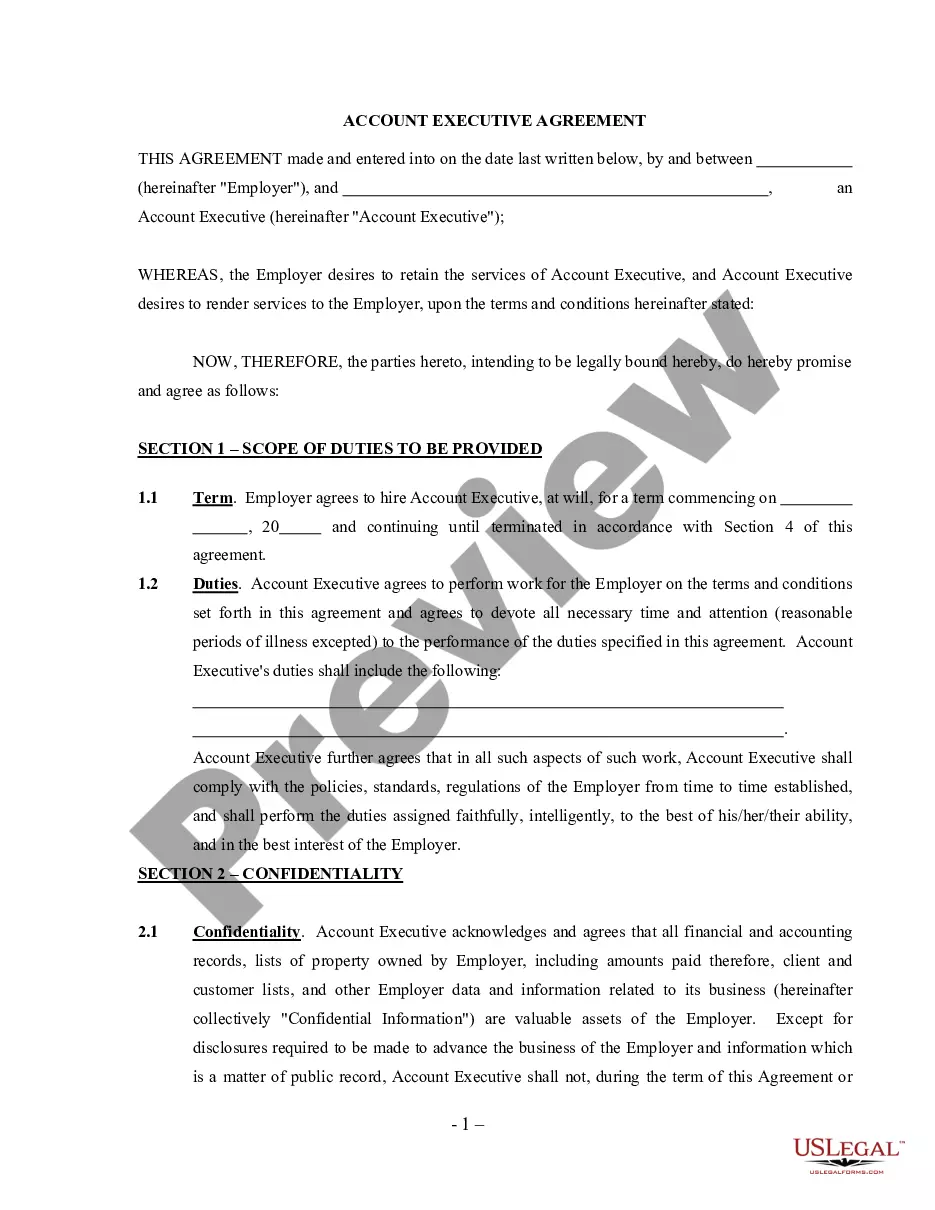
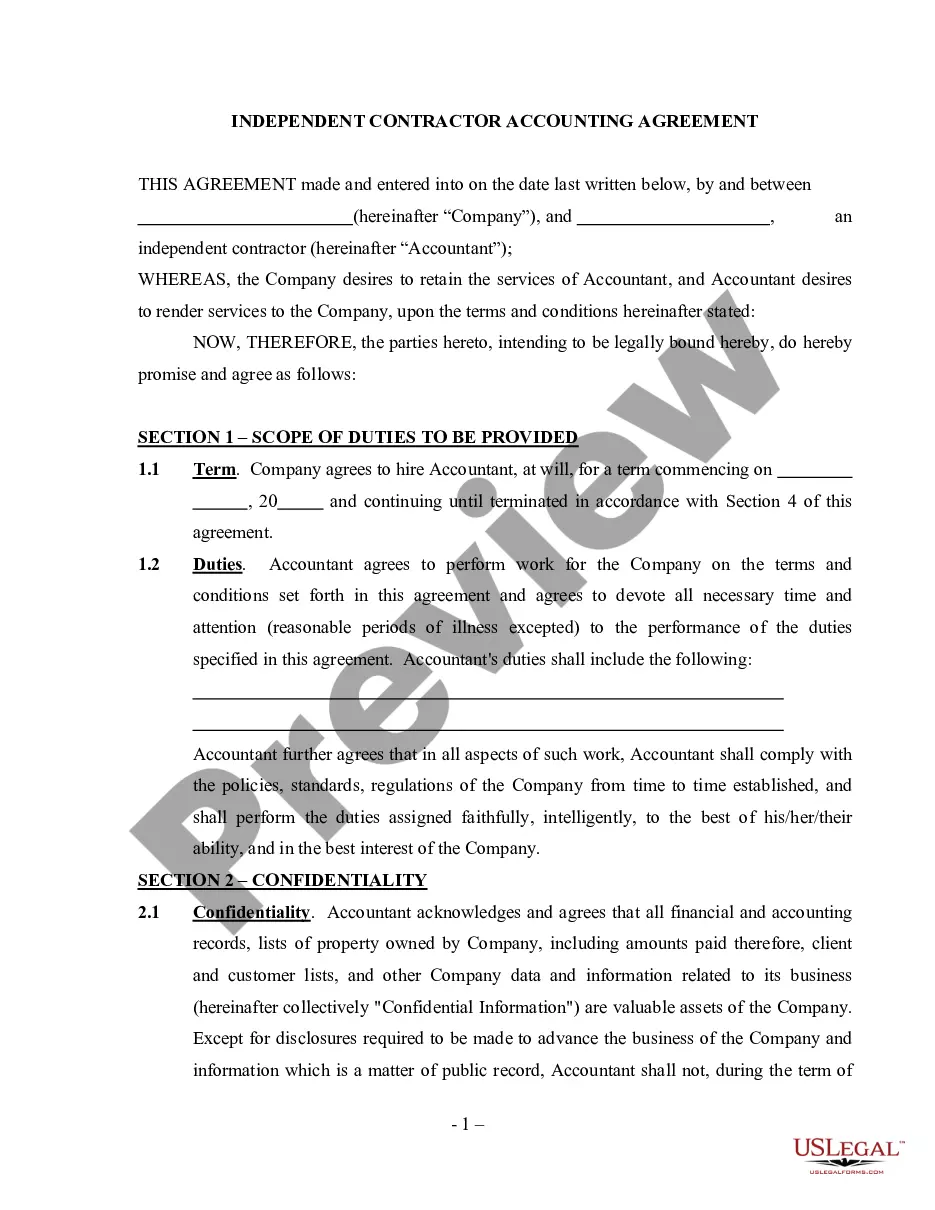
Get your form ready online
Our built-in tools help you complete, sign, share, and store your documents in one place.
Make edits, fill in missing information, and update formatting in US Legal Forms—just like you would in MS Word.
Download a copy, print it, send it by email, or mail it via USPS—whatever works best for your next step.
Sign and collect signatures with our SignNow integration. Send to multiple recipients, set reminders, and more. Go Premium to unlock E-Sign.
If this form requires notarization, complete it online through a secure video call—no need to meet a notary in person or wait for an appointment.
We protect your documents and personal data by following strict security and privacy standards.

Make edits, fill in missing information, and update formatting in US Legal Forms—just like you would in MS Word.

Download a copy, print it, send it by email, or mail it via USPS—whatever works best for your next step.

Sign and collect signatures with our SignNow integration. Send to multiple recipients, set reminders, and more. Go Premium to unlock E-Sign.

If this form requires notarization, complete it online through a secure video call—no need to meet a notary in person or wait for an appointment.

We protect your documents and personal data by following strict security and privacy standards.
Looking for another form?






How to fill out Bookkeeping Agreement - Self-Employed Independent Contractor?
Finding a reliable source for the latest and most suitable legal templates is part of the challenge when navigating bureaucracy.
Locating the appropriate legal documents requires accuracy and meticulousness, which is why it’s crucial to obtain samples of Self Employed Bookkeeper For Mortgage solely from credible sources, such as US Legal Forms.
Eliminate the frustration related to your legal documents. Explore the comprehensive US Legal Forms catalog to find legal templates, assess their suitability for your needs, and download them instantly.
- Utilize the catalog navigation or search bar to locate your template.
- Examine the form’s details to confirm its compatibility with the criteria of your state and county.
- If available, preview the form to make sure it is the correct one.
- If the Self Employed Bookkeeper For Mortgage does not meet your specifications, continue your search to find the right template.
- Once you are confident about the document’s suitability, download it.
- If you are a registered user, click Log in to verify and access your chosen forms in My documents.
- If you do not have an account, click Buy now to acquire the form.
- Choose the pricing option that meets your needs.
- Proceed to register to complete your transaction.
- Finish your purchase by selecting a payment method (credit card or PayPal).
- Select the document format for downloading Self Employed Bookkeeper For Mortgage.
- Once you have the form on your device, you can edit it using the editor or print it for manual completion.
Form popularity
FAQ
For a mortgage application as a self-employed individual, you typically need to provide two years of personal and business tax returns, profit and loss statements, and possibly bank statements. Lenders use this information to verify your income and assess your financial stability. A self employed bookkeeper for mortgage can assist you in compiling these documents accurately and efficiently.
To get approved for a mortgage if you're self-employed, focus on maintaining clear and organized financial records. Gather necessary documents, such as tax returns and business income statements, to show your earnings. Partnering with a self employed bookkeeper for mortgage can enhance your financial presentation, making it easier for lenders to approve your application.
It can be more challenging to get a mortgage if you are self-employed because lenders typically require more documentation. However, with the right paperwork and a clear understanding of your finances, you can still secure a mortgage. Utilizing a self employed bookkeeper for mortgage can simplify this process, ensuring you present a strong case to lenders.
Most lenders prefer to see at least two years of self-employed income before approving a mortgage. This helps them gauge your earning stability and financial health. If you work with a self employed bookkeeper for mortgage, they can help you maintain accurate books, which is beneficial if you decide to apply for a mortgage in the future.
Mortgage lenders typically look at your net income after deductions when you are self-employed. They review your tax returns and may require additional documentation like profit and loss statements. Using a self employed bookkeeper for mortgage can help you accurately calculate your income, making it easier for lenders to assess your financial situation.
Getting approved for a mortgage when self-employed involves demonstrating stable income and managing your debts wisely. Prepare your financial documentation, such as two years of tax returns and bank statements. Engaging a self employed bookkeeper for mortgage can streamline the process by ensuring your records are thorough and organized, which lenders appreciate.
To get approved for a mortgage while self-employed, you should gather your financial documents, including tax returns and profit and loss statements. Lenders want to see consistent income over time, so make sure your records reflect your earnings accurately. Working with a self employed bookkeeper for mortgage can help you present your finances in the best light, increasing your chances of approval.
Proving self-employment income for a mortgage requires documentation that showcases your revenue and expenses. Lenders typically request two years of tax returns and a current profit and loss statement. By working with a self employed bookkeeper for mortgage, you can streamline this process, ensuring that your financial records are comprehensive and lender-ready, which can significantly improve your mortgage application.
Showing proof of income when self-employed involves providing financial records that reflect your earnings. Common documents include bank statements, invoices, and a well-prepared profit and loss statement. Utilizing a self employed bookkeeper for mortgage can also help you maintain accurate records, making it easier to present your income to lenders.
To prove your income as a self-employed person, you should gather your tax returns, 1099 forms, and any other relevant financial documentation. A self employed bookkeeper for mortgage can assist in compiling these documents, ensuring you present a clear picture of your financial health. This organized approach not only simplifies the process but also enhances your chances of approval.