Security Self Employed For Sss
Description
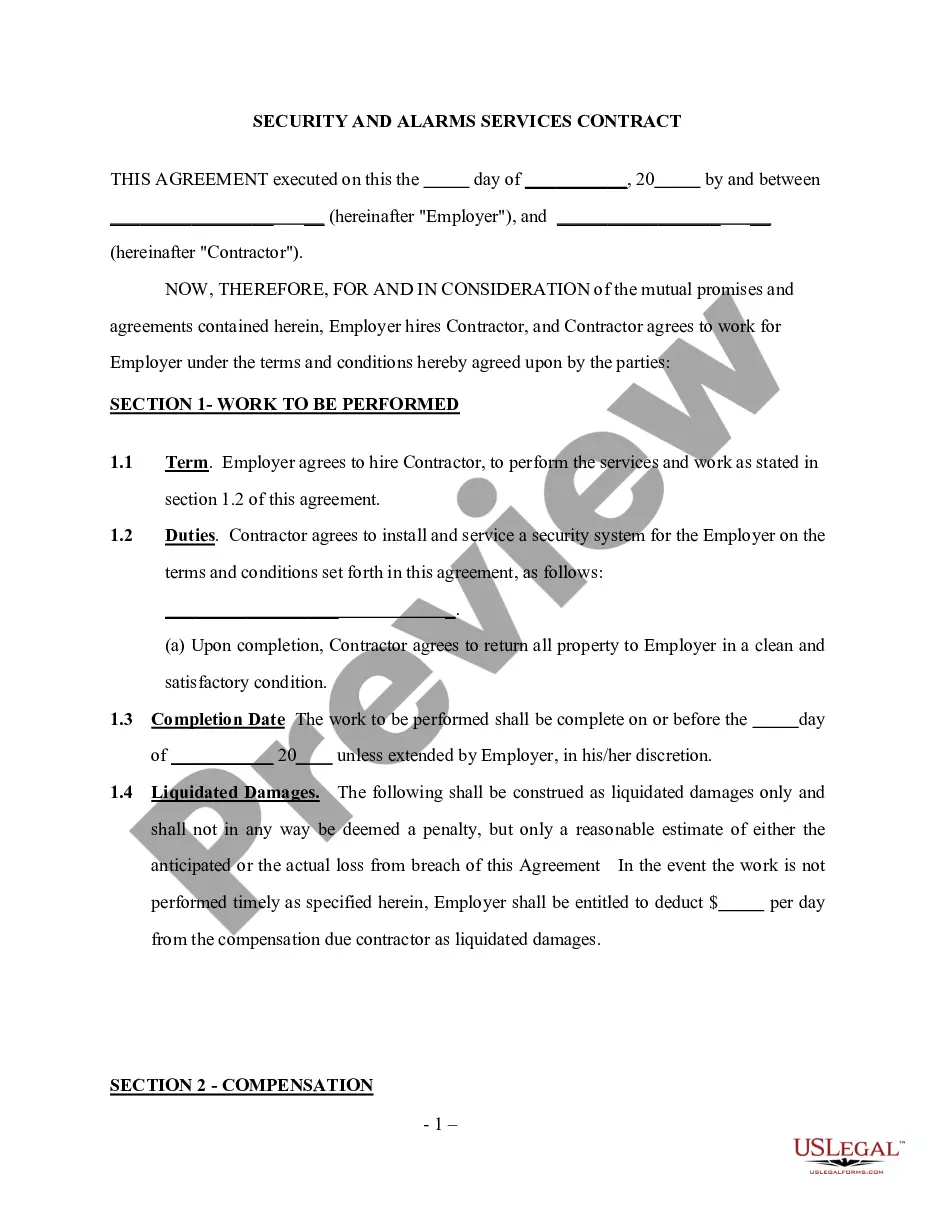
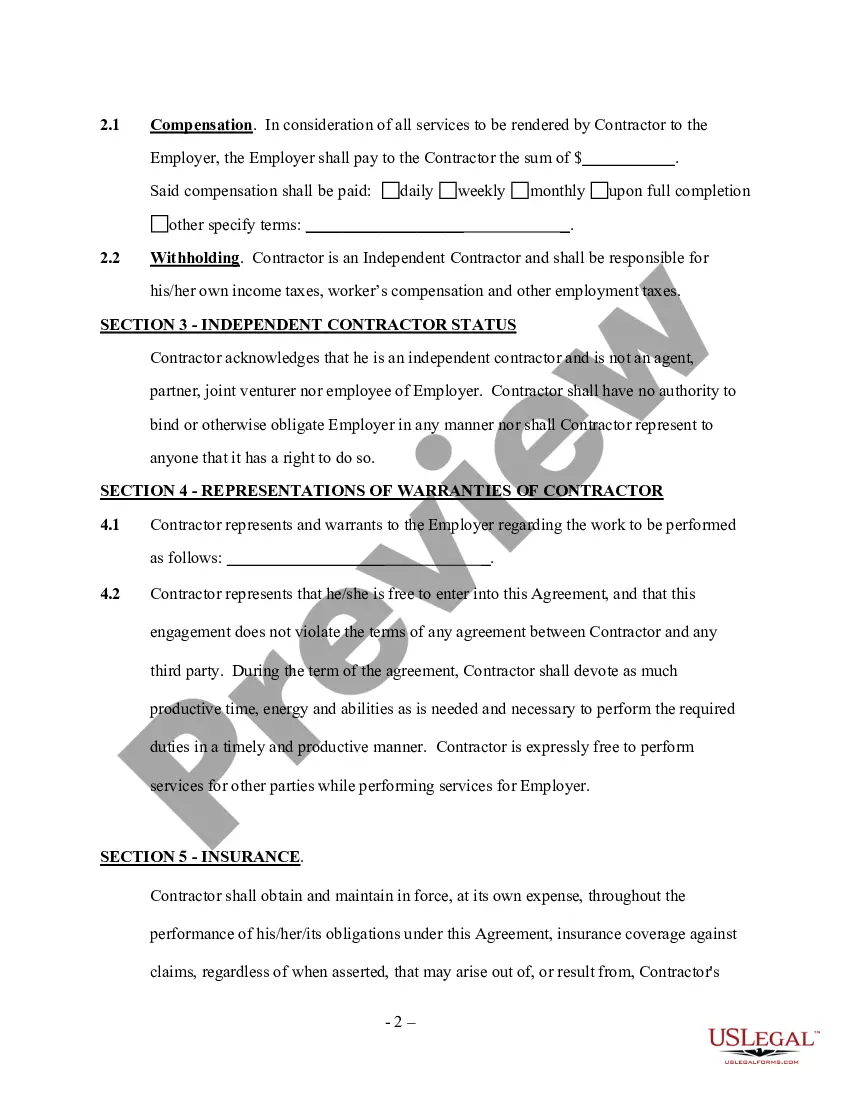
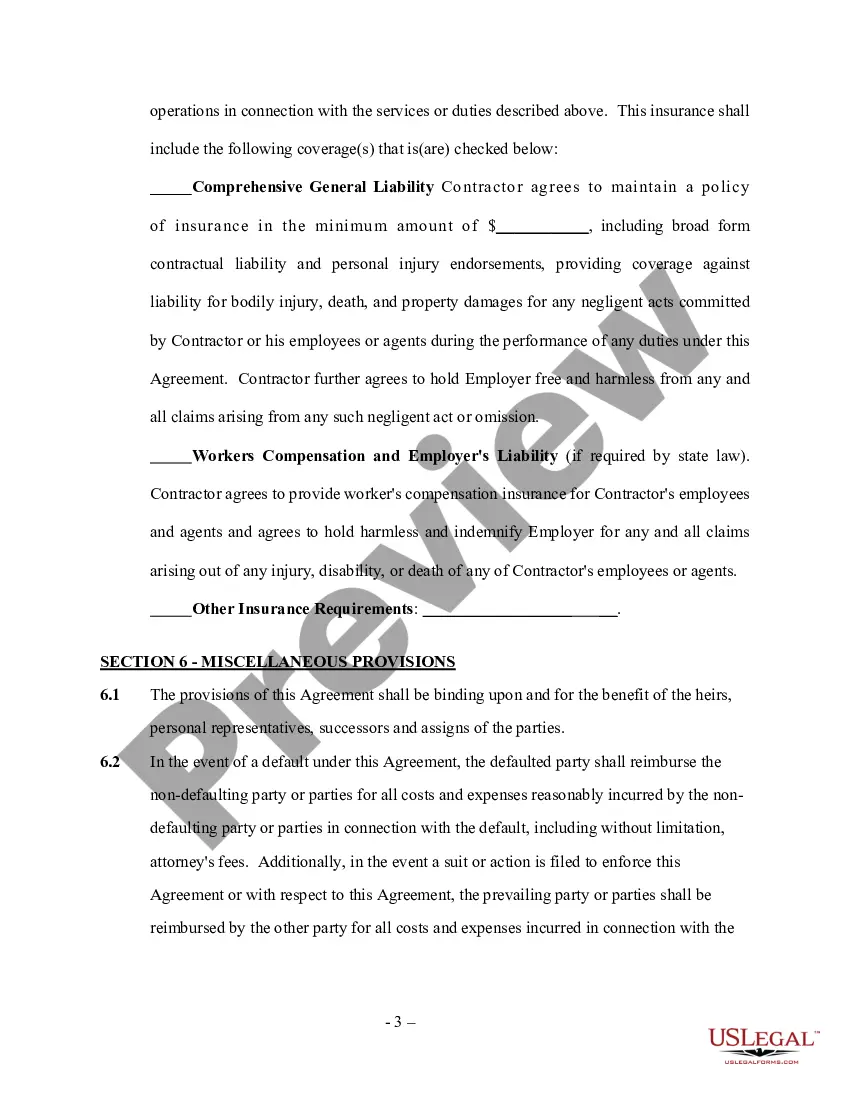
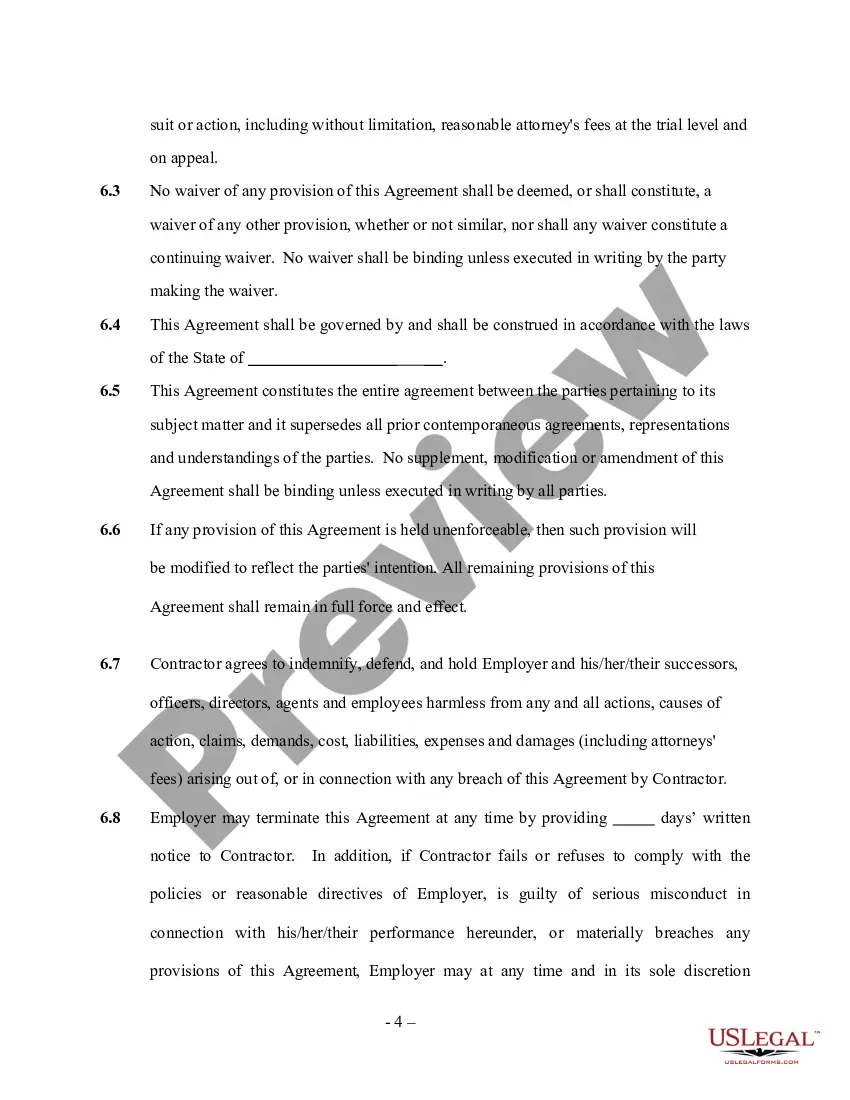
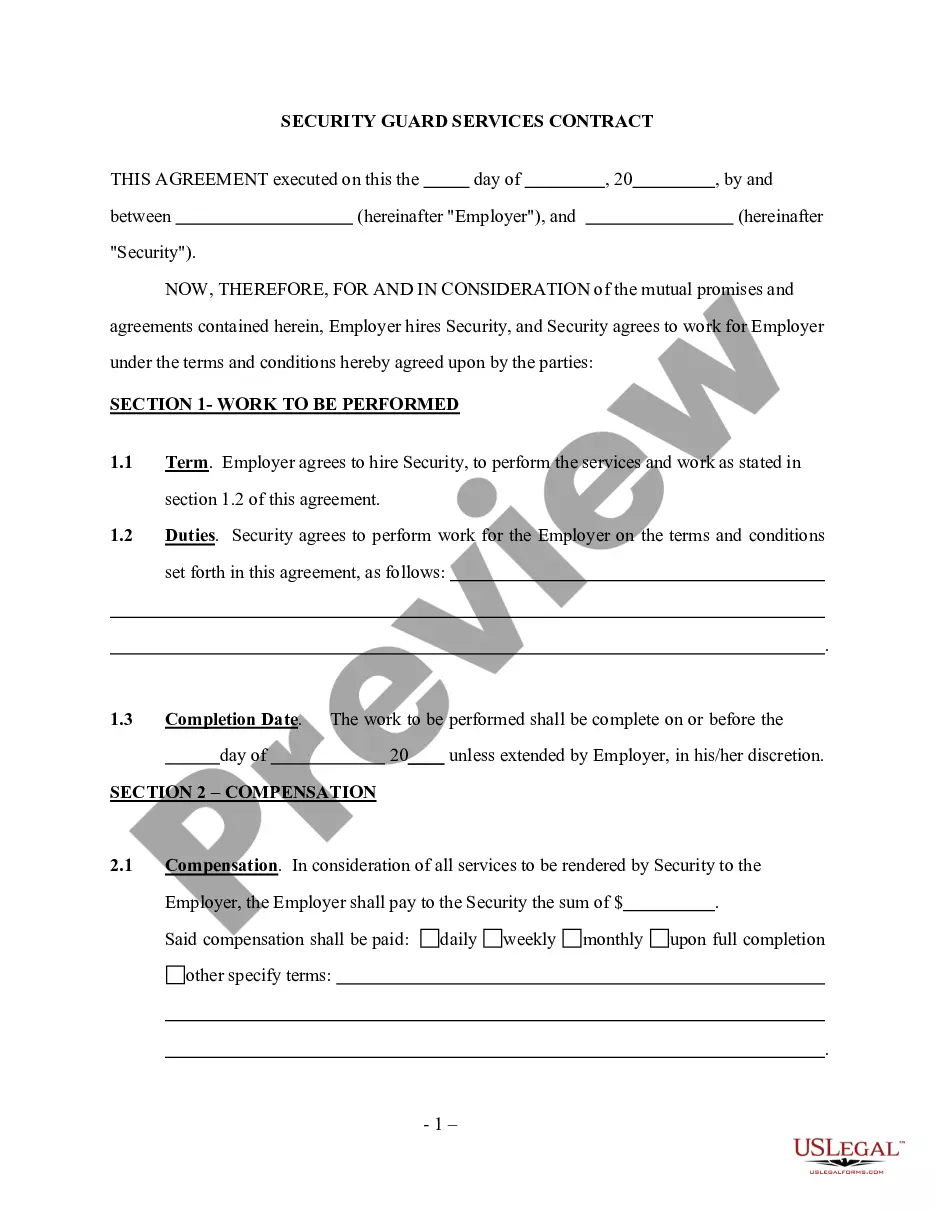
Get your form ready online
Our built-in tools help you complete, sign, share, and store your documents in one place.
Make edits, fill in missing information, and update formatting in US Legal Forms—just like you would in MS Word.
Download a copy, print it, send it by email, or mail it via USPS—whatever works best for your next step.
Sign and collect signatures with our SignNow integration. Send to multiple recipients, set reminders, and more. Go Premium to unlock E-Sign.
If this form requires notarization, complete it online through a secure video call—no need to meet a notary in person or wait for an appointment.
We protect your documents and personal data by following strict security and privacy standards.

Make edits, fill in missing information, and update formatting in US Legal Forms—just like you would in MS Word.

Download a copy, print it, send it by email, or mail it via USPS—whatever works best for your next step.

Sign and collect signatures with our SignNow integration. Send to multiple recipients, set reminders, and more. Go Premium to unlock E-Sign.

If this form requires notarization, complete it online through a secure video call—no need to meet a notary in person or wait for an appointment.

We protect your documents and personal data by following strict security and privacy standards.
Looking for another form?



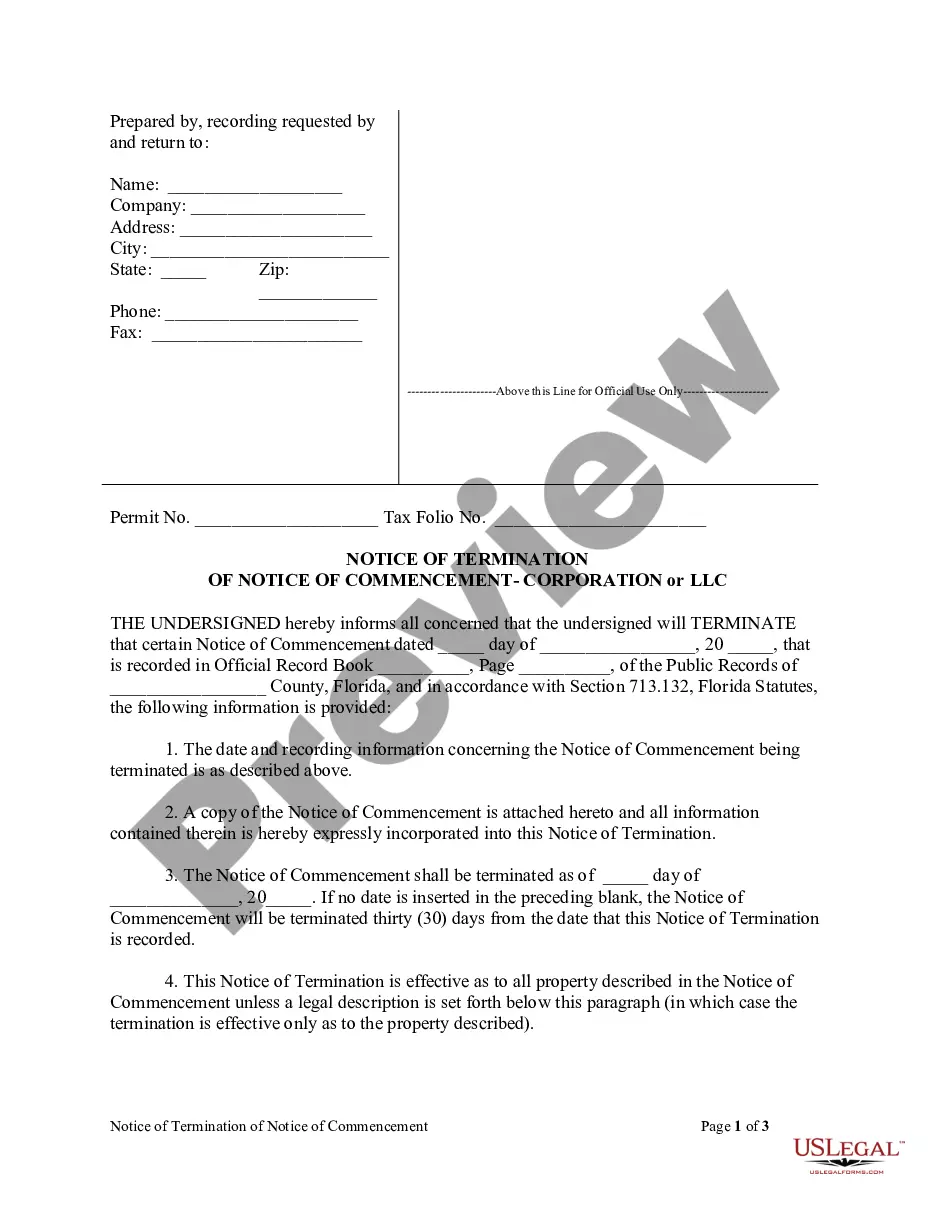




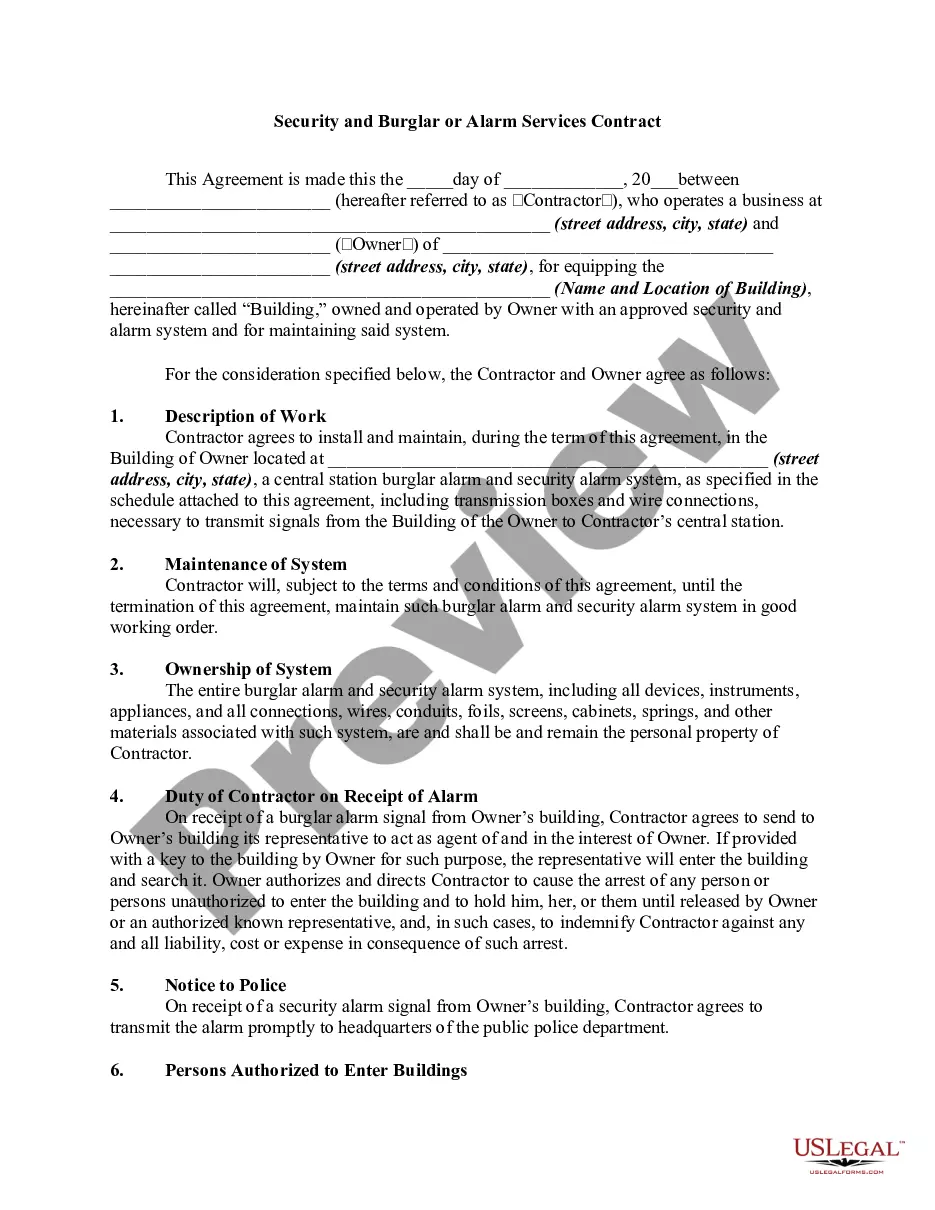
How to fill out Security And Alarm Services Contract - Self-Employed?
Whether for commercial reasons or for personal issues, everyone encounters legal circumstances at some point in their lives.
Completing legal documents requires meticulous attention, starting with selecting the correct template format.
Once it's downloaded, you can fill out the form using editing software or print it and complete it by hand. With a vast US Legal Forms collection available, you don’t need to waste time searching for the appropriate template online. Utilize the library’s user-friendly navigation to find the correct form for any circumstance.
- Obtain the template you require using the search box or catalog browsing.
- Review the form’s description to confirm it aligns with your circumstances, region, and county.
- Click on the form’s preview to inspect it.
- If it is the incorrect form, return to the search tool to find the Security Self Employed For Sss sample you need.
- Download the document if it suits your requirements.
- If you already possess a US Legal Forms profile, simply click Log in to access previously saved templates in My documents.
- If you do not have an account yet, you can obtain the form by clicking Buy now.
- Select the right pricing option.
- Complete the profile registration form.
- Choose your payment method: use a credit card or PayPal account.
- Select the document format you prefer and download the Security Self Employed For Sss.
Form popularity
FAQ
Self-employment tax is a tax consisting of Social Security and Medicare taxes primarily for individuals who work for themselves. It is similar to the Social Security and Medicare taxes withheld from the pay of most wage earners. Employers calculate Social Security and Medicare taxes of most wage earners.
Schedule SE (Self-Employment Tax). You can get these forms from the IRS on their website at .irs.gov. Send the tax return and schedules, along with your self-employment tax, to the IRS. Even if you don't owe any income tax, you must complete Form 1040 and Schedule SE to pay self-employment Social Security tax.
You sell your old stuff as a business. You take care of pets. You work in rideshare. You deliver the goods. Rent your room. Earned valuable goods. Kickstart with crowdfunding. IRS documentation.
You report your earnings for Social Security when you file your federal income tax return. If your net earnings are $400 or more in any year, you must report your earnings on Schedule SE for Social Security purposes, in addition to the other tax forms you must file.
If you are self-employed, you will need to report your net earnings to Social Security and the Internal Revenue Service (IRS). Net earnings for Social Security are your gross earnings from your trade or business, minus all of your allowable business deductions and depreciation.