Dietitian Salary
Description
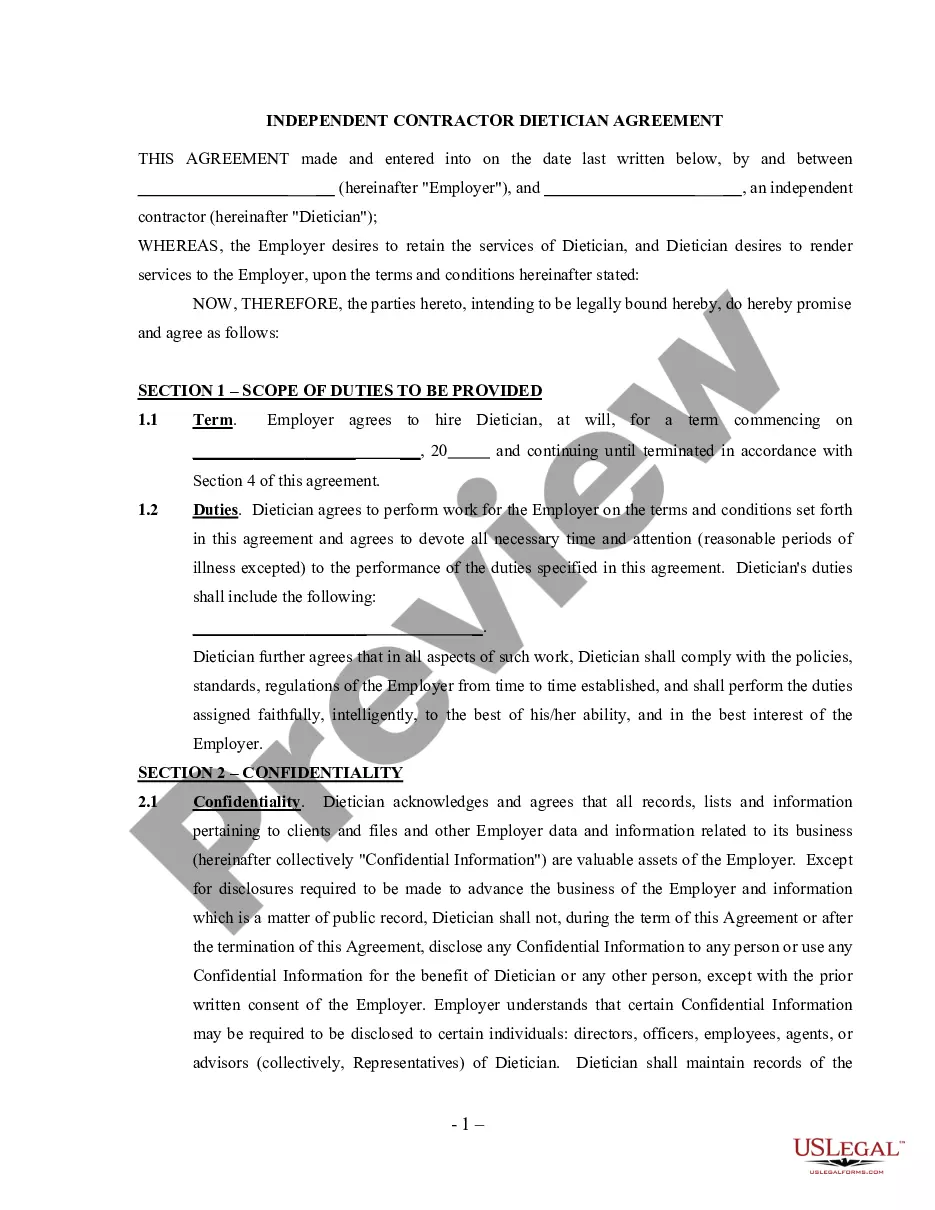
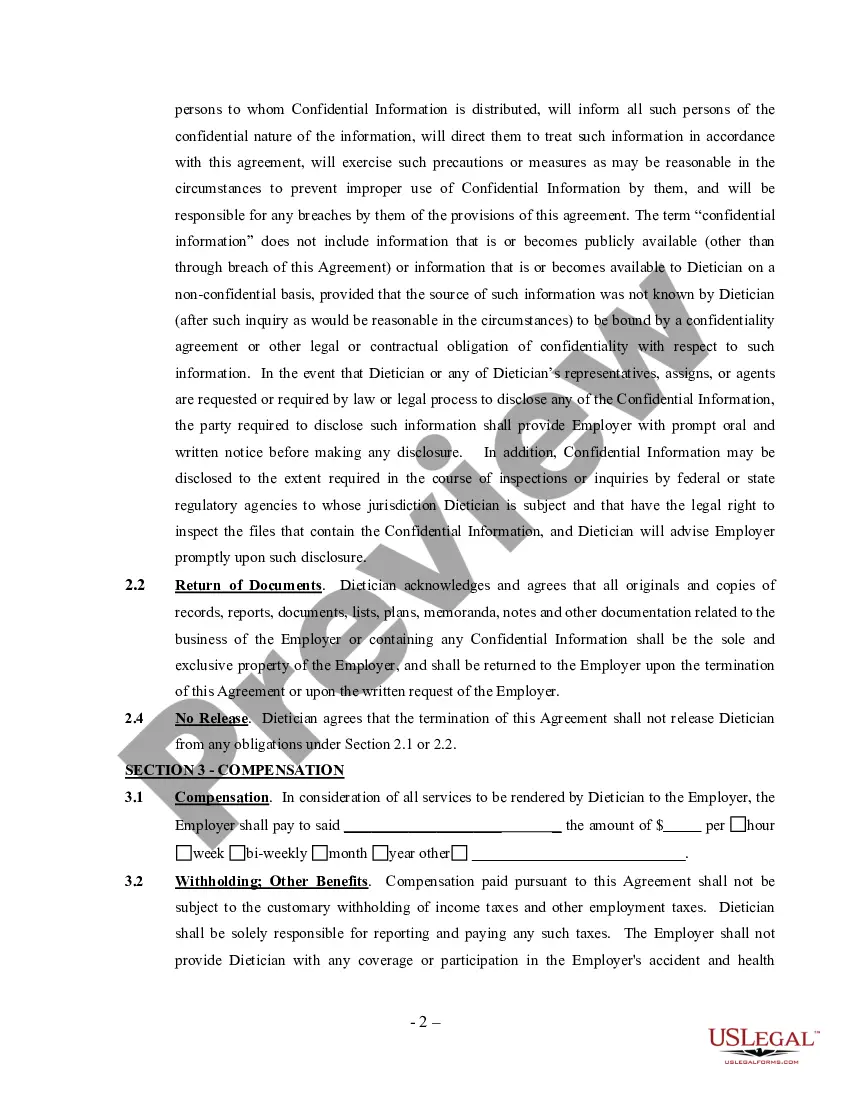
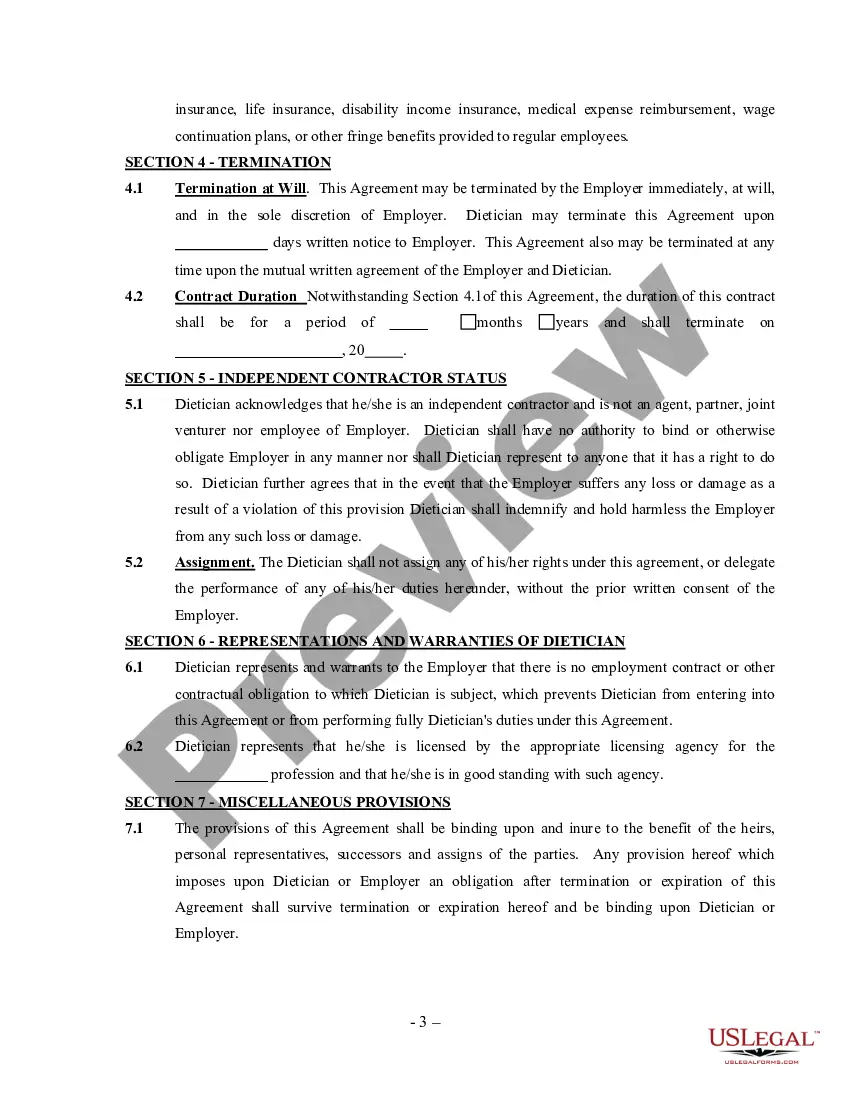
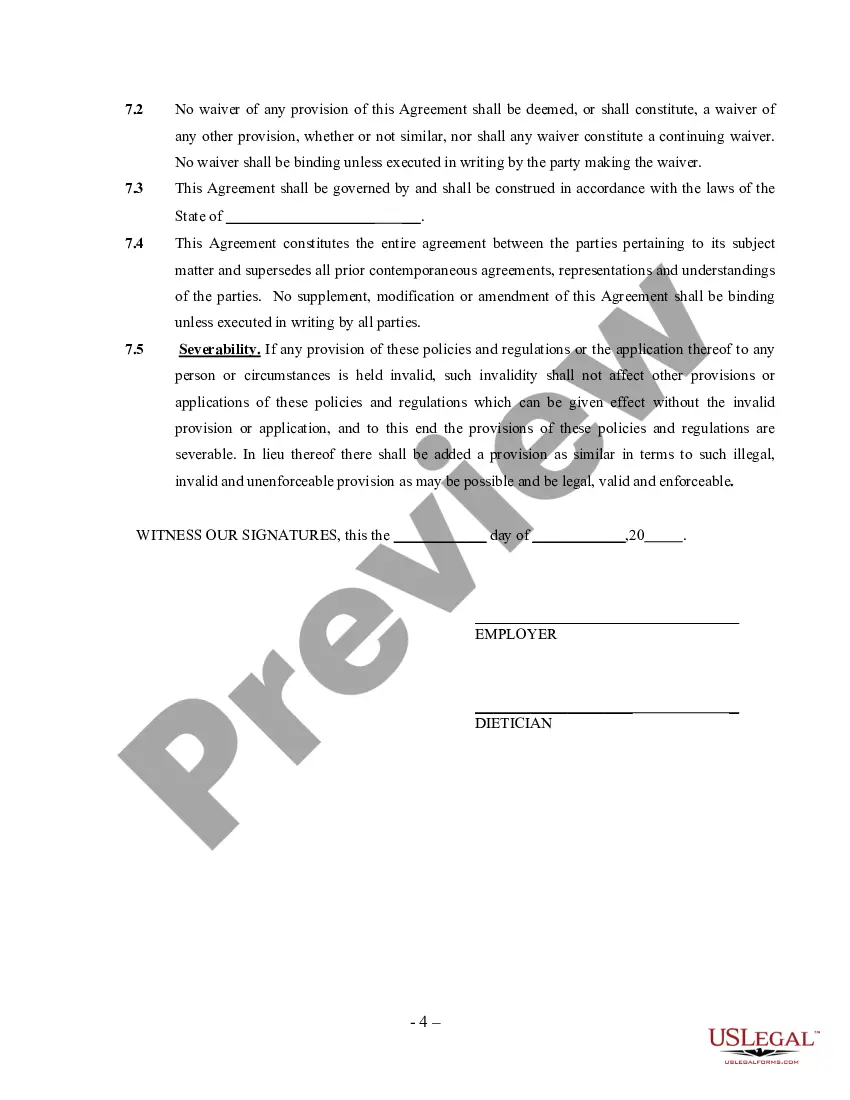
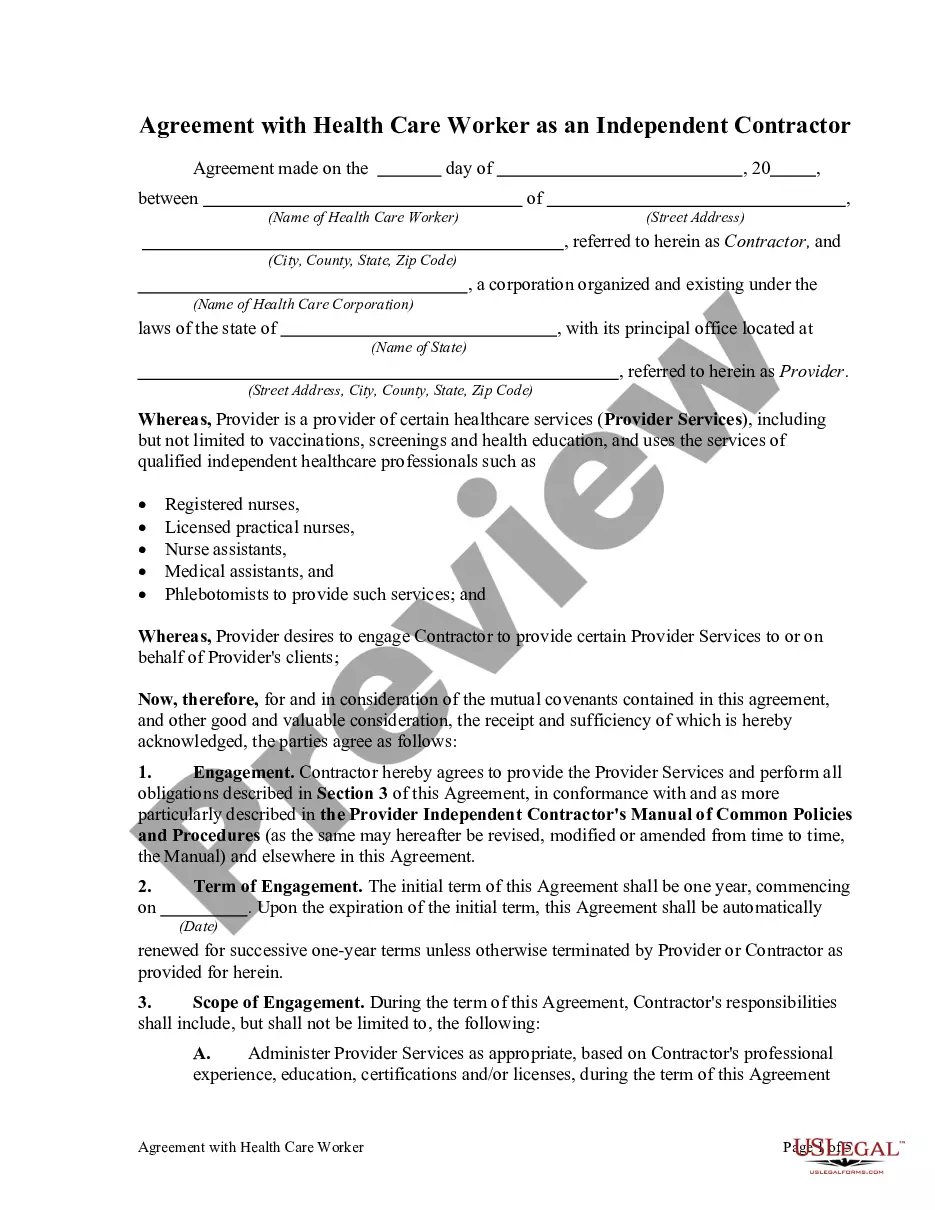
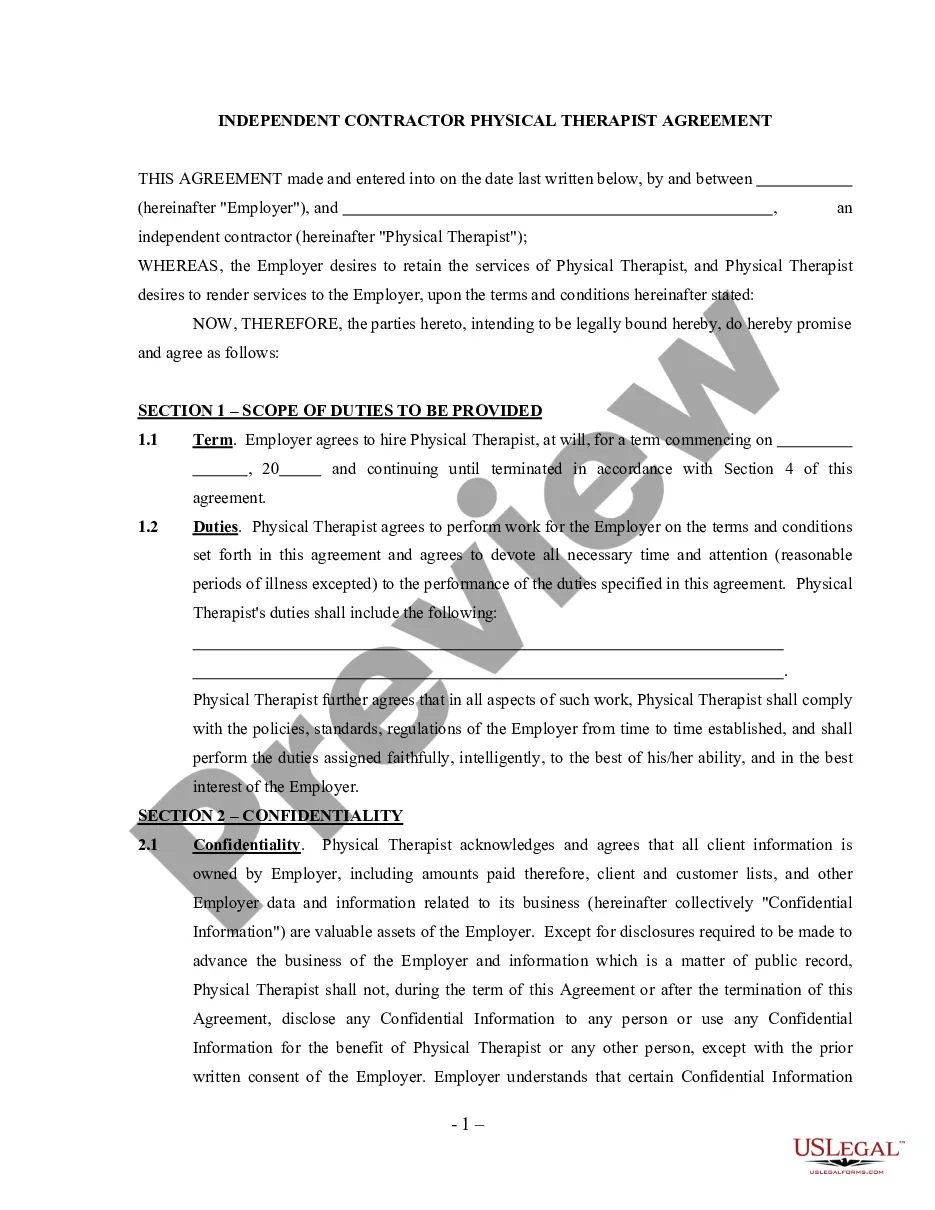
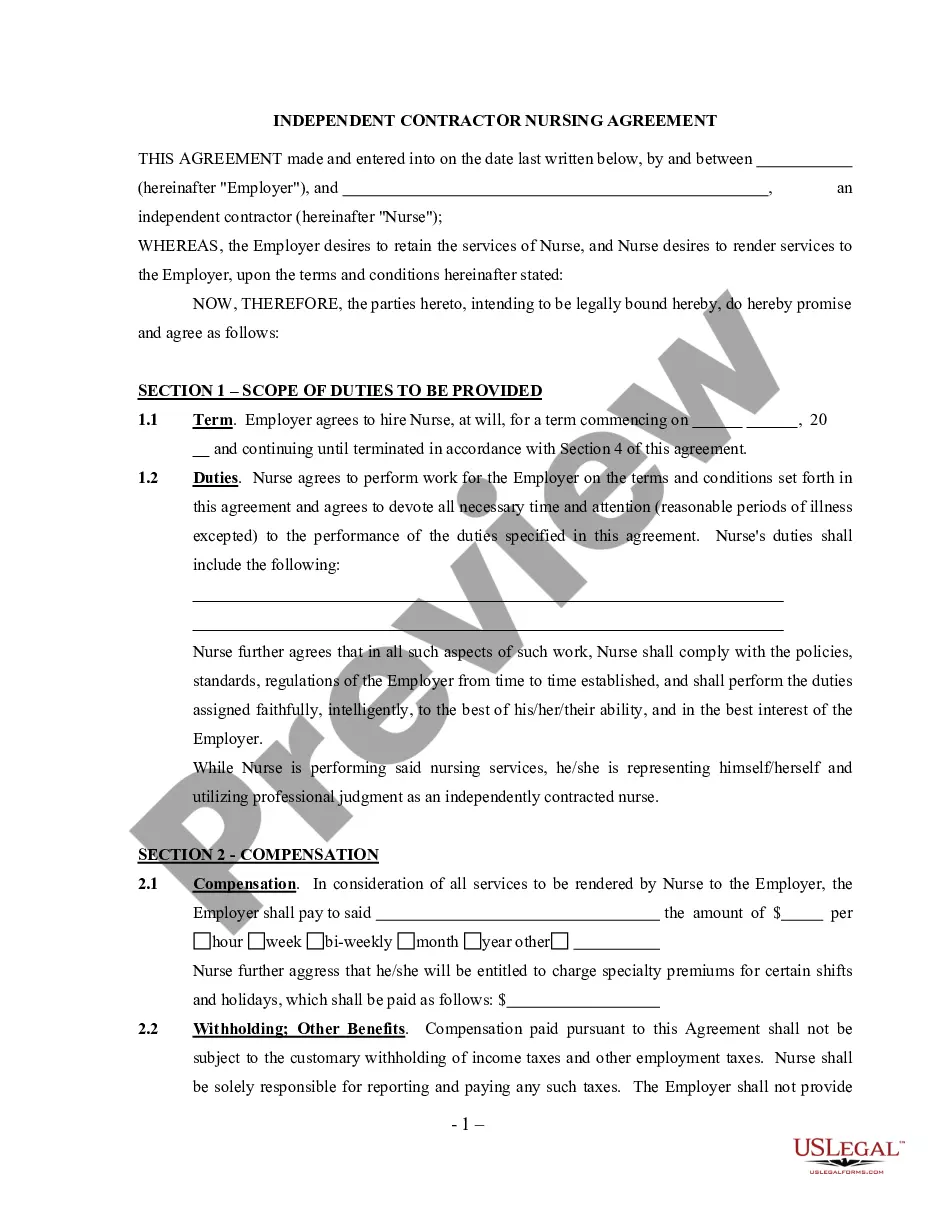
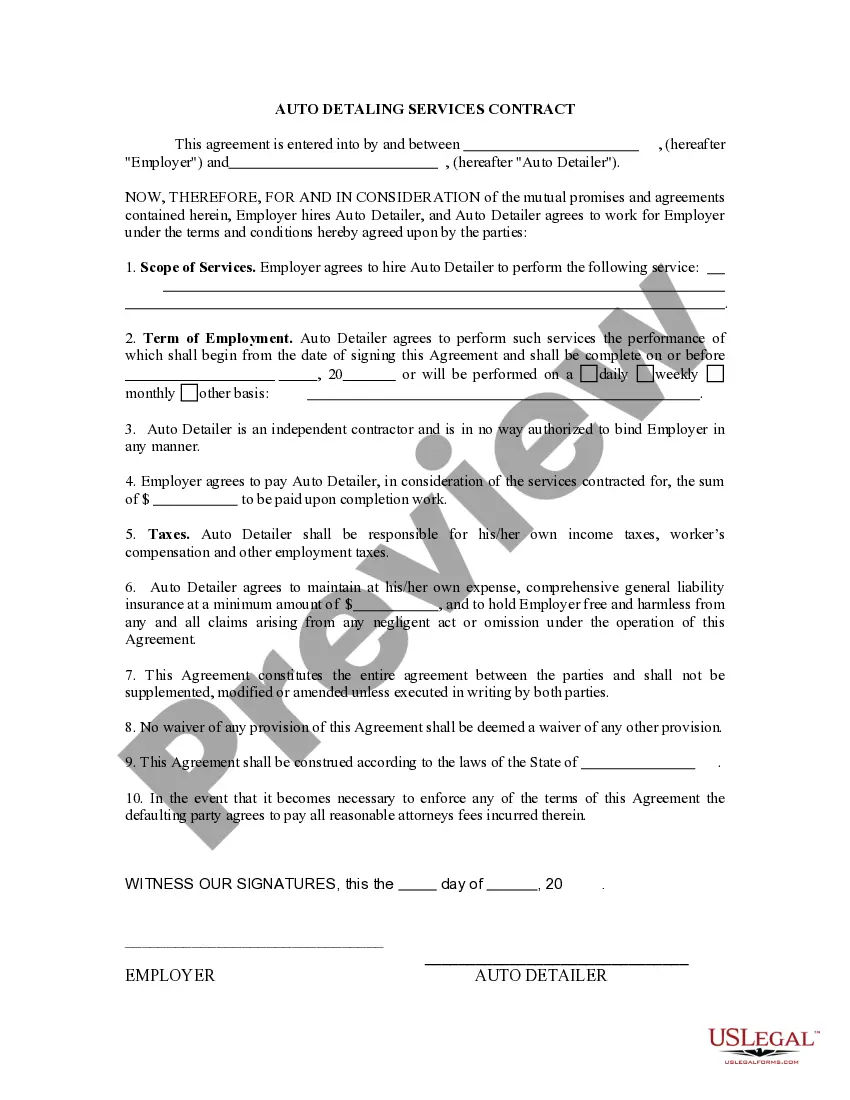
How to fill out Dietitian Agreement - Self-Employed Independent Contractor?
- Log in to your existing US Legal Forms account if you are a returning user. Verify that your subscription is active, and renew it as necessary.
- For first-time users, start by browsing the extensive form collection. Check the Preview mode and descriptions to confirm you select the appropriate document for your legal needs.
- If you don't find what you need, utilize the Search tab to look for other templates. Choose one that fits your jurisdictional requirements.
- Once the correct document is found, click the Buy Now button to select a suitable subscription plan and create an account to access all resources.
- Complete the purchase by entering your payment details via credit card or PayPal.
- Finally, download your chosen form template to your device. Access it anytime from the My Forms menu in your profile for easy completion.
US Legal Forms not only simplifies the process but also ensures that users can access premium expert assistance for form completion. This guarantees that your legal documents are precise and sound.
Take control of your legal documentation today by exploring US Legal Forms. Start utilizing their resources and make your legal processes effortless.
Form popularity
FAQ
No, dietitians do not need to attend medical school. Instead, they focus on nutrition science and practical training through accredited programs. This targeted education prepares them to advise on dietary needs and can significantly impact their dietitian salary as they build their expertise.
The job market for dietitians can be competitive, but opportunities exist, especially in healthcare settings. Many factors, such as geographic location and specialization, influence job availability. Leveraging platforms like US Legal Forms can help you navigate the application process, making it easier to enter the field and increase your dietitian salary.
Becoming a dietitian usually takes about five to six years. This timeframe includes four years for obtaining a bachelor’s degree and an additional year for completing an accredited dietetic internship. Ensuring you understand the commitment involved can lead to better career planning and optimize your future dietitian salary.
Yes, dietitians can make 100k, depending on their experience, specialization, and location. Certain roles in clinical settings, management, or private practice often offer salaries that reach this level or higher. If you're interested in maximizing your dietitian salary, consider acquiring specialized skills or certifications that can boost your earning potential.
To become a dietitian, you typically need a bachelor's degree, which usually takes about four years of college. After earning your degree, many programs require a supervised practice internship, adding another internship year. Completing these steps positions you well in the field, and understanding the dietitian salary landscape can help you plan your career.
Max, as a hypothetical dietitian, could represent someone who earns a competitive dietitian salary based on their experience and field of expertise. Salaries can vary greatly among dietitians, influenced by location and job setting. Providing Max's specific circumstances would help illustrate the spectrum of potential earnings. If you're looking to explore various salary options for registered dietitians, using resources like US Legal Forms can provide valuable insights.
The highest salary for a dietitian can reach up to $90,000 to $100,000 or more, depending on various factors. These may include geographic location, level of education, and specialized skills. Dietitians working in management or specialized clinical roles often earn the top salaries. To achieve these heights, continuous professional development and networking are crucial.
To write registered dietitian credentials, you typically include the title 'RD' or 'RDN' after your name. The 'RDN' signifies that you are a registered dietitian nutritionist, which highlights your focus on nutrition. Presenting your credentials accurately can enhance your professional image and establish your expertise. Remember, clear communication of your qualifications can positively impact your career opportunities.
Yes, it is possible to earn a dietitian salary of $100,000 or more, especially in certain regions or specialized fields. Factors such as experience, education, and the specific job setting contribute to this potential income. Positions in healthcare facilities, private practice, or corporate wellness programs often offer higher salaries. It's important to research salary trends in your area to understand your earning potential.
Choosing to become a dietitian can be a rewarding career path with numerous benefits. The dietitian salary is competitive, and the demand for nutrition experts continues to grow in various sectors, including healthcare, wellness programs, and food service management. Dietitians have the opportunity to make a significant impact on community health, guiding people towards better nutritional choices. If you are considering this career, tools and resources available on sites like US Legal Forms can help streamline your job search and professional development.