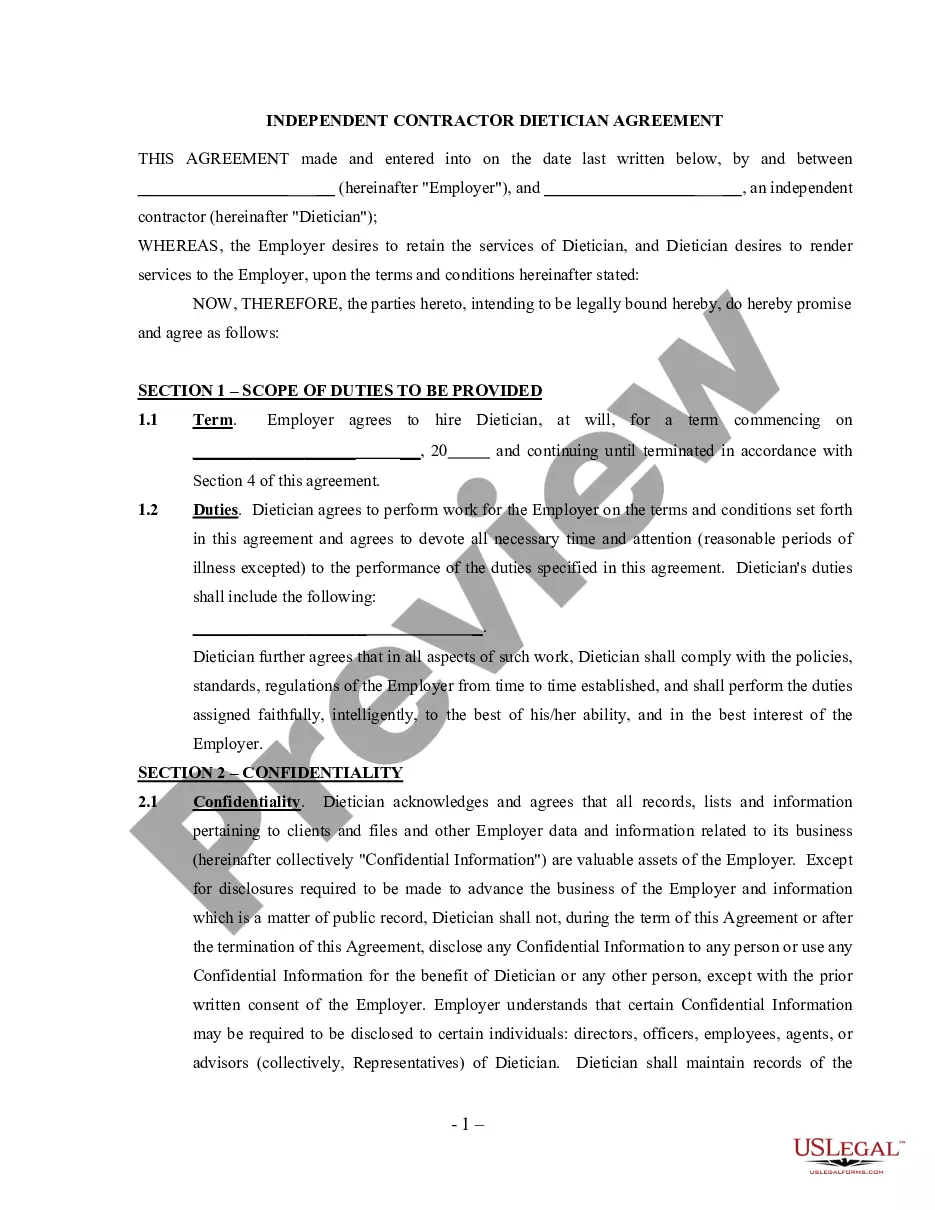
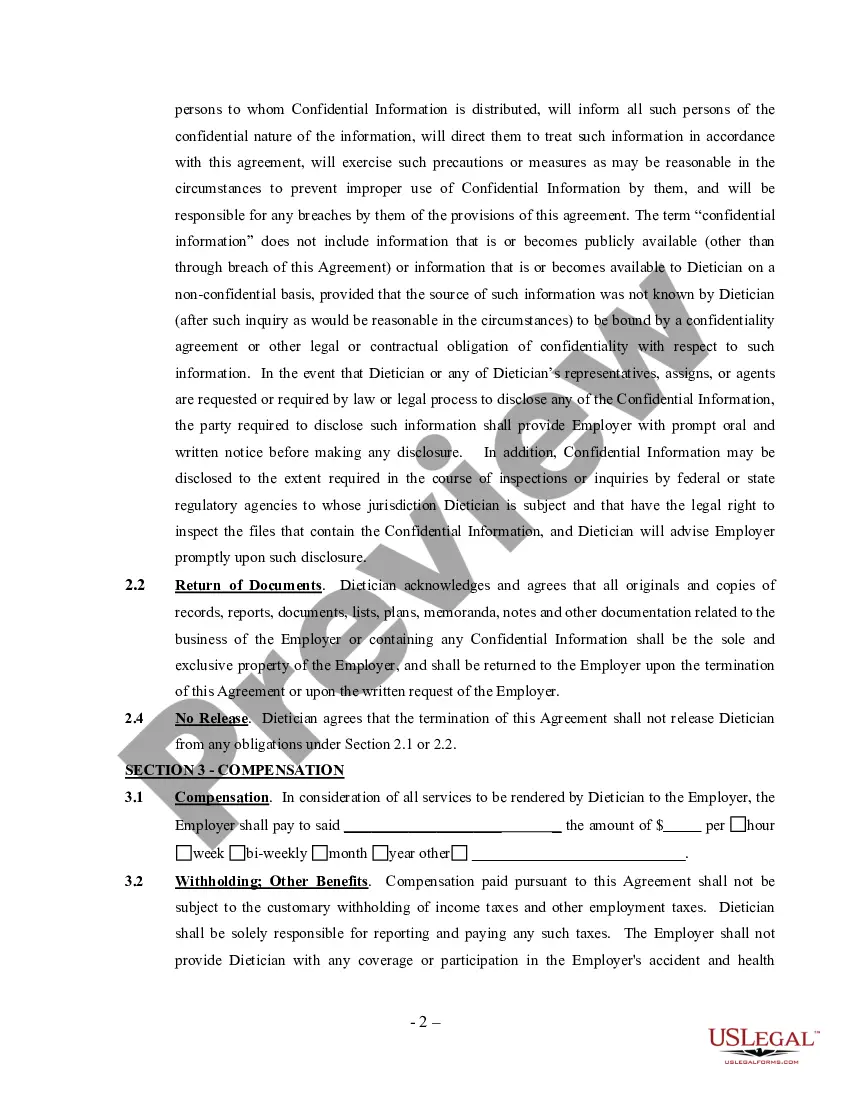
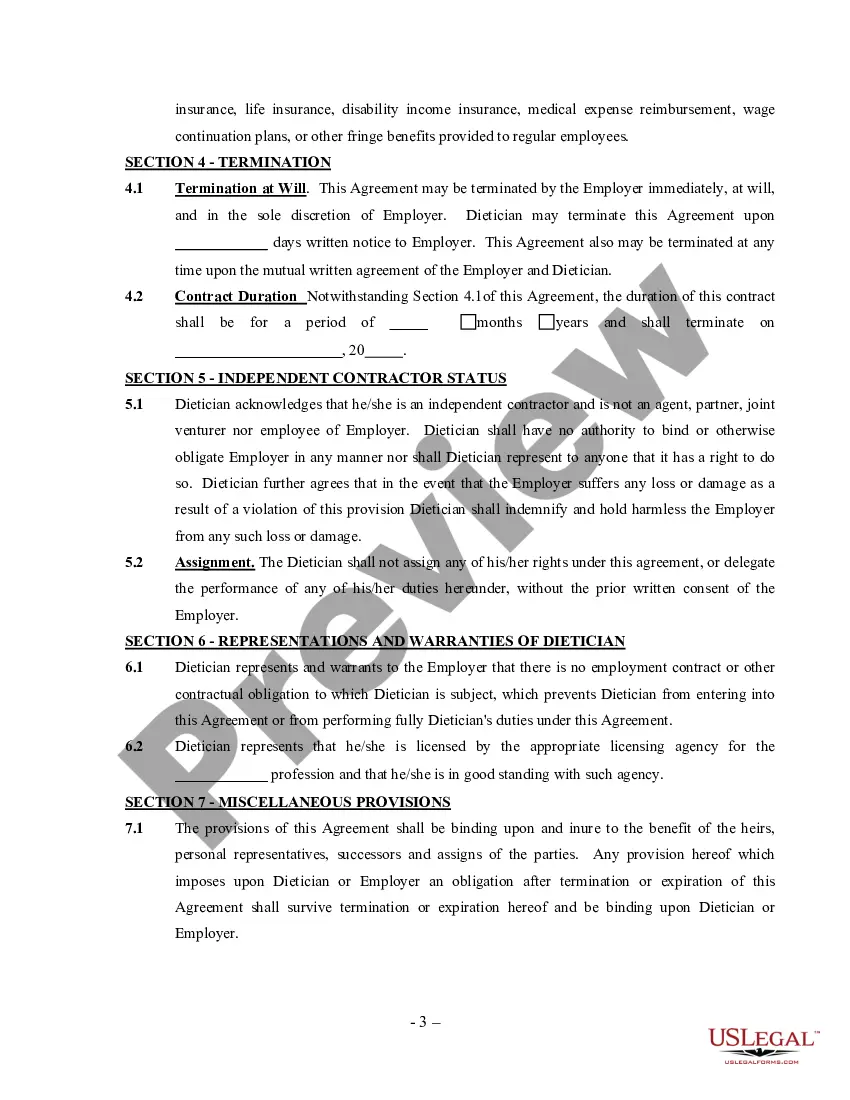
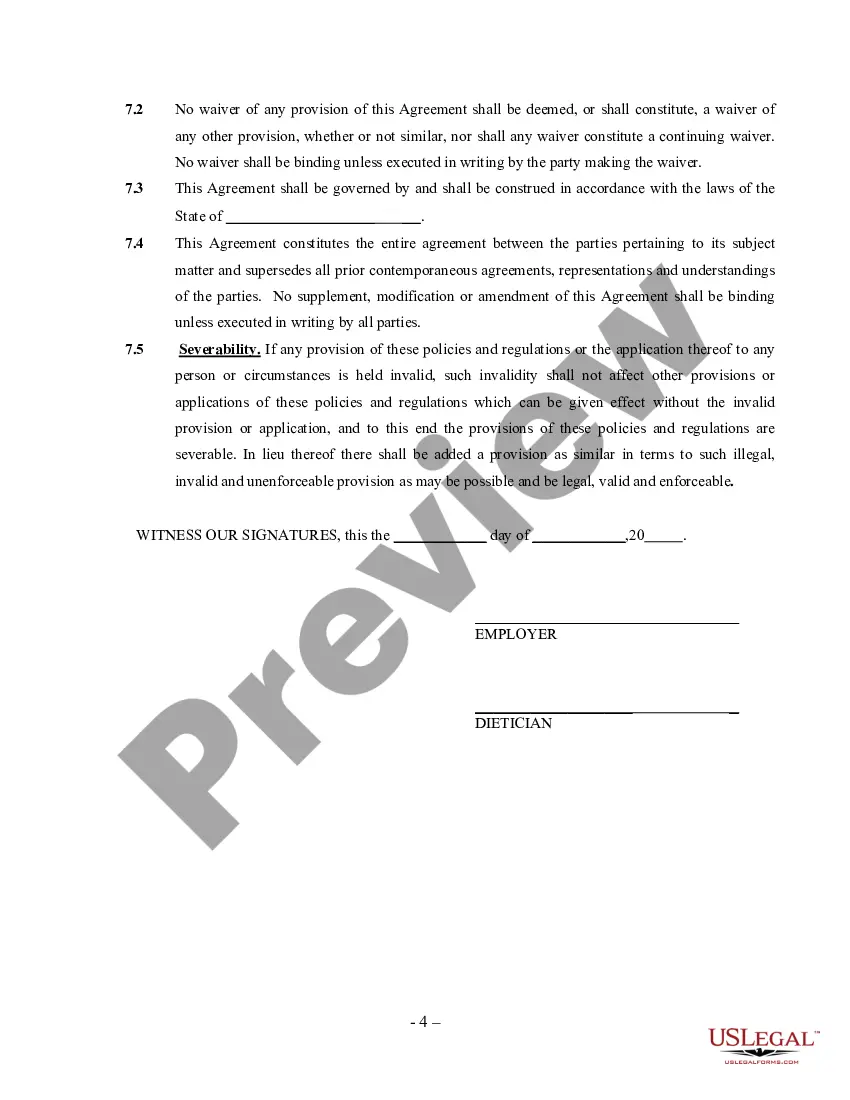
Dietitian Contract With Insurance Company
Description
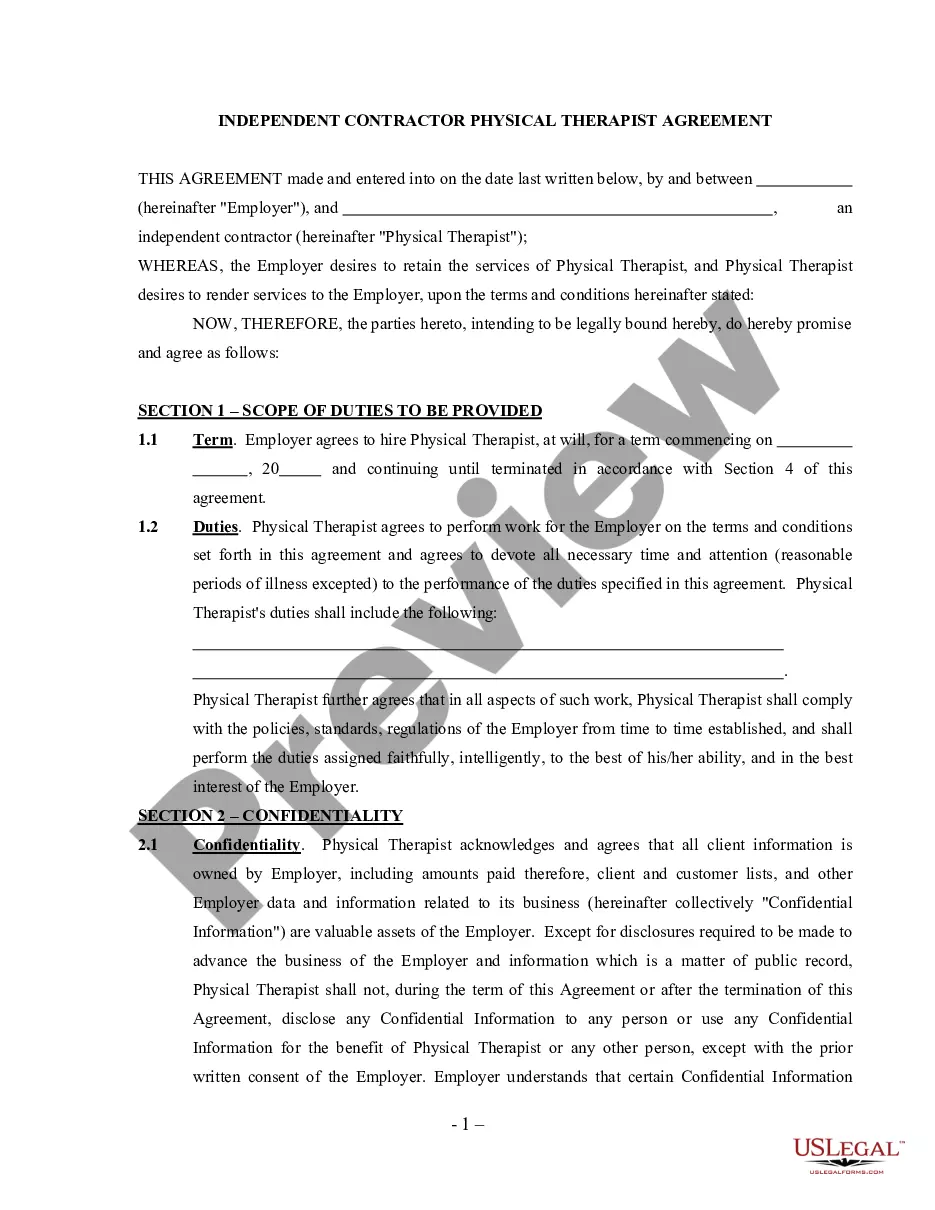
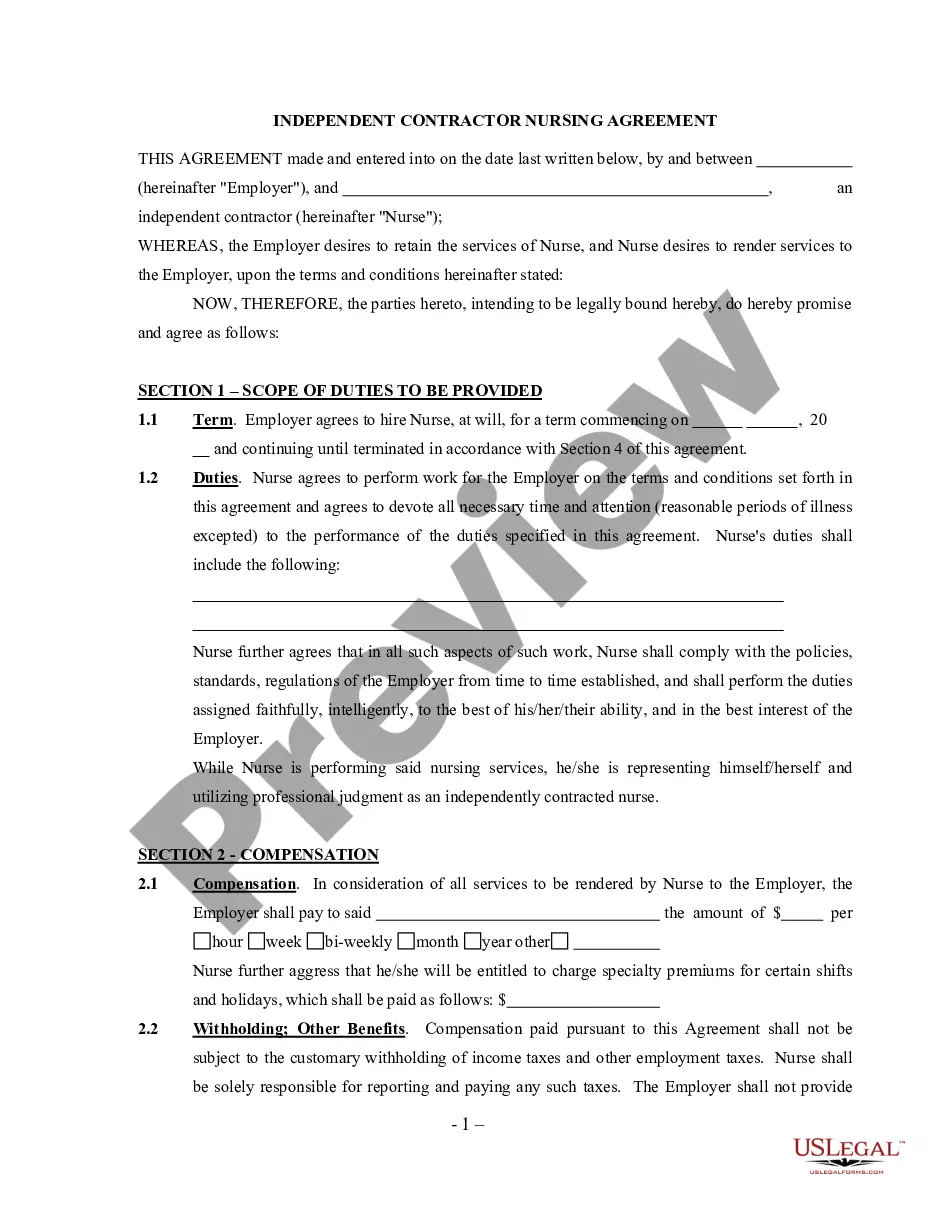
Get your form ready online
Our built-in tools help you complete, sign, share, and store your documents in one place.
Make edits, fill in missing information, and update formatting in US Legal Forms—just like you would in MS Word.
Download a copy, print it, send it by email, or mail it via USPS—whatever works best for your next step.
Sign and collect signatures with our SignNow integration. Send to multiple recipients, set reminders, and more. Go Premium to unlock E-Sign.
If this form requires notarization, complete it online through a secure video call—no need to meet a notary in person or wait for an appointment.
We protect your documents and personal data by following strict security and privacy standards.

Make edits, fill in missing information, and update formatting in US Legal Forms—just like you would in MS Word.

Download a copy, print it, send it by email, or mail it via USPS—whatever works best for your next step.

Sign and collect signatures with our SignNow integration. Send to multiple recipients, set reminders, and more. Go Premium to unlock E-Sign.

If this form requires notarization, complete it online through a secure video call—no need to meet a notary in person or wait for an appointment.

We protect your documents and personal data by following strict security and privacy standards.
Looking for another form?
How to fill out Dietitian Agreement - Self-Employed Independent Contractor?
Managing legal documents and processes can be a lengthy addition to your whole day.
Dietitian Agreement With Insurance Provider and documents similar to it frequently necessitate that you hunt for them and find the optimal way to finish them correctly.
Therefore, whether you are attending to financial, legal, or personal affairs, having a thorough and convenient online archive of documents readily available will be extremely beneficial.
US Legal Forms is the leading online platform for legal templates, boasting over 85,000 state-specific documents along with various resources to help you complete your forms smoothly.
Simply Log In to your account, search for Dietitian Agreement With Insurance Provider, and download it immediately from the My documents section. You can also access previously saved documents.
- Browse the collection of pertinent documents available to you with just one click.
- US Legal Forms offers you state- and county-specific documents available at any moment for download.
- Protect your document management tasks using a superior service that allows you to create any form within minutes without additional or undisclosed charges.
Form popularity
FAQ
The 8 minute rule is a guideline that helps dietitians determine how to bill for their services based on time spent with a client. Essentially, this rule allows dietitians to bill for every 8 minutes of service, which can significantly affect their revenue when working under a dietitian contract with an insurance company. Understanding this rule is vital for accurately documenting and reporting your billing hours. If you're looking for clarity on this aspect, using a dedicated platform can streamline your billing practices and enhance your efficiency.
The reimbursement rate for dietitians can vary based on several factors, including the insurance company and the specific services provided. Typically, a dietitian contract with an insurance company outlines these rates, detailing what each service is worth. It is crucial for dietitians to understand these rates for effective billing and to ensure they receive proper compensation for their work. To optimize your practice, consider using a platform that simplifies the process of managing dietitian contracts with insurance companies.
You can confirm if your insurance covers dietitian services by checking your health plan's benefits summary or provider directory. Many plans outline outpatient nutrition counseling under the dietitian contract with insurance company category. Another effective approach is to call your insurance provider directly; they can guide you on the included services related to dietitian visits. Utilizing platforms like USLegalForms can aid you in understanding and navigating these agreements.
To determine if a service is covered by your health insurance, start by reviewing your insurance policy documents. Look for sections related to covered services and exclusions. Also, consider contacting your insurance customer service; they can clarify specifics regarding your coverage. In the context of a dietitian contract with an insurance company, their support can help you ascertain whether dietitian services fit within your plan.
When writing your registered dietitian credentials, include your full name, degree, and certifications. Start with your education, followed by your dietitian registration number if applicable. Highlight relevant experience and any specialized training you may have. Presenting this information clearly helps convey your expertise when establishing a dietitian contract with an insurance company.
To get credentialed with insurance as a dietitian, start by collecting all required documentation, including proof of your education and experience. Then, proceed to fill out applications for each insurer you wish to contract with. This process can be simplified by using services like USLegalForms, which provide templates and guidance tailored to dietitian contracts.
Billing insurance for nutrition counseling involves submitting claims using specific codes for the services provided. Start by obtaining the necessary information from your patient, including their insurance details. Next, fill out the claim form accurately and submit it to the insurer. Strategies and resources from platforms like USLegalForms can help simplify these steps for you.
Yes, many insurance companies do cover dietitians, especially for specific services like medical nutrition therapy. Coverage often depends on the patient’s medical condition and the treatment plan established by a healthcare provider. To maximize your practice's billing potential, ensure that you have a dietitian contract with an insurance company aligned with your patients' needs.
Some insurance companies are known for having a more streamlined credentialing process. Generally, local insurers and some smaller regional companies can be easier to work with. However, it is important to research and understand their specific requirements before you begin. Tools like USLegalForms can assist you in identifying which companies may be a good fit for your practice.
Getting credentialed with insurance companies as a dietitian involves several key steps. First, gather all necessary documentation, including your education and license verification. Then, complete the credentialing application for each insurance company. By utilizing platforms like USLegalForms, you can access templates and guidance that make this process more efficient.