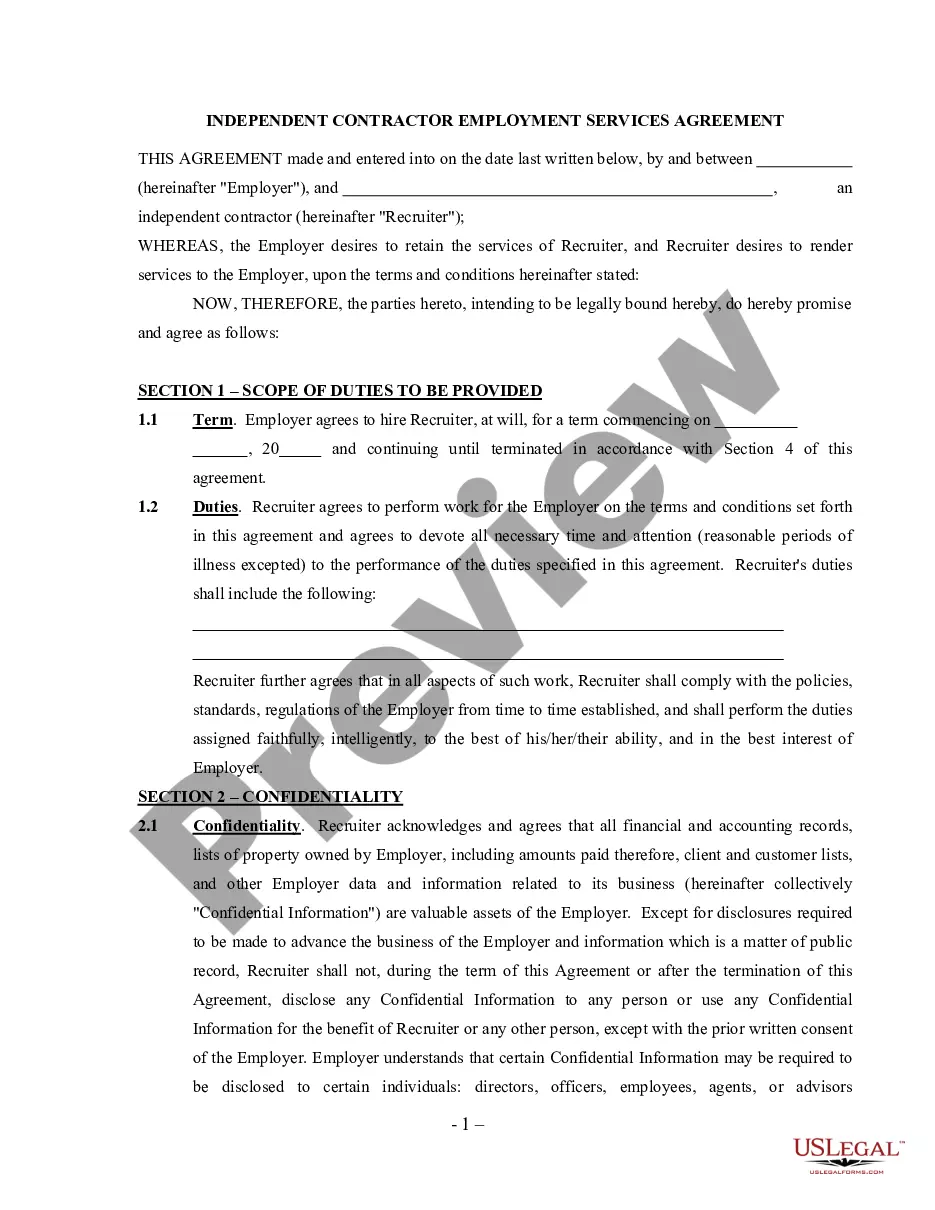
Employment Contract Format
Description
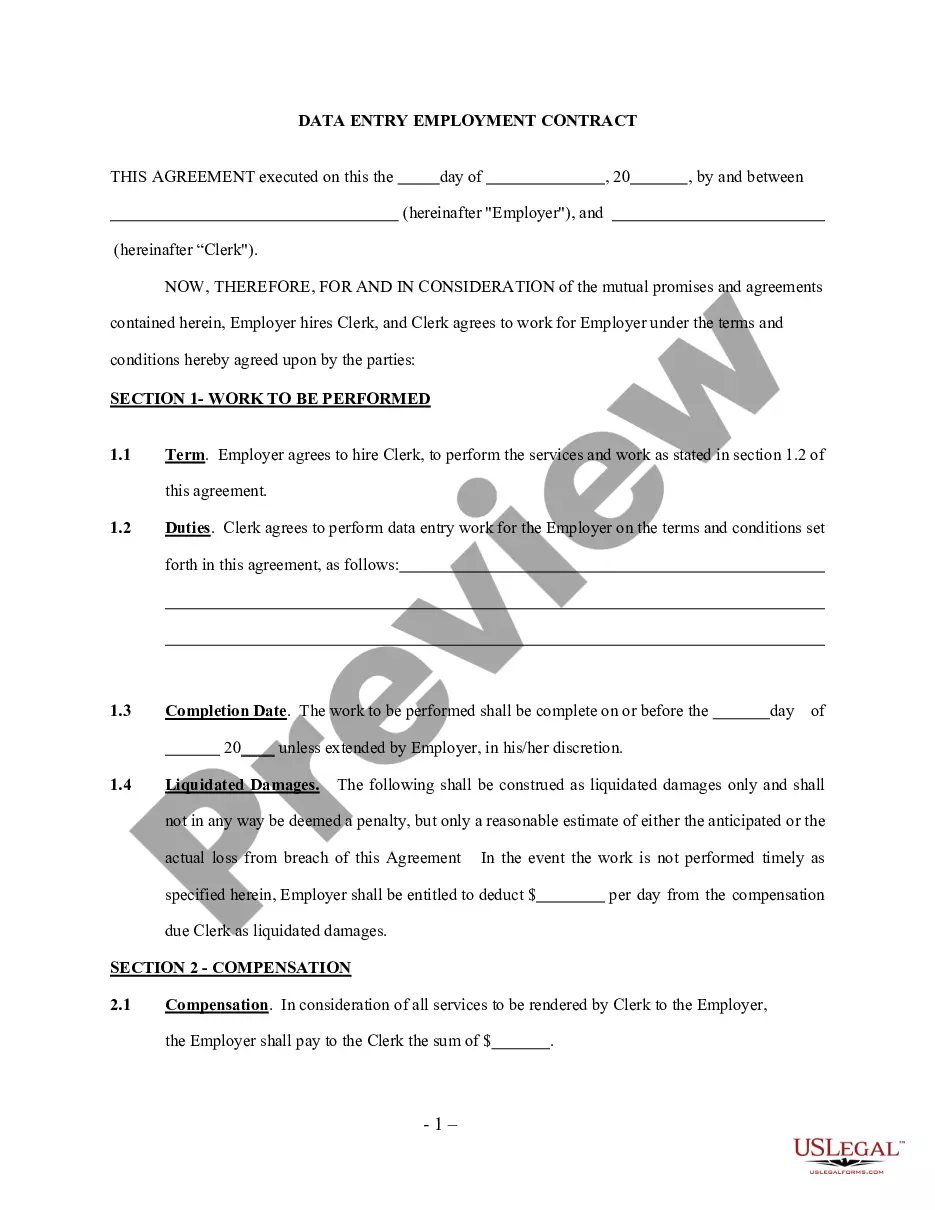
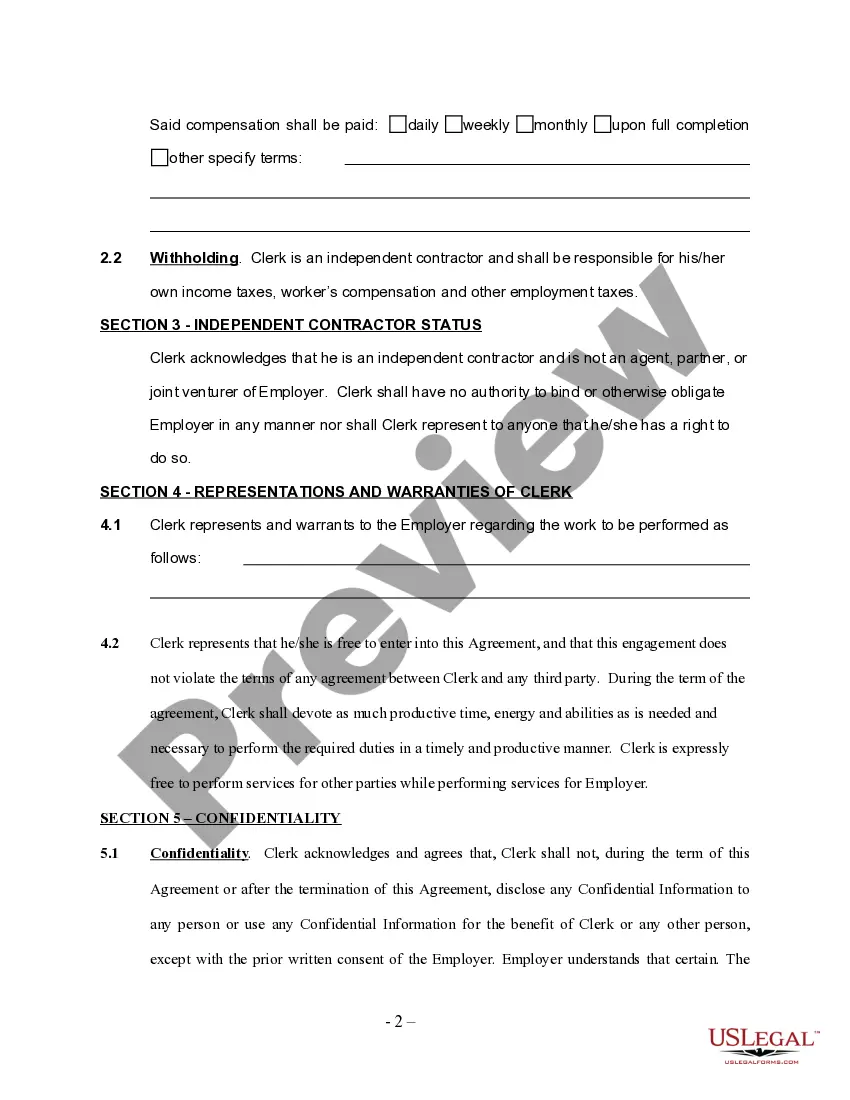
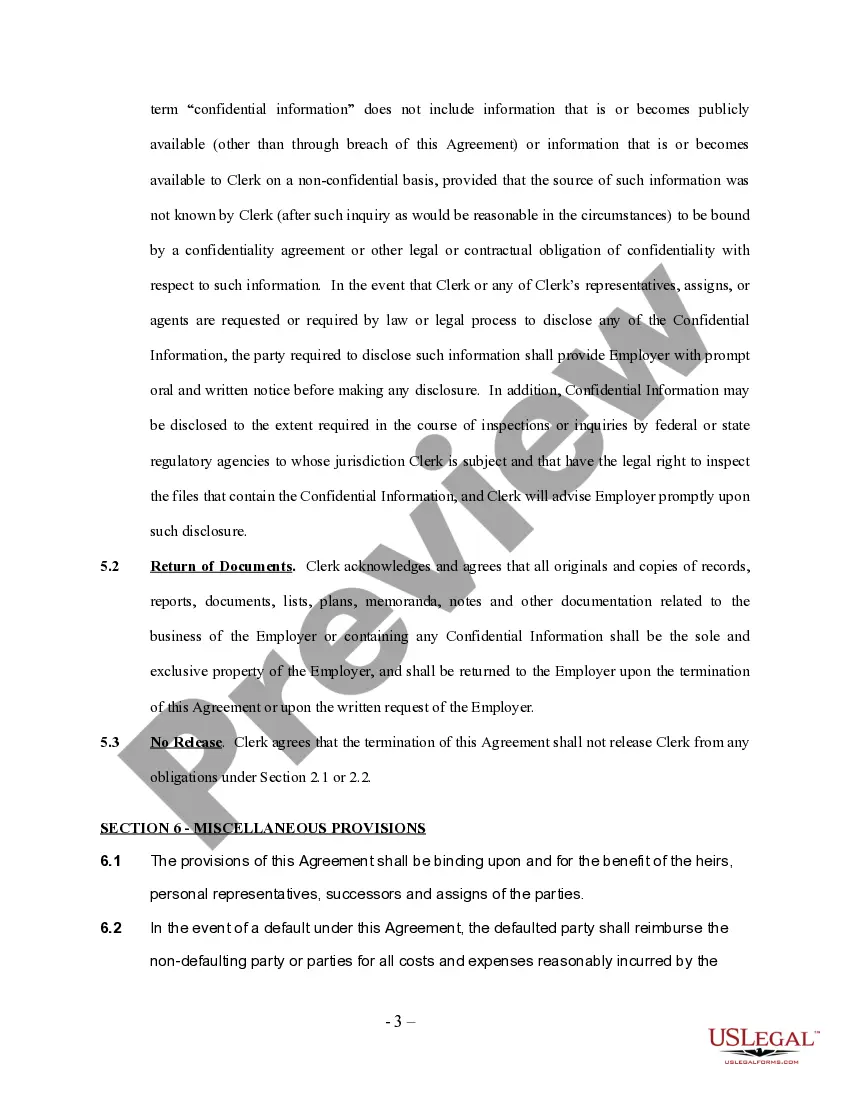
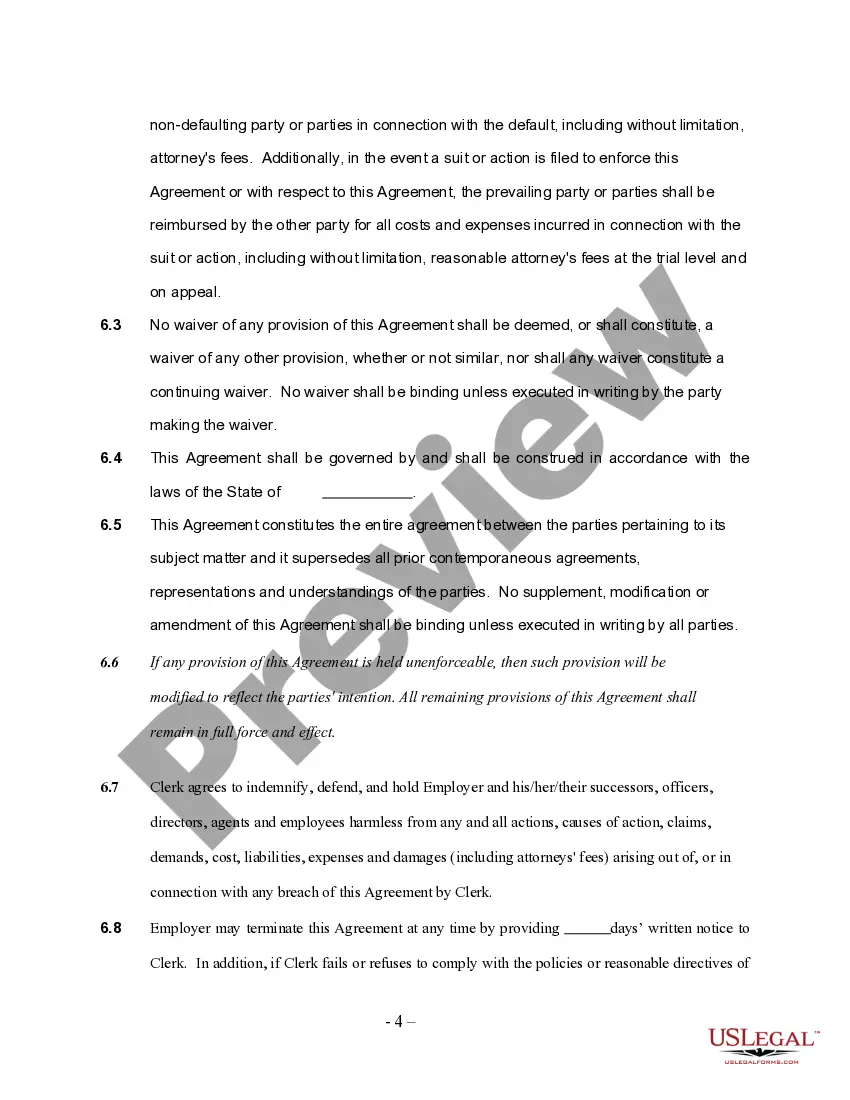
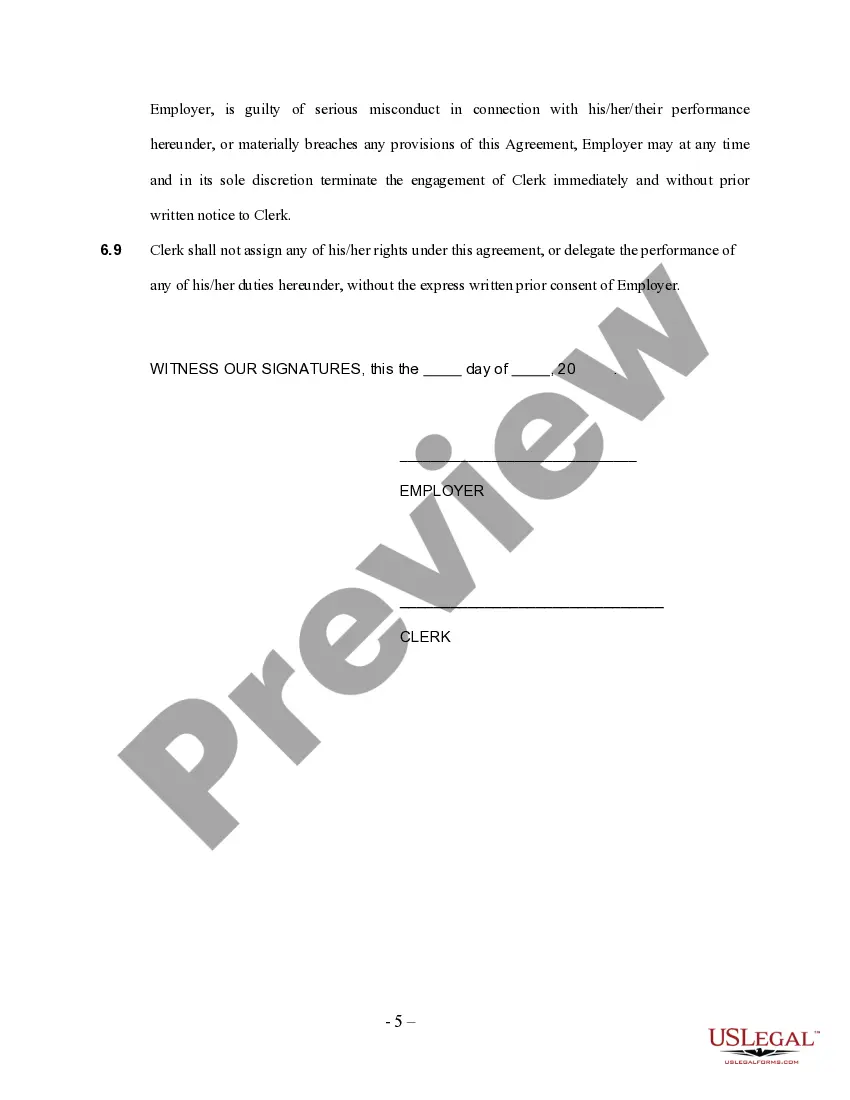
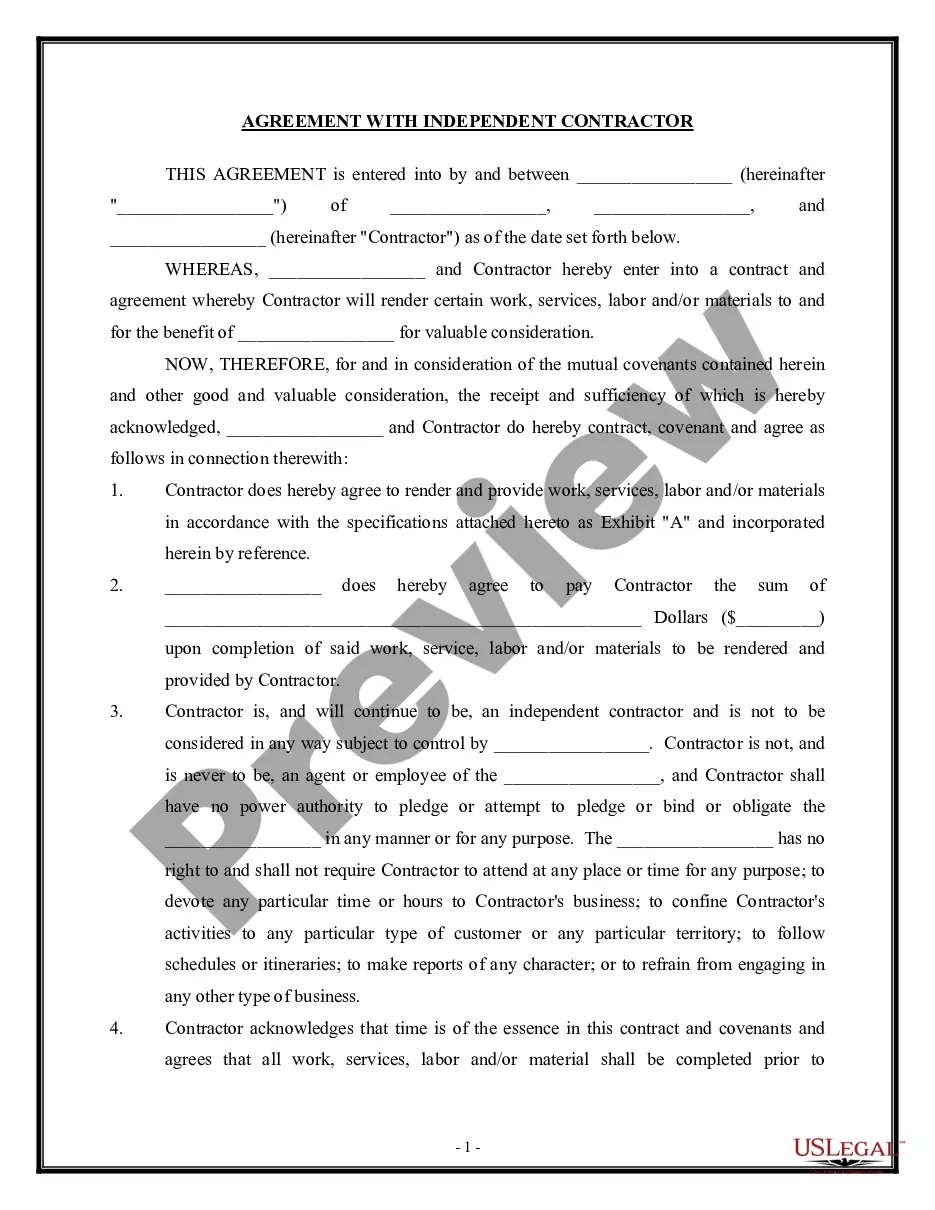
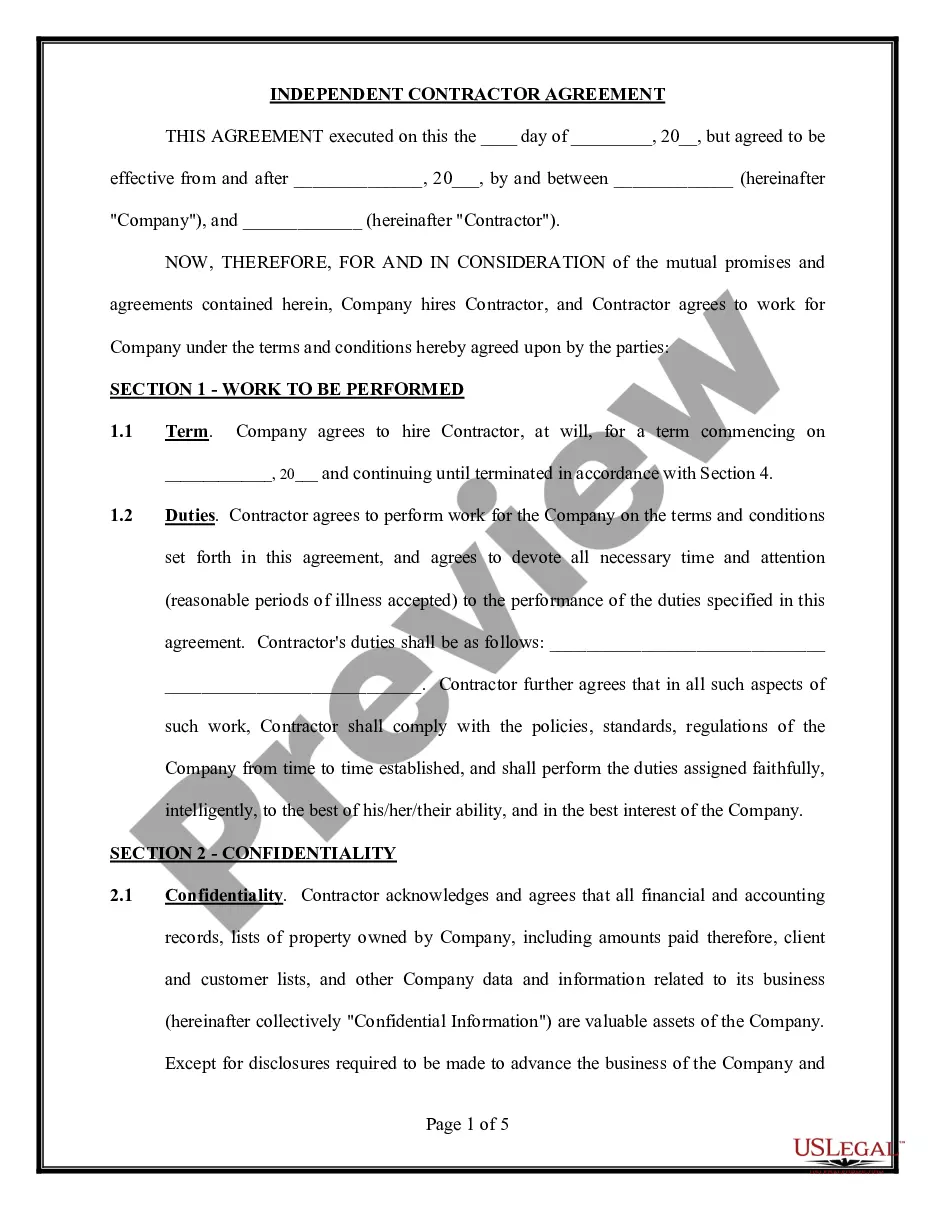
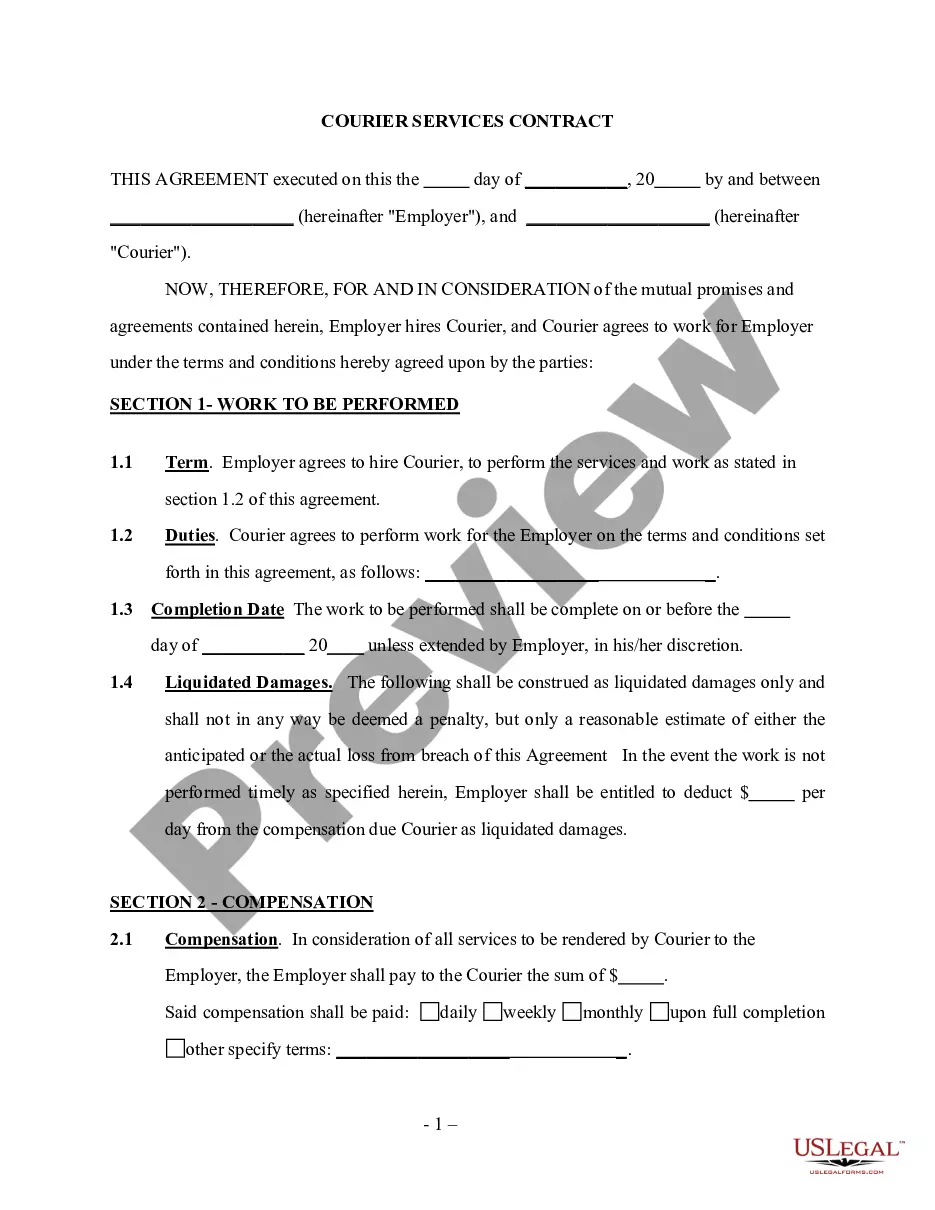
Get your form ready online
Our built-in tools help you complete, sign, share, and store your documents in one place.
Make edits, fill in missing information, and update formatting in US Legal Forms—just like you would in MS Word.
Download a copy, print it, send it by email, or mail it via USPS—whatever works best for your next step.
Sign and collect signatures with our SignNow integration. Send to multiple recipients, set reminders, and more. Go Premium to unlock E-Sign.
If this form requires notarization, complete it online through a secure video call—no need to meet a notary in person or wait for an appointment.
We protect your documents and personal data by following strict security and privacy standards.

Make edits, fill in missing information, and update formatting in US Legal Forms—just like you would in MS Word.

Download a copy, print it, send it by email, or mail it via USPS—whatever works best for your next step.

Sign and collect signatures with our SignNow integration. Send to multiple recipients, set reminders, and more. Go Premium to unlock E-Sign.

If this form requires notarization, complete it online through a secure video call—no need to meet a notary in person or wait for an appointment.

We protect your documents and personal data by following strict security and privacy standards.
Looking for another form?
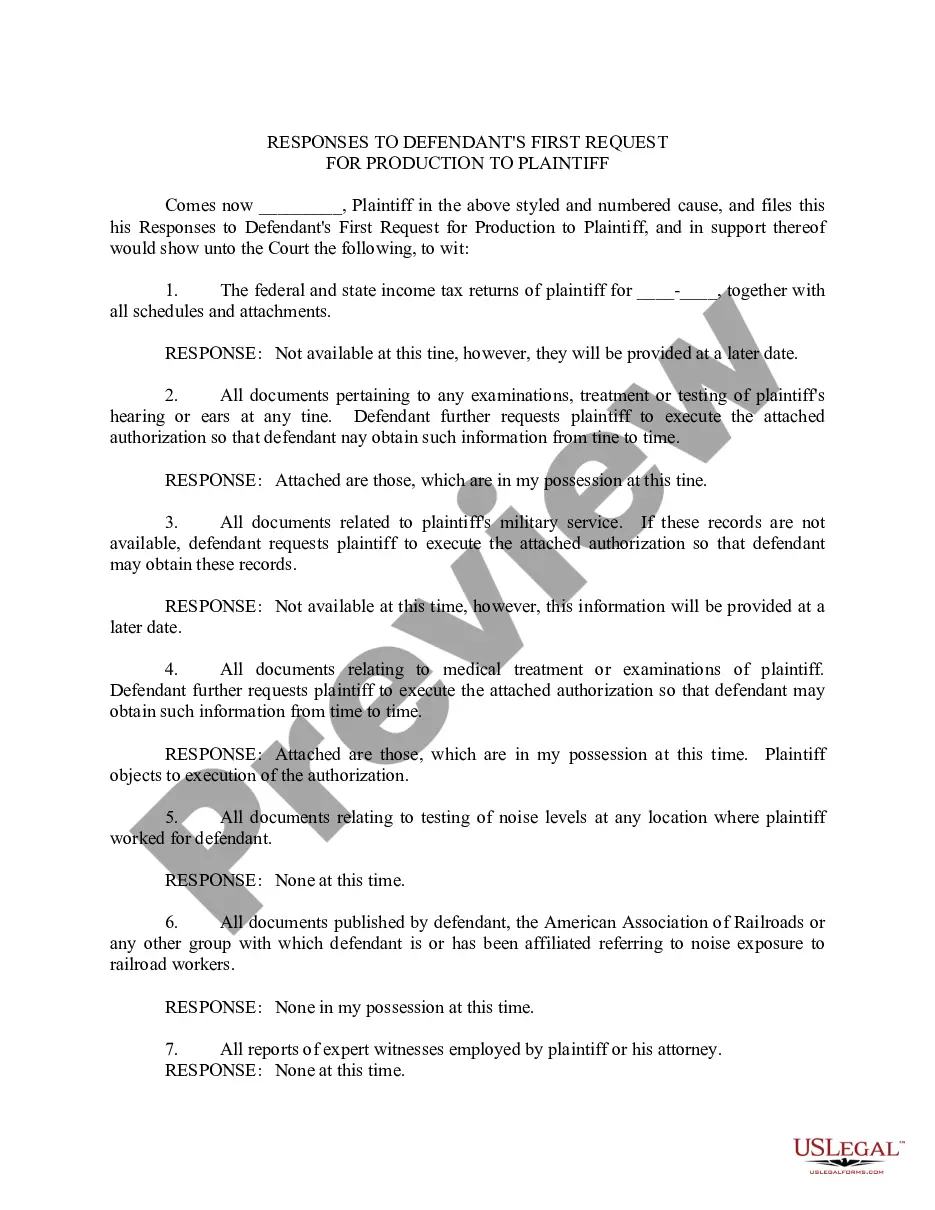




How to fill out Data Entry Employment Contract - Self-Employed Independent Contractor?
Creating legal documents from scratch can frequently be overwhelming.
Certain situations may require extensive research and significant financial investments.
If you’re looking for a simpler and more cost-effective method of generating Employment Contract Format or any other paperwork without unnecessary complications, US Legal Forms is always available to you.
Our online repository of over 85,000 current legal documents covers nearly every aspect of your financial, legal, and personal affairs. With just a handful of clicks, you can quickly obtain state- and county-compliant templates meticulously prepared for you by our legal professionals.
- Utilize our platform whenever you require trusted and dependable services to swiftly find and download the Employment Contract Format.
- If you’re familiar with our services and have already established an account with us, simply Log In to your account, choose the template, and download it, or re-download it anytime later from the My documents tab.
- Not registered yet? No problem. It requires minimal time to register and explore the catalog.
- But before proceeding to download the Employment Contract Format, adhere to these suggestions.
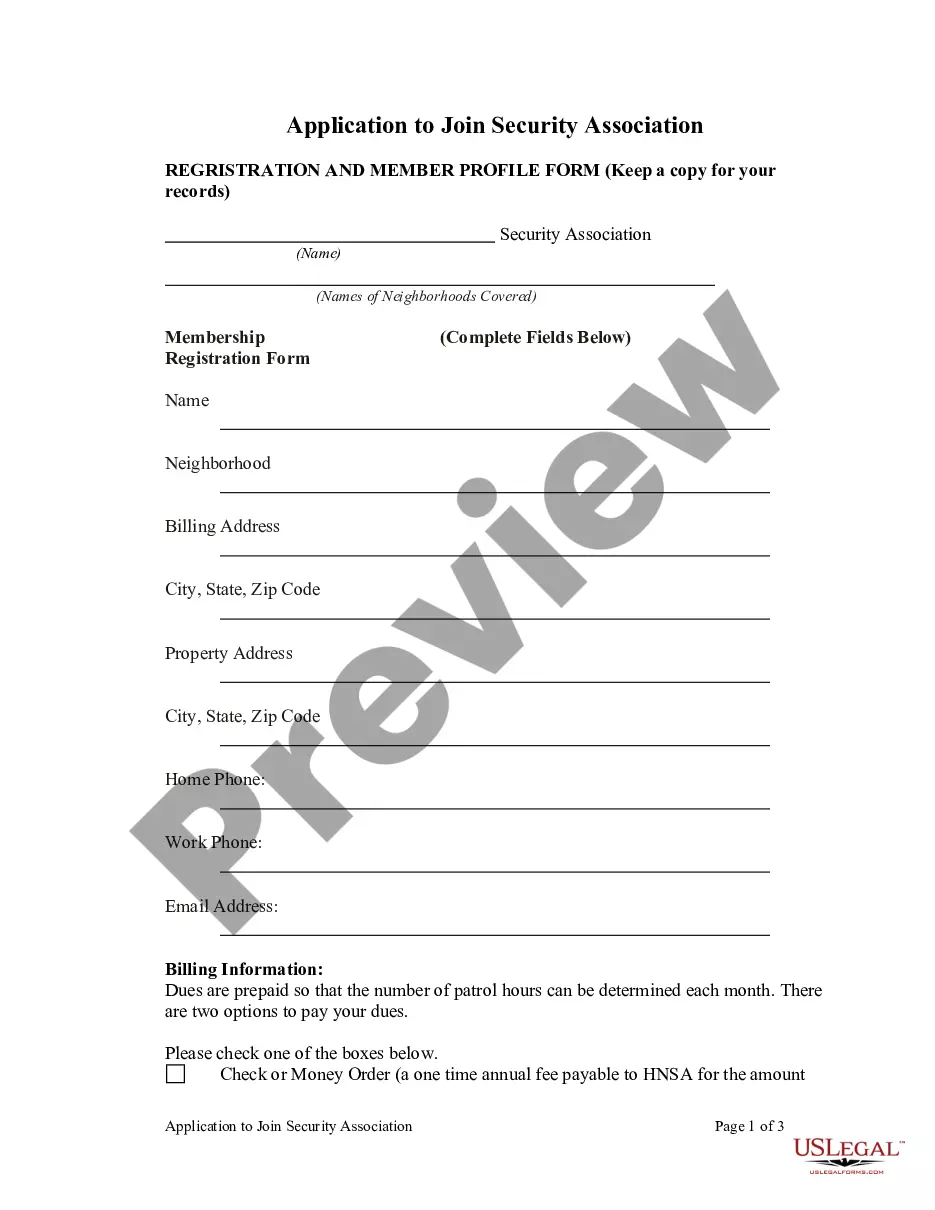
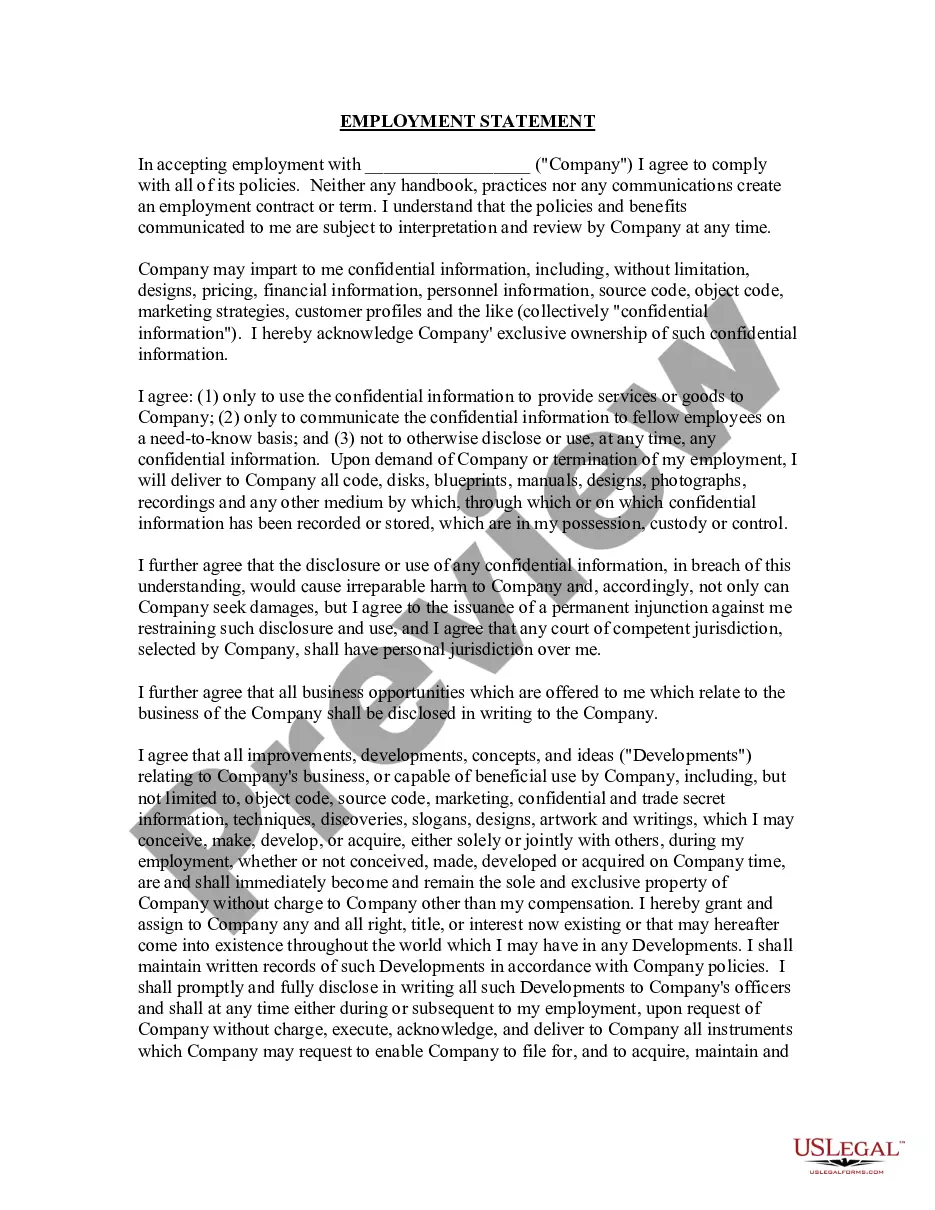
- Review the form preview and descriptions to make certain that you are on the document you need.
Form popularity
FAQ
7 things you need to include in an employment contract Job information. Compensation and benefits. Time off, sick days and vacation policy. Employee classification. The schedule and employment period. Confidentiality, privacy and responsibility. Termination, severance and survival.
Employment contracts generally have specific contract terms such as effective date, type of employment, notice, termination, dispute process, applicable law and severability.
The contract typically includes basic information, such as the employee's job title, start date, and work schedule. It also outlines the employee's compensation?including salary, bonuses, and leave?and employee benefits like health insurance and retirement.
However, in many cases individuals who are hiring the employee can also choose to write their own contracts. In some cases, independent contractors or freelancers can provide their own contracts and terms of employment. In all scenarios both parties would need to agree and sign the contract for it to be effective.
When creating an Employment Contract, you can include the following terms: The type and rate of compensation. The frequency of payment. Vacation time. Specified work hours. Specified work location. Employee responsibilities. Length of a probationary period. Confidentiality, non-solicitation, or non-competition clauses.