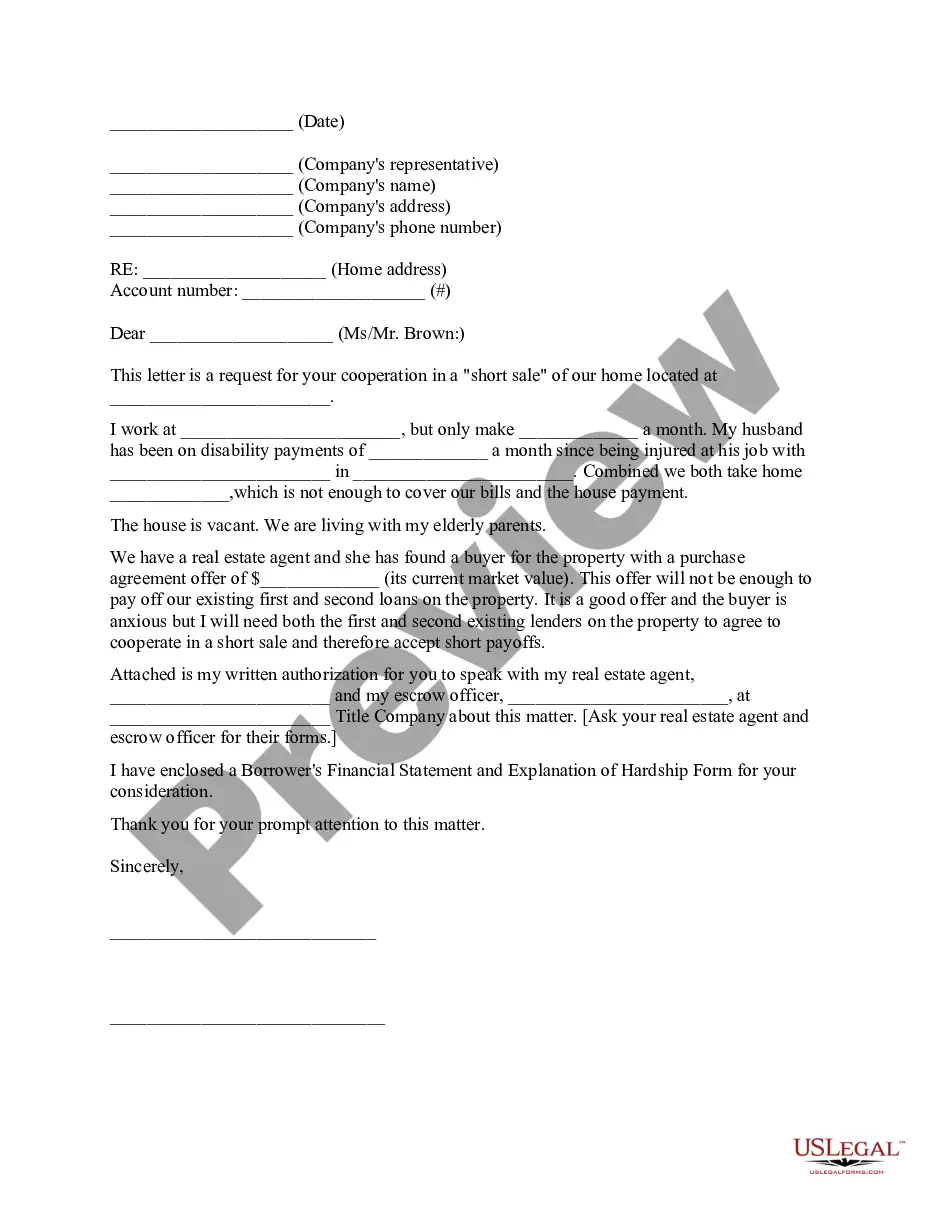
Letter Short Sale With Bank
Description
Get your form ready online
Our built-in tools help you complete, sign, share, and store your documents in one place.
Make edits, fill in missing information, and update formatting in US Legal Forms—just like you would in MS Word.
Download a copy, print it, send it by email, or mail it via USPS—whatever works best for your next step.
Sign and collect signatures with our SignNow integration. Send to multiple recipients, set reminders, and more. Go Premium to unlock E-Sign.
If this form requires notarization, complete it online through a secure video call—no need to meet a notary in person or wait for an appointment.
We protect your documents and personal data by following strict security and privacy standards.

Make edits, fill in missing information, and update formatting in US Legal Forms—just like you would in MS Word.

Download a copy, print it, send it by email, or mail it via USPS—whatever works best for your next step.

Sign and collect signatures with our SignNow integration. Send to multiple recipients, set reminders, and more. Go Premium to unlock E-Sign.

If this form requires notarization, complete it online through a secure video call—no need to meet a notary in person or wait for an appointment.

We protect your documents and personal data by following strict security and privacy standards.
Looking for another form?
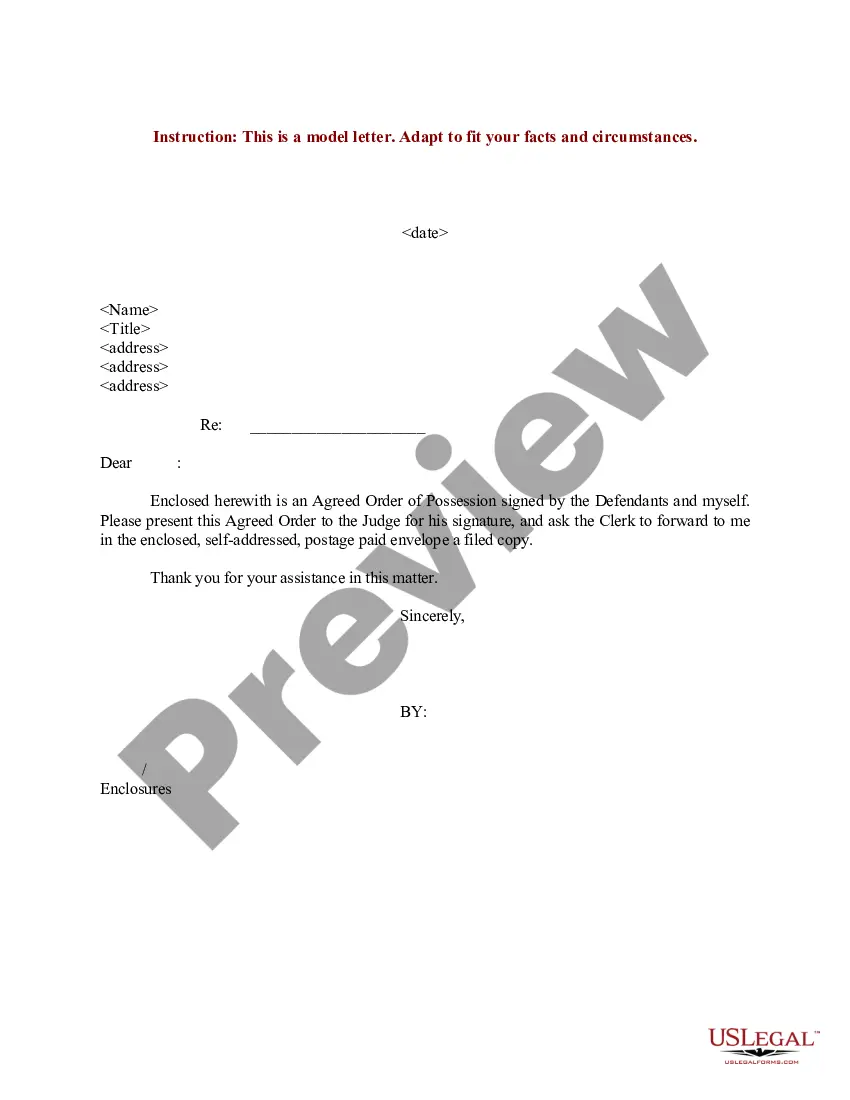
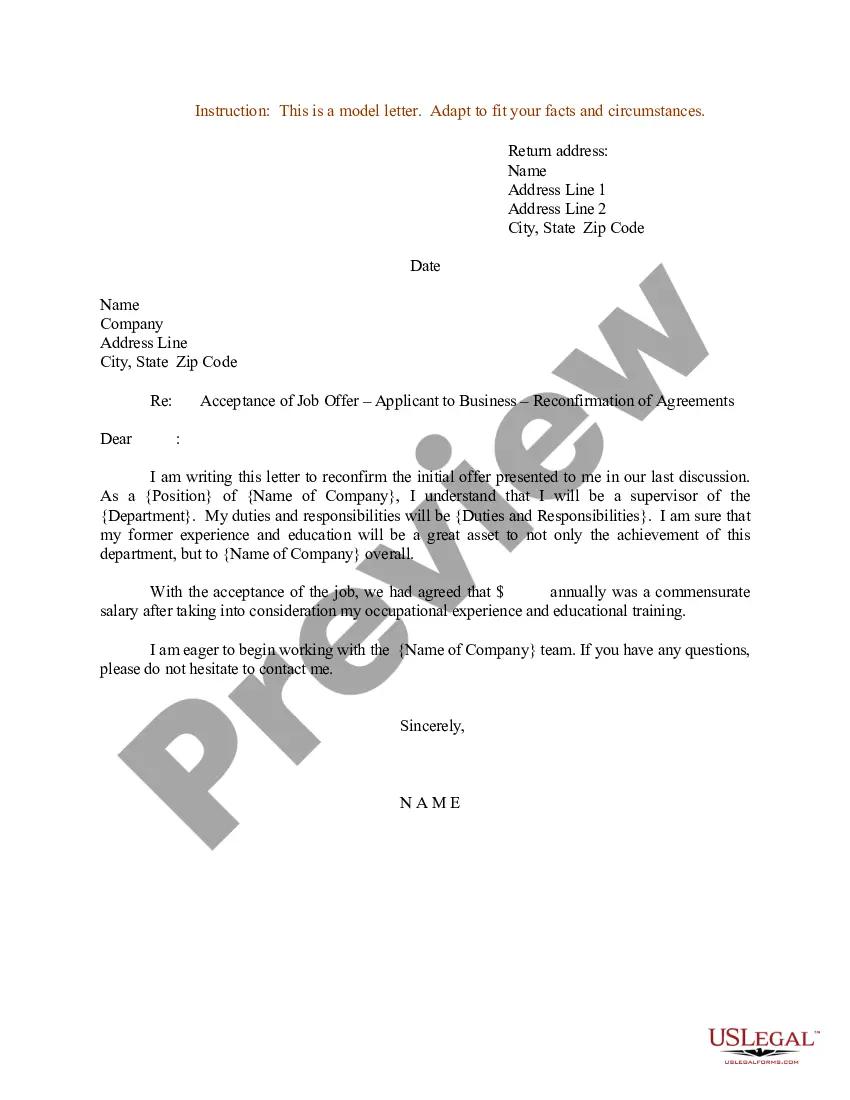
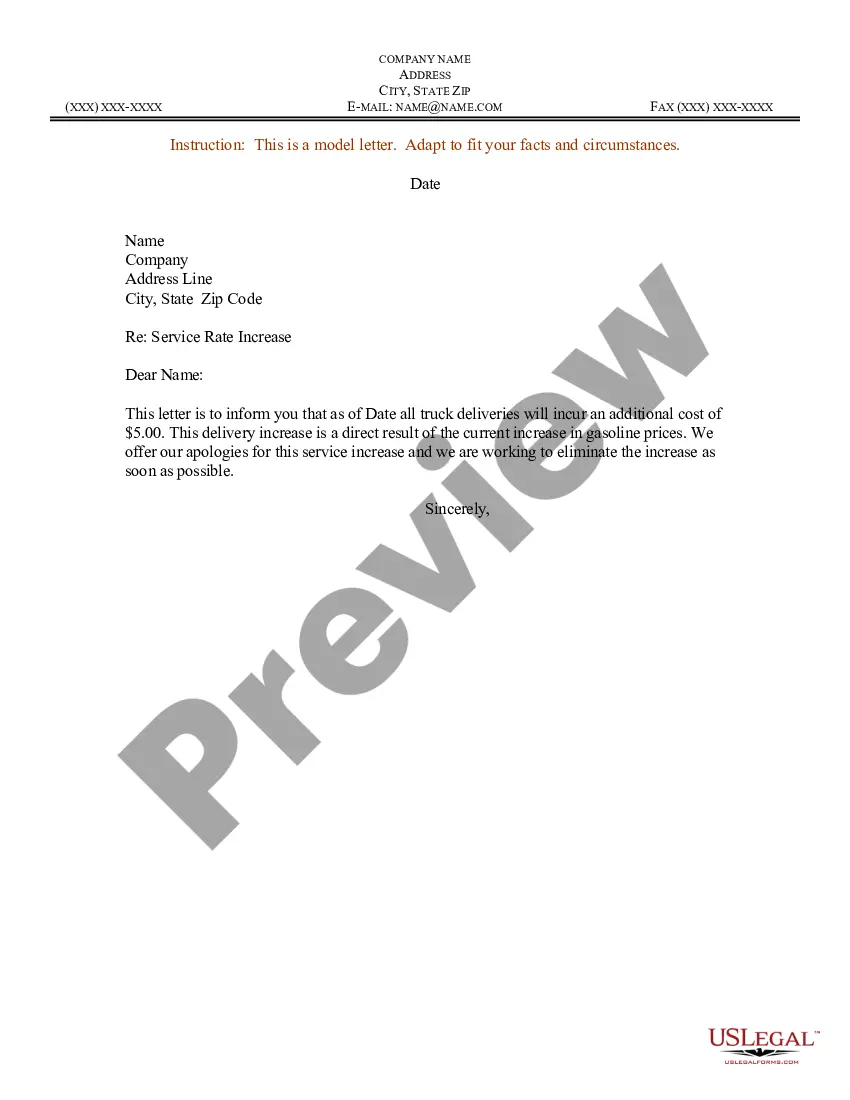
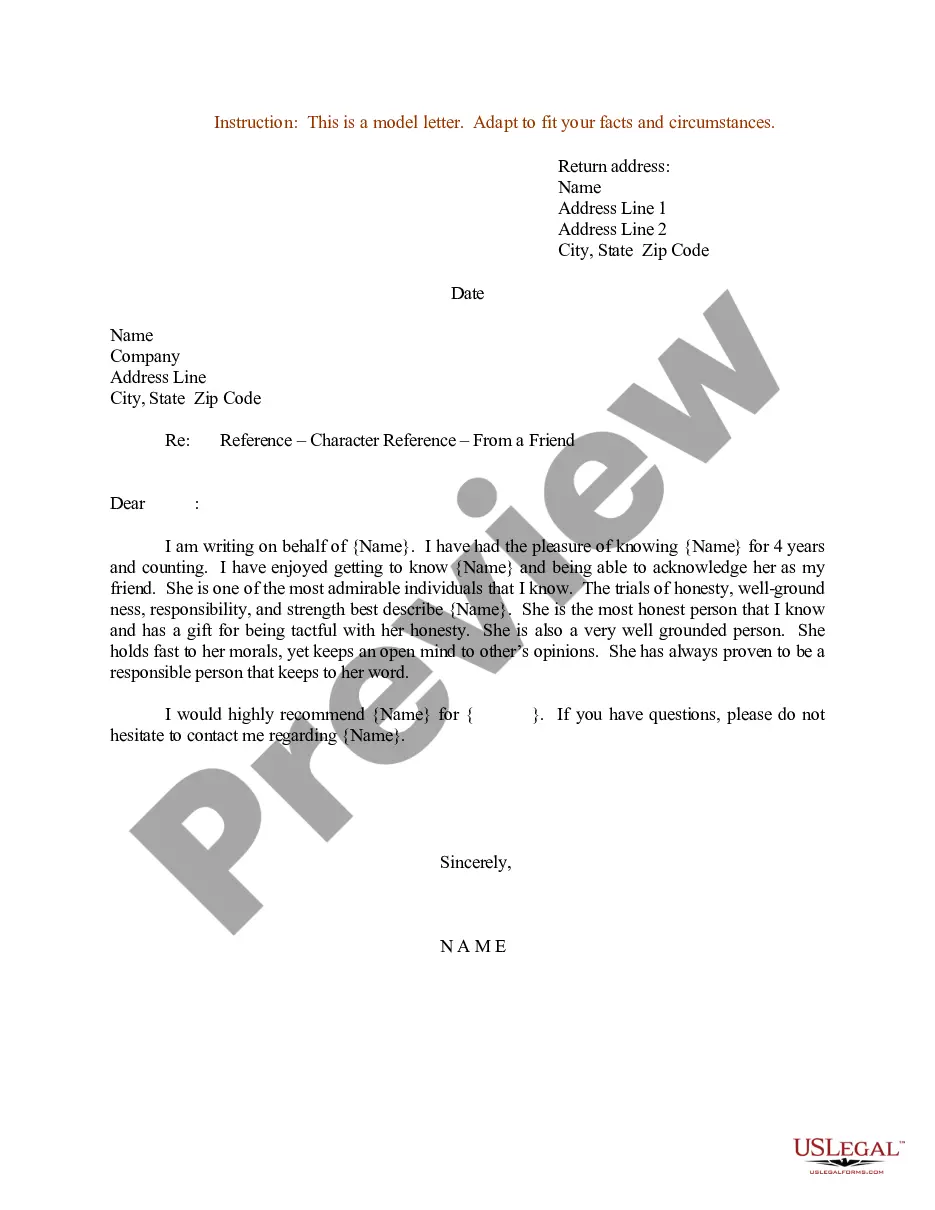
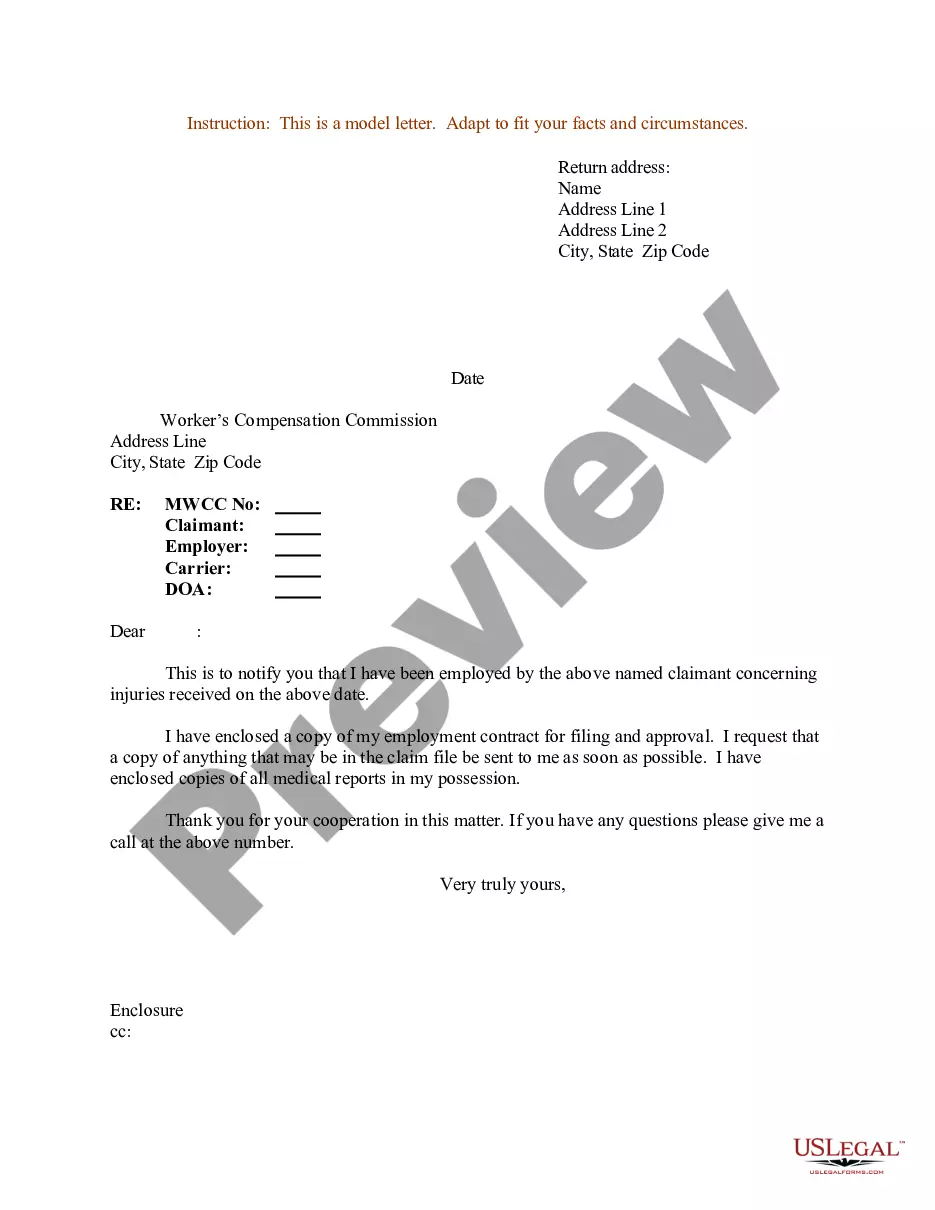
How to fill out Sample Letter For Short Sale Request To Lender?
Legal documentation management can be daunting, even for experienced experts.
When you require a Letter Short Sale With Bank and lack the time to search for the appropriate and current version, the process can be stressful.
US Legal Forms meets all your needs, from personal to corporate documentation, all in one location.
Utilize advanced tools to complete and manage your Letter Short Sale With Bank.
Here are the steps to follow after accessing the form you need: Confirm it is the correct document by previewing it and reading its description. Ensure that the template is valid in your state or county. Select Buy Now when you're ready. Choose a subscription plan. Select the file format you want, and Download, complete, sign, print, and send your document. Benefit from the US Legal Forms online library, backed by 25 years of experience and reliability. Transform your daily document management into a seamless and user-friendly experience today.
- Access a repository of articles, guides, and resources relevant to your circumstances and requirements.
- Save time and effort in locating the necessary documents, and take advantage of US Legal Forms’ advanced search and Preview feature to find Letter Short Sale With Bank and obtain it.
- If you have a membership, Log In to your US Legal Forms account, search for the form, and download it.
- Check your My documents tab to review the documents you have previously saved and organize your folders as needed.
- If this is your first time with US Legal Forms, create a free account to gain unlimited access to all the platform's advantages.
- A comprehensive online form repository could be a transformative solution for those who wish to handle these matters effectively.
- US Legal Forms is a frontrunner in online legal documents, offering over 85,000 state-specific legal forms accessible to you at any time.
- With US Legal Forms, you can access a wide range of state- or county-specific legal and business forms.
Form popularity
FAQ
To get a short sale approved, start by ensuring you have all necessary documentation organized, including financial statements and hardship letters. Clear communication with the bank is crucial, as they need to understand your circumstances. Engaging an expert familiar with the process can also be beneficial. A well-prepared letter short sale with bank will help convey your situation effectively and may improve your chances of approval.
When negotiating a short sale, your offer can be significantly lower than the market value. However, it’s essential to provide a strong justification for the reduced offer, such as the home's condition or market trends. Generally, a 10-20% reduction is common, but each situation is unique. Crafting a compelling letter short sale with bank can enhance your chances of approval.
To negotiate a letter short sale with a bank effectively, start by gathering all necessary documents, including your financial hardship letter, tax returns, and bank statements. Present a compelling case for your offer that reflects the property's market value. Using a platform like US Legal Forms can help you draft the required letters and forms, ensuring you cover all bases in your negotiations.
Yes, banks often negotiate on short sales, including during the letter short sale with a bank process. They may counter your initial offer, so it's important to be prepared for discussions. Having a well-documented financial hardship can strengthen your position in negotiations.
Generally, banks prefer a letter short sale with a bank over foreclosure. A short sale reduces their financial burden and avoids additional costs associated with maintaining a foreclosed property. By accepting a short sale, banks can resolve the issue more amicably and efficiently.
Banks often approve a letter short sale with a bank to avoid the lengthy and costly process of foreclosure. A short sale allows the bank to recover some of their losses while giving you a chance to move on from a financially challenging situation. Banks also prefer short sales because they can often close faster than foreclosures.
In a letter short sale with a bank, you can usually offer an amount below the total mortgage owed, based on the property's fair market value. It is common for offers to be 15% to 25% lower than the mortgage balance, but this varies widely. A strong financial hardship letter can help justify your offer and persuade the bank.
When you pursue a letter short sale with a bank, the amount a bank will accept typically depends on the property’s current market value and your financial situation. Generally, banks may accept an offer that is significantly lower than the outstanding mortgage balance, often ranging from 10% to 30% less. Each case is unique, so it's essential to present a well-structured proposal to the bank.