Network Services Agreement Format
Description
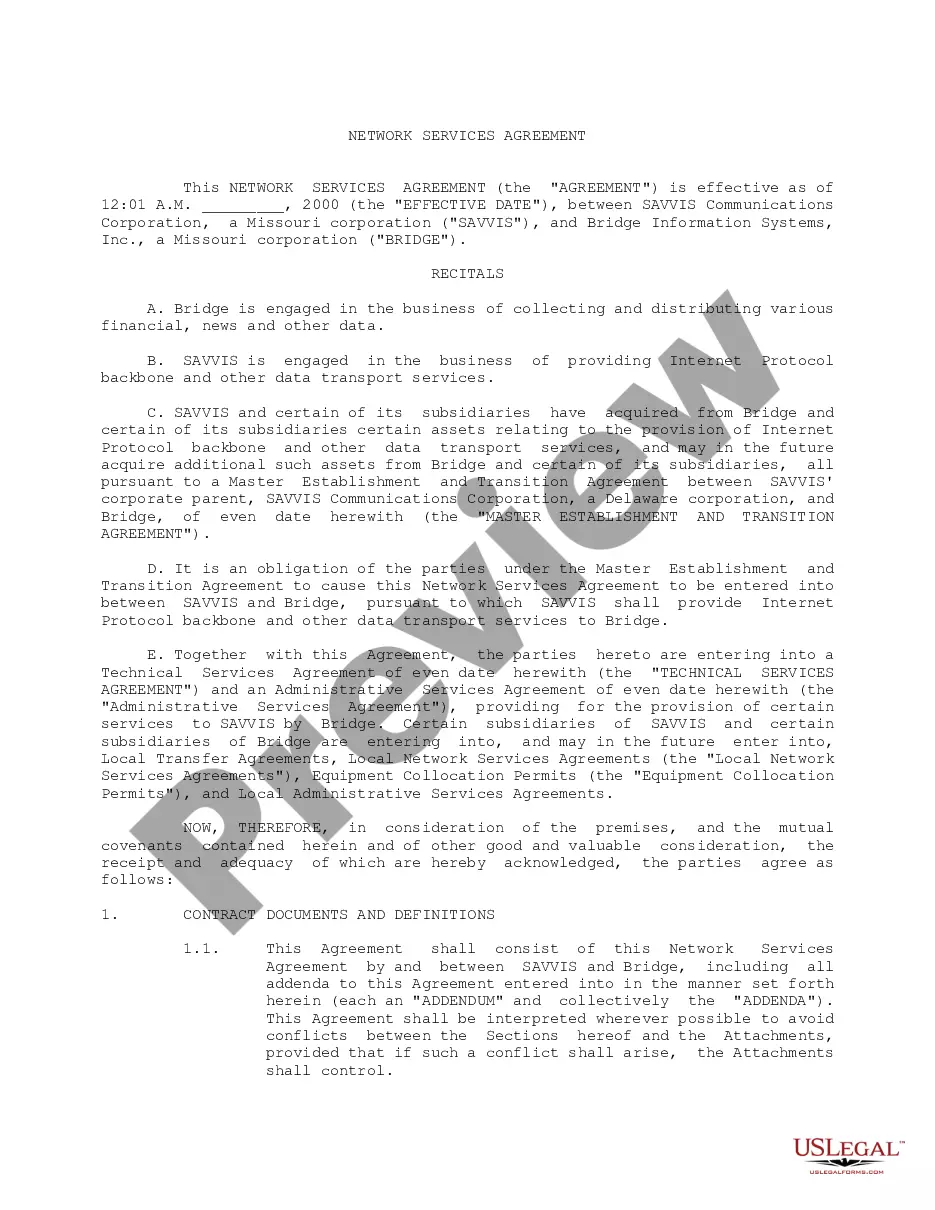
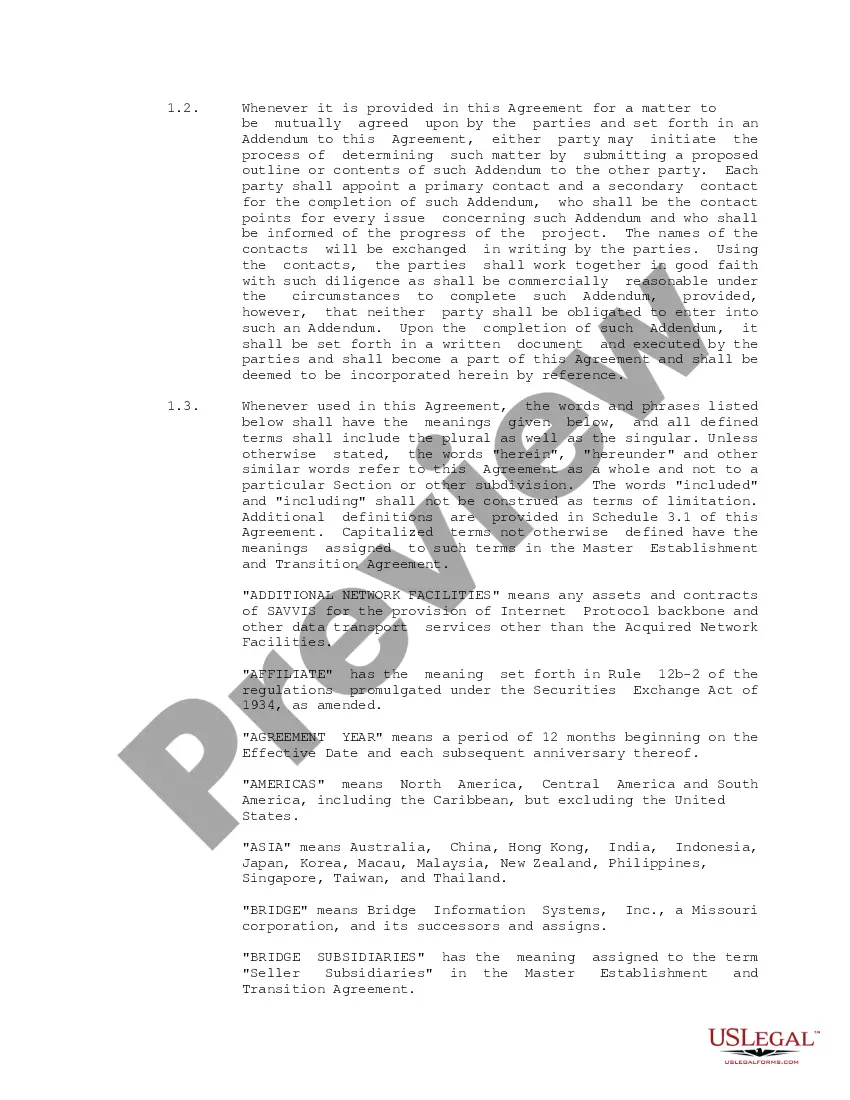
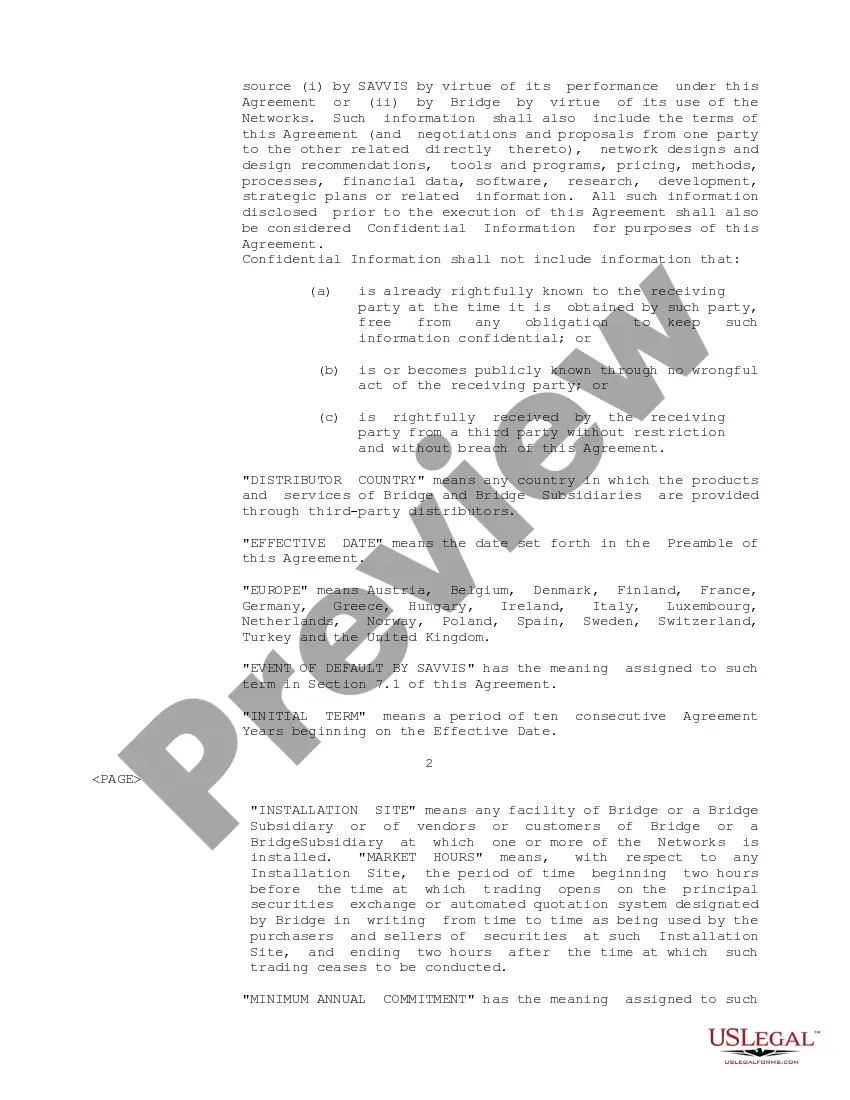
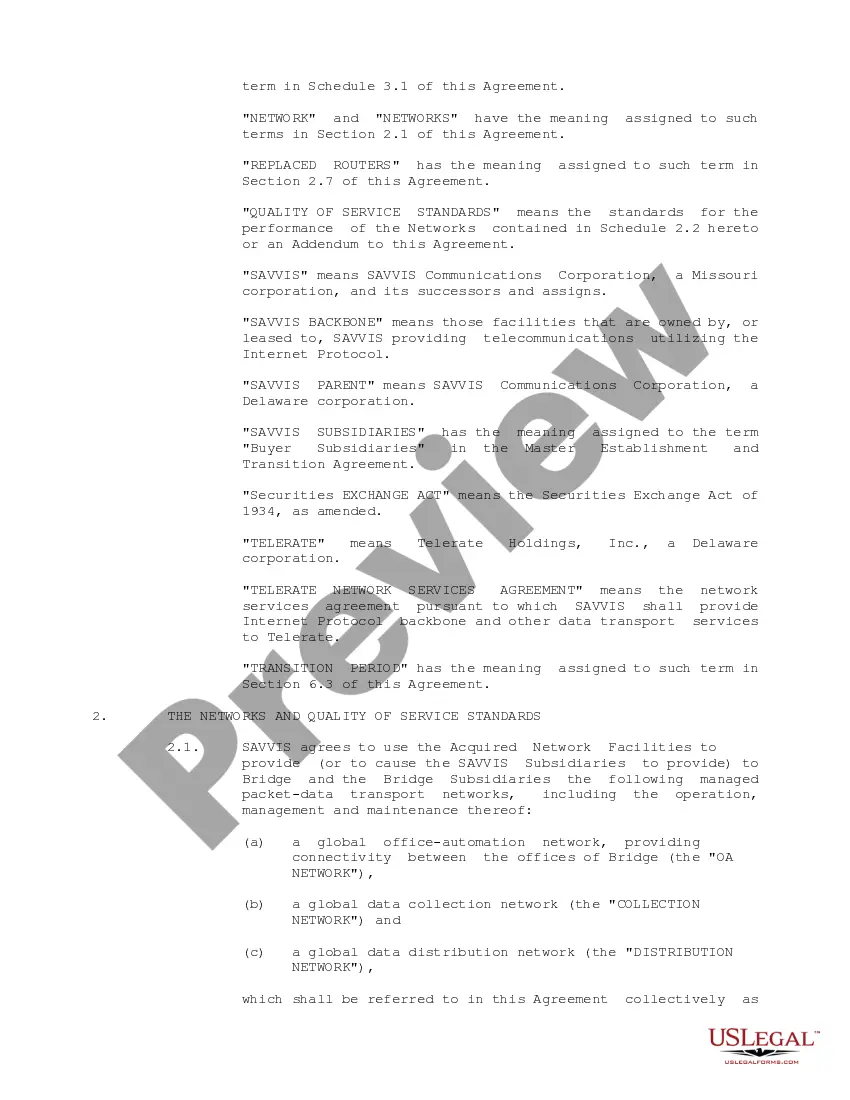
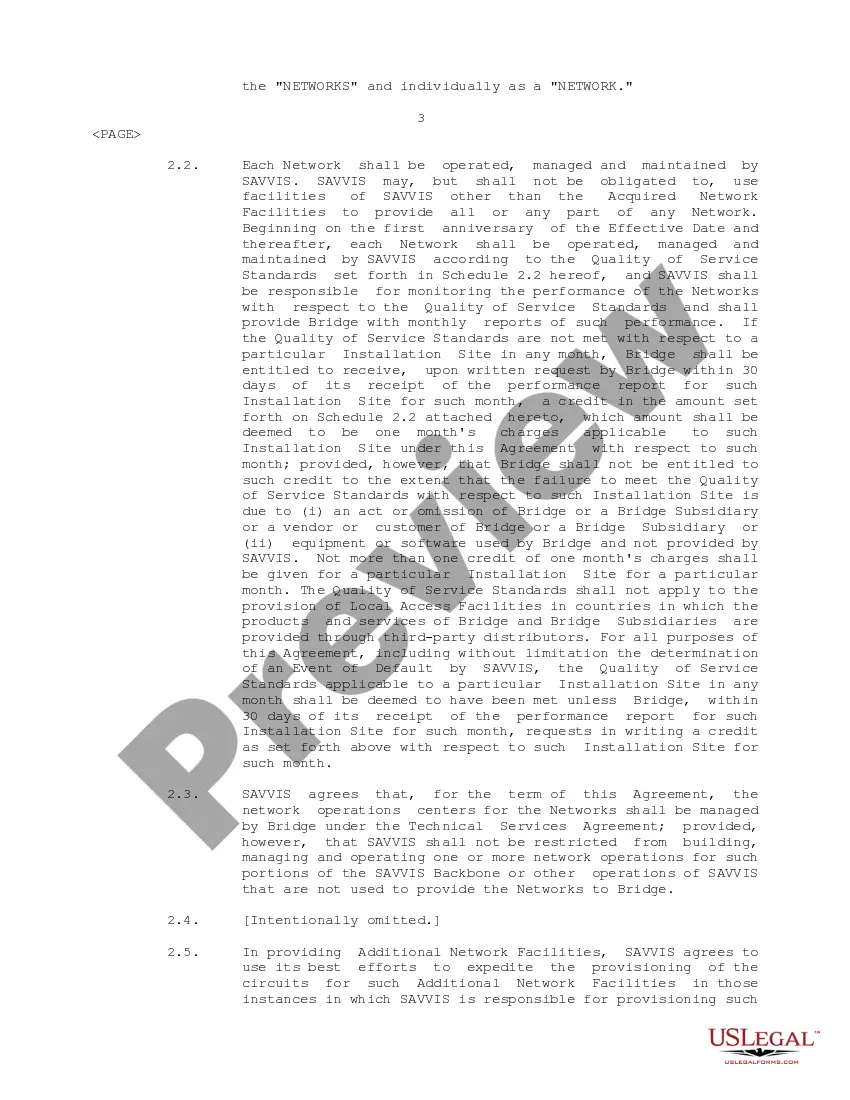
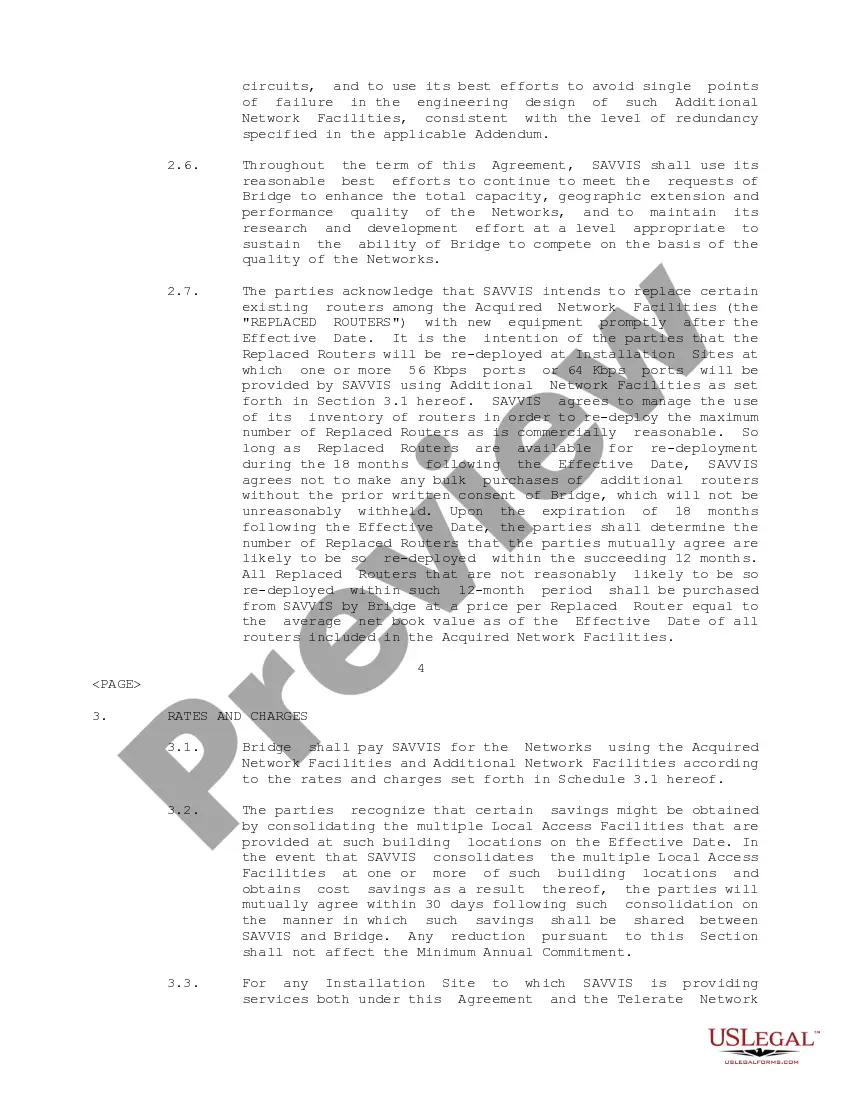
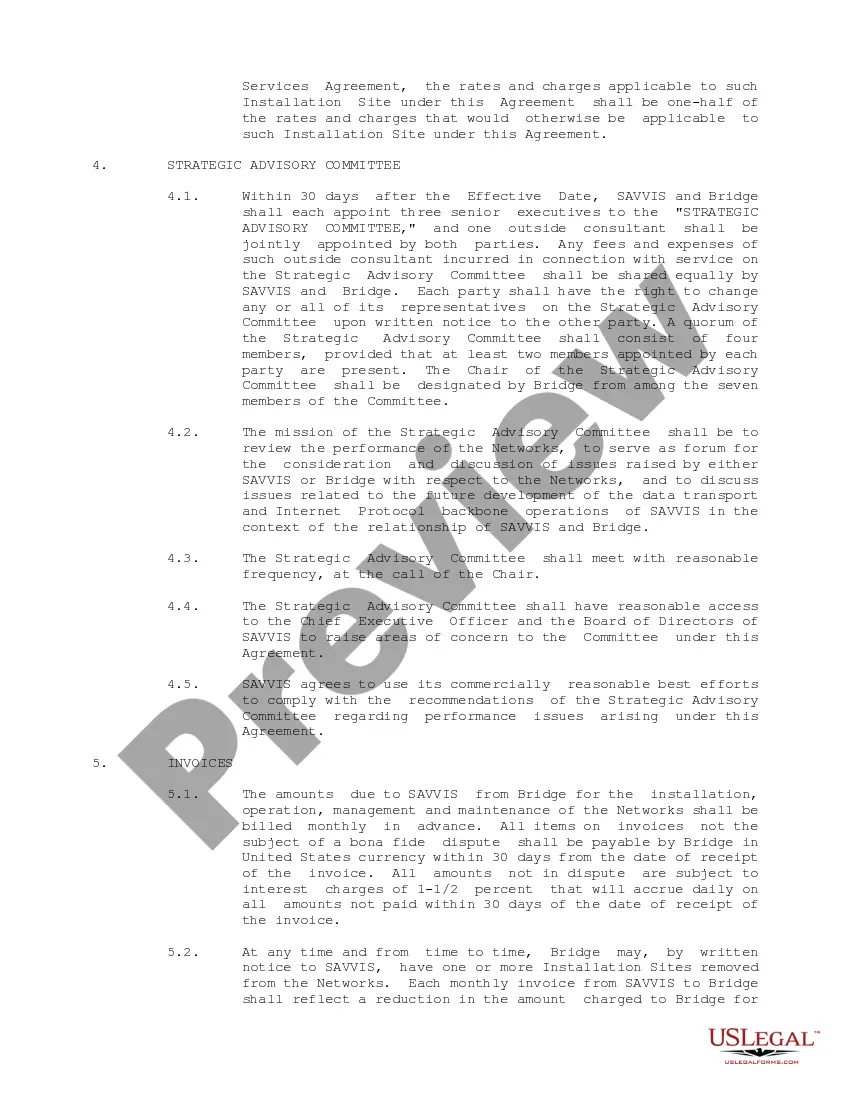
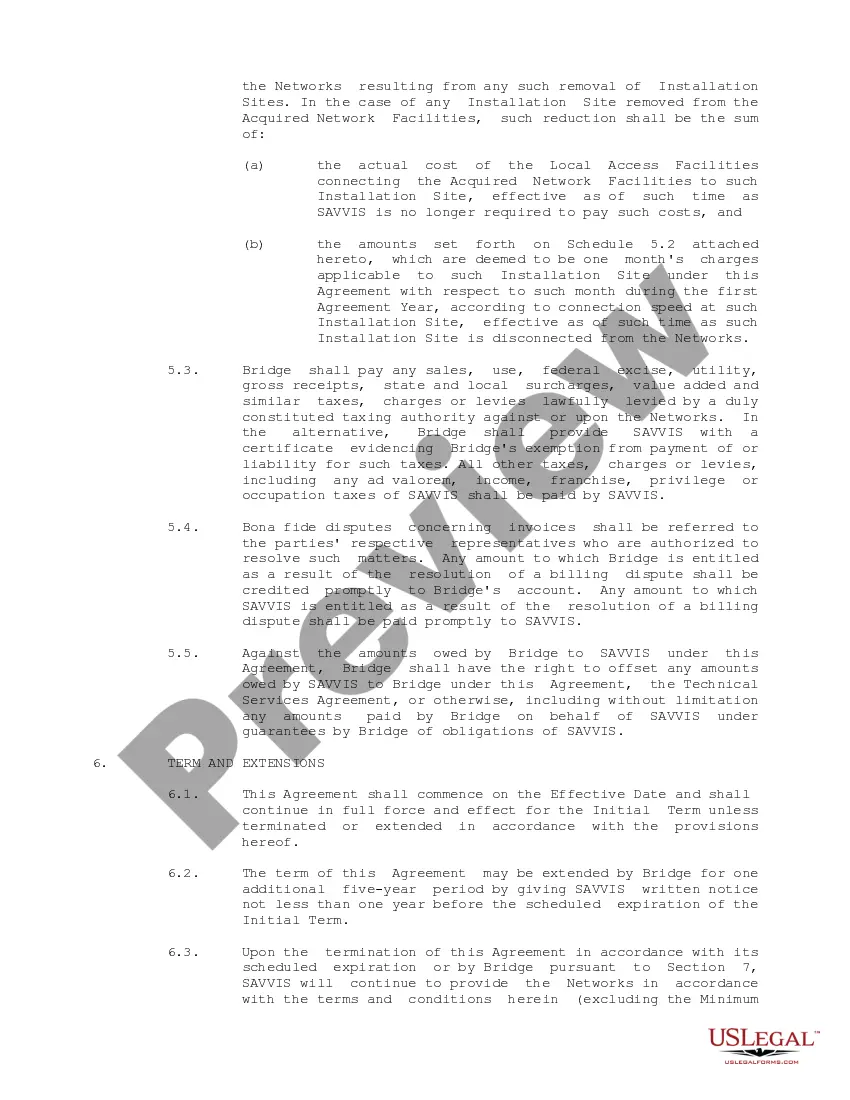
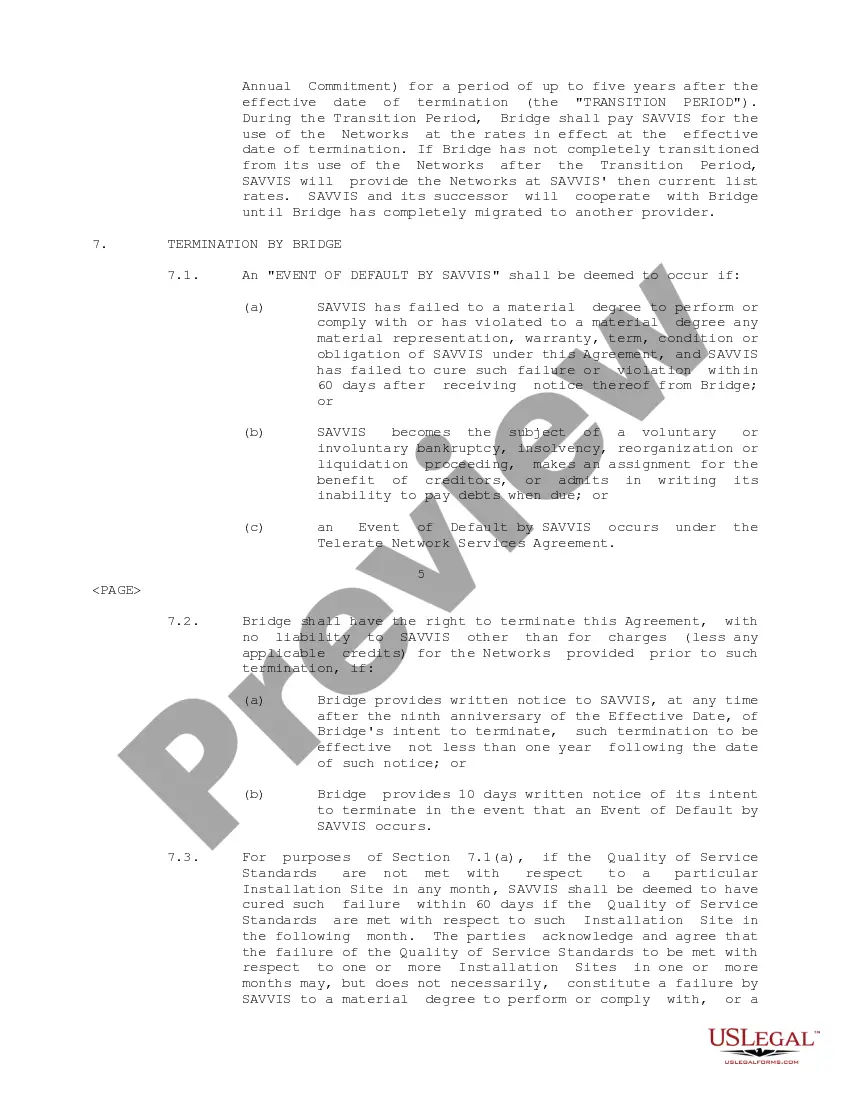
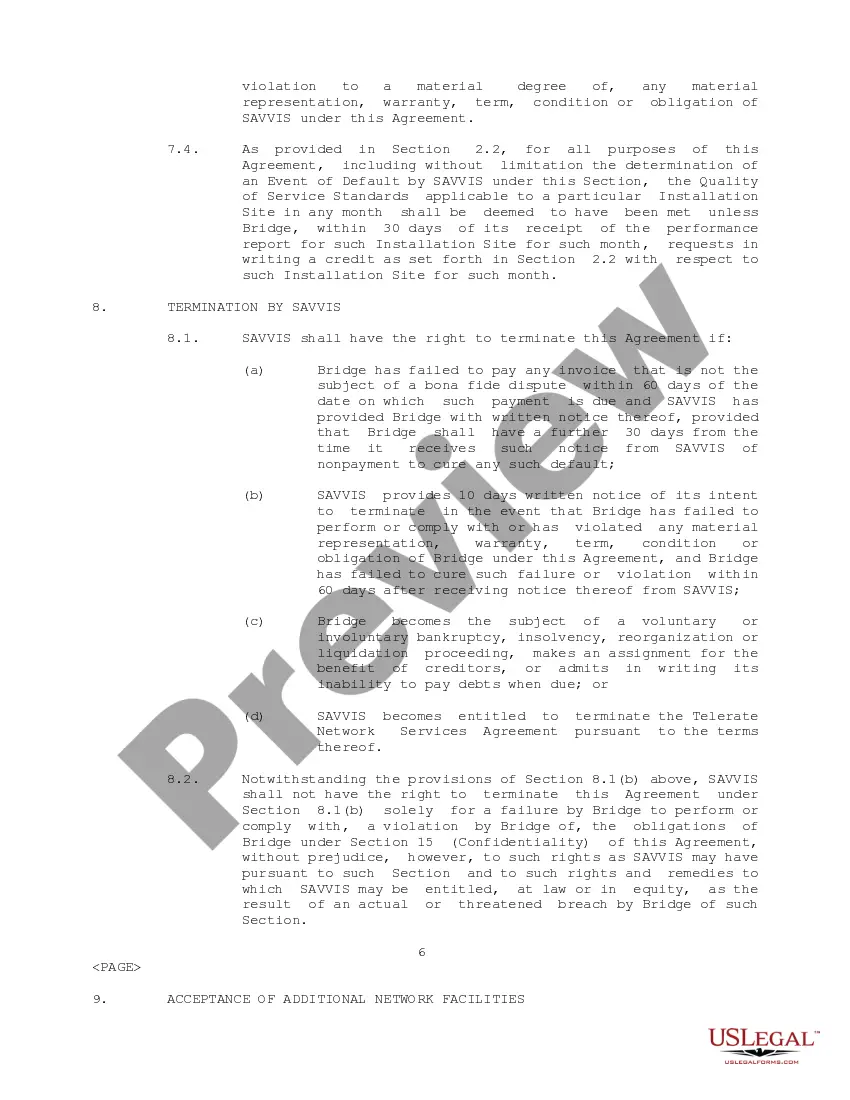

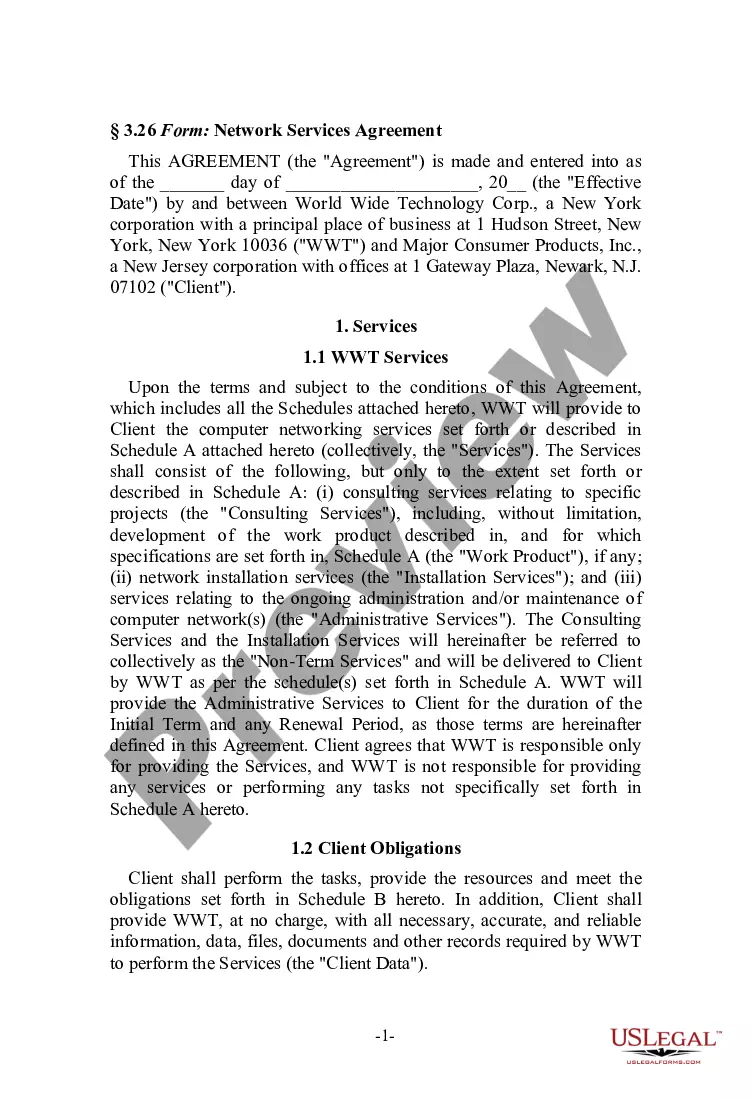
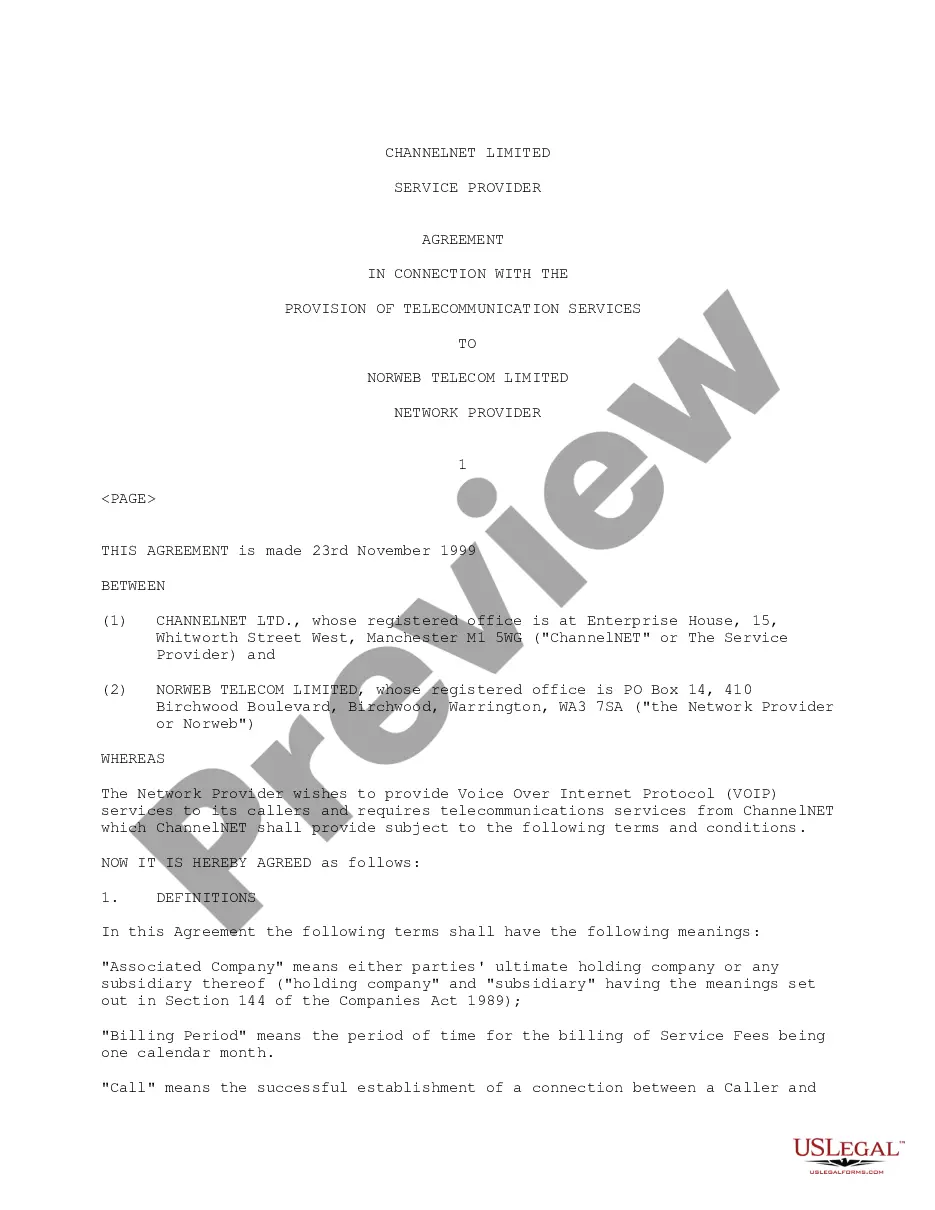
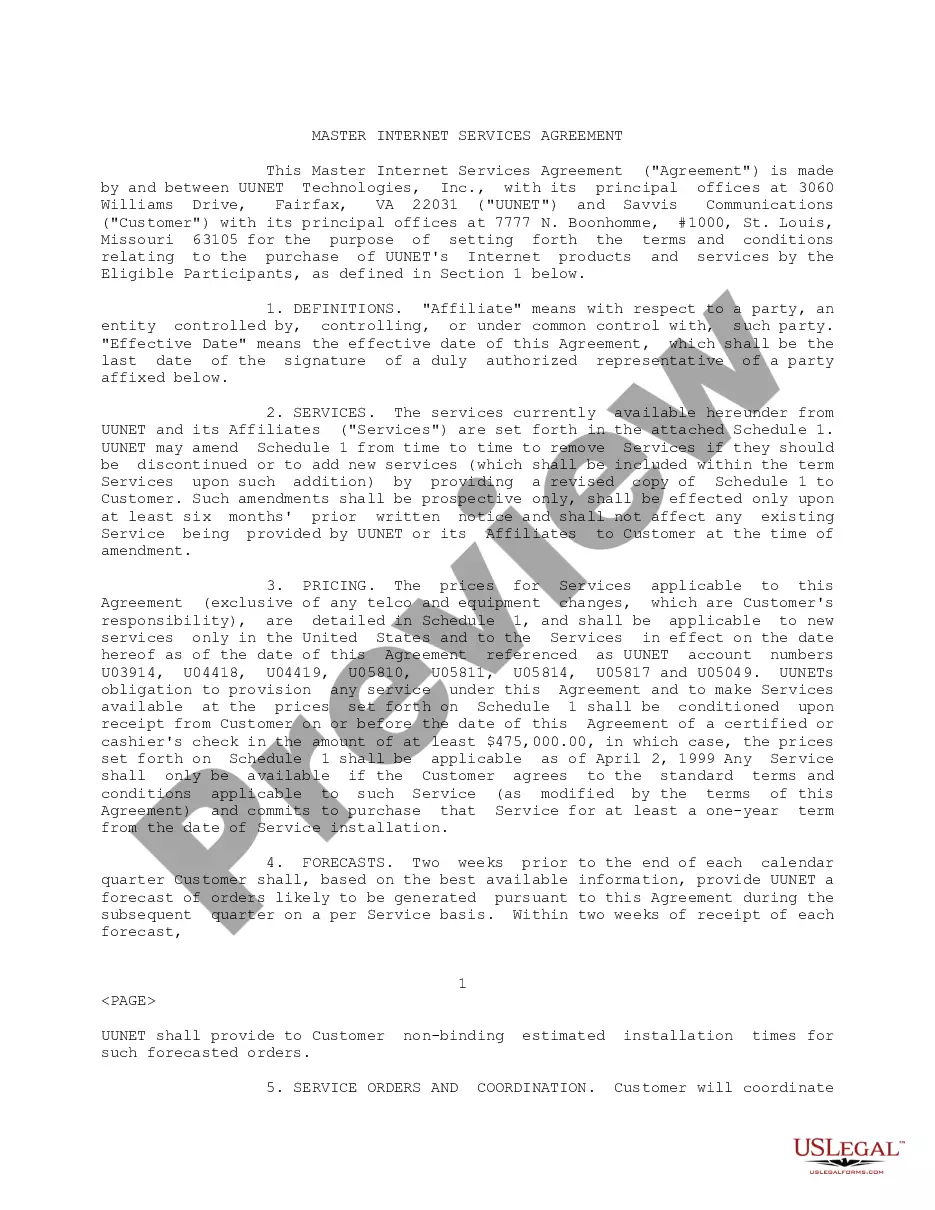




How to fill out Network Services Agreement Regarding Providing Financial News And Other Data And Internet Protocol Backbone And Other Data Transport Services?
Handling legal documents and procedures can be a lengthy addition to your entire day.
Network Services Agreement Template and similar forms frequently necessitate that you locate them and grasp how to properly fill them out.
Consequently, whether you are managing financial, legal, or personal affairs, having a comprehensive and accessible online directory of forms at your disposal will be beneficial.
US Legal Forms is the leading online platform for legal templates, boasting over 85,000 state-specific forms and a variety of resources to help you complete your documents with ease.
Are you using US Legal Forms for the first time? Register and create an account in just a few minutes to access the form directory and Network Services Agreement Template.
- Explore the collection of relevant documents available with just one click.
- US Legal Forms provides state- and county-specific forms available for download at any time.
- Protect your document management tasks with a high-quality service that allows you to prepare any form within minutes without extra or concealed fees.
- Simply Log In to your account, find Network Services Agreement Template and acquire it directly in the My documents section.
- You can also access previously stored forms.
Form popularity
FAQ
What to include in your contract. Description of services. Lay out exactly what professional services you and your company will receive. ... Payment terms. Describe when and how the contractor will be compensated. ... Ownership rights. ... Confidentiality clause. ... Indemnification clause. ... Amendment. ... Termination. ... Dispute resolution.
One specific example of an SLA is a data center service-level agreement. This SLA will include: An uptime guarantee that indicates the percentage of time the system is available. Nothing less than a 99.99% uptime should be considered acceptable for modern, enterprise-level data centers.
ITIL focuses on three types of options for structuring SLA: Service-based, Customer-based, and Multi-level or Hierarchical SLAs. Many different factors will need to be considered when deciding which SLA structure is most appropriate for an organization to use.
Your contract service agreement should include information on services being provided, compensation, taxes, terms and conditions of service, confidentiality clauses, warranties, force majeure clauses, indemnification clauses, limitation of liability clauses, and governing law and dispute resolution clauses.
A Service Agreement is a written or verbal contract between a service provider and a client that outlines the terms of their professional relationship. Generally, the client agrees to pay the service provider for work on a single job or an ongoing project.