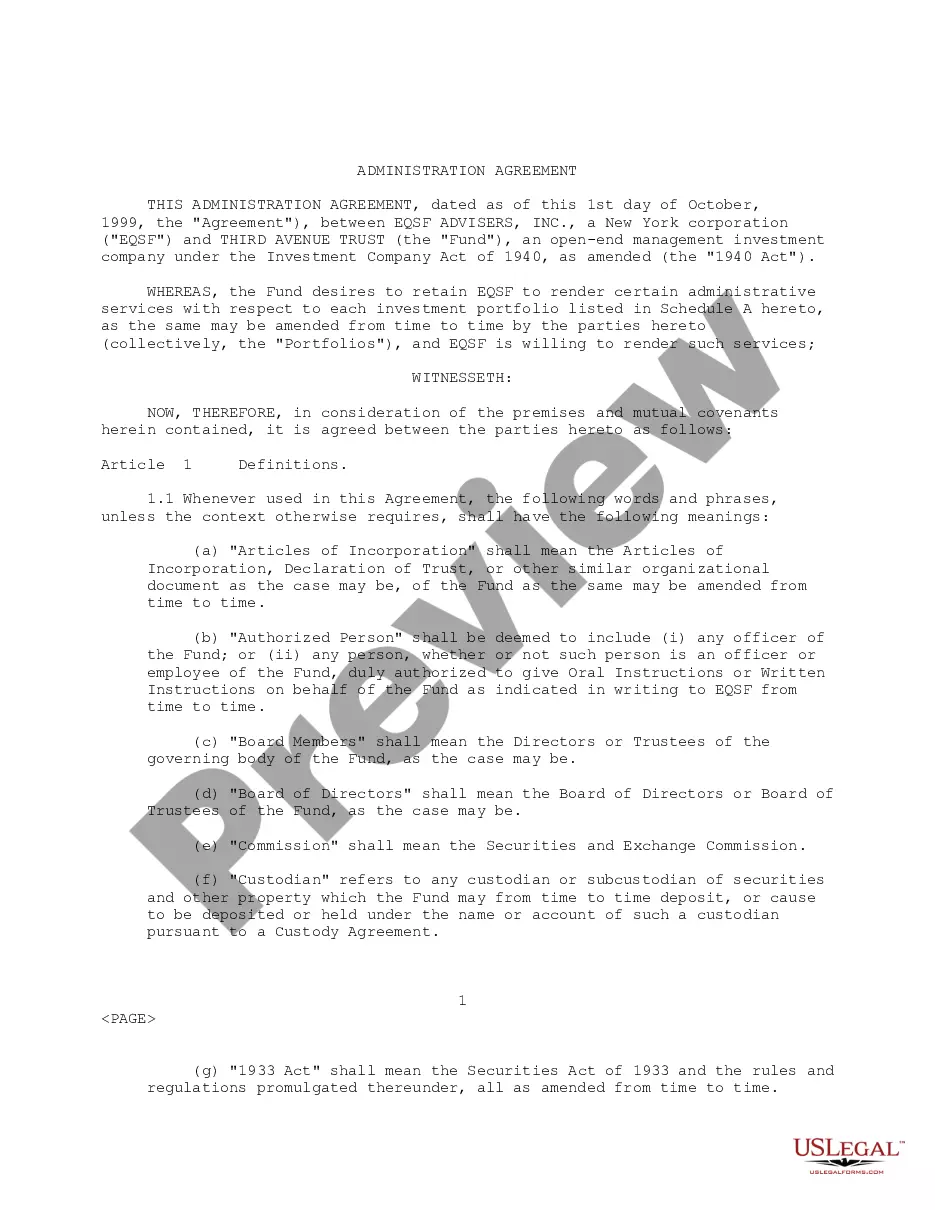
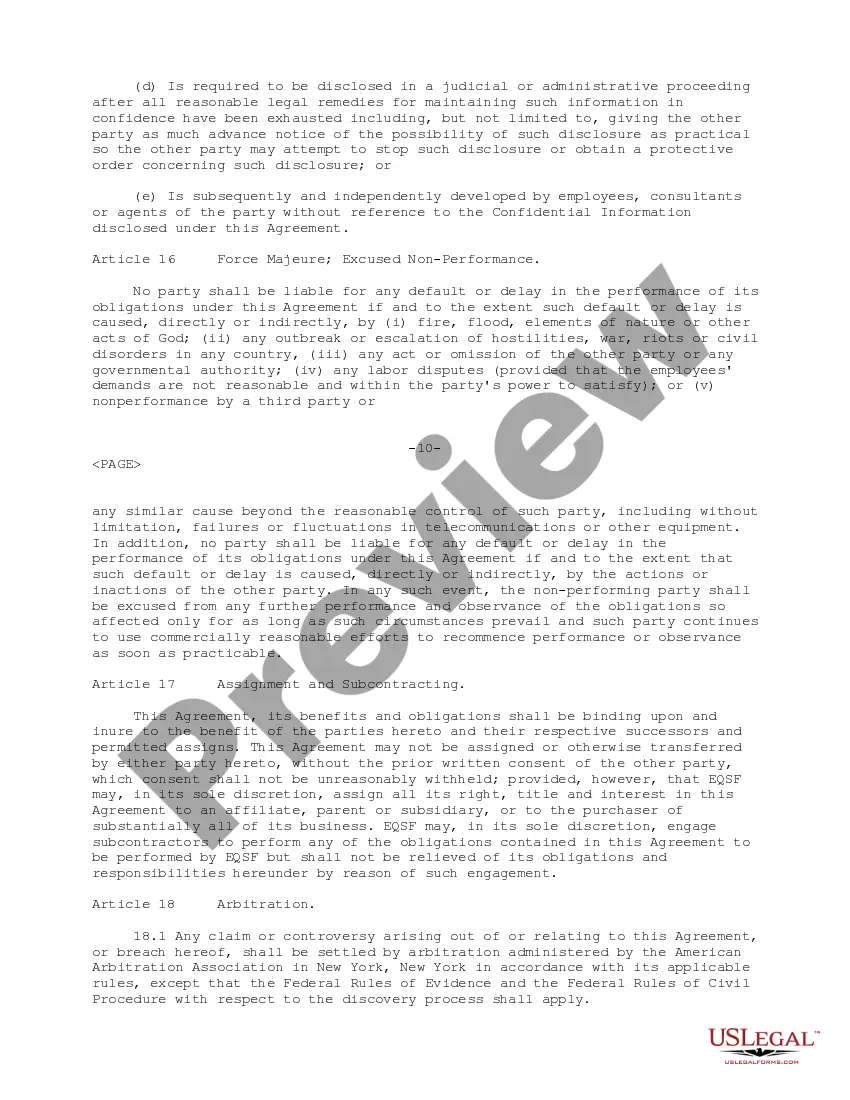
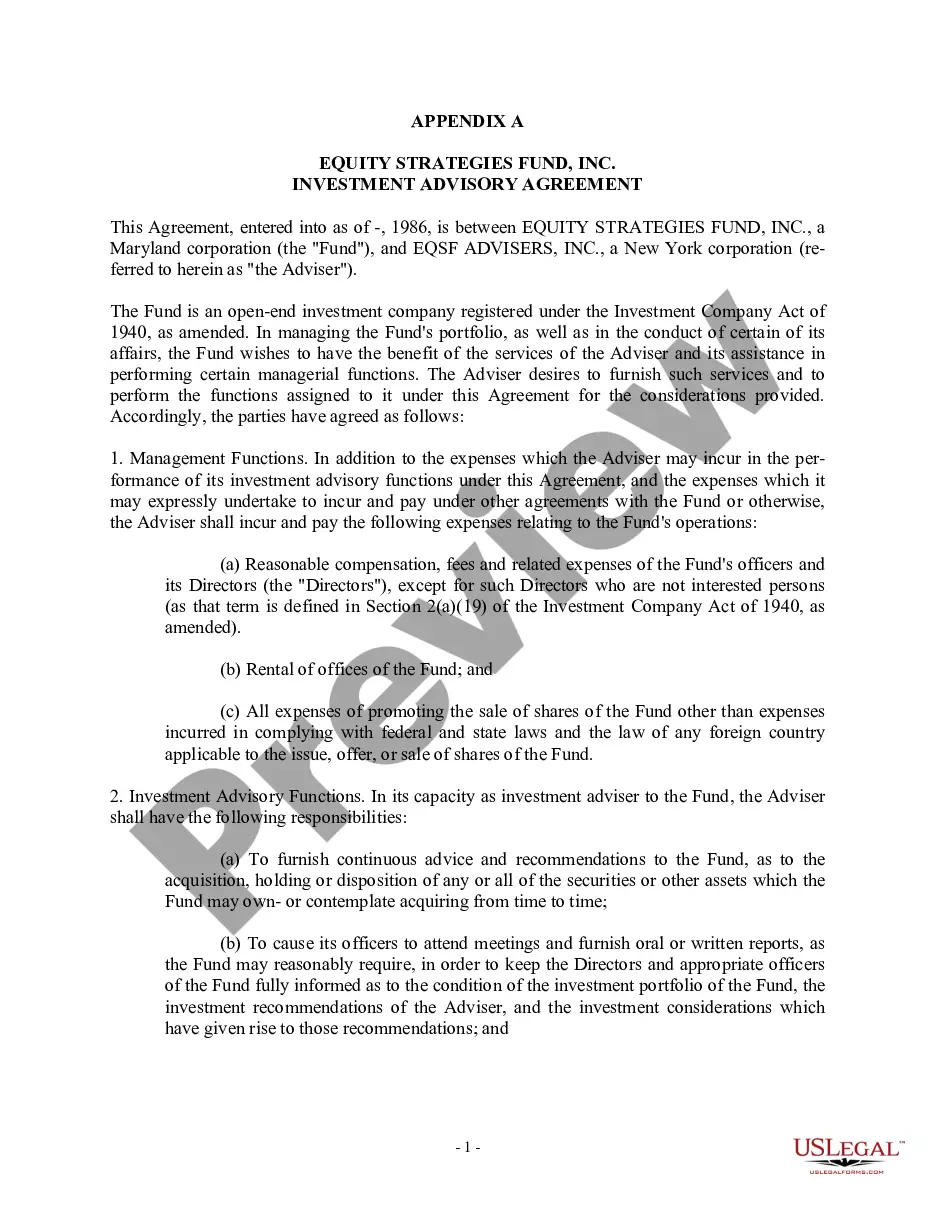
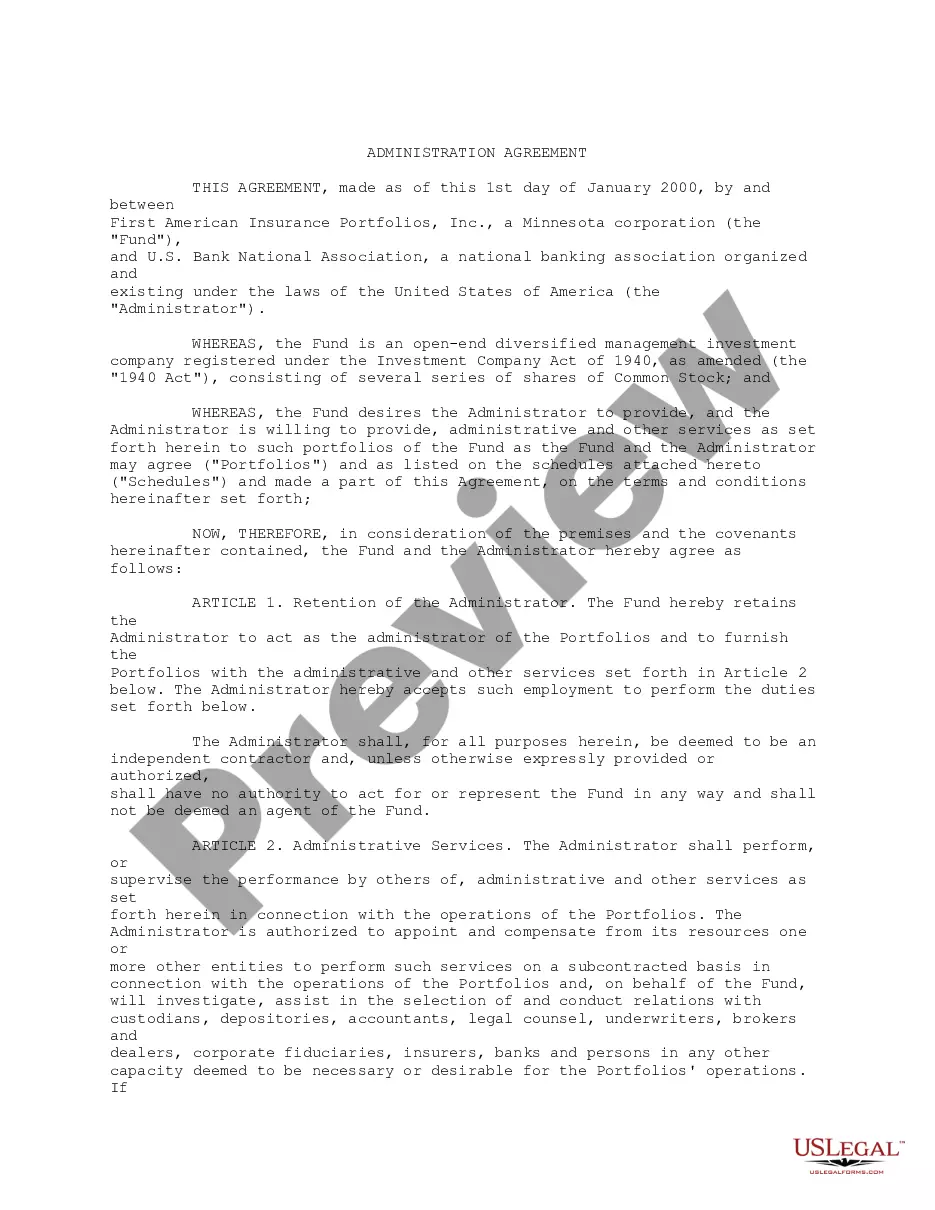
Between Incorporation Investment With The Following
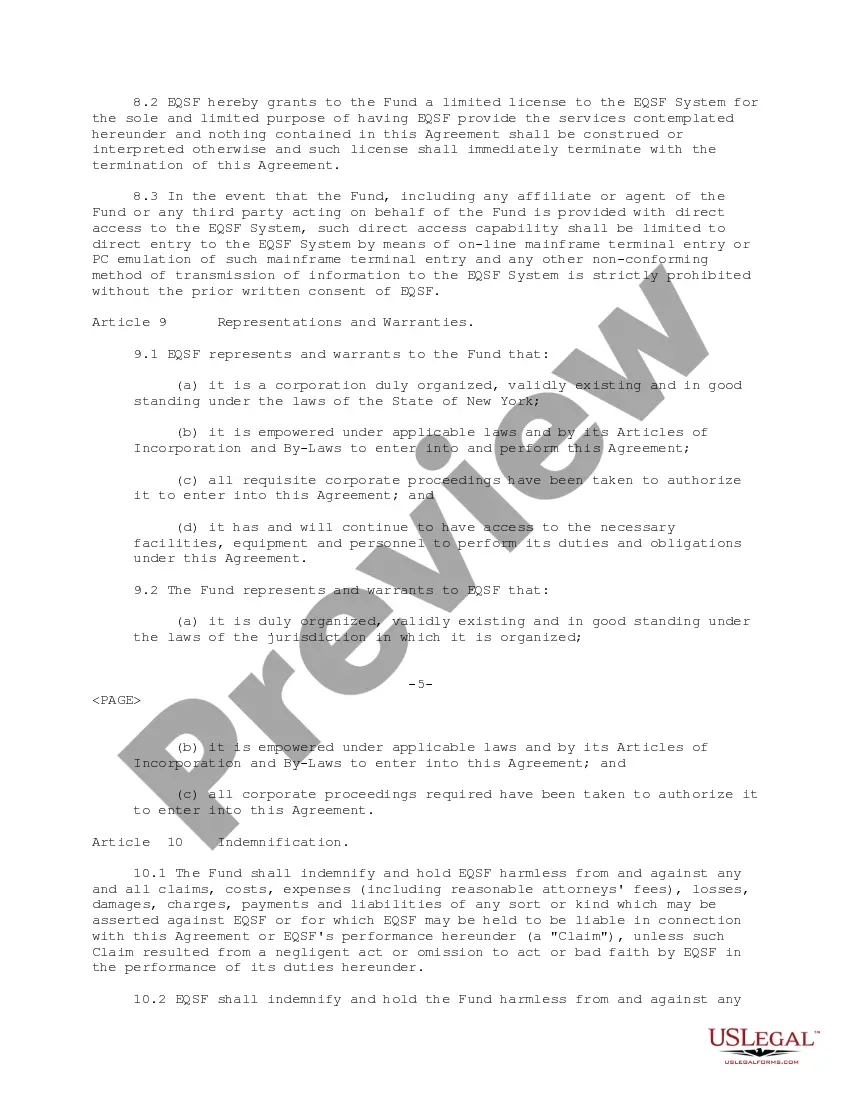
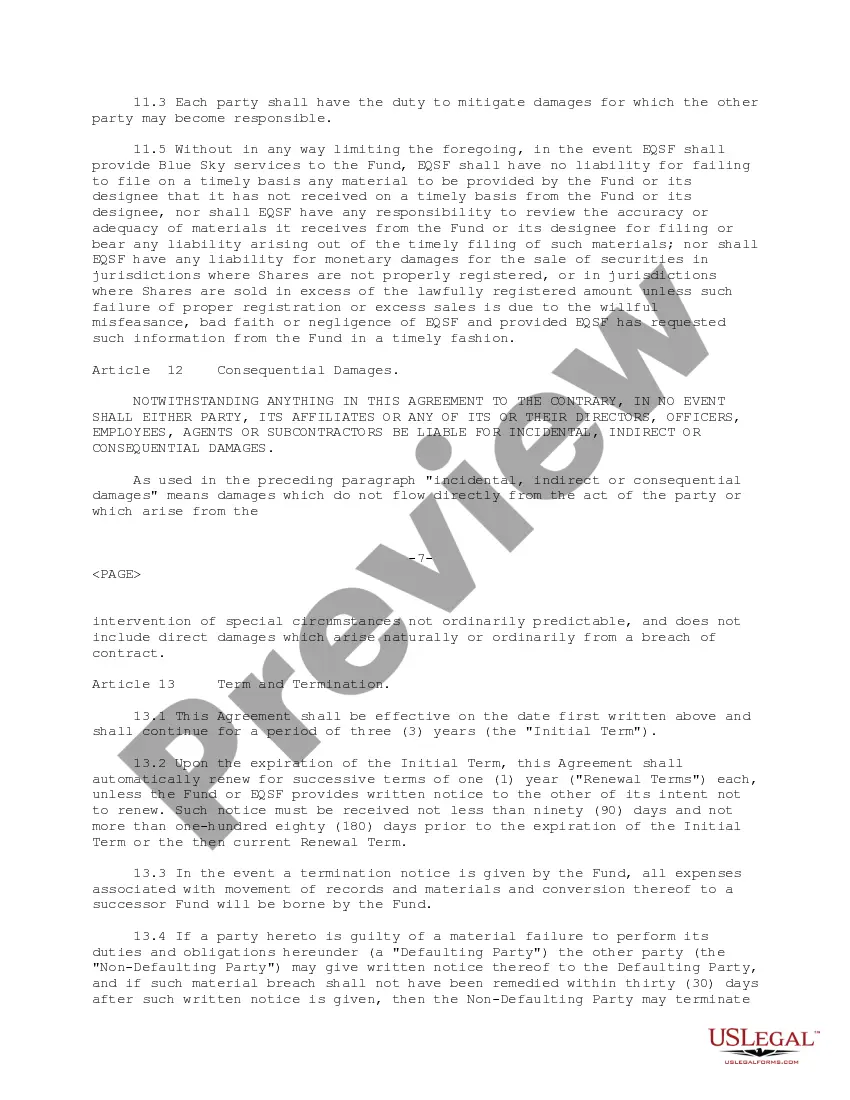
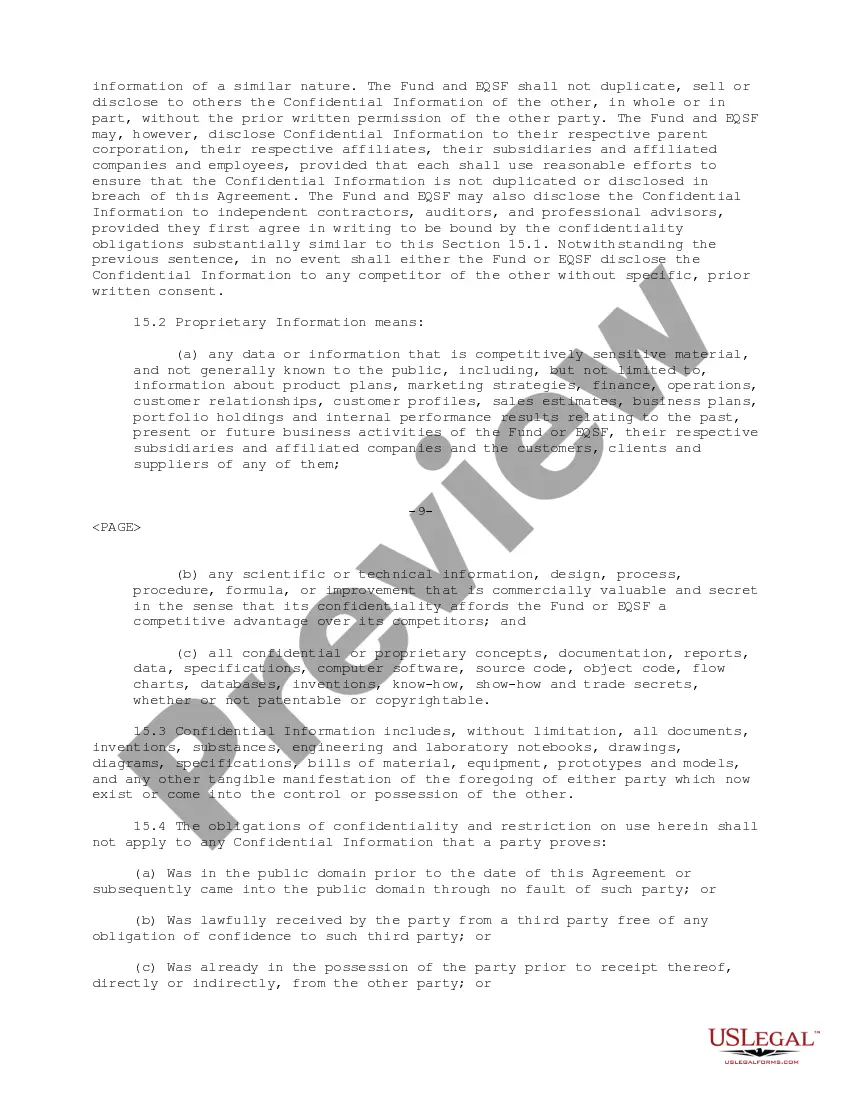
Description






Get your form ready online
Our built-in tools help you complete, sign, share, and store your documents in one place.
Make edits, fill in missing information, and update formatting in US Legal Forms—just like you would in MS Word.
Download a copy, print it, send it by email, or mail it via USPS—whatever works best for your next step.
Sign and collect signatures with our SignNow integration. Send to multiple recipients, set reminders, and more. Go Premium to unlock E-Sign.
If this form requires notarization, complete it online through a secure video call—no need to meet a notary in person or wait for an appointment.
We protect your documents and personal data by following strict security and privacy standards.

Make edits, fill in missing information, and update formatting in US Legal Forms—just like you would in MS Word.

Download a copy, print it, send it by email, or mail it via USPS—whatever works best for your next step.

Sign and collect signatures with our SignNow integration. Send to multiple recipients, set reminders, and more. Go Premium to unlock E-Sign.

If this form requires notarization, complete it online through a secure video call—no need to meet a notary in person or wait for an appointment.

We protect your documents and personal data by following strict security and privacy standards.
Looking for another form?

How to fill out Administration Agreement Between EQSF Advisors, Inc. And Third Avenue Trust Regarding Retaining EQSF To Render Administrative Services With Respect To Investment?
- If you are a returning user, log into your account to download your desired form. Ensure your subscription is active; if necessary, renew it.
- If you're a first-time user, familiarize yourself with the Preview mode and review the form descriptions to confirm they align with your needs and local jurisdiction.
- Should you encounter any discrepancies, utilize the Search feature to find the appropriate template tailored to your requirements.
- Purchase the document by clicking the Buy Now button and selecting your ideal subscription plan. You'll need to create an account to access the full library.
- Complete the transaction by entering your payment information through credit card or PayPal.
- Finally, download your form for later use, and you'll also have access to it in the My Forms section of your profile.
In conclusion, US Legal Forms provides a powerful resource for those engaged in incorporation investments, making the process straightforward and accessible.
Start your journey today with US Legal Forms and ensure your legal documentation is both accurate and efficient.
Form popularity
FAQ
Other investments are usually classified under non-current assets on the balance sheet. This category showcases investments that your company plans to hold for more than one year. By incorporating US Legal’s solutions, you can clearly categorize and track your between incorporation investment with the following, providing transparency to stakeholders.
Generally, an individual investor is more likely to engage in foreign portfolio investment than a corporation. Individuals can easily buy shares and bonds through online platforms, making it a practical choice. Between incorporation investment with the following, corporations usually focus on direct investments to expand their operations and strengthen their market presence.
An individual investor is typically more inclined to engage in foreign portfolio investment than foreign direct investment. Individuals often prefer the simplicity of trading publicly traded stocks rather than the complexities involved in owning a business abroad. Between incorporation investment with the following, individual investors find portfolio investments more accessible and less risky.
Institutional investors, such as mutual funds and pension funds, are more likely to engage in foreign portfolio investment. These entities seek to diversify their holdings and maximize returns without the complexities of managing foreign companies directly. Between incorporation investment with the following, individual investors may also participate but often have different risk tolerance and investment objectives.
Foreign portfolio investment involves buying stocks and bonds in another country, while foreign direct investment means acquiring a lasting interest in a foreign business. The former is about short-term financial gains, whereas the latter represents a long-term commitment. Between incorporation investment with the following, understanding these distinctions helps investors choose the right strategy for their goals.
Companies often invest in each other to diversify their portfolios, enter new markets, or leverage synergies. By investing, they can access new technologies or expertise that enhance their offerings. Between incorporation investment with the following, businesses seek ways to boost their competitiveness and increase overall value.
The term 'corporation' refers to a specific type of business entity that has been legally formed, while 'incorporation' is the process of creating that business structure. Corporations can take various forms, including S-corporations and C-corporations, each with its own tax implications. Incorporation thus involves the steps taken to establish a corporation, enabling a structured approach to business operations and investments. Understand these terms to make informed decisions about your incorporated investment.
If you are incorporated, it means your business has formed a legal entity that stands on its own, apart from you or any other owners. This status typically offers protections against personal liability for business debts and obligations. Being incorporated also usually implies that you follow certain regulatory and compliance requirements. Thus, knowing the implications of being incorporated is vital for your incorporated investment journey.
In simple terms, being incorporated means that a business is legally recognized as a separate entity from its owners. This status provides personal liability protection, meaning that the owners’ personal assets are generally safeguarded from the business's debts. Incorporation also allows for easier access to funding and investment opportunities. Thus, understanding this definition is important when considering incorporated investment.
The choice between incorporation and limited liability company (LLC) depends on your business goals. Incorporation often provides more credibility and may attract investors due to its formal structure. However, LLCs offer greater flexibility in management and taxation. To determine the best option for your business, consider speaking to a professional who can guide you through the nuances of incorporated investment.