Between Incorporation Investment For The Future
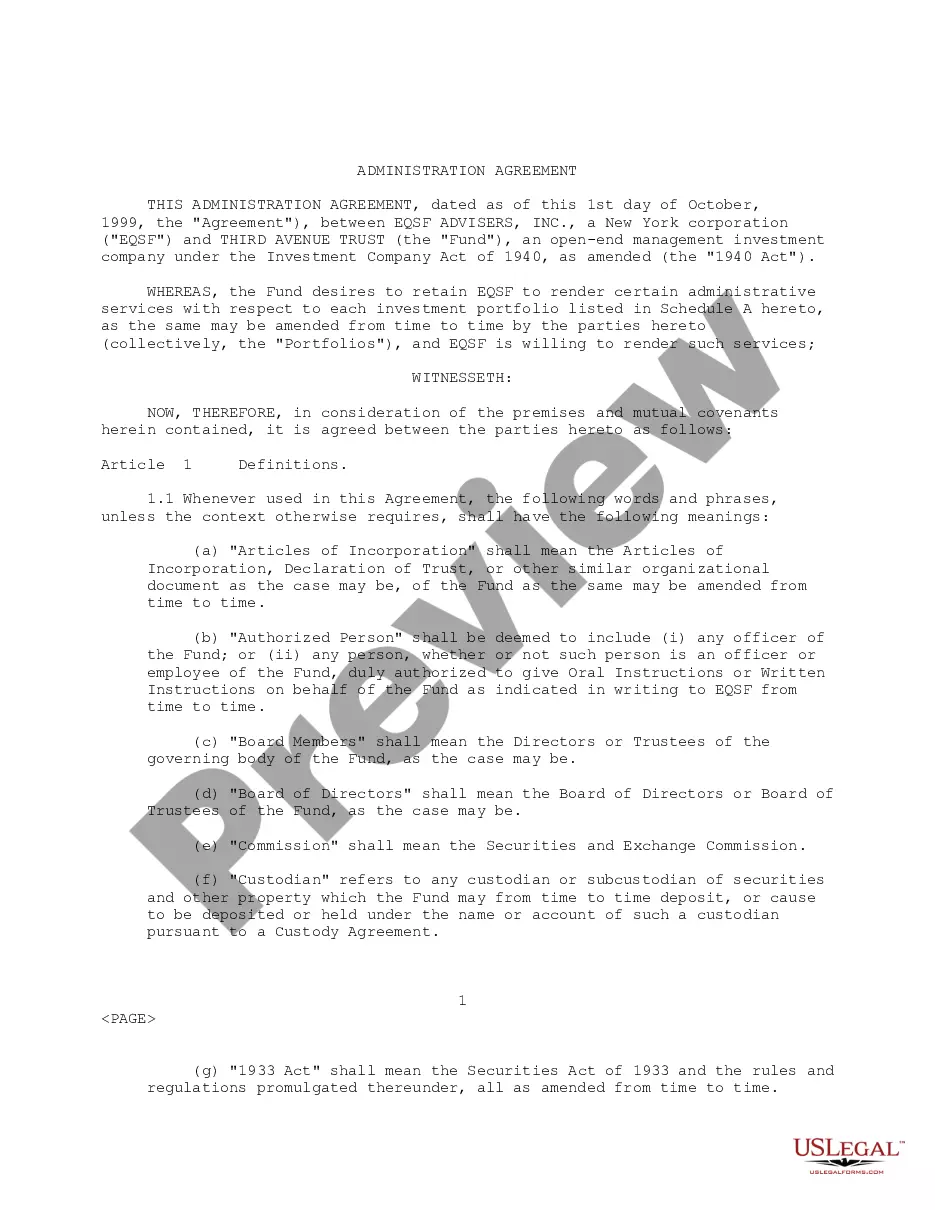
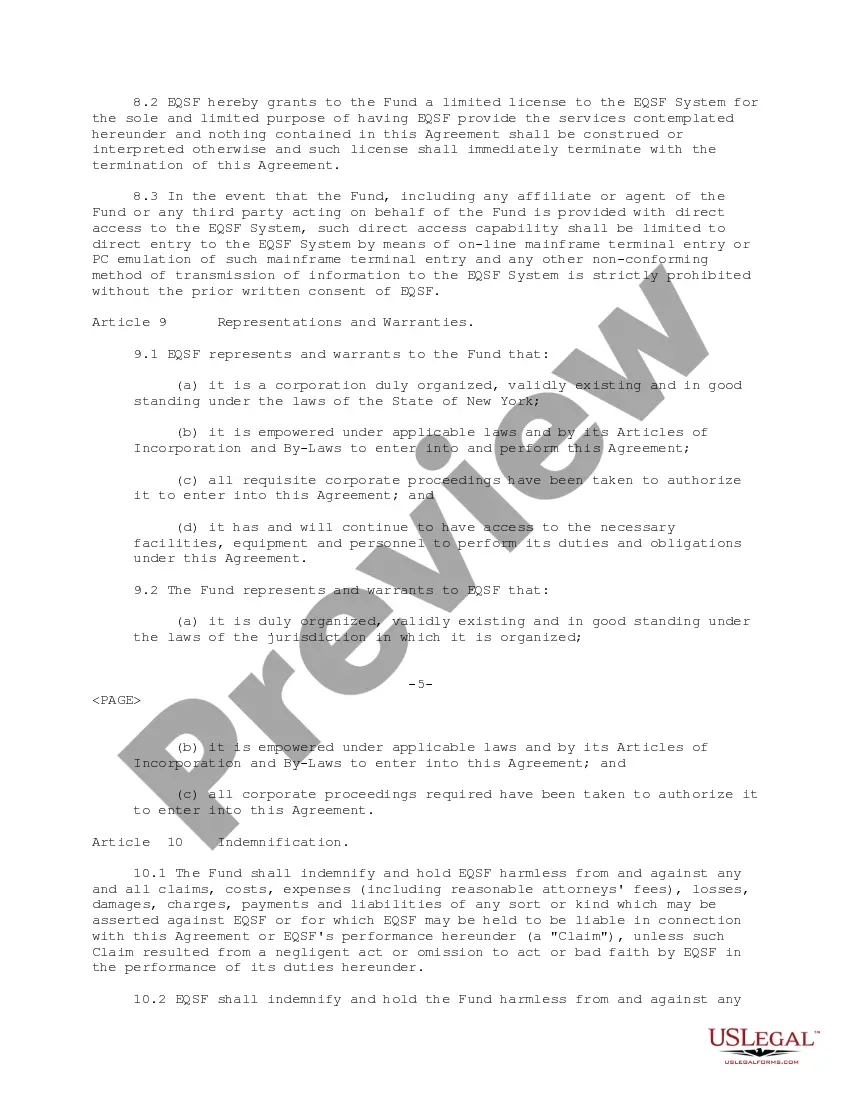
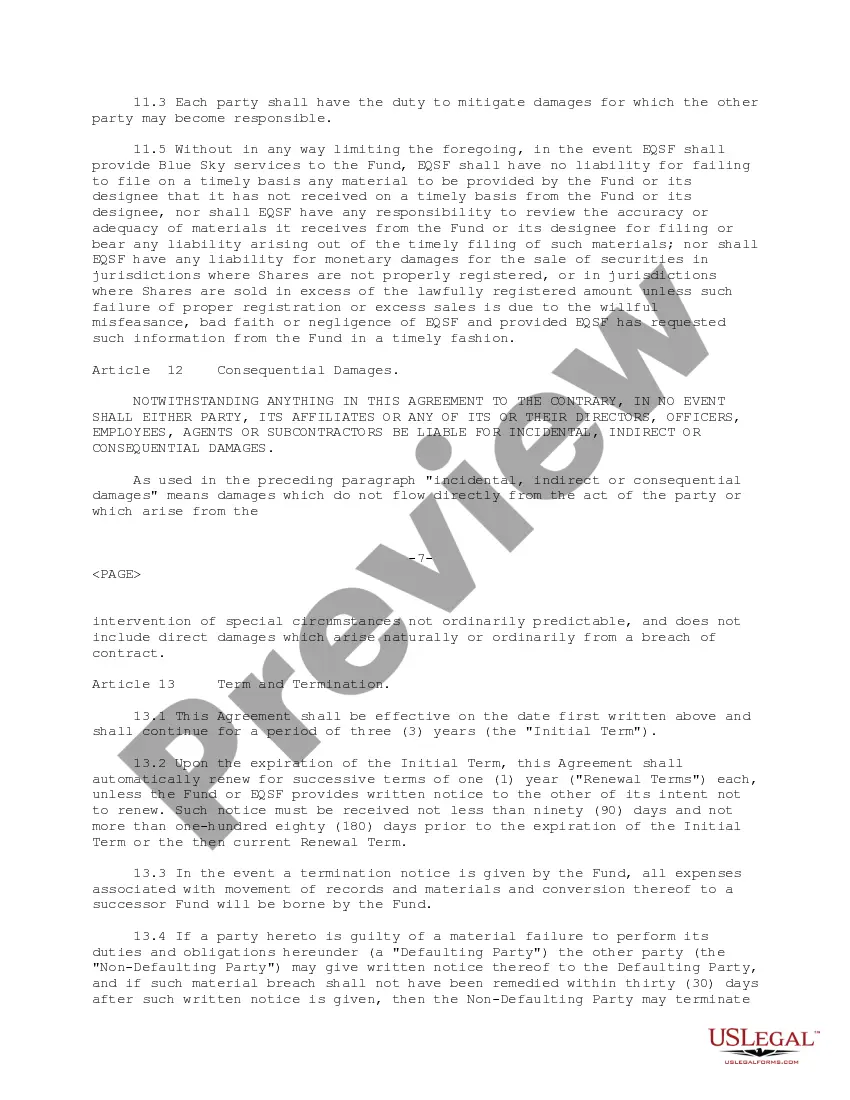
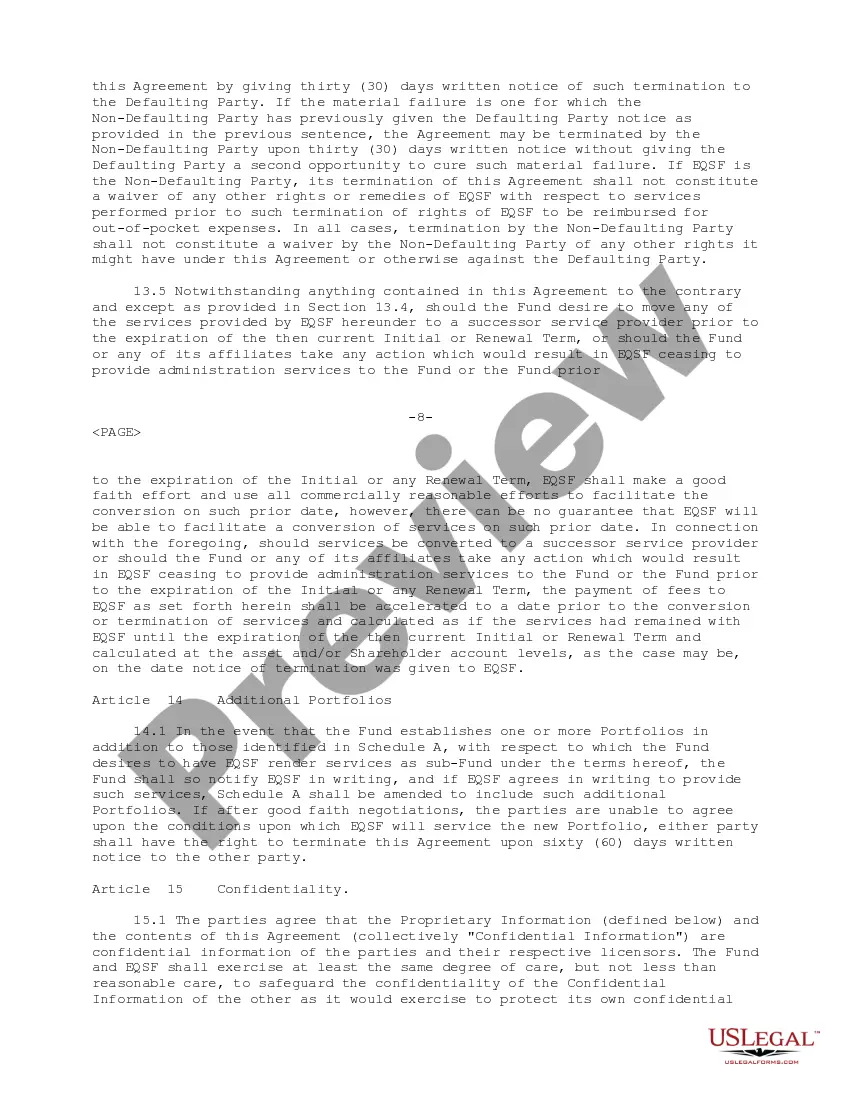
Description





Get your form ready online
Our built-in tools help you complete, sign, share, and store your documents in one place.
Make edits, fill in missing information, and update formatting in US Legal Forms—just like you would in MS Word.
Download a copy, print it, send it by email, or mail it via USPS—whatever works best for your next step.
Sign and collect signatures with our SignNow integration. Send to multiple recipients, set reminders, and more. Go Premium to unlock E-Sign.
If this form requires notarization, complete it online through a secure video call—no need to meet a notary in person or wait for an appointment.
We protect your documents and personal data by following strict security and privacy standards.

Make edits, fill in missing information, and update formatting in US Legal Forms—just like you would in MS Word.

Download a copy, print it, send it by email, or mail it via USPS—whatever works best for your next step.

Sign and collect signatures with our SignNow integration. Send to multiple recipients, set reminders, and more. Go Premium to unlock E-Sign.

If this form requires notarization, complete it online through a secure video call—no need to meet a notary in person or wait for an appointment.

We protect your documents and personal data by following strict security and privacy standards.
Looking for another form?




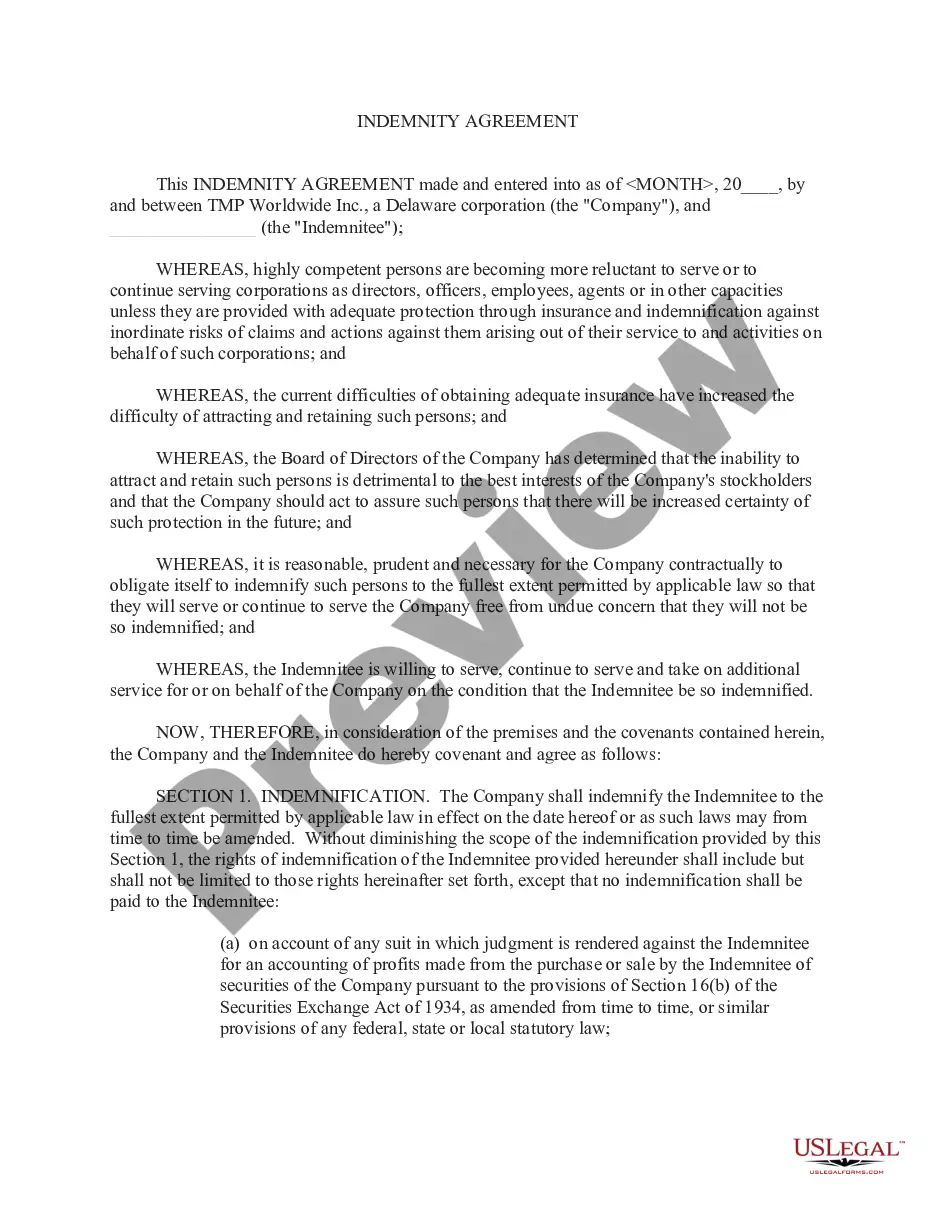




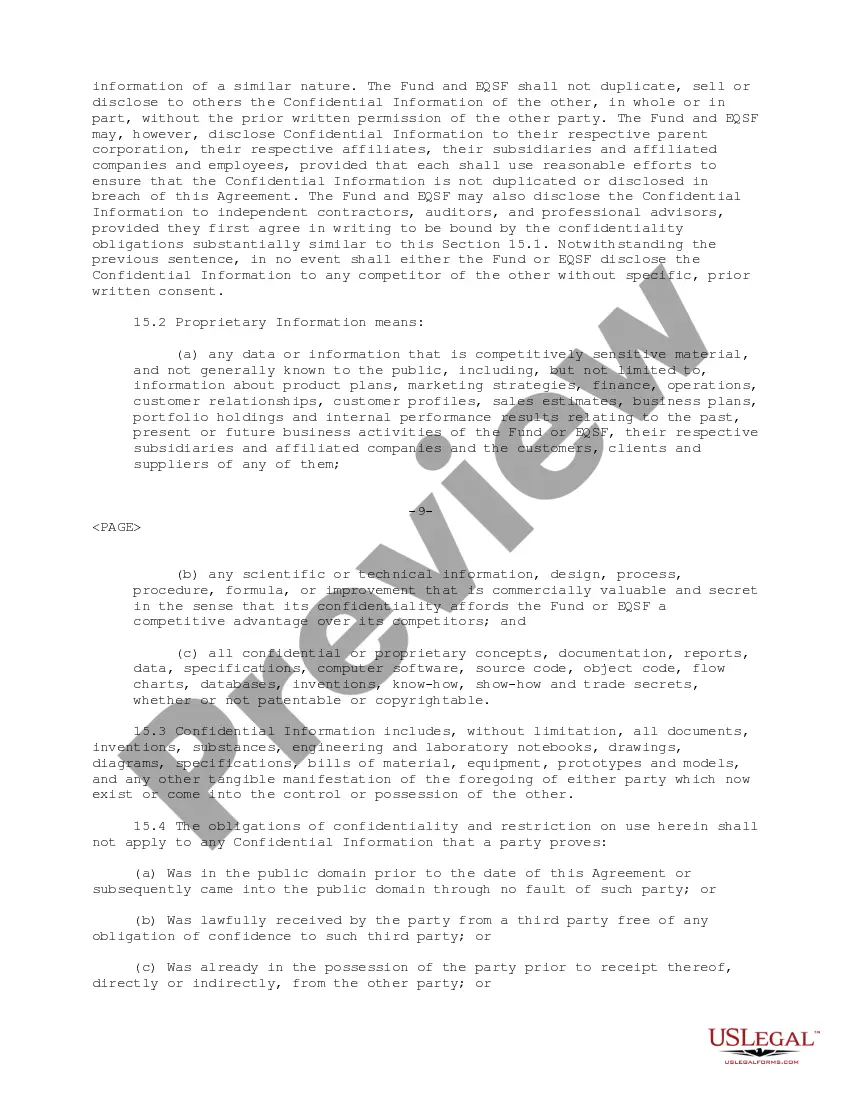
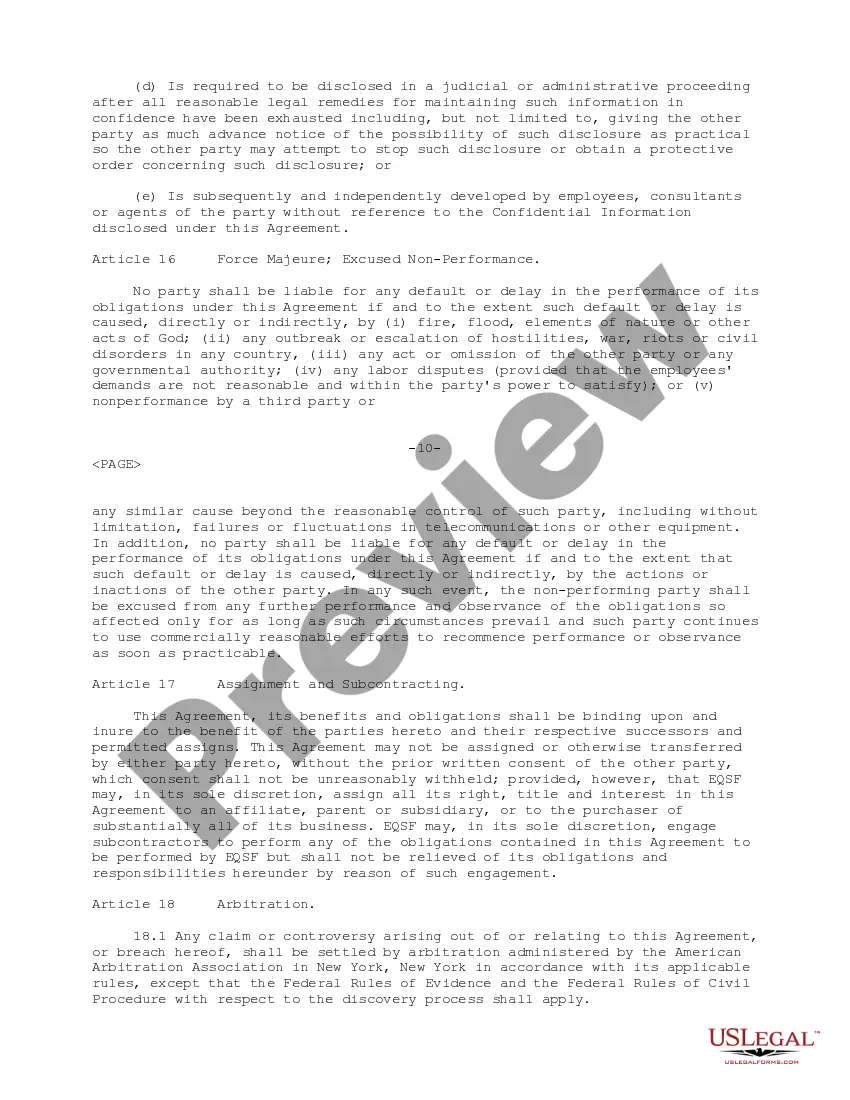
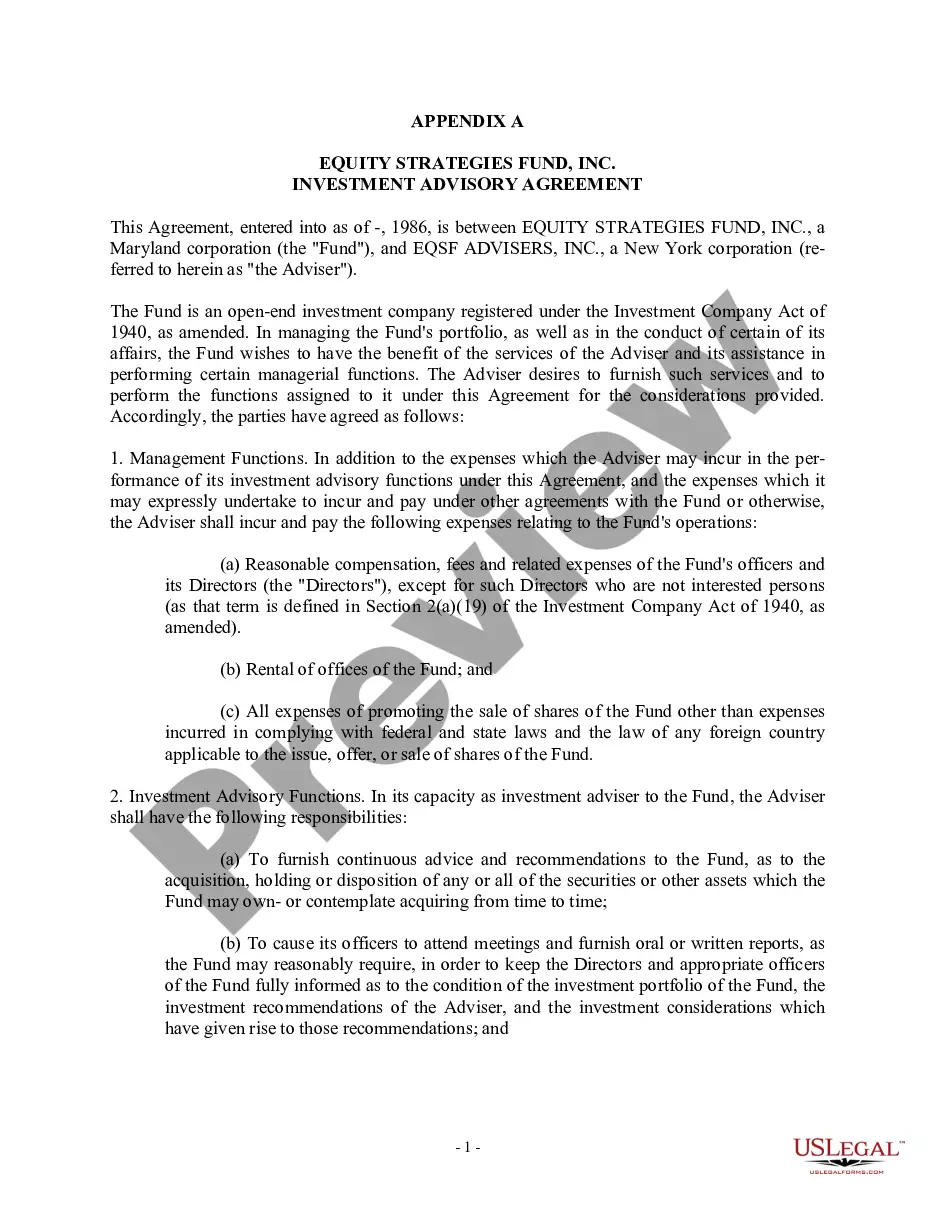
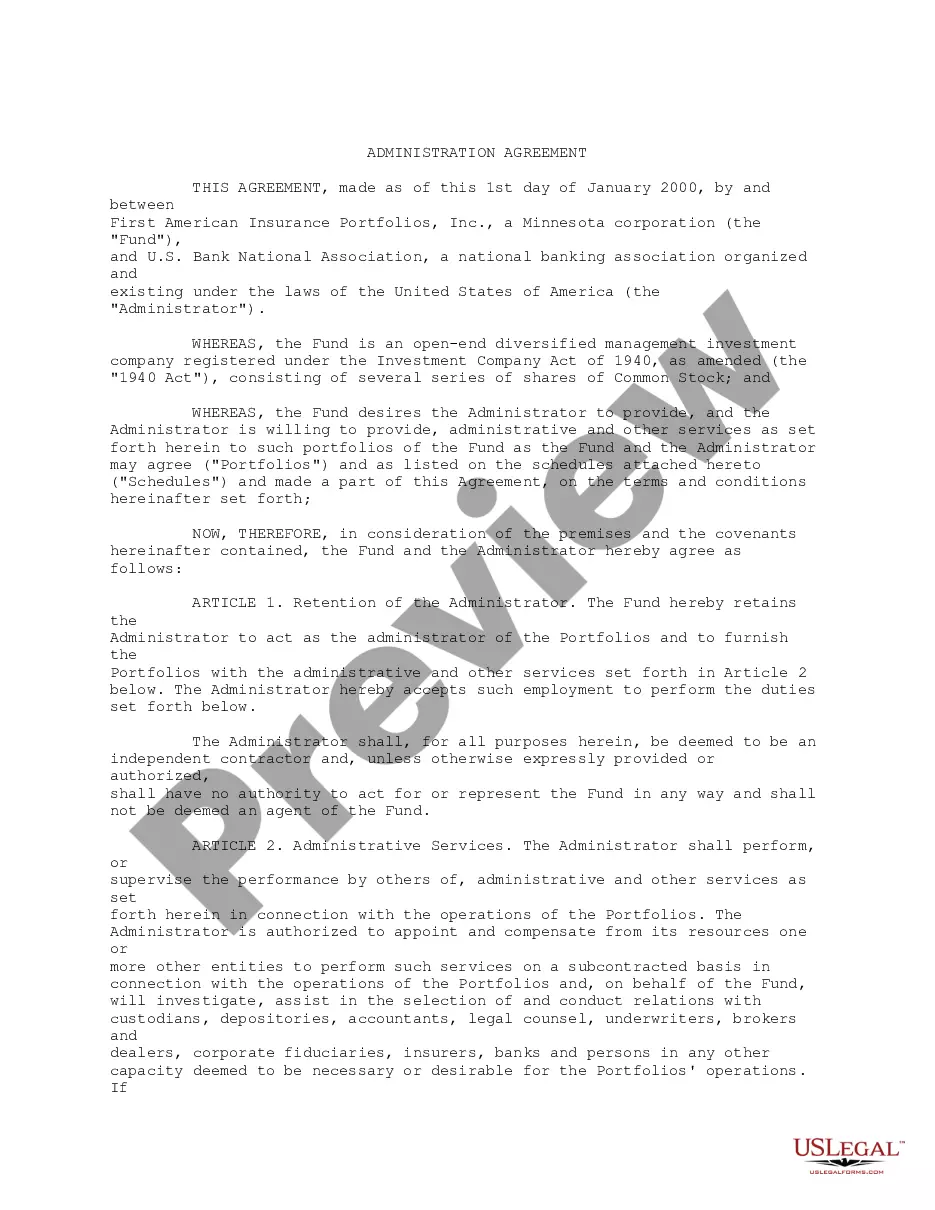
How to fill out Administration Agreement Between EQSF Advisors, Inc. And Third Avenue Trust Regarding Retaining EQSF To Render Administrative Services With Respect To Investment?
- Log in to your US Legal Forms account if you're a returning user. Ensure your subscription is active to access and download the necessary templates directly to your device.
- For first-time users, start by reviewing the Preview mode and form descriptions to choose the document that fits your needs and complies with local jurisdiction requirements.
- If you cannot find the right template, use the Search tab to locate additional options that might better suit your needs.
- Select the appropriate document by clicking the Buy Now button. Choose your preferred subscription plan and create an account to gain access to the extensive library.
- Complete the purchase by entering your credit card information or using your PayPal account to subscribe.
- Download and save the template to your device for easy access and completion. You can always find it later in the My Forms section of your account.
By leveraging US Legal Forms, you empower yourself with the ability to efficiently manage your legal documentation needs. This innovative service not only simplifies document creation but also connects you with premium experts for guidance, ensuring you have legally sound forms.
Start your journey towards a well-documented future by exploring the vast resources available at US Legal Forms today!
Form popularity
FAQ
Yes, one business can invest in another, and this practice is quite common in various industries. Such investments can help companies grow their portfolios, access new markets, or collaborate on projects. This strategy aligns well with the idea of between incorporation investment for the future, as it allows businesses to diversify their investments while fostering growth.
The best legal structure for a startup typically depends on factors like funding, liability, and tax implications. Common options include Limited Liability Companies (LLCs) and Corporations. Choosing the right structure can significantly impact between incorporation investment for the future, as it determines how profits are taxed and your personal liability.
Yes, buying shares in a company often represents a sound investment opportunity. Investors can profit from capital appreciation and dividends as the company prospers. When considering this through the lens of between incorporation investment for the future, shares can be an effective way to align one's financial goals with the success of a business.
Buying stock in a corporation can be a good investment, particularly if the company shows strong growth and profitability potential. Many investors leverage this method as part of their overall strategy for between incorporation investment for the future, allowing them to build wealth over time. However, like all investments, it is essential to conduct thorough research and evaluation.
Investing in stocks comes with inherent risks, including the potential for loss if the company's performance declines. Market fluctuations can impact stock prices, leading to uncertain returns. Understanding these risks is crucial in the context of between incorporation investment for the future, as investors should consider their risk tolerance carefully.
Individuals often buy stocks in a corporation to gain ownership and participate in the company’s potential growth. They see stocks as a way to invest funds effectively, hoping for a good return on their investment over time. This aligns with the concept of between incorporation investment for the future, as shareholders benefit from their shares appreciating while the corporation thrives.
Many choose an LLC over a corporation due to its simplicity and ease of management. LLCs typically have fewer formal requirements and allow for more flexible profit distribution. Additionally, personal liability protection is a significant advantage that tailors well to many investors' needs. Hence, for individuals focused on incorporation investment for the future, an LLC often presents a compelling option.
Whether an LLC or corporation is better depends on your specific needs and goals. LLCs offer simplicity and flexibility, especially for small businesses and investors. Conversely, corporations may be more suitable for larger ventures seeking to raise capital through stock sales. Therefore, evaluating these structures in the light of your incorporation investment for the future will help you make an informed choice.
Yes, you can start an LLC specifically to invest in stocks, and it could be a wise decision. This structure allows you to pool resources with other investors while providing liability protection. Additionally, an LLC enables you to manage expenses and profits more efficiently, making it easier to align with your goals for incorporation investment for the future.
Some investors hesitate to invest in LLCs due to a lack of familiarity with this business structure. There can also be concerns regarding taxation, as LLCs can be subject to self-employment tax. However, understanding how LLCs can protect personal assets and enhance flexibility in investment opportunities is essential. Considering the benefits, these fears can often be alleviated, especially in the context of smart incorporation investment for the future.