First Amendment Freedom Of Speech
Description
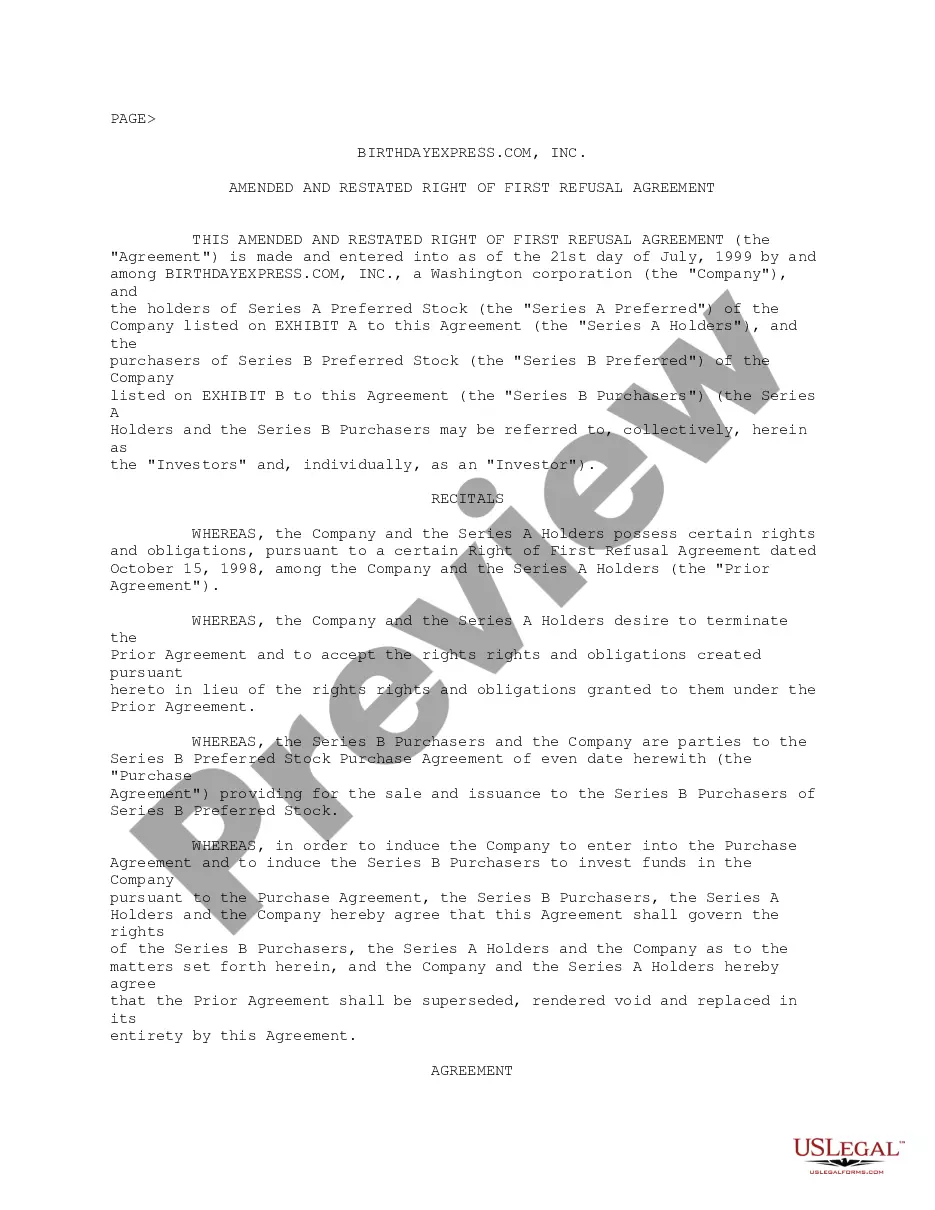
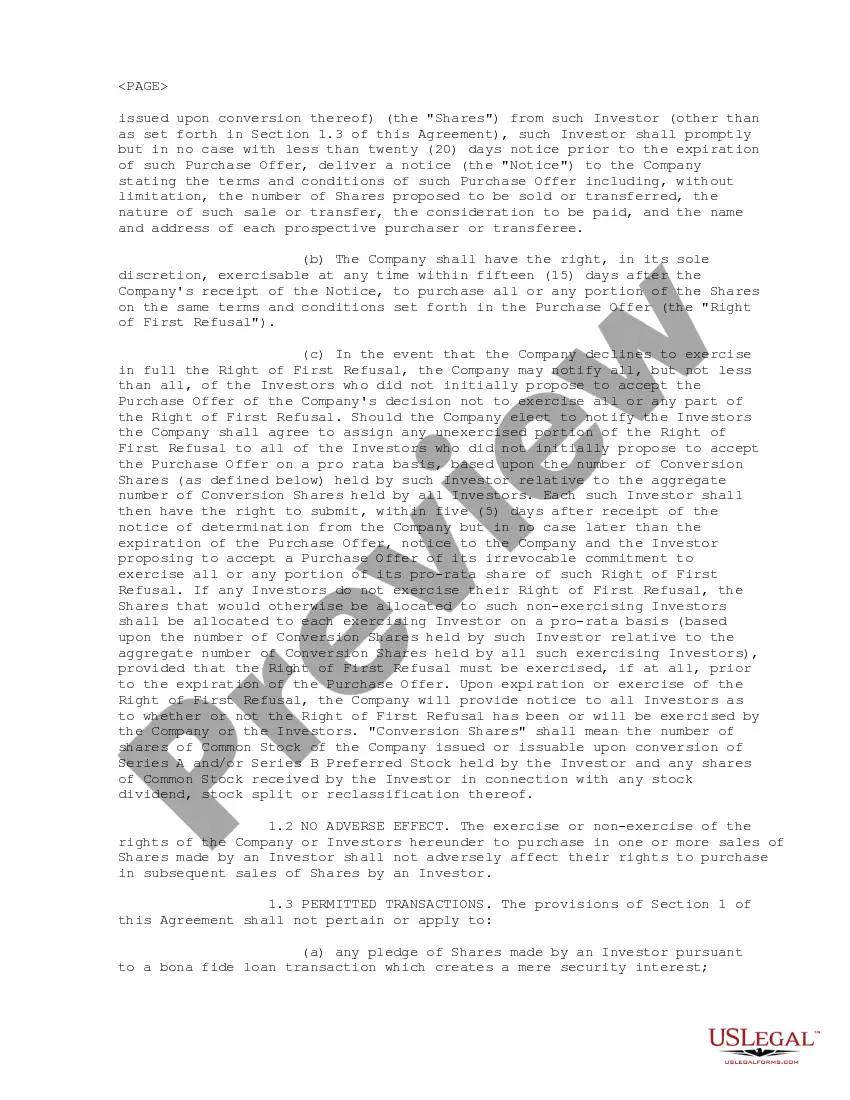
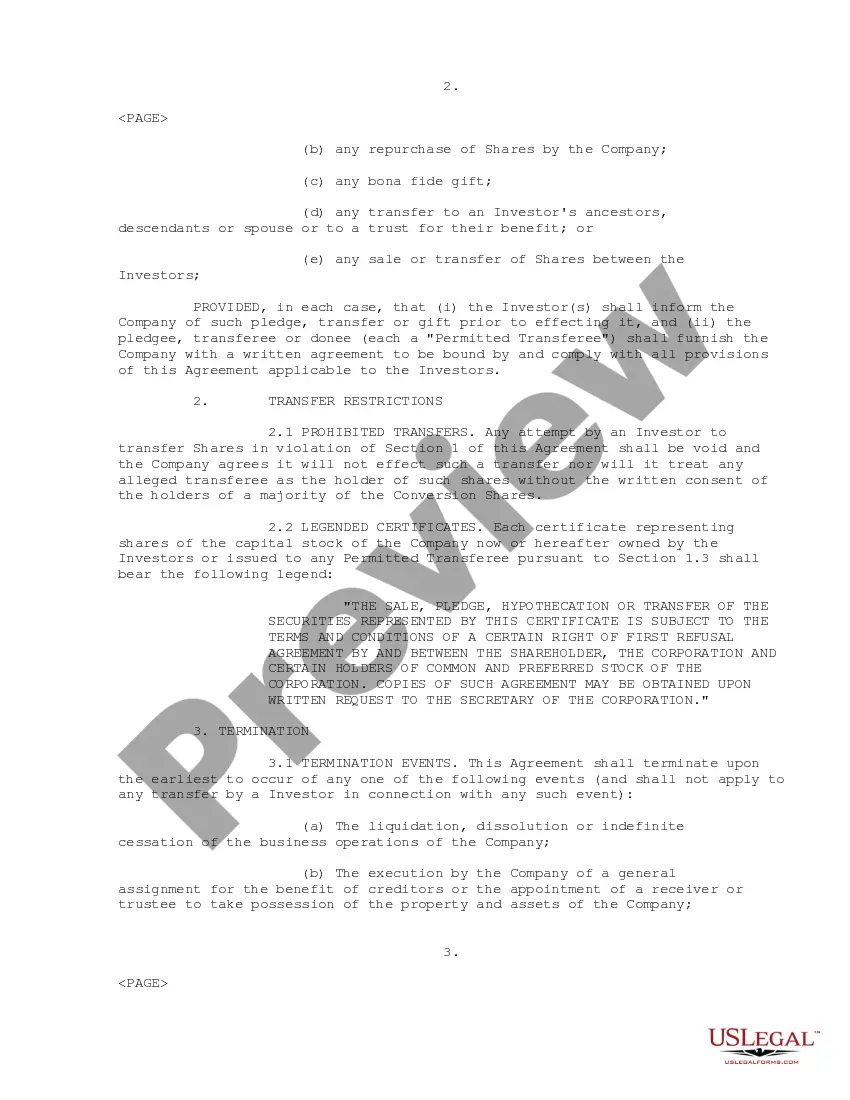
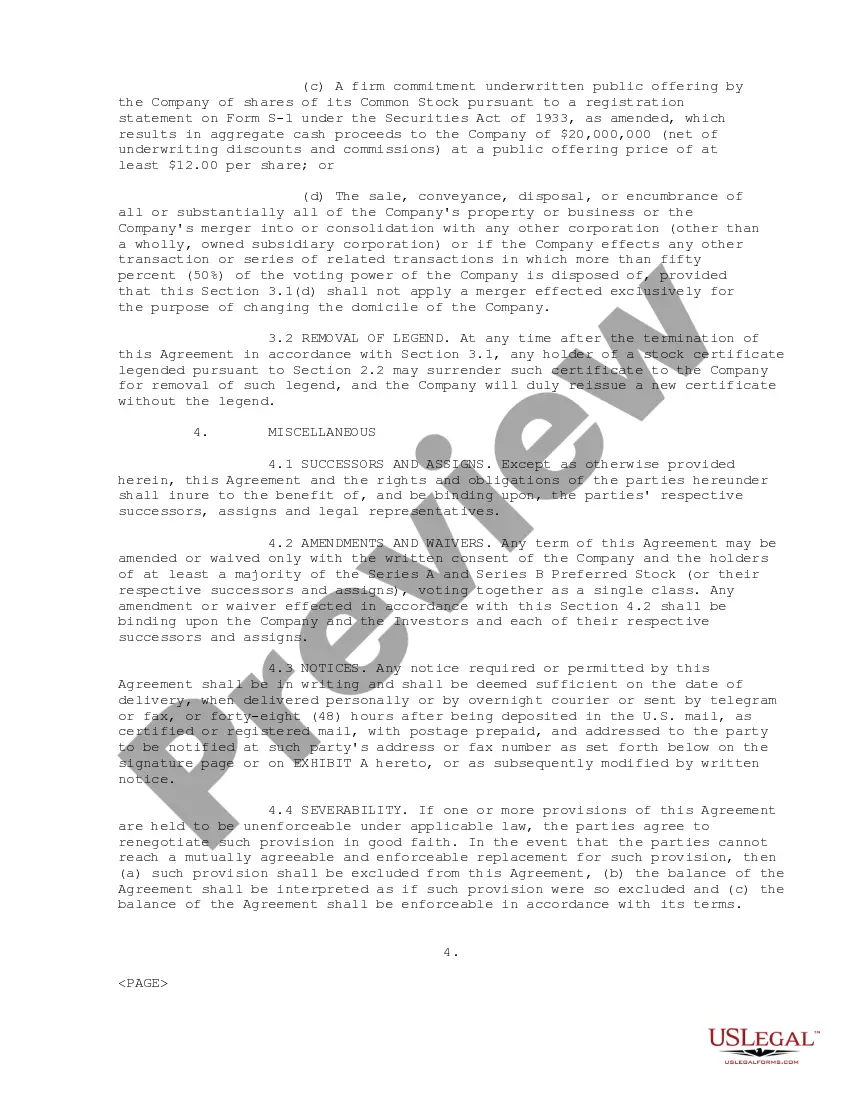
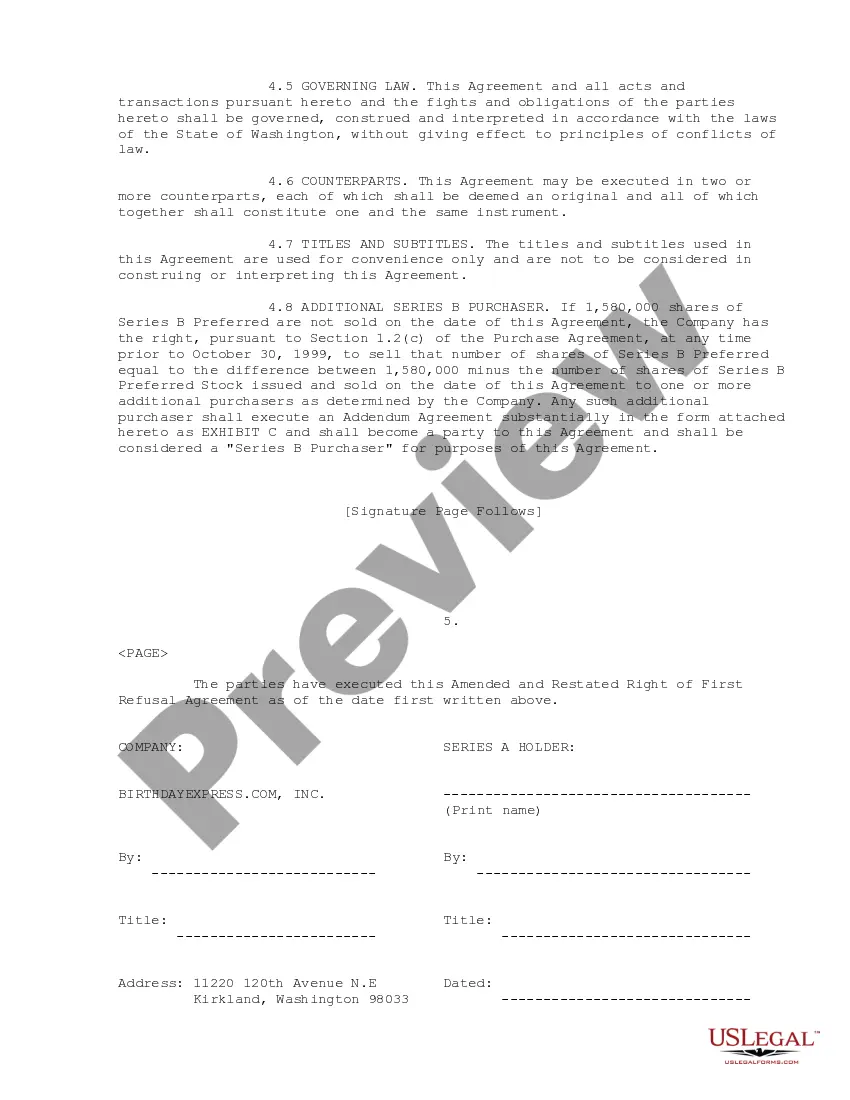
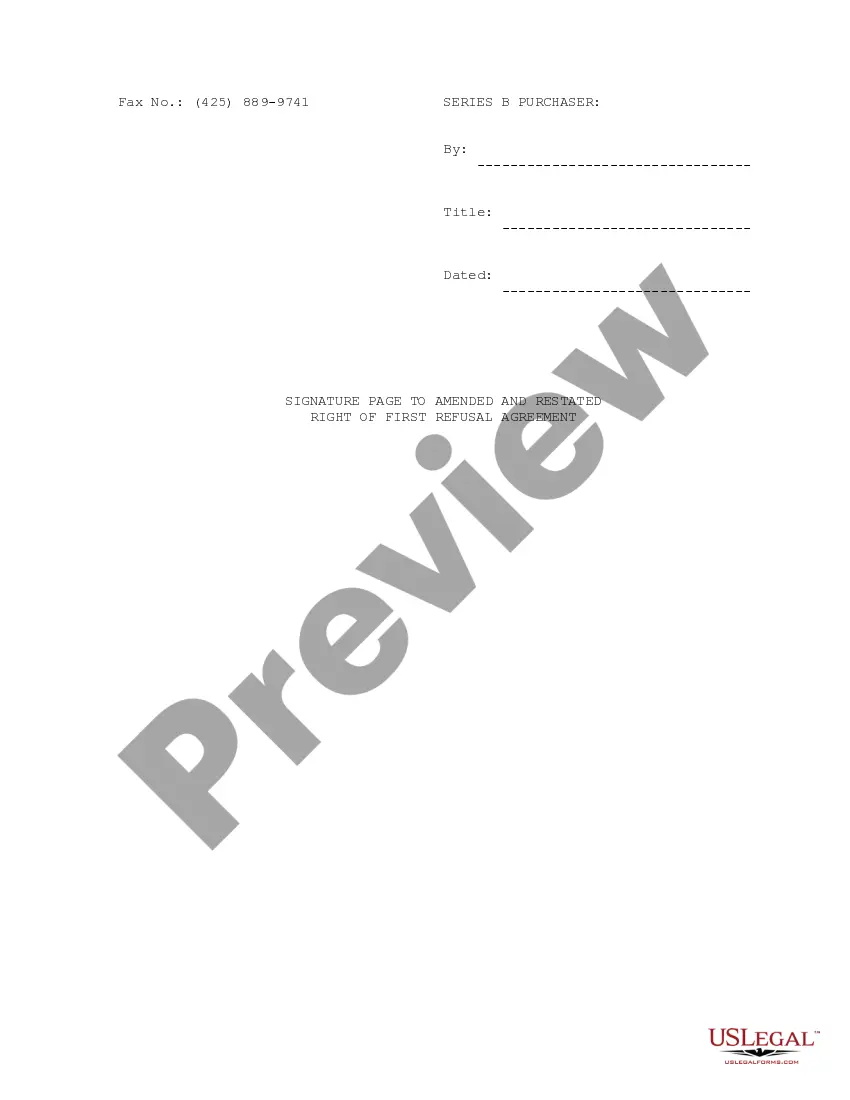
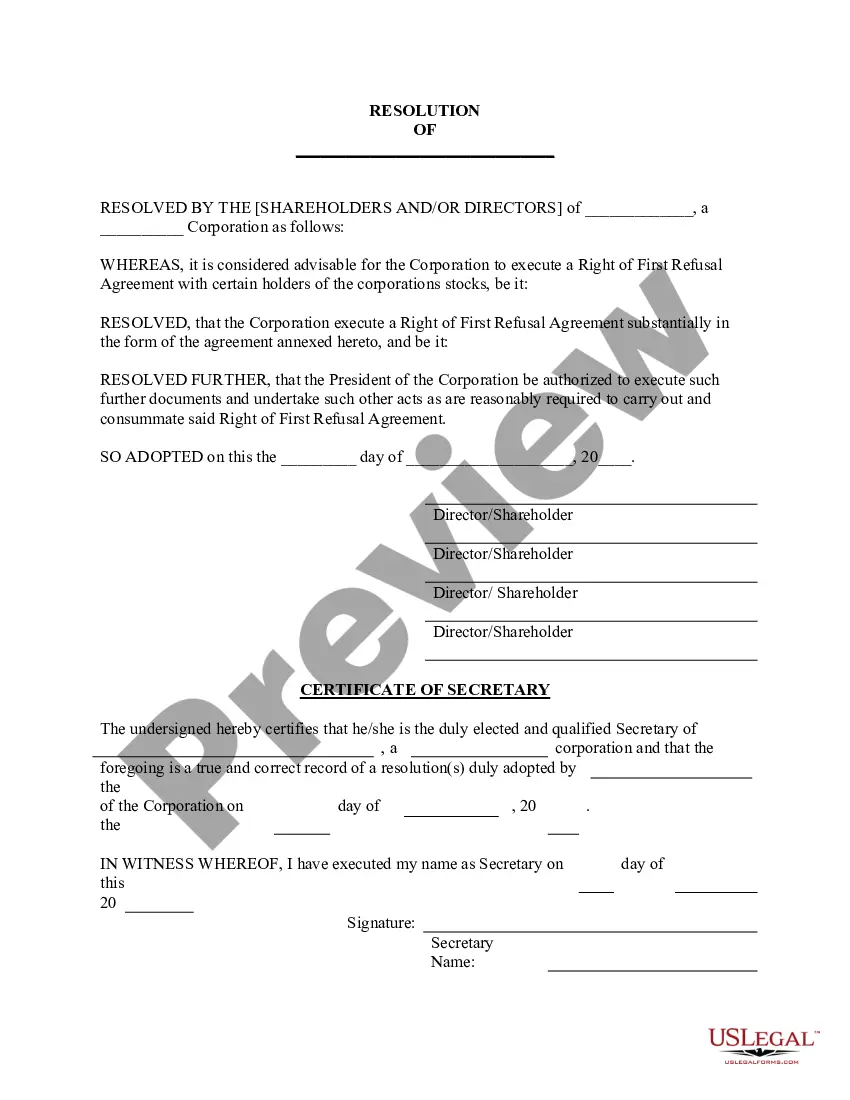
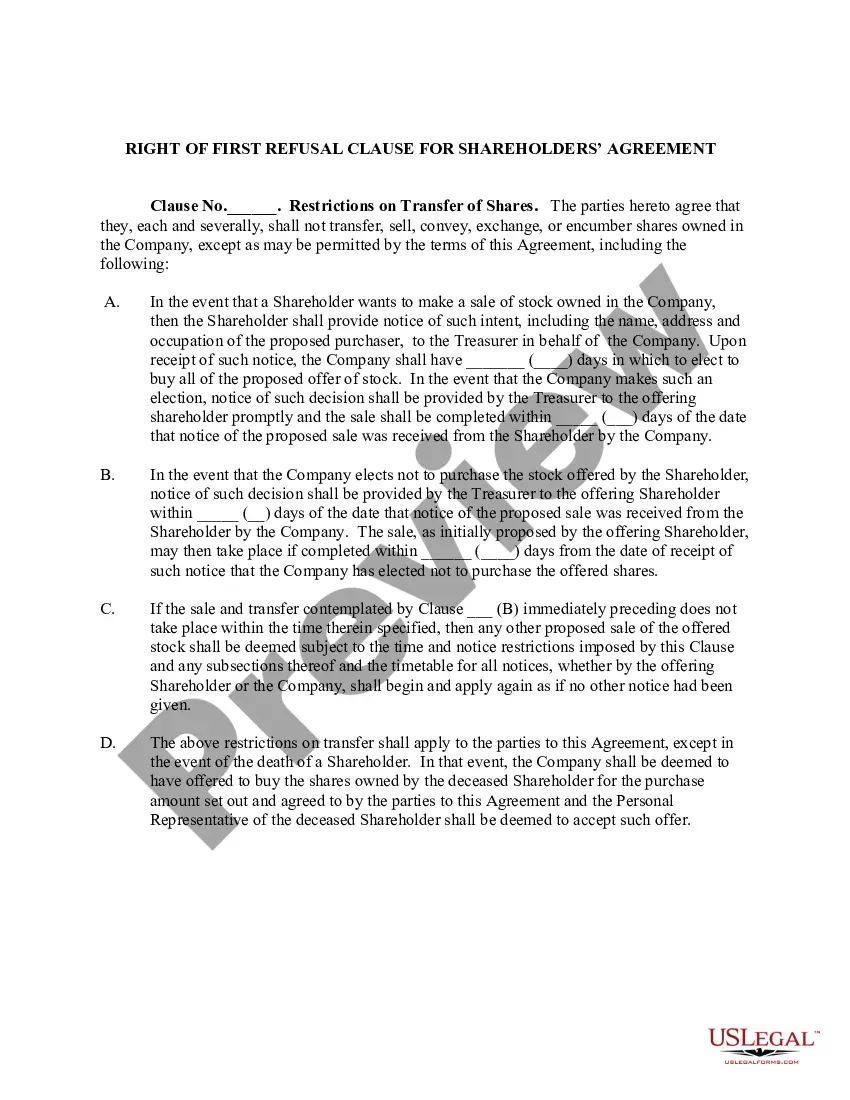
Get your form ready online
Our built-in tools help you complete, sign, share, and store your documents in one place.
Make edits, fill in missing information, and update formatting in US Legal Forms—just like you would in MS Word.
Download a copy, print it, send it by email, or mail it via USPS—whatever works best for your next step.
Sign and collect signatures with our SignNow integration. Send to multiple recipients, set reminders, and more. Go Premium to unlock E-Sign.
If this form requires notarization, complete it online through a secure video call—no need to meet a notary in person or wait for an appointment.
We protect your documents and personal data by following strict security and privacy standards.

Make edits, fill in missing information, and update formatting in US Legal Forms—just like you would in MS Word.

Download a copy, print it, send it by email, or mail it via USPS—whatever works best for your next step.

Sign and collect signatures with our SignNow integration. Send to multiple recipients, set reminders, and more. Go Premium to unlock E-Sign.

If this form requires notarization, complete it online through a secure video call—no need to meet a notary in person or wait for an appointment.

We protect your documents and personal data by following strict security and privacy standards.
Looking for another form?
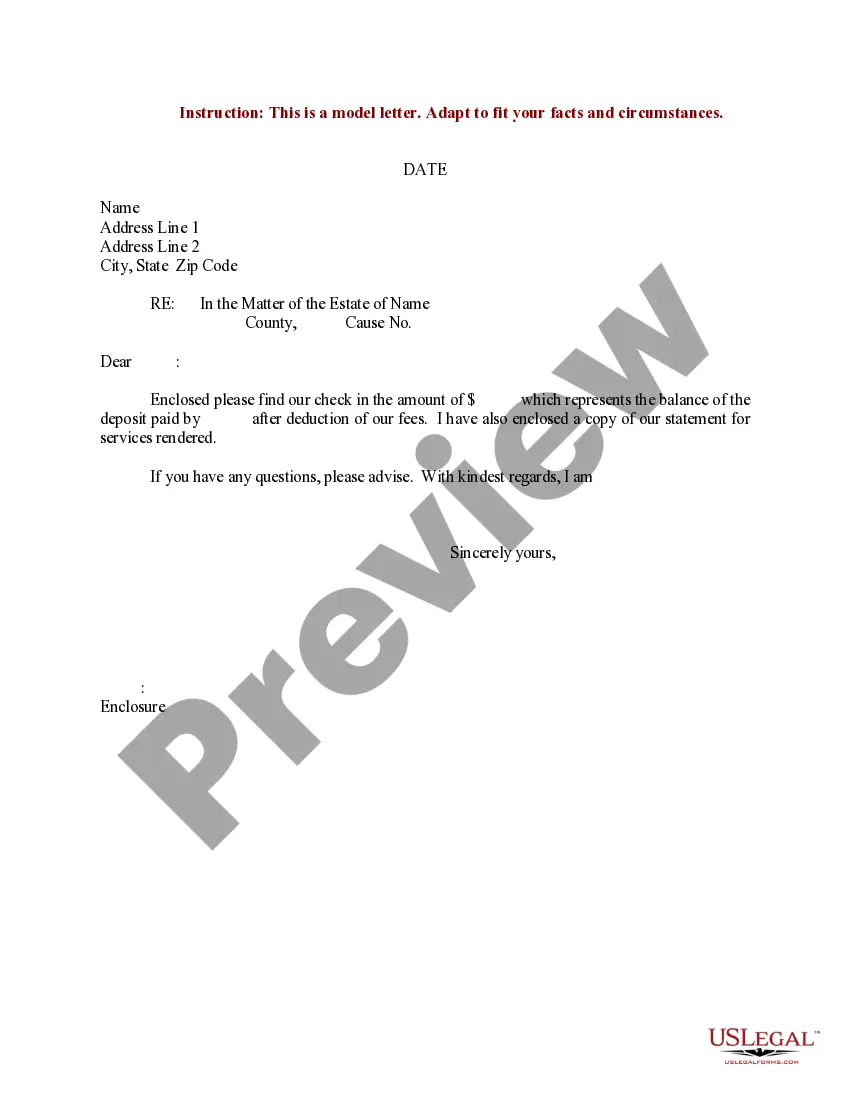

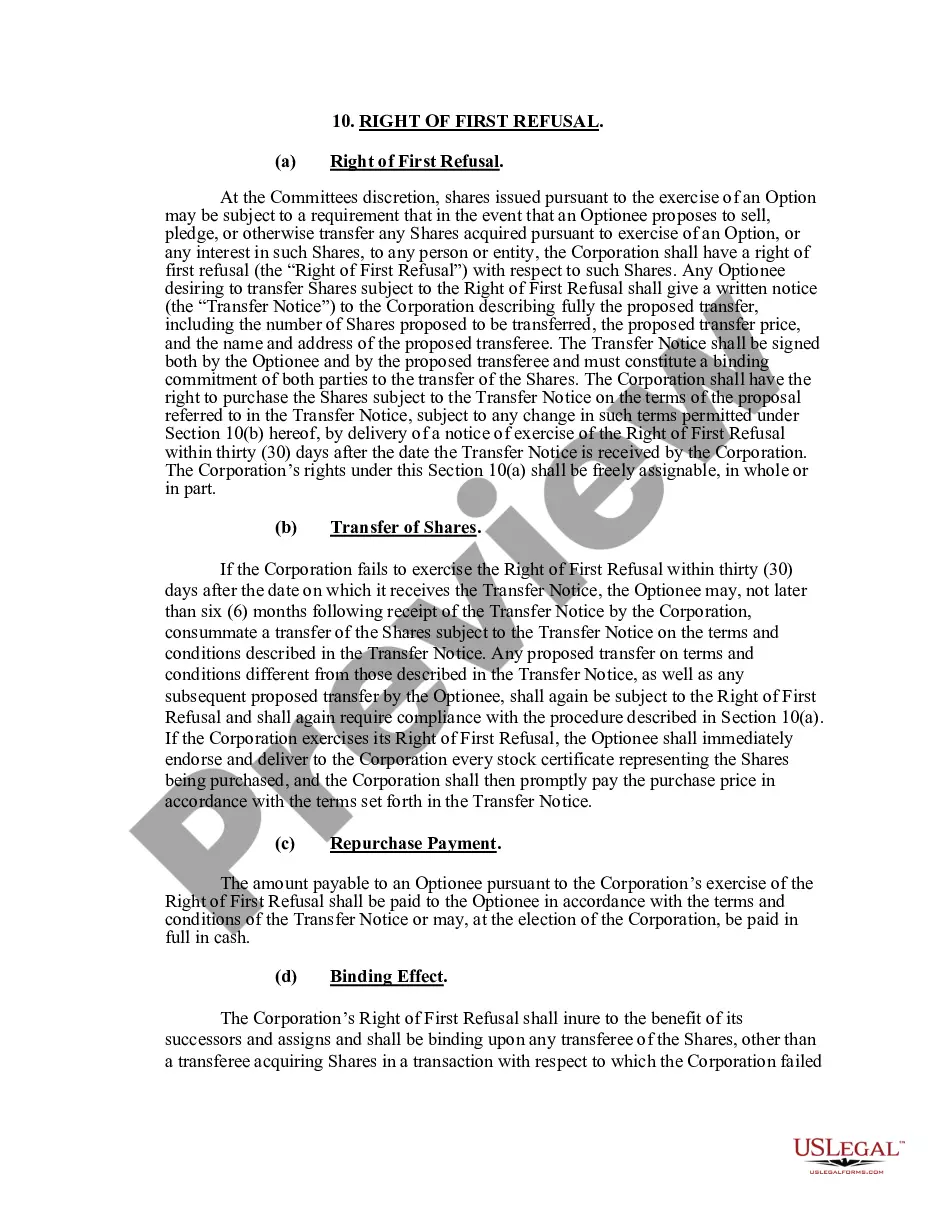
How to fill out Right Of First Refusal Agreement?
- Log in to your account if you are a returning user. Ensure your subscription is active; renew if necessary.
- Browse the Preview mode and read the form description carefully to confirm it suits your needs and jurisdiction.
- Use the Search tab to find alternative templates if the current form does not meet your requirements.
- Select your desired document and click on the Buy Now button to choose your preferred subscription plan.
- Complete your purchase by entering your payment information securely using credit card or PayPal.
- Download your completed form and save it on your device for easy access later via the My Forms section in your profile.
By following these straightforward steps, you can leverage US Legal Forms to ensure your legal documents are accurate and compliant. The platform provides vast resources to empower users in their legal needs.
Start today to simplify your legal form processing and ensure your rights, including your First Amendment freedom of speech, are protected. Visit US Legal Forms now!
Form popularity
FAQ
Examples of symbolic speech protected by the First Amendment include flag burning as a form of protest and wearing armbands to express opposition to war. These actions convey messages without spoken words, illustrating how expression can take many forms. By allowing such symbolic acts, the First Amendment freedom of speech upholds the core values of individual expression and dissent.
Speech in the context of the First Amendment encompasses a wide range of expressions, including verbal communication, written text, and symbolic actions. This includes art, protests, and any form of expression intended to convey ideas or beliefs. By defining speech broadly, the First Amendment freedom of speech ensures diverse voices are heard and valued across society.
Three examples of speech not protected by the First Amendment include incitement to violence, slander, and obscenity. These categories represent forms of speech that may cause harm or disrupt public order. Understanding these limitations helps clarify the balance between protecting individual expression and maintaining societal safety within the framework of First Amendment freedom of speech.
An example of speech protected by the First Amendment includes a citizen expressing their opinion on a public issue at a town hall meeting. Such speech plays a crucial role in democracy and encourages public discourse. By engaging citizens in discussions, the First Amendment freedom of speech strengthens community involvement and transparency.
An example of the First Amendment is the right to assemble peacefully. This right allows individuals to gather for demonstrations, protests, or meetings without fear of government interference. By protecting this form of expression, the First Amendment freedom of speech fosters an environment where citizens can advocate for causes important to them.
One good example of freedom of speech under the First Amendment is the ability to openly criticize the government. This essential freedom allows citizens to express their opinions freely, whether through spoken words, written articles, or social media posts. Importantly, such expressions can challenge policies and promote social change, reinforcing the fundamental principles of the First Amendment freedom of speech.
The First Amendment guarantees a significant degree of freedom of speech, protecting individuals from government censorship. However, this freedom is accompanied by specific limitations that focus on maintaining public safety and order. Understanding the extent of protection offered by the First Amendment freedom of speech allows individuals to engage more effectively in public discourse.
Limits on freedom of speech are generally based on the potential harm that certain expressions might cause. For instance, the First Amendment freedom of speech does not protect speech that incites violence or includes hate speech that targets specific groups. It's important to navigate these limits to understand where your rights begin and end.
Certain types of speech are not protected under the First Amendment freedom of speech, including obscenity, true threats, and incitement to imminent lawless action. Additionally, defamation, or making false statements that damage someone's reputation, is also outside the protections of the First Amendment. Recognizing these exceptions helps maintain a balance between freedom and responsibility.
The First Amendment guarantees five essential freedoms: religion, speech, press, assembly, and petition. Each freedom plays a vital role in ensuring an open society where diverse viewpoints can co-exist. This comprehensive protection underlines the importance of the First Amendment freedom of speech in promoting civic engagement.