Retirement Plan With The Federal Government
Description
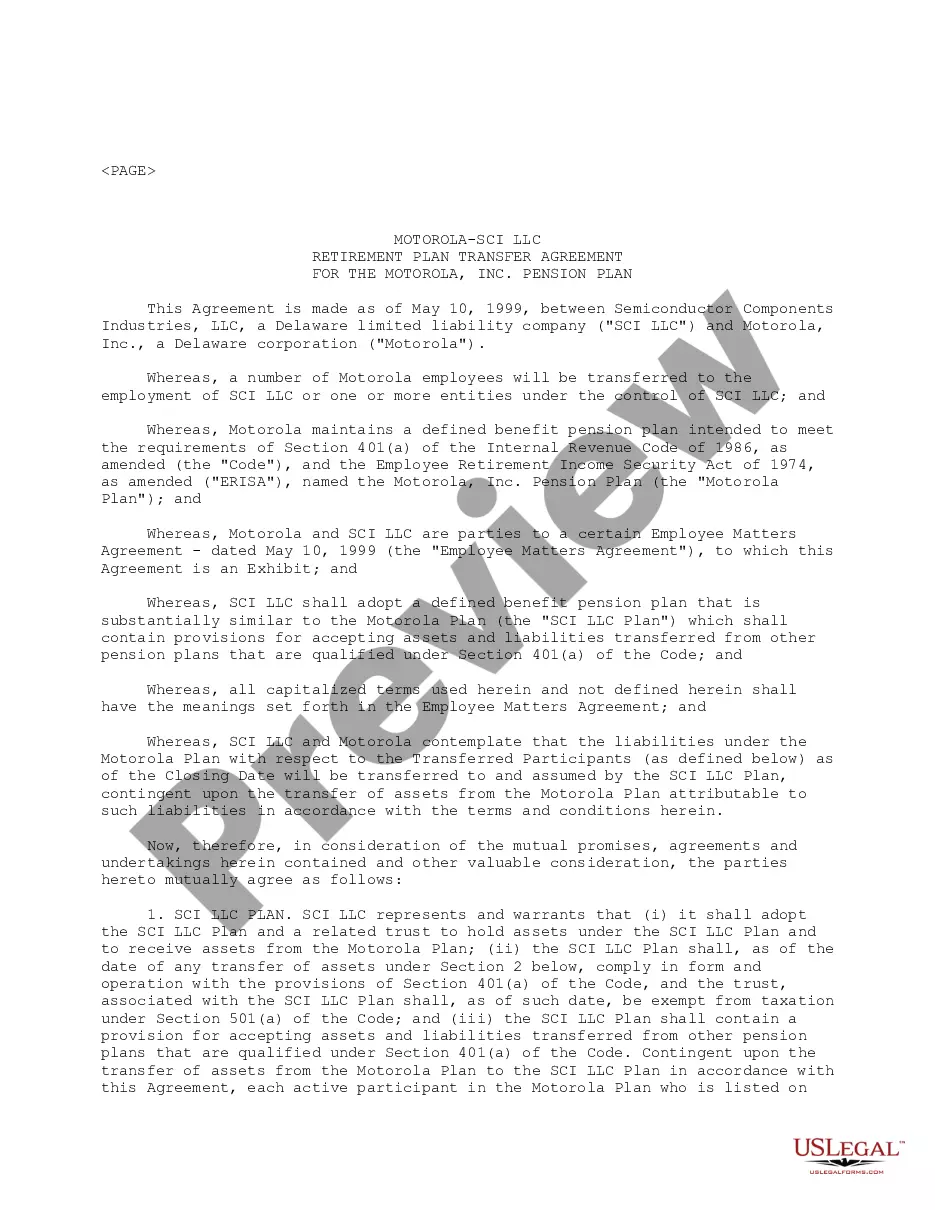
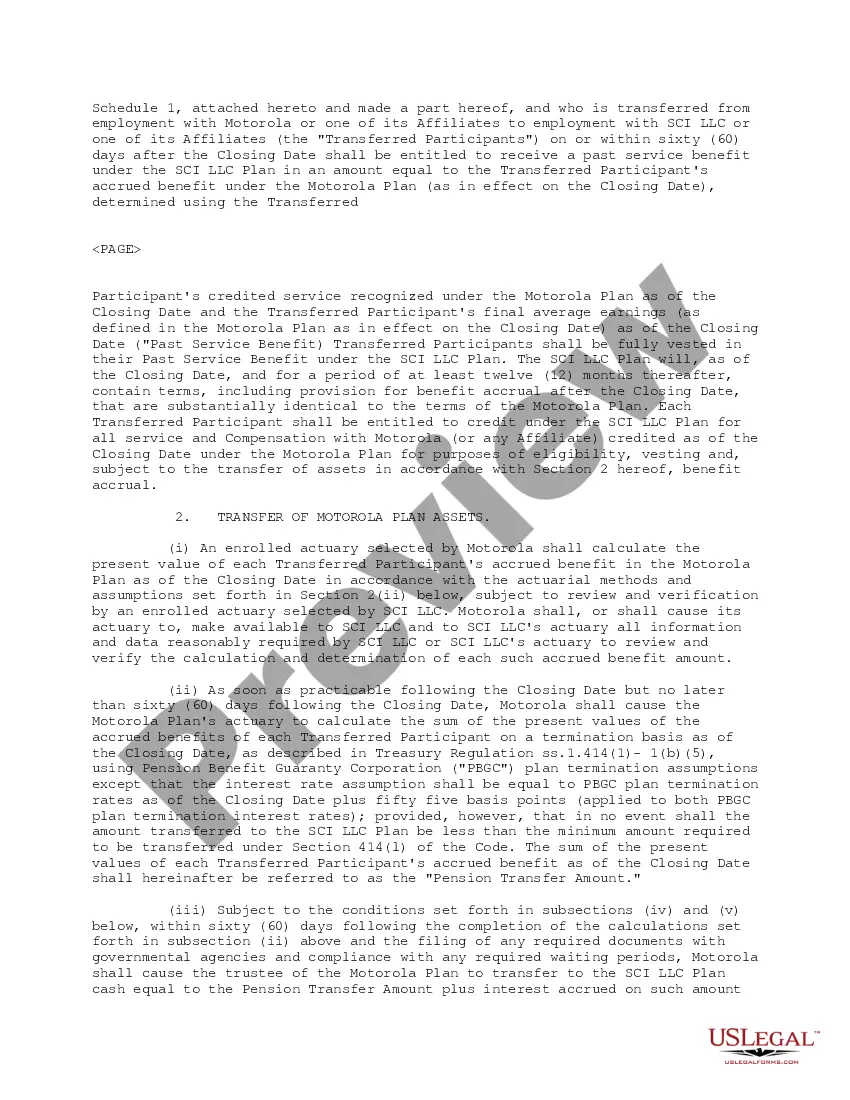
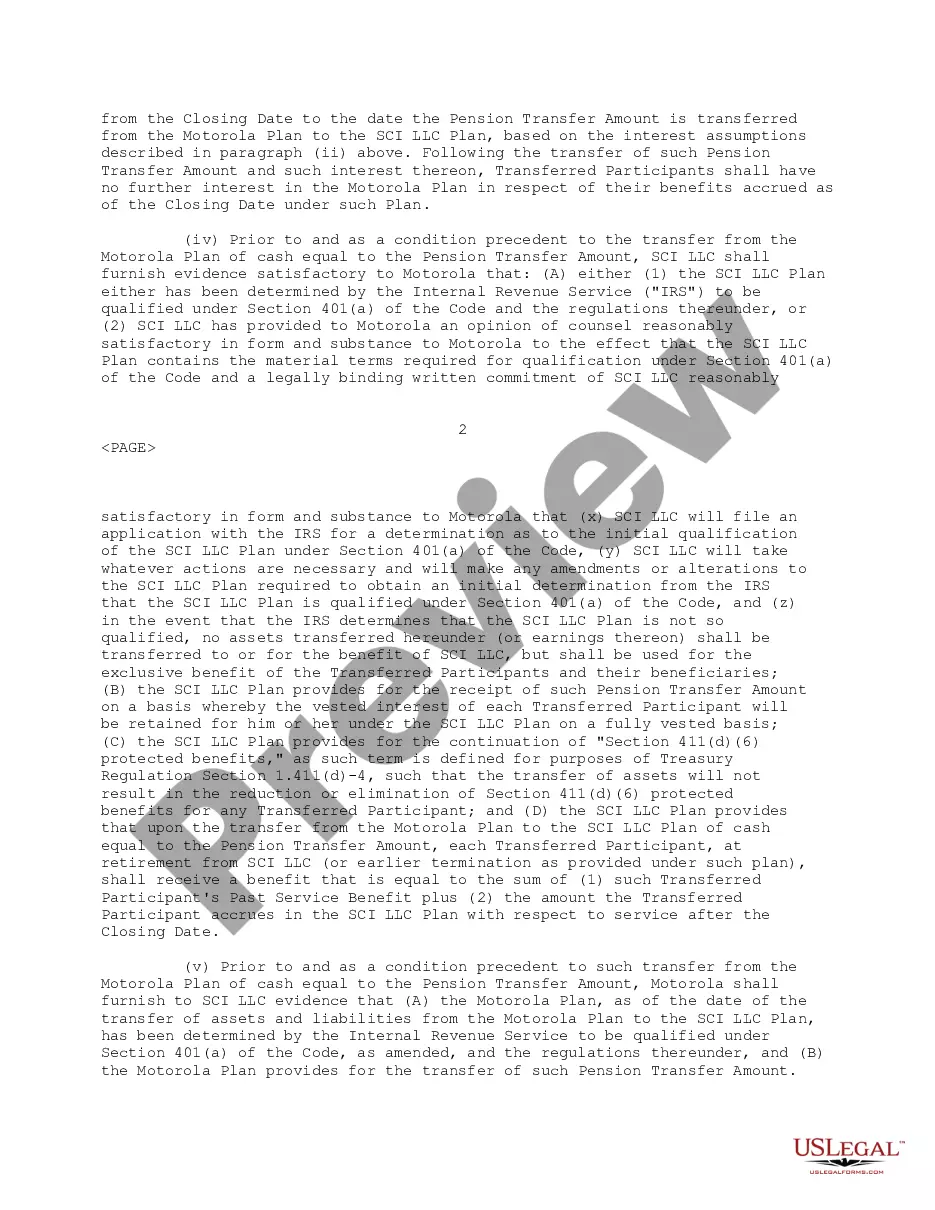
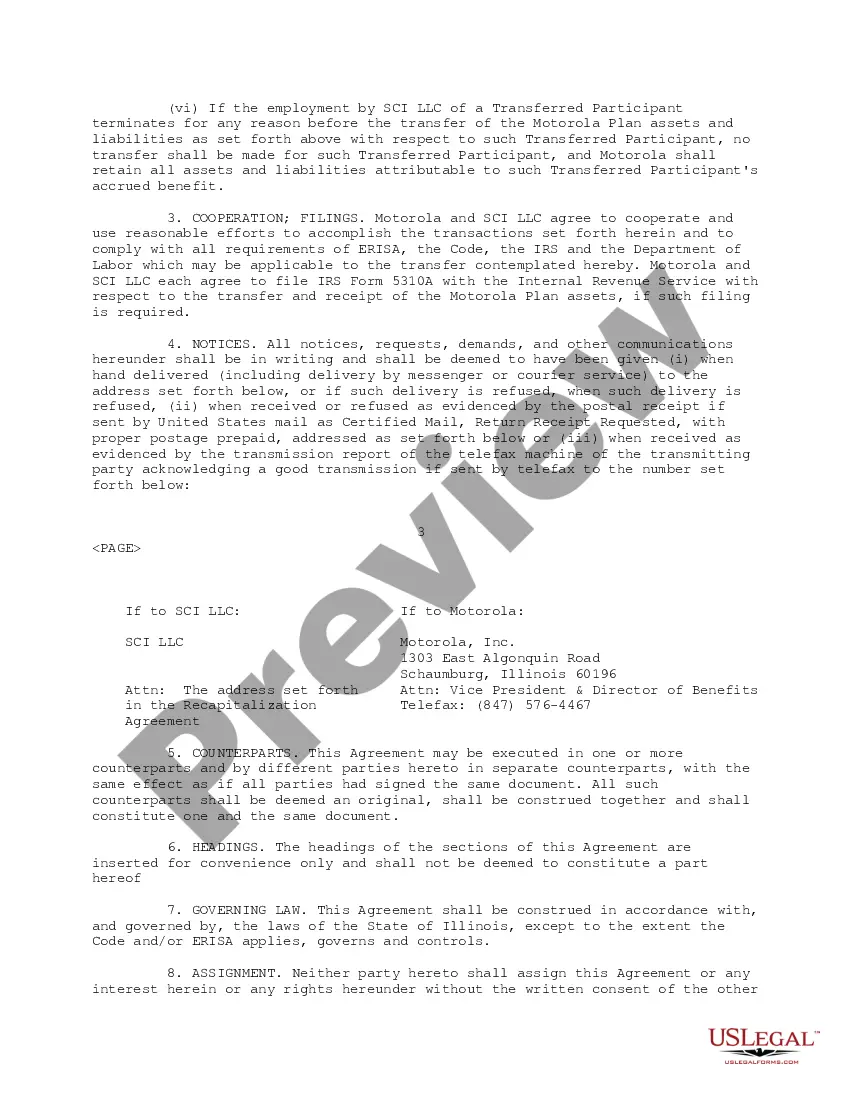
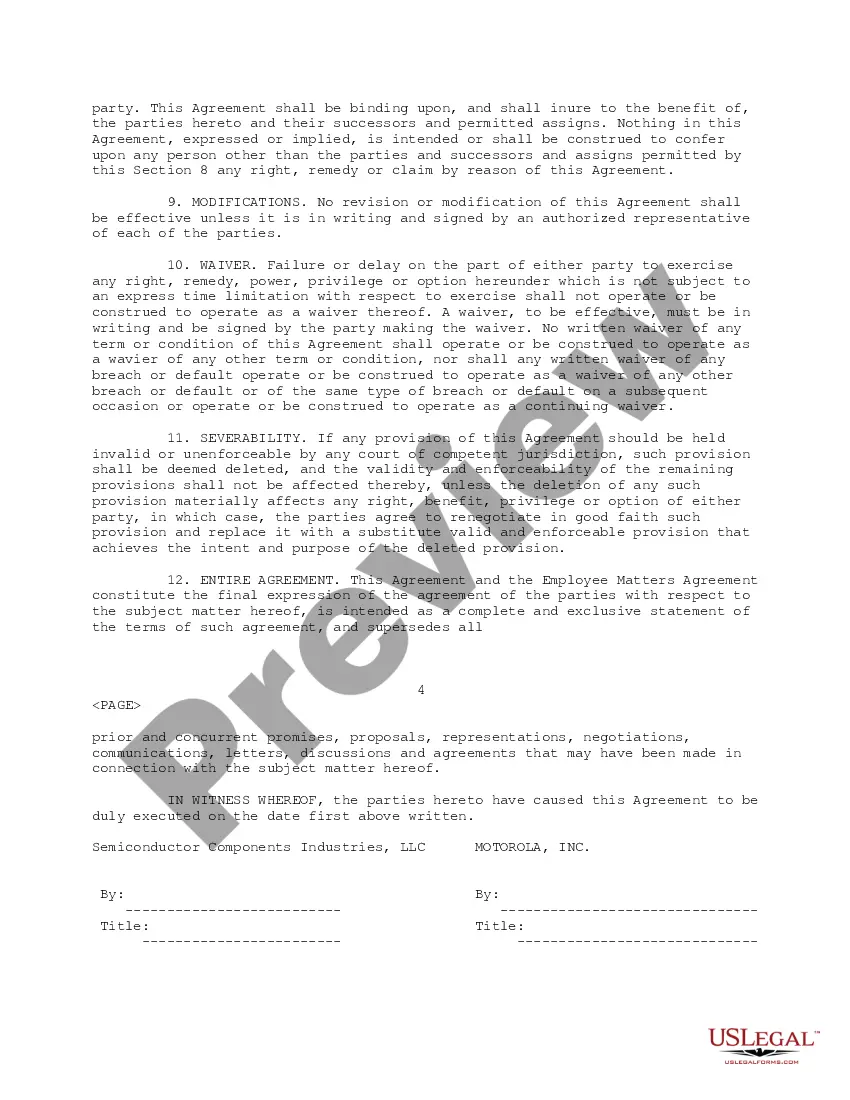
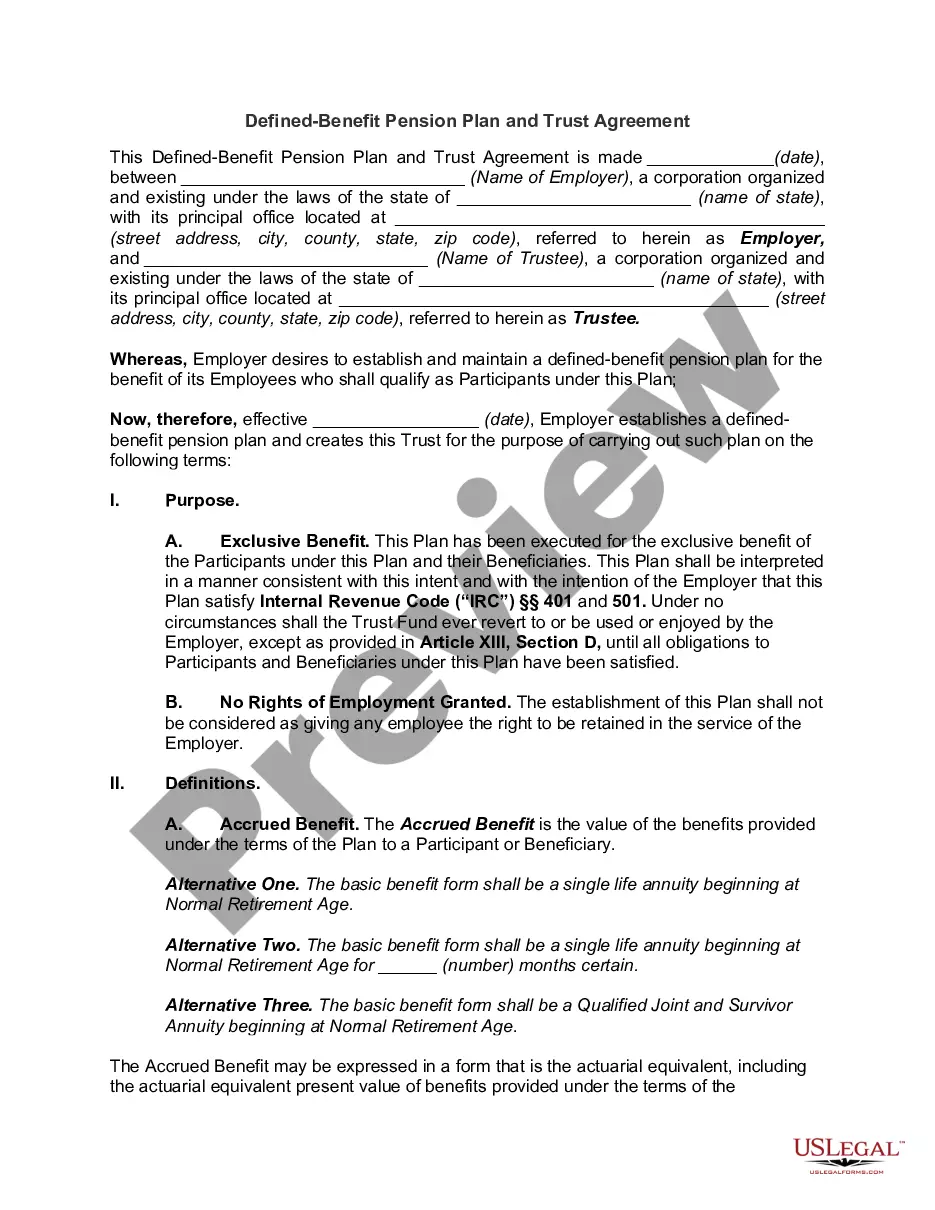
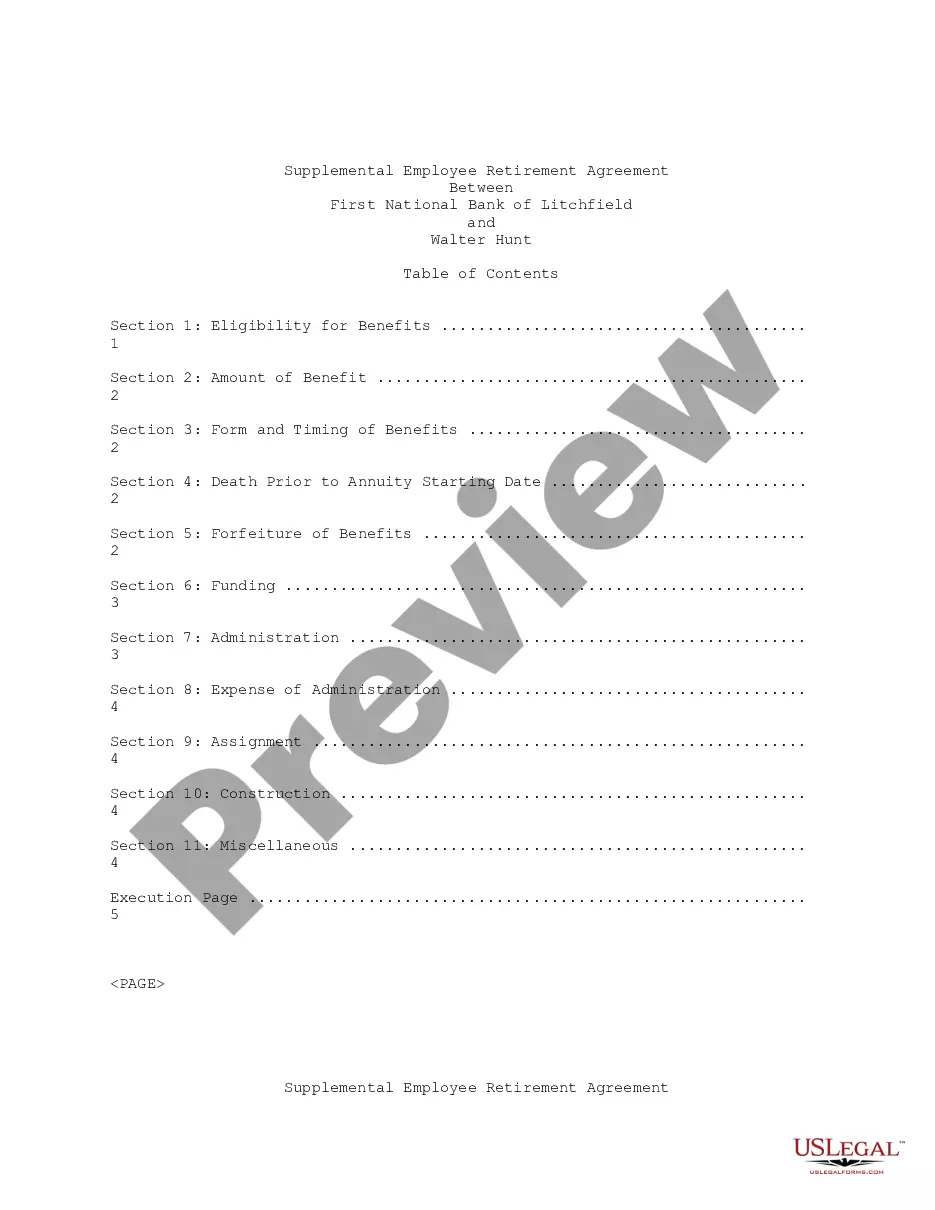
Get your form ready online
Our built-in tools help you complete, sign, share, and store your documents in one place.
Make edits, fill in missing information, and update formatting in US Legal Forms—just like you would in MS Word.
Download a copy, print it, send it by email, or mail it via USPS—whatever works best for your next step.
Sign and collect signatures with our SignNow integration. Send to multiple recipients, set reminders, and more. Go Premium to unlock E-Sign.
If this form requires notarization, complete it online through a secure video call—no need to meet a notary in person or wait for an appointment.
We protect your documents and personal data by following strict security and privacy standards.

Make edits, fill in missing information, and update formatting in US Legal Forms—just like you would in MS Word.

Download a copy, print it, send it by email, or mail it via USPS—whatever works best for your next step.

Sign and collect signatures with our SignNow integration. Send to multiple recipients, set reminders, and more. Go Premium to unlock E-Sign.

If this form requires notarization, complete it online through a secure video call—no need to meet a notary in person or wait for an appointment.

We protect your documents and personal data by following strict security and privacy standards.
Looking for another form?
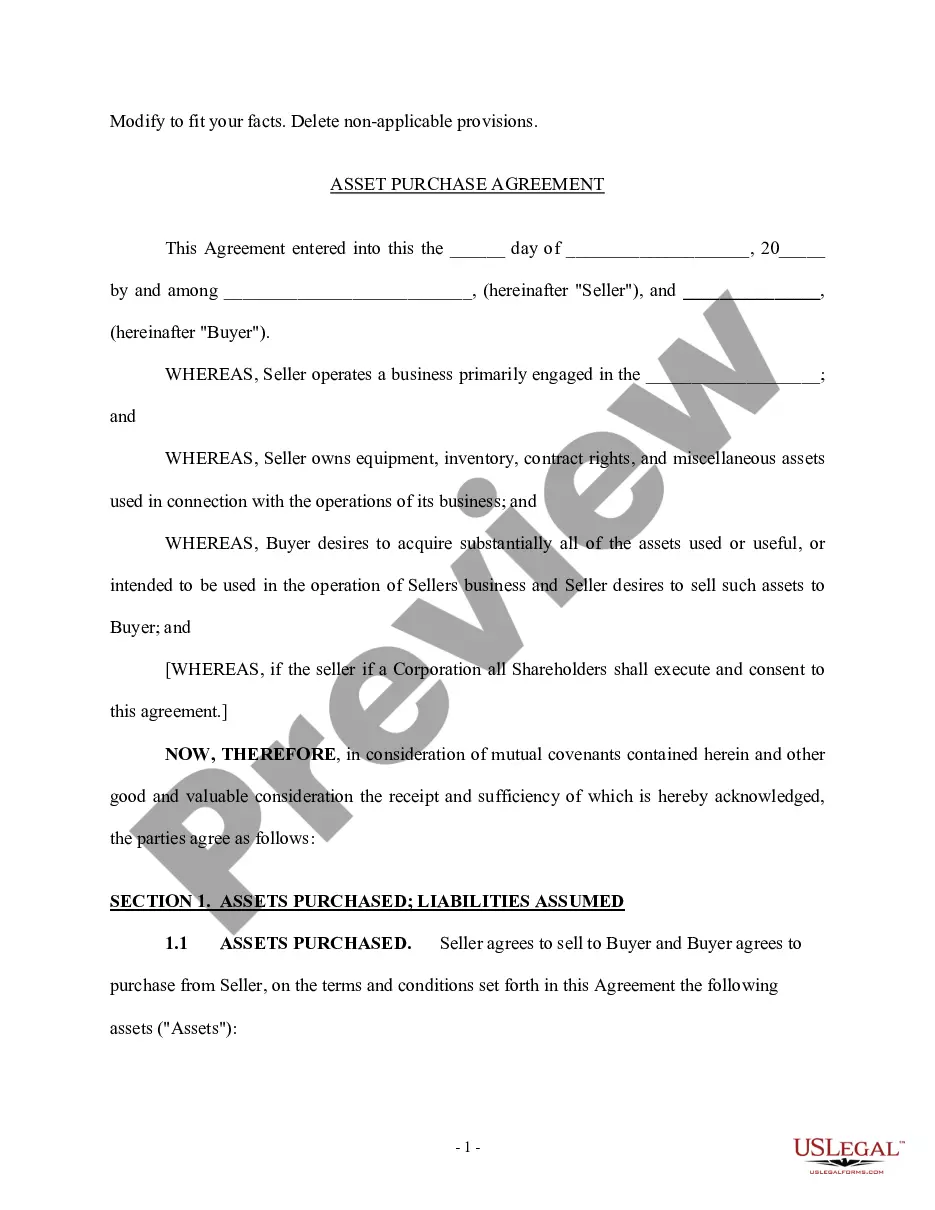
How to fill out Retirement Plan Transfer Agreement For The Motorola, Inc. Pension Plan?
The Retirement Plan With The Federal Government you see on this page is a reusable formal template drafted by professional lawyers in accordance with federal and state laws and regulations.
For over 25 years, US Legal Forms has supplied individuals, businesses, and attorneys with more than 85,000 validated, state-specific forms for any business and personal occasion.
Fill out and sign the documents. Print the template to complete it manually. Alternatively, use an online multifunctional PDF editor to quickly and accurately fill out and sign your form with an eSignature.
- It’s the fastest, most direct, and most dependable method to acquire the documents you require, as the service ensures bank-level data security and anti-malware safeguards.
- Acquiring this Retirement Plan With The Federal Government will involve just a few straightforward steps.
- Search for the document you need and review it. Browse through the file you searched and preview it or examine the form description to confirm it meets your needs. If it does not, use the search feature to locate the correct one. Click Buy Now once you have found the template you require.
- Register and Log In. Select the pricing plan that fits you and create an account. Use PayPal or a credit card to make a swift payment. If you already possess an account, Log In and verify your subscription to proceed.
- Obtain the fillable template. Choose the format you desire for your Retirement Plan With The Federal Government (PDF, DOCX, RTF) and download the sample to your device.
Form popularity
FAQ
Processing a FERS retirement application generally takes about 60 to 90 days. However, this timeline can vary based on individual circumstances and the volume of applications being handled at that time. To help expedite the process, ensure that you submit a complete application with all necessary documents related to your retirement plan with the federal government. For further assistance, consider using USLegalForms to streamline your application process.
When preparing to retire from the federal government, you will need several key documents. These typically include your retirement application, a record of service, and any relevant health and life insurance forms. Additionally, it’s wise to gather documents related to your retirement plan with the federal government, such as your FERS or CSRS information. Using USLegalForms can help ensure you have all the correct paperwork ready for submission.
To file for retirement with the federal government, a federal employee must first determine their eligibility based on their retirement plan. Next, they should complete the necessary retirement application forms. It is essential to review all required documentation and submit it through the appropriate channels, such as the agency's human resources office. For a smooth process, consider using resources like USLegalForms to guide you through the retirement application.
To apply for a retirement plan with the federal government, start by reviewing your eligibility and gathering required documents. You can find application forms on the official government website or through your agency's HR department. After completing the forms, submit them along with any necessary documentation. If you need additional support during this process, USLegalForms offers resources to assist you.
The processing time for a federal retirement application can vary, but it usually takes around 60 to 90 days. Factors such as the completeness of your application and the current workload of the retirement office can influence this timeline. To ensure a smooth process, double-check that all forms are filled out correctly and that you have included all necessary documentation. For assistance, consider using USLegalForms for a streamlined experience.
To retire from the federal government, you must meet specific eligibility criteria, including age and years of service. Generally, you must be at least 62 years old with at least five years of service, or you can retire at 55 with 30 years of service. It's essential to verify your eligibility based on your position and retirement plan. If you have questions, USLegalForms can help clarify these requirements.
Processing a federal retirement plan typically takes several months, depending on various factors such as the complexity of your case and the volume of applications being handled. Generally, you can expect to wait anywhere from 60 to 90 days for your application to be processed. To avoid delays, ensure that you submit all required documents accurately and on time. If you need help, USLegalForms can guide you through the necessary steps.
To start applying for a retirement plan with the federal government, you should first gather information about your service history and eligibility. Next, visit the official government website or contact your agency's human resources department for guidance on the application process. You will need to fill out the appropriate forms and submit them along with any required documents. If you find the process overwhelming, consider using platforms like USLegalForms to simplify your application.
Federal employees have access to a comprehensive retirement plan with the federal government that includes several key components. Primarily, they participate in the Federal Employees Retirement System (FERS), which provides a pension, Social Security benefits, and a Thrift Savings Plan (TSP). The TSP allows employees to save additional funds for retirement, often with employer matching contributions. This multi-faceted structure ensures that federal employees can enjoy a secure and comfortable retirement.
Generally, you need at least five years of federal service to qualify for retirement benefits. However, the specific number of years can vary based on the retirement plan you are enrolled in and your age at retirement. Longer service often translates into better benefits, allowing for a more comfortable retirement. Understanding these requirements will help you navigate your career with the federal government and plan for your future.