Stock Option E Vesting
Description

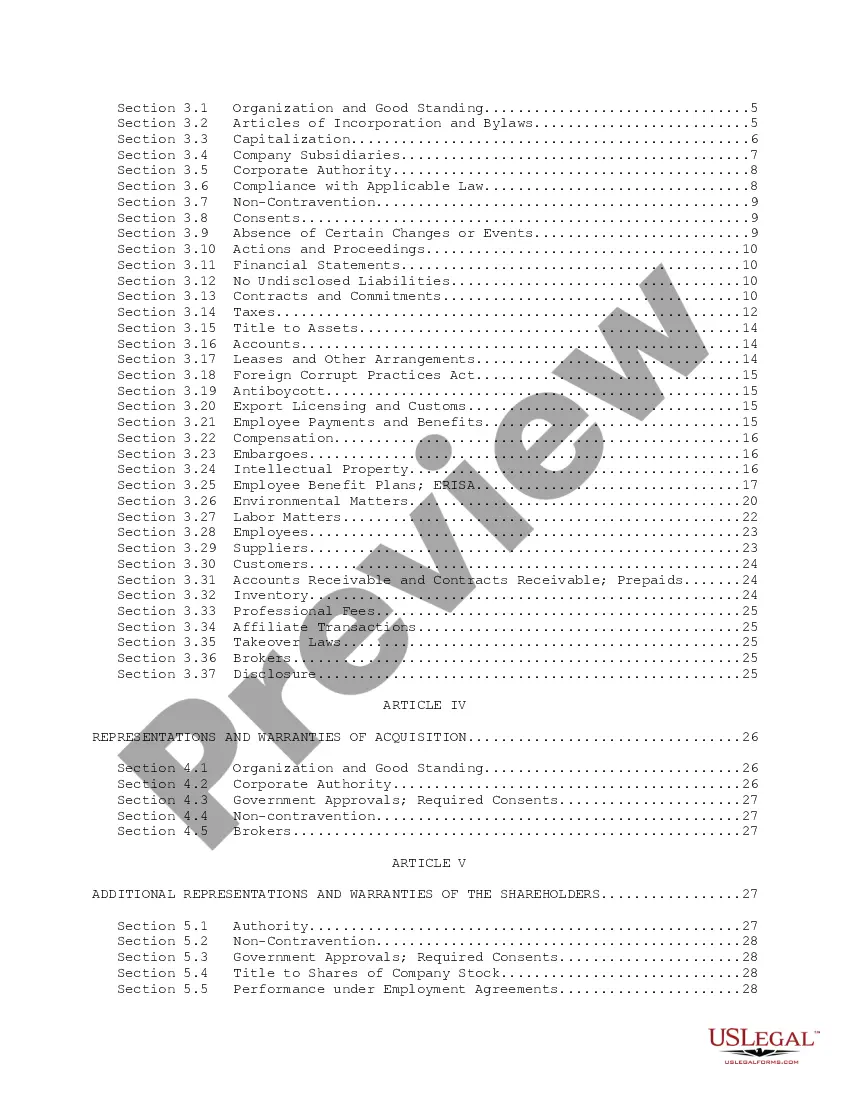
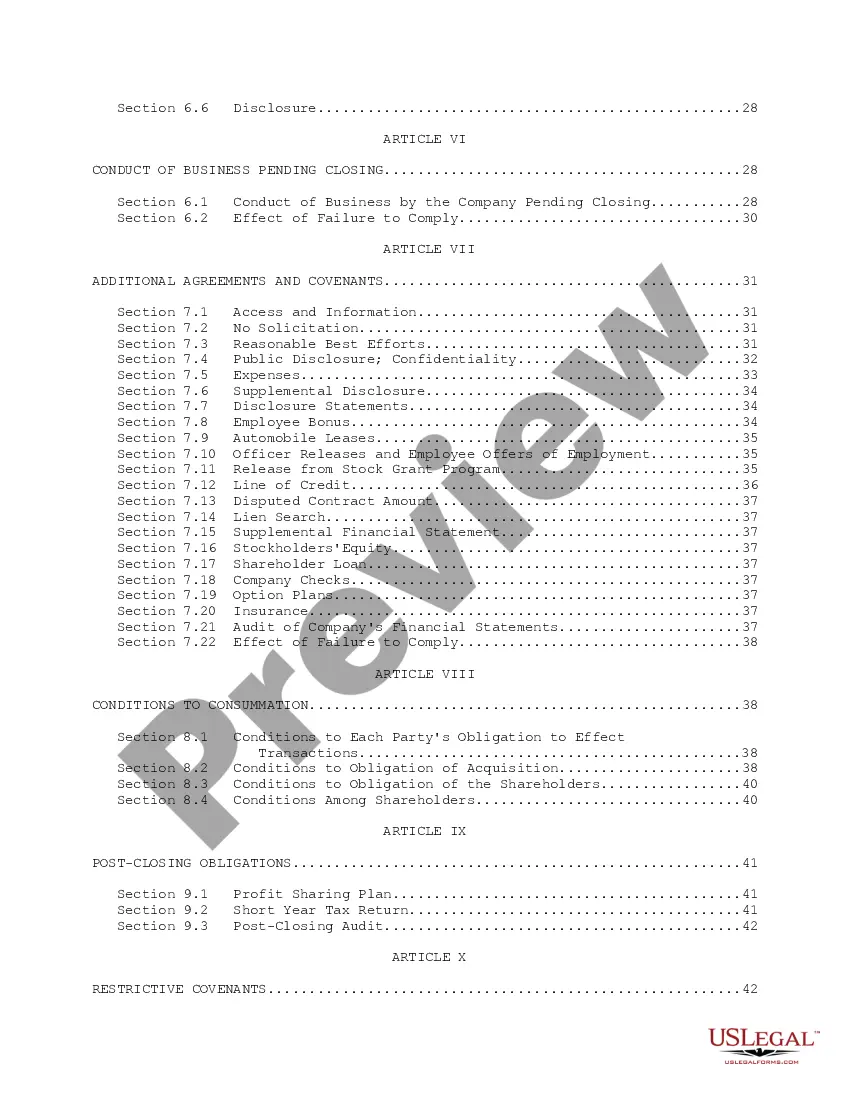
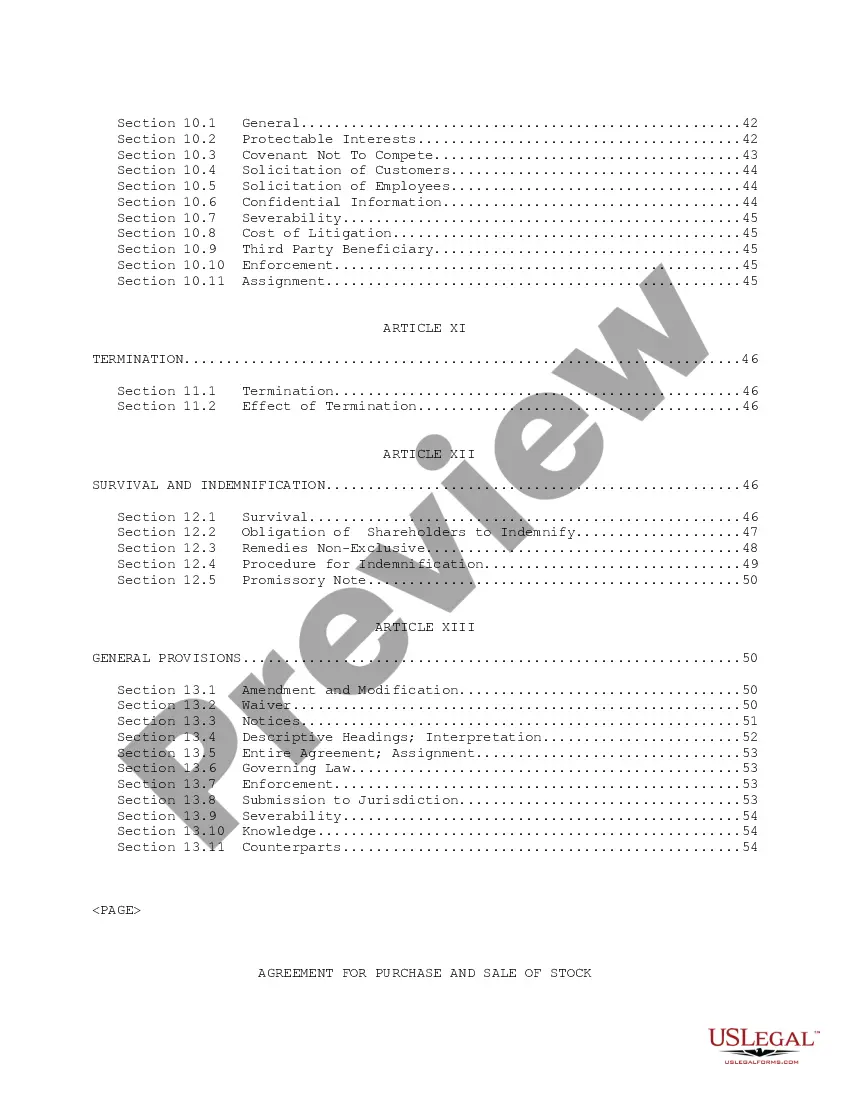
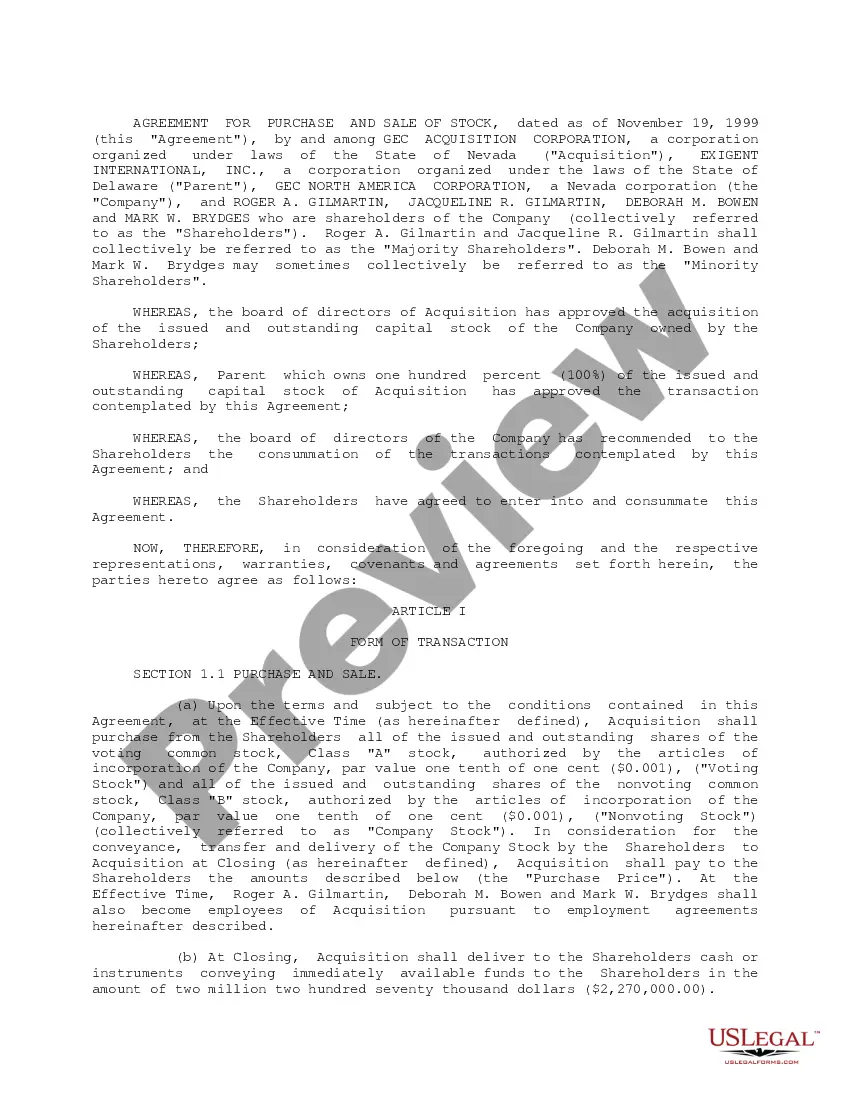


Get your form ready online
Our built-in tools help you complete, sign, share, and store your documents in one place.
Make edits, fill in missing information, and update formatting in US Legal Forms—just like you would in MS Word.
Download a copy, print it, send it by email, or mail it via USPS—whatever works best for your next step.
Sign and collect signatures with our SignNow integration. Send to multiple recipients, set reminders, and more. Go Premium to unlock E-Sign.
If this form requires notarization, complete it online through a secure video call—no need to meet a notary in person or wait for an appointment.
We protect your documents and personal data by following strict security and privacy standards.

Make edits, fill in missing information, and update formatting in US Legal Forms—just like you would in MS Word.

Download a copy, print it, send it by email, or mail it via USPS—whatever works best for your next step.

Sign and collect signatures with our SignNow integration. Send to multiple recipients, set reminders, and more. Go Premium to unlock E-Sign.

If this form requires notarization, complete it online through a secure video call—no need to meet a notary in person or wait for an appointment.

We protect your documents and personal data by following strict security and privacy standards.
Looking for another form?








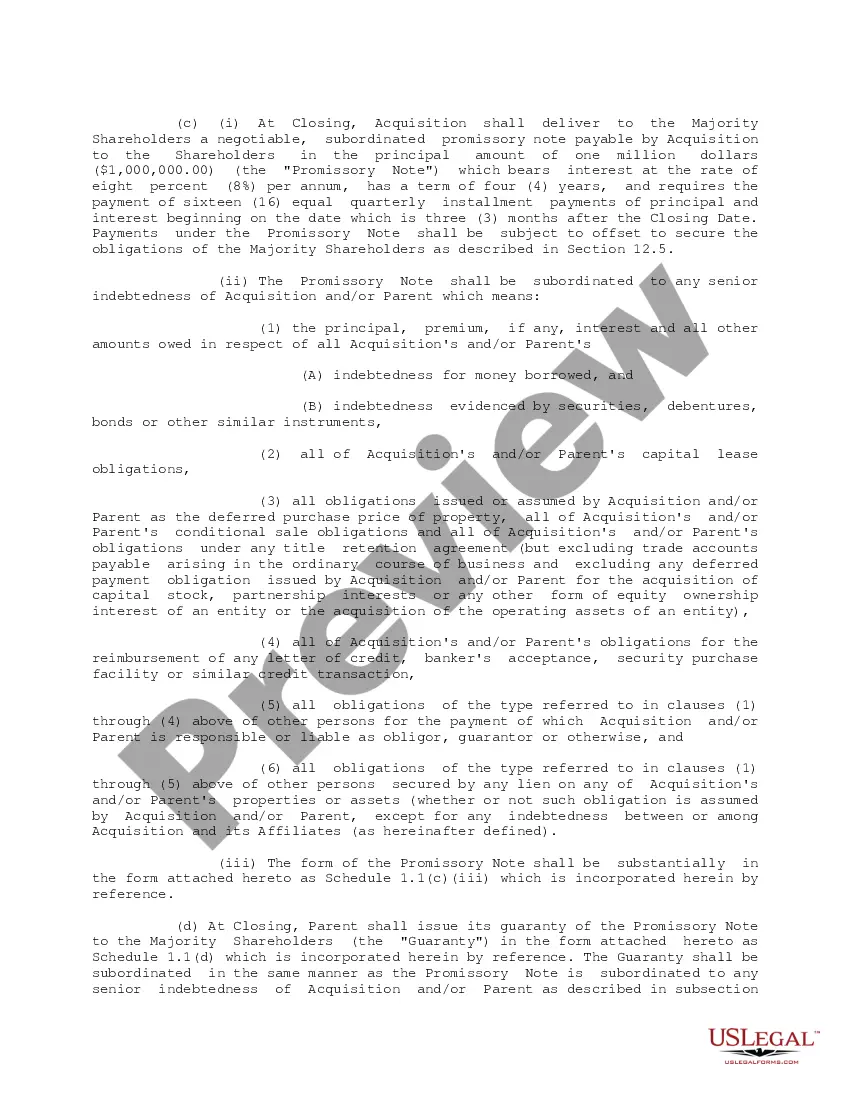
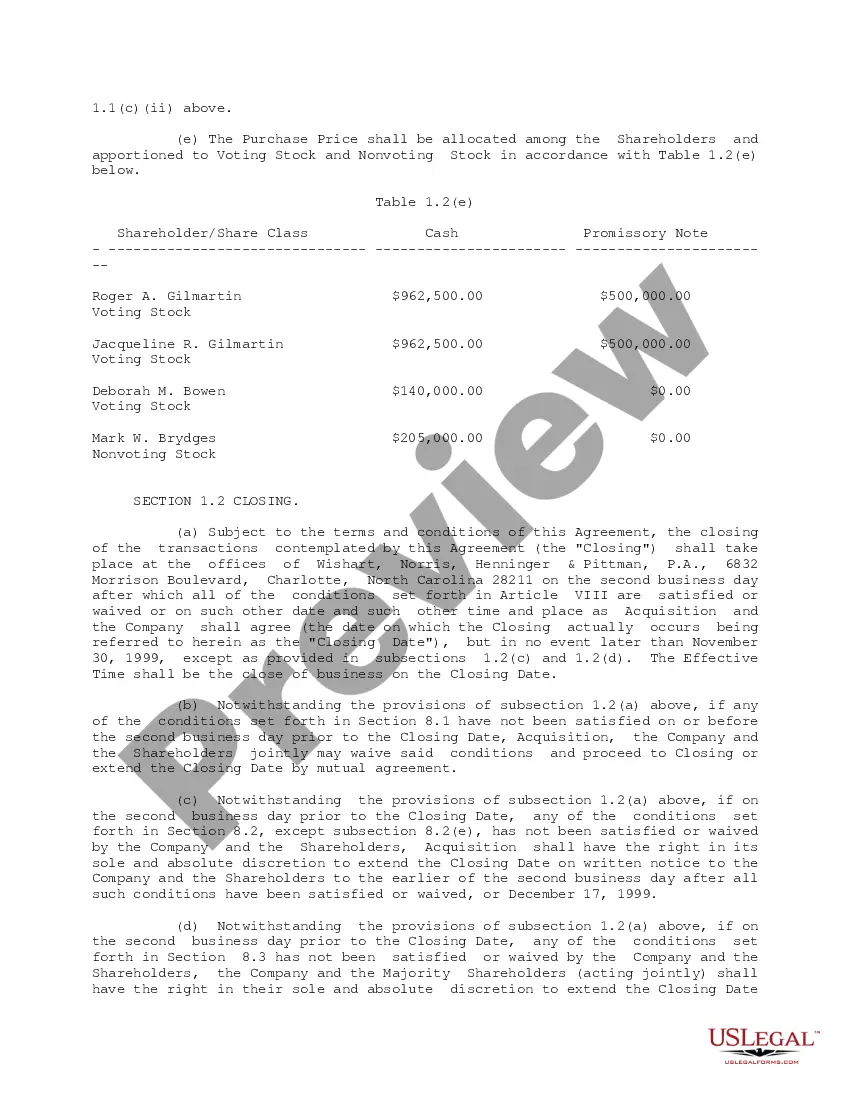
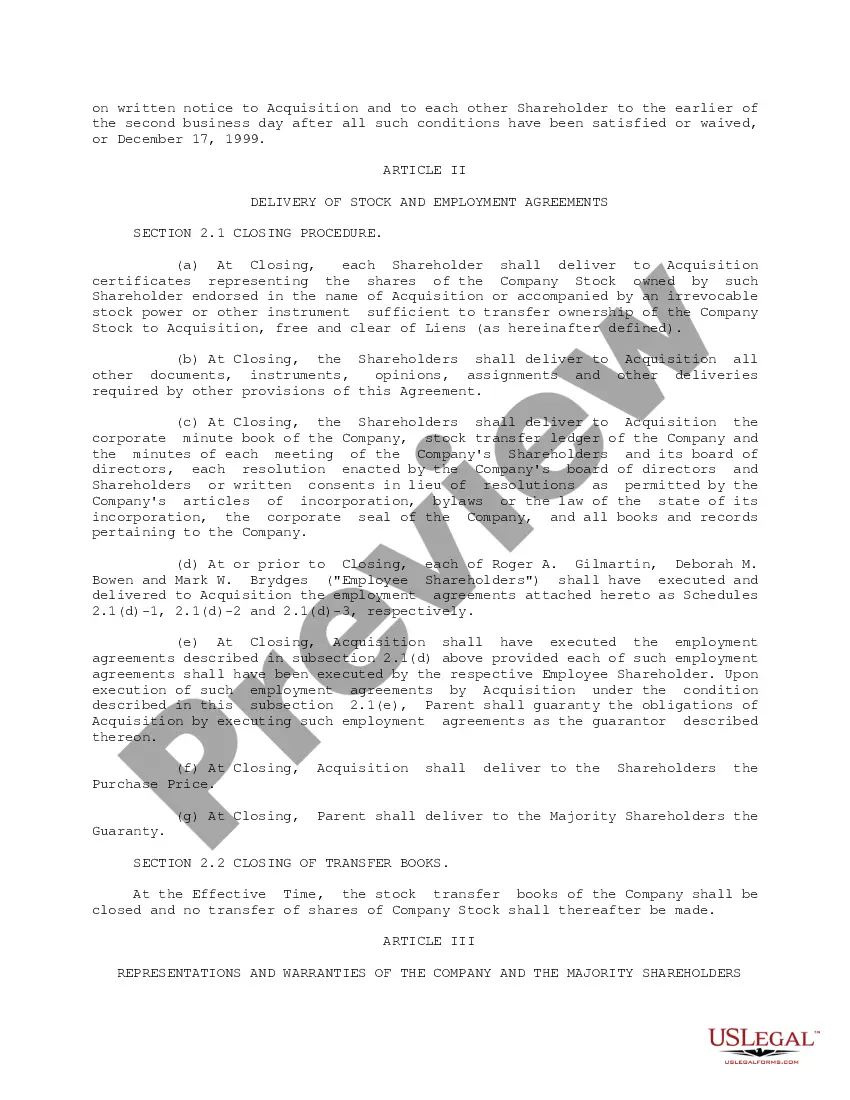
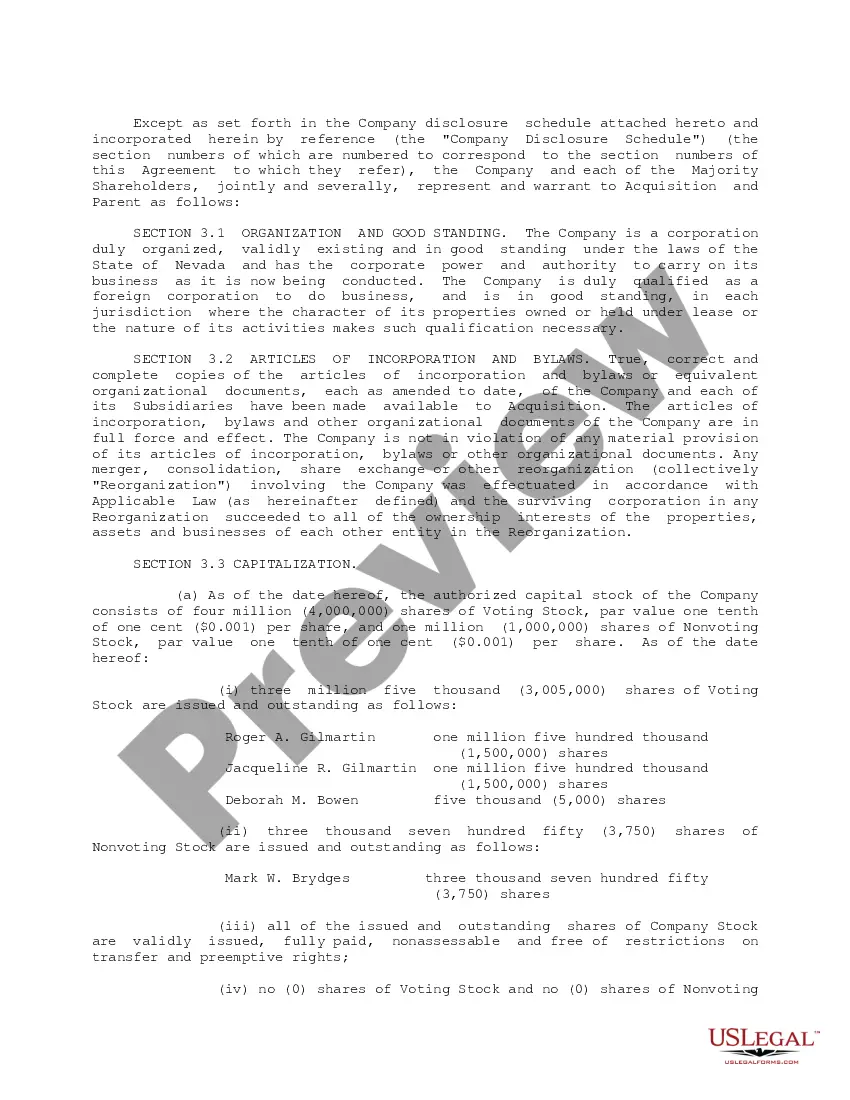
How to fill out Sample Purchase And Sale Agreement Purchase And Sale Of Stock Between GEC Acquisition Corp., Exigent International, Inc., GEC North America Corp.?
- If you're returning to US Legal Forms, log into your account and find the desired stock option e vesting form. Ensure your subscription is current; renew if necessary.
- For first-time users, start by checking the Preview mode and form description to confirm you have selected the right template that aligns with your local jurisdiction.
- If adjustments are needed, utilize the Search tab above to explore additional templates until you find one that fits your requirements.
- Once you’ve selected the appropriate document, proceed to purchase it by clicking on the Buy Now button and selecting your preferred subscription plan. An account registration is required for accessing the library.
- Complete your transaction by entering your credit card details or using PayPal for secure payment.
- After successful payment, download your form and save it on your device for easy access. You can also revisit it anytime from the My Forms section of your profile.
US Legal Forms not only provides a vast collection of forms, exceeding competitors in variety, but it also gives you access to premium experts for assistance with your document completion.
Streamline your stock option e vesting process today by utilizing US Legal Forms — ensuring that your legal documents are accurate and compliant. Start now!
Form popularity
FAQ
Calculating vesting requires an understanding of your stock options agreement and the vesting schedule. Usually, you take the total number of options and apply the percentage specified in your schedule. For example, if you have 1,000 options vesting over four years, you'll gain 250 options after the first year, with the remaining options vesting monthly thereafter. Grasping this process is crucial for managing your stock option e vesting successfully.
The standard vesting schedule for stock options typically ranges from three to five years. A popular choice is a four-year schedule with a one-year cliff, meaning that the first portion vests after one year, followed by monthly vesting thereafter. This structured timeline is beneficial as it encourages employee retention and aligns personal and company growth. Knowing the ins and outs of stock option e vesting ensures you maximize your benefits.
The vesting formula for stock options often follows a schedule set by your employer, usually defined as a percentage of the total options per year. A common formula is a four-year vesting period with a one-year cliff, meaning you gain access to 25% of your options after the first year. The remaining options then vest monthly over the next three years. Understanding this helps you navigate stock option e vesting effectively.
Yes, shares are taxed when they vest, which means you recognize income at this point based on the fair market value of the stock. This taxation is often seen with stock option e vesting and can impact your overall tax liability for the year. To navigate these tax implications smoothly, consider consulting resources on US Legal Forms for guidance on managing your stock options effectively and in compliance with IRS regulations.
Yes, vested stock does appear on your W-2, specifically under Box 1 as part of your total wages. This includes any income recognized upon stock option e vesting, which may affect your overall taxable income. By reviewing your W-2 thoroughly, you can ensure you account for this income properly. US Legal Forms can assist you in generating necessary documents and understanding how to read your tax forms.
Box 12 Code V on your W-2 indicates the amount of income you gained from restricted stock units (RSUs) that have become vested. This amount will also be included in your total taxable wages. Understanding this code is essential for correctly incorporating stock option e vesting income into your tax return. For more detailed explanations, US Legal Forms can provide resources that clarify tax document codes.
Deciding whether to sell stock options upon vesting depends on your personal financial goals and market conditions. Some might choose to sell immediately to realize profits, while others may hold onto the stocks anticipating further value increases. Carefully assessing your risk tolerance and financial situation is essential. Moreover, US Legal Forms can assist you in managing your stock option e vesting process effectively.
When a stock is vesting, it means that the employee is gradually earning the right to access their stock options. This occurs over a predetermined timeline, often tied to their tenure with the company. As each milestone is reached, more options become available for the employee to exercise. This incentivizes employees to remain with the company long-term, benefiting both parties.
Exercising your stock options immediately after they vest depends on multiple factors, including your financial situation and the company’s stock performance. You should consider the potential tax implications and your long-term investment goals before making a decision. Being informed about stock option e vesting can guide you in deciding the right moment to exercise. For personalized advice, explore the resources offered by UsLegalForms.
If you quit your job, your vested stock options typically remain under your ownership for a limited period. This period allows you to decide whether to exercise those options before they expire. Understanding how stock option e vesting affects your options post-employment is crucial for your financial planning. You can find tailored legal information from UsLegalForms to navigate this transition.