Difference Between Sale Agreement With Possession And Without Possession
Description
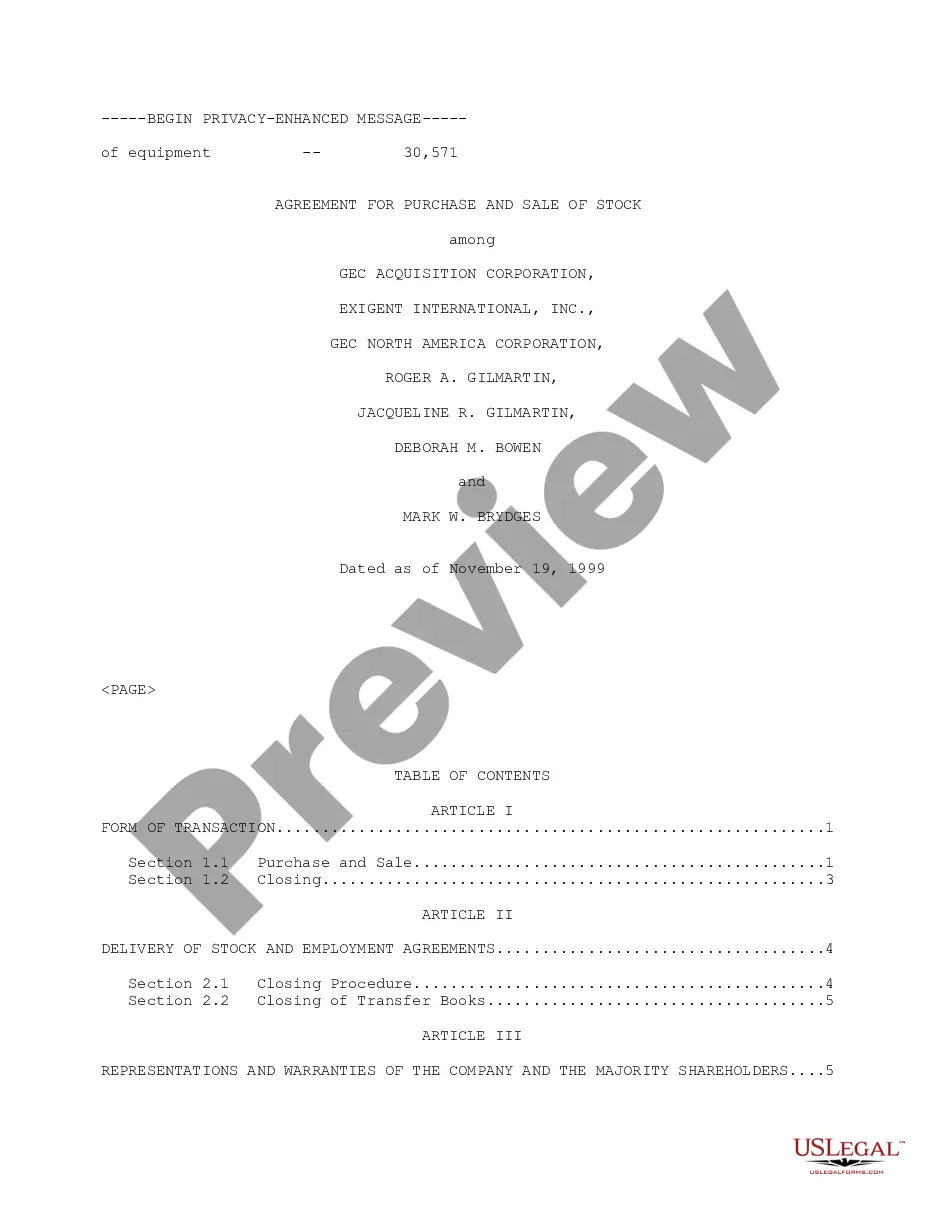
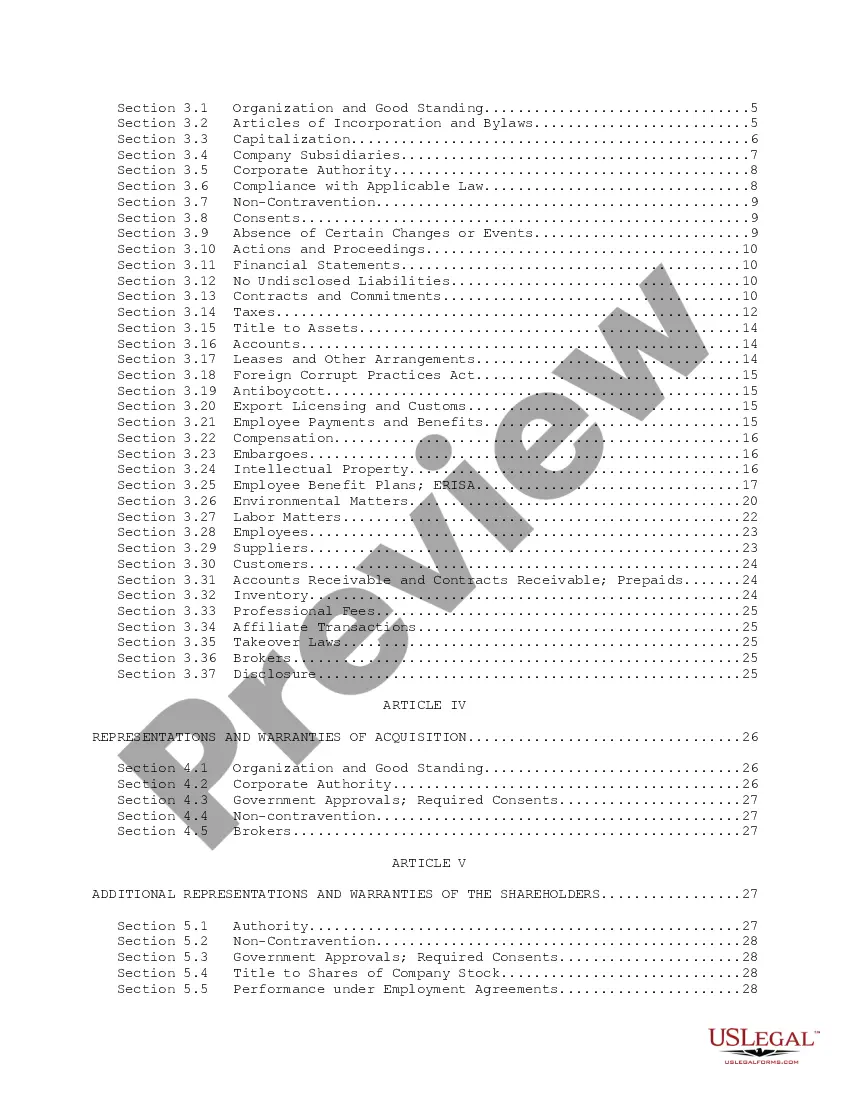
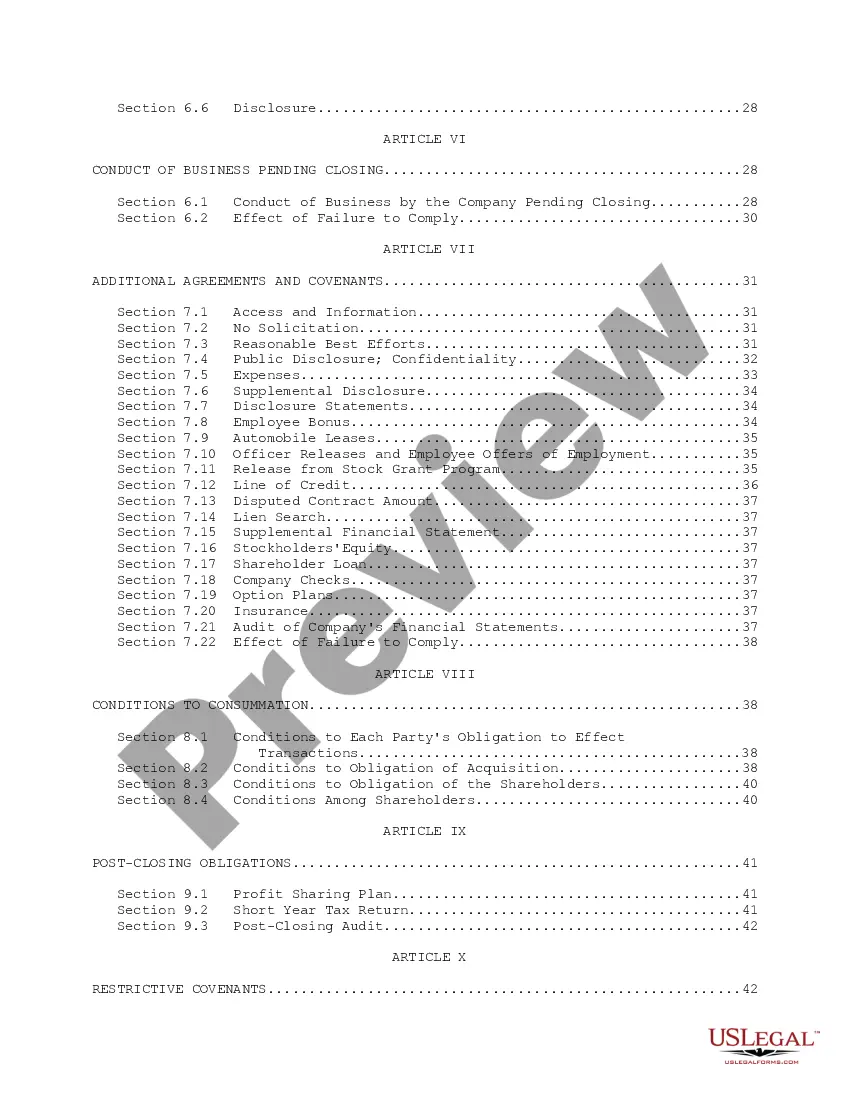
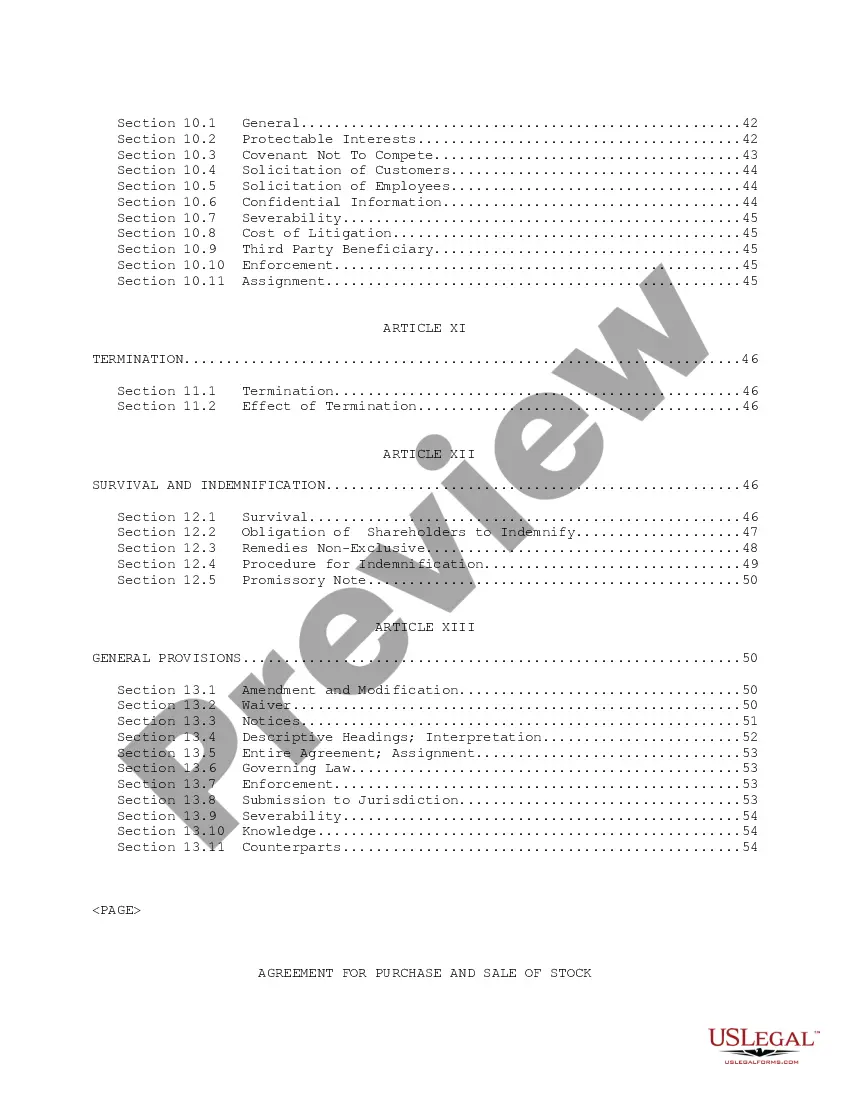

Get your form ready online
Our built-in tools help you complete, sign, share, and store your documents in one place.
Make edits, fill in missing information, and update formatting in US Legal Forms—just like you would in MS Word.
Download a copy, print it, send it by email, or mail it via USPS—whatever works best for your next step.
Sign and collect signatures with our SignNow integration. Send to multiple recipients, set reminders, and more. Go Premium to unlock E-Sign.
If this form requires notarization, complete it online through a secure video call—no need to meet a notary in person or wait for an appointment.
We protect your documents and personal data by following strict security and privacy standards.

Make edits, fill in missing information, and update formatting in US Legal Forms—just like you would in MS Word.

Download a copy, print it, send it by email, or mail it via USPS—whatever works best for your next step.

Sign and collect signatures with our SignNow integration. Send to multiple recipients, set reminders, and more. Go Premium to unlock E-Sign.

If this form requires notarization, complete it online through a secure video call—no need to meet a notary in person or wait for an appointment.

We protect your documents and personal data by following strict security and privacy standards.
Looking for another form?





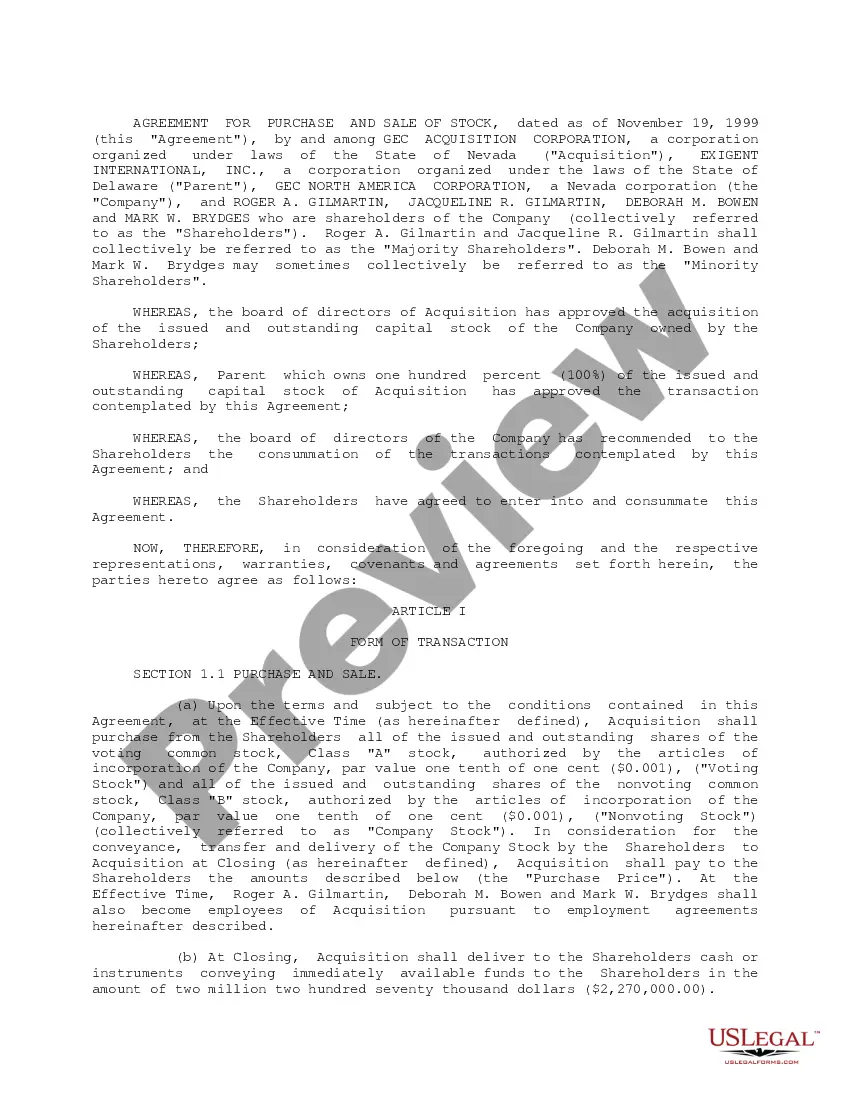
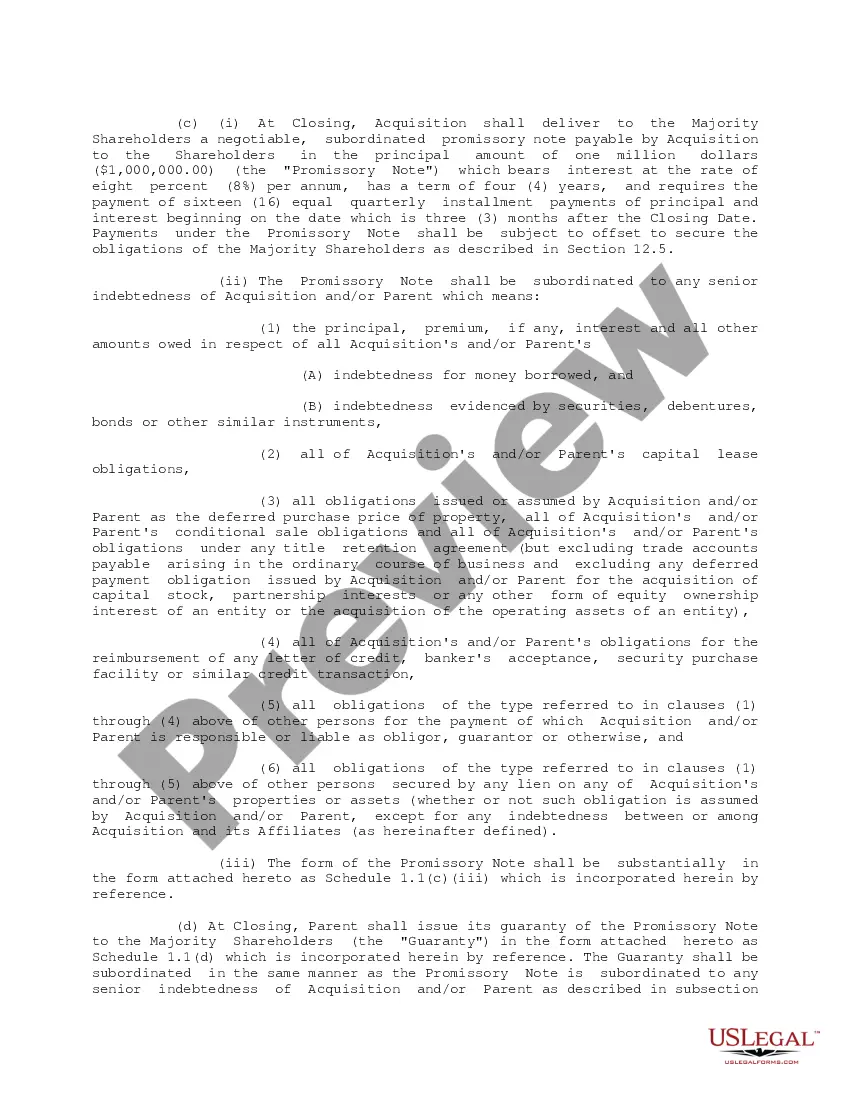
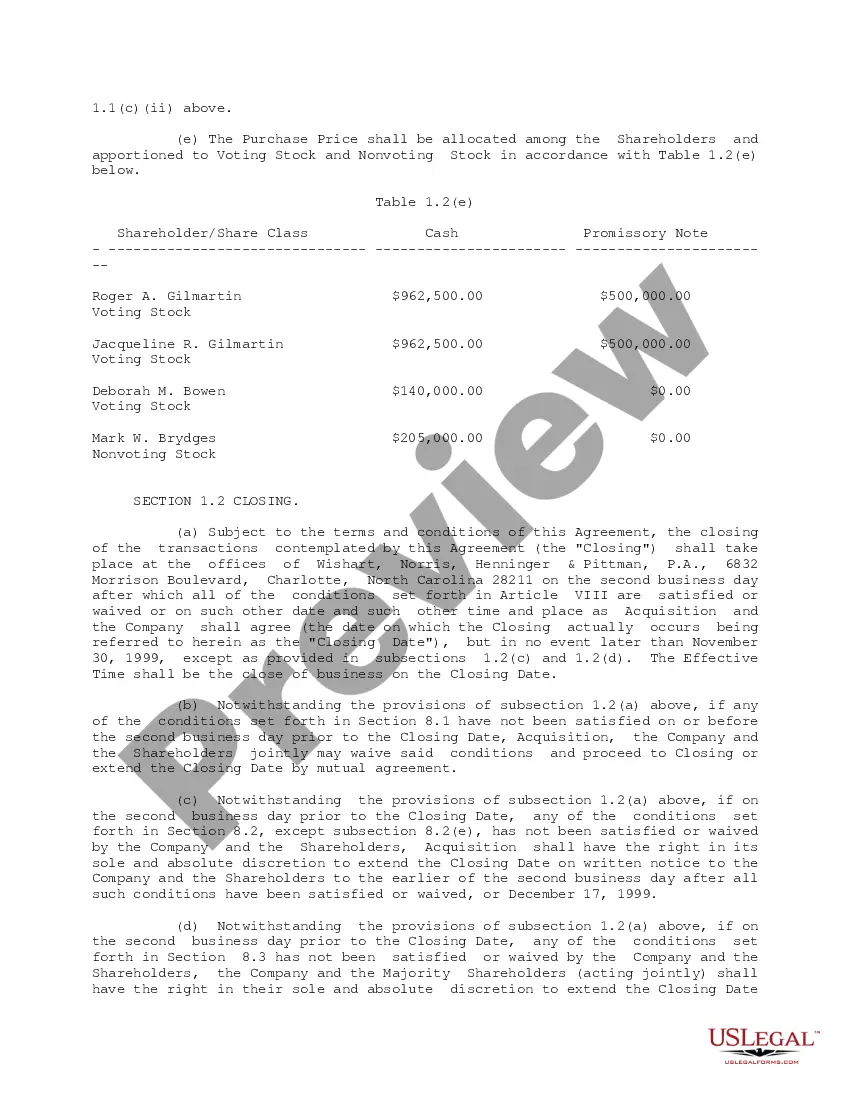
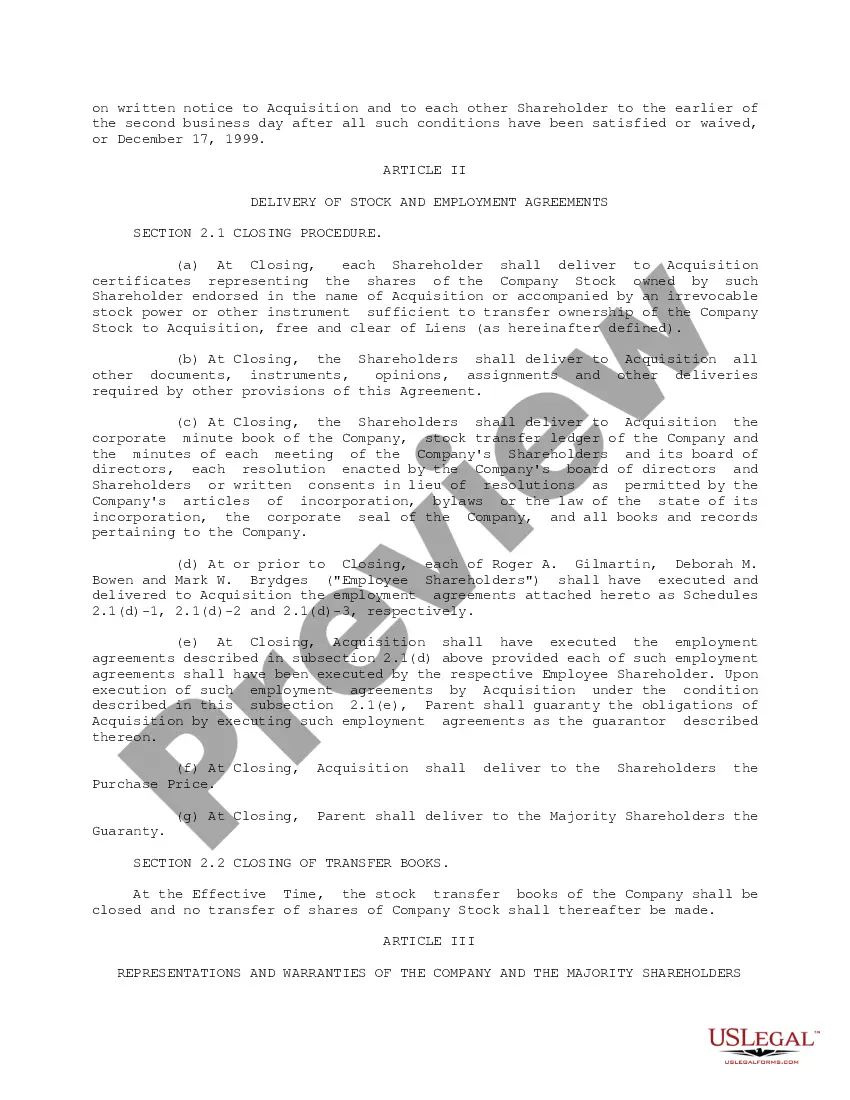
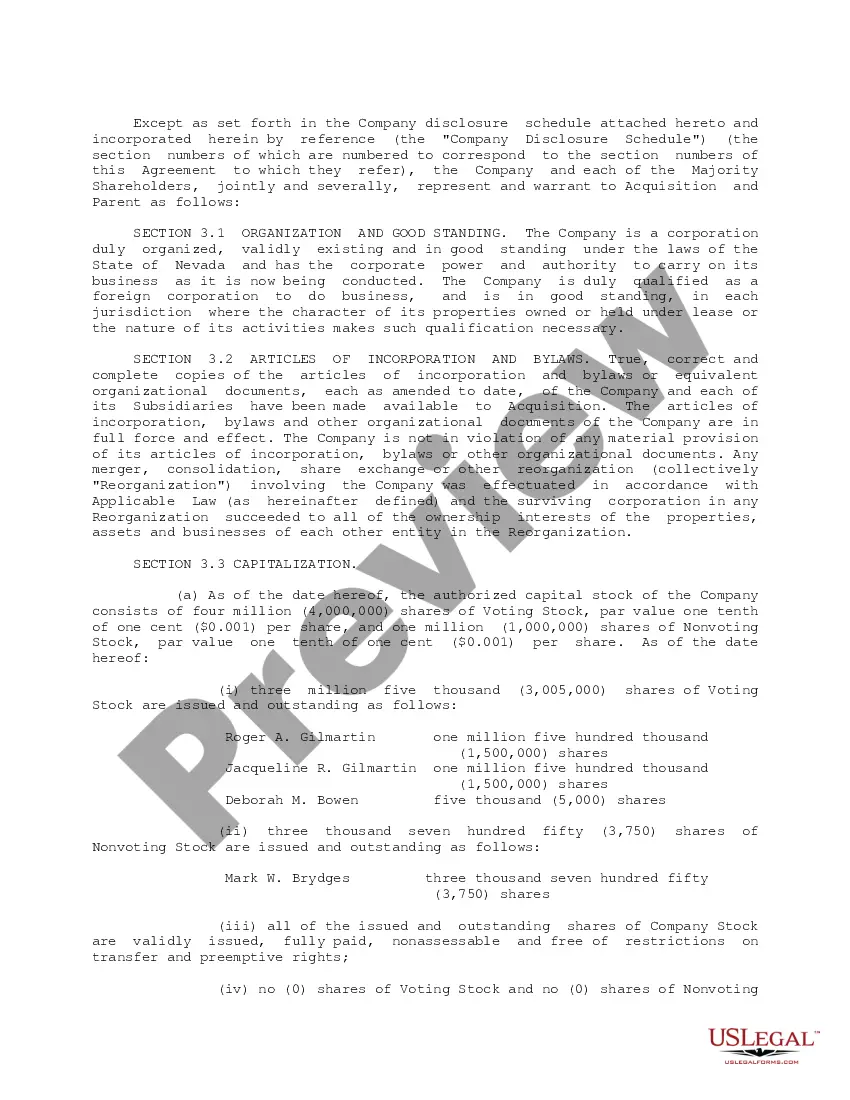
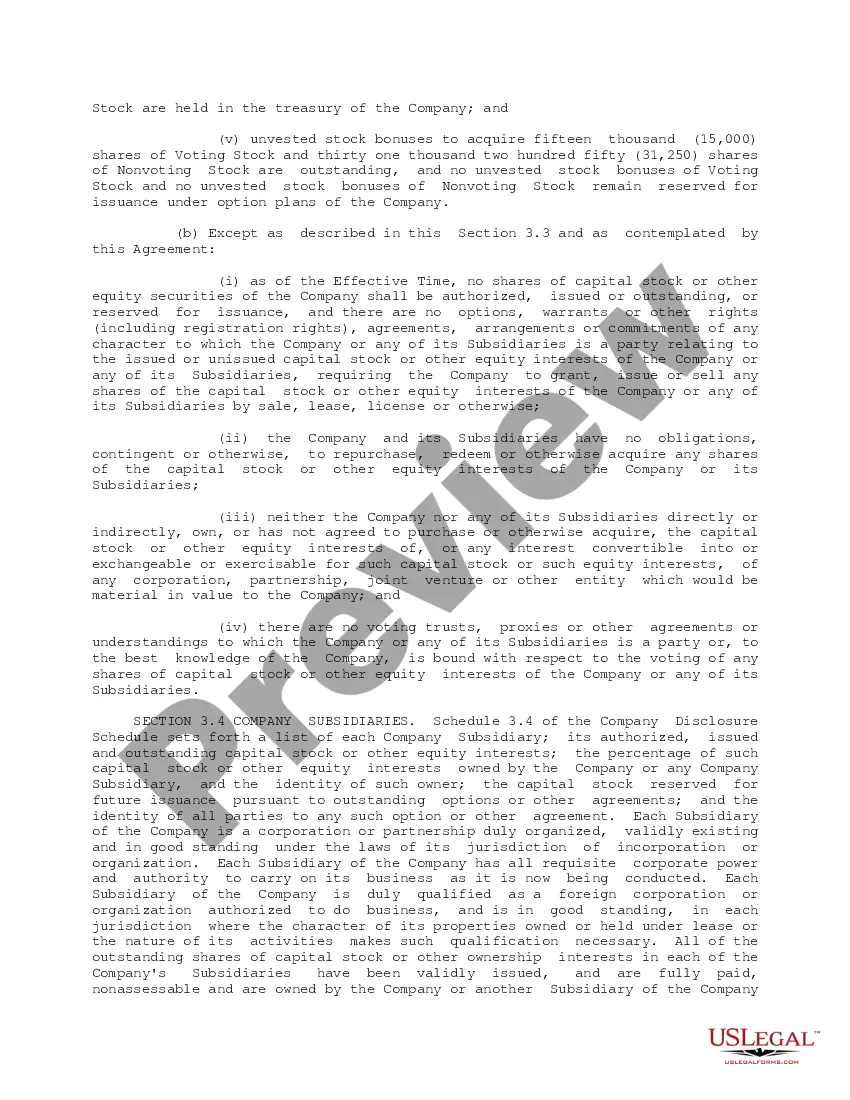
How to fill out Sample Purchase And Sale Agreement Purchase And Sale Of Stock Between GEC Acquisition Corp., Exigent International, Inc., GEC North America Corp.?
- If you're a returning user, log into your account and easily download your needed form template by clicking the Download button. Ensure your subscription is active; renew as needed.
- For first-time users, start by previewing the form description to confirm it's suitable for your specific needs and local requirements.
- In case you need a different template, utilize the Search feature at the top of the page to find the correct one. Once confirmed, proceed to the following step.
- Select your document by clicking the Buy Now button, choosing your preferred subscription plan; registration for an account is required to unlock full access.
- Complete your purchase by entering your credit card information or opting for PayPal to finalize your subscription.
- Download your form and save the template to your device for completion. Access it later in the My Forms section of your profile.
In conclusion, US Legal Forms provides an extensive library that empowers individuals and attorneys to swiftly navigate legal document creation. With over 85,000 editable forms, users can find exactly what they need.
Don't hesitate—explore US Legal Forms today and simplify your legal documentation experience!
Form popularity
FAQ
Possession means the right to occupy and control a property, even if the sale has not yet been completed. Understanding its possession is key in grasping the difference between sale agreements with possession and without possession. When a buyer takes possession, they may assume responsibilities associated with the property, including maintenance and utilities. Ensuring your agreement outlines these details avoids future conflicts.
Without possession signifies that the buyer will not occupy or access the property until the official transfer of ownership occurs. Recognizing the difference between sale agreements with possession and without possession is vital for any buyer. This clause often protects the seller by maintaining control over the property until payment is complete. Clear communication and thorough agreement review are essential for a smooth transition.
No possession typically indicates that the buyer does not gain access to the property until the sale is finalized. This scenario underscores the difference between sale agreements with possession and without possession. Buyers should be aware that this may delay their ability to use or occupy the property, which can be crucial in certain situations. Understanding the terms of your contract can prevent misunderstandings from arising.
Yes, you may take possession before closing, but it requires a specific arrangement in the sale agreement. This approach highlights the difference between sale agreements with possession and without possession. It's essential to understand the implications, such as potential risks and liabilities, when entering a property early. Consulting with a legal expert can help clarify your responsibilities and rights.
The possession date is when the buyer gains the legal right to occupy and control the property, while the commencement date typically refers to when any legal agreements, such as leases, officially begin. These dates can vary significantly based on the terms of the sale agreement. Knowing the distinction is essential, especially when navigating the difference between sale agreement with possession and without possession.
Possession grants legal rights to control a property, while occupancy is about physically being present in that space. A person can occupy a property without possessing it, for instance, if they are a tenant or guest. Understanding these terms helps clarify rights and obligations in property transactions, especially in the context of the difference between sale agreement with possession and without possession.
The timeline for taking possession after closing typically depends on the terms of the sale agreement. Generally, the buyer can take possession immediately upon closing, unless the agreement states otherwise. It's important to review these terms carefully to understand your rights and responsibilities concerning the difference between sale agreement with possession and without possession.
Closing on a house refers to the finalization of the sale, where ownership transfers from the seller to the buyer. However, taking possession is about actually moving into or occupying the property. These two events can happen at the same time or at different times, depending on the conditions outlined in the sale agreement, particularly regarding possession.
Legally, occupancy occurs when a person has physical control over a property, suggesting they are using it as their residence. This often implies having a right to be there due to a lease, rental agreement, or some other legal arrangement. It's important to clarify occupancy terms in any sale agreement, especially regarding the difference between sale agreement with possession and without possession.
Without possession means that a buyer does not have the legal right to occupy the property immediately after the sale. In this case, the buyer may need to wait for a set period before they can move in, depending on the terms of the sale agreement. This arrangement can affect the buyer's enjoyment of the property and must be carefully understood in terms of legal implications.