Tenant Improvement Examples
Description
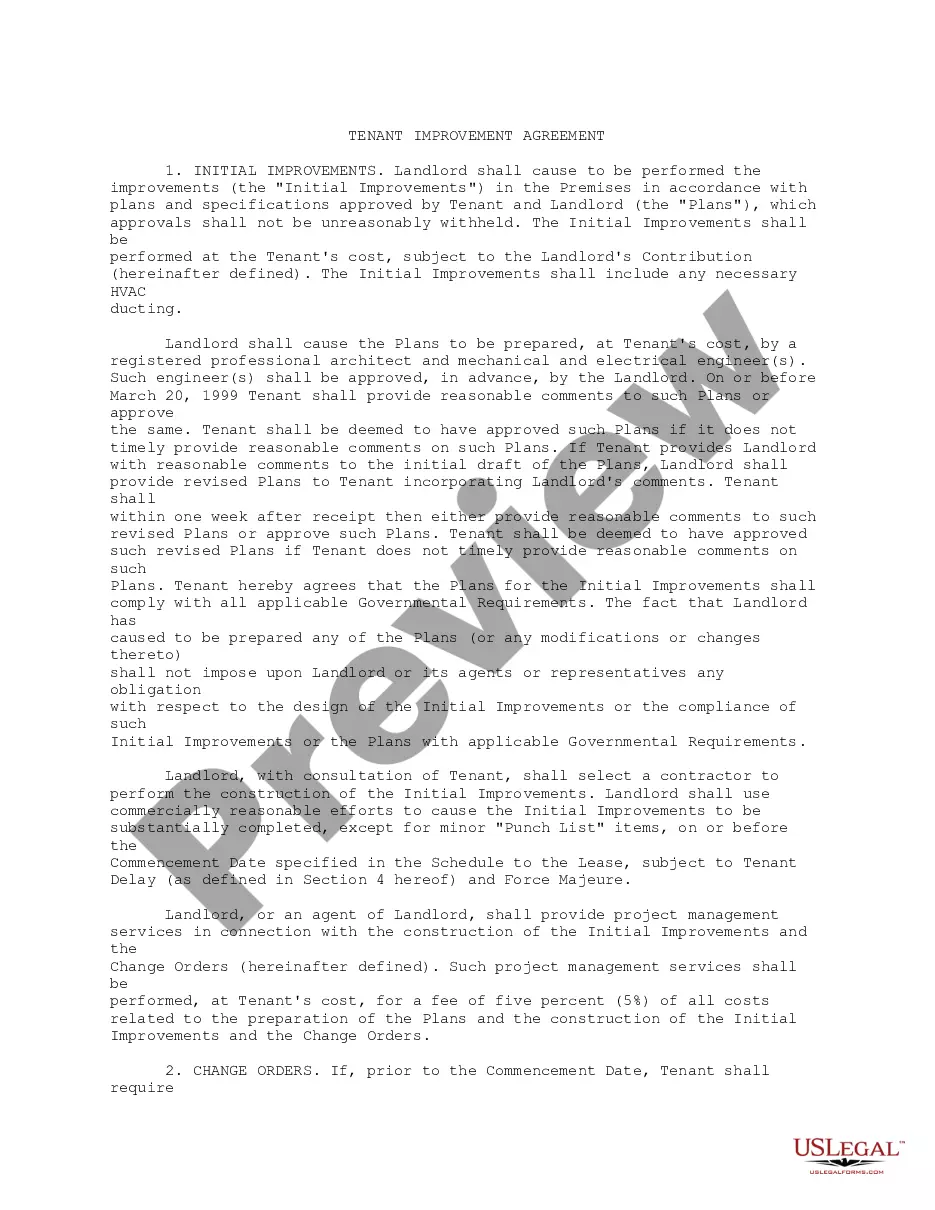
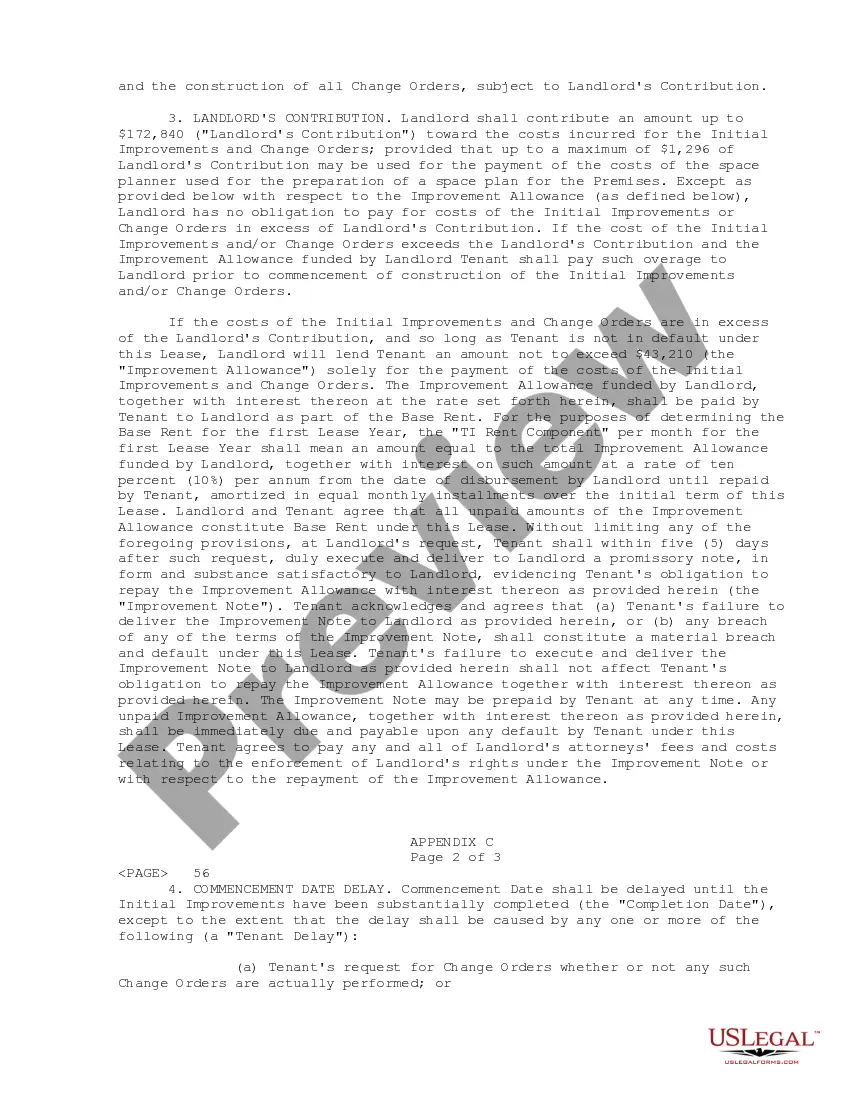
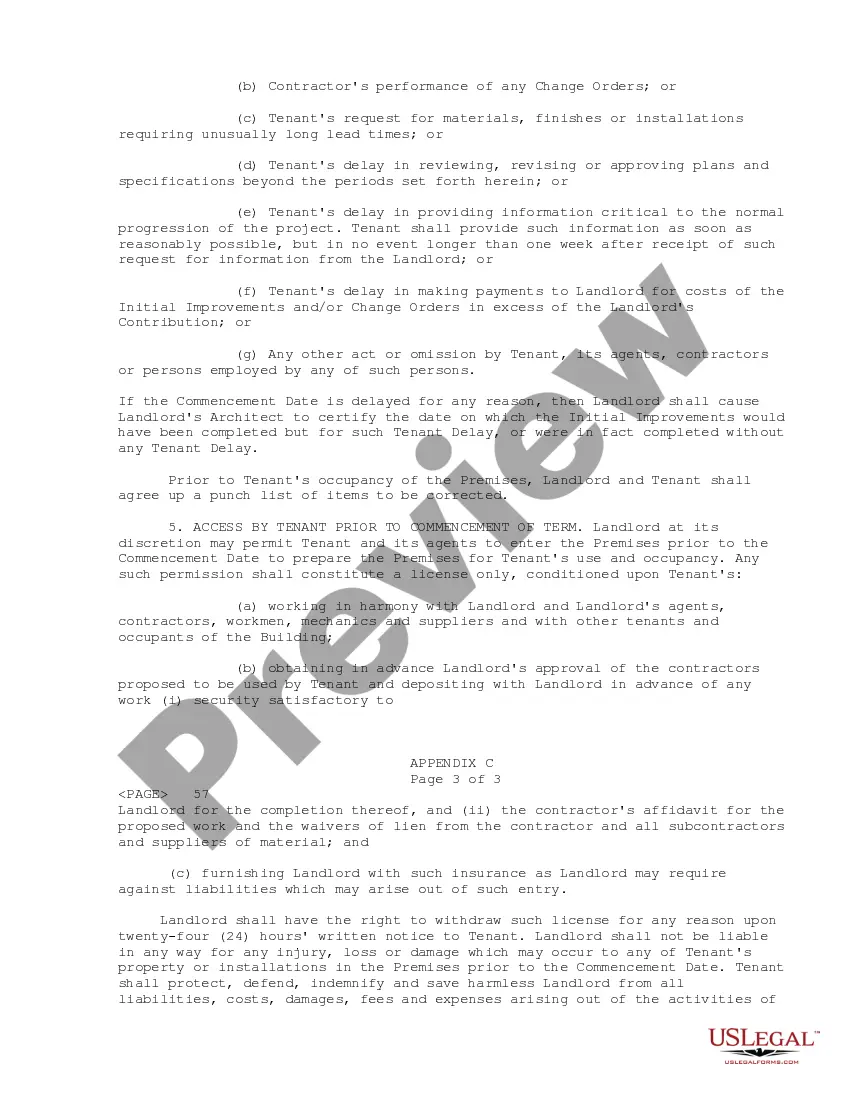
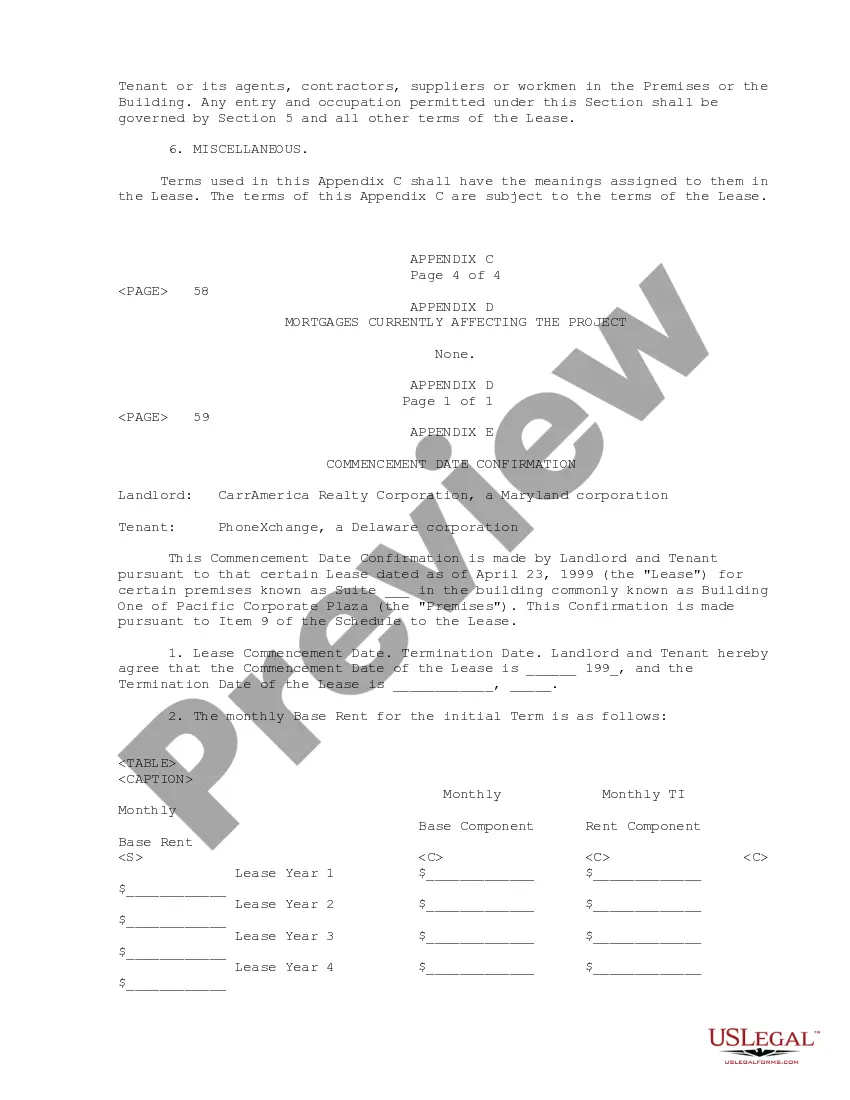
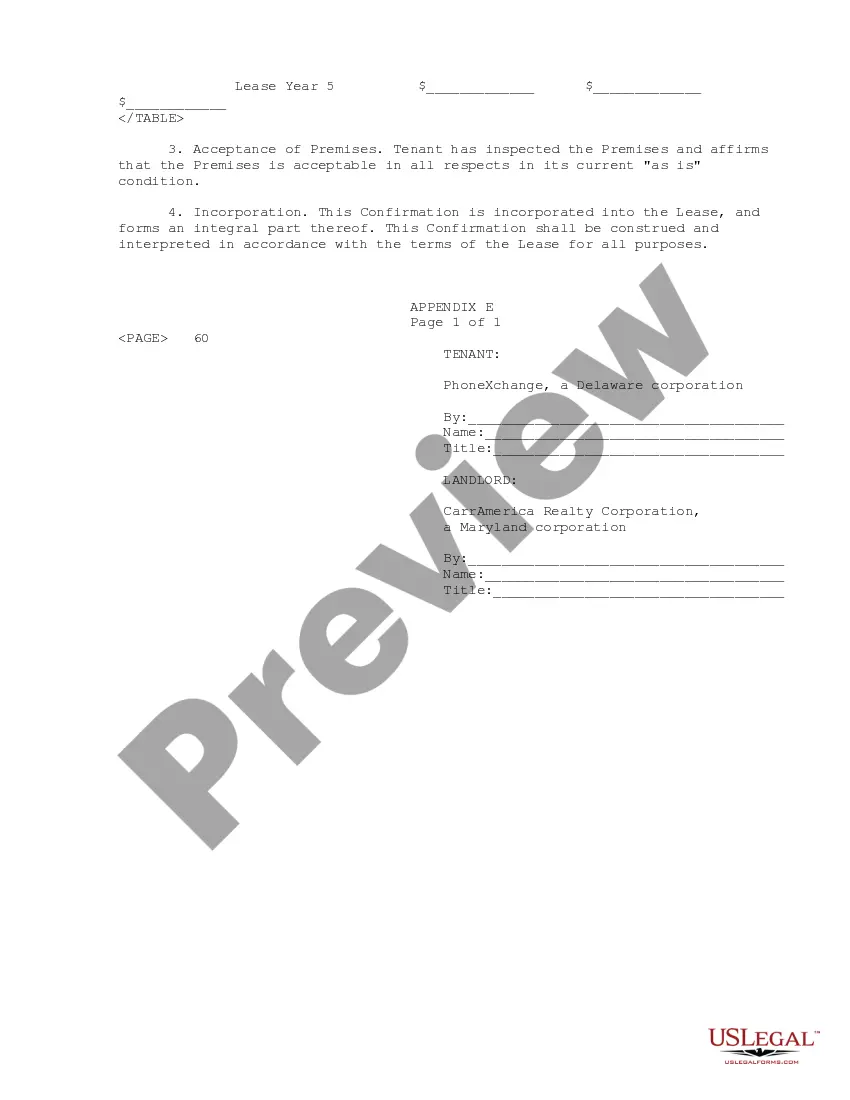
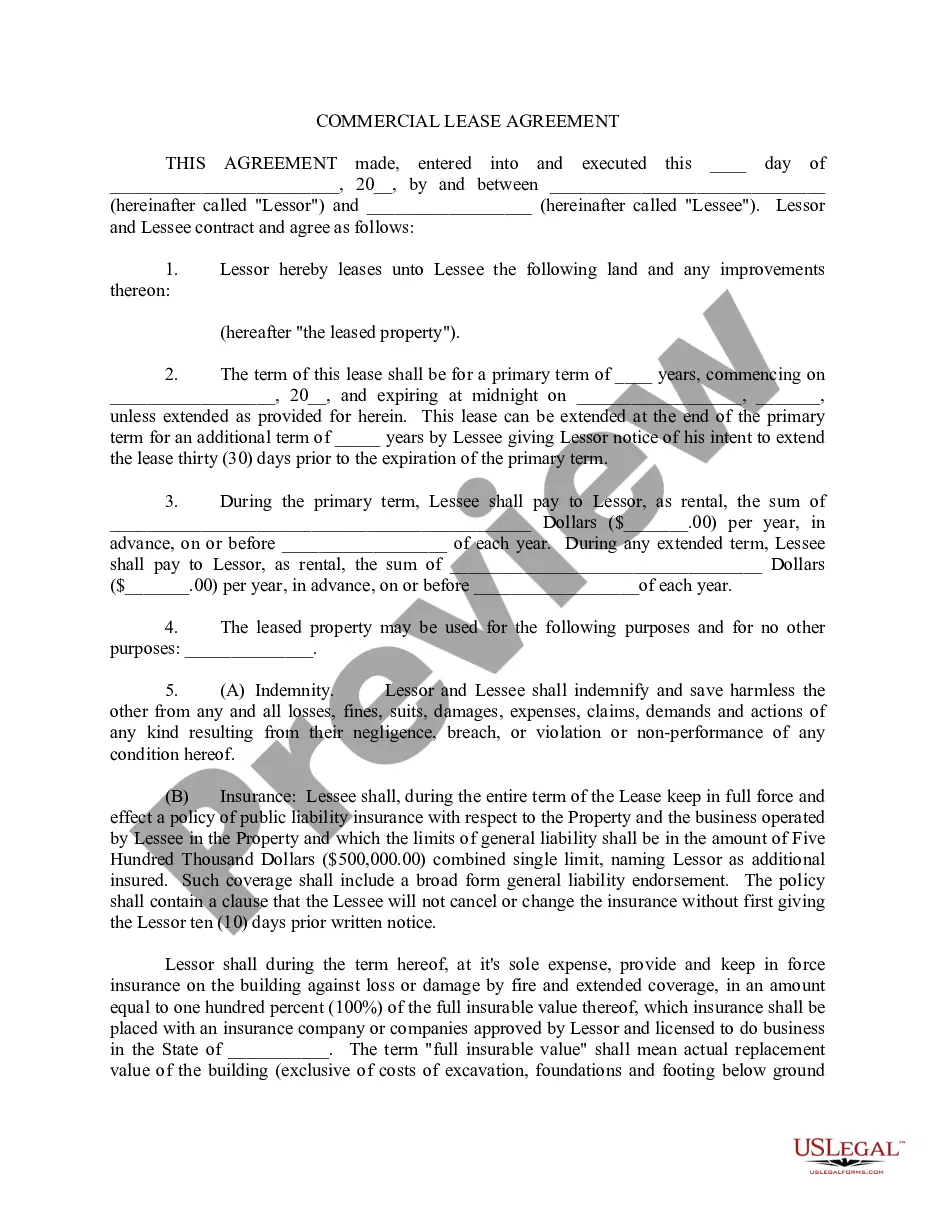
Get your form ready online
Our built-in tools help you complete, sign, share, and store your documents in one place.
Make edits, fill in missing information, and update formatting in US Legal Forms—just like you would in MS Word.
Download a copy, print it, send it by email, or mail it via USPS—whatever works best for your next step.
Sign and collect signatures with our SignNow integration. Send to multiple recipients, set reminders, and more. Go Premium to unlock E-Sign.
If this form requires notarization, complete it online through a secure video call—no need to meet a notary in person or wait for an appointment.
We protect your documents and personal data by following strict security and privacy standards.

Make edits, fill in missing information, and update formatting in US Legal Forms—just like you would in MS Word.

Download a copy, print it, send it by email, or mail it via USPS—whatever works best for your next step.

Sign and collect signatures with our SignNow integration. Send to multiple recipients, set reminders, and more. Go Premium to unlock E-Sign.

If this form requires notarization, complete it online through a secure video call—no need to meet a notary in person or wait for an appointment.

We protect your documents and personal data by following strict security and privacy standards.
Looking for another form?
How to fill out Tenant Improvement Lease?
Acquiring legal document templates that adhere to federal and local regulations is crucial, and the internet provides a wide array of selections to pick from.
Yet, what's the advantage of spending time searching for the properly drafted Tenant Improvement Examples template online when the US Legal Forms digital library already consolidates such forms in one location.
US Legal Forms stands as the largest online legal database featuring over 85,000 editable templates crafted by attorneys for various business and personal circumstances.
Evaluate the template using the Preview option or through the text description to ensure it meets your requirements.
- They are simple to navigate with all documents categorized by state and intended use.
- Our specialists keep up with changes in legislation, ensuring that your form is current and compliant when acquiring a Tenant Improvement Examples from our site.
- Obtaining a Tenant Improvement Examples is straightforward and swift for both existing and new users.
- If you have an account with an active subscription, Log In and download the required document sample in your chosen format.
- If you are unfamiliar with our site, follow the instructions below.
Form popularity
FAQ
Estimating tenant improvements involves assessing the scope of work, materials needed, and labor costs. Begin by reviewing similar tenant improvement examples to gauge potential expenses. Creating a detailed spreadsheet can help outline costs effectively, providing a clearer picture for budget planning. Utilizing professional estimates can also ensure accuracy, as experienced contractors can offer valuable insights.
To account for tenant improvements, property owners typically treat these expenses as capital improvements. You can allocate the costs over the useful life of the improvements, using methods like straight-line depreciation. This approach enhances financial reporting and provides clarity on the investment's value over time. For practical tenant improvement examples, consider office build-outs or kitchen renovations.
Leasehold improvements are changes made to a rental space by the tenant to suit their needs. Tenant improvement examples cover a wide range, including painting walls, installing cabinets, and upgrading lighting. These modifications enhance the tenant's work environment and can often be removed upon lease termination, but it is crucial to understand your lease agreement. For guidance on what qualifies as a leasehold improvement, consider using the US Legal Forms platform to help navigate your options.
Yes, carpeting is generally considered a leasehold improvement, especially if it is installed with the intent to enhance the property for tenant use. Tenant improvement examples commonly include installing new flooring like carpeting to create a more inviting and functional space. However, the classification can depend on the lease agreement and the specifics of the installation. Always check your lease terms to understand how improvements are handled.
An example of improvements and betterments might include a renovated storefront that improves visibility and accessibility for customers. Such changes elevate both functionality and aesthetics, benefiting both tenants and property owners. Reviewing tenant improvement examples allows you to see the tangible benefits of thoughtfully executed improvements.
Other improvements and betterments include landscaping, enhanced security systems, or upgraded restrooms in commercial properties. These modifications contribute positively to the tenant experience and property value while complying with lease terms. Exploring various tenant improvement examples can inspire tenants to make advantageous enhancements.
An example of a tenant improvement is the installation of a complete kitchen in a restaurant leased space, tailored to specific cooking needs. This type of improvement transforms a generic space into a facility that meets unique operational requirements. Tenant improvement examples like these play a crucial role in optimizing business success within rented spaces.
A lease improvement example could be adding conference rooms in an office space to accommodate growing teams. This improvement, typically permitted under specific lease agreements, benefits tenants by offering a customized work environment. Including such tenant improvement examples in lease discussions can help clarify expectations between landlords and tenants.
Betterment refers to enhancements that increase property value using higher-quality materials or finishes than what existed previously. Improvement is a broader term that encompasses all modifications made to upgrade a space. You can find many tenant improvement examples that combine both betterments and improvements to create highly functional environments.
Examples of improvements and betterments include renovations that enhance a property's utility, such as installing new lighting, upgrading HVAC systems, or adding partitions in a commercial space. These changes not only improve the tenant's experience but can also raise the property's market value. Familiarizing yourself with tenant improvement examples can guide your decisions on acceptable enhancements.