Leasehold Improvements Made With Respect To Leased Assets Are Recorded As
Description
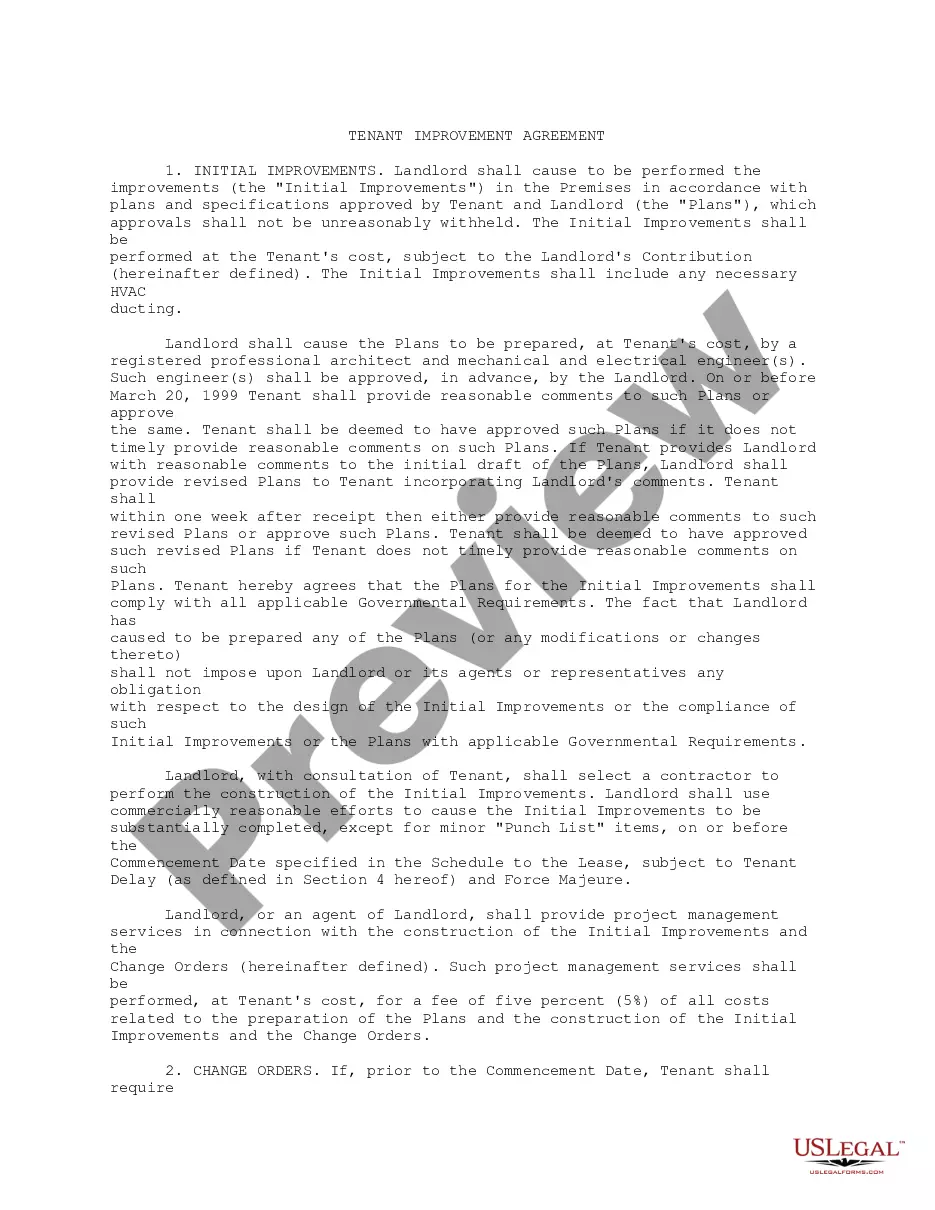
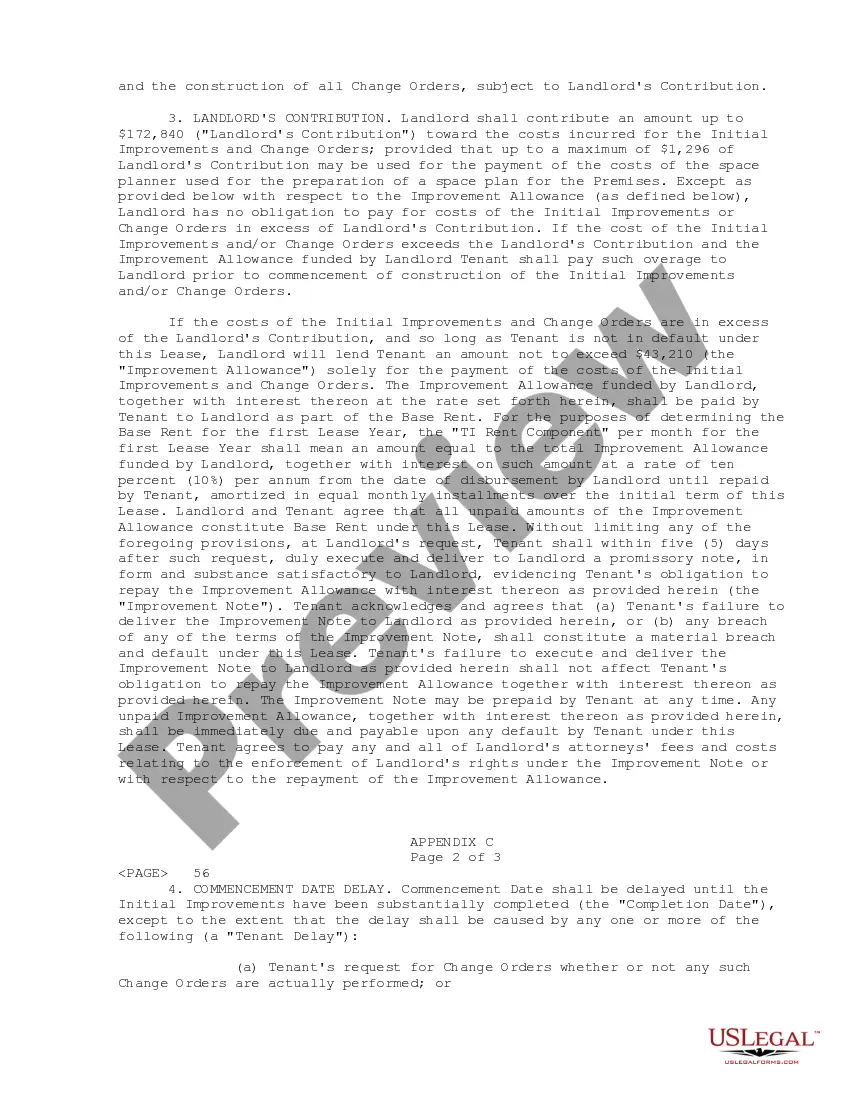
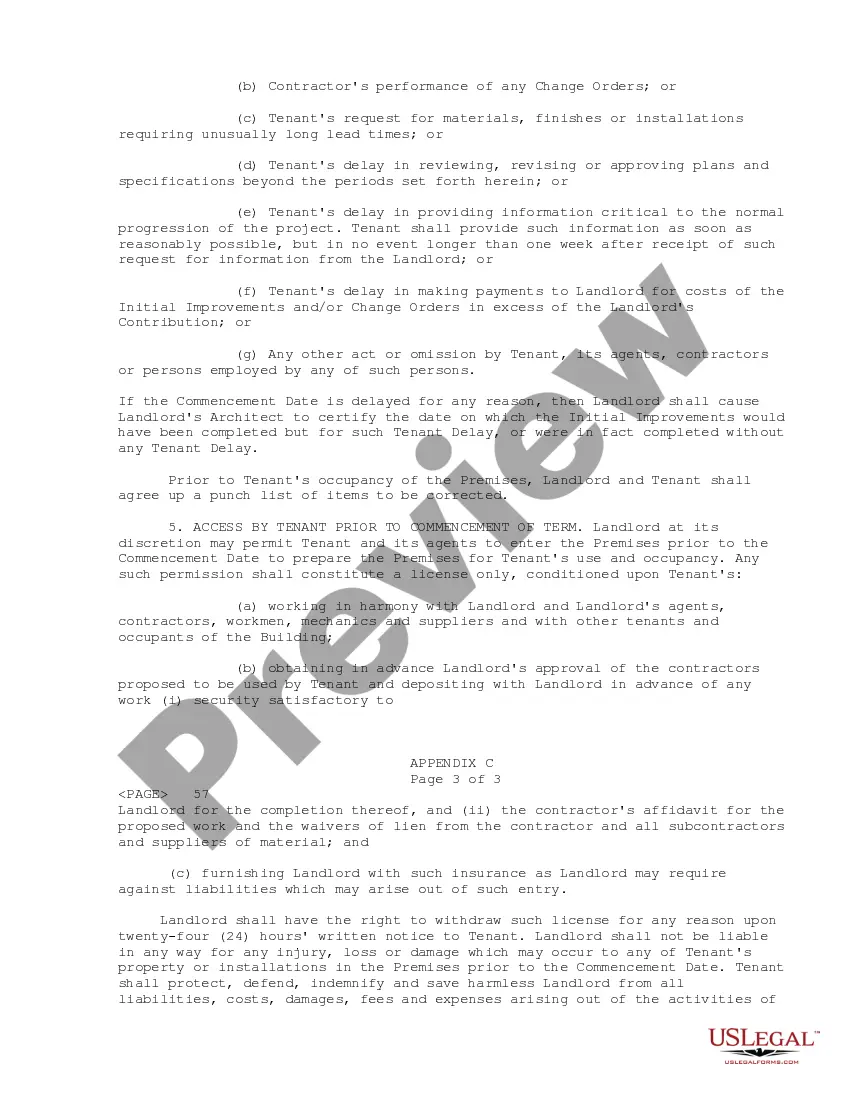
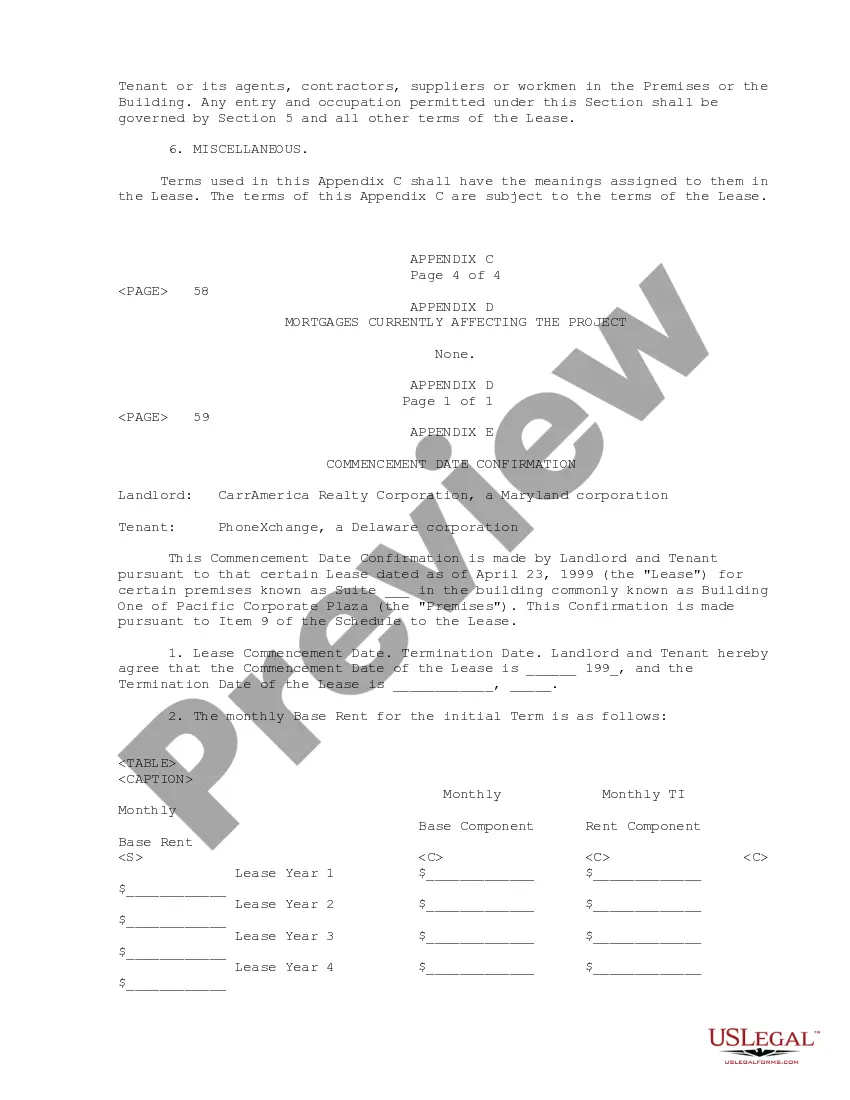
Get your form ready online
Our built-in tools help you complete, sign, share, and store your documents in one place.
Make edits, fill in missing information, and update formatting in US Legal Forms—just like you would in MS Word.
Download a copy, print it, send it by email, or mail it via USPS—whatever works best for your next step.
Sign and collect signatures with our SignNow integration. Send to multiple recipients, set reminders, and more. Go Premium to unlock E-Sign.
If this form requires notarization, complete it online through a secure video call—no need to meet a notary in person or wait for an appointment.
We protect your documents and personal data by following strict security and privacy standards.

Make edits, fill in missing information, and update formatting in US Legal Forms—just like you would in MS Word.

Download a copy, print it, send it by email, or mail it via USPS—whatever works best for your next step.

Sign and collect signatures with our SignNow integration. Send to multiple recipients, set reminders, and more. Go Premium to unlock E-Sign.

If this form requires notarization, complete it online through a secure video call—no need to meet a notary in person or wait for an appointment.

We protect your documents and personal data by following strict security and privacy standards.
Looking for another form?






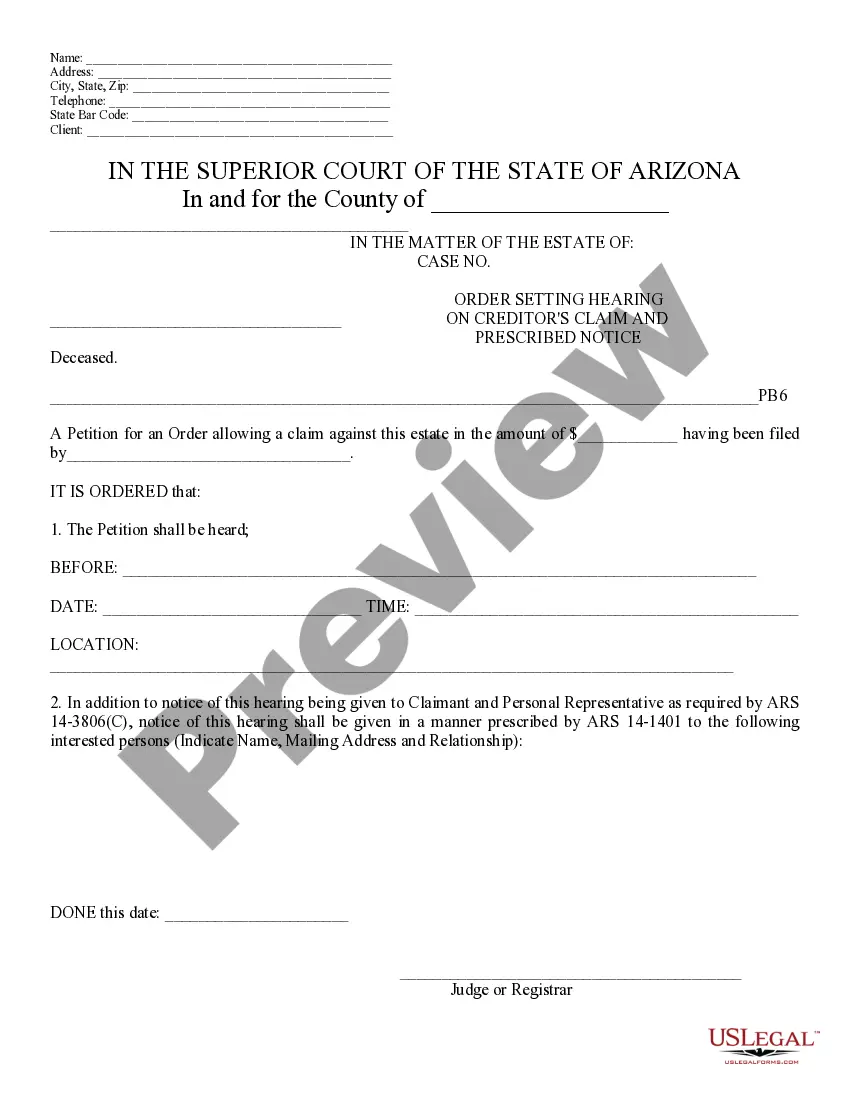
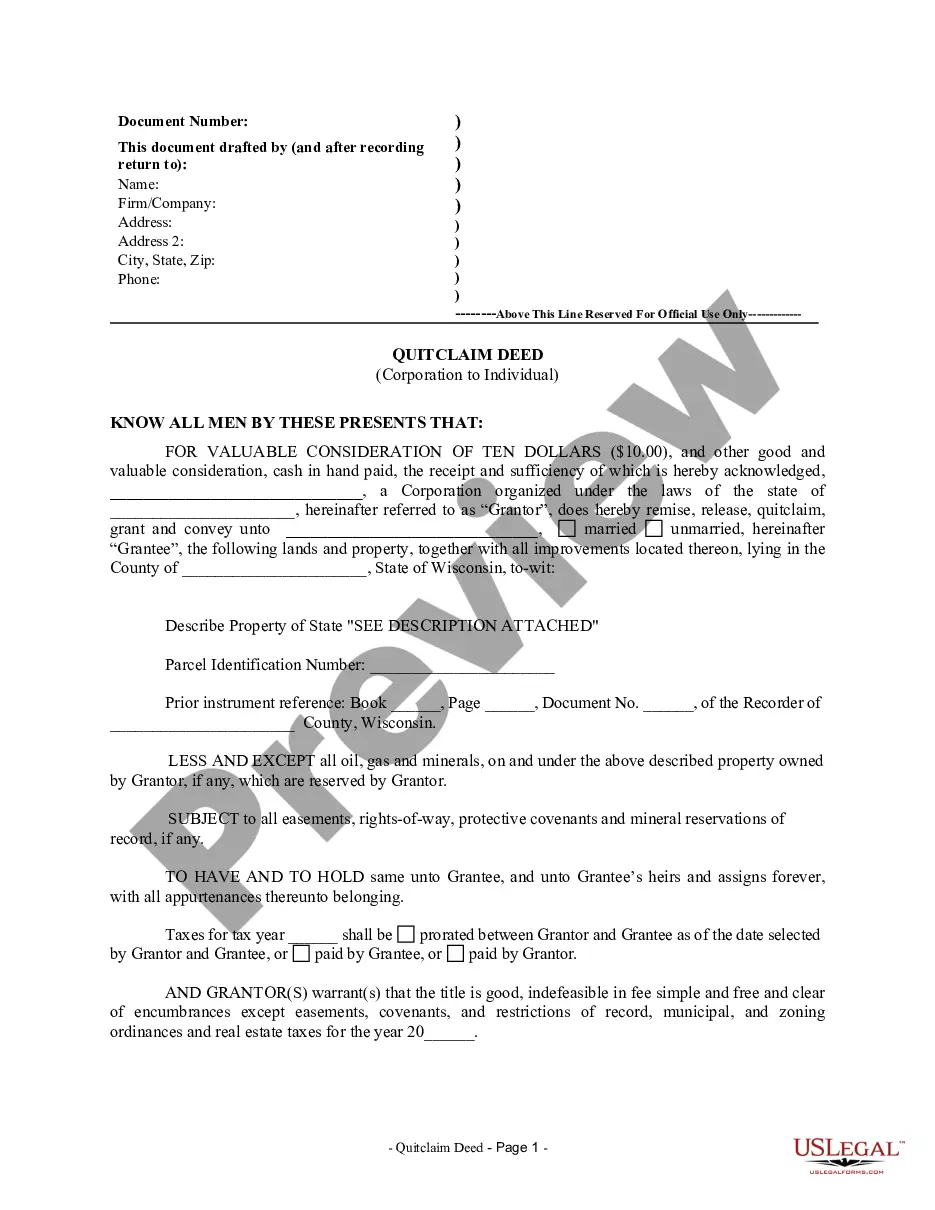
How to fill out Tenant Improvement Lease?
- If you're a returning user, log in to your account and instantly download the required form by clicking the Download button. Ensure your subscription is active; if not, renew it according to your chosen payment plan.
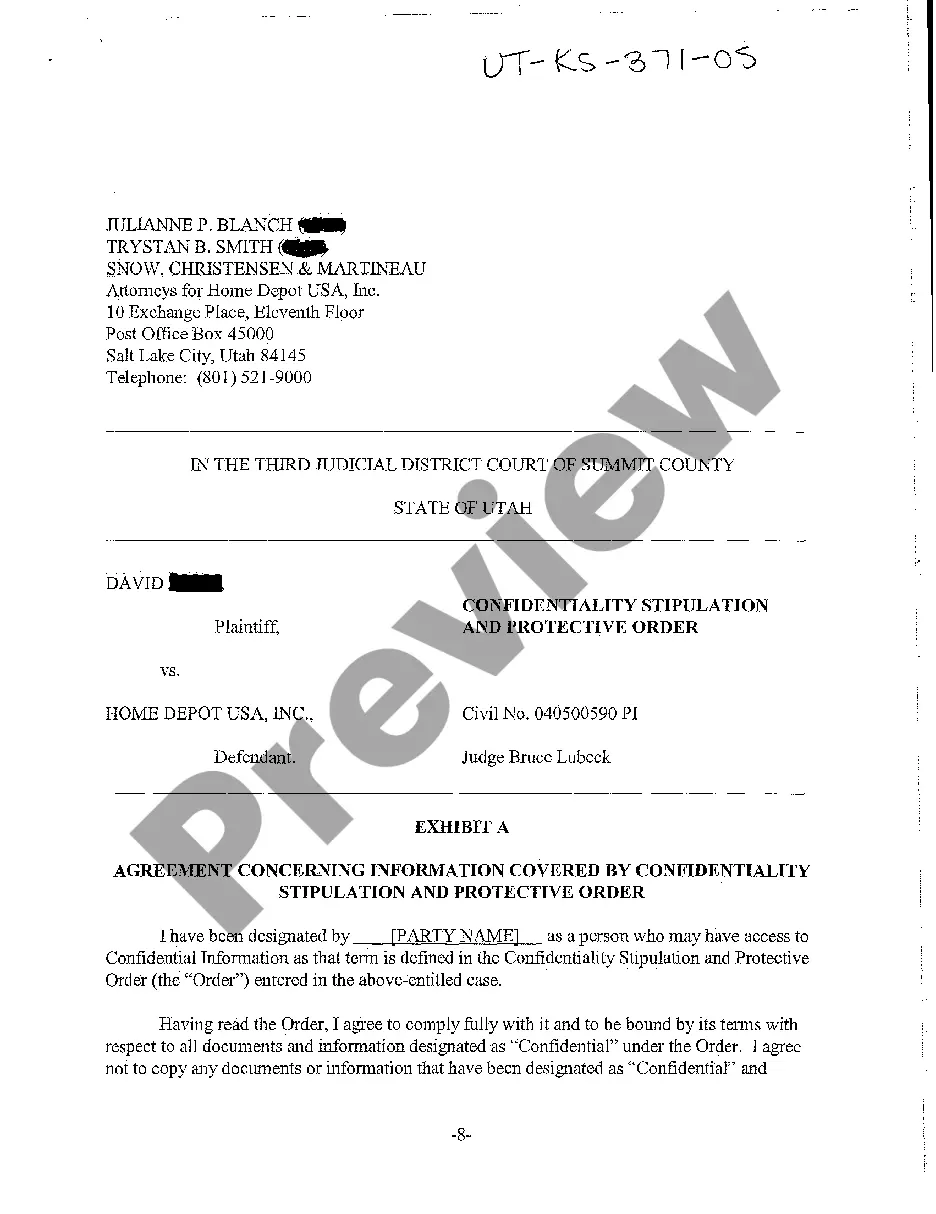
- For first-time users, start by checking the Preview mode and form description to confirm that it meets your specific needs and complies with local jurisdiction requirements.
- If additional templates are needed, utilize the Search feature above for accurate documents. Once you locate the appropriate form, proceed to the next step.
- To purchase the document, click on the Buy Now button and select your preferred subscription plan. An account registration is required to access library resources.
- Complete your purchase by entering your credit card information or using your PayPal account for payment.
- Finally, download the form to your device to prepare it. You can also access this document anytime in the My Forms section of your profile.
In conclusion, US Legal Forms equips users with an extensive library of over 85,000 legal documents that are both fillable and editable, allowing for precision and efficiency in legal matters. Take the next step towards ensuring your legal documents are handled correctly.
Join US Legal Forms today and experience the difference in managing your legal paperwork effortlessly!
Form popularity
FAQ
Accounting for leasehold improvements follows specific guidelines. Primarily, leasehold improvements made with respect to leased assets are recorded as capital expenditures. These costs are amortized over the lesser of the lease term or the useful life of the improvements. This approach reflects the benefit the improvements provide during their use and ensures accurate financial reporting.
Leases can be either capitalized or expensed, depending on the type of lease and accounting standards applied. Operating leases are generally expensed, while capital leases are capitalized and treated similarly to owned assets. Understanding these distinctions is vital for accurate financial reporting. For businesses looking for clarity on this topic, USLegalForms can provide valuable resources and solutions for navigating lease agreements.
Improvements made to a leased asset are referred to as leasehold improvements. These enhancements can include renovations, installations, or modifications that enhance the value or functionality of the leased space. It’s essential to note that these improvements are considered long-term investments in your business. As such, leasehold improvements made with respect to leased assets are recorded as capital assets.
For tax purposes, leasehold improvements made with respect to leased assets are normally capitalized. This means they are recorded as assets rather than expenses in the financial statements. Subsequently, you can depreciate these improvements over their useful life. Keeping accurate records will help in the tax filing process and ensure compliance with regulations.
Yes, you can receive capital allowances on leasehold improvements made with respect to leased assets. These improvements can often be classified as capital expenditures, which may allow you to claim tax relief. It's critical to keep thorough documentation of these expenditures. This way, you can effectively maximize your eligible capital allowances.
Writing off leasehold improvements involves removing the asset's value from the balance sheet when it is no longer useful. Leasehold improvements made with respect to leased assets are recorded as assets, but as they age, you may need to recognize impairment. To write off these improvements, you can record a loss on your income statement that reflects their diminished value. Consulting accounting professionals can provide clarity on your specific situation.
The accounting treatment for leasehold improvements requires these enhancements to be recorded as assets on the balance sheet. Leasehold improvements made with respect to leased assets are recorded as such because they provide value over the duration of the lease. These costs are then typically depreciated over the shorter of the lease term or the useful life of the improvements. Understanding this treatment is essential for accurate financial reporting.