Leasehold Improvements Life For Depreciation
Description
Get your form ready online
Our built-in tools help you complete, sign, share, and store your documents in one place.
Make edits, fill in missing information, and update formatting in US Legal Forms—just like you would in MS Word.
Download a copy, print it, send it by email, or mail it via USPS—whatever works best for your next step.
Sign and collect signatures with our SignNow integration. Send to multiple recipients, set reminders, and more. Go Premium to unlock E-Sign.
If this form requires notarization, complete it online through a secure video call—no need to meet a notary in person or wait for an appointment.
We protect your documents and personal data by following strict security and privacy standards.

Make edits, fill in missing information, and update formatting in US Legal Forms—just like you would in MS Word.

Download a copy, print it, send it by email, or mail it via USPS—whatever works best for your next step.

Sign and collect signatures with our SignNow integration. Send to multiple recipients, set reminders, and more. Go Premium to unlock E-Sign.

If this form requires notarization, complete it online through a secure video call—no need to meet a notary in person or wait for an appointment.

We protect your documents and personal data by following strict security and privacy standards.
Looking for another form?



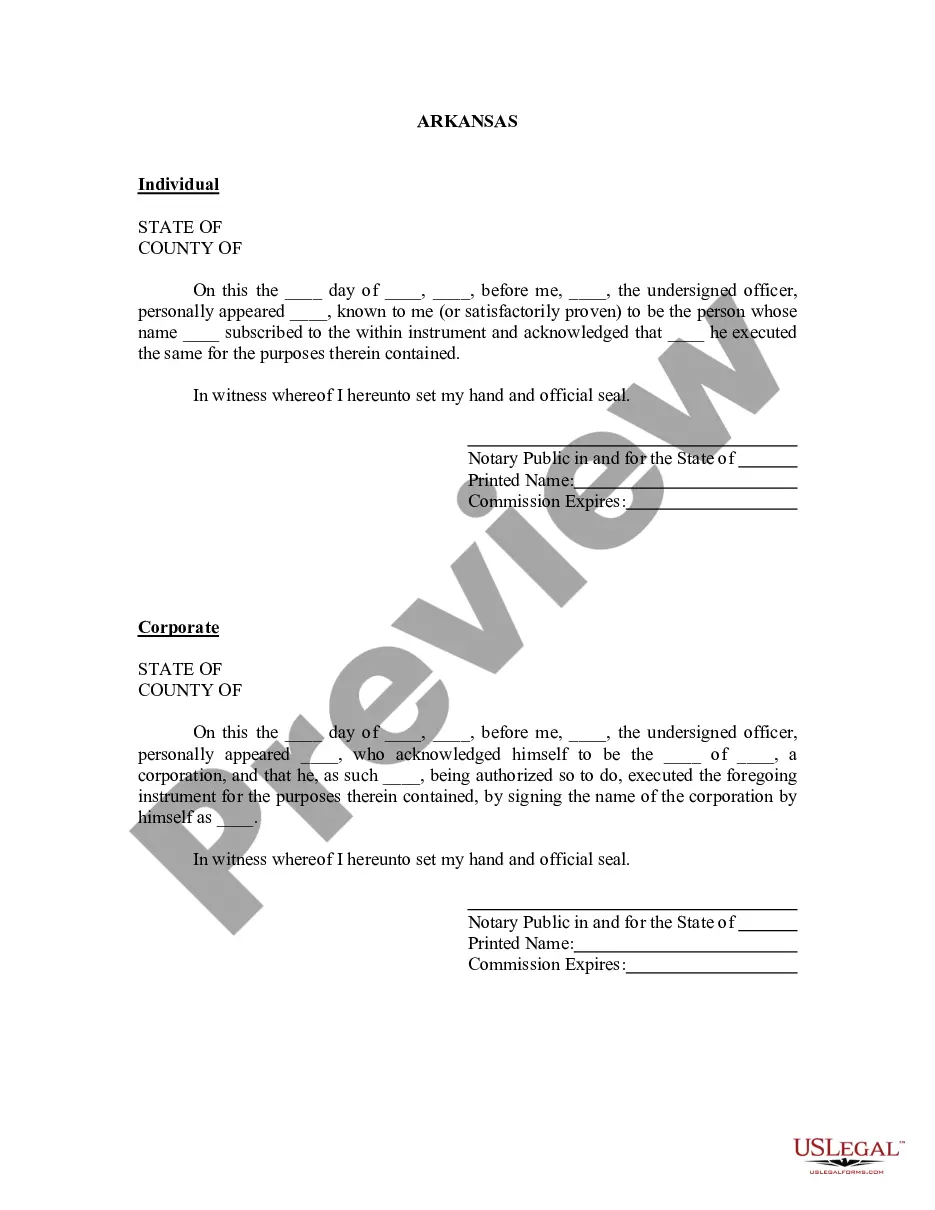
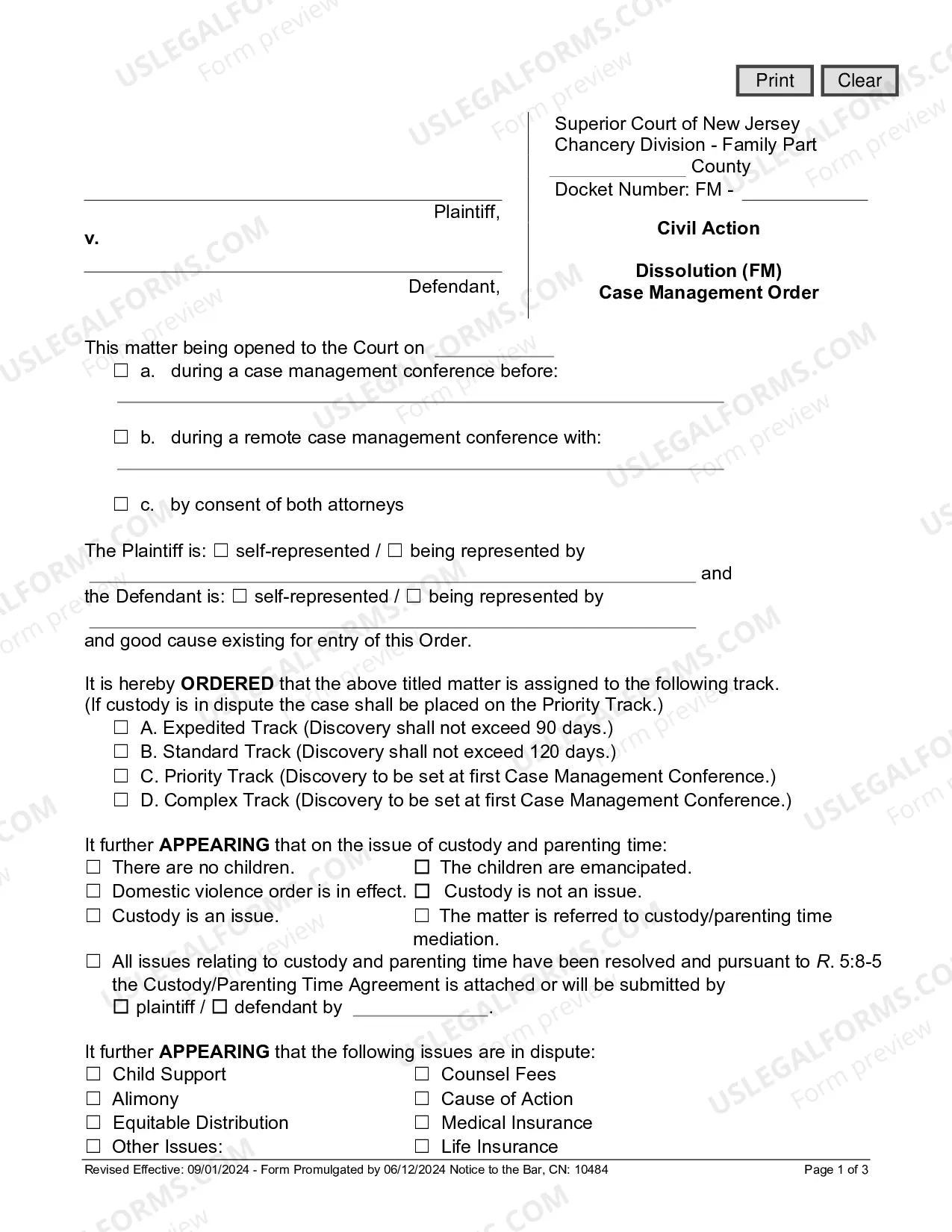
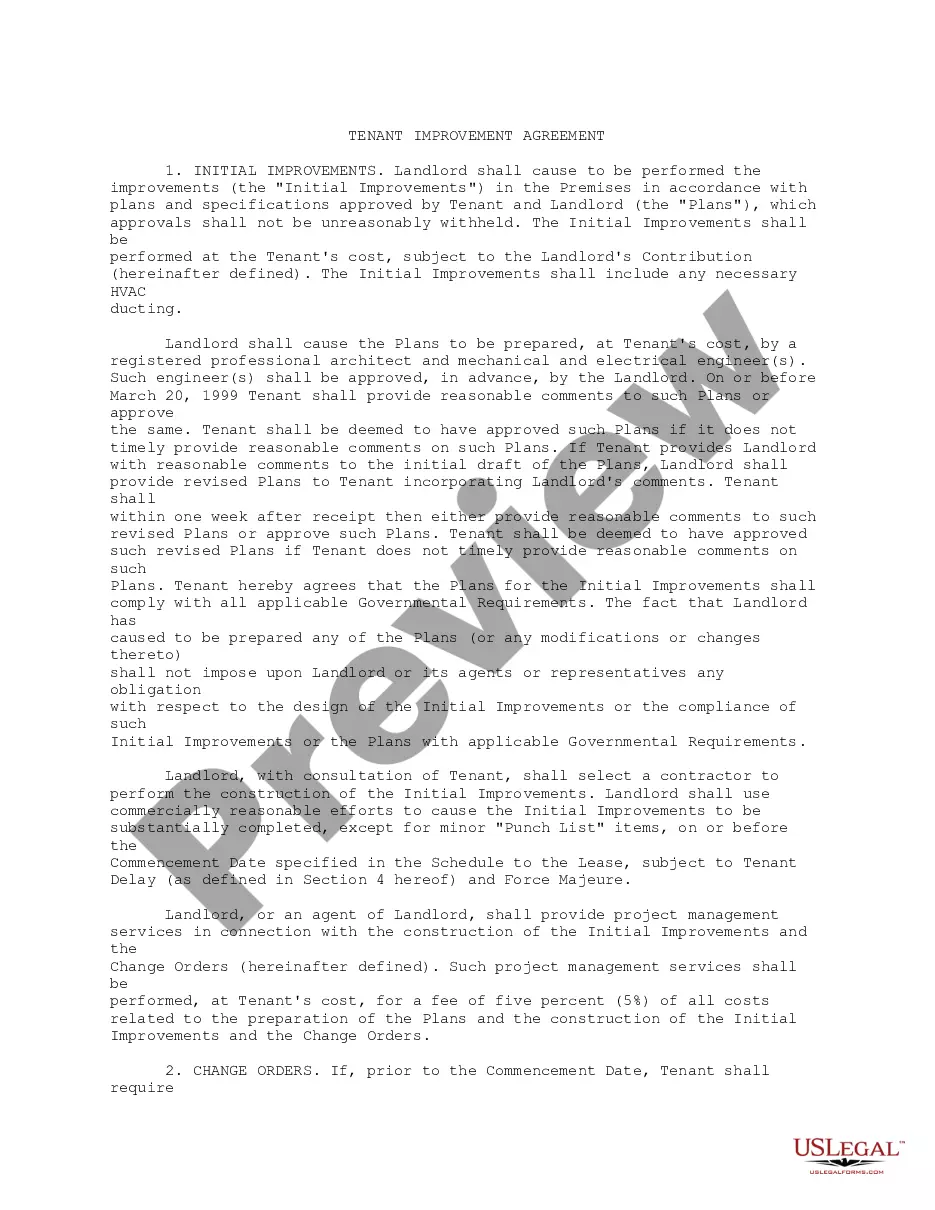
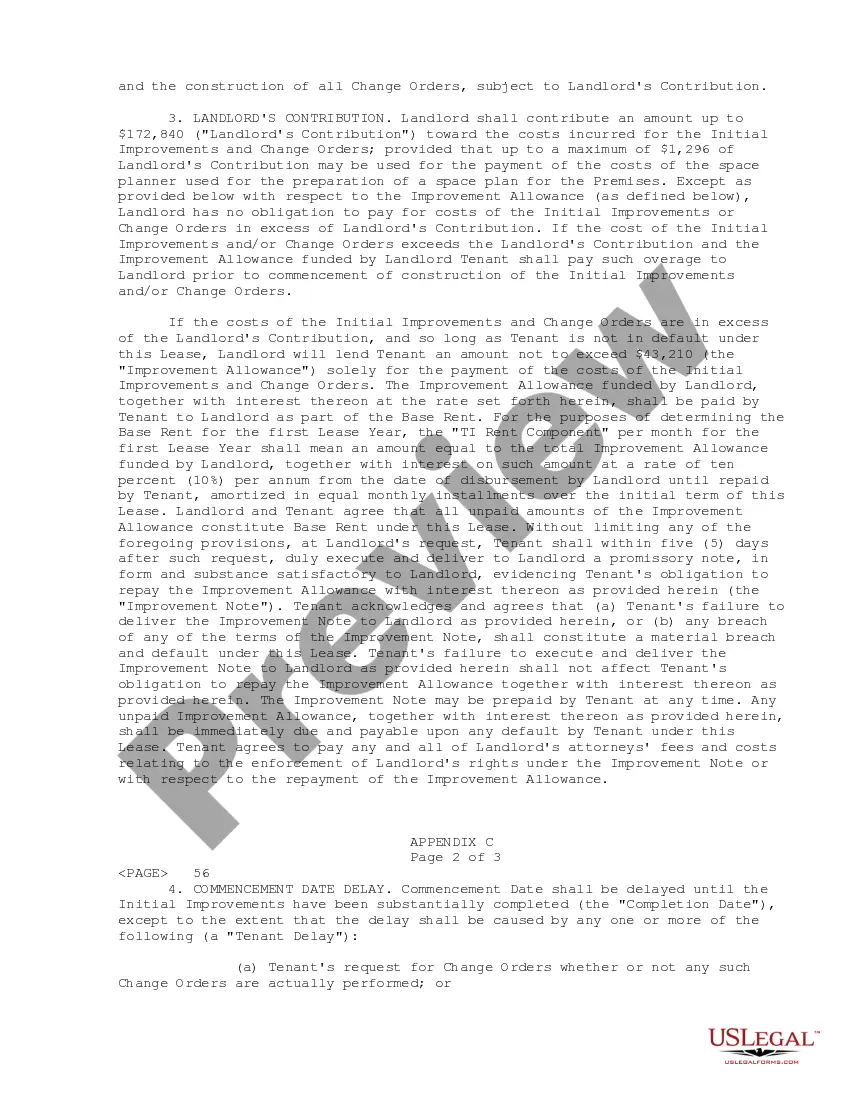
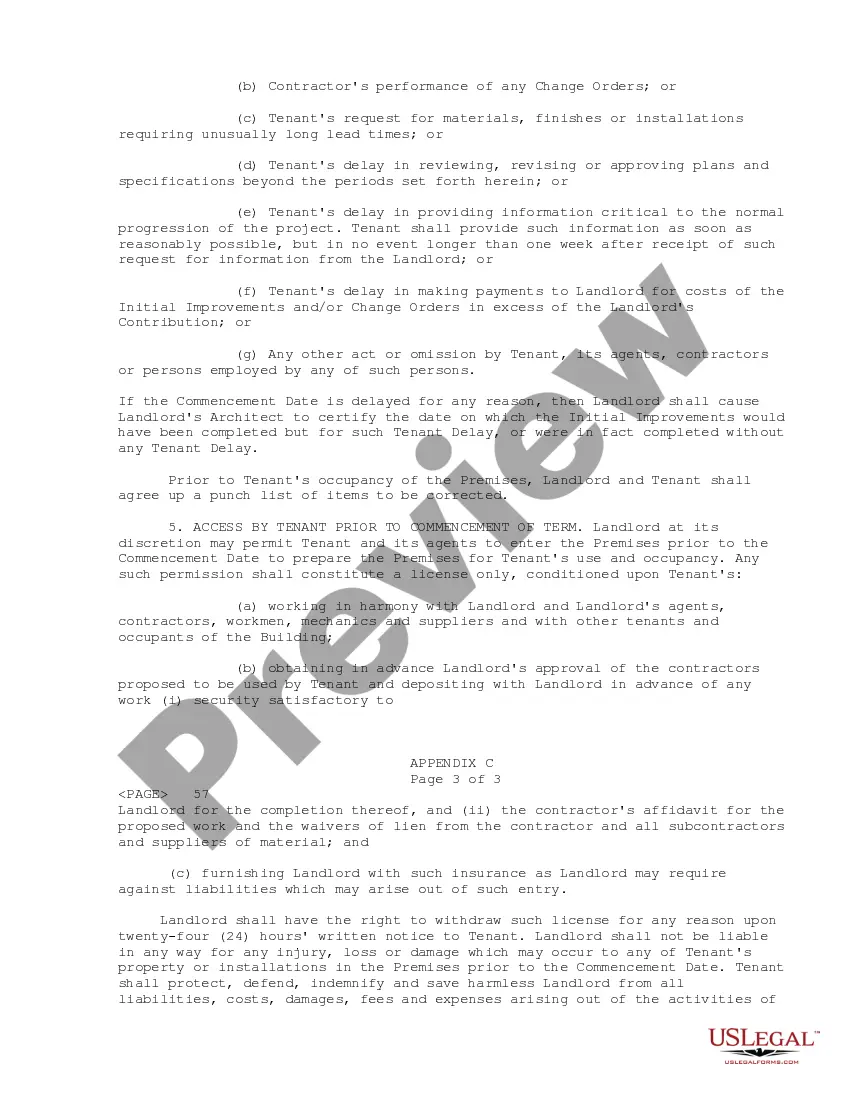
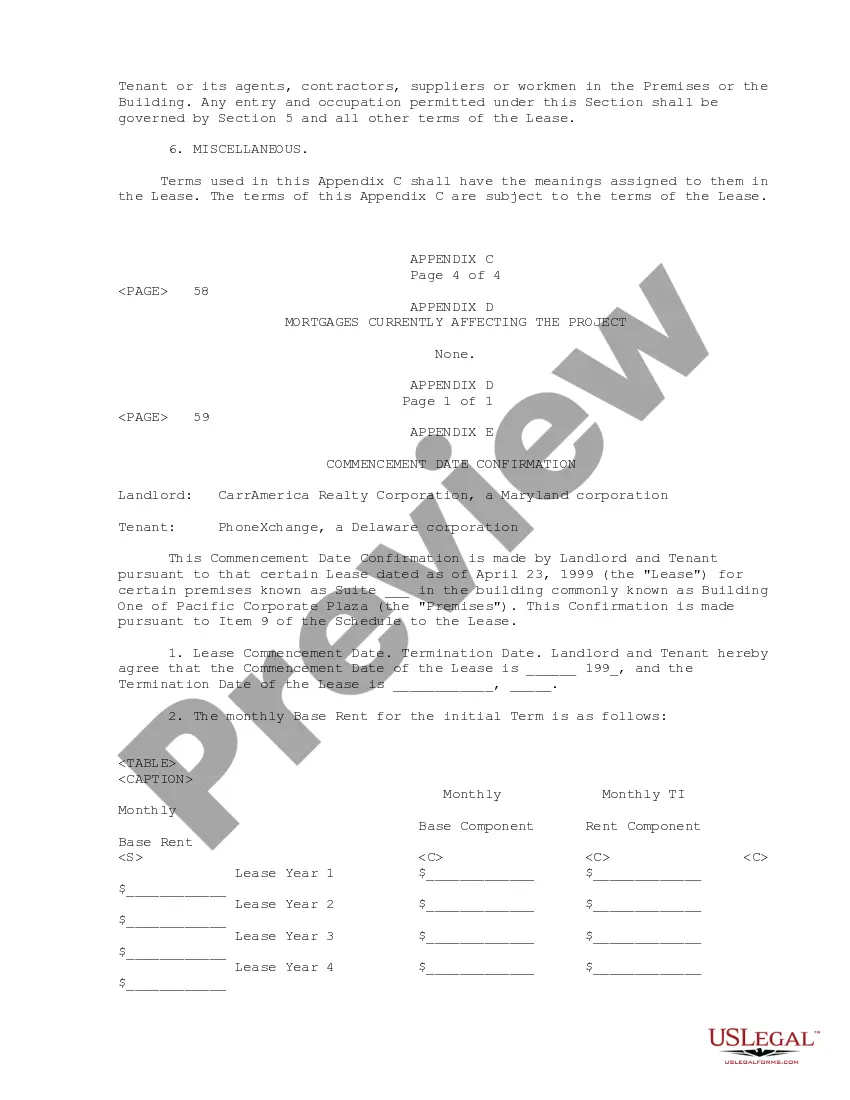
How to fill out Tenant Improvement Lease?
- If you're an existing user, log in to your account to access your desired form templates. Make sure your subscription remains active, and renew if necessary.
- For new users, begin by reviewing the form descriptions in preview mode. Make certain that the selected document aligns with your needs and complies with local jurisdiction regulations.
- If you need a different document, utilize the Search feature to find a more suitable option. Once you have what you need, proceed to the next step.
- Purchase the document by clicking the Buy Now button. Choose the subscription option that best fits your requirements, and create an account to unlock access to the extensive library.
- Complete your purchase by entering your credit card information or logging into your PayPal account for a straightforward transaction.
- Once completed, download your form and save it to your device for completion. You can always access it later from the My Forms section of your profile.
US Legal Forms is dedicated to equipping individuals and legal professionals with the tools necessary to efficiently execute legal documents. With a robust collection of forms—more than competitors offer—you can quickly locate the needed templates and receive assistance from premium experts when necessary.
Efficiently manage your leasehold improvements today and ensure compliance with your legal obligations. Don’t wait; visit US Legal Forms now to simplify your legal documentation process!
Form popularity
FAQ
The useful life of building improvements for depreciation typically ranges from 10 to 39 years, depending on the type of improvement and its expected longevity. Understanding this life span allows for better financial planning and tax deduction opportunities. Accurately capturing the leasehold improvements life for depreciation helps you take full advantage of these benefits and optimize your profit margins.
You write off leasehold improvements by debiting the relevant expense accounts and crediting the leasehold improvements account, thereby recognizing the reduction in value. This action reflects the end of the leasehold improvements life for depreciation, providing a more accurate financial picture. Ensure to follow relevant tax laws and guidelines during this process.
Writing off leasehold improvements involves removing the asset from your balance sheet when it no longer provides value. This usually occurs when the improvement reaches the end of its useful life or is disposed of. Utilizing this method ensures you accurately reflect the leasehold improvements life for depreciation, keeping your financial statements clear and concise.
Leasehold improvements that qualify for Section 179 typically include interior renovations to a commercial property. Examples are new flooring, walls, or fixtures installed to enhance the space. These improvements can have a significant impact on the leasehold improvements life for depreciation. By investing in qualifying upgrades, you can potentially deduct these costs from your taxable income, making this a strategic choice for any business owner.
Leasehold improvements are generally classified as 15-year property for depreciation purposes. However, certain types of improvements might fall under different categories, impacting the depreciation timeline. Understanding the distinction between 15-year and 39-year classifications can lead to more strategic tax planning. Reach out to professionals for guidance tailored to your specific situation.
The depreciation rate for leasehold improvements typically amounts to about 6.67% annually over a 15-year lifespan. This consistent rate allows businesses to plan and budget their taxes effectively. By understanding the leasehold improvements life for depreciation, you can make informed financial decisions. Ensure you're following the IRS regulations to avoid complications.
The write-off period for leasehold improvements follows a 15-year schedule. During this time, you can deduct a portion of the costs each year to reduce taxable income. Grasping leasehold improvements life for depreciation can significantly benefit your overall financial strategy. Always keep thorough records of your improvements for accurate deductions.
According to the IRS, the standard life for leasehold improvements is 15 years. This applies to improvements made to commercial property under certain conditions. It's important that these improvements enhance the utility of the space rather than merely replace existing elements. Proper classification is crucial for maximizing your tax benefits.
The depreciation life for leasehold improvements typically spans 15 years. This means you can write off the costs of improvements to a rental property over this period. Understanding the leasehold improvements life for depreciation is essential for accurate tax reporting and financial planning. Make sure to consult with a tax professional to ensure compliance with IRS guidelines.
To record leasehold improvements, you will create an asset account for each improvement made. This includes documentation of costs and the date placed into service. Properly categorizing and maintaining records of these improvements is essential for accurate depreciation tracking and tax reporting.