Leasehold
Description
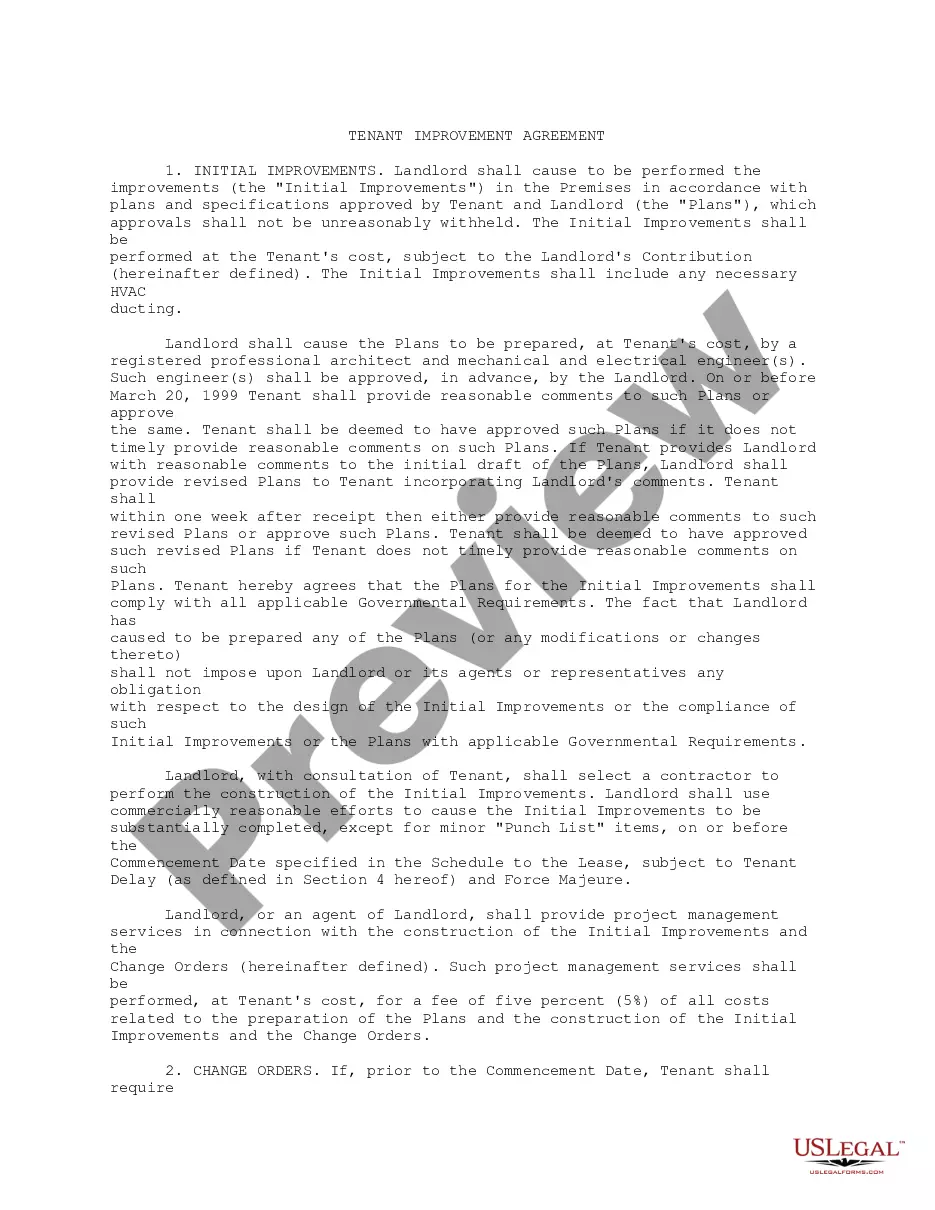
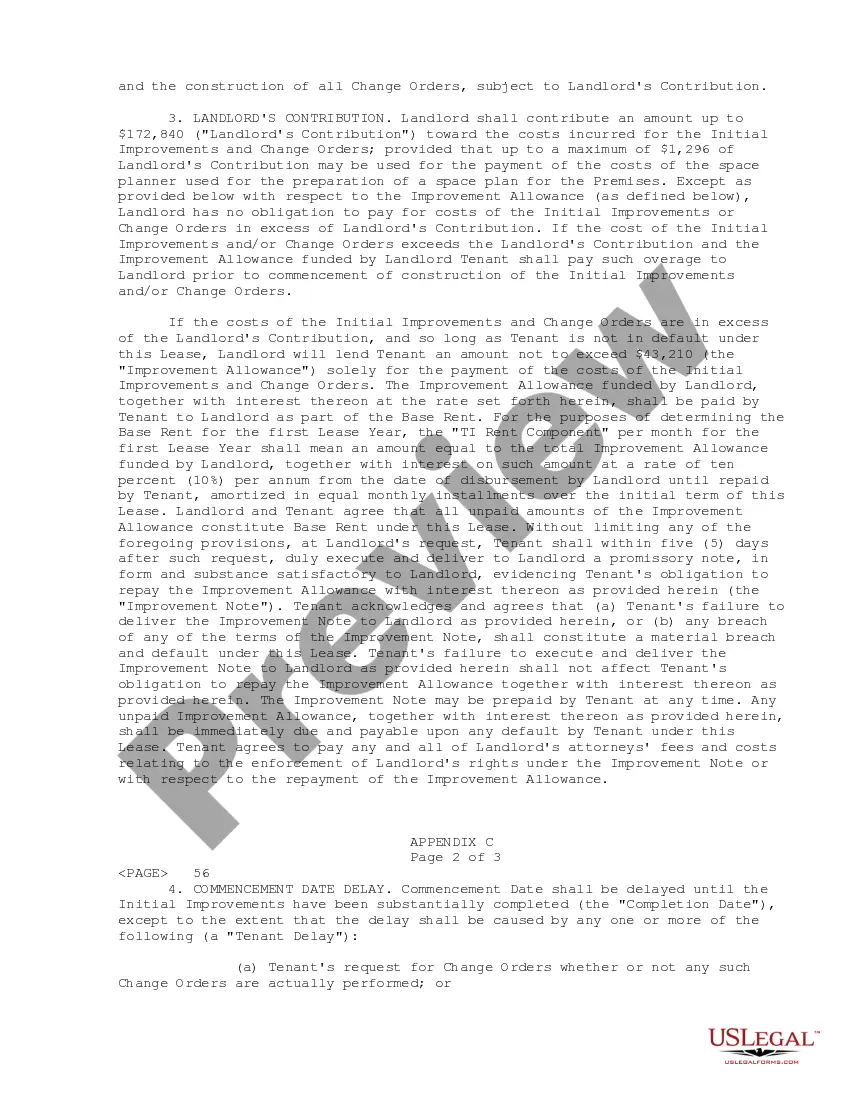
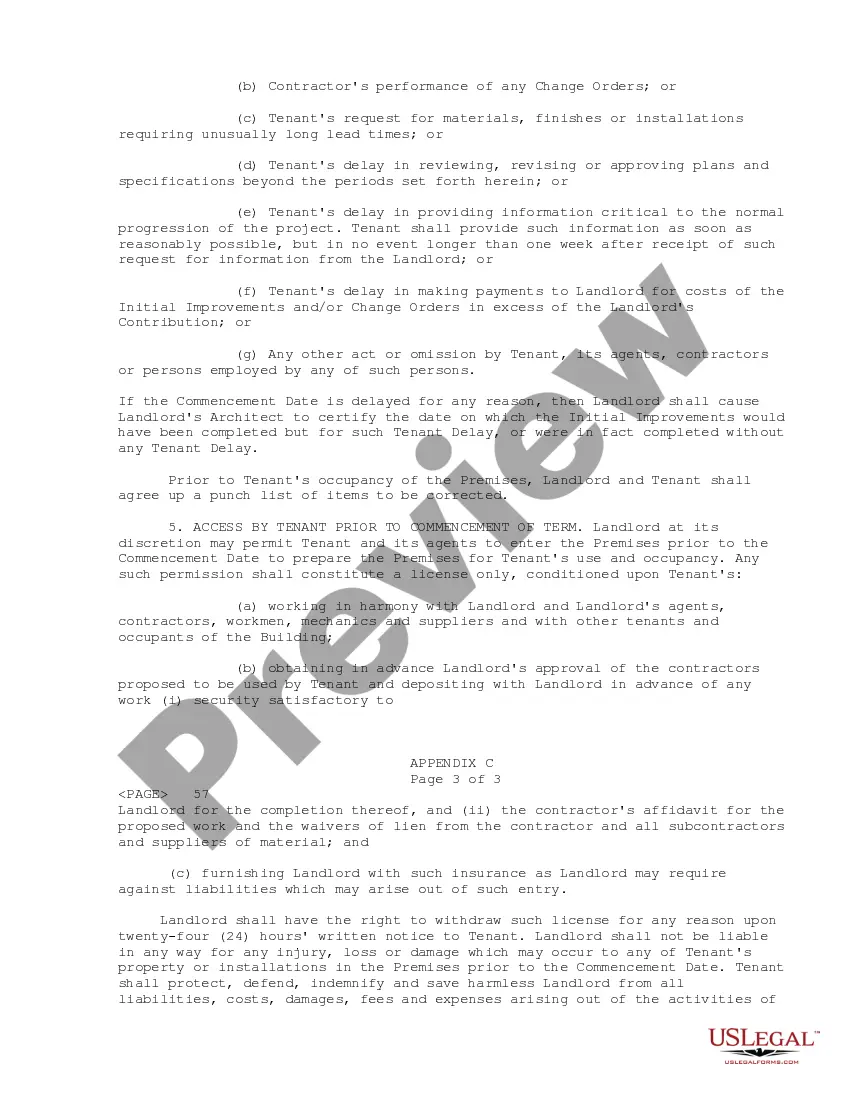
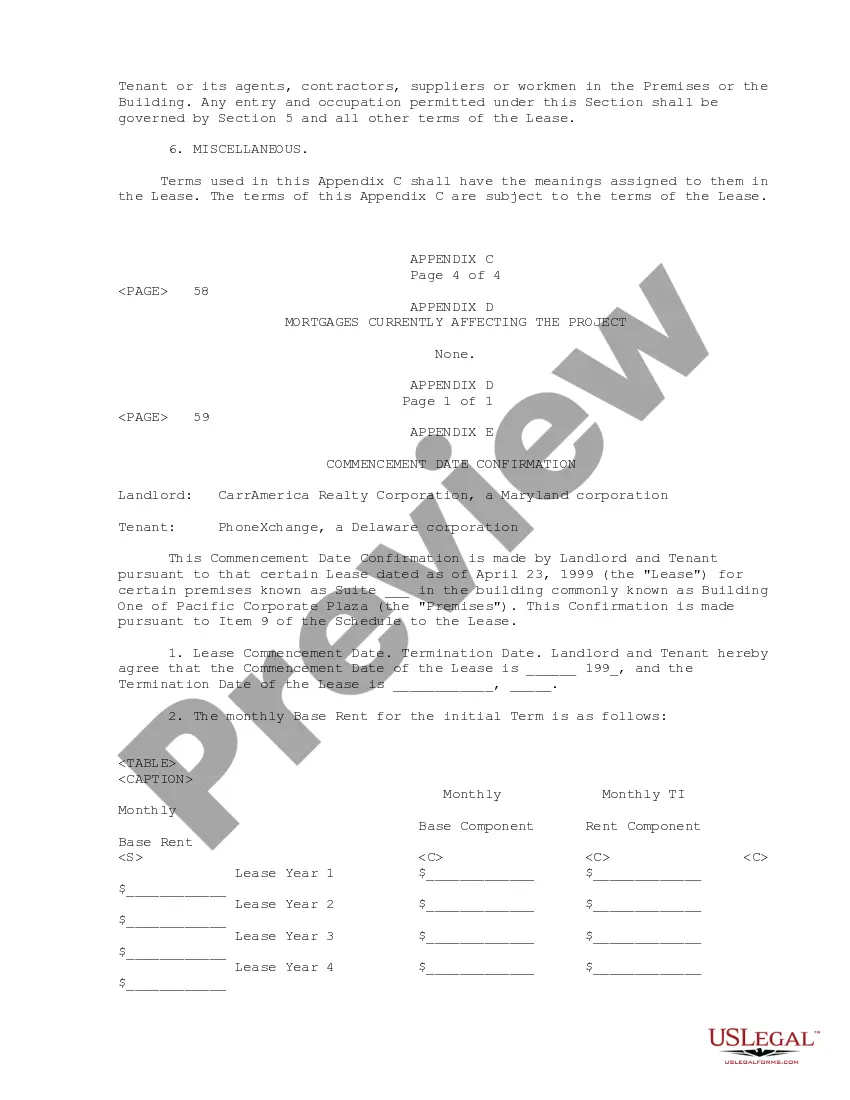
Get your form ready online
Our built-in tools help you complete, sign, share, and store your documents in one place.
Make edits, fill in missing information, and update formatting in US Legal Forms—just like you would in MS Word.
Download a copy, print it, send it by email, or mail it via USPS—whatever works best for your next step.
Sign and collect signatures with our SignNow integration. Send to multiple recipients, set reminders, and more. Go Premium to unlock E-Sign.
If this form requires notarization, complete it online through a secure video call—no need to meet a notary in person or wait for an appointment.
We protect your documents and personal data by following strict security and privacy standards.

Make edits, fill in missing information, and update formatting in US Legal Forms—just like you would in MS Word.

Download a copy, print it, send it by email, or mail it via USPS—whatever works best for your next step.

Sign and collect signatures with our SignNow integration. Send to multiple recipients, set reminders, and more. Go Premium to unlock E-Sign.

If this form requires notarization, complete it online through a secure video call—no need to meet a notary in person or wait for an appointment.

We protect your documents and personal data by following strict security and privacy standards.
Looking for another form?


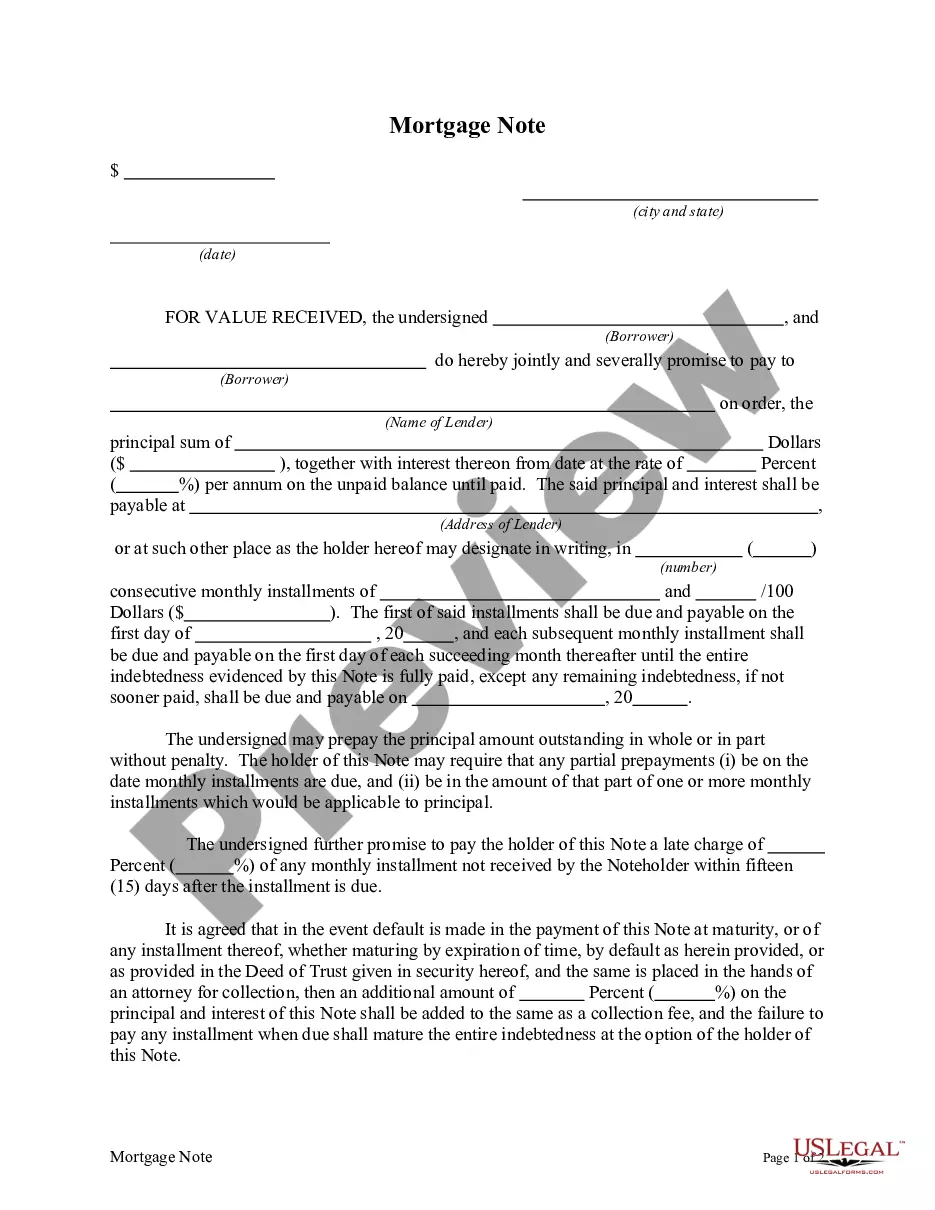


How to fill out Tenant Improvement Lease?
- Log in to your US Legal Forms account. Click here to access your account and ensure your subscription is active. If it's expired, renew per your payment plan.
- Review the document preview and form details to confirm it meets your leasehold needs and complies with local jurisdiction requirements.
- If the document doesn’t match your needs, utilize the Search function to find the correct leasehold template.
- Select the document by clicking the Buy Now button, then choose your subscription plan and create an account for access to the full library.
- Complete your purchase by entering your payment details using a credit card or PayPal account.
- Download the leasehold document and save it directly to your device. You can access it anytime from the My Forms section of your profile.
By following these steps, you can easily navigate the US Legal Forms platform and ensure that you create a legally sound leasehold agreement. The extensive collection of over 85,000 forms and the option for expert assistance further enhance your experience.
Start the process today and empower yourself with the right legal documents!
Form popularity
FAQ
Leaseholds offer several advantages, such as lower initial costs and access to properties in attractive locations. However, potential cons include the financial obligations to the freeholder and possible restrictions on property modification. Understanding both sides can help you make an informed decision tailored to your lifestyle and financial aspirations. Each leasehold situation is unique, making it imperative to evaluate your specific needs.
A common example of a leasehold is an apartment in a multi-family building, where individual units are owned as leaseholds while the overall land remains under the ownership of a landlord or developer. This setup allows residents to enjoy ownership of their units without buying the entire property. Leaseholds are also prevalent in vacation homes, where owners lease land for seasonal use. These arrangements can be beneficial, as they often come with added amenities.
Leasehold properties can come with several drawbacks, such as ongoing ground rent and fees to the landlord. Additionally, the property may depreciate in value as the lease term shortens. Furthermore, restrictions on alterations and other limitations can hinder personalization, which strikes many potential buyers as a downside. Understanding these factors is crucial when considering a leasehold arrangement.
Generally, a leasehold should have at least 50 to 70 years remaining to ensure its value retains strength in the marketplace. Shorter lease terms may impact the overall desirability and financing options for potential buyers. Thus, it’s advisable to monitor the lease period, especially if you plan to sell your leasehold property in the near future.
Accounting for a leasehold requires you to recognize it as an asset on your balance sheet. You must record the leasehold at its fair market value, adjusting for any amortization over its useful life. This practice ensures that the leasehold is accurately represented in your financial statements, reflecting its value and impact on your financial health.
To calculate a leasehold, you typically evaluate the potential income the property can generate alongside the expenses incurred during the lease term. You may also want to factor in the lease length and any capital improvements made. By considering these elements, you can arrive at a financial perspective that accurately represents the value of the leasehold.
Valuing a leasehold involves assessing various factors such as the remaining term of the lease, market conditions, and comparable properties. Generally, you consider both the rental income generated and the costs associated with the leasehold. This analysis helps you arrive at a fair market value, reflecting the unique aspects of the leasehold in question.
Yes, purchasing a leasehold is indeed possible, but it comes with specific considerations. When you buy a leasehold, you acquire the right to use a property for a defined time, but you do not own the land itself. Keep in mind that the lease's terms may influence the property's value, especially as the lease term shortens. If you're thinking about investing in a leasehold, USLegalForms has resources to help you navigate the purchasing process.
Yes, you can finance a leasehold property, but options may vary based on the terms of the lease. Lenders often consider the remaining duration of the lease when determining financing options, as shorter leases may pose more risk. It's crucial to check if the lease is extendable, as this can affect your financing choices. If you're looking to explore your options, USLegalForms can assist you in understanding the necessary documentation for leasehold financing.
A lease and a leasehold are not exactly the same. A lease refers to the contract granting a tenant the temporary right to use a property, while leasehold describes the interest a tenant has in the property for the duration of the lease. Essentially, leasehold is the legal right to occupy and use the property as per the lease agreement. Understanding the distinction can help you make informed decisions about property investments.