Real Estate For Sale
Description
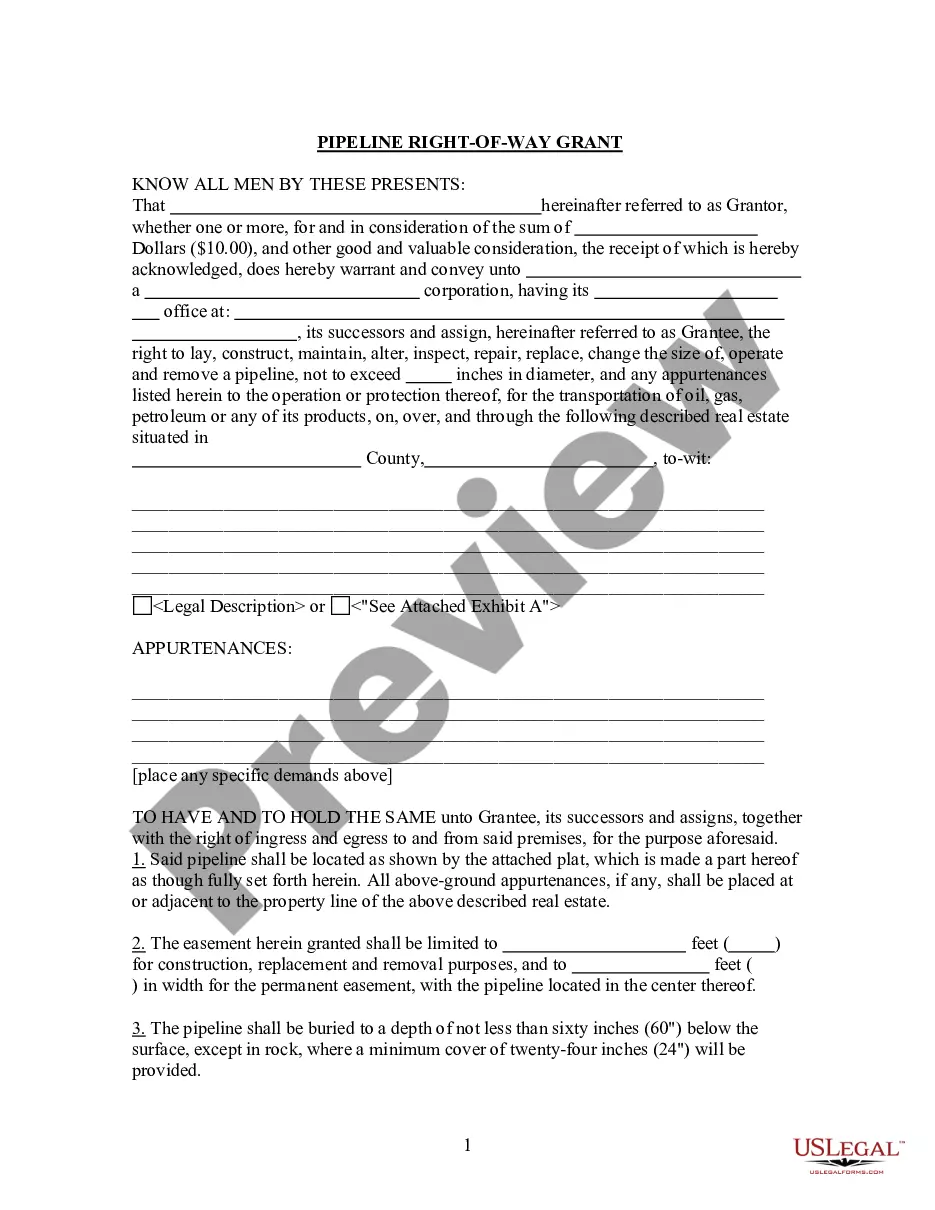
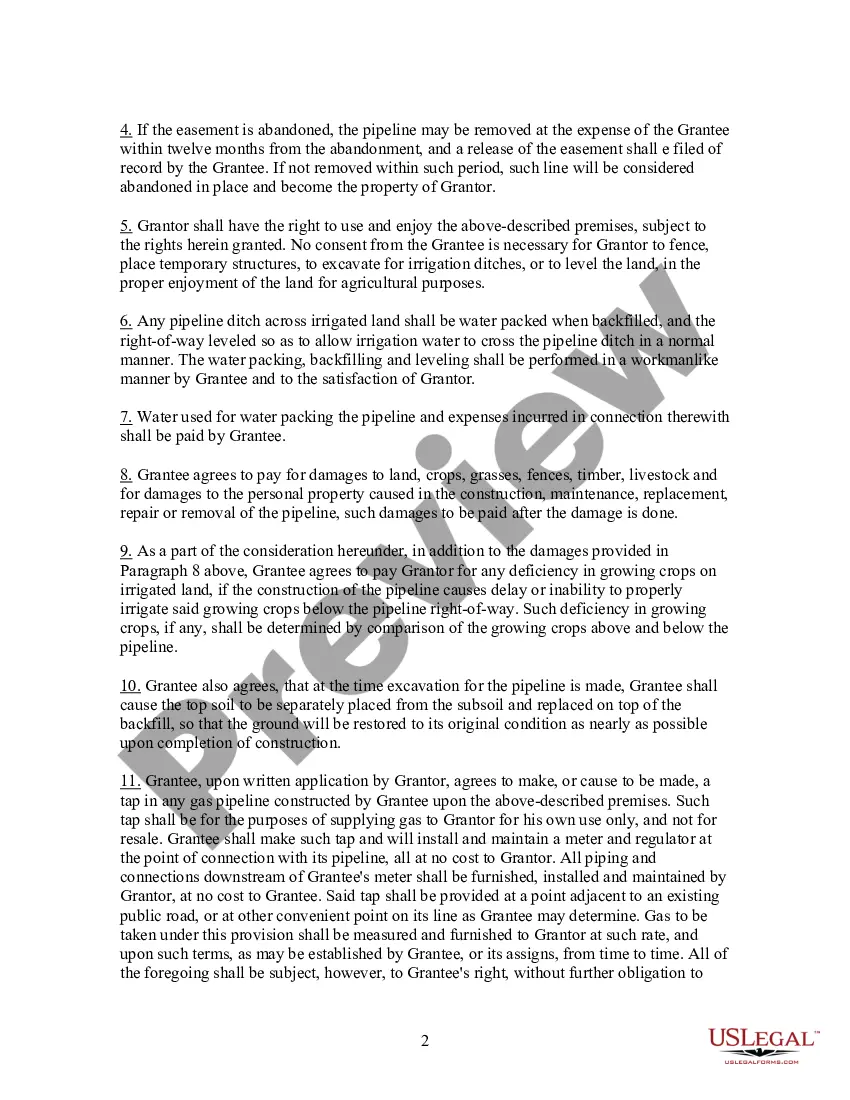
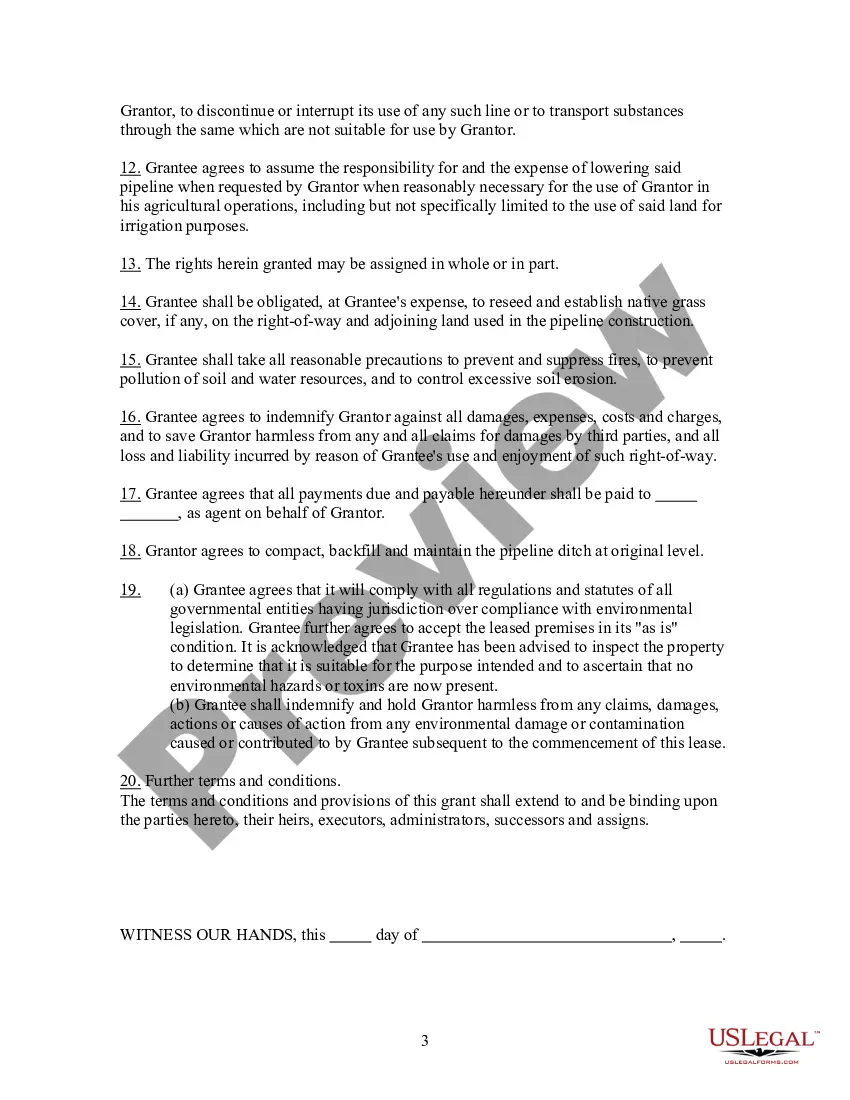
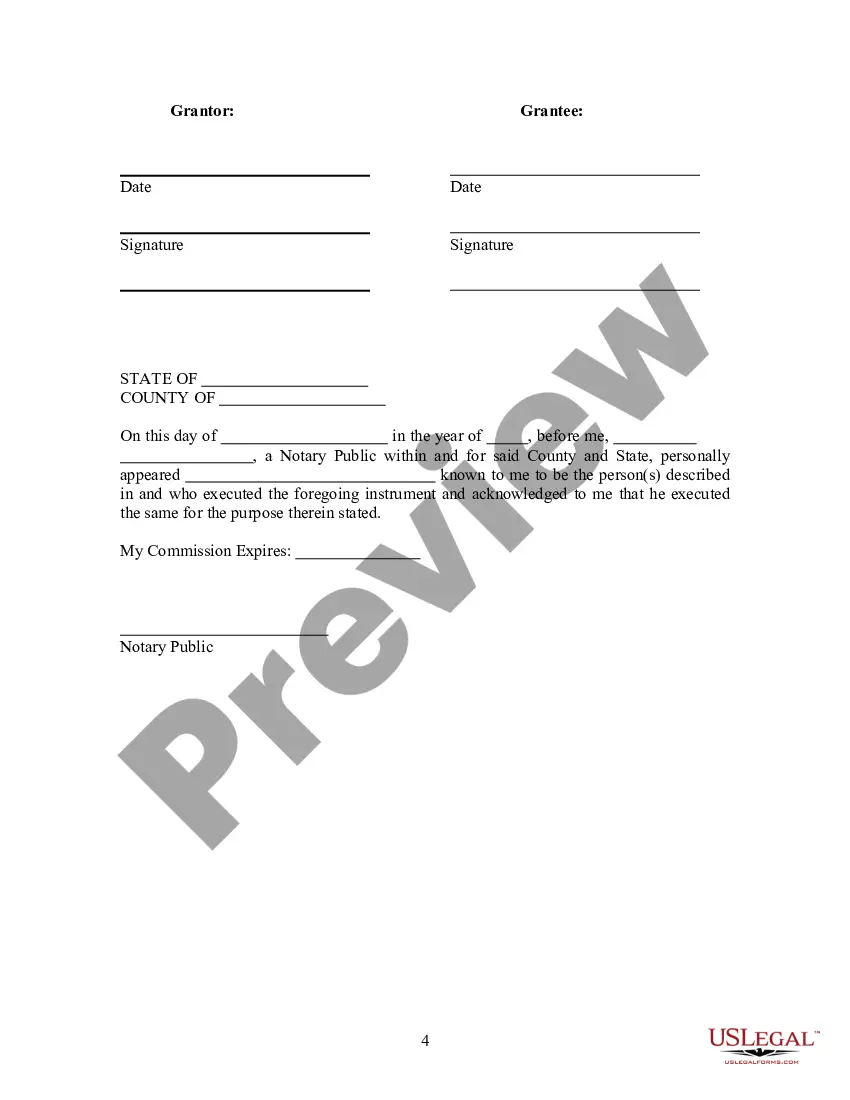
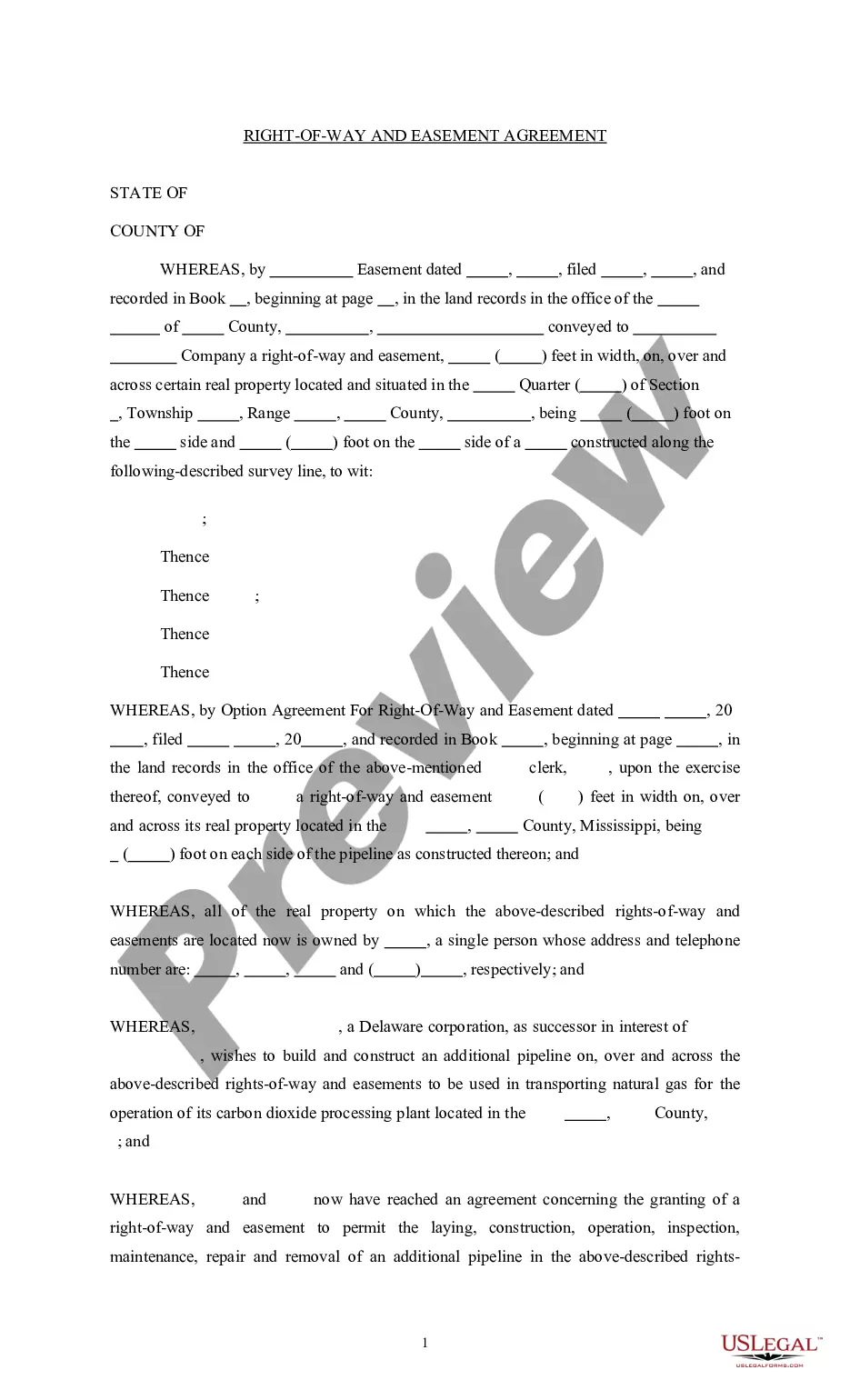
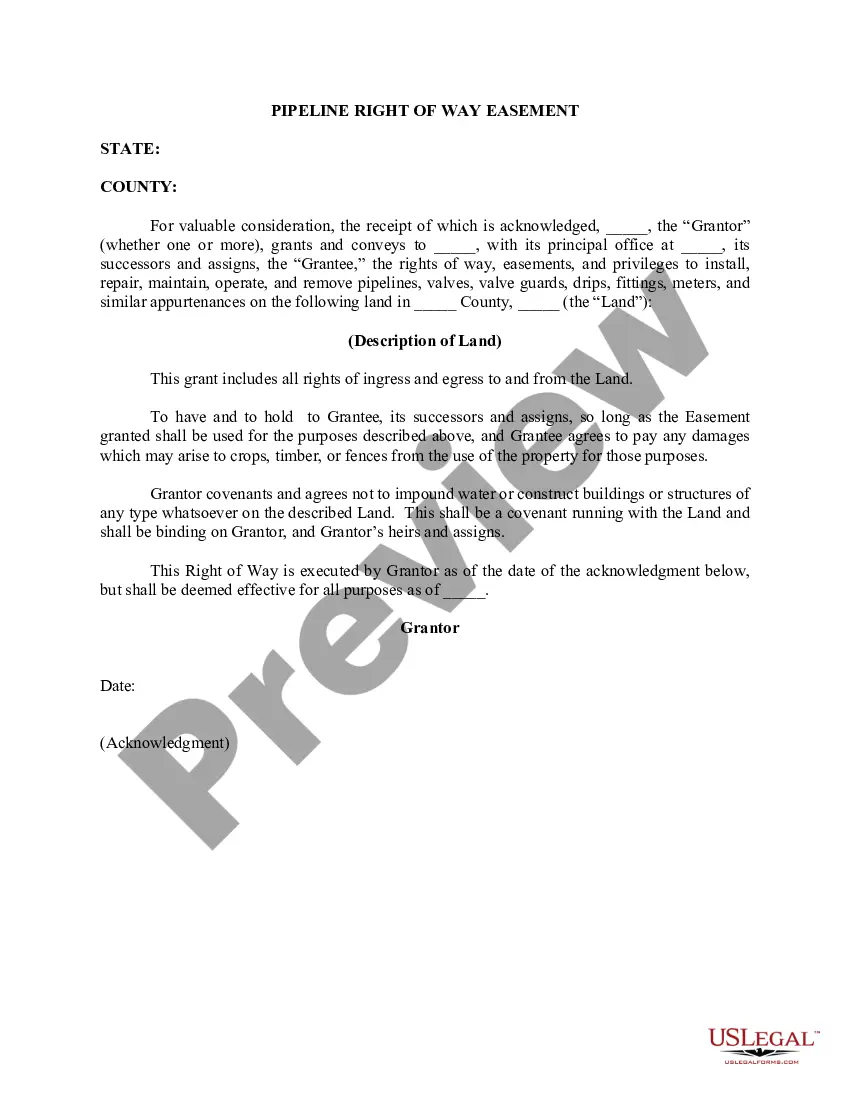
Get your form ready online
Our built-in tools help you complete, sign, share, and store your documents in one place.
Make edits, fill in missing information, and update formatting in US Legal Forms—just like you would in MS Word.
Download a copy, print it, send it by email, or mail it via USPS—whatever works best for your next step.
Sign and collect signatures with our SignNow integration. Send to multiple recipients, set reminders, and more. Go Premium to unlock E-Sign.
If this form requires notarization, complete it online through a secure video call—no need to meet a notary in person or wait for an appointment.
We protect your documents and personal data by following strict security and privacy standards.

Make edits, fill in missing information, and update formatting in US Legal Forms—just like you would in MS Word.

Download a copy, print it, send it by email, or mail it via USPS—whatever works best for your next step.

Sign and collect signatures with our SignNow integration. Send to multiple recipients, set reminders, and more. Go Premium to unlock E-Sign.

If this form requires notarization, complete it online through a secure video call—no need to meet a notary in person or wait for an appointment.

We protect your documents and personal data by following strict security and privacy standards.
Looking for another form?

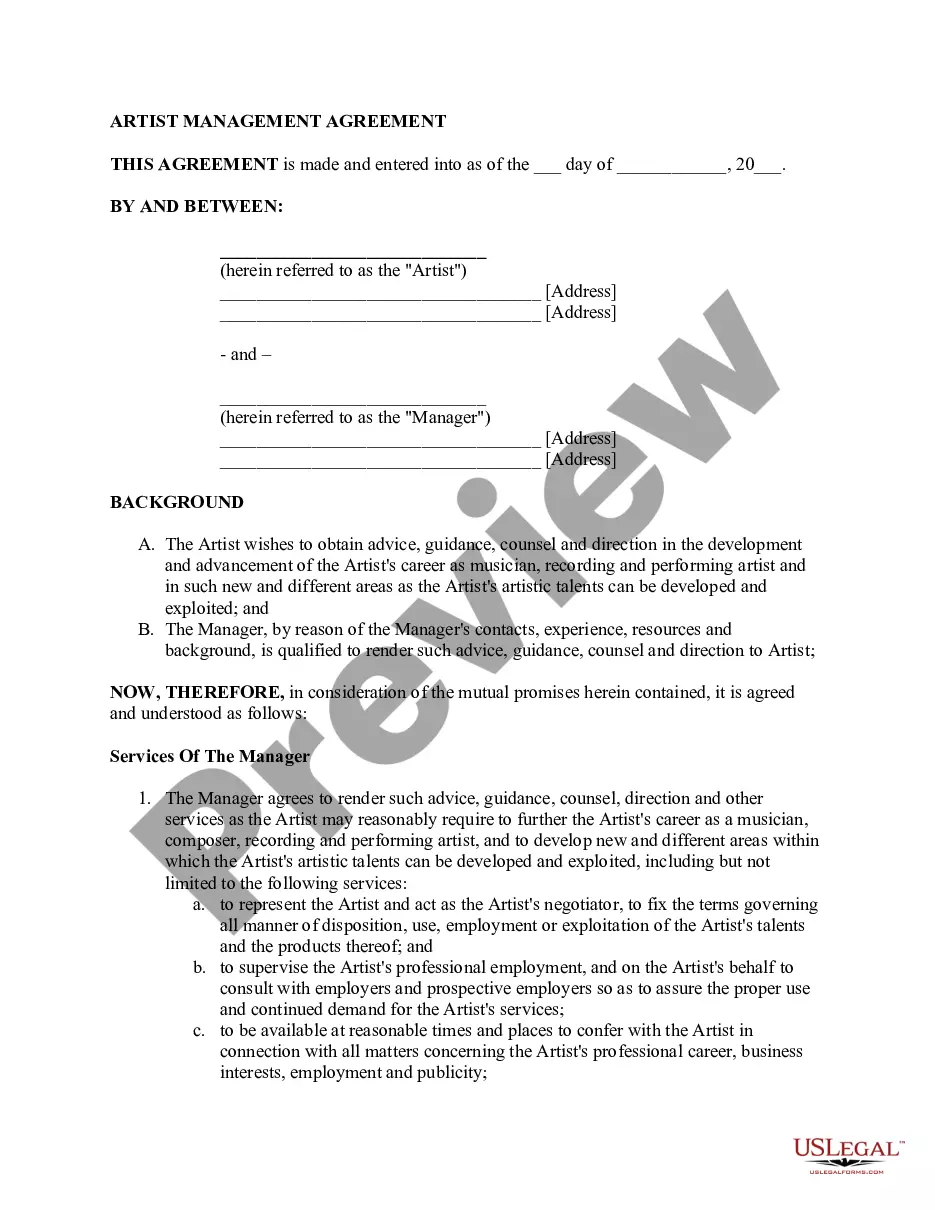








How to fill out Pipeline Right Of Way Grant?
- Log in to your US Legal Forms account to access previous purchases. If you haven't subscribed yet, consider registering to explore the extensive library.
- Use the Preview mode to check the form description. Ensure it matches your specific requirements for real estate transactions.
- If you've found an inconsistency, utilize the Search feature to locate the correct template suited for your needs.
- Once you identify the right document, click the Buy Now button and select your preferred subscription plan.
- Complete your purchase by entering your payment details, either through credit card or PayPal.
- After the transaction, download your completed form and save it on your device for future reference. You can always access it later in the My Forms section of your profile.
US Legal Forms offers a robust collection of legal documents, providing a comprehensive resource for any real estate professional or individual. With premium support and easy-to-use templates, you can ensure your paperwork is accurate and legally binding.
Don't let the complexity of legal documents overwhelm you. Get started with US Legal Forms today and streamline your real estate transactions!
Form popularity
FAQ
Yes, reporting the sale of a home to the IRS is essential, especially if the sale results in a profit. The IRS requires all income from real estate for sale to be reported accurately. Understanding how to document this on your tax return can save you from unexpected tax issues down the line.
To report the sale of real property, you need to complete Form 8949 and potentially Schedule D on your tax return. These forms will help you outline the details of the sale and calculate any gains or losses. Make your life easier by using USLegalForms, which can offer precise instructions on completing these forms.
For reporting the sale of real estate, you generally use Form 8949 and Schedule D. These forms allow you to detail the sale and calculate your capital gain or loss. Utilizing USLegalForms can streamline the process, providing you with the necessary forms and guidance for a seamless filing experience.
Selling a house can result in taxable income, particularly if you make a profit. The IRS considers the profit from the sale of real estate for sale as taxable, so it’s essential to understand how capital gains tax might apply to your situation. Always consult a tax professional for insights specific to your case.
Yes, you must report the sale of your house to the IRS, especially if you have a capital gain. The IRS requires transparency on transactions involving real estate for sale, ensuring proper tax compliance. You can report the sale on your annual tax return, which helps avoid future tax complications.
Filing for real estate involves reporting the sale on your tax return, generally using Schedule D and Form 8949. These forms help you report capital gains or losses from the sale of real estate for sale. Consider using a platform like USLegalForms for simplified guided instructions tailored to your situation.
Not every real estate transaction generates a 1099. If you sell your house for less than a certain threshold or use it as your primary residence for a significant period, you may not receive one. It’s important to understand the specifics of your sale to determine your tax obligations.
Yes, when you sell a house, you typically receive a 1099 form from the buyer. This form reports the sale to the IRS, helping ensure that all income from real estate for sale is properly accounted for. It is crucial to keep this document for your tax records, as it outlines the sale amount.
Entering real estate with no experience can feel daunting, but it's entirely achievable. Start by educating yourself through books, podcasts, and online courses. Consider partnering with experienced investors or working alongside a mentor who can offer insights into the market and guide you to real estate for sale that aligns with your investment goals.
The best way to access real estate listings is by using multiple trusted online platforms, including local MLS sites, real estate websites, and property apps. Subscribing to newsletters can also provide you with timely updates on new real estate for sale. Don't forget about traditional methods, like working with a knowledgeable real estate agent who can guide you to listings that match your needs.