Physical Abuse For Elderly
Description
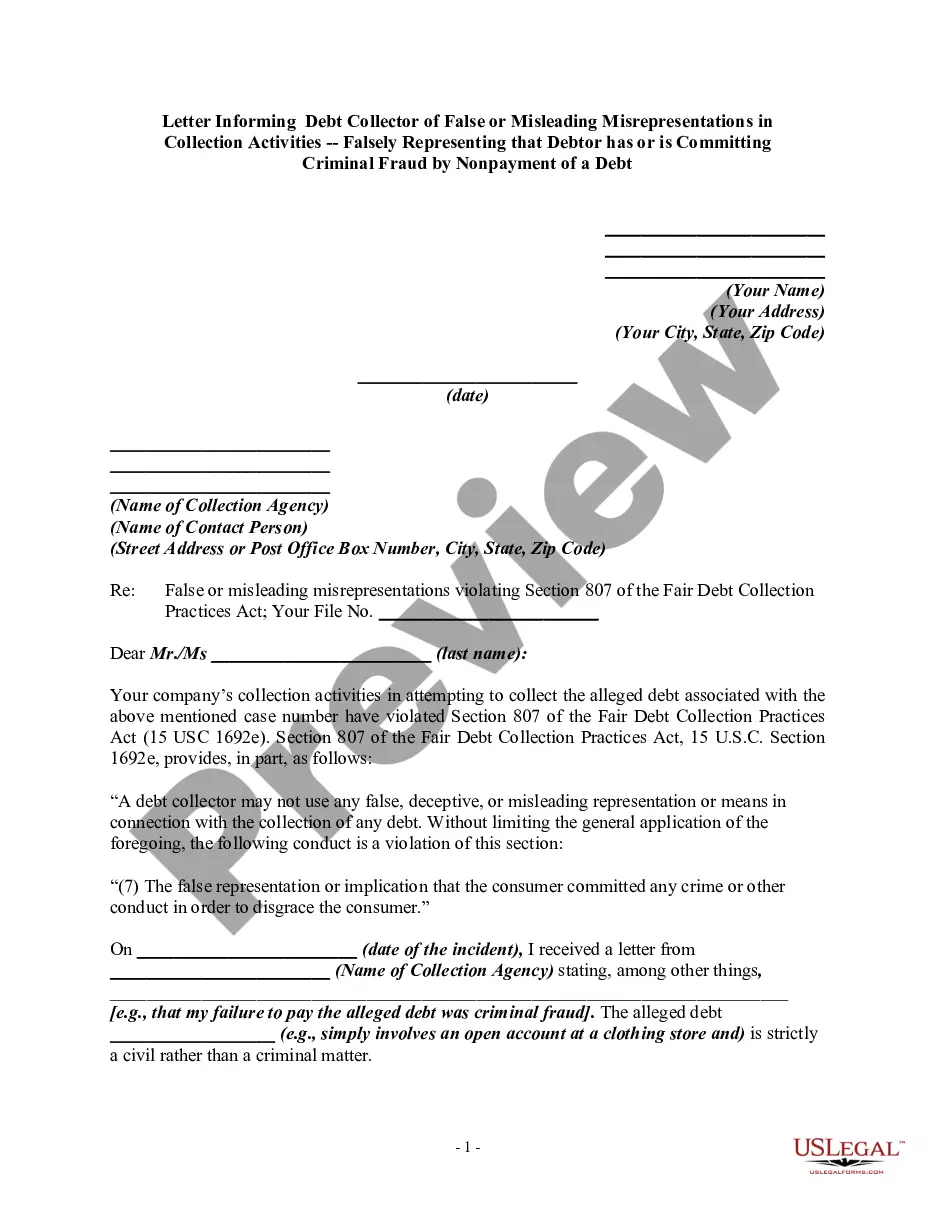
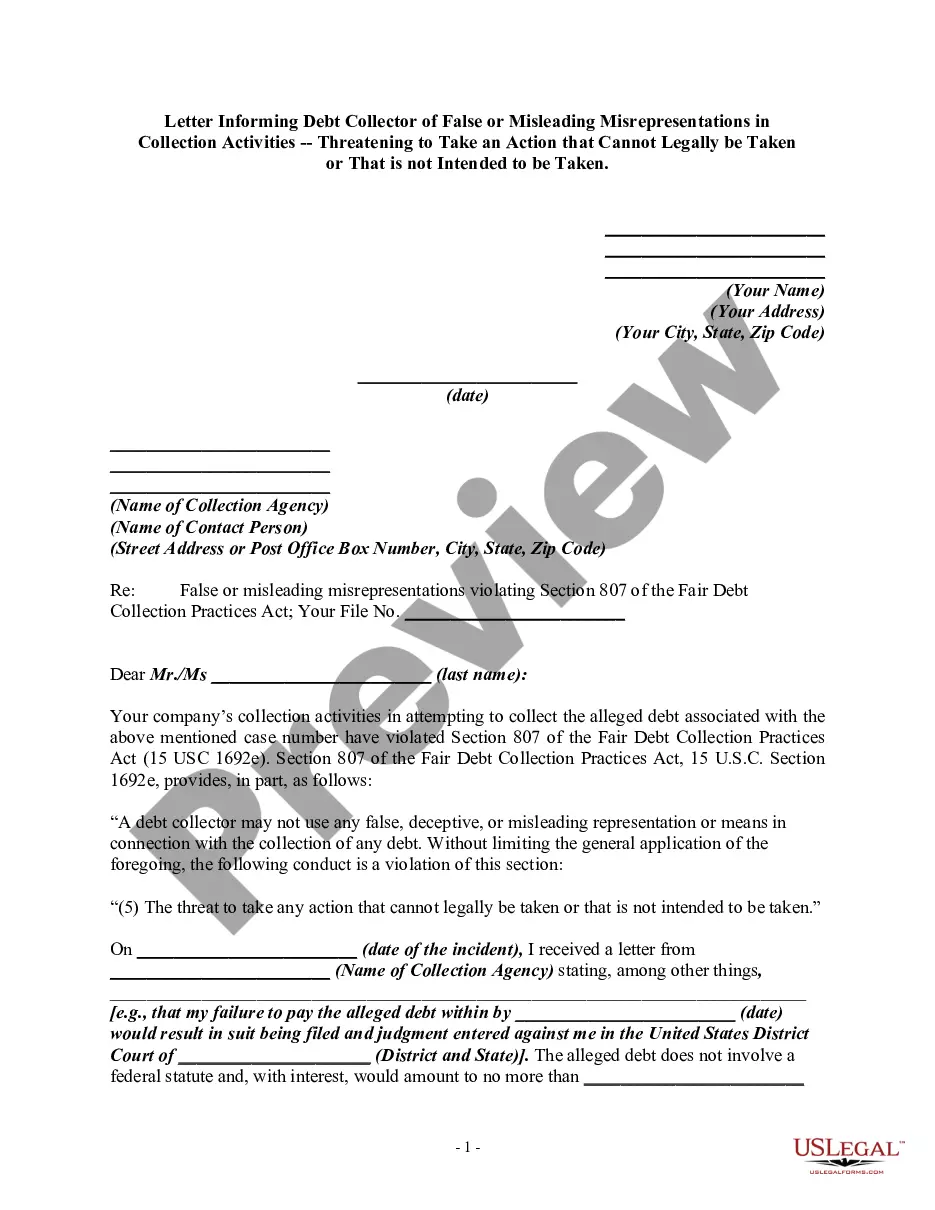
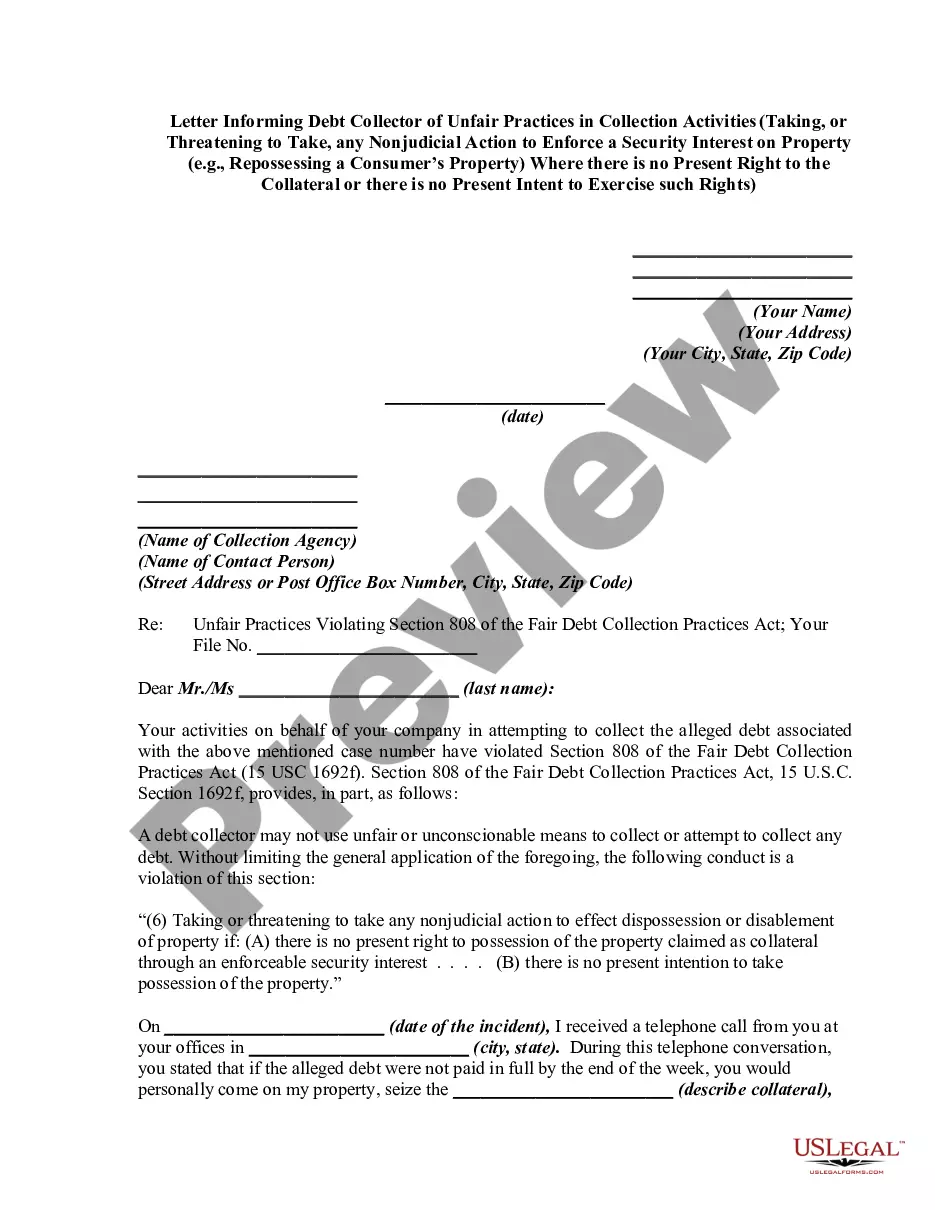
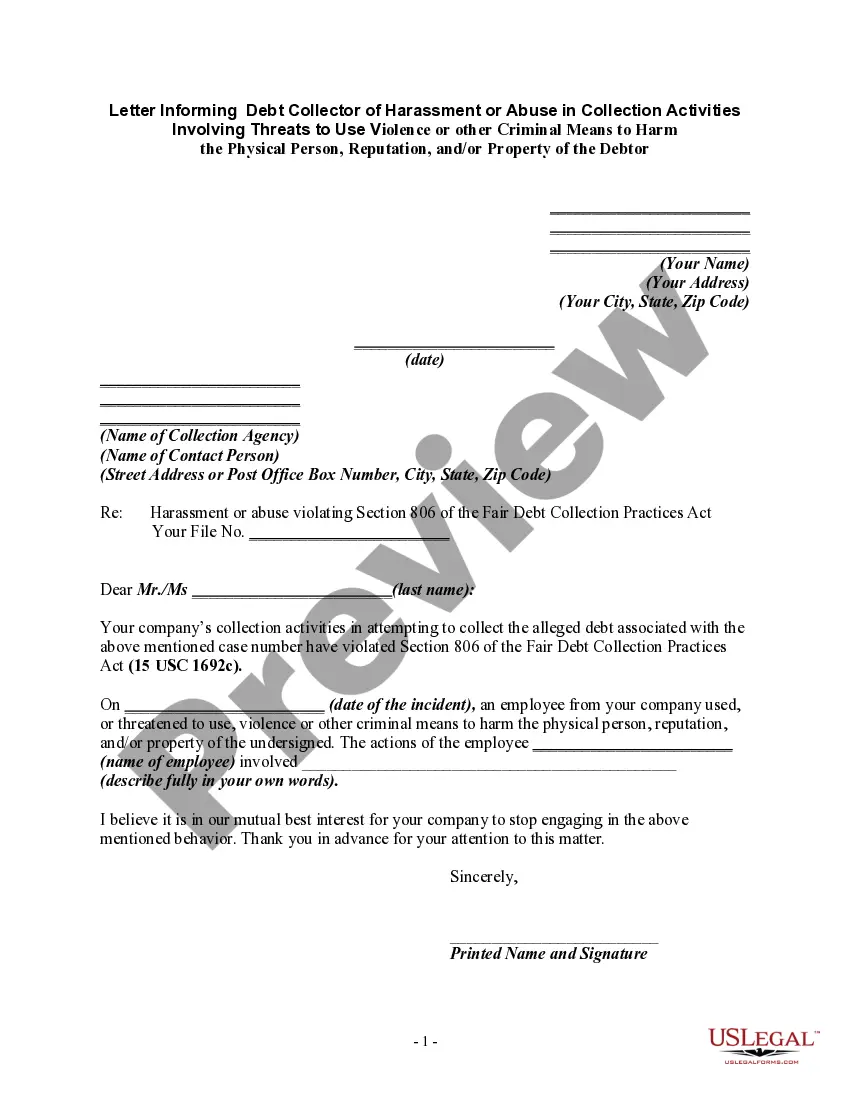
How to fill out Letter Informing Debt Collector Of Harassment Or Abuse In Collection Activities Involving Threats To Use Violence Or Other Criminal Means To Harm The Physical Person, Reputation, And/or Property Of The Debtor?
Managing legal documents and processes can be a lengthy addition to your schedule.
Physical Mistreatment of Seniors and similar forms generally necessitate that you find them and comprehend how to fill them out correctly.
Consequently, whether you are handling financial, legal, or personal issues, possessing a comprehensive and straightforward online directory of forms when you require it will be extremely beneficial.
US Legal Forms is the leading online platform for legal templates, boasting over 85,000 state-specific documents and an assortment of tools designed to assist you in completing your paperwork swiftly.
Is this your initial experience with US Legal Forms? Register and create an account in a few moments, and you will gain access to the form directory and Physical Mistreatment of Seniors. Then, follow the steps outlined below to fill out your form: Ensure you have the correct document using the Preview feature and reviewing the form details. Select Buy Now when prepared, and choose the subscription plan that fits your needs. Click Download, then complete, sign, and print the form. US Legal Forms has twenty-five years of experience aiding users in managing their legal documents. Obtain the form you need now and streamline any process effortlessly.
- Browse the collection of pertinent documents available with a single click.
- US Legal Forms provides you with state- and county-specific documents accessible at any time for download.
- Protect your document management processes with a superior service that enables you to prepare any form within minutes without any additional or concealed charges.
- Simply Log In to your account, find Physical Mistreatment of Seniors, and obtain it immediately from the My documents section.
- You can also retrieve previously saved documents.
Form popularity
FAQ
Coercive control of the elderly involves a pattern of behavior by caregivers or family members that limits an elderly person's freedom and autonomy. This can include manipulation, intimidation, and isolation, which can significantly impact their mental and emotional health. Understanding this form of control is vital for recognizing potential abuse victims. If you suspect coercive control, resources like US Legal can provide guidance on steps to take.
Among senior adults, prescription medications are often the most commonly abused substances. Many elderly individuals may misuse medications due to chronic pain or mental health issues, which can lead to physical abuse for elderly individuals if not managed properly. It is critical to monitor medication use and ensure that seniors understand their prescriptions. Open conversations about these concerns can help prevent potential abuse.
Recognizing red flags for elder abuse is essential for prevention. Signs may include unexplained injuries, sudden changes in behavior, withdrawal from social activities, or a caregiver who seems overly controlling. Additionally, unexplained financial changes or sudden shifts in living arrangements can indicate issues. If you notice these signs, consider consulting resources, such as those available on the US Legal platform, to understand your options.
Adult abuse can manifest in various forms, including physical abuse for elderly individuals, emotional abuse, sexual abuse, financial exploitation, neglect, abandonment, self-neglect, caregiver neglect, isolation, and psychological manipulation. Each type poses significant risks to the well-being of seniors. Understanding these categories helps in identifying and addressing issues promptly. If you suspect any form of abuse, it's crucial to seek assistance as soon as possible.
If you suspect physical abuse for elderly individuals, it is crucial to act promptly. Start by contacting local authorities or the Adult Protective Services in your area, as they are trained to handle such cases. Additionally, you can gather evidence such as photographs or witness statements to support the claim. Remember, reporting physical abuse for elderly individuals can help protect them and ensure they receive the care they deserve.
In cases of elder abuse, investigators focus on several key factors, especially when dealing with physical abuse for elderly. They look for physical signs of harm, such as bruises or unexplained injuries, as well as psychological indicators like fear or anxiety in the elderly person. Additionally, they assess the living conditions, financial records, and interactions between the elderly individual and their caregivers. This comprehensive approach ensures that all aspects of the case are explored to protect the victim.
Understanding the various categories of abuse for adults is essential, particularly when dealing with physical abuse for elderly. The ten categories include physical abuse, emotional abuse, sexual abuse, financial exploitation, neglect, abandonment, self-neglect, healthcare fraud, isolation, and caregiver stress. Each category highlights different types of mistreatment that can significantly impact an elderly individual's well-being. Familiarizing yourself with these categories can help in recognizing and addressing abuse effectively.
Proving emotional abuse, especially in cases of physical abuse for elderly, often requires a thorough collection of evidence. Look for documented incidents, such as emails, text messages, or witness statements that indicate a pattern of harmful behavior. Medical records can also be useful, as they may show psychological distress or emotional trauma. Ultimately, having a comprehensive record strengthens your case significantly.
If you suspect that an elderly person is experiencing physical abuse for elderly, it is crucial to act immediately. First, ensure their safety by removing them from the harmful environment if possible. Then, report the abuse to local authorities or adult protective services, as they can provide immediate assistance. Additionally, documenting any signs of abuse can help support the case.